
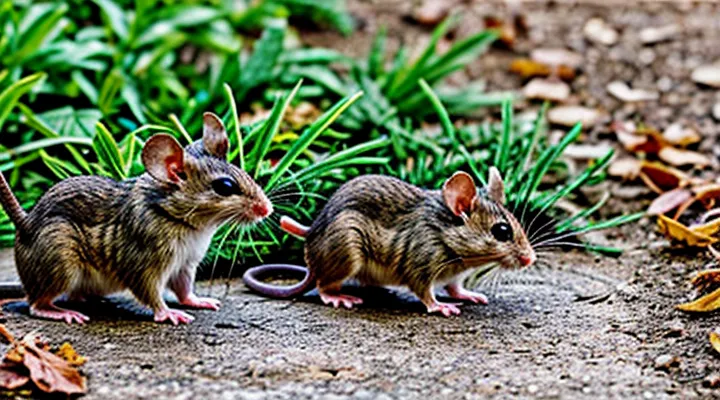
Understanding the Mouse Problem
Signs of a Mouse Infestation
Droppings and Urine Trails
Mouse droppings and urine trails provide the most reliable indication of an active infestation. Fresh droppings appear as small, dark, rice‑shaped pellets; older deposits darken and become crumbly. Urine stains are invisible to the naked eye but can be detected by a strong ammonia odor or by using a blacklight, which causes the urine to fluoresce.
These waste products pose serious health risks. They can carry Hantavirus, leptospirosis, salmonella, and other pathogens. Inhalation of dried droppings or aerosolized urine particles may lead to respiratory illness. Direct contact with contaminated surfaces can cause skin irritation or infection.
Cleaning must eliminate both visible and hidden residues. Follow these steps:
- Wear disposable gloves, a N‑95 respirator, and eye protection.
- Ventilate the area by opening windows and using fans.
- Wet the droppings with a disinfectant solution (e.g., 10 % bleach) to prevent dust release.
- Allow the solution to soak for at least five minutes.
- Scrape the material into a sealed bag; dispose of the bag in an outdoor trash container.
- Rinse the surface with clean water; repeat the disinfectant application if stains remain.
- Use a blacklight to locate residual urine; treat any fluorescing spots with the same disinfectant protocol.
Droppings and urine trails also guide trap placement. Identify the most frequented pathways—often along walls, behind appliances, or near food sources—and position snap traps or live‑catch devices perpendicular to these routes. Monitoring the waste pattern over several days reveals the direction of mouse movement, allowing progressive reduction of the infestation zone.
Preventive measures reduce future waste deposits. Seal cracks larger than ¼ inch, install door sweeps, and store food in airtight containers. Regularly inspect vulnerable areas for fresh droppings or odor changes; early detection prevents population growth and limits health hazards.
Gnaw Marks and Damage
Mice gnaw continuously to keep teeth from overgrowing, leaving unmistakable bite marks on a variety of materials. Fresh gnaw marks appear as clean, shallow cuts with smooth edges, while older ones may show frayed or splintered wood. Common targets include structural beams, insulation, wiring, furniture, and food packaging. Damage to electrical cables creates fire hazards; compromised insulation reduces energy efficiency; weakened structural components can lead to costly repairs.
Identifying gnaw damage early prevents escalation. Look for the following indicators:
- Parallel cuts on wooden surfaces, especially near entry points.
- Chewed or exposed wiring with frayed insulation.
- Torn fabric, plastic, or cardboard with bite-shaped holes.
- Accumulated droppings near gnawed areas, confirming active activity.
- Unusual noises such as scratching within walls or ceilings.
Once gnaw marks are confirmed, take immediate action:
- Seal all visible entry routes with steel wool, caulk, or metal flashing.
- Replace or repair damaged wiring using certified electricians to eliminate fire risk.
- Remove and discard gnawed insulation; install new material with rodent‑resistant barriers.
- Repair structural wood using metal plates or rodent‑proof lumber.
- Deploy proven control measures—snap traps, electronic traps, or sealed bait stations—strategically along walls, behind appliances, and near identified gnaw sites.
Document each repaired area and monitor for new marks. Regular inspections combined with prompt repairs dramatically reduce the likelihood of further infestation and associated property loss.
Strange Noises
Strange noises often indicate the presence of rodents on a building. Scratching sounds behind walls, squeaking in ceiling cavities, and rustling within insulation are typical auditory clues. These noises usually occur at night when mice are most active, and they can help pinpoint infestation hotspots.
Identifying the source of unusual sounds enables targeted intervention. When a specific area is suspected, follow these steps:
- Conduct a silent inspection during nighttime to locate the exact origin of the noise.
- Seal visible entry points, such as gaps around pipes, vents, and foundation cracks.
- Place snap traps or electronic bait stations near the identified location.
- Apply rodent‑repellent granules or ultrasonic devices to the affected space.
- Monitor activity for several days, recording any recurring sounds to assess effectiveness.
Persistent or escalating noises after initial measures suggest a larger population or hidden nests. In such cases, expand the trap network, reinforce structural seals, and consider professional pest‑control services to ensure complete eradication.
Unpleasant Odors
Mice infestations commonly produce strong, unpleasant odors that signal the presence of a rodent problem and can deter occupants from using affected spaces. The scent originates from urine, droppings, and decomposing food, and it can permeate walls, insulation, and stored items.
Identifying the source of the odor helps target elimination efforts. Look for:
- Concentrated urine stains on floors, walls, or near entry points.
- Dark, pellet‑shaped droppings near food storage or nesting sites.
- Accumulated food debris and grease in cabinets or pantry corners.
Once the odor‑producing material is located, remove it promptly. Use disposable gloves, a sealable bag, and a disinfectant that neutralizes ammonia‑based smells. After cleaning, apply an enzymatic deodorizer to break down residual organic compounds that continue to emit odor.
Preventing recurrence requires sealing entry points, securing food, and maintaining a clean environment. Regular inspections for fresh droppings or urine spots allow early detection before odors become entrenched. Implementing these steps eliminates the olfactory evidence of mice and supports long‑term pest control.
Why Mice Are Attracted to Your Property
Food Sources
Mice survive by exploiting readily available nutrition. Any unsecured food item creates a direct invitation, allowing rodents to establish a foothold and reproduce rapidly.
Secure all edible materials. Store dry goods in airtight containers made of metal or heavy‑wall plastic. Place pantry items in bins with tight‑fitting lids and keep them off the floor. Refrigerate perishables promptly and discard leftovers within 24 hours.
Eliminate indirect sources. Clean crumbs and spills from countertops, floors, and appliances each night. Use a vacuum or damp mop to remove residue from cabinets and shelving. Dispose of garbage in sealed bags and transfer it to an outdoor bin with a tight‑closing lid; empty the bin regularly.
Control outdoor attractants. Keep bird feeders, pet food bowls, and compost piles away from building foundations. Cover feed stations with metal lids or lockable containers. Remove fallen fruit, nuts, or seed from landscaping and store them in sealed containers.
Implement routine inspections. Conduct weekly checks of storage areas for signs of gnawing, droppings, or food spillage. Replace damaged containers immediately. Document findings to track patterns and adjust preventive measures accordingly.
Shelter and Warmth
Mice occupy any location that offers protection from predators and a stable temperature. Reducing these conditions directly lowers the likelihood of an infestation.
Typical shelter sources include:
- Gaps around doors, windows, and utility penetrations
- Cracks in foundations, walls, and roof structures
- Stacked firewood, debris piles, and stored materials
- Overgrown vegetation that contacts the building envelope
Effective actions:
- Inspect the exterior and interior for openings larger than ¼ inch; use steel wool, caulk, or metal flashing to seal them.
- Remove clutter from basements, attics, and crawl spaces; keep storage off the floor and away from walls.
- Store firewood at least 18 inches from the structure and elevate it on a platform.
- Trim trees, shrubs, and vines so they do not touch the building, eliminating bridge pathways.
- Maintain indoor temperatures within normal comfort ranges; avoid excessive heating that creates localized warmth.
By eliminating shelter and minimizing heat sources, the environment becomes inhospitable to mice, supporting long‑term control on the property.
Water Access
Mice require a reliable water supply to survive and reproduce. Removing or controlling water sources deprives them of a critical resource, forcing movement toward less hospitable areas and increasing the likelihood of detection.
Identify and eliminate standing water. Check basements, crawl spaces, and exterior foundations for pooled rainwater, clogged gutters, or leaking pipes. Repair all leaks promptly, replace faulty seals, and install drip‑free irrigation systems.
Secure interior moisture. Store pet water dishes only when necessary, empty them after use, and keep kitchen sinks dry. Wipe countertops, floors, and cabinets after cleaning to remove residual dampness.
Improve drainage around the property. Grade soil to direct runoff away from the building, install French drains where water accumulates, and maintain clear pathways for water to flow freely.
Implement routine inspections. Conduct monthly visual checks for moisture, record any new leaks, and address them within 24 hours. Document findings in a log to track trends and verify that corrective actions remain effective.
By systematically removing accessible water, the environment becomes hostile to mice, supporting broader eradication efforts without reliance on chemical controls.
Prevention: The First Line of Defense
Sealing Entry Points
Inspecting Your Property
A thorough inspection forms the foundation of any successful mouse control program. Begin by walking the interior and exterior of the building, noting any gnaw marks, droppings, or nests. Concentrate on hidden areas such as attics, crawl spaces, basements, and behind appliances.
Identify potential entry points by examining walls, foundations, doors, and windows. Look for gaps larger than a quarter inch, cracked siding, damaged weatherstripping, and unsealed utility penetrations. Seal openings with steel wool, caulk, or metal flashing to prevent re‑entry.
Assess food sources that may attract rodents. Verify that all food storage containers are airtight, waste bins have tight lids, and crumbs are promptly cleaned. Eliminate water sources by repairing leaks and removing standing water.
Document findings systematically to guide remediation. Use a checklist or digital form to record location, type of evidence, and severity. This record supports targeted intervention and enables progress tracking.
Typical inspection checklist:
- Visible signs: droppings, urine stains, gnaw marks, nests
- Structural vulnerabilities: cracks, gaps, damaged screens
- Food and water availability: unsecured containers, spills, leaks
- Shelter opportunities: clutter, insulation gaps, debris piles
Completing these steps provides a clear picture of the infestation’s scope, informs the selection of control measures, and reduces the likelihood of recurrence.
Materials for Sealing Gaps
Effective mouse control begins with eliminating entry points. Selecting the right sealing materials prevents rodents from infiltrating walls, foundations, and utility openings.
- Steel wool (¼‑inch or larger) – Compressible, resists chewing; combine with caulk for a durable seal.
- Copper mesh – Flexible, corrosion‑resistant; suitable for gaps around pipes and vents.
- Silicone caulk – Weather‑proof, adheres to wood, metal, and concrete; ideal for small cracks and seams.
- Expanding polyurethane foam – Fills irregular voids up to 2 inches; spray, then trim excess.
- Mortar or concrete patch – Provides a solid barrier for large foundation cracks; requires mixing and curing.
- Rigid metal flashing – Sheets of steel or aluminum; cover gaps around doors, windows, and roof eaves.
When choosing a material, consider gap size, exposure to moisture, and the likelihood of rodent gnawing. For openings larger than ¼ inch, use a combination of metal barrier and sealant to deter chewing. Apply sealants after cleaning debris and drying the surface; ensure complete coverage to avoid residual openings. Regular inspection of sealed areas maintains effectiveness and reduces the need for repeated treatments.
Eliminating Food and Water Sources
Proper Food Storage
Proper food storage eliminates the primary attractant that draws rodents onto a site. Secure containers prevent scent leakage, deny access, and reduce the likelihood of infestation. Use airtight, metal or heavy‑plastic bins with sealed lids for grains, pet food, and dry goods. Store these containers on raised platforms away from walls to avoid easy climbing routes.
Maintain a strict cleaning schedule. Remove crumbs, spills, and food residues from countertops, floors, and equipment after each use. Dispose of waste in bins equipped with tight‑fit lids and empty them regularly. Conduct routine inspections for damaged seals or cracks that could allow entry.
- Keep all food in sealed, rodent‑proof containers.
- Label containers with inspection dates; replace compromised units promptly.
- Clean preparation areas with a damp cloth; avoid sweeping that leaves debris.
- Position waste receptacles at least 12 inches from building edges.
- Perform monthly audits of storage zones for signs of gnawing or contamination.
Managing Waste
Effective mouse control begins with proper waste handling. Food residues and decomposing material attract rodents, providing a reliable food source that sustains infestations. Eliminating these incentives reduces the likelihood of mice establishing a presence on the property.
- Store all waste in containers equipped with tight‑fitting lids; inspect seals regularly for damage.
- Position dumpsters at least 10 feet away from building foundations and elevate them on concrete pads to prevent gnawing access.
- Empty trash bins daily in residential settings; increase frequency to twice daily in commercial kitchens or food‑processing areas.
- Separate organic waste from non‑organic refuse; compost bins must be sealed and located far from structures.
- Clean spillages immediately; use disinfectants that deter rodent activity without leaving attractive odors.
Routine inspection supports sustained effectiveness. Verify that lids remain secure, check for signs of gnawing around container edges, and replace damaged bins promptly. Maintain a schedule for waste‑area sanitation, documenting each service to ensure accountability. Consistent waste management removes a primary food driver, strengthening overall rodent‑exclusion strategies.
Fixing Leaks
Mice are attracted to water sources that result from plumbing defects, roof cracks, or foundation gaps. Moisture provides food, nesting material, and a reliable drinking supply, encouraging rodents to establish colonies on a property.
Identifying leaks requires a systematic inspection. Look for damp spots on walls, ceilings, and floors; listen for continuous dripping sounds; check under sinks and around appliances; and monitor utility bills for unexplained spikes that may indicate hidden water loss.
Repair actions include:
- Tightening or replacing worn faucet washers and pipe fittings.
- Sealing cracks in exterior walls, foundations, and roof sheathing with appropriate caulk or epoxy.
- Installing splash guards on drains and ensuring garbage disposals are properly sealed.
- Insulating exposed pipes to prevent condensation buildup.
When damage exceeds DIY capability, engage a licensed plumber or contractor. Professional assessment guarantees proper material selection, code compliance, and lasting elimination of water sources that sustain mouse activity.
Maintaining a Clean Environment
Decluttering and Organization
Effective mouse control begins with eliminating the conditions that attract rodents. Reducing clutter removes hiding places, limits food sources, and creates an environment where mice cannot establish nests.
Clear storage areas. Remove boxes, bags, and unused items from basements, attics, garages, and crawl spaces. Keep only essential belongings and store them in sealed containers made of metal or thick plastic. Ensure lids fit tightly and do not have gaps.
Organize remaining items. Arrange supplies on shelves rather than on the floor. Use vertical storage solutions to keep surfaces clear. Label bins to maintain order and facilitate regular inspection.
Maintain a routine. Conduct weekly checks for signs of activity, such as droppings or gnaw marks, especially in previously cluttered zones. Promptly dispose of waste and recycle packaging that could serve as food.
Key practices:
- Store all food, pet feed, and grain in airtight containers.
- Keep cleaning tools, spare parts, and gardening supplies off the ground.
- Dispose of cardboard, paper, and fabric scraps promptly.
- Seal cracks and gaps in walls, floors, and foundations that provide entry points.
By systematically removing excess material and enforcing disciplined organization, the habitat becomes inhospitable to mice, reducing the need for chemical or mechanical eradication methods.
Regular Cleaning Practices
Consistent cleaning deprives mice of shelter and food, directly reducing their presence on a property. Remove all crumbs, spills, and food residues from floors, countertops, and appliances after each use. Store dry goods in airtight containers; seal bags and boxes before placement in cabinets. Dispose of garbage nightly in sealed bins and keep outdoor trash cans covered.
- Sweep and mop hard‑surface floors daily; vacuum carpets and upholstery weekly, emptying the vacuum bag or canister immediately.
- Clean behind and beneath appliances, refrigerators, and ovens; these areas often collect debris that attracts rodents.
- Wash dishes promptly; avoid leaving dishes in the sink overnight.
- Wipe down pet feeding stations after meals; rinse bowls and store pet food in sealed containers.
- Inspect and clean storage sheds, garages, and basements; sweep out accumulated dust, leaves, and other organic matter.
Regularly laundering curtains, bedding, and soft furnishings eliminates hidden food particles and nesting material. Maintain a schedule for deep cleaning seasonal spaces such as attics and crawl‑spaces, focusing on eliminating insulation debris and insulation gaps that can serve as nesting sites. By adhering to these disciplined cleaning routines, the environment becomes inhospitable to mice, supporting long‑term rodent management.
Effective Eradication Methods
Trapping Techniques
Snap Traps
Snap traps provide immediate, lethal control of rodent intruders. The mechanism consists of a spring‑loaded bar that releases with a single bite, delivering a swift kill. Proper use maximizes efficacy while minimizing risk to non‑target species and occupants.
- Choose a trap sized for mice; larger models may miss smaller targets.
- Load the spring according to manufacturer instructions; over‑tension reduces reliability.
- Apply a bait that mice prefer, such as peanut butter, dried fruit, or a small piece of cheese. Place a thin layer to prevent the animal from removing the bait without triggering the device.
- Position traps along established runways: behind appliances, within wall voids, near baseboards, and at points where droppings have been observed. Align the trigger end with the wall to encourage forward entry.
- Set multiple traps spaced 12–18 inches apart to increase capture probability.
- Check traps daily; remove dead rodents promptly, wearing gloves and disposing of carcasses in sealed bags to prevent disease spread.
- Reset or replace traps after each capture to maintain pressure on the population.
Advantages include instant results, no chemical exposure, and low cost per unit. Limitations involve the need for careful placement to avoid accidental activation by children or pets, and the requirement for ongoing monitoring. Integrating snap traps with sanitation measures—sealing entry points, eliminating food sources, and maintaining a clutter‑free environment—enhances overall control outcomes.
Live Traps
Live traps provide a humane alternative to lethal devices while maintaining control over rodent populations. The traps consist of a cage with a trigger mechanism that closes the door when a mouse enters, securing the animal alive for later relocation.
Effective use of live traps requires careful selection of size and material. Small‑to‑medium cages made of stainless steel or heavy‑gauge wire prevent chewing and withstand outdoor conditions. The trigger should be sensitive enough to close with minimal pressure, ensuring quick capture without injury.
Placement determines success. Position traps along established mouse pathways—near walls, behind appliances, and in dark corners. Align the entrance parallel to the wall to match the animal’s natural tendency to run close to surfaces. Elevate traps a few inches off the floor to avoid interference from debris.
Bait selection influences capture rates. High‑protein foods such as peanut butter, cooked bacon, or canned tuna attract mice more reliably than grain‑based options. Apply a small amount to the trigger plate, avoiding excess that could allow the mouse to feed without activating the mechanism.
Regular monitoring prevents stress and mortality. Check traps at least twice daily; remove captured mice promptly, transport them to a suitable release site at least two miles from the property, and comply with local wildlife regulations. Release in a wooded or agricultural area with adequate shelter and food sources.
Maintenance sustains trap efficacy. Clean cages with mild detergent after each use, disinfect with a diluted bleach solution, and inspect the trigger for wear. Replace damaged components to avoid false triggers or escape.
Integrating live traps with complementary measures—sealing entry points, eliminating food sources, and reducing clutter—enhances overall control. When deployed systematically, live traps reduce mouse activity while adhering to humane standards.
Electronic Traps
Electronic traps deliver rapid, humane control by emitting a high‑voltage shock that kills rodents instantly. The device consists of a sensor‑triggered circuit and a metal grid; when a mouse contacts the grid, the circuit closes and a lethal pulse is released.
Key advantages include:
- Immediate result eliminates the need for prolonged bait exposure.
- No poison residues, reducing risk to pets, children, and non‑target wildlife.
- Reusability; a single unit can kill dozens of mice before battery replacement.
- Minimal odor and visual evidence, suitable for indoor and commercial settings.
When selecting a model, consider:
- Voltage rating (typically 2,000–3,500 V) sufficient to ensure instant death.
- Battery life; lithium‑ion units last 6–12 months under regular use.
- Indicator lights or audible alerts that confirm each activation.
- Safety interlocks preventing accidental discharge during handling.
Effective placement follows a strategic pattern:
- Position traps along walls, behind appliances, and near known runways, as mice prefer concealed pathways.
- Space units 10–15 feet apart to cover overlapping territories.
- Install at floor level or slightly elevated (1–2 inches) to align with mouse movement.
Maintenance procedures are straightforward:
- After each kill, remove the carcass with gloves, dispose of it in a sealed bag, and clean the grid with a disinfectant wipe.
- Replace batteries promptly when the indicator signals low power.
- Inspect the sensor array for dust or debris that could impede activation.
Cost analysis shows an upfront price of $30–$80 per trap, offset by the absence of recurring bait expenses and reduced property damage. For large facilities, a network of 5–10 units typically achieves full coverage, delivering a scalable, low‑maintenance solution for rodent eradication.
Baiting Strategies
Effective mouse control relies on well‑planned baiting. Choose a bait that matches the target’s preferences and safety requirements. Common options include:
- High‑protein foods such as peanut butter, canned fish, or dried meat.
- Low‑fat, high‑carbohydrate items like chocolate, dried fruit, or grain pellets.
- Commercially formulated rodent blocks that combine attractants with anticoagulant or non‑anticoagulant poisons.
Select the appropriate poison type for the environment. Anticoagulant baits act slowly, allowing mice to ingest a lethal dose before symptoms appear, reducing the chance of bait avoidance. Non‑anticoagulant baits work rapidly and are useful where quick elimination is needed, but they may require more frequent re‑application.
Placement determines success. Position bait stations near walls, behind appliances, in attic corners, and along known travel routes. Keep stations at least 2 feet off the ground and out of reach of children and non‑target wildlife. Secure stations with tamper‑resistant locks to prevent accidental exposure.
Rotate bait varieties every two to three weeks. Mice develop aversion to a single scent; alternating attractants disrupts learned avoidance and maintains effectiveness.
Monitor stations daily. Record bait consumption, replace depleted units, and remove any dead rodents promptly to prevent secondary poisoning and disease spread. After several weeks of consistent use, reassess the infestation level; if activity persists, increase station density or combine baiting with exclusion measures such as sealing entry points.
Maintain sanitation throughout the property. Eliminate food residues, store waste in sealed containers, and repair leaks. A clean environment reduces alternative food sources, forcing mice to seek bait and enhancing the overall control program.
Baits and Poisons
Rodenticides: Types and Risks
Rodenticides provide chemical control for mouse infestations when physical exclusion and sanitation prove insufficient. Proper selection and application reduce population levels while minimizing unintended consequences.
Common rodenticide classes include:
- Anticoagulants (first‑generation: warfarin, diphacinone; second‑generation: brodifacoum, bromadiolone) that inhibit blood clotting.
- Neurotoxins such as bromethalin, which disrupts mitochondrial function.
- Vitamin‑D derivatives (cholecalciferol) that cause hypercalcemia.
- Metal phosphides (zinc phosphide) that release phosphine gas upon ingestion.
Risks associated with these products are:
- Toxicity to non‑target wildlife, pets, and humans through direct contact or secondary poisoning.
- Development of resistance in rodent populations, especially with repeated use of a single anticoagulant.
- Environmental contamination from bait residues, runoff, or improper disposal.
- Legal restrictions governing purchase, labeling, and placement, varying by jurisdiction.
Safe deployment requires:
- Placement of bait in tamper‑resistant stations, inaccessible to children and non‑target animals.
- Strict adherence to label‑specified dosage and exposure limits.
- Regular monitoring of bait consumption and mouse activity to adjust treatment intensity.
- Integration with mechanical controls, habitat modification, and sanitation to prevent re‑infestation.
Understanding the specific mode of action, proper handling procedures, and regulatory requirements ensures rodenticides contribute effectively to mouse management while protecting health and the environment.
Safe Placement of Baits
Effective bait deployment reduces the risk of accidental exposure and maximizes rodent control. Place poison blocks or small pellets where mice travel, but keep them out of reach of children, pets, and non‑target wildlife. Secure baits in tamper‑resistant stations to prevent scavenging and environmental contamination.
Key placement guidelines:
- Position stations along walls, behind appliances, and near entry points; mice prefer concealed routes.
- Install stations at least 12 inches above ground to avoid contact with ground‑dwelling species.
- Mount stations on solid surfaces using screws or brackets; avoid adhesive tape that can fail under moisture.
- Ensure stations are located in dry, well‑ventilated areas to preserve bait potency.
- Label each station with a warning sign and record its location for regular inspection.
Regularly inspect stations for damage, depleted bait, or signs of non‑target interference. Replace compromised units promptly and rotate station locations if activity patterns shift. By adhering to these placement practices, bait effectiveness remains high while safety concerns stay minimal.
Child and Pet Safety Considerations
Effective mouse control on a property must protect both children and pets. Chemical baits, traps, and exclusion measures each present specific hazards that require careful handling.
- Use tamper‑resistant bait stations designed to prevent accidental ingestion. Place them behind appliances, in wall voids, or under shelving where children and animals cannot reach them.
- Choose snap traps with safety shields or electronic devices that kill instantly without leaving exposed moving parts. Position traps along walls, away from play areas and pet pathways.
- Avoid powder or liquid rodenticides; they pose a high risk of secondary poisoning. If poisoning is unavoidable, limit access with barriers and monitor the area continuously.
- Seal entry points with steel wool, copper mesh, or cement. These materials are non‑toxic and cannot be chewed through by most pets.
- Conduct regular inspections to ensure bait stations remain intact and traps are functioning properly. Replace damaged equipment immediately.
When selecting any method, read manufacturer warnings, store products in locked cabinets, and keep them out of sight. Educate household members about the location and purpose of each device. Supervise children during outdoor play and restrict pet access to treated zones until all bait and traps are removed or secured.
Natural and Repellent Methods
Peppermint Oil and Other Scents
Peppermint oil is a widely cited natural deterrent for mice. Its strong menthol aroma overwhelms the rodents’ olfactory receptors, causing discomfort and prompting them to avoid treated areas. Application requires a saturated cotton ball or cloth placed in corners, behind appliances, and along baseboards. Replace the source every 48–72 hours to maintain potency.
Other scents with documented repellent properties include:
- Eucalyptus oil: similar to peppermint, disrupts scent trails; apply with a few drops on fabric strips.
- Clove oil: high phenol content irritates rodents; dilute 1 % in water and spray near entry points.
- Citronella: strong citrus odor deters mice; use commercial pads or homemade spray (10 ml oil per litre water).
- Ammonia: mimics predator urine; place open containers in concealed locations, but handle with ventilation.
Effectiveness depends on consistent reapplication, proper placement, and elimination of food sources. Scents do not eradicate infestations; they function best as part of an integrated approach that includes sealing entry gaps, trapping, and sanitation. Safety considerations: avoid direct skin contact with undiluted oils, keep chemicals away from children and pets, and store solutions in sealed containers.
Ultrasonic Devices
Ultrasonic repellents emit high‑frequency sound waves that rodents cannot tolerate. The device typically plugs into an outlet and cycles through varying frequencies to prevent mice from adapting.
Key factors for selecting an effective unit:
- Frequency range of 20–65 kHz, covering the hearing spectrum of common house mice.
- Adjustable timer or automatic shut‑off to conserve energy when the area is unoccupied.
- Coverage radius matching the size of the target space; larger rooms may require multiple units.
- Certified safety standards to avoid interference with pets, especially dogs and cats that can hear higher frequencies.
Installation guidelines:
Place the emitter at least 12 inches above the floor, away from walls or furniture that could block the sound path. Distribute units evenly in rooms where mouse activity is observed, focusing on entry points such as gaps under doors, utility openings, and basement vents. Ensure continuous power supply; intermittent operation reduces efficacy.
Performance considerations:
Studies show ultrasonic devices can deter mice for short periods, but rodents often become desensitized after weeks of exposure. Combining ultrasonic repellers with physical exclusion methods—sealing entry holes, removing food sources, and setting snap traps—significantly improves long‑term control. Regularly inspect the area for signs of activity and replace devices according to manufacturer recommendations, typically every 12–18 months.
DIY Repellents
DIY repellents offer a cost‑effective, non‑chemical option for deterring mice from residential and commercial premises. They rely on strong odors, textures, or disturbances that rodents find intolerable, creating an environment that discourages entry and nesting.
- Peppermint oil: Soak cotton balls in undiluted oil and place them in known pathways, behind appliances, and near entry points. Replace every five days to maintain potency.
- Ammonia solution: Mix equal parts water and clear ammonia in a spray bottle. Apply to cracks, gaps, and the exterior of structures. Reapply after rain or cleaning.
- Steel wool and copper mesh: Pack tightly into holes larger than a quarter inch. The abrasive texture prevents chewing and seals openings.
- Homemade citrus spray: Combine citrus peel extract with water and a few drops of dish soap. Spray around baseboards and shelving. Refresh weekly.
Preparation begins with a thorough inspection to identify active routes and nesting sites. Seal all openings larger than ¼ in before deploying repellents; otherwise, rodents may bypass deterrents entirely. Position repellents at least six inches apart to ensure overlapping scent fields, and avoid placing them near food storage to prevent contamination.
Safety measures include wearing gloves when handling ammonia or essential oils, keeping repellents out of reach of children and pets, and testing a small area for surface reactions before full application. Regular monitoring—weekly checks for fresh droppings or gnaw marks—allows timely replacement of depleted repellents and confirms the continued effectiveness of the deterrent program.
Post-Eradication and Long-Term Solutions
Cleaning Up After an Infestation
Disinfecting Contaminated Areas
After eliminating rodents, any surfaces touched by droppings, urine, or nesting material must be decontaminated to prevent disease transmission and secondary infestations. Begin by removing visible debris with disposable gloves and a sealed bag. Discard the bag in a sealed trash container outside the premises.
Apply a disinfectant approved for rodent‑borne pathogens. Effective options include:
- 1% bleach solution (mix one part bleach with nine parts water); let it remain on the surface for at least ten minutes before rinsing.
- EPA‑registered rodent‑specific disinfectants; follow the label’s contact time.
- Hydrogen peroxide (3%); apply and allow a five‑minute dwell period.
After treatment, ventilate the area for a minimum of 30 minutes. Dispose of all cleaning materials in sealed bags and wash hands thoroughly with soap and water. Repeat the process on any adjacent zones that may have been indirectly contaminated.
Removing Carcasses Safely
When a mouse dies on a property, prompt and safe removal prevents disease spread, attracts predators, and eliminates foul odors. Direct handling of carcasses without protection exposes workers to pathogens such as hantavirus and salmonella; therefore, strict safety measures are required.
Wear disposable gloves, a face mask, and eye protection before any contact. Place the carcass in a sealed, puncture‑resistant bag; double‑bagging adds an extra barrier against leaks. Dispose of the sealed bag according to local regulations—typically by placing it in a designated wildlife or hazardous waste container. If municipal services do not accept animal carcasses, contact a licensed pest‑control contractor for proper incineration or burial.
After removal, clean the area with a disinfectant approved for zoonotic hazards. Apply the disinfectant to all surfaces that may have been contaminated, then rinse with clean water. Dispose of cleaning materials in a separate sealed bag to avoid cross‑contamination.
Maintain a log of each removal, noting date, location, and disposal method. Records support compliance with health‑department requirements and help identify hotspots where recurring mouse mortality occurs, guiding future prevention efforts.
Monitoring for Re-Infestation
Regular Inspections
Regular inspections form the backbone of an effective rodent‑control program. By systematically monitoring the property, owners can detect early signs of mouse activity before infestations become entrenched.
Inspections should occur at least once a month and increase to bi‑weekly during peak breeding periods (spring and autumn). After severe weather events, an additional check is advisable because rain and wind often create new entry routes.
During each visit, focus on the following indicators:
- Fresh droppings along walls, in cupboards, and near food storage.
- Gnaw marks on wiring, furniture, or structural timber.
- Accumulated shredded material, such as paper, insulation, or fabric.
- Gaps larger than ¼ inch around doors, windows, utility penetrations, and foundation cracks.
- Evidence of nests in concealed areas (attics, crawl spaces, behind appliances).
When evidence is found, take immediate corrective steps: seal openings with steel wool and caulking, install door sweeps, repair damaged screens, and eliminate accessible food sources. Record each inspection’s date, findings, and remedial actions in a log to track trends and verify the effectiveness of interventions.
Setting up Monitoring Stations
Effective rodent control begins with accurate detection. Monitoring stations provide continuous data on mouse activity, allowing targeted interventions and reducing unnecessary pesticide use.
Install stations at strategic points: near entryways, along walls, in attic spaces, and close to food storage areas. Choose locations where droppings, gnaw marks, or gnawing sounds have been observed. Ensure stations are placed at least 12 inches from each other to avoid overlapping detection zones.
Select devices that combine infrared motion sensors with chew‑resistant bait compartments. Models equipped with wireless transmission send real‑time alerts to a central dashboard, enabling rapid response. Calibrate sensitivity to detect small mammals while ignoring insects.
Maintain stations on a regular schedule. Clean each unit weekly, replace bait, and verify battery life. Record entry counts, time stamps, and species identification to track population trends.
Use collected data to prioritize treatment:
- Areas with daily detections receive immediate exclusion measures (seal gaps, install door sweeps).
- Zones with sporadic activity are monitored for three weeks before escalation.
- Locations showing no activity for a month can have stations removed to reduce clutter.
Integrating monitoring stations into a comprehensive mouse management plan enhances early detection, improves resource allocation, and increases overall success rates.
When to Call Professional Pest Control
Persistent Infestations
Persistent mouse infestations signal that earlier measures failed to address the underlying cause. Common reasons include incomplete sealing of entry points, inadequate food sanitation, and insufficient population reduction. Identifying the source of recurrence is essential before implementing long‑term control.
First, conduct a thorough inspection. Look for gnaw marks, droppings, and nesting material along walls, under appliances, and in attics. Trace all possible openings larger than a quarter‑inch and document each one.
Second, eliminate attractants. Store grain, pet food, and garbage in sealed containers. Clean spills promptly and maintain a regular refuse removal schedule. Reduce clutter that provides shelter.
Third, apply an integrated approach that combines exclusion, sanitation, and population suppression:
- Seal cracks with steel wool, caulk, or concrete; install door sweeps and weather stripping.
- Deploy snap traps or electronic traps in high‑activity zones; position them perpendicular to walls with the trigger end facing the wall.
- Use tamper‑proof bait stations containing anticoagulant or bromethalin rodenticide, following label instructions and local regulations.
- Consider professional fumigation for severe cases where visual evidence indicates a colony size exceeding ten individuals per 100 sq ft.
Finally, monitor progress. Place motion‑activated cameras or non‑lethal live traps to verify reduced activity. Re‑inspect entry points monthly for a minimum of six months, repairing any new gaps immediately. Consistent vigilance prevents re‑establishment and ensures the infestation remains resolved.
Large-Scale Problems
Large‑scale rodent infestations demand coordinated action that exceeds the reach of isolated traps or single‑room treatments. The sheer volume of burrows, food sources, and entry points across extensive acreage creates a situation where localized measures quickly become ineffective.
Key complications include:
- Population density: High numbers of mice accelerate reproduction, overwhelming standard bait stations within weeks.
- Property layout: Multiple structures, underground utilities, and open fields provide numerous concealed pathways that conceal activity from visual inspection.
- Environmental conditions: Seasonal humidity, vegetation growth, and waste accumulation foster habitats that sustain large colonies.
- Regulatory compliance: Agricultural or commercial zones often impose strict pesticide usage limits, requiring documented application plans and record‑keeping.
- Budget constraints: Scaling up control measures—such as installing perimeter bait lines or hiring professional crews—entails significant capital outlay and ongoing maintenance costs.
- Monitoring complexity: Effective surveillance across a wide area demands systematic trapping grids, remote sensor deployment, and regular data analysis to track population trends.
Addressing these issues requires an integrated program:
- Conduct a comprehensive site survey to map all potential ingress points, nesting sites, and food reservoirs.
- Implement perimeter exclusion by sealing gaps, installing metal flashing, and reinforcing foundation walls.
- Deploy a dense network of bait stations and snap traps calibrated to the estimated mouse density, ensuring placement follows a grid pattern for uniform coverage.
- Introduce habitat modification measures—regular waste removal, vegetation trimming, and moisture control—to diminish shelter and sustenance.
- Establish a monitoring schedule that records trap counts, bait consumption, and sighting reports, allowing rapid adjustment of control intensity.
- Document all actions and outcomes to satisfy regulatory reporting requirements and to support cost‑benefit analysis for future infestations.
By treating the infestation as a system rather than a collection of isolated incidents, property managers can reduce mouse populations efficiently, maintain compliance, and prevent recurrence on a large scale.
Health and Safety Concerns
Mice infestations create immediate health hazards and safety risks that must be addressed before any control measures are implemented. Rodents carry pathogens such as hantavirus, salmonella, and leptospira, which can contaminate food, surfaces, and water supplies. Their droppings and urine generate aerosolized particles that trigger respiratory irritation and allergic reactions. Bite marks and scratches may transmit diseases directly to humans and pets. Additionally, gnawed electrical wiring can cause short circuits, fire hazards, and property damage.
Effective mitigation requires strict adherence to safety protocols:
- Wear disposable gloves, N‑95 respirators, and protective eyewear when handling traps, bait, or contaminated materials.
- Seal all entry points with steel wool, caulk, or metal flashing to prevent re‑entry and eliminate gaps that could allow pests to access insulated wiring.
- Use tamper‑resistant bait stations positioned away from children, pets, and food preparation areas; follow manufacturer dosage guidelines to avoid accidental poisoning.
- Dispose of dead rodents in sealed, double‑bagged containers and sanitize the surrounding area with an EPA‑approved disinfectant.
- Inspect electrical panels and appliances for chew damage; replace compromised wiring before initiating extermination procedures.
Documenting each step, maintaining a clean work environment, and conducting regular inspections reduce the likelihood of disease transmission and fire incidents while ensuring compliance with occupational health regulations.