
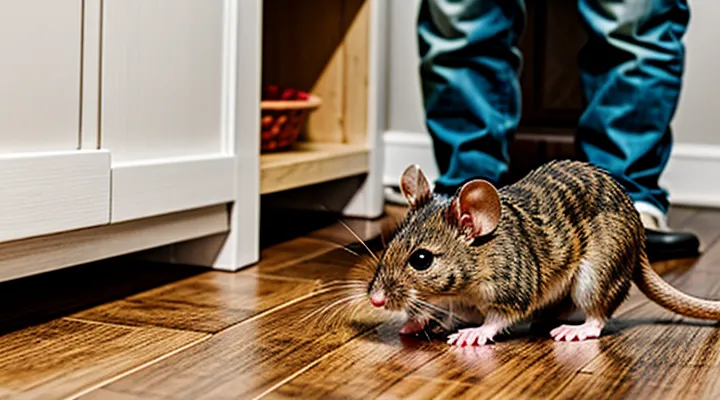
Understanding the Mice Problem
Signs of a Mouse Infestation
«Droppings and Urine Trails»
«Droppings and Urine Trails» indicate active mouse presence and guide elimination efforts. Fresh droppings appear as small, dark pellets, typically 3‑5 mm long, found along walls, behind appliances, and in hidden corners. Urine leaves faint, moist streaks that may darken when exposed to air. Both signs reveal travel routes and nesting sites, allowing targeted action.
Detection steps:
- Inspect low‑lying surfaces, especially near food storage.
- Use a blacklight in dim conditions; urine stains fluoresce, confirming contamination.
- Record locations to map movement patterns.
Cleaning protocol:
- Wear disposable gloves and a mask to avoid inhaling pathogens.
- Dispose of droppings in sealed plastic bags; avoid sweeping to prevent aerosolization.
- Apply an enzymatic cleaner to urine‑stained areas; allow sufficient contact time for bacterial breakdown.
- Follow with a disinfectant approved for indoor use; ensure the surface is dry before sealing.
Prevention measures:
- Seal entry points larger than ¼ inch with steel wool and caulk.
- Eliminate food sources by storing items in airtight containers.
- Reduce clutter that provides shelter; maintain regular vacuuming of suspected routes.
Accurate identification and thorough sanitation of «Droppings and Urine Trails» remove attractants and interrupt mouse activity, supporting long‑term control in residential environments.
«Gnaw Marks and Damage»
Mice leave distinctive gnaw marks that reveal the extent of structural compromise. Fresh incisor teeth produce clean, shallow cuts, while older damage appears ragged and may expose insulation, wiring, or framing members. Identifying these signs early prevents escalation to fire hazards, costly repairs, and health risks.
Key inspection points:
- Check baseboards, cabinets, and pantry shelves for parallel bite marks about 2‑3 mm deep.
- Examine food packaging for perforations; torn seams indicate active foraging.
- Inspect electrical cords for chew patterns; exposed conductors require immediate replacement.
- Look for gnawed holes around entry points such as vents, pipes, and cracks in foundation.
Recommended actions:
- Seal all observed gnaw holes with steel wool and caulk; steel prevents re‑chewing.
- Relocate vulnerable items away from walls; store food in airtight containers.
- Replace damaged wiring and insulation promptly to eliminate fire threats.
- Deploy snap traps or electronic devices near identified gnaw sites; monitor and reset daily.
Documenting each gnaw mark and corresponding repair creates a clear mitigation record and guides future prevention strategies.
«Scratching Noises»
«Scratching Noises» often signal the presence of rodents moving within walls, ceilings, or attics. The sound typically occurs at night when mice are active, and it may be accompanied by faint gnawing or rustling. Identifying the source location is the first step toward effective control.
- Inspect suspected areas by removing wall panels or ceiling tiles; listen for continued activity while applying a flashlight.
- Look for droppings, gnaw marks, and shredded insulation near the noise source.
- Seal entry points using steel wool, caulk, or metal mesh to prevent further ingress.
- Deploy snap traps or electronic traps directly adjacent to the identified pathways.
- Apply a low‑odor rodent repellent spray to gaps and corners where activity persists.
Promptly addressing scratching sounds eliminates the opportunity for mice to establish nests, reduces property damage, and prevents the spread of disease. Continuous monitoring after intervention ensures that the infestation does not recur.
Why Mice Are a Problem
«Health Risks and Diseases»
Mice infestations create significant health hazards for occupants. The presence of rodents introduces a range of pathogens that can infect humans through direct contact, contaminated food, or aerosolized particles from droppings and urine. Understanding the scope of «Health Risks and Diseases» associated with indoor mice is essential for effective control.
Key diseases transmitted by house mice include:
- Hantavirus pulmonary syndrome, contracted through inhalation of dried droppings or urine.
- Salmonellosis, resulting from consumption of food contaminated by mouse feces.
- Leptospirosis, spread by contact with urine on surfaces or water sources.
- Lymphocytic choriomeningitis, transmitted by exposure to infected rodent secretions.
Transmission pathways are limited to three primary mechanisms: ingestion of contaminated food or water, dermal contact with urine or droppings, and inhalation of aerosolized particles. Each pathway can be interrupted by eliminating the source and preventing rodent access.
Practical steps to mitigate health threats:
- Maintain strict food storage: seal all provisions in airtight containers, promptly clean spills, and discard waste in sealed bins.
- Seal structural openings: install metal flashing or caulk around gaps, vents, and utility penetrations to block entry.
- Deploy traps and bait stations: position snap traps or electronic devices along walls, avoiding poison in areas accessible to children or pets.
- Conduct regular sanitation: vacuum and disinfect areas with droppings using a bleach solution (1 part bleach to 10 parts water) while wearing gloves and a mask.
- Engage professional pest management when infestations exceed manageable levels, ensuring the use of certified rodent control methods.
Implementing these measures reduces exposure to the pathogens listed under «Health Risks and Diseases», thereby protecting household members from serious illness.
«Property Damage»
Mice cause extensive property damage that undermines structural integrity and increases repair costs. Their incisors continuously grow, prompting relentless gnawing on wood, insulation, plastic, and metal components. Damage to building materials weakens walls, floors, and roofs, creating entry points for additional pests and moisture intrusion.
Key areas affected:
- Electrical wiring: gnawed cables expose live wires, creating fire hazards and requiring professional rewiring.
- Plumbing: chewed plastic pipes lead to leaks, water damage, and mold growth.
- Structural timber: compromised beams and studs reduce load‑bearing capacity.
- Furniture and appliances: shredded upholstery, scratched surfaces, and contaminated food storage.
Preventing such damage demands prompt action. Seal openings larger than a quarter‑inch with steel wool, caulk, or metal mesh to block gnawing. Maintain a dry environment by fixing leaks and using dehumidifiers, which discourages nesting. Store food in airtight containers to eliminate attractants. Regularly inspect vulnerable points, especially behind appliances and in attic spaces, for fresh gnaw marks or droppings.
When damage is detected, replace affected components immediately. Engage licensed electricians to assess wiring integrity, and call qualified plumbers for compromised pipes. Document repairs for insurance claims, referencing evidence such as «Mice chew through insulation and wiring, creating fire‑risk conditions». Early intervention preserves the home’s value and reduces long‑term expenses.
Prevention: Keeping Mice Out
Sealing Entry Points
«Inspecting the Exterior»
«Inspecting the Exterior» is the first line of defense against house‑invading rodents.
Identify all potential entry points by walking around the building’s perimeter. Look for gaps larger than ¼ inch around doors, windows, utility penetrations, and foundation cracks. Seal each opening with steel wool, copper mesh, or concrete, then apply a durable caulk or hardware cloth for reinforcement.
Maintain a clear zone between vegetation and the structure. Trim tree branches, shrubs, and vines so they do not touch the roof or walls, eliminating pathways for mice to reach the building. Remove piles of leaf litter, wood, compost, and other debris that provide shelter near the foundation.
Inspect exterior lighting and drainage systems. Ensure gutters are free of blockages that can create damp conditions attractive to rodents. Direct downspouts away from the foundation to prevent water accumulation, which can soften soil and ease burrowing.
Create a checklist for regular monitoring:
- Visual scan of all exterior seams and joints every month.
- Confirmation that all seals remain intact after severe weather.
- Verification that vegetation clearance is maintained at least three feet from the walls.
- Removal of any new debris or clutter within the immediate perimeter.
By systematically evaluating and fortifying the building’s outer envelope, the likelihood of mice gaining indoor access is significantly reduced.
«Focusing on Common Entryways»
Focusing on common entryways provides the most direct means of preventing mouse intrusion. Identifying and sealing these points eliminates the primary routes that rodents exploit to access interior spaces.
Typical entryways include:
- Gaps around exterior doors and sliding panels
- Cracks in the foundation or siding
- Openings around utility penetrations (pipes, cables, vents)
- Unscreened vents and exhaust fans
- Gaps beneath cabinets, appliances, and countertops
- Openings around windows, especially when frames are damaged
Effective sealing measures:
- Insert steel wool into small cracks, then cover with caulk to create a durable barrier
- Apply hardware cloth (¼‑inch mesh) over larger openings, securing with screws or staples
- Install door sweeps on all exterior doors, ensuring full contact with the threshold
- Use expanding foam sealant for irregular gaps around pipes and cables, followed by a layer of metal mesh for reinforcement
- Fit vent covers with fine mesh screens, tightening securely to prevent bypass
- Repair foundation cracks with epoxy filler or concrete patch, then apply a moisture‑resistant sealant
Regular inspection of these locations, especially after seasonal weather changes, sustains the integrity of the barriers and reduces the likelihood of new infestations.
Eliminating Food Sources
«Proper Food Storage»
Proper food storage is essential for preventing mouse infestations. Food left uncovered or stored in permeable containers attracts rodents, providing a reliable source of nourishment that encourages breeding and activity throughout the home.
- Seal all dry goods in airtight containers made of glass, metal, or heavy‑wall plastic.
- Transfer bulk purchases into smaller, resealable packages immediately after unpacking.
- Store pet food in locked cabinets or containers with snug-fitting lids; discard any leftovers after 24 hours.
- Keep refrigerator and pantry shelves free of spills; clean crumbs and residues promptly.
- Place fruits, vegetables, and other perishable items in the refrigerator or in containers with vented lids that prevent entry.
Additional measures reinforce food protection. Regularly inspect storage areas for signs of gnawing or damage; replace compromised containers without delay. Rotate stock to use older items first, reducing the time food remains accessible. Maintain a clean kitchen environment by sweeping floors and wiping countertops after each meal preparation. These practices limit the availability of edible material, making the residence less attractive to mice and supporting long‑term rodent control.
«Maintaining Cleanliness»
Maintaining a clean environment eliminates food sources and shelter that attract mice, directly reducing the likelihood of infestation.
Key practices include:
- Store all food in sealed containers made of glass, metal, or heavy‑duty plastic.
- Dispose of kitchen waste daily in bins with tight‑fitting lids; clean the interior of the bin regularly.
- Sweep and mop floors after each meal preparation to remove crumbs and spills.
- Wipe down countertops, shelves, and appliance exteriors with a mild detergent at least once a day.
- Keep pantry shelves clear of debris; inspect for torn packaging and discard damaged items.
- Vacuum upholstered furniture and behind appliances weekly to capture hidden food particles.
Implement a routine inspection schedule: examine storage areas, under sinks, and behind appliances for signs of droppings or gnaw marks. Promptly address any discovered contamination by thorough cleaning and, if necessary, sealing entry points. Consistent adherence to these measures sustains an environment that deters rodent activity.
Removing Hiding Spots
«Decluttering Your Home»
Reducing mouse activity requires eliminating shelter and food sources. A clutter‑free environment removes hiding places, making it harder for rodents to establish nests.
Key actions for a tidy home include:
- Store all food in sealed containers; avoid leaving crumbs on countertops or floors.
- Remove cardboard boxes, paper piles, and unused fabric that can serve as nesting material.
- Keep storage areas such as closets and basements organized; use shelving that allows easy cleaning underneath.
- Dispose of garbage regularly, using bins with tight‑fitting lids.
Regular inspection of storage spaces helps identify newly accumulated items that could attract mice. Promptly discarding or repurposing excess belongings maintains the barrier against infestation.
Implementing systematic decluttering complements other control measures, such as sealing entry points and setting traps, by reducing the attractiveness of the interior habitat. This approach creates an environment where mice find few resources to survive and reproduce.
«Managing Outdoor Areas»
Effective control of rodent activity begins beyond the building envelope. Managing the exterior environment reduces the likelihood that mice will locate shelter or food sources close to the house, thereby lowering intrusion risk.
Key practices for outdoor areas include:
- Trim shrubs, grass, and groundcover to a height of no more than 6 inches, eliminating cover that facilitates nesting.
- Remove leaf piles, wood stacks, and other debris that create hiding places.
- Store firewood at least 18 inches off the ground and away from the foundation.
- Keep compost bins sealed with tight-fitting lids; use metal containers rather than plastic to deter gnawing.
- Position garbage cans with secure lids at a minimum distance of 10 feet from the structure.
- Inspect and repair cracks in siding, foundation, and utility openings; apply steel wool or caulk to gaps larger than ¼ inch.
- Install a low fence or barrier around garden beds to prevent mice from crossing from adjacent properties.
- Maintain a clear perimeter by sweeping away fallen fruit, seeds, and birdfeed leftovers regularly.
By implementing these measures, the outdoor zone becomes inhospitable to mice, supporting the overall objective of preventing indoor infestations.
Practical Eradication Methods
Trapping Solutions
«Snap Traps: Effective and Humane Options»
Snap traps provide rapid control of mouse populations while meeting humane standards when used correctly. The mechanism relies on a spring‑loaded bar that delivers an instantaneous kill, minimizing suffering and preventing prolonged distress. Proper placement and selection of bait are essential to achieve maximum efficiency.
Key considerations for effective use include:
- Position traps along walls, behind appliances, and near suspected activity zones, because mice travel close to baseboards.
- Employ attractive bait such as peanut butter, chocolate, or dried fruit, applied in a small amount to the trigger platform.
- Set traps with the trigger edge facing the wall, ensuring the mouse contacts the mechanism from the side.
- Inspect traps daily, removing captured rodents promptly and resetting with fresh bait.
- Use disposable gloves when handling traps to avoid contaminating bait with human scent.
Choosing snap traps over glue boards or poison eliminates secondary poisoning risks and reduces the likelihood of non‑target captures. When maintained according to the guidelines above, snap traps represent a reliable, humane solution for removing mice from residential environments.
«Live Traps: Catch and Release»
Live traps provide a humane method for removing mice from residential interiors. The device captures rodents without killing them, allowing owners to relocate the animals away from the dwelling.
Functionality relies on bait placed inside a compartment that triggers a door closure when the mouse enters. After capture, the trap can be transported to a suitable release site, such as a field or woodland area, where the mouse can re‑establish its natural behavior.
Practical steps for effective use of «Live Traps: Catch and Release»:
- Choose a trap sized for common house mice, featuring a smooth interior to prevent injury.
- Position traps along walls, behind appliances, and near known gnawing sites; mice prefer concealed routes.
- Use attractive bait—peanut butter, oats, or dried fruit—applied in a small amount to avoid spillage.
- Inspect traps at least twice daily; prompt removal reduces stress on captured rodents.
- Transport the trap to a release location at least 100 meters from the residence, open the door, and allow the mouse to exit voluntarily.
Maintenance includes cleaning the interior with mild detergent after each use and checking the door mechanism for proper operation. Replacing worn bait plates ensures consistent attraction. By following these measures, homeowners can eliminate mouse presence while adhering to humane pest‑control standards.
«Bait Stations: Safe Placement and Usage»
Bait stations provide a controlled method for delivering rodenticide while minimizing exposure to non‑target organisms. Proper placement and correct usage are essential for effectiveness and safety.
Select tamper‑resistant stations that lock securely, preventing accidental opening. Position each unit against interior walls, where mice travel, with the opening facing the wall to restrict entry to a narrow gap. Maintain a distance of at least 3 meters from food preparation surfaces, open food containers, and any location accessible to children or pets. Avoid placement in high‑traffic human areas such as hallways or living rooms.
When installing, follow these steps:
- Inspect the chosen site for signs of mouse activity (droppings, gnaw marks).
- Clean the immediate area to remove competing food sources.
- Place the bait station on a flat surface, ensuring the opening aligns with the wall.
- Load the station with a single type of rodenticide, adhering to the manufacturer’s dosage guidelines.
- Secure the lock, then label the unit with a warning notice using French quotes, e.g., «Danger: toxic bait – keep away from children and pets».
Monitor stations regularly, preferably every 48 hours. Replace depleted or contaminated baits promptly. Dispose of captured rodents in sealed bags, following local hazardous waste regulations. Record inspection dates and observations to track progress and adjust station density if activity persists.
By adhering to these placement and usage protocols, bait stations become an effective component of an integrated rodent‑control strategy while protecting household members and complying with safety standards.
Natural Deterrents
«Peppermint Oil and Essential Oils»
Peppermint oil works as a natural repellent because its strong menthol scent disrupts the olfactory receptors of rodents. When applied correctly, it creates an environment that mice avoid, reducing the likelihood of infestation.
- Prepare a solution of 10‑15 ml peppermint essential oil diluted in 1 l water; add a few drops of liquid soap to emulsify.
- Soak cotton balls or small cloth pads in the mixture and place them in areas where mouse activity is observed: behind appliances, under sinks, along baseboards, and inside entry holes.
- Replace treated pads every 3‑4 days, or sooner if the scent fades.
- Combine peppermint with other rodent‑deterring oils, such as eucalyptus, clove, or citronella, using the same dilution ratio to enhance effectiveness.
- Avoid direct contact with food preparation surfaces; ensure that treated materials are positioned away from human contact zones.
Safety considerations include keeping essential oil solutions out of reach of children and pets, testing a small amount on surfaces to prevent staining, and using gloves during preparation. Proper ventilation mitigates any potential respiratory irritation. Regular reapplication maintains a persistent odor barrier, supporting long‑term control of mouse presence in residential settings.
«Ammonia and Vinegar»
Ammonia and vinegar represent inexpensive, readily available substances that can discourage mice from indoor environments. Their strong odors interfere with the rodents’ sense of smell, prompting avoidance of treated areas.
Ammonia releases volatile nitrogen compounds that create an acrid atmosphere. Mice, relying on olfactory cues for navigation and food detection, find such conditions intolerable. The scent persists for several hours, extending the deterrent effect.
Vinegar, primarily acetic acid, produces a sharp, sour vapor. The acidic odor disrupts the chemical signals mice use to communicate and locate shelter. Regular reapplication maintains a hostile olfactory landscape.
Practical application:
- Dilute each liquid with water at a 1:1 ratio to reduce corrosion risk while preserving potency.
- Soak cotton balls or small cloth pieces in the solution.
- Place the saturated material in concealed locations: behind appliances, within wall voids, and near known entry points.
- Replace soaked items every 24 hours to sustain odor intensity.
- Combine with physical exclusion measures—seal cracks, install door sweeps—to prevent re‑entry.
Safety considerations:
- Ensure adequate ventilation; excessive inhalation may irritate respiratory passages.
- Keep solutions away from food preparation surfaces and children’s access.
- Test on a small, inconspicuous surface before widespread use to avoid damage to finishes.
Ammonia and vinegar provide a cost‑effective, non‑chemical approach that complements structural deterrents, offering a practical component of an overall mouse‑control strategy.
«Ultrasonic Repellents: Do They Work?»
Ultrasonic repellents are marketed as a non‑chemical solution for eliminating mice from residential interiors. The devices emit high‑frequency sound waves beyond human hearing, intended to create an uncomfortable environment for rodents.
The technology relies on the premise that rodents perceive ultrasonic frequencies as a threat, prompting avoidance behavior. Manufacturers typically claim coverage of several square meters per unit, with adjustable frequency ranges to target specific species.
Scientific assessments present mixed results. Controlled laboratory experiments report short‑term aversion, while long‑term field studies indicate habituation and diminished efficacy. A meta‑analysis of peer‑reviewed trials concluded that ultrasonic emitters reduce rodent activity in approximately one‑third of cases, but effectiveness varies with species, device placement, and environmental factors. One study summarized the outcome as «Ultrasonic devices reduce rodent activity by up to 30 %», emphasizing the conditional nature of the result.
Practical guidance for using ultrasonic repellents includes:
- Install units at mouse entry points and along interior walls where rodents travel.
- Maintain a clear line of sight between the emitter and target area; furniture or curtains can block sound propagation.
- Avoid overlapping coverage zones, which may cause interference and reduce overall output.
- Combine with conventional measures such as sealing gaps, removing food sources, and setting traps for comprehensive control.
- Monitor performance regularly; replace batteries or units according to manufacturer specifications to sustain consistent output.
Given the variable success rate, ultrasonic repellents should be regarded as an adjunct rather than a standalone method for rodent management. Integrating them with proven exclusion and sanitation practices yields the most reliable reduction in mouse presence.
Chemical Solutions
«Understanding Rodenticides»
Rodenticides are chemical agents formulated to eliminate mice. They fall into two principal categories: anticoagulants that interfere with blood clotting and non‑anticoagulants that affect the nervous system or metabolic processes. Anticoagulant products include first‑generation compounds such as warfarin and second‑generation agents like brodifacoum, which require lower dosages for lethal effect. Non‑anticoagulant options comprise bromethalin, which disrupts cellular energy production, and zinc phosphide, which releases phosphine gas upon ingestion.
Effective use demands strict adherence to dosage instructions printed on the label. Place bait stations in concealed locations near mouse activity—behind appliances, within wall voids, and along baseboards. Ensure stations are tamper‑resistant to prevent accidental exposure by children or pets. Monitor stations regularly; replace depleted bait promptly to maintain lethal concentration.
Safety protocols include wearing disposable gloves during handling, washing hands after contact, and storing products in locked containers out of reach. Record placement locations to facilitate inspection and compliance with local regulations governing pesticide application.
Integration with non‑chemical measures enhances overall control. Seal entry points, reduce food sources, and maintain cleanliness to diminish attraction. Combining habitat modification with targeted rodenticide deployment yields sustainable reduction of mouse populations.
«Rodenticides are chemicals designed to control rodent populations». This definition underscores the need for precise application, rigorous safety, and complementary preventive actions.
«Safety Precautions with Poisons»
When rodent control relies on toxic baits, strict safety measures protect occupants and pets. Store all poison products in locked containers, out of reach of children and animals. Keep the original packaging intact to preserve hazard warnings and usage instructions.
Before placement, identify areas inaccessible to non‑target species. Use tamper‑resistant bait stations that close automatically after a mouse enters, preventing accidental exposure. Position stations along walls, behind appliances, and near suspected activity, avoiding food preparation surfaces and open floors.
During application, wear disposable gloves and a mask to limit skin contact and inhalation of dust. Dispose of used gloves and any contaminated material in sealed bags before discarding them in a designated waste container. Clean hands thoroughly after handling.
Monitor bait stations regularly. Replace depleted units with fresh poison, and remove empty stations promptly. If a child, pet, or non‑target animal is suspected of ingesting poison, contact a medical professional immediately and provide the product label for accurate treatment.
After the infestation is resolved, remove all bait stations, clean the area with soap and water, and ventilate rooms where poison was used for several hours. Conduct a final inspection to confirm the absence of remaining toxic material before restoring normal household activities.
After the Extermination
Cleaning Up After Mice
«Disinfecting Contaminated Areas»
Effective rodent control requires thorough sanitation of all areas contaminated by mouse activity. Residues such as urine, droppings, and saliva carry pathogens that may persist long after the pests are removed. Proper disinfection eliminates health risks and prevents re‑infestation by removing attractants.
Begin by identifying zones with visible signs of contamination: kitchens, pantries, storage rooms, and any locations where droppings are found. Wear disposable gloves and a mask to avoid inhalation of aerosolised particles. Ventilate the space by opening windows or using exhaust fans before applying chemicals.
Cleaning procedure:
- Remove debris and organic matter with a disposable paper towel or a vacuum equipped with a HEPA filter. Dispose of waste in a sealed bag.
- Apply a disinfectant approved for rodent‑borne pathogens, such as a 10 % bleach solution (one part sodium hypochlorite to nine parts water) or an EPA‑registered rodent‑specific sanitizer. Ensure the product label indicates efficacy against Salmonella, Leptospira, and Hantavirus.
- Saturate the contaminated surface, allowing the liquid to remain wet for the contact time specified by the manufacturer (typically 10–15 minutes).
- Rinse with clean water if the disinfectant leaves a residue unsuitable for food‑contact surfaces. Dry thoroughly with disposable towels.
After treatment, seal the waste bag, remove protective equipment, and wash hands with soap and water. Repeat the process in any area where new droppings appear. Regular monitoring and prompt disinfection maintain a hygienic environment and support long‑term rodent exclusion.
«Disposing of Carcasses»
Disposing of mouse carcasses promptly prevents disease spread and eliminates scent trails that attract surviving rodents. Failure to remove dead bodies can lead to secondary infestations and health hazards for occupants.
Effective disposal methods include:
- Place the carcass in a sturdy plastic bag, seal tightly, then place the sealed bag in a second bag before discarding in an outdoor trash container with a secure lid.
- Bury the sealed bag at a depth of at least 30 cm, away from vegetable gardens and water sources.
- Use a small, dedicated incinerator or fire pit, ensuring the fire remains hot enough to achieve complete combustion.
After removal, wear disposable gloves, clean the area with a disinfectant solution, and wash hands thoroughly. Replace any contaminated bedding or insulation, and monitor for additional signs of rodent activity.
Ongoing Monitoring
«Regular Inspections»
«Regular Inspections» form the backbone of any successful mouse‑control strategy. Systematic monitoring reveals entry points, nesting sites, and activity patterns before infestations reach critical levels.
- Conduct visual checks weekly in kitchens, pantries, and storage areas; focus on corners, behind appliances, and under sinks.
- Use non‑toxic tracking powders or adhesive pads along baseboards and wall junctions; replace them after each inspection.
- Examine exterior walls for gaps larger than ¼ inch; seal openings with steel wool and caulk to prevent re‑entry.
- Inspect attic and crawl spaces for droppings, gnaw marks, and shredded insulation; clean debris promptly to eliminate shelter.
- Record findings in a simple log, noting date, location, and evidence type; review trends monthly to adjust preventive measures.
Consistent application of these steps maintains early detection, limits population growth, and supports long‑term exclusion of rodents from the home.
«Maintaining Preventive Measures»
«Maintaining Preventive Measures» requires continuous attention to structural integrity, sanitation, and monitoring. Regularly inspect walls, foundations, and utility openings for gaps larger than ¼ inch; seal identified breaches with steel wool, caulk, or concrete. Keep food storage containers airtight and dispose of waste in sealed bins to eliminate attractants.
- Repair cracked plaster, broken tiles, and damaged roofing promptly.
- Install door sweeps and weather stripping on all exterior doors.
- Trim vegetation and remove debris within two meters of the building envelope.
- Place metal mesh over vent openings and chimney flues.
Schedule monthly walkthroughs to verify that barriers remain intact and that no new entry points have emerged. Record observations in a log, noting any signs of activity such as droppings or gnaw marks. Promptly address any findings to sustain an environment hostile to rodents.
When to Call a Professional
«Persistent Infestations»
Mice that continue to appear after initial treatment indicate a «Persistent Infestations» situation. Such cases usually involve hidden entry points, incomplete bait coverage, or a population that has developed tolerance to a specific rodenticide. Identifying the underlying causes prevents repeated failures.
Key indicators of ongoing problems include fresh droppings in multiple rooms, gnaw marks on wiring or furniture, and audible activity during night hours. These signs suggest that survivors have found new shelter or that new individuals have entered the dwelling.
Effective response requires a systematic approach:
- Conduct a thorough inspection of the building envelope; seal cracks, gaps around pipes, and openings beneath doors with steel‑wool or cement‑based filler.
- Replace or reposition bait stations to cover all identified travel routes; use multiple bait types to address possible bait aversion.
- Install snap traps or electronic traps in high‑traffic zones; monitor and reset devices daily until captures cease.
- Reduce food availability by storing pantry items in airtight containers, cleaning crumbs promptly, and managing pet food access.
- Perform a post‑treatment audit after two weeks; verify the absence of fresh droppings and eliminate any remaining nesting material.
If activity persists despite these measures, consult a licensed pest‑management professional for a targeted eradication plan that may include fumigation or specialized baits. Continuous monitoring for at least one month after final intervention confirms the termination of the infestation.
«Large-Scale Problems»
Addressing «Large‑Scale Problems» in rodent control requires coordination beyond individual households. Structural deficiencies in building construction, such as gaps around utility penetrations and inadequate sealing of foundation cracks, create continuous pathways for mice. Urban planning that concentrates food waste collection points without proper containment contributes to population surges, overwhelming localized extermination efforts.
Effective mitigation begins with systematic inspection of communal infrastructure. Identify recurring entry points, document their locations, and prioritize sealing procedures. Replace deteriorated weather‑stripping, install metal mesh around ventilation openings, and apply cement‑based sealants to foundation fissures. Implement building‑wide rodent‑proofing standards, ensuring compliance through regular audits.
Simultaneously, manage food sources at the neighborhood level. Enforce secure storage of waste in sealed containers, schedule frequent collection to prevent overflow, and educate residents on proper disposal practices. Coordinate these measures with local pest‑control services that can deploy bait stations strategically across the affected area, maintaining rotation of active ingredients to prevent resistance.
A concise action plan may be presented as follows:
- Conduct comprehensive building audit to locate all structural vulnerabilities.
- Apply durable sealing materials to eliminate identified gaps.
- Standardize waste management protocols with sealed receptacles and timely collection.
- Deploy professionally managed baiting program covering the entire property.
- Schedule periodic reviews to assess effectiveness and adjust interventions.
By integrating structural reinforcement, waste management, and coordinated baiting, municipalities and property managers can reduce mouse populations on a scale that individual actions alone cannot achieve. This approach transforms isolated infestations into manageable, city‑wide outcomes.
«Health Concerns and Safety»
Mice infestations present several health hazards. Rodents carry pathogens such as hantavirus, salmonella, and leptospirosis, which can contaminate food, surfaces, and water supplies. Their urine and droppings generate aerosolized particles that trigger respiratory irritation and allergic reactions. Bite marks and scratches may introduce bacterial infections directly into the skin.
Safety considerations focus on preventing exposure during control measures and protecting household members, especially children and pets. Follow these guidelines:
- Wear disposable gloves and a sealed mask when handling traps, bait, or cleaning contaminated areas.
- Use sealed containers for disposing of dead rodents and contaminated materials; place them in an outdoor trash bin promptly.
- Choose snap traps or electronic devices over poison to avoid accidental ingestion by non‑target animals.
- Store all baits and traps out of reach of children and pets, preferably in locked cabinets.
- Ensure proper ventilation while cleaning areas with rodent droppings; use a damp cloth to minimize dust.
- Apply disinfectants effective against bacterial and viral agents, such as a 1 % bleach solution, to surfaces after removal of debris.
Regular inspection of entry points, food storage, and waste management reduces the likelihood of re‑infestation, thereby limiting ongoing health risks. Implementing these precautions safeguards the indoor environment while addressing the rodent problem efficiently.