
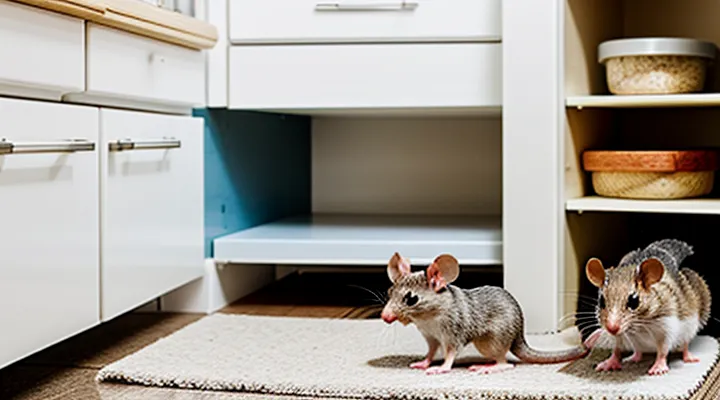
Understanding the Mouse Problem
Signs of a Mouse Infestation
Droppings and Urine Trails
Mouse droppings and urine trails are primary indicators of infestation and sources of health hazards. Fresh droppings appear as dark, rice‑shaped pellets; older deposits turn gray and crumble. Urine stains manifest as yellowish smears or a faint oily sheen, often accompanied by a musky odor.
Health risks stem from pathogens such as Hantavirus, Salmonella, and leptospirosis. Inhalation of dried droppings or aerosolized urine particles can cause respiratory illness. Direct contact may lead to gastrointestinal infection.
Effective removal follows a three‑step protocol:
- Protective gear: Wear disposable gloves, N‑95 respirator, and eye protection before entry into contaminated areas.
- Ventilation and containment: Open windows, shut off HVAC, and seal the room with plastic sheeting to prevent spread of airborne particles.
- Cleaning process:
- Mist droppings and urine with a disinfectant solution (e.g., a 1:10 bleach‑water mix) and allow it to soak for at least 5 minutes.
- Scrape solid waste into a sealed bag.
- Wipe surfaces with the same disinfectant, then rinse with clean water.
- Dispose of all contaminated materials in a double‑bagged, sealed container.
After decontamination, inspect adjacent areas for additional trails. Mice frequently follow established routes; locating the most traveled paths helps target traps and seal entry points. Use the presence of droppings to map activity zones, then apply bait stations or snap traps along those corridors.
Preventive measures include eliminating food residues that attract mice, storing perishables in airtight containers, and regularly sanitizing countertops. Maintaining a dry environment reduces urine marking, as moisture encourages mice to linger.
Consistent monitoring of droppings and urine trails, combined with prompt, thorough cleaning, reduces the likelihood of disease transmission and supports long‑term mouse control in residential settings.
Gnaw Marks and Damage
Mice leave unmistakable evidence through their gnawing, which compromises structural integrity and contaminates food supplies. The damage is most apparent on soft materials such as wood, plastic, and wiring, where the rodents create clean, crescent‑shaped bite marks. Hard surfaces like metal exhibit shallow, irregular grooves where the animals have attempted to chew through.
Typical gnaw‑related problems include:
- Breached electrical insulation, increasing fire risk.
- Damaged insulation and drywall, leading to drafts and higher heating costs.
- Compromised furniture and cabinetry, reducing durability and resale value.
- Contaminated pantry items, creating health hazards from urine and feces.
Inspecting for gnaw marks requires close visual examination of corners, baseboards, and behind appliances. Use a flashlight to reveal shallow cuts in wires and look for exposed copper. Trace any broken or frayed cords back to the point of entry; the presence of fresh gnaw marks indicates ongoing activity.
Addressing the damage involves immediate repair and preventive measures. Replace compromised wiring, seal entry holes with steel wool or cement, and apply rodent‑resistant materials in vulnerable areas. Follow up with proven mouse control techniques—such as bait stations, traps, and habitat reduction—to stop further chewing and protect the home from recurring harm.
Strange Noises
Strange noises often signal a rodent infestation before visual evidence appears. Mice produce high‑pitched squeaks, rustling in insulation, and rapid scurrying sounds that intensify at night when they forage for food. These auditory clues help pinpoint activity zones and guide intervention.
Key characteristics of mouse‑related sounds:
- Squeaking: Short, sharp chirps lasting 0.2–0.5 seconds, repeated irregularly.
- Scratching: Rapid, light taps on walls, ceilings, or stored materials, especially near concealed entry points.
- Scurrying: Continuous rustling as mice move across dry debris, often heard in attics, basements, and behind appliances.
- Gnawing: Low, repetitive grinding noises on wood, plastic, or wiring, indicating chewing behavior.
Distinguishing mouse noises from other sources reduces unnecessary disruption. Insects generate continuous, high‑frequency buzzing; structural settling produces deeper, infrequent thuds; HVAC systems emit steady hums. When a sound matches the patterns above, immediate action is advisable.
Effective responses to confirmed mouse noises include:
- Seal gaps larger than ¼ inch with steel wool and caulk.
- Deploy snap traps or electronic traps within 1–2 feet of the noise source.
- Apply rodent‑specific ultrasonic repellents directly in affected rooms.
- Replace compromised insulation or wiring to eliminate shelter and food sources.
- Conduct a follow‑up inspection after 48 hours to verify cessation of noises.
Monitoring auditory cues throughout the home provides early detection, allowing rapid deployment of proven elimination techniques and preventing extensive damage.
Unpleasant Odors
Mice leave a distinctive, unpleasant smell that signals their presence and can linger long after the animals are removed. The odor originates primarily from concentrated urine, feces, and the breakdown of nesting material; a dead mouse adds a secondary, rot‑like stench. Bacterial growth on waste deposits intensifies the scent and creates a health hazard.
The odor serves as an indicator of infestation, may attract other pests, and can affect indoor air quality. Addressing the smell is essential for confirming eradication and restoring a sanitary environment.
Effective odor removal follows a systematic approach:
- Remove all waste – sweep, vacuum, and discard droppings and urine‑soaked materials; wear gloves and a mask.
- Clean surfaces – wash countertops, floors, and walls with a detergent solution, then apply an EPA‑approved disinfectant to kill residual bacteria.
- Treat porous items – launder fabrics, carpet pads, and insulation; discard heavily contaminated objects that cannot be cleaned.
- Neutralize lingering smells – place activated charcoal, baking soda, or commercial odor absorbers in affected rooms; replace HVAC filters.
- Ventilate – open windows and run exhaust fans for several hours to replace stale air with fresh outdoor air.
- Inspect for hidden carcasses – check wall voids, crawl spaces, and storage boxes; remove any dead rodents promptly.
- Consider professional remediation – if odor persists after thorough cleaning, enlist a pest‑control specialist equipped with industrial‑grade deodorizing agents.
Implementing these steps eliminates the foul odor, confirms the success of rodent control measures, and prevents future odor‑related complaints.
Why Mice Are a Problem
Health Risks
Mice infestations create direct health threats through the transmission of pathogens, contamination of food supplies, and the production of allergens.
- Disease agents: rodents carry bacteria such as Salmonella and Leptospira, viruses like hantavirus, and parasites including Hymenolepis nana (dwarf tapeworm). Contact with droppings, urine, or saliva can introduce these agents into living spaces.
- Food contamination: gnawed packaging and secreted waste introduce microbial loads into stored foods, leading to gastro‑intestinal illnesses when consumed.
Allergic reactions stem from mouse urine proteins that become airborne and settle on surfaces. In susceptible individuals, inhalation triggers asthma attacks and chronic respiratory irritation.
Structural damage caused by gnawing compromises insulation and wiring, creating conditions that favor mold growth and dust accumulation—both of which exacerbate respiratory problems.
Prompt eradication reduces exposure to these hazards and protects occupants from acute and long‑term health consequences.
Property Damage
Mice compromise structural integrity and increase repair costs. Their incisors gnaw through wood, insulation, and wiring, creating holes that weaken walls, ceilings, and floors. Damaged electrical cords expose live wires, raising the risk of short circuits and fires. Insulation stripped by rodents reduces thermal efficiency, leading to higher heating and cooling expenses. Stored food containers pierced by teeth become contaminated, resulting in product loss and the need for replacement.
Typical manifestations of rodent‑induced damage include:
- Chewed electrical wiring and appliance cords
- Gutted insulation in attics and crawl spaces
- Punctured drywall, baseboards, and cabinetry
- Corroded plumbing caused by urine and feces
- Stained and ruined fabrics, upholstery, and carpeting
Prompt identification and remediation limit financial impact. Seal entry points with steel‑wool or cement to prevent further intrusion. Replace compromised wiring and insulation according to local building codes. Employ licensed pest‑control professionals to eradicate the infestation and apply preventive measures, such as traps and bait stations, to protect property long‑term.
Prevention: Keeping Mice Out
Sealing Entry Points
Inspecting Your Home
Inspecting your home is the first decisive step in eliminating a mouse problem. A thorough examination reveals entry points, nesting sites, and signs of activity, allowing you to target interventions accurately.
Begin by checking the exterior. Walk around the building and look for gaps larger than a quarter inch in walls, foundations, vents, and utility penetrations. Seal any openings with steel wool, caulk, or hardware cloth to prevent rodents from entering.
Next, move inside and focus on the kitchen, pantry, and storage areas. Look for droppings, gnaw marks, and shredded materials. Place a flashlight under appliances, behind cabinets, and inside wall voids to detect hidden debris. Record each observation to prioritize treatment zones.
Inspect the attic, basement, and crawl spaces. These environments often provide shelter and easy access to food sources. Examine insulation, wiring, and piping for damage. Repair or replace compromised sections promptly.
Finally, evaluate waste management practices. Ensure trash cans have tight-fitting lids, and keep compost bins away from the building. Regularly clean food spillage and store dry goods in sealed containers.
By systematically documenting findings and sealing vulnerabilities, you create a hostile environment for mice, laying the groundwork for the proven eradication methods that follow.
Materials for Sealing
Sealing entry points is the most reliable way to prevent mice from invading a residence. Choose materials that resist gnawing, adhere securely, and remain intact over time.
- Steel wool: Dense fibers cannot be chewed through. Pack tightly into gaps before covering with a hard sealant.
- Hardware cloth: Mesh with openings no larger than ¼ inch. Cut to size and fasten with screws or staples; ideal for larger openings around pipes and vents.
- Caulk: Acrylic‑latex or silicone‑based formulations fill cracks around windows, baseboards, and trim. Silicone offers superior elasticity and durability in moist areas.
- Expanding polyurethane foam: Expands to fill irregular voids around doors and foundations. Apply a thin layer, allow curing, then trim excess and cover with a rigid material to deter chewing.
- Concrete or mortar: Best for sealing foundation cracks and gaps in brickwork. Apply in layers, smooth, and cure fully before exposing to moisture.
- Metal flashing: Thin sheets of steel or aluminum bridge gaps under siding or around utility penetrations. Secure with roofing nails or screws; edge the flashing to overlap adjacent surfaces.
When applying any sealant, clean the surface of dust, debris, and grease. Ensure a dry environment to promote adhesion. After sealing, inspect the perimeter quarterly; replace damaged sections promptly to maintain a continuous barrier. Combining multiple materials—such as steel wool backed by caulk—provides layered protection and eliminates weak points that mice could exploit.
Food and Water Management
Proper Food Storage
Secure food sources to discourage rodents from entering living spaces. Food left exposed provides a reliable scent trail, encouraging mice to explore and establish nests.
Store all dry goods, pet food, and grains in containers made of metal, heavy‑wall plastic, or glass with airtight seals. Verify that lids close tightly and inspect for cracks before each use.
Organize pantry shelves so that items rest against the back wall rather than protruding. Keep the floor clear of crumbs, boxes, or packaging that could conceal food particles.
Dispose of leftovers promptly. Transfer waste to containers with tight‑fitting lids and empty them into outdoor bins regularly. Clean spills immediately, using a damp cloth to remove residue.
- Place all consumables in sealed containers.
- Rotate stock; discard items past their expiration dates.
- Sweep and vacuum pantry floors weekly.
- Seal cracks and gaps around cabinets and countertops.
- Use trash cans with rubber gaskets and empty them daily.
Eliminating Water Sources
Mice require water to survive, so removing accessible moisture dramatically reduces the likelihood of infestation. Leaking pipes, dripping faucets, and condensation on windows create reliable sources that attract rodents and support breeding colonies.
Inspect all areas where water may accumulate. Look for:
- Visible drips from sinks, bathtubs, and appliances.
- Damp spots under refrigerators, dishwashers, and washing machines.
- Condensation on cold surfaces such as pipes and glass.
- Stagnant water in pet bowls, plant saucers, and floor drains.
Repair any leaks promptly. Tighten fittings, replace worn washers, and seal pipe joints with plumber’s tape or appropriate sealant. Install drip‑catcher devices on hoses and ensure that showerheads and faucets shut off completely.
Eliminate standing water. Empty and dry pet water dishes at least twice daily; use shallow containers that can be emptied quickly. Place plant saucers on trays and pour excess water away. Keep floor drains clear of debris and consider installing a trap cover that prevents rodents from entering while allowing water flow.
Maintain low humidity levels. Use dehumidifiers in basements, crawl spaces, and other damp zones. Ensure proper ventilation in kitchens and bathrooms to disperse moisture generated by cooking and bathing.
By systematically identifying and removing all water sources, the environment becomes inhospitable to mice, complementing other control measures and preventing re‑infestation.
Maintaining a Clean Environment
Decluttering Spaces
Eliminating mouse infestations begins with removing the conditions that attract rodents. Clutter provides shelter, nesting material, and concealed food sources, making it an ideal environment for mice. By systematically reducing clutter, you limit hiding places and increase the effectiveness of traps and exclusion measures.
Start by assessing each room for items that are unnecessary, rarely used, or stored in a disorganized manner. Sort objects into three categories: keep, relocate, discard. Place kept items on shelves or in closed containers; relocate items to a designated storage area; discard broken, damaged, or unneeded items. Store all food, pet feed, and recyclables in airtight containers made of metal or thick plastic.
Maintain clear pathways around walls, baseboards, and appliances. Vacuum regularly to remove crumbs and droppings that may serve as food. Keep closets and cabinets organized by using labeled bins and shelving units, ensuring that no gaps remain where mice could nest.
Key actions for decluttering:
- Remove piles of newspapers, cardboard, and fabric from floors and corners.
- Consolidate loose items into sealed storage boxes.
- Install shelving that eliminates floor-level storage.
- Keep laundry hampers closed and empty them daily.
- Dispose of garbage in containers with tight-fitting lids and empty them frequently.
A tidy environment reduces mouse activity and improves the performance of other control methods, such as bait stations and snap traps. Consistent decluttering, combined with sealing entry points, creates a hostile setting for rodents and supports long‑term prevention.
Regular Cleaning
Regular cleaning removes food residues and nesting materials that attract rodents, reducing the likelihood of infestation. Consistently eliminating these resources deprives mice of the sustenance and shelter needed to establish colonies.
- Sweep and vacuum floors daily, focusing on corners, under appliances, and behind furniture where crumbs accumulate.
- Wipe countertops, tables, and pantry shelves with a disinfectant after each meal preparation.
- Store dry goods in sealed containers made of glass or heavy‑wall plastic; inspect packages for tears before placement.
- Empty trash cans nightly, using bins with tight‑fitting lids; clean the interior of bins weekly to prevent odor buildup.
- Wash dishes promptly; if a dishwasher is unavailable, rinse and soak items immediately to avoid leftover food particles.
Maintain a cleaning schedule that aligns with household activity levels. High‑traffic areas require daily attention, while less frequented spaces can be addressed weekly. Periodic deep cleaning—such as moving appliances to clean underneath—eliminates hidden debris that routine sweeps miss. Consistent execution of these practices complements other control measures, creating an environment inhospitable to mice.
Eradication: Proven Methods
Trapping Methods
Snap Traps
Snap traps provide immediate, lethal control of house mice with minimal expense. The mechanism relies on a spring‑loaded bar that releases when a mouse applies pressure to a trigger plate, delivering a swift kill that reduces the risk of disease transmission.
To maximize effectiveness, follow these steps:
- Choose a trap size appropriate for the target species; standard mouse traps are designed for rodents weighing 20–30 g.
- Bait the trigger plate with a strong attractant such as peanut butter, dried fruit, or a small piece of cheese. Apply a thin layer to ensure the mouse contacts the plate.
- Position traps perpendicular to walls, with the trigger end facing the wall. Mice travel close to baseboards, so placing traps within 2 inches of the wall increases capture rates.
- Set the trap by pulling back the spring bar until the safety latch clicks into place. Handle the trap with gloves to avoid leaving human scent.
- Check traps daily. Dispose of dead rodents in a sealed bag and reset the trap with fresh bait.
Advantages of snap traps include:
- Immediate result—each capture eliminates a rodent instantly.
- No reliance on poison, eliminating secondary poisoning hazards for pets and children.
- Reusability; a single unit can be reset multiple times, reducing long‑term costs.
Safety considerations:
- Keep traps out of reach of non‑target animals and children.
- Wear thick gloves when handling captured mice to prevent exposure to pathogens.
- Store unused traps in a secure container to avoid accidental discharge.
When integrated with complementary measures—such as sealing entry points, maintaining cleanliness, and reducing food sources—snap traps become a core component of a comprehensive mouse eradication program. Consistent placement and diligent monitoring ensure rapid population decline and long‑term prevention.
Live Traps
Live traps capture mice without killing them, allowing humane removal from the residence. The device consists of a sturdy cage with a trigger mechanism that closes a door when the animal interacts with the bait. Proper use maximizes success and minimizes stress for the rodent.
Select a trap size appropriate for house mice; a 5‑inch by 5‑inch cage provides sufficient space. Bait the trap with high‑fat foods such as peanut butter, cheese, or dried fruit, applying a small amount to the trigger platform. Place traps along walls, behind appliances, and near known gnawing sites, because mice travel close to surfaces.
Check traps at least twice daily. When a mouse is captured, wear disposable gloves, cover the cage with a cloth, and transport the animal at least 100 feet away from the home. Release the mouse in a wooded area with vegetation and adequate cover, ensuring it is not near another dwelling.
Advantages of live traps:
- Humane; avoids lethal methods.
- Allows relocation of unwanted rodents.
- Reusable; reduces long‑term expense.
Disadvantages of live traps:
- Requires frequent monitoring to prevent animal distress.
- May result in re‑infestation if released nearby.
- Limited capacity; multiple traps needed for large populations.
Integrating live traps with sanitation measures—sealing entry points, removing food sources, and maintaining clutter‑free spaces—strengthens overall mouse control efforts.
Electronic Traps
Electronic traps provide a rapid, non‑chemical option for mouse removal. The device detects a rodent’s presence with a sensor and delivers a high‑voltage shock that kills instantly, eliminating the need for bait or poison.
Key components of a typical unit include:
- Infrared or ultrasonic motion sensor
- Power source (battery or mains)
- Shock chamber with insulated interior
- Indicator light for activation status
Effective placement follows a simple protocol:
- Identify high‑traffic routes such as along walls, behind appliances, and near entry points.
- Position the trap perpendicular to the wall, with the opening facing the expected path.
- Ensure the unit is level and the sensor is unobstructed.
- Connect to a power source according to the manufacturer’s specifications.
Safety measures are essential. Choose models with a sealed chamber to prevent accidental contact. Keep units out of reach of children and non‑target pets; many traps feature a lockable cover or a safety switch. Verify that the voltage complies with local regulations before use.
Maintenance requires periodic inspection. After activation, remove the dead mouse, clean the interior with mild detergent, and dry thoroughly. Replace batteries or reset the circuit as indicated by the device’s status light. Record the date of each service to track performance.
Advantages:
- Immediate kill reduces suffering
- No risk of secondary poisoning
- Reusable, lowering long‑term cost
- Discreet operation; no visible traps or traps
Disadvantages:
- Initial purchase price higher than snap traps
- Requires electrical power or battery replacement
- Ineffective if placed in areas without sufficient rodent traffic
When integrated into a comprehensive mouse control plan, electronic traps deliver reliable results with minimal environmental impact.
Baiting Traps Effectively
Effective baiting is the cornerstone of any successful mouse trap program. Choose attractants that align with the rodents’ natural preferences and the environment where the trap will sit. Peanut butter, dried fruit, and small pieces of meat remain the most reliable options because they release strong odors and maintain freshness for several days. For households with children or pets, opt for non-toxic baits such as oat or sunflower seed paste, which reduce the risk of accidental ingestion while still appealing to mice.
Placement determines bait performance. Position traps along walls, behind appliances, and near known droppings, because mice travel close to vertical surfaces. Ensure the bait is secured to the trigger mechanism; a loose morsel can be carried away, allowing the mouse to escape without activating the trap. Apply a thin layer of bait—just enough to cover the trigger plate—so the rodent must step onto the sensitive area to obtain the reward.
Maintain bait potency through a simple rotation schedule. Replace the attractant every 48–72 hours, or sooner if it becomes dry or contaminated. Store spare bait in airtight containers to preserve aroma and prevent mold growth. When using multiple traps, vary bait types among them; this prevents mice from developing a preference for a single scent and increases overall capture rates.
A concise checklist for optimal baiting:
- Select a high‑odor, fresh bait appropriate for household safety.
- Secure bait firmly to the trap’s trigger mechanism.
- Position traps along walls and near activity signs.
- Replace bait every 2–3 days, or when it shows signs of degradation.
- Rotate bait varieties across traps to avoid scent habituation.
Consistent application of these practices maximizes trap effectiveness, accelerates population decline, and supports broader pest‑management efforts in residential settings.
Baits and Poisons
Understanding Rodenticides
Rodenticides are chemical agents designed to kill rodents by interfering with vital physiological processes. They are classified primarily into anticoagulants, neurotoxins, and metabolic disruptors. Anticoagulant products, such as bromadiolone and difenacoum, inhibit blood clotting, leading to fatal hemorrhage after several days of ingestion. Neurotoxic rodenticides, including bromethalin and zinc phosphide, cause rapid nerve dysfunction or release toxic gases within the animal’s stomach. Metabolic disruptors, like cholecalciferol, increase calcium levels to lethal concentrations.
Effective use of rodenticides requires strict adherence to safety protocols:
- Store products in sealed, child‑proof containers away from food preparation areas.
- Place bait stations in concealed locations inaccessible to pets and non‑target wildlife.
- Follow label instructions regarding dosage, placement density, and retreat intervals.
- Monitor bait consumption regularly and replace expired or depleted units promptly.
Regulatory agencies impose limits on concentration, packaging size, and permissible application sites to reduce accidental exposure. Compliance with local pest‑control ordinances and obtaining any required permits ensures legal and responsible deployment.
When integrated with exclusion techniques—sealing entry points, maintaining cleanliness, and setting mechanical traps—rodenticides provide a reliable component of a comprehensive mouse management program. Their targeted action, combined with controlled placement, minimizes collateral risk while delivering decisive population reduction.
Safe Placement of Baits
Place rodent baits where mice are most active while preventing access by children, pets, and non‑target wildlife. Identify high‑traffic zones such as along walls, behind appliances, under sinks, and near entry points. Secure baits in tamper‑resistant stations that lock the poison inside and expose only the entry hole.
- Position stations 2–3 feet from walls, because mice travel close to surfaces.
- Install stations at least 12 inches above the floor to deter crawling pets.
- Mount stations on the upper side of cabinets or on the back of refrigerator shelves, out of reach of children.
- Avoid placement near food preparation surfaces; keep a minimum distance of 10 feet from countertops and pantry shelves.
- Replace stations promptly when the bait is consumed or when the container shows signs of damage.
Regularly inspect stations for signs of activity and for any accidental disturbance. Rotate bait locations every few weeks to prevent mice from learning safe zones. Use bait stations that meet local regulatory standards for safety and labeling. This systematic placement maximizes rodent control while maintaining household safety.
Risks and Precautions
Effective rodent control carries several hazards that require strict safeguards. Chemical baits contain anticoagulants or neurotoxins; improper handling can cause skin irritation, accidental ingestion by children or pets, and secondary poisoning of wildlife. Exposure risks increase when baits are placed in unsecured locations or left uncovered. Inhalation of powdered or aerosolized products may irritate respiratory passages, especially in poorly ventilated areas. Overuse of poisons can lead to resistance among mouse populations, reducing long‑term efficacy.
Physical traps present mechanical dangers. Snap devices generate rapid force that can cause accidental injury if triggered unintentionally. Glue boards may cause severe distress and skin damage to captured animals, and their adhesive residue can adhere to clothing or household surfaces. Improper disposal of dead rodents releases pathogens such as hantavirus, leptospirosis, or salmonella, posing health threats to occupants.
Precautions mitigate these threats. Use bait stations with locked compartments, positioning them behind appliances, inside cabinets, or along walls where children and pets cannot reach them. Wear disposable gloves when placing or retrieving baits, and wash hands thoroughly afterward. Follow product label instructions regarding dosage, placement density, and exposure time; never exceed recommended amounts. Store all rodenticides in their original containers, locked away from food storage areas.
When employing mechanical traps, place snap devices on flat surfaces, away from high‑traffic zones, and use protective shields if available. Check traps daily to remove captured rodents, minimizing the window for disease transmission. Dispose of carcasses in sealed plastic bags, then place them in an outdoor trash container that is regularly emptied. For glue boards, consider alternatives such as live‑capture traps that allow humane release far from the residence, reducing both animal suffering and contamination risk.
Seal entry points before deploying control measures. Install steel‑wool or copper mesh in gaps, caulk cracks, and repair damaged screens to prevent re‑infestation. Regular inspection of the building envelope, combined with diligent sanitation—prompt removal of food scraps, secure storage of grains, and elimination of water sources—reduces attractants and lessens reliance on hazardous methods. When uncertainty remains, consult a licensed pest‑management professional to ensure compliance with safety regulations and optimal outcomes.
Natural Deterrents
Peppermint Oil and Other Scents
Peppermint oil is a widely cited repellent for house mice because the strong menthol scent interferes with their olfactory receptors. When applied correctly, the odor creates an environment that mice avoid, reducing the likelihood of nesting or foraging near treated areas.
Effective use of peppermint oil requires the following steps:
- Dilute 10–15 drops of pure peppermint essential oil in 1 cup of water. Add a few teaspoons of mild dish soap to act as an emulsifier.
- Soak cotton balls or reusable cloth pads in the solution.
- Place the saturated pads in known entry points, along walls, beneath appliances, and near suspected nesting sites. Replace every 48 hours or when the scent fades.
- Monitor activity with snap traps or motion‑activated cameras to assess reduction.
Other aromatic deterrents function on similar principles:
- Eucalyptus oil – high‑strength, camphor‑rich fragrance; apply using the same dilution ratio.
- Cedar shavings – natural volatile compounds released as the wood dries; distribute in closets and storage boxes.
- Clove oil – strong phenolic scent; effective in small, confined spaces when applied to cotton swabs.
Limitations of scent‑based methods include short‑term efficacy, reduced impact in well‑ventilated rooms, and the possibility of mice habituating to a constant odor. For sustained control, integrate scent repellents with physical barriers (steel mesh, door sweeps), sanitation (eliminate food residues), and trapping strategies. Combining methods addresses both attraction and entry, delivering a comprehensive approach to mouse management in residential settings.
Ultrasonic Devices
Ultrasonic devices emit high‑frequency sound waves that rodents find uncomfortable, prompting them to leave the area. The emitted frequencies typically range from 20 kHz to 65 kHz, a range inaudible to humans but irritating to mice’s sensitive hearing.
Effectiveness depends on proper placement and coverage:
- Position units near known entry points, walls, and corners where mice travel.
- Ensure unobstructed line of sight; furniture or walls can block sound propagation.
- Use multiple devices in larger homes to maintain overlapping fields of coverage.
- Keep devices powered continuously; intermittent operation reduces deterrent impact.
Limitations include:
- Mice may become habituated if the sound remains constant without variation.
- Solid surfaces such as concrete or thick plaster dampen ultrasonic waves, limiting reach.
- Devices do not address food sources, nesting materials, or structural gaps that allow entry.
Safety considerations:
- Ultrasonic emitters pose no risk to humans or most pets; however, some small mammals (e.g., hamsters, gerbils) may experience distress.
- Verify that the device complies with local regulations regarding electromagnetic emissions.
Maintenance:
- Clean vents regularly to prevent dust buildup, which can diminish sound output.
- Replace batteries or check power cords monthly to avoid loss of functionality.
For optimal results, combine ultrasonic deterrents with exclusion methods—seal cracks, store food in airtight containers, and set traps where activity is confirmed. This integrated approach maximizes the likelihood of eliminating mouse infestations.
Professional Pest Control
When to Call an Expert
Professional assistance becomes necessary when a mouse problem exceeds the limits of DIY measures. Indicators include:
- Infestation covering multiple rooms or visible in several locations.
- Repeated sightings despite traps, bait stations, or sealing attempts.
- Evidence of structural damage, such as gnawed wires, insulation, or furniture.
- Presence of droppings, urine stains, or strong odor that poses health risks.
- Concerns about contamination of food storage areas or children's play zones.
- Legal or insurance requirements that mandate certified pest control services.
If any of these conditions are present, contact a licensed exterminator promptly. An expert can conduct a thorough inspection, identify entry points inaccessible to homeowners, and apply integrated control methods that comply with safety regulations. Early professional intervention prevents population growth, reduces property damage, and safeguards occupants’ health.
What to Expect from Exterminators
Professional exterminators begin with a thorough inspection of the property. They locate entry points, identify signs of activity, and assess the extent of the infestation. The inspection report includes a detailed map of affected areas and a list of recommended actions.
The service plan follows the inspection findings. It specifies the type of bait, traps, or repellents to be used, the placement strategy, and the timeline for implementation. Technicians explain why each method was chosen, referencing efficacy data and safety considerations.
Safety protocols are integral to the process. Exterminators wear protective gear, use low‑toxicity products when possible, and advise residents on temporary restrictions, such as keeping food sealed and limiting access to treated zones. They also address concerns about pets and children, offering alternative solutions if necessary.
After treatment, technicians conduct a follow‑up visit. They verify that the mouse activity has ceased, replace or reposition devices, and provide a written guarantee of results. If additional measures are required, they outline the next steps and associated costs.
Typical cost components include the initial inspection fee, material expenses, labor charges, and any warranty extensions. Transparent pricing is presented before work begins, allowing homeowners to compare options and budget accordingly.
Post-Eradication: Cleanup and Future Prevention
Cleaning Contaminated Areas
Disposing of Carcasses
When a mouse dies in a residence, prompt removal prevents disease spread, odor development, and attraction of other pests. Handle each carcass with gloves and a disposable bag to avoid direct contact with bodily fluids.
- Place the dead mouse in a sealable plastic bag, expel excess air, and tie the knot securely.
- Discard the sealed bag in an outdoor trash container that is emptied regularly; avoid leaving it inside the home for more than 24 hours.
- For large numbers of carcasses, contact a licensed pest‑removal service that can perform bulk disposal according to local health regulations.
- Clean the area where the mouse was found with a disinfectant solution (e.g., 1 % bleach mixed with water) after removal, then rinse and dry the surface.
- Wash hands thoroughly with soap and water after handling gloves or any equipment used in the process.
If the household uses a compost system, verify that local guidelines permit animal remains; otherwise, never add mouse carcasses to compost piles. Proper disposal eliminates health risks and supports the overall effectiveness of rodent‑control strategies.
Sanitizing Surfaces
Sanitizing surfaces eliminates food residues and scent trails that attract rodents, reducing the likelihood of re‑infestation. Thorough cleaning removes crumbs, grease, and spilled liquids that provide nourishment, while disinfectants neutralize pheromones left by mice.
- Remove all food items from countertops, tables, and floors; store them in sealed containers.
- Sweep or vacuum daily to capture loose debris.
- Mop hard surfaces with a solution containing at least 1 % bleach or a commercial rodent‑specific disinfectant; allow the surface to remain wet for the manufacturer’s recommended contact time.
- Wipe cabinets, drawers, and appliance exteriors with a cloth soaked in the same solution; pay special attention to corners and seams where droppings may accumulate.
- Dispose of waste in tightly sealed bins; clean the bin interior weekly with the same disinfectant.
Regular sanitation interrupts the mice’s ability to locate food sources and to communicate via scent, thereby supporting any trapping or exclusion measures already in place. Consistent application of these practices creates an environment that is hostile to rodent habitation and promotes long‑term control.
Implementing Long-Term Prevention Strategies
Regular Home Inspections
Regular home inspections are a critical component of any effective mouse control program. They reveal entry points, nesting sites, and signs of activity before infestations become visible. Conduct inspections at least once a month, increasing frequency during colder months when rodents seek shelter indoors.
During each inspection, focus on the following areas:
- Exterior walls, foundations, and rooflines for gaps larger than ¼ inch.
- Utility penetrations, such as pipes, cables, and vents, for missing or damaged seals.
- Basements, crawl spaces, and attics for accumulated debris, insulation damage, or droppings.
- Kitchen and pantry storage for food spillage, open containers, and compromised packaging.
- Garbage disposal areas for unsealed bins or overflow.
Document findings with photographs and a written log. Prioritize repairs that eliminate structural openings; use steel wool, copper mesh, or expanding foam to fill small gaps, and install metal flashing or cement for larger breaches. Replace damaged weatherstripping on doors and windows. Ensure that screens are intact and that door sweeps extend fully to the floor.
After repairs, verify that no new evidence of mouse activity appears. If droppings or gnaw marks persist, implement targeted traps or bait stations in the identified zones while maintaining strict safety protocols.
Consistent inspection routines reduce the likelihood of population establishment, limit damage to property, and support long‑term rodent‑free environments.
Maintaining Outdoor Areas
Maintaining the exterior of a residence reduces the likelihood that mice will find shelter and food sources, thereby decreasing the chance they will enter the home.
Trim shrubs, trees, and ground cover so that they do not touch the building. Overgrown vegetation creates a bridge for rodents to reach the roof and eaves. Remove leaf piles, wood stacks, and other debris that can serve as nesting material. Keep the lawn mowed and the soil compacted to limit burrow development.
Inspect the building envelope for gaps larger than a quarter inch. Seal cracks in the foundation, around utility penetrations, and at the base of doors and windows. Install door sweeps and ensure that window screens are intact. Repair damaged siding, soffits, and roof vents that could provide entry points.
Store firewood, pet food, and compost at least three feet away from the structure and elevate them off the ground. Use sealed containers for garbage and recycle bins. Clean up spilled grain or seed promptly. Eliminate standing water that may attract insects, which in turn draw rodents.
- Keep vegetation trimmed and separated from the house.
- Remove potential nesting sites such as piles of leaves or lumber.
- Seal all exterior gaps and install barriers on doors and windows.
- Store food and waste in rodent‑proof containers, away from the building.
- Maintain a dry, clean perimeter to discourage rodent activity.