
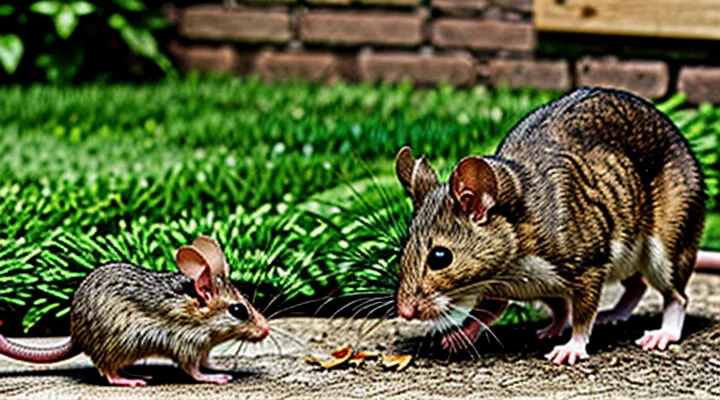
Understanding the Garden Mouse Problem
Identifying Mouse Activity
Recognizing Common Signs
Mice leave distinct evidence that can be identified before damage escalates. Typical indicators include:
- Small, dark droppings, 3–5 mm long, found along pathways, near plant bases, or beneath mulch.
- Gnaw marks on stems, seed heads, wooden garden structures, and irrigation tubing.
- Freshly excavated burrows with loose soil, often clustered around shelter sites such as compost piles or dense foliage.
- Fine, irregular footprints in damp soil or on soft surfaces, sometimes accompanied by tail‑drag marks.
- Nests constructed from shredded leaves, grass, or paper, commonly hidden under stones, in garden beds, or inside storage sheds.
- Chewed or missing seeds, bulbs, and tender seedlings, especially those close to ground level.
- Accumulated food stores, including gathered seeds or fruit remnants, left in concealed corners.
- Persistent scratching or squeaking noises heard at night near dense vegetation or under decks.
Detecting these signs early enables prompt intervention to protect garden productivity.
Locating Entry Points
Mice gain access to garden beds and storage areas through small openings that are often overlooked. Identifying these gaps is the first step in preventing infestation.
- Gaps beneath raised beds, typically ¼‑inch wide, created by soil settling or poorly fitted boards.
- Cracks in concrete pavers or stone pathways that connect to mulch or compost piles.
- Openings around irrigation pipes, drip‑line tubing, and hose connections, especially where pipe sleeves are missing.
- Unsealed joints where garden fences meet the ground, including gaps at the base of wooden or metal panels.
- Holes in garden sheds, tool sheds, or greenhouse frames, particularly around vent screens and door sweeps.
- Spaces around utility penetrations such as electrical conduit, water mains, or gas lines that run through the garden perimeter.
Conduct a systematic walk‑around at daylight, using a flashlight to highlight shadows and a thin wire or credit‑card to probe openings. Record each location, measure its size, and prioritize sealing based on proximity to food sources. Apply durable materials—steel wool, hardware cloth, silicone caulk, or expandable foam—to close gaps, ensuring no new pathways remain for rodents to exploit.
Why Mice are Attracted to Your Garden
Food Sources in the Garden
Mice are drawn to readily available nourishment. Seed heads, fallen fruit, and vegetable scraps create a reliable food supply, encouraging activity throughout the growing season. Unharvested grains and legumes left on the soil surface provide easy access, while compost piles that are not properly sealed become a continuous source of organic matter.
To reduce these attractants, implement the following measures:
- Harvest crops promptly and remove any produce that drops to the ground.
- Collect and dispose of fallen fruit and berries each day.
- Keep mulch layers thin and avoid piling organic debris near plant bases.
- Secure compost containers with tight-fitting lids and avoid adding meat or dairy waste.
- Store animal feed in metal containers with sealed lids, positioning them away from garden borders.
By eliminating accessible food, the garden becomes less inviting, decreasing mouse presence and limiting potential damage to plants.
Shelter and Hiding Spots
Mice seek protection in any structure that offers moisture, warmth, and concealment. Common garden shelters include dense mulch, stacked firewood, compost piles, leaf litter, and the underside of garden sheds or storage boxes. These locations maintain stable temperatures and hide movement from predators, making them ideal nesting sites.
To reduce the availability of such refuges, take the following actions:
- Keep mulch no deeper than four inches and turn it regularly to disrupt potential nests.
- Store firewood on pallets, elevate it off the ground, and separate stacks by at least one foot.
- Maintain compost in a sealed container with a tight-fitting lid; turn the material frequently to prevent burrowing.
- Rake leaf piles weekly and dispose of them at the curb rather than allowing them to accumulate.
- Seal gaps under garden sheds, tool sheds, and storage cabinets with metal flashing or concrete caulk.
Eliminating these hiding places removes the primary incentive for rodents to establish colonies, thereby decreasing their presence throughout the garden.
Water Availability
Water presence in a garden influences mouse activity. Moist areas sustain vegetation that supplies seeds and insects, creating a reliable food source. Additionally, damp soil and debris provide suitable sites for nesting and shelter.
Excess moisture creates conditions that attract rodents. Persistent puddles, leaky hoses, and over‑irrigated beds retain humidity, encouraging plant growth that supports mouse populations. Reduced dryness forces mice to seek alternative habitats, often moving away from the garden.
Effective management of water reduces attractiveness to rodents:
- Inspect irrigation systems weekly; repair leaks promptly.
- Adjust watering schedules to deliver moisture only when plants need it, avoiding prolonged surface wetness.
- Eliminate standing water in containers, birdbaths, and low‑lying areas by emptying or adding drainage.
- Replace mulch that retains excess moisture with coarse, well‑draining alternatives.
- Direct runoff away from garden beds using swales or gravel pathways.
Controlling water availability limits food and shelter options, thereby discouraging mouse presence in the garden.
Prevention Strategies
Garden Maintenance for Mouse Control
Removing Debris and Overgrowth
Removing debris and trimming excessive plant growth are fundamental actions for effective rodent control in outdoor spaces. Accumulated litter, fallen fruit, and dense vegetation create shelter and food sources that encourage mice to colonize garden areas. Eliminating these resources reduces habitat suitability and forces rodents to seek alternative locations.
- Collect and dispose of all fallen leaves, twigs, and plant debris; compost only well‑managed material that is regularly turned and covered.
- Clear gutters, under‑deck spaces, and piles of wood or stones that could serve as nesting sites.
- Prune shrubs, vines, and groundcover to maintain an open canopy; keep stems at least six inches apart to prevent dense cover.
- Trim grass to a height of no more than three inches, and mow regularly to discourage burrowing.
- Remove or relocate decorative items such as stone piles, overturned pots, and garden ornaments that provide concealment.
Consistent maintenance of a tidy, low‑growth environment deprives mice of hiding places and food caches, thereby supporting broader pest‑management strategies and preserving plant health.
Proper Composting Techniques
Effective compost management reduces shelter and food sources that attract rodents to garden beds. By maintaining a well‑balanced, quickly decomposing pile, you limit the conditions mice seek for nesting and foraging.
- Use a closed, ventilated container with a tight‑fitting lid; this prevents entry and limits odor.
- Keep the carbon‑to‑nitrogen ratio near 30:1 by mixing dry leaves, straw, or shredded paper with kitchen scraps and garden waste.
- Turn the pile every 7–10 days to introduce oxygen, speed decomposition, and discourage burrowing.
- Maintain a temperature of 55–65 °C (130–150 °F) through regular turning; heat eliminates larvae and deters small mammals.
- Place the compost bin at least 2 m (6 ft) from vegetable beds and pathways to reduce proximity to mouse activity.
- Avoid adding meat, dairy, or oily foods; these provide high‑calorie attractants that can draw rodents.
- Install a layer of coarse material (e.g., wood chips) on the surface; this creates an inhospitable environment for nesting.
- Inspect the bin weekly for signs of intrusion; repair any gaps or cracks immediately.
Consistently applying these practices yields a fast‑acting compost system while removing the refuge and nourishment mice rely on, contributing to a healthier, rodent‑free garden.
Securing Food Sources
Securing food sources eliminates the primary attraction for garden rodents. Remove fallen fruit, seeds, and vegetable scraps promptly. Store compost in sealed containers with tight-fitting lids; if a compost bin is necessary, choose a model equipped with a metal mesh cover and position it away from planting beds.
Maintain clean feeding stations for birds or pets. Use feeders that lock shut when not in use, and clean spillage daily. Avoid leaving pet food outdoors overnight; keep bowls inside or on raised platforms with a protective barrier.
Implement ground cover management. Trim low-lying vegetation, remove dense mulch layers, and keep grass mowed to a short height. These actions reduce shelter and foraging opportunities for mice.
Consider physical barriers around vulnerable plants. Install hardware cloth (¼‑inch mesh) around the base of seedlings, securing it with staples or garden staples. Ensure the barrier extends at least six inches below the soil surface to block burrowing.
Regularly inspect storage sheds, tool racks, and garden structures. Seal cracks and gaps with caulk or steel wool to prevent mice from accessing stored grains, feeds, or seed packets.
Key actions
- Promptly collect and dispose of fallen produce.
- Use sealed, mesh‑covered compost bins.
- Secure bird and pet feeders; clean spills daily.
- Trim vegetation and keep mulch thin.
- Apply hardware cloth around plant bases.
- Seal entry points in garden buildings.
By systematically denying access to edible material, the garden becomes an unfavorable environment for mice, reducing their presence without resorting to chemical controls.
Mouse-Repellent Plants and Scents
List of Effective Plants
Mice frequently invade garden beds, gnawing seedlings and contaminating soil. Planting species that emit strong odors, produce bitter foliage, or create uncomfortable ground cover can reduce mouse presence without chemicals.
- Mint (Mentha spp.) – volatile oils repel rodents; plant in containers to prevent spreading.
- Lavender (Lavandula angustifolia) – aromatic flowers and leaves deter mice while attracting pollinators.
- Rosemary (Rosmarinus officinalis) – woody scent interferes with mouse olfactory cues; thrives in sunny, well‑drained soil.
- Marigold (Tagetes spp.) – pungent foliage and root exudates discourage burrowing.
- Garlic (Allium sativum) – sulfur compounds are aversive to rodents; interplant near vulnerable crops.
- Onions (Allium cepa) – similar to garlic, release irritant vapors that mice avoid.
- Rue (Ruta graveolens) – bitter leaves and strong fragrance act as a natural repellent.
- Pennyroyal (Mentha pulegium) – powerful minty odor repels mice; use sparingly due to toxicity to pets.
- Nasturtium (Tropaeolum majus) – peppery leaves and trailing habit create a physical barrier.
- Catnip (Nepeta cataria) – while attractive to felines, its essential oil repels rodents.
Integrating these plants into borders, raised beds, or companion rows creates a hostile environment for mice, limiting damage while enhancing garden biodiversity.
Natural Scent Deterrents
Mice avoid strong odors that interfere with their scent trails. Deploying natural scent deterrents creates an inhospitable environment without chemicals.
- Peppermint oil: soak cotton balls in 10 % peppermint oil, place them near plant bases, compost piles, and garden edges. Replace every three days for continuous effect.
- Ground cloves or clove oil: scatter whole cloves around vulnerable areas or mix a few drops of clove oil with water and spray onto soil. Reapply after rain.
- Garlic and onion: crush fresh garlic or onion, mix with water (1 cup per gallon), and spray the solution on the perimeter of beds. Refresh weekly.
- Predator urine: commercial products containing fox, coyote, or owl urine can be sprayed on the ground. Apply in the early morning to allow drying before rodents become active.
- Rosemary and thyme: plant these herbs densely along borders or crush foliage and sprinkle it around seedlings. Their volatile compounds repel mice naturally.
For optimal results, combine several scents to prevent habituation. Position deterrents at entry points, such as gaps in fences, low walls, and irrigation lines. Monitor mouse activity weekly; if signs persist, increase the concentration of the chosen scent or add additional deterrent stations.
The strategy relies on consistent exposure to repellent odors, disrupting mouse navigation and discouraging colonization of garden space.
Physical Barriers and Exclusion
Fencing and Netting
Fencing and netting provide a reliable physical barrier against garden rodents. A sturdy fence blocks entry points, while fine mesh netting prevents mice from climbing or squeezing through gaps.
Select materials that resist chewing and weathering. Galvanized steel or heavy‑duty plastic panels offer durability; mesh openings of ½ inch (12 mm) or smaller prevent rodent passage. For raised beds, wrap the perimeter with netting anchored to the soil at a depth of 6–12 inches (15–30 cm) to deter burrowing.
Install the barrier continuously around the garden perimeter. Secure posts at 4‑foot (1.2 m) intervals, embed them at least 12 inches (30 cm) below ground, and attach the fence or netting with rust‑free fasteners. Overlap sections by 2–3 inches (5–7 cm) and seal joints with wire mesh tape to eliminate gaps.
Inspect the enclosure monthly. Replace torn sections, tighten loose fittings, and clear debris that could create footholds. Maintain ground clearance to prevent mice from gnawing at the base.
Key points
- Mesh size ≤ ½ inch (12 mm) stops entry.
- Post depth ≥ 12 inches (30 cm) blocks burrowing.
- Overlap joints by 2–3 inches (5–7 cm) to avoid gaps.
- Use corrosion‑resistant materials for longevity.
- Regular inspection prevents deterioration.
Sealing Gaps in Structures
Sealing openings eliminates the primary routes mice use to move from the surrounding environment into garden structures. When cracks or gaps are left untreated, rodents can access compost bins, sheds, and raised beds, where food and shelter are readily available.
Common entry points include:
- Cracks in foundation walls or concrete slabs
- Gaps around pipe, cable, and irrigation line penetrations
- Openings at the base of fences, gate hinges, and fence posts
- Unscreened vent openings and roof eaves
To close these pathways:
- Conduct a thorough visual inspection of all exterior surfaces, paying special attention to the areas listed above.
- Measure each opening to determine the appropriate size of sealing material.
- Choose durable, weather‑resistant products such as expanding polyurethane foam, silicone caulk, or metal mesh (hardware cloth) for larger gaps.
- Apply sealant according to manufacturer instructions, ensuring complete coverage and a tight bond.
- For structural gaps larger than ¼ inch, install hardware cloth with a ¼‑inch mesh, fastening it with stainless‑steel staples or screws.
After sealing, schedule periodic checks, especially after heavy rain or seasonal temperature shifts, to verify that seals remain intact. Promptly repair any new damage to maintain a barrier that prevents rodent intrusion.
Humane Mouse Removal Methods
Trapping and Relocation
Types of Live Traps
Live traps capture mice without killing them, allowing relocation away from cultivated areas. Several designs are available, each suited to specific garden conditions.
-
Cage trap – a hinged door closes when a mouse takes bait placed on a trigger plate. Construction typically uses metal or sturdy plastic, preventing escape. Effective for single captures; easy to set and inspect.
-
Box trap – a rectangular enclosure with a sliding door that shuts when the animal steps on a pressure plate. Larger interior accommodates adult mice and provides ventilation. Suitable for dense vegetation where a cage may be obscured.
-
Multi‑catch trap – a series of compartments linked to a single trigger. Each compartment holds one mouse, allowing several captures before emptying. Best for high‑traffic zones such as garden borders or compost piles.
-
Live‑capture tube – a narrow PVC or acrylic tube with a one‑way entry funnel. Bait placed at the far end draws the mouse in; the narrow exit prevents retreat. Ideal for discreet placement among plant rows.
Selection criteria include durability, size, and ease of cleaning. Metal traps resist rust and remain functional after exposure to moisture. Plastic models are lighter and easier to move but may degrade under prolonged sunlight. All traps require appropriate bait—peanut butter, sunflower seeds, or oats work reliably. Position traps along established runways, near shelters, or adjacent to food sources. Check traps at least twice daily to prevent stress or dehydration of captured mice. When releasing, transport the animal at least 500 meters from the garden, preferably to a wooded or field area where it can find natural cover.
Live trapping offers a humane alternative to lethal methods, minimizes disruption to beneficial garden fauna, and provides immediate feedback on mouse activity levels, informing further preventative measures.
Best Practices for Trapping
Effective mouse control in a garden relies on proper trap selection, placement, and maintenance. Choose traps that match the target size and behavior; snap traps offer immediate kill, while live‑catch cages allow relocation. Use bait that appeals to nocturnal foragers, such as peanut butter, sunflower seeds, or dried fruit, applied in a small amount to avoid spillage that may attract non‑target species.
- Position traps along established runways, near burrow entrances, and close to food sources.
- Place traps perpendicular to walls, with the trigger side facing the wall to align with natural movement.
- Set traps at ground level; mice rarely climb higher than 12 cm.
- Check traps daily; remove dead mice promptly to prevent disease spread.
- Reset or relocate traps after each capture to maintain pressure on the population.
- Rotate bait types every few days to prevent bait habituation.
Maintain a clean garden environment to increase trap efficacy. Remove excess debris, trim dense vegetation, and store feed in sealed containers. Regularly inspect for new burrows and adjust trap locations accordingly. Replace worn or damaged traps to ensure reliable operation. Consistent application of these practices reduces mouse activity and protects plants without reliance on chemical controls.
Safe Relocation Techniques
Effective rodent removal from garden spaces depends on humane transfer methods that protect both the ecosystem and the animals. Identify active pathways, such as burrows, runways, and food sources, to locate capture points. Deploy live traps near these locations, selecting models that prevent injury and allow quick release. Bait traps with natural attractants—seeds, nuts, or fruit—avoiding toxic substances.
When a mouse is captured, handle the trap with gloves to reduce stress for the animal and the handler. Transfer the rodent to a release site at least two kilometers away, preferably in a wooded or field area offering shelter and natural food. Open the trap gently, allowing the mouse to exit without forced movement.
Maintain the garden to discourage re‑entry:
- Remove fallen fruit, seeds, and debris that provide sustenance.
- Trim vegetation close to structures to eliminate cover.
- Seal gaps in fences, sheds, and irrigation systems.
- Install predator-friendly habitats, such as raptor perches, to increase natural control.
Monitor the area for new activity weekly. If captures decline, gradually reduce trap numbers to avoid unnecessary stress on the local mouse population. This systematic approach ensures safe relocation while preserving garden health.
Natural Predation
Attracting Natural Predators
Encouraging native predators offers an effective, chemical‑free method for reducing mouse activity in garden beds. Predatory birds, such as owls and hawks, locate prey more easily when perches and nesting sites are available. Install sturdy wooden poles or metal brackets at a height of 6–10 feet, and add nesting boxes designed for barn owls or kestrels. Ensure openings are 4–5 inches wide to admit smaller raptors while excluding larger birds that might disturb the garden.
Ground‑dwelling mammals, particularly foxes and weasels, hunt rodents in dense cover. Maintain a patch of unmanaged vegetation—tall grasses, brush, or a small hedgerow—around the perimeter of the planting area. This shelter provides hunting routes and den sites. Avoid excessive pruning or herbicide use in these zones to preserve habitat suitability.
Beneficial insects, especially predatory beetles and parasitic flies, consume mouse eggs and larvae. Plant a diverse mix of flowering species that bloom at different times, such as yarrow, fennel, and dill. These plants supply nectar and pollen, sustaining adult insects that later lay eggs in the soil where mouse nests are located. Avoid broad‑spectrum insecticides that would eliminate these allies.
A practical checklist for attracting natural predators:
- Erect 3–4 perches at 8 feet height; space them 10 feet apart.
- Mount two to three barn‑owl boxes per 0.5 acre; locate them on quiet, south‑facing walls.
- Preserve a 5‑foot‑wide strip of native grass and shrubs along garden edges.
- Sow a seed blend containing at least three flowering herbs that bloom from spring through fall.
- Limit pesticide applications to spot treatments; record any chemical use to monitor impact on beneficial species.
By integrating these habitat enhancements, the garden becomes less inviting to mice while providing food, shelter, and breeding opportunities for the predators that naturally keep rodent numbers in check.
Encouraging Beneficial Wildlife
Beneficial wildlife can naturally suppress mouse activity in garden spaces, reducing reliance on chemical controls. Predatory birds, such as owls and hawks, locate rodents by sight and sound; ground‑dwelling snakes and feral cats also hunt mice. Certain insects, including beetles and centipedes, prey on mouse eggs and juveniles, contributing to population decline.
- Install nesting boxes or perches to attract owls and hawks.
- Preserve brush piles and stone heaps as shelter for snakes.
- Maintain a small water source to support amphibian predators.
- Plant dense, low‑growth herbs (e.g., mint, thyme) that provide cover for predatory insects.
- Limit pesticide use to avoid harming non‑target species.
Create a habitat that meets the needs of these predators. Provide undisturbed refuges, avoid excessive trimming, and leave sections of leaf litter. Use native plants to supply food and nesting material, and position bird feeders away from mouse foraging zones to draw avian hunters into the area.
Regularly observe predator activity and mouse signs. Adjust shelter locations, increase habitat complexity, or introduce additional predator attractants if mouse damage persists. Continuous monitoring ensures the wildlife community remains effective in controlling rodent populations.
Other Mouse Control Options
Baits and Poisons
Risks of Chemical Control
Chemical methods for suppressing garden rodents carry several significant hazards. Pesticide residues can persist in soil, altering microbial activity and reducing nutrient cycling. Beneficial insects, such as pollinators and predatory beetles, may suffer mortality or sublethal effects, weakening natural pest control. Direct exposure poses health risks to humans handling the products, including skin irritation, respiratory distress, and potential long‑term toxicity. Runoff during rain can transport toxins to nearby water bodies, endangering aquatic organisms and contaminating drinking sources. Repeated use often leads to resistance development in rodent populations, diminishing efficacy and prompting higher dosage applications. Lastly, regulatory compliance demands strict record‑keeping and adherence to label restrictions; violations can result in fines and loss of garden certification.
Safe Handling and Placement
Effective rodent control in outdoor spaces requires careful handling of devices and strategic placement to protect non‑target wildlife, pets, and humans.
When selecting traps, choose models with enclosed chambers or snap mechanisms that prevent accidental contact. Wear disposable gloves during set‑up, and store traps in sealed containers until use. Avoid chemical baits that can leach into soil or water sources; opt for solid, odor‑free lures that minimize exposure.
Placement guidelines:
- Position traps along established runways, typically near the edges of planting beds, under low vegetation, or close to garden structures where mice travel.
- Space devices 10–15 feet apart to cover a larger area without overlapping fields of action.
- Ensure traps are placed on stable, level ground to prevent tipping and maintain consistent trigger sensitivity.
- Keep traps away from child‑accessible zones and pet pathways; use barriers or raised platforms when necessary.
- Replace or relocate traps after each capture to maintain effectiveness and reduce habituation.
Regular inspection, at least once daily, confirms proper function and allows prompt removal of captured rodents. Clean and disinfect traps with a mild bleach solution before reuse, then dry thoroughly. Dispose of captured mice according to local regulations, sealing them in biodegradable bags to avoid contaminating the garden ecosystem.
By adhering to these handling and placement practices, gardeners can achieve reliable rodent reduction while preserving the safety of surrounding flora, fauna, and household members.
Professional Pest Control
When to Call an Expert
Mice infestations can quickly damage crops, compromise soil health, and spread disease. When simple traps, repellents, or habitat modification fail to reduce activity, professional intervention becomes necessary.
- Damage persists after multiple DIY attempts.
- Population density exceeds ten individuals per 10 m².
- Evidence of nesting in hard‑to‑reach locations (under deep mulch, within irrigation systems).
- Presence of pathogens or parasites detected in soil or plant tissue.
- Legal or insurance requirements mandate certified pest control measures.
Consult a licensed pest‑management specialist who offers integrated‑pest‑management plans, complies with local regulations, and can apply targeted rodenticides or exclusion techniques safely. Arrange an on‑site assessment within 48 hours of confirming any of the above indicators to prevent further loss.
What to Expect from Services
Professional pest‑control providers focus on eliminating rodents from outdoor planting areas while preserving plant health. When you engage a service, anticipate the following steps:
- Initial site assessment that identifies mouse activity, entry points, and vulnerable vegetation.
- Detailed proposal outlining treatment methods, equipment, and timeline.
- Implementation of integrated measures, such as bait stations, traps, and habitat modification, applied according to local regulations.
- Post‑treatment monitoring to verify reduction of activity and to adjust tactics if necessary.
- Written report summarizing actions taken, results observed, and recommendations for long‑term prevention.
Clients receive clear communication about scheduling, safety precautions for pets and children, and any required preparation of the garden before work begins. The service typically includes a warranty period during which additional visits are provided at no extra cost if mouse presence recurs. Expect transparent pricing, a licensed technician, and compliance with environmental standards throughout the process.