
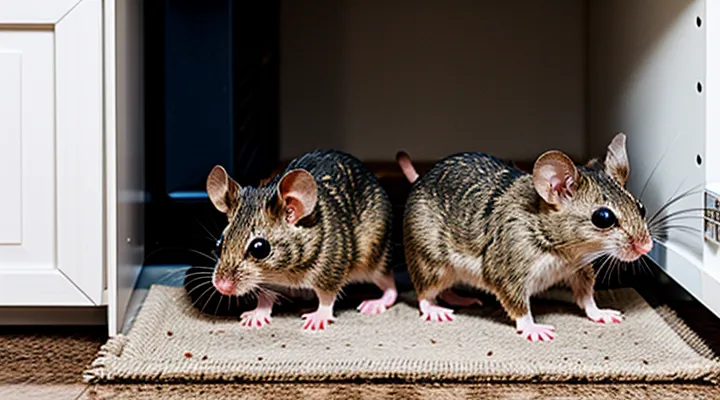
Understanding Your Adversary: Mouse Behavior and Habits
Identifying a Mouse Infestation
Signs of Mice
Mice leave unmistakable evidence that can be identified before damage escalates. Recognizing these indicators enables swift action and supports long‑term eradication in a dwelling.
- Small droppings, ¼‑inch black pellets, often found along walls, behind appliances, or in pantry corners.
- Gnaw marks on food packaging, wiring, wooden trim, or baseboards, typically rounded with fresh teeth impressions.
- Nests constructed from shredded paper, fabric, insulation, or dried food, usually hidden in concealed spaces such as wall cavities, under sinks, or inside closets.
- Faint, musky odor that intensifies in areas with heavy activity, caused by urine and glandular secretions.
- Scratching or scurrying sounds within walls, ceilings, or attics, especially during nighttime hours.
- Visible tracks or smudge patterns on dusty surfaces, indicating movement pathways.
Early detection of these signs prevents structural damage, reduces health risks, and improves the effectiveness of permanent control measures in an apartment environment. Prompt verification of any observed evidence should trigger targeted sealing of entry points and deployment of proven elimination techniques.
Common Hiding Spots
Mice exploit the concealed areas of an apartment to avoid detection and access food. Recognizing these locations is essential for any durable elimination strategy.
Typical concealment points include:
- Behind and beneath kitchen appliances such as refrigerators, stoves, and dishwashers.
- Inside wall cavities, especially where wiring or plumbing runs.
- Under cabinets, inside the back of pantry shelves, and within stored food packages.
- In ceiling voids and attic spaces that connect to interior rooms.
- Within insulation material surrounding ducts, pipes, or windows.
- Along baseboards and in the gaps between flooring and walls.
- Inside dryer vents, laundry room closets, and utility closets.
- Within cluttered storage areas, including boxes, bags, and folded clothing.
- Behind furniture that rests against walls, especially sofas and bookshelves.
Inspect each area regularly, looking for droppings, gnaw marks, or nesting material. Eliminating access to these sites—by sealing cracks, reducing clutter, and storing food in sealed containers—prevents mice from establishing permanent refuges, supporting the overall eradication effort.
Why Mice are Attracted to Apartments
Food Sources
Mice are attracted to any readily available nourishment, making food sources the primary driver of infestation in a residential unit. Eliminating these attractants cuts the population’s incentive to remain and reproduces a lasting barrier against re‑entry.
- Store dry goods in airtight containers made of metal or heavy‑wall plastic; never leave cereal, rice, or pet food exposed on countertops or shelves.
- Dispose of leftovers immediately; use a trash can with a tight‑fitting lid and empty it daily.
- Clean crumbs and spills promptly; sweep floors, wipe counters, and vacuum upholstery after each meal.
- Keep pantry shelves free of damaged packaging; discard any product with torn seals or visible infestation signs.
- Seal food waste bags before placing them in the trash to prevent odor leakage.
By removing edible incentives, the environment becomes inhospitable, forcing mice to seek food elsewhere and dramatically reducing the likelihood of a permanent presence.
Shelter and Warmth
Mice thrive in apartments when they find safe, insulated spaces that protect them from cold and predators. Removing these conditions deprives the rodents of the essential shelter and warmth they need to survive, forcing them to search elsewhere.
Identify common hiding places: wall voids, behind appliances, under sinks, and in cluttered storage areas. Seal all openings larger than a quarter‑inch with steel wool, copper mesh, or silicone caulk. Install door sweeps and weather stripping on exterior doors to block entry points.
Control indoor temperature gradients. Keep heating vents unobstructed, and avoid leaving blankets or fabric piles near walls. Replace worn insulation in crawl spaces or basements with rodent‑resistant material. If a heated area cannot be insulated, install a metal barrier that mice cannot chew through.
Maintain a tidy environment. Store food in airtight containers, clean crumbs promptly, and dispose of garbage daily. Regularly declutter closets and cabinets, removing potential nesting material such as paper, fabric, or insulation remnants.
Implement a permanent solution:
- Conduct a thorough inspection of the apartment’s exterior and interior for gaps.
- Apply durable sealing agents to all identified breaches.
- Upgrade insulation with rodent‑proof products.
- Eliminate clutter that offers concealment.
- Monitor for signs of activity and repeat sealing as needed.
By eliminating shelter and warmth, the apartment becomes inhospitable, reducing the likelihood of mouse infestation and supporting long‑term pest control.
Entry Points
Mice infiltrate apartments through tiny openings that provide access to food, water, and shelter. Identifying and sealing these entry points creates a lasting barrier against infestation.
Common sources of intrusion include:
- Gaps around exterior doors and windows, especially where weatherstripping is worn or absent. Install tight-fitting sweeps and replace damaged seals.
- Cracks in foundation walls, brickwork, or concrete slabs. Apply hydraulic cement or expanding foam to fill voids completely.
- Openings around utility penetrations such as plumbing, electrical conduits, and HVAC ducts. Use steel wool backed with silicone caulk or metal mesh to block rodents.
- Unsealed holes in cabinetry, baseboards, and wall trim. Fill with wood putty, epoxy, or metal flashing as appropriate.
- Small openings around vent covers, dryer exhausts, and chimney flues. Install mesh screens with a minimum 1‑mm aperture.
When sealing, follow these steps:
- Conduct a thorough visual inspection, using a flashlight to reveal hidden gaps in low‑light areas.
- Measure each opening to select the appropriate filler material; steel wool and caulk work for gaps under ¼ inch, while cement or foam suits larger cracks.
- Apply the chosen material, ensuring a tight, continuous seal that eliminates any residual space.
- Re‑inspect after curing to confirm integrity, then monitor for signs of new activity.
Regular maintenance—replacing worn weatherstripping, repairing foundation cracks, and inspecting utility penetrations—prevents re‑entry and supports a permanent solution to mouse problems in an apartment.
The Permanent Solution: An Integrated Pest Management Approach
Step 1: Exclusion - Sealing Entry Points
Inspecting Your Apartment Thoroughly
A thorough inspection is the foundation of any lasting mouse control strategy in a dwelling. Begin by turning off lights and using a flashlight to examine walls, ceilings, and floors for gnaw marks, droppings, and shredded material. Focus on areas where food is stored, such as pantry shelves, cabinets, and the refrigerator, because these locations attract rodents.
Identify potential entry points by checking for gaps larger than a quarter inch around:
- Pipe and utility penetrations
- Baseboards and crown molding seams
- Window frames and sliding door tracks
- Vent covers and dryer exhaust ducts
- Door thresholds and under‑door gaps
Seal discovered openings with steel wool, copper mesh, or silicone caulk before applying any bait or trap. Replace damaged weatherstripping on exterior doors and install door sweeps to block low‑level access.
Inspect hidden zones where mice travel unseen, including:
- Behind appliances (stove, dishwasher, refrigerator)
- Inside closets and storage bins
- Under furniture and between furniture legs
- Inside wall cavities accessed through removable outlet covers
Document each finding on a simple checklist, noting location, type of evidence, and required remediation. This record guides subsequent elimination measures and provides a baseline for future monitoring.
After the physical survey, eliminate food sources by storing all items in airtight containers, cleaning crumbs promptly, and removing pet food after each feeding. Maintain a dry environment; fix leaks and wipe moisture from sinks, bathtubs, and basements.
A systematic, detail‑oriented inspection eliminates the conditions that allow mice to survive, setting the stage for permanent eradication.
Materials for Sealing Gaps
Effective permanent mouse control in an apartment relies on eliminating entry points. Selecting the right sealing materials prevents rodents from exploiting cracks and openings.
Durable, non‑toxic options include:
- Steel wool (grade #40 or finer) – forces mice to chew through a material they cannot bite through; compresses easily into narrow gaps.
- Expanding polyurethane foam – fills irregular cavities, hardens to an airtight barrier; choose low‑odor, indoor‑rated product.
- Copper mesh – similar to steel wool but resistant to rust; suitable for moisture‑prone areas such as under sinks.
- Silicone caulk – adheres to wood, plaster, and tile; remains flexible, allowing slight movement without cracking.
- Acrylic latex sealant – inexpensive, easy to apply on flat surfaces; best for small gaps around windows and doors.
Application guidelines:
- Inspect the perimeter, baseboards, utility openings, and vent covers for gaps larger than ¼ inch.
- Clean each opening of dust and debris; moisture can weaken adhesion.
- Insert steel wool or copper mesh into the deepest part of the gap, then coat with caulk or foam to lock the material in place.
- Smooth sealant with a putty knife; ensure a continuous, unbroken line around the perimeter.
- Allow curing time as specified by the manufacturer before exposing the area to humidity or traffic.
Choosing materials that combine rigidity with flexibility ensures long‑term exclusion of mice while maintaining structural integrity of the apartment.
Common Entry Points to Address
Mice infiltrate apartments through the smallest structural weaknesses. Identifying and sealing these pathways is essential for a lasting solution.
- Gaps around utility penetrations (pipes, cables, vent shafts) often exceed a quarter‑inch; mice can squeeze through openings as small as 1/8 inch.
- Cracks in foundation walls, especially where the slab meets the perimeter, provide direct access from the building’s crawl space.
- Unsealed openings around doors and windows, including weatherstripping gaps and damaged frames, allow entry during both warm and cold seasons.
- Openings in the plumbing stack, such as unsealed gaps around the sewer pipe where it exits the roof or passes through floors, serve as vertical routes.
- Holes in the exterior siding or brick veneer, particularly where repair work has left unfinished seams, create direct entry points.
- Roof vents, soffit vents, and attic access doors that lack proper mesh screening can be exploited by climbing rodents.
- Uncovered garbage chutes, laundry room doors, or basement stairwells that remain ajar provide easy interior pathways.
After cataloguing all potential breaches, apply a durable, rodent‑proof material—steel wool, copper mesh, or expanding foam reinforced with metal—followed by caulk or cement to create a permanent seal. Verify the integrity of the seal periodically, especially after renovations or seasonal temperature shifts, to maintain a mouse‑free environment.
Step 2: Sanitation - Eliminating Attractants
Food Storage Best Practices
Proper food storage is a cornerstone of any lasting rodent‑prevention strategy in a rental unit. Secure containers eliminate accessible food sources, forcing mice to seek sustenance elsewhere and reducing their incentive to remain.
- Use airtight, polycarbonate or metal containers with snap‑tight lids for grains, cereals, nuts, and pet food.
- Store dried goods in the refrigerator or freezer when possible; cold temperatures deter infestation.
- Keep pantry shelves clear of crumbs; wipe surfaces after each use with a damp cloth.
- Place bulk items in smaller, sealed bags before transferring to larger containers.
- Rotate stock regularly; discard expired products promptly.
Maintain a routine of inspecting storage areas for signs of damage or leaks. Replace compromised containers immediately to prevent re‑entry points. Consistent adherence to these practices removes the primary attractant for rodents, supporting a permanent solution to mouse problems in an apartment.
Waste Management
Effective waste handling reduces food sources that attract rodents in a dwelling. Store trash in sealed containers, preferably with a tight‑fitting lid, and remove it from the living area at least daily. Place bins on a surface that can be easily cleaned and keep them away from walls or corners where mice can gnaw through.
Maintain a regular schedule for cleaning waste receptacles. Rinse containers with hot water and a mild detergent weekly, then dry thoroughly before replacing the lid. Inspect the interior and exterior of each bin for signs of damage; repair or replace compromised units promptly.
Implement these practices:
- Use metal or heavy‑plastic bins with lockable lids.
- Keep the bin area free of spilled food crumbs.
- Dispose of organic waste in a separate, tightly sealed bag before placing it in the bin.
- Position trash collection points at the farthest point from entry doors and windows.
Proper management of garbage deprives mice of sustenance, making the apartment environment inhospitable and supporting long‑term rodent control.
Cleaning Routines
Maintain a spotless living space to eliminate food sources and shelter for rodents. Consistent cleaning deprives mice of the resources they need to survive and reproduce.
- Remove food debris from countertops, tables, and floors after each meal. Store all edibles in airtight containers made of glass, metal, or heavy‑wall plastic.
- Sweep or vacuum daily, focusing on corners, under appliances, and behind furniture where crumbs accumulate.
- Wash dishes promptly; do not leave them soaking overnight. Clean the sink and surrounding area with a disinfectant solution.
- Empty trash cans each night. Use bins with tight‑fitting lids and replace liners regularly.
- Mop hard surfaces weekly with a degreasing cleaner. Pay special attention to kitchen backsplashes and pantry shelves.
- Wash bedding, curtains, and pet bedding monthly at high temperatures (≥ 60 °C) to eradicate hidden droppings or eggs.
- Inspect and clean behind refrigerators, stoves, and dishwashers monthly. Move appliances when possible to clear hidden dust and food particles.
- Seal cracks, gaps, and openings in walls, baseboards, and around pipes. Use steel wool and caulk to block entry points that cleaning alone cannot cover.
By integrating these routines into daily, weekly, and monthly schedules, an apartment becomes inhospitable to mice, supporting a lasting, non‑chemical eradication strategy.
Step 3: Trapping - Reducing the Current Population
Types of Traps and Their Effectiveness
Various trap designs address mouse infestations with differing degrees of reliability and practicality.
Snap traps consist of a spring‑loaded bar that delivers an instantaneous kill. Steel‑framed models provide rapid mortality, minimizing suffering and preventing escape. Placement near walls and along established runways yields capture rates above 80 % when baited with high‑fat foods such as peanut butter.
Glue boards employ a sticky surface that immobilizes rodents. They are inexpensive and easy to install, yet capture efficiency fluctuates between 30 % and 60 % because mice may detect the adhesive and avoid it. Moreover, retrieval requires careful handling to reduce secondary hazards.
Electronic traps use a high‑voltage pulse to induce immediate death. These devices deliver consistent results—typically 90 %–95 % effectiveness—while eliminating the need for disposal of live or dead rodents in the field. Battery life and proper positioning influence performance.
Live‑catch cages trap mice without killing them, allowing relocation. Capture success reaches 70 %–80 % when bait is refreshed daily and entry holes are sealed after capture. This method demands prompt release or humane euthanasia, and compliance with local wildlife regulations.
Ultrasonic repellers emit high‑frequency sounds intended to deter rodents. Scientific assessments show negligible impact on mouse populations; effectiveness rarely exceeds 10 %, rendering them unsuitable as a primary control measure.
In summary, snap traps and electronic devices provide the highest immediate reduction of mouse activity, while glue boards and live‑catch cages serve as supplemental options in specific scenarios. Ultrasonic devices should be regarded as ancillary, not corrective, tools.
Strategic Trap Placement
Strategic trap placement maximizes capture rates while minimizing disruption to daily living. Identify mouse pathways by observing droppings, gnaw marks, and nesting material; these indicators reveal the routes rodents prefer when moving between walls, cabinets, and appliances.
Position traps at least 12 inches from walls, aligned with the direction of travel, and set them on perpendicular surfaces where mice can approach from either side. Secure traps on stable platforms to prevent tipping caused by foot traffic or furniture movement.
Key locations include:
- Behind refrigerators and stoves, where heat and food residue attract activity.
- Inside cabinets that store grains, cereals, or pet food, especially near the back corner.
- Along baseboards and under sink cabinets, where moisture provides a favorable environment.
- Near entry points such as utility openings, drilled holes, or cracked foundations.
Replace captured traps promptly, reset bait, and rotate positions weekly to prevent habituation. Consistent, well‑planned deployment of traps reduces population density and supports long‑term exclusion.
Safe Disposal of Trapped Mice
Proper disposal of captured rodents prevents disease spread, protects household members, and complies with local regulations. After securing a live or deceased mouse, follow a systematic procedure to eliminate health risks and maintain a clean environment.
- Wear disposable gloves; replace them between each handling.
- Place the mouse in a sealable, puncture‑resistant bag (e.g., a heavy‑duty freezer bag). Expel excess air before sealing.
- For dead specimens, add a small amount of disinfectant or a scented absorbent (e.g., cat litter) inside the bag to contain odor.
- Store the sealed bag in a freezer for at least 24 hours to kill pathogens.
- Transfer the frozen bag to a rigid, double‑bagged container. Label the exterior with “biological waste.”
- Dispose of the container according to municipal guidelines: typically, through a regular trash pickup if the bag is double‑sealed, or via a licensed hazardous‑waste service if required.
- Clean and disinfect all surfaces and tools used during the process with a solution containing at least 1 % bleach, then wash hands thoroughly with soap.
Maintain a dedicated supply of gloves, bags, and disinfectant in an easily accessible location. Regularly audit disposal practices to ensure compliance and minimize the chance of secondary infestations.
Step 4: Monitoring - Preventing Future Infestations
Regular Inspections
Regular inspections form the backbone of any lasting rodent‑control program in a rental unit. By systematically checking for signs of activity, you identify problems before they expand into full‑scale infestations.
- Inspect walls, baseboards, and ceilings for gnaw marks, droppings, or shredded material.
- Examine entry points such as gaps around pipes, vent covers, and door thresholds; seal openings larger than ¼ inch.
- Review kitchen and pantry storage; ensure food is in sealed containers and crumbs are promptly cleaned.
- Check utility and bathroom areas for moisture leaks, which attract mice seeking water.
Conduct inspections on a consistent schedule: weekly during the first month of treatment, then monthly for six months, and quarterly thereafter. Use a flashlight, a small mirror, and a notebook to document findings, noting location, type of evidence, and any remedial actions taken.
When evidence appears, act immediately. Replace damaged caulking, install steel‑wool plugs, and reset traps or bait stations in the affected zones. Record each intervention to track progress and verify that the infestation does not recur.
By maintaining a disciplined inspection routine, you create a proactive barrier that prevents mice from establishing a foothold, ensuring the apartment remains free of rodent activity over the long term.
Maintaining Exclusion Efforts
Maintaining exclusion is the foundation of any lasting mouse‑control strategy in a rental or owned apartment. Once all visible gaps are sealed, the environment must remain impervious to new entry points. Regularly inspect walls, baseboards, and utility penetrations for cracks, holes, or loose fittings; even minute openings can accommodate rodents. Replace deteriorated caulk, weather‑stripping, and steel‑wool plugs promptly, and verify that door sweeps sit flush against thresholds.
A systematic schedule reinforces exclusion:
- Conduct a visual sweep of each room weekly, focusing on hidden zones such as behind appliances and under sinks.
- Test door sweeps and window seals monthly by sliding a thin piece of paper; any resistance indicates a breach.
- Apply expanding foam or metal mesh to any newly discovered gaps within 24 hours.
- Document all repairs in a log, noting location, material used, and date of completion.
Consistent record‑keeping and prompt remediation prevent re‑infestation, ensuring that the apartment remains a hostile environment for mice over the long term.
Recognizing New Signs
Recognizing fresh indicators of rodent activity is essential for maintaining a permanent solution in a residence. Early detection allows immediate intervention before populations expand, reducing the need for extensive remediation.
Key signs to monitor include:
- Fresh droppings, typically dark, pellet‑shaped, found along walls, under appliances, or near food storage.
- Gnaw marks on wood, plastic, or wiring, often on the edges of cabinets, baseboards, and cables.
- Subtle rustling or scratching noises in ceilings, attics, or behind walls, especially at night.
- Small, greasy smears along walls or furniture where mice travel, leaving a distinctive odor.
- Nests constructed from shredded paper, fabric, or insulation, commonly hidden in concealed corners.
Documenting any new evidence promptly triggers targeted actions such as sealing entry points, deploying bait stations, and applying exclusion techniques, thereby preserving the integrity of the long‑term pest‑free strategy.
Advanced Strategies and Considerations
Professional Pest Control Services
When to Call an Expert
Professional assistance becomes necessary when DIY measures no longer contain the infestation. Persistent activity despite traps, sealed entry points, and sanitation efforts signals that the rodent population has exceeded the capacity of amateur control.
Typical indicators that warrant expert intervention include:
- Multiple sightings in different rooms over several weeks.
- Damage to wiring, insulation, or structural components.
- Accumulation of droppings in concealed areas such as wall cavities.
- Audible noises at night that continue after bait placement.
- Presence of nesting material in hard‑to‑reach spaces.
When any of these conditions are observed, a licensed pest‑management service can conduct a comprehensive inspection, identify hidden pathways, and apply targeted, long‑lasting treatments that comply with health regulations. Professionals also provide guarantees, follow‑up monitoring, and documentation required for landlord or insurance purposes.
Delaying professional help often leads to increased health risks, property damage, and higher eradication costs. Promptly contacting an expert prevents escalation and ensures a permanent resolution.
What to Expect from Professionals
Professional pest‑control services begin with a thorough inspection of the unit. Technicians locate entry points, identify nesting sites, and assess the severity of the infestation. They document findings with photographs or diagrams to establish a baseline for treatment.
After the inspection, a written action plan is presented. The plan specifies the control methods—such as bait stations, snap traps, or exclusion techniques—chosen for long‑term effectiveness. It also outlines safety precautions for occupants, especially regarding children, pets, and food storage.
Clients receive a clear schedule. Initial treatment is performed within 24–48 hours of agreement, followed by regular monitoring visits. Each visit includes trap checks, bait replenishment, and verification that entry points remain sealed. The service provider typically offers a warranty period during which re‑infestation is addressed at no additional cost.
Cost information is provided upfront. Estimates break down labor, materials, and any required structural repairs. Transparent pricing eliminates surprise charges and allows tenants to compare options objectively.
Professional crews adhere to local health‑department regulations and industry standards. They wear protective equipment, use approved products, and follow disposal protocols for captured rodents and contaminated materials.
Finally, after the warranty expires, many companies supply a maintenance checklist. The checklist advises on sanitation practices, periodic inspections, and preventive measures to keep the apartment mouse‑free.
Dealing with Neighbors and Building Management
Communication is Key
Effective rodent control in a residence depends on clear, coordinated communication among all parties involved. Without a shared understanding of the problem and the agreed‑upon actions, efforts become fragmented, allowing mice to persist despite individual attempts.
Identify the relevant participants: building management, neighboring tenants, household members, and the contracted pest‑removal service. Convey the severity of the infestation, the chosen permanent solution, and the timeline for each step. Confirm that everyone knows their responsibilities—whether sealing entry points, disposing of food waste, or scheduling follow‑up inspections.
- Notify management in writing about the detection, request permission for sealing gaps and installing traps, and obtain a schedule for professional treatment.
- Inform neighbors of any preventive measures that may affect shared walls or utilities, and ask them to report sightings promptly.
- Brief household members on proper food storage, waste disposal, and the placement of monitoring devices; require acknowledgment of the guidelines.
- Coordinate with the pest‑control provider to receive a detailed plan, confirm the dates of service, and request a post‑treatment report.
Maintain a log of all communications, including dates, contacts, and agreed actions. Review the record before each treatment phase to verify compliance and adjust the strategy if new evidence emerges. Consistent, documented dialogue eliminates misunderstandings, accelerates response times, and sustains the long‑term elimination of mice from the apartment.
Collaborative Solutions
Effective long‑term mouse control in multi‑unit dwellings relies on coordinated action among residents, property managers, and professional exterminators. When each party contributes specific resources and information, the likelihood of lasting success increases dramatically.
Residents should monitor for signs of activity, document locations, and report findings promptly. A shared digital log—accessible to all tenants and the management team—allows rapid identification of hotspots and tracks the timing of interventions. Consistent reporting prevents isolated infestations from spreading to adjacent units.
Property managers must enforce building‑wide sanitation standards. Regular inspections of common areas, waste disposal zones, and structural entry points create a uniform barrier against rodent ingress. By scheduling quarterly maintenance checks and promptly sealing gaps, managers eliminate the most common pathways used by mice.
Professional pest‑control services provide expertise that exceeds the capabilities of individual occupants. A contracted specialist can implement integrated pest‑management techniques, such as bait stations placed strategically throughout the complex, and conduct follow‑up assessments to verify efficacy. Engaging a single provider for the entire building ensures consistent treatment protocols and reduces the risk of contradictory measures.
Collaborative initiatives improve resource efficiency. Bulk purchasing of certified bait and traps lowers costs per household. Joint training sessions educate tenants on proper placement, safe handling, and waste management, reducing accidental exposure and misuse.
Key collaborative actions
- Create a centralized reporting platform for sightings and evidence.
- Schedule synchronized inspections and sealing work by the building staff.
- Contract a single pest‑control firm to handle all units under a unified plan.
- Organize quarterly educational workshops for tenants.
- Procure consumables in bulk and distribute them according to a coordinated schedule.
By integrating these cooperative steps, an apartment complex can achieve a durable reduction in mouse populations, minimizing recurrence and protecting the health and comfort of all occupants.
Common Mistakes to Avoid
Relying Solely on Poisons
Relying exclusively on rodent poisons creates a false sense of control while exposing occupants to significant hazards. Poisons attract mice to a bait station, but surviving individuals quickly learn to avoid it, leading to a resurgence of activity. The method fails to address entry points, so new mice can enter as soon as the bait is depleted.
Health risks accompany the use of anticoagulant baits. Secondary poisoning occurs when pets or children ingest contaminated food scraps or dead rodents. Residual toxins persist on surfaces, complicating cleaning and potentially violating local housing regulations.
Environmental concerns arise from indiscriminate poisoning. Non‑target species such as insects, birds, or beneficial mammals may ingest bait, disrupting the building’s ecological balance. Disposal of poisoned carcasses requires careful handling to prevent contamination of waste streams.
Cost efficiency diminishes over time. Repeated purchases of bait, replacement of stations, and professional remediation after accidental poison exposure increase overall expense compared to integrated strategies that seal gaps and employ traps.
A more reliable approach combines exclusion, sanitation, and mechanical control. Sealing cracks, storing food in airtight containers, and deploying snap or electronic traps eliminate the need for toxic chemicals and produce lasting results.
Key drawbacks of sole reliance on poisons
- Rapid bait aversion by mice
- Elevated risk to humans, pets, and non‑target wildlife
- Potential regulatory violations
- Ongoing financial outlay
- No resolution of structural entry points
Eliminating mice permanently requires addressing the source of infestation, not merely killing individual rodents with poison.
Ignoring Sanitation
Neglecting household cleanliness invites mice to settle. Food scraps, spilled grains, and unsealed packages provide a reliable nutrition source, while clutter offers concealment and nesting sites. This combination eliminates the need for the pests to search beyond the apartment, allowing a small population to expand unchecked.
Typical sanitation lapses include:
- Crumbs left on countertops, floors, or behind appliances.
- Open trash cans without tight lids.
- Pet food left out overnight.
- Stagnant water in sinks, dishwashers, or pet dishes.
- Accumulated paper, cardboard, and fabric piles.
These conditions sustain a viable habitat, rendering traps and baits ineffective in the long term. Mice quickly locate abundant food, reproduce, and establish colonies that resist single‑intervention measures.
To prevent this, adopt a strict cleaning regimen:
- Sweep and mop daily; remove all food residues.
- Store dry goods in airtight containers.
- Empty trash daily, securing lids.
- Feed pets at set times, store leftovers promptly.
- Eliminate standing water; dry dishes after use.
- Declutter storage areas; keep boxes off the floor.
Consistent sanitation removes the essential resources mice need to survive, supporting a permanent, reliable solution to rodent problems in an apartment.
Underestimating Mice Resilience
Mice possess physiological and behavioral traits that enable rapid recovery after partial eradication attempts. Their reproductive cycle, with a gestation period of just 19‑21 days and litters of up to eight offspring, can restore a population within weeks if any breeding pair survives. Moreover, individuals quickly develop tolerance to low‑dose poisons, and they learn to avoid traps after a few exposures.
Common misconceptions that lead to underestimation include:
- Assuming a single trap will eliminate an infestation.
- Believing that occasional sightings indicate a dwindling problem.
- Expecting that mild repellents will prevent re‑entry.
- Overlooking the ability of mice to exploit minute structural gaps.
These errors allow rodents to maintain hidden colonies, rendering short‑term measures ineffective. A permanent solution must address resilience directly: seal all entry points larger than ¼ inch, use multi‑catch traps to reduce breeding stock, rotate toxic baits to prevent resistance, and monitor activity with motion‑sensitive sensors for at least two reproductive cycles. Only a comprehensive, continuously applied strategy can overcome the innate adaptability of mice and achieve lasting control in an apartment setting.