
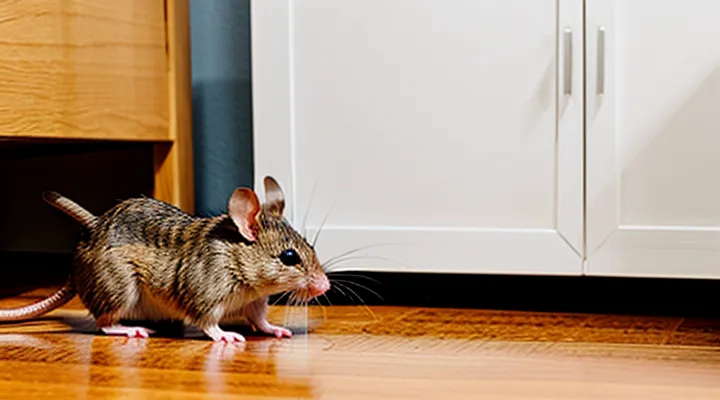
Understanding Your Mouse Problem
Signs of a Mouse Infestation
Droppings and Urine Smells
Mice droppings and urine create health hazards and persistent odors that indicate an active infestation. Droppings are small, dark, and often found near food sources, nesting sites, or along walls. Urine leaves a sharp, ammonia‑like smell, especially in enclosed spaces such as closets, cabinets, or behind appliances.
Identifying contamination early prevents spread of pathogens such as hantavirus and salmonella. Use a flashlight to inspect hidden corners, under appliances, and inside storage boxes. Any fresh droppings appear glossy, while older ones become dry and crumbly.
Cleaning requires protective equipment and proper disinfection:
- Wear disposable gloves and a mask to avoid inhaling particles.
- Ventilate the area by opening windows and using fans.
- Dampen droppings with a 1:10 bleach‑water solution; let stand for five minutes to neutralize viruses.
- Scrub the surface with a disposable cloth, then rinse with clean water.
- Apply an EPA‑approved disinfectant to the cleaned area; allow the contact time specified on the label.
- Dispose of all contaminated materials in a sealed bag and discard them in an outdoor trash container.
Urine odor persists because mouse urine contains proteins that bind to porous materials. To eliminate the smell:
- Remove and launder any fabric items that have been soaked.
- Treat wood, drywall, or insulation with an enzymatic cleaner designed for pet urine; follow the product’s instructions for saturation and drying.
- After cleaning, place activated charcoal or a commercial odor absorber in the affected room for 24–48 hours.
Preventive measures reduce future contamination. Seal cracks and gaps larger than ¼ inch, store food in airtight containers, and keep clutter to a minimum. Regular inspection of potential entry points and prompt removal of droppings discourage mice from returning, maintaining a clean and odor‑free living environment.
Gnaw Marks
Gnaw marks are the most reliable visual evidence that rodents are active inside a dwelling. They appear as shallow, crescent‑shaped bite impressions on wood, plastic, wiring insulation, and even furniture. The size of the bite, typically 2–5 mm across, matches the incisors of a house mouse and distinguishes mouse damage from that of larger pests such as rats.
Identifying gnaw marks helps pinpoint entry routes and nesting sites. Common locations include:
- Baseboards and wall cavities where mice can chew through gaps.
- Cabinet doors and pantry shelves, especially near food storage.
- Electrical cords, where damage poses a fire hazard.
- Furniture legs and wooden frames, indicating movement along structural pathways.
When gnaw marks are discovered, immediate action reduces the risk of infestation expansion. The following protocol is recommended:
- Inspect the surrounding area for additional signs—droppings, urine stains, or tracks.
- Seal all visible openings larger than ¼ inch with steel wool, caulk, or metal mesh to block further access.
- Repair damaged materials using bite‑resistant substitutes, such as hard plastics for wiring covers or reinforced wood for structural components.
- Set appropriate traps or bait stations near the affected zones, ensuring placement aligns with the mouse’s travel routes.
- Monitor the repaired sites weekly for new gnaw marks, which indicate ongoing activity and may require additional sealing or trap adjustments.
Documenting the pattern of gnaw marks over time provides a clear map of mouse movement, allowing targeted interventions rather than indiscriminate chemical use. Effective management of these bite marks eliminates both the immediate damage and the underlying cause—unrestricted access for the rodents.
Scratching Noises
Scratching noises heard at night or behind walls are a primary indicator of rodent activity in a residence. The sound typically originates from gnawing or movement along concealed pathways such as wall cavities, floor joists, and ceiling spaces. Distinguishing these noises from those produced by insects, building settlement, or plumbing requires attention to pattern: mice generate rapid, intermittent scrapes that intensify when they are active, usually between dusk and dawn.
When scratching is detected, immediate actions improve the likelihood of successful eradication:
- Seal all entry points larger than ¼ inch with steel wool, copper mesh, or caulking; mice can squeeze through openings as small as a pencil‑lead diameter.
- Set snap traps or electronic traps along the suspected route; position devices perpendicular to the wall, with the trigger end facing the wall to intercept forward movement.
- Deploy bait stations containing anticoagulant or bromethalin pellets, placing them in concealed locations near the noise source; replace every 48 hours to maintain potency.
- Install ultrasonic emitters in the affected area; devices must be positioned at least 12 inches from walls to prevent sound reflection that reduces effectiveness.
- Conduct a thorough inspection of insulation, ductwork, and stored items; remove any debris or food sources that sustain the infestation.
After trapping, monitor the area for a reduction in scratching. Persistent sounds after a week suggest either a secondary population or an alternative source. In such cases, repeat sealing procedures, increase trap density, and consider professional pest‑control services that can apply rodenticides or conduct structural modifications not feasible for tenants. Continuous verification eliminates the risk of re‑infestation and restores a quiet living environment.
Why Mice are Attracted to Apartments
Food Sources
Mice survive by exploiting readily available food. In an apartment, unsecured groceries, pet food, and crumbs left on countertops create a continuous supply that encourages infestation. All edible items must be stored in containers that are airtight and made of durable material such as heavy‑gauge plastic or glass. Open packages, especially those containing cereals, nuts, or dried fruit, should be transferred to sealed bins immediately after purchase.
Maintaining a clean environment removes incidental nutrition. Sweep floors daily, wipe surfaces after each meal, and vacuum upholstery to eliminate hidden particles. Dispose of garbage in bins equipped with tight‑fitting lids; empty them before waste accumulates. For pets, place food bowls on a mat that can be washed, and remove any uneaten portions within 30 minutes.
Key actions to eliminate food sources
- Transfer pantry items to sealed containers; label with purchase dates.
- Keep refrigerator shelves organized; discard expired products.
- Store pet feed in a locked cabinet; feed only the amount needed for each meal.
- Clean under appliances and inside cabinets weekly; use a damp cloth to remove residue.
- Seal cracks and gaps around cabinets, baseboards, and walls to prevent mice from accessing hidden stores.
By denying access to sustenance, mouse activity declines rapidly, supporting broader control measures without reliance on chemical bait.
Shelter and Warmth
Mice seek apartments that provide shelter and warmth. Unsealed gaps, stacked boxes, and accumulated fabrics create hidden chambers where rodents can nest and retain heat. Reducing these conditions removes the primary incentive for infestation.
- Inspect walls, floors, and ceilings for cracks larger than ¼ in.; seal with steel‑wool and caulk.
- Remove clutter from closets, attics, and storage areas; keep items off the floor and against walls.
- Store fabrics, paper, and food containers in sealed plastic bins; discard torn or damp materials.
- Maintain indoor temperature between 68–72 °F; avoid localized heat sources such as exposed wiring or malfunctioning appliances.
- Install door sweeps and weather stripping on exterior doors; ensure windows close tightly.
- Place trim or metal flashing around vent openings and utility penetrations; cover exhaust fans with mesh.
Eliminating shelter and warmth deprives mice of essential resources, forcing them to seek alternate locations and reducing the likelihood of population growth. Continuous monitoring of entry points and regular decluttering sustain a hostile environment for rodents.
Entry Points
Mice infiltrate apartments through tiny openings that often go unnoticed. Detecting and eliminating these gaps prevents reinfestation and reduces the need for repeated control measures.
Common entry points include:
- Gaps around utility pipes (water, gas, electrical) larger than ¼ inch.
- Cracks in foundation walls, especially near the building’s exterior.
- Openings around door frames, especially where weather‑stripping is missing or damaged.
- Vents, dryer exhausts, and chimney flues without proper screens.
- Gaps beneath cabinets, under sinks, and behind appliances where flooring meets walls.
To secure each opening:
- Inspect the interior and exterior perimeter with a flashlight; use a thin piece of paper to test for movement through suspect gaps.
- Apply steel wool or copper mesh to fill holes that are too small for caulk.
- Seal larger openings with a combination of expanding foam and a metal flashing or concrete patch.
- Install tight‑fitting door sweeps and replace worn weather‑stripping.
- Fit vent covers and chimney caps with fine mesh that resists chewing.
Regularly repeat the inspection after renovations or seasonal changes, as structural shifts can create new pathways. By systematically identifying and sealing all potential ingress points, the apartment becomes inhospitable to rodents, supporting long‑term control efforts.
Effective Mouse Removal Strategies
Prevention is Key
Sealing Entry Points
Sealing entry points prevents mice from accessing food, water, and shelter inside an apartment. By eliminating gaps, you remove the primary pathway that rodents use to infiltrate living spaces.
- Inspect walls, floors, and ceilings for openings larger than a quarter‑inch. Common locations include around pipes, vents, electrical conduits, and baseboards.
- Apply steel wool or copper mesh to fill small cracks, then cover with caulk or expanding foam for a durable seal.
- Install metal flashing or hardware cloth over larger gaps, such as gaps around doors, windows, and utility openings. Secure with screws to avoid movement.
- Use weatherstripping on exterior doors and windows to close off narrow spaces.
- Replace damaged or missing plaster, drywall, or siding, ensuring the repair material is rodent‑resistant.
- Conduct a follow‑up inspection after repairs to verify that no new gaps have formed.
Regular maintenance of sealed areas sustains the barrier against rodents, reducing the likelihood of infestation without reliance on traps or chemicals.
Proper Food Storage
Proper food storage is essential for preventing mouse infestations in a dwelling. Mice are attracted to accessible food sources; securing those sources removes a primary incentive for entry and nesting.
Store dry goods in airtight containers made of metal or heavy‑wall plastic. Containers should have snap‑tight lids that prevent rodents from chewing through seams. Label containers with the purchase date and rotate stock to avoid spoilage that emits strong odors.
Refrigerate or freeze perishable items promptly. Keep the refrigerator clean, wiping spills immediately to eliminate residual scents. Dispose of waste in sealed trash bags and transfer them to an outdoor bin with a tight‑fitting lid at least once daily.
Maintain a clean kitchen environment:
- Sweep crumbs and vacuum debris from countertops, floors, and behind appliances.
- Wipe down surfaces after each meal preparation.
- Keep pet food in sealed containers and remove uneaten portions within two hours.
Secure pantry shelves by installing metal or reinforced plastic shelving. Avoid using cardboard boxes, as they can be penetrated easily. Inspect storage areas regularly for signs of gnaw marks or droppings and address any breach immediately.
By eliminating readily available nourishment, the likelihood of mouse activity diminishes significantly, supporting broader pest‑control efforts in an apartment setting.
Maintaining Cleanliness
Maintaining a spotless living space reduces the attractions that draw mice into an apartment. Food residues, spilled crumbs, and unsealed containers provide the primary incentives for rodents to establish a foraging route. Eliminating these resources forces mice to seek shelter elsewhere.
- Store all perishables in airtight containers made of glass or heavy‑plastic.
- Dispose of garbage daily; use bins with tight‑fitting lids and keep them away from walls.
- Clean countertops, tables, and floors immediately after meals; sweep or vacuum to remove tiny particles.
- Seal any cracks or gaps around pipes, baseboards, and door frames to block entry points.
- Keep pet food in sealed containers and remove leftovers promptly.
Regular upkeep prevents re‑accumulation of attractants. Schedule a weekly inspection of kitchen cabinets, pantry shelves, and behind appliances; wipe down surfaces with a mild disinfectant. Replace worn seals on doors and windows as soon as damage is detected.
A disciplined cleaning routine deprives mice of food and shelter, making the apartment an inhospitable environment and supporting long‑term rodent control.
Trapping Methods
Snap Traps
Snap traps provide a rapid, non‑chemical way to eliminate mice in a residential unit. The mechanism relies on a spring‑loaded bar that delivers an instantaneous strike, ensuring a humane kill when the animal triggers the trigger plate.
Choose a trap sized for the target species; standard mouse traps are 4–6 inches long and feature a low‑profile design that fits behind furniture and inside wall voids. Opt for models with a smooth interior to prevent the mouse from escaping after activation.
Effective placement follows a few principles:
- Position traps along walls, within 2 inches of the baseboard, because mice travel close to surfaces.
- Target known activity zones: near droppings, gnaw marks, or concealed entry points.
- Set multiple traps at 10‑foot intervals in high‑traffic corridors.
- Avoid areas with heavy foot traffic that might disturb the trigger mechanism.
Bait selection influences capture rates. Use high‑protein or high‑fat items such as peanut butter, sunflower seeds, or small pieces of cooked meat. Apply a pea‑sized amount to the trigger plate; excess bait can cause premature releases.
Safety measures are mandatory. Wear disposable gloves when handling traps to reduce scent transfer. Keep traps out of reach of children and pets; consider using protective covers or placing traps in inaccessible cabinets if necessary. Inspect traps daily to remove captured rodents promptly.
Disposal requires sealing the dead mouse in a plastic bag, then placing the bag in a sealed container before discarding it in an outdoor trash bin. Clean the trap with a mild detergent, rinse, and allow it to dry before reuse.
Advantages of snap traps include immediate results, low cost, and no residual chemicals. Limitations consist of the need for regular monitoring and the potential for accidental activation by non‑target species. When used correctly, snap traps constitute a reliable component of an integrated mouse‑control strategy in an apartment setting.
Live-Catch Traps
Live‑catch traps provide a humane alternative to lethal devices, allowing the removal of mice without killing them. The mechanism relies on a spring‑loaded door that closes once a rodent enters to reach the bait, confining the animal inside a secure cage.
Effective deployment requires strategic placement. Position traps along walls, behind appliances, and near known gnawing sites, because mice travel close to surfaces. Use high‑protein bait such as peanut butter, cheese, or dried fruit; apply a small amount to the trigger plate to ensure rapid activation. Check traps at least twice daily; prolonged confinement increases stress and the likelihood of escape.
When a mouse is captured, handle the trap with gloves to avoid disease transmission. Relocate the animal at least one mile from the building, preferably to a wooded area, and release it gently onto the ground. Clean the trap with mild detergent before resetting it to prevent scent contamination that could deter further captures.
-
Advantages
• Prevents population growth without poison
• Reduces risk of secondary poisoning to pets or children
• Allows immediate verification of capture -
Disadvantages
• Requires regular monitoring and humane release
• May be less effective in high‑infestation scenarios
• Needs careful placement to avoid accidental human contact
Live‑catch traps, when used correctly, form a reliable component of an integrated mouse‑control strategy in apartments. Their reuse, low cost, and humane nature make them suitable for tenants seeking effective, responsible pest management.
Glue Traps
Glue traps consist of a flat cardboard or plastic base coated with a strong adhesive that immobilizes rodents on contact. The adhesive remains effective for several weeks, allowing a single trap to capture multiple mice without replacement.
When using glue traps in an apartment, follow these precise steps:
- Position traps along walls, behind appliances, and near known droppings; mice travel close to surfaces.
- Place traps perpendicular to the wall, with the sticky side facing the expected direction of travel.
- Secure traps to a stable surface using tape or a small weight to prevent displacement by cleaning or vibrations.
- Replace traps every 10–14 days or when the adhesive shows signs of contamination.
Advantages include low cost, silent operation, and the ability to monitor capture rates without live‑catch equipment. Disadvantages involve the potential for prolonged suffering of trapped mice, risk of accidental contact by pets or children, and limited effectiveness in heavily infested units where mice may avoid the visible adhesive.
Safety measures are mandatory: wear disposable gloves when handling traps, store unused traps out of reach of non‑target species, and dispose of captured rodents in sealed plastic bags before discarding them in a municipal waste bin. For households with pets or small children, consider alternative methods such as snap traps or professional exclusion to eliminate the hazard posed by glue surfaces.
Baits and Lures
Natural Baits
Natural baits provide an effective, non‑chemical option for reducing mouse activity in a rental or owned apartment. They rely on food items that attract rodents while remaining safe for humans and pets when used correctly.
Common natural attractants include:
- Peanut butter mixed with oats – strong odor, sticky texture limits quick removal.
- Sunflower seeds or cracked corn – high fat content appeals to foraging behavior.
- Dried fruit such as raisins or apricots – sweet scent draws mice from hidden routes.
- Small pieces of cheese paired with a dab of honey – combines protein and sugar, enhancing lure.
To employ these baits, follow a structured placement routine:
- Identify mouse pathways by observing droppings, gnaw marks, or grease trails.
- Position bait on a shallow dish or a piece of cardboard at each suspected travel point, keeping the offering no larger than a half‑inch cube to prevent waste.
- Secure the bait area with a lightweight trap, such as a snap trap or a humane catch‑and‑release device, ensuring the mouse must touch the trigger to access the food.
- Inspect traps daily, remove captured rodents promptly, and replace bait with fresh material to maintain attraction.
When using natural baits, maintain cleanliness by removing excess food residues after each inspection. This prevents unintended feeding sources that could sustain the infestation. Rotate bait types every few days to counteract habituation; mice quickly lose interest in a single scent if it remains constant.
Overall, natural baits combine affordability, low toxicity, and ease of preparation, making them a practical component of an integrated mouse‑control strategy for apartment dwellers.
Commercial Baits
Commercial baits provide a fast, targeted approach for eliminating mouse infestations in rental units. They consist of a food matrix laced with anticoagulant rodenticides that disrupt blood clotting, leading to death within several days after ingestion.
- Form factors – block or pellet baits fit into sealed stations; gel formulations coat the interior of crevices; snap‑type stations hold solid bait blocks.
- Active ingredients – bromadiolone, difethialone, and brodifacoum are the most common, each offering high potency at low concentrations.
- Placement strategy – locate stations along walls, behind appliances, and near suspected entry points; position them 1–2 m apart to cover the mouse’s typical travel routes.
- Safety measures – use tamper‑resistant stations to prevent accidental contact by children or pets; follow label instructions for dosage and avoid scattering loose bait.
- Regulatory compliance – verify that the product is registered for indoor residential use; retain the label and safety data sheet for inspection.
Effective use of commercial baits requires regular monitoring. Replace stations when bait is depleted, and record activity to assess progress. After the infestation is cleared, remove all stations, seal entry points, and maintain a clean environment to prevent re‑infestation.
Placement Strategies
Effective mouse control in a flat relies heavily on strategic placement of traps, bait stations, and deterrents. Identify high‑traffic routes by observing droppings, gnaw marks, and grease trails. Position devices perpendicular to walls, where rodents prefer to travel, and keep them 1–2 feet from each other to create a continuous barrier.
- Snap traps: place behind appliances, under sinks, and inside cabinets, with the trigger end facing the wall.
- Live‑catch traps: locate in dark corners of closets, near pantry entry points, and behind furniture legs.
- Bait stations: install along baseboards, near entry holes, and adjacent to utility pipes, ensuring the station is flush with the surface to prevent avoidance.
- Ultrasonic repellents: position at central points of each room, elevated 4–6 feet, away from large metal objects that may block sound waves.
Seal all potential entryways before deploying devices. Use steel wool or copper mesh to fill gaps around pipes, vents, and door frames, then apply caulk for a permanent seal. Re‑evaluate placement after 48 hours; relocate any unused traps to new activity zones identified by fresh evidence. Consistent adjustment of device locations maximizes coverage and accelerates population decline.
Repellents
Natural Repellents
Natural repellents provide a chemical‑free approach to deter rodents from residential units. Their effectiveness depends on concentration, placement, and regular renewal.
- Peppermint oil: Apply 10–15 drops to cotton balls, place them in corners, behind appliances, and near known entry points. Replace every three days to maintain potency.
- Clove oil: Mix equal parts clove oil and water, spray along baseboards and cracks. Reapply weekly.
- Cayenne pepper or hot sauce: Sprinkle a thin layer along pathways and around trash containers; moisture accelerates the scent’s dispersal.
- Ammonia: Position small, sealed containers with a few tablespoons of ammonia in concealed locations; the strong odor mimics predator urine.
- Used cat litter: Distribute a shallow layer in areas where mice travel; the scent of feline waste repels them.
Combine multiple repellents to create overlapping barriers, reducing the likelihood of habituation. Ensure all substances are kept out of reach of children and pets, and verify that building policies permit the use of volatile oils. Regular sanitation—removing food residues, sealing food containers, and repairing structural gaps—enhances the repellents’ impact and prevents re‑infestation.
Ultrasonic Devices
Ultrasonic devices emit high‑frequency sound waves that rodents cannot tolerate. The waves create a hostile environment, prompting mice to vacate the area in search of quieter zones.
Effectiveness depends on proper placement. Devices should be positioned at least 12 inches above the floor, away from walls and furniture that can block sound propagation. In multi‑room apartments, a unit per room or a centrally located model with a wide coverage radius is advisable.
Limitations include reduced impact on mice that have already nested deep within walls or furniture, and diminished performance if the device is obstructed by dense objects. Ultrasonic waves do not penetrate solid barriers; therefore, gaps under doors or cracks in the floor must be sealed to prevent re‑entry.
Maintenance considerations:
- Replace batteries or recharge according to manufacturer specifications.
- Clean the speaker grille regularly to avoid dust accumulation.
- Verify that the unit remains active by listening for a faint hum or using a handheld ultrasonic detector.
Cost varies from budget models (approximately $20) to premium units with adjustable frequencies and timers (up to $80). Choosing a reputable brand with documented field testing ensures reliable performance.
Chemical Repellents
Chemical repellents provide a rapid, targeted approach to deterring rodents in a residential setting. Products typically contain active ingredients such as bromophenols, naphthalene, or synthetic pyrethroids, which emit odors or affect the nervous system of mice, prompting avoidance of treated areas.
Effective application requires identification of entry points, nesting sites, and travel corridors. Spray formulations should be applied to cracks, behind appliances, and along baseboards, allowing the volatile compounds to disperse evenly. Granular deterrents are spread in concealed voids, such as wall cavities or under flooring, where direct contact with the pest is likely.
Safety considerations are essential. Use gloves and eye protection during handling; keep chemicals away from food preparation surfaces, pet habitats, and children’s play areas. Follow label-specified ventilation periods before reoccupying treated rooms. Dispose of empty containers according to local hazardous‑waste regulations.
Advantages:
- Immediate odor release that discourages activity.
- Compatibility with sealed environments where traps may be impractical.
- Availability in various delivery systems (spray, granule, pellet).
Limitations:
- Potential resistance development with repeated exposure.
- Risk of toxicity to non‑target species if misapplied.
- Short‑term effect; may require reapplication after several weeks.
Integrating chemical deterrents with sealing of structural gaps and occasional mechanical traps enhances overall control, reducing the likelihood of re‑infestation. Regular monitoring of activity signs, such as droppings or gnaw marks, informs the timing of subsequent treatments.
After Mouse Removal
Cleaning and Sanitizing
Disinfecting Contaminated Areas
After eliminating mice, the affected zones must be sanitized to prevent disease and discourage reinfestation. Urine, droppings, and saliva contain pathogens that survive on surfaces for weeks; thorough cleaning removes these hazards and eliminates scent trails that attract other rodents.
- Wear disposable gloves and a mask; seal waste in a plastic bag before disposal.
- Ventilate the room for at least 15 minutes; open windows and use a fan to disperse airborne particles.
- Sweep or vacuum loose debris with a HEPA‑rated filter, then discard the vacuum bag or clean the canister immediately.
- Apply a detergent solution (warm water mixed with a mild dish soap) to all visible stains; scrub with a stiff brush for 2–3 minutes per spot.
- Rinse surfaces with clean water, then dry completely to avoid moisture buildup.
- Treat the area with an EPA‑registered disinfectant effective against Hantavirus, Salmonella, and E. coli; follow the label’s contact time, usually 5–10 minutes.
- For porous materials (carpet, insulation, wooden panels) that cannot be fully sanitized, remove and replace them to eliminate hidden contamination.
Final inspection should confirm no residue remains and that all cleaning agents have been removed. A disinfected environment reduces health risks and removes olfactory cues that could lure new mice, supporting long‑term rodent‑free living.
Removing Droppings and Nests
Removing mouse droppings and nests is a critical step in eliminating infestations. Droppings spread pathogens, while nests indicate active colonies that will repopulate if left untouched.
Wear disposable gloves and a N95 respirator before handling any material. Seal contaminated items in heavy‑duty plastic bags, then place the bags in an outdoor trash receptacle. Disinfect the affected area with a solution of at least 1 % bleach or a commercial rodent‑specific cleaner; allow the surface to remain wet for ten minutes before wiping.
Identify nests by looking for shredded insulation, cotton, or paper in concealed locations such as behind appliances, inside wall voids, or under cabinets. Once located, follow these actions:
- Cut open the nest carefully to expose any hidden mice.
- Remove all nesting material and place it in a sealed bag.
- Clean the surrounding area with the disinfectant solution.
- Inspect adjacent walls and floors for additional nesting sites; repeat the process as needed.
- Seal entry points with steel wool, caulk, or metal mesh to prevent re‑entry.
After removal, maintain a dry, clutter‑free environment to discourage future nesting. Regularly inspect potential hideouts and address any new droppings immediately.
Airing Out the Apartment
Ventilating the living space lowers humidity and disperses food odors that mice use to locate shelter and nourishment. Reduced moisture makes walls, insulation, and stored items less appealing for nesting, while diluted scents interrupt the pheromone trails rodents follow.
Open windows on opposite sides of the apartment to create cross‑drafts; keep them open for at least 30 minutes each morning and evening. Use exhaust fans in the kitchen and bathroom to pull stale air outward. Position portable fans near entry points to push fresh air through interior corridors, forcing any lingering scent trails toward open exits.
When creating airflow, secure gaps that could serve as new entryways. Install screens on windows, close doors to rooms not being ventilated, and ensure that ventilation does not compromise security. Combine ventilation with regular cleaning, food storage in sealed containers, and traps for comprehensive control.
Steps to implement effective airing out:
- Open opposite‑side windows for a minimum of 30 minutes, twice daily.
- Activate kitchen and bathroom exhaust fans during cooking and showering.
- Place a portable fan near each suspected mouse pathway, directing air outward.
- Fit window screens and seal any openings created by ventilation.
- Maintain routine cleaning to remove food residues that ventilation alone cannot eliminate.
Preventing Future Infestations
Regular Inspections
Regular inspections form the backbone of any successful mouse‑control program in a residential unit. By systematically checking potential entry points, food sources, and nesting sites, occupants can identify problems before populations expand.
A practical inspection routine includes the following actions:
- Examine exterior walls, windows, and doors for gaps larger than ¼ inch; seal openings with steel wool and caulk.
- Inspect utility penetrations, such as plumbing, electrical wiring, and ventilation ducts, for cracks or holes.
- Look behind appliances, inside cabinets, and under sinks for droppings, gnaw marks, or shredded material.
- Verify that trash containers have tight‑fitting lids and that food is stored in sealed containers.
- Use a flashlight and a handheld mirror to view dark corners and behind wall fixtures.
Conduct these checks at least once every two weeks during active mouse season (spring through fall) and monthly during colder months when activity declines. Document findings with dates and locations; a simple log helps track recurring issues and measures the effectiveness of sealing efforts.
When signs of activity appear—fresh droppings, urine stains, or audible scurrying—immediate remedial steps, such as setting traps or applying bait, should follow the inspection. Consistent monitoring reduces the need for extensive chemical treatments and limits the likelihood of a full‑scale infestation.
Addressing Neighboring Issues
Mouse problems rarely stay confined to a single apartment; adjacent units often share entry points, food sources, and waste areas. Effective control therefore requires cooperation with neighbors and the building’s management.
- Notify neighboring tenants of observed activity and request their participation in inspection and prevention.
- Document sightings, damage, and any communication with dates and details; records support requests for repairs or pest‑control services.
- Contact the landlord or property manager to arrange a professional inspection that includes common walls, hallways, and shared utilities.
- Agree on a synchronized sealing plan: close gaps around pipes, vents, and electrical outlets in all affected units at the same time.
- Implement uniform sanitation standards: store food in airtight containers, dispose of garbage promptly, and keep countertops clear.
- Schedule regular trap placement or bait station checks in each apartment and in shared spaces, ensuring compliance with local health regulations.
Lease agreements typically assign pest‑control responsibilities to the landlord, but tenants must maintain cleanliness and report problems promptly. If the landlord fails to act, tenants can reference local housing codes or health department guidelines to demand remediation.
Coordinated action, clear documentation, and adherence to building policies create a barrier that prevents mice from moving between units, ultimately protecting the entire residence from reinfestation.
Long-Term Maintenance
Maintain a rodent‑free apartment by focusing on preventive measures that endure beyond initial eradication.
Seal every opening larger than a quarter inch. Use steel wool combined with caulk for gaps around pipes, vents, and electrical conduits. Install door sweeps on exterior doors and weather‑stripping on windows.
Store all food in airtight containers. Dispose of garbage daily in bins with tight‑fitting lids. Clean crumbs and spills immediately; avoid leaving pet food out overnight.
Schedule monthly visual inspections. Look for fresh droppings, gnaw marks, or shredded material in cabinets, behind appliances, and in wall voids. Record findings to track patterns and identify new entry points promptly.
Maintain traps and bait stations. Replace snap traps after each catch; check live‑capture devices weekly and release or euthanize captured rodents according to local regulations. Refresh bait every two weeks to preserve potency.
Control outdoor factors that attract rodents. Trim vegetation away from building walls, keep compost piles sealed, and eliminate standing water. Ensure exterior lighting does not create a warm, inviting environment for pests.
Engage professional pest‑control services annually. Technicians can perform thorough structural assessments, apply rodent‑resistant materials, and treat concealed areas inaccessible to occupants.
Document all maintenance actions in a logbook. Include dates, locations, and outcomes for each intervention. Review the log quarterly to adjust strategies and confirm that preventive measures remain effective.