
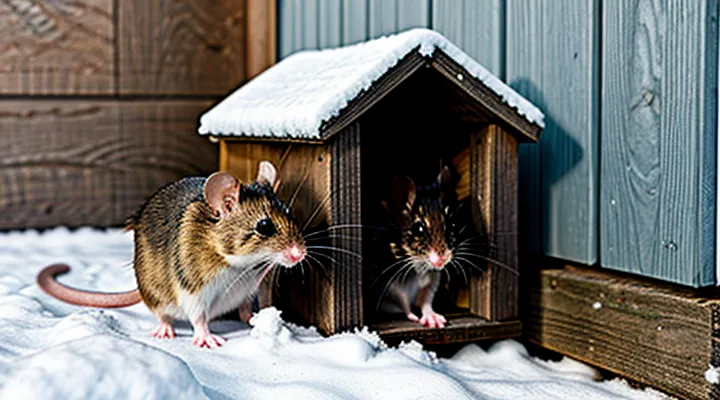
Understanding the Winter Mouse Problem
Why Mice Invade Summer Houses in Winter
The Allure of Warmth and Shelter
Mice enter a summer cottage in winter primarily because the structure offers a reliable source of heat and protection from the elements. The building’s insulated walls, sealed windows, and stored firewood create a micro‑environment that mimics the rodents’ natural burrows, while the external temperature remains below freezing. This combination of warmth and shelter satisfies the animals’ physiological need to maintain body temperature without expending energy on foraging.
The attraction intensifies when occupants store food, grain, or pet feed inside the premises. Even small crumbs left on countertops or in pantry corners provide a high‑calorie incentive. Warmth alone is insufficient; the presence of readily available nourishment reinforces the cottage’s appeal as a long‑term habitat.
Key factors that draw mice to a winter‑time cottage:
- Elevated interior temperature relative to outdoor conditions
- Sealed openings that block drafts yet conceal entry points
- Accumulated food residues or improperly stored provisions
- Structural gaps around pipes, vents, and foundation walls
Addressing the allure requires eliminating each factor. Insulate exposed wiring and plumbing to remove hidden gaps, install metal mesh on ventilation openings, and store all edibles in airtight containers. Regularly sweep surfaces and vacuum corners to eradicate residual crumbs. By depriving mice of both warmth and sustenance, the cottage loses its attractiveness as a winter refuge.
Food and Water Sources
Mice survive winter in a cottage by exploiting any accessible nourishment or hydration. Removing these resources cuts the incentive to enter and stay, forcing the rodents to seek shelter elsewhere.
- Store all dry goods—cereals, grains, pet food, nuts—in airtight containers made of metal or heavy‑wall plastic. Verify that lids seal completely before placing items on shelves or in cabinets.
- Clean countertops, floors, and pantry shelves daily. Sweep crumbs, wipe spills, and dispose of waste in a sealed trash bin that is emptied before nightfall.
- Relocate pet feed to an indoor area where mice cannot reach it, or use a feeder with a lockable lid. Feed pets at scheduled times and remove uneaten portions promptly.
- Eliminate standing water. Check sinks, basins, and dishwashers for leaks; dry any puddles after use. Store water containers with tight‑fitting lids, and consider using a metal bucket with a sealed cover for emergency supplies.
- Inspect the interior for hidden moisture sources such as condensation on windows or pipes. Wipe damp surfaces, improve ventilation, and use a dehumidifier if humidity remains high.
By securing food in impermeable containers, maintaining a spotless environment, and denying water access, the cottage becomes inhospitable to mice throughout the cold season.
Signs of a Mouse Infestation
Droppings and Urine
Mice droppings and urine provide the most reliable evidence of a winter‑time intrusion at a seasonal cottage. Their presence indicates active foraging, contaminates surfaces, and creates a health risk through pathogens such as hantavirus and salmonella. Immediate action prevents spread to stored food and living areas.
Droppings appear as small, dark, rice‑shaped pellets, typically found along walls, under cabinets, and in insulation. Urine stains manifest as yellowish rings or damp patches, often accompanied by a musky odor. Concentrations increase near nesting sites, entry points, and food storage.
Cleaning protocol:
- Wear disposable gloves, N‑95 respirator, and eye protection.
- Ventilate the room for at least 30 minutes before disturbance.
- Sweep droppings onto a damp paper towel; avoid dry sweeping to reduce aerosolization.
- Disinfect the area with a solution of 1 part bleach to 10 parts water; let it stand for 10 minutes.
- Dispose of all contaminated materials in sealed bags; wash hands thoroughly after removal.
Preventive actions focus on eliminating conditions that encourage excretion:
- Seal cracks, gaps, and utility penetrations with steel wool and caulk.
- Store firewood away from the building envelope and elevate it on a platform.
- Keep all food in airtight containers; clean crumbs immediately.
- Install door sweeps and weather stripping to block entry.
- Maintain low indoor humidity; dry conditions deter urine buildup.
By recognizing droppings and urine promptly, applying a rigorous decontamination routine, and reinforcing structural barriers, a summer house can remain mouse‑free throughout the cold season.
Gnaw Marks and Damage
Mice leave distinct gnaw marks on wood, plastic, and insulation, indicating active infestation. These bite patterns are typically clean, shallow cuts on the edge of objects, often forming a series of parallel lines that widen toward the interior. Recognizing such evidence allows rapid assessment of damage severity and prioritization of repair work before winter conditions worsen structural integrity.
The damage caused by rodent chewing compromises the thermal envelope of a seasonal cottage. Penetrated insulation reduces heat retention, leading to higher energy consumption and uneven indoor temperatures. Exposed wiring poses fire hazards, while damaged structural members weaken load‑bearing capacity. Early detection prevents costly replacements and safeguards occupant safety.
Effective response involves three coordinated actions:
- Inspection – Conduct a thorough walk‑through of all rooms, attic, and crawl spaces. Trace each gnaw mark to its source, noting entry points such as gaps around pipes, vents, and foundation cracks.
- Repair – Seal identified openings with steel wool, copper mesh, or expanding foam designed for rodent exclusion. Replace compromised insulation, reroute or protect wiring with conduit, and reinforce any weakened framing.
- Prevention – Install metal flashings or hardware cloth around vulnerable openings. Maintain a clean exterior by removing debris, storing firewood away from the building, and limiting vegetation that offers shelter.
Documenting each gnaw mark and the corresponding repair action creates a reference for future maintenance, ensuring that the cottage remains resilient against mouse activity throughout the cold season.
Strange Noises
Strange noises heard at night in a winter‑occupied cottage frequently signal mouse activity. The sounds differ from normal building creaks and usually occur when rodents move through insulation, chew on stored materials, or travel along walls and ceilings.
Typical auditory clues include:
- Soft scurrying or scratching on wooden surfaces, especially near stored food or bedding.
- High‑pitched squeaks when mice climb vertical structures such as beams or pipework.
- Repetitive gnawing noises on plastic, cardboard, or wiring, often heard after lights are switched off.
- Light tapping or thumping as mice drop debris while navigating confined spaces.
When these sounds appear, follow a systematic approach:
- Locate the source by tracing the noise to the nearest wall, attic, or crawlspace.
- Inspect entry points—gaps around doors, windows, vents, and utility penetrations—for signs of gnaw marks or droppings.
- Seal identified openings with steel wool, caulk, or hardware cloth to prevent further ingress.
- Deploy snap traps or electronic traps in the area of highest activity, positioning them along established travel routes.
- Place bait stations containing rodent‑specific attractants, avoiding food residues that could attract other pests.
- Monitor traps daily, recording captures and adjusting placement as needed.
- Conduct a thorough cleaning of contaminated zones, using disinfectant to eliminate urine and fecal residues that may attract survivors.
Persistent or amplified noises after these measures suggest hidden nests or secondary infestations. In such cases, repeat the inspection cycle, expand trapping coverage, and consider professional pest‑control services equipped to assess structural vulnerabilities unique to seasonal residences during cold weather.
Preventive Measures Before Winter
Sealing Entry Points
Inspecting Foundations and Walls
Inspecting the foundation and walls is the first defensive step when preventing rodent intrusion in a seasonal cottage during the cold season. Mice exploit gaps, cracks, and deteriorated sealing to enter heated spaces, so a thorough visual and tactile examination of all structural interfaces is essential.
- Walk the perimeter at ground level; run a gloved hand along the exterior wall base to feel for openings wider than ¼ inch.
- Use a flashlight to highlight seams where siding meets the foundation, paying particular attention to areas around utility penetrations, vent pipes, and drainage outlets.
- Examine the interior side of exterior walls for signs of gnaw marks, droppings, or nesting material, especially near closets, storage rooms, and crawl spaces.
- Check the foundation for settling cracks, mortar loss, or displaced stones; record each defect with measurements for later repair.
After identification, seal all openings with appropriate materials:
- Expandable polyurethane foam for small gaps (≤ ½ inch).
- Cement mortar or concrete patch for larger cracks in masonry.
- Steel wool backed by silicone caulk for ventilation ducts and pipe sleeves.
- Weather‑resistant flashing where roof eaves meet walls to prevent water infiltration that can erode sealing.
Complete the inspection by verifying that doors and windows close tightly, installing door sweeps where needed, and confirming that any existing screens are intact. A systematic survey of the foundation and wall envelope eliminates the primary pathways mice use to access the cottage, substantially reducing the likelihood of infestation throughout winter.
Repairing Gaps and Cracks
Rodent intrusion intensifies when temperatures drop, because mice seek shelter and warmth inside a seasonal cottage. Unsealed gaps and cracks provide direct access to interior spaces, allowing rodents to enter through walls, foundations, windows, doors, and utility penetrations.
Typical entry points include:
- Gaps around window frames and sliding doors
- Cracks in exterior walls and foundation
- Openings around pipe, cable, and vent shafts
- Space beneath the roof eaves and soffits
- Uncovered vent covers and attic access points
To eliminate these pathways:
- Conduct a thorough visual inspection of the building envelope, using a flashlight to reveal hidden fissures.
- Measure each opening; gaps larger than ¼ inch (6 mm) must be sealed.
- Apply appropriate sealants:
- Use polyurethane caulk for small cracks in wood or masonry.
- Install steel wool or copper mesh in larger voids before applying expanding foam.
- Fit weather‑stripping around doors and operable windows.
- Replace damaged flashing, vent covers, and soffit panels with corrosion‑resistant metal or rigid PVC.
- Secure utility penetrations with metal collars or conduit sleeves; seal joints with silicone or silicone‑based sealant.
- After repairs, spray a rodent‑deterrent scent (e.g., peppermint oil) around the sealed areas to discourage re‑entry.
Schedule a bi‑annual inspection—once before winter sets in and again after the thaw—to verify the integrity of all seals. Promptly address any new cracks caused by settling or freeze‑thaw cycles to maintain a barrier that prevents mice from colonizing the property.
Protecting Vents and Chimneys
Vents and chimneys are the most common routes for rodents to infiltrate a cottage during the cold season, so securing them is essential for an effective rodent‑free environment.
- Fit each vent with a stainless‑steel mesh of at least ¼‑inch opening; the material resists gnawing and weather exposure.
- Attach the mesh securely with rust‑proof screws, ensuring no gaps remain around the frame.
- Insert steel wool into any cracks surrounding the vent housing, then seal with exterior‑grade silicone caulk to block residual openings.
- Install a chimney cap that includes a sturdy screen; verify that the cap sits flush with the flue and that the screen mesh is fine enough to stop small rodents.
Regular inspection of vent covers and chimney caps prevents deterioration. Replace corroded mesh, re‑apply sealant after severe weather, and tighten any loose fasteners. Maintaining a clean area around these openings—removing leaves, debris, and food residue—reduces attraction and eliminates potential nesting material.
By implementing these protective measures, a summer house remains insulated against mouse intrusion throughout winter.
Eliminating Food Sources
Storing Food in Airtight Containers
Storing food in airtight containers eliminates a primary attraction for rodents in a winter‑occupied cottage. Sealed containers prevent the scent of grains, nuts, or dried fruit from reaching mouse‑sensitive olfactory receptors, thereby reducing the likelihood of foraging activity inside the building.
Select containers made of heavy‑wall plastic, glass, or metal with silicone‑gasket lids. Ensure the lid locks securely and the seal remains intact after repeated opening. Avoid thin‑walled containers or those with cracked seals, as they allow odor escape.
Implement the following protocol:
- Transfer all dry goods, pet food, and leftovers into approved containers immediately after delivery.
- Label each container with the contents and date of storage to prevent prolonged exposure.
- Store containers on elevated shelves, away from walls and potential entry points.
- Inspect seals weekly; replace any compromised containers without delay.
Maintain a clean storage area by wiping surfaces with a mild disinfectant after each refill. Remove any spilled crumbs or debris before they can attract mice. Combine airtight storage with regular inspection of doors, windows, and utility openings to create a comprehensive barrier against rodent intrusion during the cold season.
Cleaning Up Crumbs and Spills
Keeping a summer cottage free of food debris is a prerequisite for preventing rodent activity during the cold season. Mice locate shelter by following scent trails left by crumbs and liquid residues. Eliminating these attractants removes the primary incentive for entry.
Regularly inspect all surfaces where food is prepared, consumed, or stored. Immediately wipe down countertops, tables, and floors after each use. Use a disinfectant solution that evaporates quickly to avoid leaving moisture that could draw insects, which in turn attract rodents. Store dry goods in sealed containers; any opened packages should be resealed or transferred to airtight bins.
Key actions for effective cleanup:
- Sweep or vacuum floors before and after meals; focus on corners and under furniture.
- Mop with a solution of warm water and a mild detergent; follow with a dry cloth to prevent lingering dampness.
- Dispose of food waste in a sealed bin; empty the bin nightly and keep it in a locked pantry or garage.
- Clean pet feeding areas daily; remove leftover feed and wash bowls with hot, soapy water.
- Inspect and clean behind appliances, including the refrigerator, stove, and microwave, where crumbs often accumulate unnoticed.
Implementing these practices consistently reduces the olfactory cues that draw mice into a winter‑occupied cottage, thereby supporting a long‑term rodent‑free environment.
Removing Pet Food
Removing pet food eliminates a primary attractant for rodents that seek shelter in a seasonal cottage during the cold months. Food left out or stored improperly provides a reliable source of nutrition, encouraging mice to enter and remain. By eliminating this resource, the likelihood of infestation drops dramatically.
Steps to secure pet food:
- Store dry kibble in airtight containers made of metal or heavy‑wall plastic; seal each container after every use.
- Keep wet food in the refrigerator and discard leftovers within two hours.
- Feed pets in a designated area that can be cleaned thoroughly after each meal; sweep crumbs and vacuum debris daily.
- Remove bowls overnight; replace them with water only if necessary.
- Clean feeding surfaces with hot, soapy water and a disinfectant weekly to eradicate residue.
Implementing these measures removes the nutritional incentive that draws mice into a winter‑occupied summer house, supporting broader rodent‑control efforts.
General Housekeeping
Decluttering and Organizing
A winter‑occupied summer house offers mice shelter and food if clutter provides hiding places. Reducing disorder eliminates the environment mice need to survive.
- Store all edibles in airtight, rodent‑proof containers; empty pantry shelves of crumbs and spills.
- Keep firewood elevated on a rack with a metal base; place it away from walls to prevent nesting.
- Remove cardboard boxes, paper piles, and fabric scraps; recycle or lock them in sealed bins.
- Organize tools and garden equipment in metal cabinets or on wall‑mounted racks; avoid floor‑level piles.
- Inspect storage closets for torn bags or damaged packaging; replace with durable, sealed alternatives.
- Sweep and vacuum regularly, focusing on corners, under furniture, and behind appliances to dislodge droppings and scent trails.
A systematic layout limits accessible routes. Arrange furniture so that pathways remain clear, allowing easy inspection of walls and floors for gnaw marks. Install removable trays beneath sinks and appliances to capture drips and prevent moisture buildup, which attracts rodents.
Finally, schedule a weekly audit of the interior: verify that containers remain sealed, clutter stays absent, and any new items are promptly stored in approved containers. Consistent organization deprives mice of shelter and food, making the winter‑time residence inhospitable to infestation.
Removing Potential Nesting Materials
Mice seek shelter in any material that can be shaped into a nest, especially when outdoor temperatures drop. Eliminating such resources removes the incentive for rodents to occupy a summer retreat during the winter months.
- Clear debris from the foundation, eaves, and rooflines; leaves, twigs, and shredded insulation provide easy cover.
- Remove stored items that contain fabric, paper, or cardboard; these include firewood stacks, old newspapers, and clothing left in closets or attic spaces.
- Dispose of leftover building supplies such as straw, shredded drywall, or loose insulation; seal them in airtight containers before relocation.
- Trim vegetation within two meters of the building; overgrown shrubs and vines create hidden pathways to interior gaps.
- Clean food‑storage areas; eliminate spilled grain, pet food, or crumbs that can be woven into bedding.
After the initial purge, keep all removable objects in sealed plastic bins or metal cabinets. Position firewood on a raised platform with a waterproof cover to prevent moisture buildup and rodent access. Conduct a quarterly walkthrough to verify that no new materials have accumulated and that existing storage remains secure. Maintaining a clutter‑free environment deprives mice of the raw material needed to construct nests, thereby reducing the likelihood of an infestation throughout the cold season.
Active Mouse Removal During Winter
Trapping Methods
Snap Traps: Pros and Cons
Snap traps are a mechanical solution widely employed when rodents infiltrate a seasonal cottage during the cold season. They operate by delivering a rapid, lethal strike that kills the mouse instantly, allowing immediate removal of the carcass and preventing further contamination.
Advantages
- Immediate kill eliminates disease transmission risk.
- No chemicals, safe for nearby food storage.
- Low purchase cost and reusable after resetting.
- No odor or residue left behind.
Disadvantages
- Requires careful placement to achieve high capture rates.
- Ineffective against wary mice that have learned to avoid sudden pressure.
- Disposal of dead rodents demands hygienic handling.
- May cause distress to occupants who prefer non‑lethal methods.
Live Traps: Humane Options
Live traps provide a practical, humane method for removing mice from a seasonal cottage during the cold months. The devices capture rodents without killing them, allowing owners to relocate the animals away from the property.
Effective use begins with selecting a suitable trap. Common models include:
- Wire-mesh cages with spring‑loaded doors.
- Plastic containers equipped with a one‑way entry panel.
- Multi‑catch traps that hold several individuals before requiring emptying.
Placement determines success. Position traps along walls, behind stored firewood, near entry points, and in areas showing fresh droppings. Mice prefer concealed routes; aligning the trap’s opening with these pathways increases capture rates.
Bait selection influences attraction. Peanut butter, small pieces of cheese, or dried fruit applied to a cotton swab create a strong scent without contaminating the trap. Use a minimal amount to prevent spillage.
Check traps at least twice daily. Prompt removal reduces stress on the captured mouse and prevents escape. When releasing, transport the animal at least two miles from the cottage, preferably to a wooded area with natural cover. Ensure release complies with local wildlife regulations.
Maintain a clean environment to discourage re‑infestation. Seal gaps larger than ¼ inch, store food in airtight containers, and eliminate standing water. Regular inspection of insulation and roof eaves helps identify new entry points before they become problematic.
By integrating live traps with diligent sanitation and structural repairs, owners can control rodent activity responsibly throughout the winter season.
Placement Strategies for Traps
Effective rodent control in a seasonal cottage during cold weather depends on precise trap placement. Mice travel along established routes that provide shelter, food, and easy movement. Position devices where these routes intersect with potential entry points and activity zones.
- Along walls where rodents follow the perimeter, leaving a narrow gap between the trap and the surface.
- Directly behind appliances such as refrigerators, stoves, and water heaters, where heat and moisture attract foraging.
- Inside concealed openings, including gaps around pipe sleeves, vent ducts, and foundation cracks.
- Near stored food supplies, grain bins, and pantry shelves, especially at the base of containers.
- In attic crawl spaces and roof joist areas, where mice seek shelter from low indoor temperatures.
Secure each trap firmly to prevent displacement by drafts or cleaning activities. Replace bait regularly to maintain attractiveness, and monitor captures daily to adjust placement as activity patterns shift. Consistent, strategic positioning eliminates access routes and reduces the population without reliance on chemical measures.
Baits and Lures
Effective Bait Choices
Winter conditions increase mouse activity inside a summer cottage as food sources become scarce and shelter more valuable. Selecting baits that remain attractive and stable at low temperatures is essential for successful control.
- Peanut butter: high fat content, strong odor, remains pliable when chilled. Apply a pea‑sized amount on a trigger station.
- Hard cheese: aged varieties release a persistent scent even below freezing. Cut into small cubes and secure to a wooden block.
- Commercial rodent gel: formulated to resist freezing, can be squeezed into crevices where mice travel.
- Dried fruit pieces: apricot or raisin retain sweetness after refrigeration; combine with a small amount of grease to enhance appeal.
- High‑protein pet food: dry kibble or canned fish paste maintain nutritional draw and are less likely to spoil in cold storage.
Place baits near entry points, along walls, and in attic corners where mouse tracks are evident. Secure stations to prevent accidental contact by children or pets, and use tamper‑resistant containers when possible. Rotate bait types every two weeks to avoid habituation; monitor stations daily, removing any dead rodents and replenishing fresh bait promptly. Consistent observation and timely replacement sustain lure potency throughout the winter months.
Safety Precautions with Baits
Effective rodent control in a winter‑occupied vacation cabin requires strict adherence to bait safety protocols. Improper handling can expose occupants, pets, and wildlife to toxic hazards, especially when doors and windows remain sealed against the cold.
- Choose baits specifically labeled for indoor use and approved by relevant health authorities.
- Store all products in their original containers, away from food preparation areas and inaccessible to children or animals.
- Place traps or bait stations along walls, behind appliances, and in concealed entry points; avoid locations where food is handled or consumed.
- Use tamper‑resistant stations that prevent accidental contact and limit exposure to non‑target species.
- Wear disposable gloves when installing or checking bait, and wash hands thoroughly afterward.
- Keep a log of bait placement dates, types, and quantities to monitor effectiveness and ensure timely removal.
- Dispose of dead rodents and used bait according to local regulations, using sealed bags and designated waste containers.
- Conduct a final inspection before the cabin is vacated for the season, removing all remaining bait and securing the premises.
Following these measures minimizes health risks while maintaining effective rodent suppression throughout the cold period.
Repellents and Deterrents
Natural Repellents: Peppermint and Essential Oils
Mice often seek shelter in a seasonal cottage during the cold months, drawn by the warmth and stored food. Natural deterrents provide an effective alternative to chemical poisons, especially when indoor air quality must remain high.
Peppermint leaves emit a strong menthol scent that rodents find unpleasant. Fresh sprigs or dried leaves placed in corners, behind appliances, and near entry points create an olfactory barrier. Replace the material weekly to maintain potency.
Essential oils enhance the repellent effect. Effective options include:
- Peppermint oil – highest aversion rating among rodents.
- Eucalyptus oil – strong aromatic profile that disrupts scent trails.
- Citronella oil – irritates nasal passages, discouraging nesting.
- Clove oil – contains eugenol, which deters chewing behavior.
Application protocol:
- Mix 10–15 drops of a chosen oil with 250 ml of water in a spray bottle.
- Add 1 teaspoon of unscented liquid soap to emulsify the mixture.
- Spray the solution on baseboards, door frames, and any visible gnaw marks.
- Reapply every 3–4 days, or after heavy cleaning, to sustain the scent.
Safety considerations: use food‑grade oils, avoid direct contact with pets, and keep the solution away from food preparation surfaces. Store empty containers out of reach of children.
Regular inspection of potential entry points, combined with the described natural repellents, reduces mouse activity without compromising the cottage’s indoor environment.
Electronic Repellents: Effectiveness and Limitations
Electronic repellents are frequently employed in remote cottages during the colder season to deter rodents without chemical agents. These devices emit ultrasonic or electromagnetic waves that interfere with the sensory systems of mice, causing discomfort and prompting them to vacate the area.
The technology relies on frequencies typically between 20 kHz and 60 kHz, a range audible to rodents but inaudible to humans. Continuous operation creates a hostile acoustic environment, while some models combine sound with low‑intensity electromagnetic fields to increase stress on the target species.
Effectiveness varies with several factors. Laboratory tests show a reduction in activity levels of up to 70 % when devices are placed near entry points and maintained without obstruction. Field reports from winterized summer houses indicate that properly positioned units can prevent new infestations for several weeks, especially when combined with sealing gaps and removing food sources.
Limitations are significant:
- Mice may habituate to a constant frequency, diminishing long‑term impact.
- Solid walls, insulation, and furniture block wave propagation, creating dead zones.
- Devices do not eliminate existing populations; they only discourage movement.
- Power outages during winter storms render units inoperative unless backed by batteries.
- Regulatory restrictions in some jurisdictions limit the use of electromagnetic emitters near electronic equipment.
In practice, electronic repellents serve best as a supplementary measure, integrated with physical barriers and sanitation protocols to achieve reliable rodent control in seasonal properties during winter.
Post-Removal Strategies and Ongoing Maintenance
Cleaning and Sanitizing Infested Areas
Disinfecting Surfaces
Disinfecting surfaces eliminates scent trails and food residues that attract rodents, especially when the property is idle during colder months. Clean all countertops, cabinets, and pantry shelves with a solution containing at least 70 % isopropyl alcohol or a diluted bleach mixture (1 part bleach to 9 parts water). Allow the disinfectant to remain on the surface for the recommended contact time—typically 5–10 minutes—before wiping dry.
Focus on high‑traffic zones where mice are likely to forage: kitchen floors, dining tables, refrigerator interiors, and storage bins. Remove debris, sweep thoroughly, then apply the disinfectant. For porous materials such as wood or cardboard, discard them if they show signs of contamination; otherwise, treat with a suitable spray and let dry completely.
Maintain a schedule to prevent re‑contamination:
- Weekly: sweep, mop, and disinfect all food‑preparation areas.
- Bi‑weekly: clean exterior door frames, window sills, and garage floors.
- Monthly: inspect and sanitize trash cans, recycling bins, and pet feeding stations.
After each cleaning cycle, inspect for signs of mouse activity—droppings, gnaw marks, or urine stains. Immediate disinfection of any newly discovered sites interrupts the rodents’ ability to mark territory and reduces the likelihood of reinfestation throughout the winter period.
Removing Odors
Mice locate a summer house in winter by following scent trails left by food, droppings, and urine. Eliminating these odors removes the primary attractant and discourages re‑entry.
Thorough cleaning eliminates the source material.
- Remove all food residues, crumbs, and garbage; store supplies in sealed containers.
- Scrape and dispose of droppings and nesting material with disposable gloves; disinfect surfaces with a 10 % bleach solution or an enzymatic cleaner that breaks down organic matter.
- Wash floors, countertops, and shelves using hot water and a detergent that contains degreasing agents; rinse and dry completely.
After sanitation, neutralize lingering smells.
- Place activated charcoal bags or baking soda trays in corners, cabinets, and near entry points; replace weekly.
- Use commercially available odor‑absorbing gels containing cyclodextrin; follow manufacturer instructions for placement and lifespan.
- Deploy low‑odor, non‑toxic enzymatic powders in crawl spaces and under insulation; these agents digest residual proteins that perpetuate scent.
Ventilation reduces moisture, which intensifies odor perception.
- Open windows briefly during warm daylight periods to exchange stale air; install a vent with a frost‑protected flap to maintain airflow without compromising insulation.
- Run a dehumidifier set to 45 % relative humidity; dry air slows bacterial growth that contributes to foul smells.
Final verification involves a scent test. Walk the interior with a clean, unscented cloth; any detectable mouse odor indicates incomplete removal and warrants repeat of the cleaning cycle. Consistent odor control, combined with sealing entry points, creates an environment unattractive to rodents throughout the winter months.
Regular Inspections
Monitoring for New Activity
Effective rodent control in a seasonal cottage during the cold months depends on early detection of any renewed presence. Continuous observation reveals the exact locations where mice re‑enter, allowing prompt intervention before populations expand.
Key practices for monitoring new activity:
- Install motion‑activated infrared cameras at likely entry points such as eaves, vents, and utility openings. Review footage daily for brief movements.
- Place non‑toxic tracking powder or flour along baseboards, under appliances, and near stored feed. Examine for fresh footprints each morning.
- Deploy snap‑type or electronic traps equipped with colored indicators that change when a mouse is captured. Check trap compartments twice a day.
- Use ultrasonic detectors that emit audible clicks when rodent sounds are picked up. Record timestamps to identify peak activity periods.
- Conduct visual inspections of droppings, gnaw marks, and shredded insulation weekly. Note any increase in quantity or spread.
Document each observation in a log, recording date, location, and method of detection. Correlate findings with weather changes and nearby food sources to anticipate future incursions. Promptly seal newly identified entryways with steel wool, caulk, or metal flashing, and reinforce existing barriers. Regular data collection and swift corrective action maintain a mouse‑free environment throughout the winter season.
Seasonal Checks
Perform a thorough inspection of the property before winter sets in. Identify and seal every potential entry point: gaps around windows, doors, utility penetrations, and roof eaves. Use steel wool or copper mesh combined with weather‑resistant caulk to block rodents that can squeeze through openings as small as a quarter‑inch.
Examine the building envelope for compromised insulation. Replace damaged batts, add foam board in crawl spaces, and ensure that exterior sheathing is protected from moisture, which attracts mice seeking shelter.
Check interior spaces where food or debris may accumulate. Clean storage cabinets, pantry shelves, and kitchen appliances. Store dry goods in airtight containers and dispose of waste in sealed bins.
Inspect drainage and ventilation systems. Clear leaves, snow, and debris from gutters and downspouts to prevent water pooling that creates damp conditions favorable to rodents. Verify that vent covers are intact and fitted with metal mesh.
Create a schedule for periodic verification throughout the cold months. Every two weeks, walk the perimeter, test sealed openings, and look for fresh gnaw marks or droppings. Record findings and address any new vulnerabilities immediately.
By maintaining these seasonal checks, the summer house remains inhospitable to mice, reducing the risk of infestation during winter.
Professional Pest Control
When to Call an Expert
Mice can infiltrate a seasonal cottage during the cold months, exploiting gaps, stored food, and warm interiors. A small infestation may be handled with traps and sealing, but certain conditions demand professional intervention.
- Evidence of gnaw marks on structural elements, wiring, or insulation.
- Presence of mouse droppings exceeding a few dozen per room.
- Detection of nesting material in hidden areas such as attics, crawl spaces, or wall cavities.
- Persistent odors of urine or ammonia despite cleaning efforts.
- Signs of disease exposure, for example, flea bites or allergic reactions among occupants.
- Inability to locate entry points after thorough inspection.
When any of these indicators appear, a licensed pest‑control specialist should be engaged. Professionals possess equipment to access concealed spaces, apply rodenticides safely, and implement exclusion measures that meet local regulations. They also provide documentation for insurance claims and guarantee long‑term protection.
Delaying expert assistance increases the risk of structural damage, electrical faults, and health hazards. Prompt contact ensures the infestation is eradicated before it compromises the building’s integrity or the occupants’ well‑being.
Benefits of Professional Assistance
Professional pest control services provide expertise that exceeds typical DIY efforts when eliminating rodents from a seasonal cottage during cold weather. Technicians identify entry points, assess structural vulnerabilities, and apply treatments that target hidden populations, reducing the likelihood of recurrence.
- Accurate detection of concealed nests and pathways through specialized equipment.
- Application of rodent‑specific bait and sealing materials that comply with safety regulations.
- Guaranteed coverage with follow‑up inspections, confirming the absence of activity.
- Immediate reduction of health risks associated with droppings, urine, and disease transmission.
- Preservation of building integrity by preventing gnaw damage to insulation, wiring, and woodwork.
Engaging professionals accelerates eradication, minimizes property damage, and ensures long‑term protection throughout the winter season.