
Understanding Ground Rats
Identifying Ground Rats
Physical Characteristics
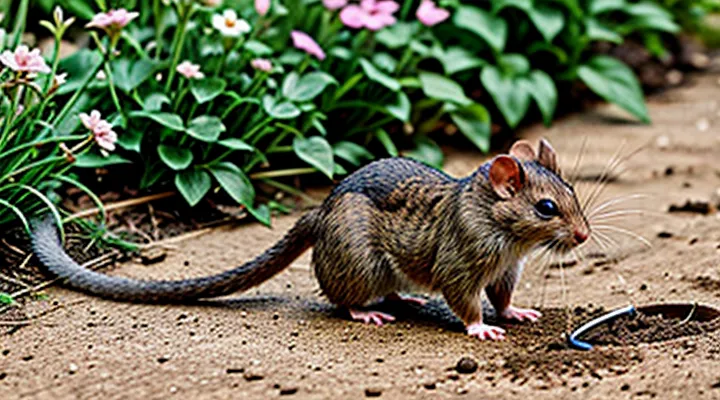
Ground rats typically measure 20–25 cm in body length, with an additional 15–20 cm tail that matches the body in proportion. Adult weight ranges from 250 g to 500 g, varying with food availability. Fur is coarse, dark brown to black on the dorsal side, transitioning to lighter gray or white on the ventral surface. The tail is scaly, hairless, and slightly longer than the head‑body length, aiding balance during rapid movement.
Key physical identifiers include:
- A blunt, rounded snout with prominent whiskers that detect vibrations.
- Small, rounded ears positioned low on the skull, covered in fine hair.
- Strong, curved incisors continuously growing, enabling gnawing of plant material and hard objects.
- Robust forelimbs equipped with sharp claws for excavating soil and burrowing.
These attributes support efficient digging, allowing rats to create extensive tunnel networks beneath garden beds. The powerful forelimbs and clawed paws displace up to 10 cm of soil per thrust, while the flexible spine permits swift navigation through narrow passages. Their keen nocturnal vision, combined with a heightened sense of smell, facilitates locating food sources in low‑light conditions. The combination of size, agility, and sensory adaptations makes ground rats particularly adept at infiltrating cultivated areas.
Signs of Infestation
Detecting a ground‑rat problem early prevents extensive damage to plants, soil structure, and irrigation systems.
- Fresh droppings, typically dark, pellet‑shaped, and located near vegetable rows, pathways, or under mulch.
- Gnawed seedlings, roots, or tender stems, often with clean cuts at the base.
- Visible burrow entrances: shallow holes about 2–3 cm wide, sometimes lined with loose soil or leaf litter.
- Chewed bark or bark strips removed from low shrubs and young trees.
- Trails of disturbed soil or flattened grass leading to a central nest area.
- Presence of gnaw marks on garden tools, fences, or wooden structures.
These indicators confirm active foraging and nesting. Regular inspection of the listed signs enables timely intervention, reducing the likelihood of population expansion and protecting crop yields.
Why Ground Rats are a Problem
Garden Damage
Ground rats cause extensive harm to cultivated areas, compromising plant health and reducing yields. Their gnawing activity damages stems, roots, and tubers, creating entry points for pathogens and pests. Burrowing disrupts soil structure, leading to uneven moisture distribution and weakened plant anchorage.
Typical damage includes:
- Chewed bark and stems that expose vascular tissue.
- Severed roots that impair water and nutrient uptake.
- Hollowed tubers and bulbs, rendering them inedible.
- Soil compaction and tunnel networks that hinder seedling establishment.
Visible signs of infestation are fresh gnaw marks, shallow tunnels near plant bases, and droppings resembling small pellets. When these indicators appear, prompt control measures prevent further degradation of the garden’s productivity.
Addressing ground rat damage early preserves soil integrity, protects crops, and maintains the overall aesthetic of the garden. Effective removal strategies combine habitat modification, physical barriers, and targeted baiting to eliminate the source of destruction.
Health Risks
Ground rats in garden spaces present several direct health hazards. Their droppings and urine can contaminate soil and vegetables, creating pathways for pathogens that affect humans and animals.
- Hantavirus – transmitted through inhalation of aerosolized particles from dried rat excreta; can cause severe respiratory illness.
- Leptospirosis – spread by contact with contaminated water or soil; symptoms include fever, muscle pain, and kidney damage.
- Salmonellosis – bacteria from rat feces may infiltrate produce, leading to gastrointestinal infection with diarrhea and fever.
- Rat‑bite fever (Streptobacillosis) – results from scratches or bites; may cause fever, rash, and joint pain.
- Allergic reactions – proteins in rat dander and urine can trigger asthma attacks or skin irritation in sensitive individuals.
Additional risks arise from indirect effects. Rats gnaw on garden tools and irrigation equipment, introducing microbial contamination into otherwise clean surfaces. Their burrowing activity can damage root systems, stressing plants and increasing susceptibility to fungal infections that may produce mycotoxins hazardous to human health.
Effective control measures reduce exposure to these risks. Eliminating food sources, sealing entry points, and using traps or professional baiting diminish rat populations, thereby limiting pathogen presence in the garden environment. Regular sanitation—removing debris, cleaning tools, and washing harvested produce—further mitigates infection potential.
Prevention Strategies
Garden Maintenance
Keeping Your Garden Tidy
A tidy garden eliminates the hiding places and food sources that ground rats exploit. Regular mowing prevents tall grass from forming protective cover. Trimming hedges and shrubs keeps vegetation low enough to discourage nesting. Removing leaf litter, fallen fruit, and garden debris reduces the amount of organic material rats can gnaw and store.
- Collect fallen fruit and vegetables daily; dispose of them in sealed containers.
- Store compost in a closed bin with a secure lid; turn it often to accelerate decomposition.
- Keep tools, pots, and other equipment off the ground; use racks or shelves.
- Clear paths of stones, logs, and mulch that could serve as tunnels.
- Seal gaps in garden structures, such as fences and sheds, to block entry points.
Consistent garden maintenance creates an environment where rats find few resources, making control measures more effective and reducing the need for chemical interventions.
Securing Food Sources
Ground rats persist when edible material is readily available; removing such incentives forces the population to relocate or decline.
Identify and eliminate sources that attract rodents:
- Harvest ripe fruit promptly; discard fallen produce in sealed containers.
- Store grains, seeds, and pet food in metal or thick‑walled plastic containers with airtight lids.
- Compost only with a secure lid; incorporate a fine mesh screen to block entry.
- Clear bird feeders of spillage; place feeders on sturdy poles and attach squirrel‑proof baffles.
- Remove garden debris, mulch, and excess leaf litter where rats can hide food.
Maintain a clean environment to prevent re‑accumulation:
- Sweep pathways after each harvest, collecting crumbs and scraps.
- Inspect storage containers weekly for cracks or compromised seals.
- Rotate compost piles regularly, turning material to discourage rodent nesting.
- Monitor irrigation runoff; avoid standing water that can dissolve nutrients and attract rats.
By systematically denying access to nourishment, the garden becomes inhospitable to ground rats, reducing their presence without resorting to chemical controls.
Natural Deterrents
Plant-Based Repellents
Plant-based repellents offer a direct method to discourage ground rats from entering garden beds. Certain aromatic herbs and vegetables emit odors that rodents find unpleasant, reducing the likelihood of nesting and foraging.
- Mint (Mentha spp.) – Plant dense patches along perimeter fences; the strong menthol scent deters rodents. Harvest regularly to prevent flowering, which can diminish potency.
- Garlic (Allium sativum) – Crush cloves and mix with water (1 kg garlic to 10 L water). Apply the solution to soil surface and around plant stems every 7–10 days. The sulfur compounds remain active for several weeks.
- Hot peppers (Capsicum spp.) – Create a spray by blending 5 g dried chilies with 1 L water, let steep for 24 hours, then strain. Spray foliage and ground cover; the capsaicin irritates rodent sensory receptors.
- Marigold (Tagetes spp.) – Sow rows at the garden edge. The volatile oils repel both insects and rodents, providing continuous protection throughout the growing season.
- Lavender (Lavandula angustifolia) – Place dried bundles or plant low‑lying shrubs near vegetable plots. The scent interferes with rodent navigation, limiting their movement.
When using plant extracts, maintain a concentration that avoids phytotoxic effects on cultivated crops. Test any spray on a small area before full application. Rotate the selection of repellent species annually to prevent rodents from habituating to a single odor profile.
Integrating these botanicals with physical barriers—such as fine mesh edging and regular litter removal—creates a multi‑layered defense. Consistent implementation yields measurable reduction in ground rat activity without reliance on synthetic chemicals.
Companion Planting
Companion planting creates a hostile environment for ground‑dwelling rodents by exploiting the scents, textures, and growth habits of selected species. Plants that emit strong aromatic oils, such as mint, rosemary, and lavender, mask the odors of cultivated vegetables, making the garden less attractive to rats. Their dense foliage also hinders rodent movement, reducing access to vulnerable crops.
- Mint (Mentha spp.) – releases menthol vapors that repel rodents; plant in containers to prevent invasive spread.
- Rosemary (Salvia rosmarinus) – produces pine‑like compounds deterring foraging; thrive in sunny, well‑drained soil.
- Lavender (Lavandula angustifolia) – emits linalool, a natural rodent repellent; also attracts beneficial insects.
- Garlic (Allium sativum) – exudes sulfur compounds unpleasant to rats; interplant with lettuce, carrots, or beans.
- Marigold (Tagetes spp.) – secretes thiophenes that discourage pests; serve as a border around high‑value beds.
Integrating these species alongside primary crops establishes a multi‑layered barrier. The aromatic plants should be positioned at the perimeter or interspersed within rows to maximize scent coverage. Dense, low‑lying groundcovers such as thyme or low‑growth sage create physical obstacles, further limiting rat pathways.
Soil health influences rodent activity; mulches made from cedar chips or shredded rosemary not only improve moisture retention but also emit natural repellents. Regularly rotate companion plants to prevent habituation, and replace any that become overrun or depleted.
By deliberately selecting and arranging repellent companions, gardeners can reduce ground rat presence without resorting to traps or chemicals, preserving both crop yield and ecological balance.
Eradication Methods
Trapping
Types of Traps
Effective garden rodent control relies on selecting the appropriate trap for the target species. Understanding the functional differences among trap categories enables decisive action and minimizes non‑target impact.
-
Snap traps – Mechanical devices that deliver a rapid, lethal strike. Constructed from spring‑loaded steel bars, they provide immediate results and allow precise placement along active runways. Bait with high‑protein food enhances capture rates.
-
Live‑catch traps – Cage‑style enclosures equipped with a trigger mechanism that closes a door when the rat enters. Suitable for relocation or humane removal, these traps require frequent inspection to prevent stress or overheating of captured animals.
-
Electronic traps – Battery‑powered units that emit a high‑voltage pulse upon entry, instantly killing the rodent. They feature built‑in sensors to reduce false triggers and often include a removable collection tray for easy disposal.
-
Glue boards – Adhesive panels placed on the ground or on vertical surfaces. Effective for intercepting small rats, they demand careful handling and prompt removal of trapped individuals to comply with welfare standards.
-
Burrow‑entry traps – Funnel or tunnel devices inserted directly into active burrows. The rat enters seeking shelter, then slides into a containment chamber. These traps target subterranean activity and limit exposure of bait to other wildlife.
Each trap type presents distinct advantages and limitations. Choose based on the severity of infestation, desired humane considerations, and the specific layout of the garden environment. Regular monitoring and proper sanitation complement trap deployment, ensuring long‑term suppression of ground rat populations.
Baiting and Placement
Effective rodent control in a garden relies on precise bait selection and strategic placement. Choose baits that contain anticoagulant or bromadiolone compounds, ensuring they are formulated for outdoor use and resistant to weathering. Combine solid blocks with chewable pellets to address both gnawing and foraging behaviors.
When positioning bait stations, follow these guidelines:
- Locate stations along established runways, typically near the base of shrubs, beneath low vegetation, or adjacent to garden structures.
- Maintain a minimum distance of 10 feet between stations to prevent bait competition and reduce the risk of non‑target exposure.
- Install stations at ground level, shielding them with tamper‑proof covers that allow access for rodents but deter pets and children.
- Position stations on the leeward side of obstacles, where rats are less likely to be disturbed by wind or rain.
- Replace or refresh bait every 7‑10 days, monitoring for consumption and adjusting placement if activity shifts.
Proper rotation of bait types every 30 days helps prevent habituation and resistance development. Record the exact locations and dates of each station to track effectiveness and inform future adjustments.
Safety Considerations
When addressing rodent problems in a garden, prioritize personal and environmental safety. Protective equipment, correct product handling, and awareness of local wildlife protect both the gardener and surrounding ecosystem.
- Wear gloves, long sleeves, and sturdy boots to prevent bites and contact with toxins.
- Use traps or baits that are specifically labeled for ground rats; avoid products designed for other pests.
- Follow manufacturer dosage instructions; excessive amounts increase poisoning risk for pets, children, and non‑target animals.
- Store chemicals in sealed containers away from food preparation areas and out of reach of children.
- Dispose of dead rodents in sealed bags and place them in a regular trash bin; do not compost them.
- Keep the work area well‑ventilated if applying liquid repellents or fumigants.
- Monitor weather conditions; avoid application during rain or high winds to prevent runoff and drift.
Maintain clear documentation of all substances used, including active ingredients and expiration dates, to facilitate safe re‑application and compliance with local regulations. Regularly inspect protective gear for wear and replace it as needed. By adhering to these protocols, gardeners eliminate ground rats while minimizing health hazards and ecological disruption.
Baits and Poisons
Selecting the Right Product
Choosing an effective product is critical for eliminating ground rats from a garden. Evaluate each option against the following criteria before purchase.
- Efficacy: Confirm that the product has documented success against the specific species present. Look for laboratory or field test results, not anecdotal claims.
- Safety for non‑target organisms: Verify that the formulation minimizes risk to birds, beneficial insects, pets, and children. Products with low secondary toxicity are preferable.
- Environmental impact: Prefer biodegradable or low‑residue solutions. Avoid persistent chemicals that can leach into soil or water sources.
- Regulatory compliance: Ensure the product is approved by local agricultural or environmental authorities. Check label instructions for legal usage limits.
- Application method: Select a format that matches garden conditions—snap traps for localized infestations, bait stations for broader coverage, or granular repellents for perimeter treatment.
- Ease of deployment: Products that require minimal setup and maintenance reduce labor and error.
- Cost‑effectiveness: Compare price per unit of active ingredient and expected lifespan. The cheapest option may not deliver long‑term control.
When product information is unclear, request a data sheet from the manufacturer. Cross‑reference claims with independent reviews or extension service recommendations. A disciplined selection process eliminates trial‑and‑error and accelerates rat eradication in the garden.
Safe Application
Effective rodent control in a garden requires measures that protect non‑target wildlife, pets, and humans. The following practices ensure safe use of traps, baits, and repellents while eliminating ground rats.
- Choose snap traps or live‑capture cages with insulated handles to prevent accidental contact. Position devices away from pathways and child‑accessible areas.
- When using anticoagulant baits, place them in tamper‑proof stations that open only for rodents. Verify that stations are mounted at least 30 cm above ground level and out of reach of domestic animals.
- Apply rodent‑repellent granules or sprays according to manufacturer dosage charts. Distribute evenly across the perimeter, avoiding direct contact with edible plants.
- Wear disposable gloves, protective eyewear, and a mask during installation and disposal of dead rodents. Seal contaminated materials in airtight bags before discarding them in a regulated waste container.
- Record the location of each device on a garden map. Review the map weekly to remove spent traps, replenish baits, and adjust placement based on activity patterns.
Implementing these steps minimizes health risks, reduces environmental impact, and maintains the effectiveness of the eradication program. Regular monitoring and prompt removal of dead rodents further prevent disease transmission and secondary infestations.
Disposal of Remains
After eliminating ground rats from a garden, the dead animals must be removed safely to avoid disease spread, attract scavengers, and prevent unpleasant odors.
- Burial: Dig a pit at least 30 cm deep, far from vegetable beds and water sources. Place the carcasses inside, cover with soil, and compact to eliminate air pockets.
- Incineration: Use a metal container with a tight‑fitting lid. Ignite the contents in a controlled outdoor area, allowing complete combustion before discarding ash in a sealed bag.
- Sealed bags: Place each carcass in a double‑layered plastic bag, expel excess air, and tie securely. Dispose of the bags in municipal waste designated for animal remains or in a licensed landfill.
- Composting (restricted): Only if local regulations permit, add carcasses to a high‑temperature compost system (≥55 °C) and maintain the pile for at least three weeks to ensure pathogen destruction.
Legal requirements often mandate that rodent remains be treated as hazardous waste. Verify municipal guidelines before choosing a disposal method. Proper handling reduces the risk of secondary infestations and protects garden health.
Professional Pest Control
When to Call an Expert
Ground rats can quickly damage plant roots, spread disease, and undermine soil stability. Home remedies often succeed in the early stages, but certain conditions require professional intervention.
- Infestation covers more than 15 meters of garden beds or exceeds 30 active burrows.
- Damage to irrigation systems, underground cables, or structural foundations is observed.
- Repeated attempts with traps, repellents, or barriers fail to reduce activity over two weeks.
- Presence of multiple species (e.g., rats and mice) suggests a complex ecosystem that simple measures cannot manage.
- Legal or environmental restrictions limit the use of certain poisons or traps, demanding licensed application.
When any of these indicators appear, a certified pest‑control specialist should be consulted. Experts provide thorough site assessments, identify entry points, and implement targeted control strategies that comply with safety regulations. Their equipment can locate hidden nests, and their knowledge ensures that eradication does not harm beneficial wildlife or the garden’s long‑term health. Prompt professional action prevents the infestation from spreading and reduces the risk of irreversible plant loss.
What to Expect
When you begin a program to eliminate ground rats from a garden, expect a sequence of observable changes that indicate progress and reveal any adjustments needed.
The first sign is a reduction in fresh droppings, gnaw marks, and burrow entrances. Within a week of deploying traps, bait stations, or habitat‑modifying measures, these indicators typically decline noticeably. If activity persists beyond ten days, reassess placement density and bait attractiveness.
Expect a temporary shift in predator behavior. Birds of prey and domestic cats may increase their presence as rat numbers fall, which can further suppress the population. Conversely, some beneficial insects might be attracted to the same debris removal efforts, enhancing overall soil health.
Potential side effects require attention:
- Non‑target captures: live‑catch traps may ensnare small mammals or reptiles; regular inspection prevents unintended loss.
- Soil disturbance: extensive burrow filling can temporarily compact soil; follow‑up aeration restores structure.
- Human exposure: handling bait or traps demands gloves and hand washing to avoid contamination.
Long‑term maintenance involves periodic monitoring. After the initial decline, schedule monthly checks of trap performance and burrow activity. Seasonal changes, such as autumn leaf cover, often create new hiding spots, so anticipate a modest resurgence that warrants renewed intervention.
Overall, a disciplined approach yields measurable decline in rat presence within three to four weeks, stabilizes the garden ecosystem, and minimizes recurring infestations when routine surveillance continues.
Post-Eradication Measures
Sealing Entry Points
Inspecting Your Property
Inspect the garden before implementing any control measures. A thorough visual survey identifies the extent of the problem and reveals the pathways rats use to enter and move through the area.
During the walk‑through, focus on the following elements:
- Fresh droppings, gnawed plant stems, and shredded mulch.
- Burrow openings, especially near the base of trees, garden beds, and fence lines.
- Gaps under decks, sheds, and utility structures larger than a quarter‑inch.
- Dense vegetation, overgrown hedges, and piled compost that provide cover.
- Sources of food such as fallen fruit, birdseed, or pet feed left outdoors.
Record each observation on a map of the property. Mark the locations of damage, entry points, and potential attractants. Use the compiled data to prioritize sealing gaps, trimming vegetation, and removing debris. A systematic inspection creates a clear foundation for effective rat management.
Repairing Damage
Ground rats often leave burrows, chewed roots, and contaminated soil that impair plant health and garden stability. Prompt repair prevents secondary problems such as erosion, disease spread, and loss of productivity.
First, document the extent of damage. Walk the affected area, mark each burrow, note wilted or missing plants, and test soil moisture and pH. Recording these observations creates a baseline for recovery and helps prioritize interventions.
Soil restoration
- Remove debris, droppings, and loose soil from burrow entrances.
- Loosen compacted soil with a garden fork to improve aeration.
- Incorporate organic matter (compost, well‑rotted manure) at a rate of 2–3 lb per square foot to replenish nutrients.
- Apply a balanced fertilizer (N‑P‑K 10‑10‑10) according to label instructions, then water deeply to settle the amendment.
Plant recovery
- Trim damaged foliage to encourage new growth; cut back to healthy tissue.
- Replant lost seedlings using disease‑free stock, spacing them to reduce future rodent access.
- Mulch with coarse material (e.g., straw, wood chips) at a thickness of 2–3 inches to deter re‑burrowing while conserving moisture.
- Monitor for signs of stress and apply targeted pest‑control sprays only if secondary infestations appear.
Structural fixes
- Reinforce raised beds with hardware cloth or metal mesh buried 6 inches below the surface to block tunneling.
- Repair cracked garden edging with concrete or stone, sealing gaps that rodents could exploit.
- Install sturdy, smooth‑barked stakes for support plants; smooth surfaces discourage gnawing.
- Ensure irrigation lines are buried or protected to prevent rats from using them as shelter.
Finally, integrate repair work with ongoing rat‑management practices. Maintain regular site inspections, keep vegetation trimmed, and store feed or compost in sealed containers. Coordinated action restores garden function while sustaining the reduction of ground rat activity.
Ongoing Monitoring
Regular Inspections
Regular inspections are the cornerstone of an effective ground‑rat management program in a garden. By monitoring the area consistently, you can detect early signs of activity, assess the effectiveness of control measures, and adjust tactics before populations expand.
Key elements of a systematic inspection routine:
- Frequency: Conduct visual checks at least twice a week during peak activity months (spring and early autumn). Increase to three‑four times weekly when signs of infestation appear.
- Timing: Perform surveys in the early morning or late evening when rats are most active near the surface.
- Focus points: Examine garden borders, compost piles, fallen fruit, irrigation lines, and any vegetation that offers cover. Look for fresh droppings, gnaw marks, burrow entrances, and disturbed soil.
- Documentation: Record the location, number, and type of evidence observed. Use a simple notebook or digital app to track trends over time.
- Response triggers: Initiate targeted bait placement, habitat modification, or trapping when any of the following occur:
Integrating these inspection practices with other control methods reduces the likelihood of a full‑scale infestation and preserves the health of the garden ecosystem.
Early Detection
Early detection of ground rats prevents extensive damage and reduces the need for aggressive control measures.
Visible indicators appear before populations become entrenched. Look for fresh burrow entrances, typically 2–4 cm in diameter, with fresh soil at the rim. Noticeable gnaw marks on plant stems, seed pods, or garden tools also signal activity. Small, dark droppings—about 5 mm long—accumulate near feeding sites and along runways.
Monitor soil moisture and compaction; rats prefer loose, damp ground for tunneling. Conduct regular tactile inspections by pressing a gloved hand into suspected burrow zones; a sudden resistance followed by a hollow feel confirms a tunnel.
Use motion‑activated cameras or infrared sensors to capture nocturnal movement. Position devices at ground level along established runways; a single confirmed sighting warrants immediate action.
Deploy bait stations equipped with non‑toxic tracking powder. Place stations near suspected entrances and examine powder transfer on captured rodents to verify presence.
Maintain a log of observations, recording date, location, and type of evidence. Consistent documentation enables trend analysis and rapid escalation when activity intensifies.
By systematically scanning for these signs and employing simple detection tools, gardeners can identify ground rat incursions at the earliest stage and intervene before infestations spread.