
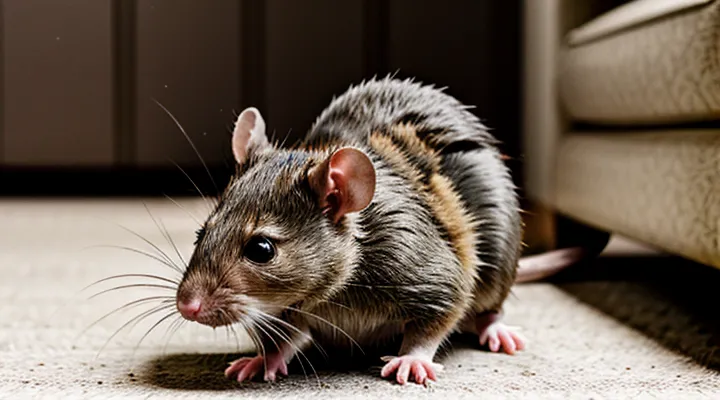
«Understanding the Flea Problem»
«Identifying Fleas on Your Rat»
«Visual Inspection»
Visual inspection forms the first line of detection when addressing a flea infestation on a rat. Begin by securing the animal in a safe, well‑ventilated area. Use a bright, focused light source to illuminate the fur and skin. Examine the coat from head to tail, paying special attention to areas where fleas commonly congregate: the neck, back, abdomen, and the region around the tail base.
During the scan, look for the following indicators:
- Small, dark specks moving quickly through the fur, often mistaken for dirt.
- Tiny, reddish‑brown insects that may hop when disturbed.
- Flea dirt, which appears as fine, black grains resembling pepper.
- Red or inflamed patches on the skin, suggesting bite reactions.
- Excessive scratching or grooming behavior observed before the inspection.
A fine‑toothed comb can aid in locating hidden parasites. Run the comb through the fur in short strokes, wiping the teeth after each pass to reveal captured fleas or debris. If a comb is unavailable, a piece of sticky tape pressed lightly against the coat can capture moving insects for closer examination.
Document findings by noting the number of fleas observed, the locations of infestations, and any skin irritation. This record guides the selection of treatment methods and helps monitor the effectiveness of subsequent interventions. Repeat visual checks daily for the first week after treatment, then every other day for two weeks to confirm eradication.
«Signs of Infestation»
Fleas on a rat become evident through distinct physical and behavioral cues. The animal may exhibit excessive scratching or grooming, often leaving reddened or irritated skin. Small, dark specks moving quickly across the fur indicate adult fleas, while flea dirt—tiny black or brown granules resembling pepper—accumulates near the base of the tail and on bedding. Hair loss or thinning patches appear where parasites feed intensely. Unexplained weight loss or lethargy can result from blood loss and stress caused by a heavy infestation. Observing any combination of these signs warrants immediate intervention to eradicate the parasites.
«Risks Associated with Fleas on Rats»
«Health Concerns for the Rat»
Rats infested with fleas face several immediate health risks that must be addressed when attempting eradication. Flea feeding can cause anemia, especially in young or underweight animals, because blood loss reduces hemoglobin levels and impairs oxygen transport. Visible signs include pale mucous membranes and lethargy.
Skin irritation results from flea bites and the accompanying allergic reaction. Symptoms comprise redness, swelling, and excessive scratching, which may lead to secondary bacterial infections if the skin barrier breaks.
Fleas serve as vectors for pathogens such as Bartonella spp., Rickettsia spp., and tapeworms. Transmission can produce fever, weight loss, and organ dysfunction, complicating the rat’s overall condition.
Stress induced by infestation and treatment procedures weakens immune function, making the rat more susceptible to opportunistic infections. Monitoring behavior, appetite, and stool consistency provides early indicators of systemic compromise.
Effective flea control should incorporate the following precautions:
- Perform a complete physical examination before applying any insecticide.
- Choose products specifically labeled for rodents; avoid compounds formulated for cats or dogs.
- Calculate dosage based on exact body weight; overdosing risks neurotoxicity.
- Re‑treat according to the product’s life cycle, typically every 7–10 days, to break the flea reproductive cycle.
- Maintain a clean environment: wash bedding, sanitize cages, and vacuum surrounding areas to remove eggs and larvae.
Continuous observation during and after treatment ensures that anemia, dermatitis, or infection do not progress unnoticed. Prompt veterinary intervention is warranted if any of these conditions emerge.
«Potential for Household Infestation»
Fleas that infest a rat can quickly spread beyond the individual animal, creating a household-wide problem. Adult fleas leave the host within hours, seeking new blood meals, while females deposit eggs in surrounding fabrics, cracks, and carpet fibers. These eggs hatch into larvae that develop in the ambient environment, allowing the colony to persist even after the original rat is removed.
The primary pathways for household contamination include:
- Direct contact between the rat and household surfaces.
- Movement of the rat through bedding, cages, and furniture.
- Transfer of fleas on the owner’s hands or clothing during handling.
Unchecked infestation poses health risks to humans and other pets. Flea bites may cause itching, allergic reactions, and, in rare cases, transmit bacterial pathogens such as Rickettsia or Yersinia. Pets without flea protection can acquire the parasites, amplifying the population and complicating eradication.
Effective containment requires immediate environmental sanitation. Vacuum all areas where the rat roamed, discard or wash bedding at high temperature, and apply an insect growth regulator to cracks and seams. Seal entry points to prevent re‑infestation, and treat any cohabiting animals with a veterinary‑approved flea product. Prompt, thorough action limits the colony’s ability to establish a lasting presence within the home.
«Preparing for Flea Treatment»
«Gathering Necessary Supplies»
«Safe Flea Treatments for Rats»
Effective flea control in rats requires products that do not compromise the animal’s health. Many insecticides designed for cats or dogs are toxic to rodents; therefore, only rodent‑approved or universally safe options should be used.
- Rodent‑safe topical shampoos – apply according to label instructions, typically once every 7–10 days.
- Oral medications – ivermectin or selamectin formulations approved for small mammals, administered at the exact dose per kilogram of body weight.
- Environmental treatments – replace bedding weekly, vacuum cages daily, and sprinkle food‑grade diatomaceous earth on surfaces; reapply after cleaning.
- Natural sprays – dilute apple cider vinegar (1 part vinegar to 4 parts water) and spray lightly on fur; use neem oil (5 % solution) sparingly on skin, avoiding eyes.
- Veterinary‑prescribed flea collars – select collars specifically labeled for rats, ensuring proper fit to prevent choking.
Apply each product precisely as directed, observe the rat for signs of irritation, lethargy, or loss of appetite, and discontinue any treatment that triggers adverse reactions. Record the date of application and repeat intervals to maintain continuous protection.
Prevent re‑infestation by grooming rats weekly, cleaning cages thoroughly, and isolating new arrivals for at least two weeks while monitoring for fleas. Consistent hygiene and targeted, safe treatments eliminate fleas without endangering the rat’s wellbeing.
«Grooming Tools»
Effective flea control on a rat relies on proper grooming equipment. Selecting tools designed for small mammals ensures thorough removal of parasites without harming delicate fur.
- Fine-toothed flea comb: penetrates dense coat, captures adult fleas and eggs.
- Soft-bristle brush: loosens debris, distributes natural oils, prepares fur for combing.
- Small animal nail clippers: trim overgrown nails that can trap fleas and impede grooming.
- Damp cotton swab: wipes around the tail base and rear pads where fleas congregate.
- Disposable gloves: protect the handler and prevent cross‑contamination.
Application sequence: start with the brush to detangle hair, then run the flea comb from the head toward the tail, inspecting each pass for trapped insects. After combing, use the damp swab to clean the ventral region and tail base. Finish by trimming any excessively long nails that could snag the comb.
Regular use of these instruments, combined with routine cleaning of the cage and bedding, reduces flea populations and prevents reinfestation. Replace combs and brushes periodically to maintain effectiveness and hygiene.
«Cleaning Products»
Effective flea control on a rat depends on selecting cleaning agents that eradicate parasites without harming the animal’s delicate skin. Use products formulated for small mammals or those proven safe in laboratory settings.
- Veterinary‑approved flea shampoo – contains insecticidal ingredients such as pyrethrins or fipronil; apply according to label dosage, massage gently, let foam sit for the recommended time, then rinse thoroughly.
- Mild dish soap solution – mix one part unscented liquid soap with nine parts warm water; soak the rat for 2–3 minutes, then rinse with dechlorinated water. The surfactant disrupts flea exoskeletons while remaining non‑irritating.
- Enzymatic cleaner – diluted to 1 % concentration; sprays onto fur and bedding, breaking down organic matter that attracts fleas. Allow to air‑dry before re‑housing the rat.
- Diluted bleach rinse – combine 1 ml household bleach with 1 L water (0.1 % sodium hypochlorite); use only for cage and hard‑surface sanitation, never directly on the rat. Rinse surfaces with clean water after application.
- Isopropyl alcohol wipes – 70 % solution applied to the tail base and under the skin folds; wipes remove adult fleas instantly. Avoid contact with eyes and mucous membranes.
Safety guidelines:
- Verify each product’s toxicity profile for rodents; consult a veterinarian if uncertainty arises.
- Conduct a patch test on a small skin area before full‑body treatment.
- Rinse the animal completely to eliminate residual chemicals.
- Keep the rat in a well‑ventilated area during and after cleaning.
- Replace bedding and sanitize cage accessories after each treatment session.
Consistent use of these cleaning agents, combined with regular grooming, reduces flea populations and prevents reinfestation.
«Securing Your Rat and Environment»
«Confining the Rat Safely»
Secure confinement is a prerequisite for effective flea eradication on a rodent. The animal must be restrained in a manner that prevents escape, minimizes stress, and protects the handler from bites or scratches.
Prepare a containment unit that meets the following criteria: solid walls with no gaps larger than 0.5 cm, a smooth interior surface to discourage climbing, a ventilation opening covered with fine mesh, and a secure, lockable lid. Line the floor with a disposable paper towel to absorb waste and simplify cleaning. Place a small water dish and a piece of familiar bedding to reduce anxiety.
- Approach the rat calmly, using a cup or small cage to trap it against a solid surface.
- Slide the containment unit over the animal, ensuring the lid seals without crushing the rodent.
- Transfer the rat to a separate treatment cage if needed, maintaining the same safety features.
- Close the lid firmly; verify that the lock engages and that no gaps remain.
During the treatment period, check the enclosure every two hours for signs of distress, dehydration, or excessive heat. Replace bedding and water daily. After flea control measures are complete, release the rat into a clean, escape‑proof area for observation before returning it to its regular habitat.
«Protecting Yourself During Treatment»
When treating a rat for fleas, personal safety depends on proper preparation and disciplined execution. Begin by selecting a well‑ventilated area away from food preparation surfaces. Close windows and doors to limit airflow from the treatment zone to the rest of the home.
Wear a complete set of protective gear:
- Disposable gloves resistant to chemicals or insecticides.
- A disposable gown or old clothing that can be laundered at high temperature.
- Eye protection such as safety goggles or a face shield.
- A mask rated for particulate matter (N95 or higher) to block flea debris and aerosolized chemicals.
Apply the chosen flea control product according to the manufacturer’s instructions. Use the minimum effective dose and avoid splashing. Keep the rat confined in a secure, breathable container to prevent escape and reduce exposure to the surrounding environment.
After treatment, follow a strict decontamination routine:
- Remove gloves and dispose of them in a sealed bag.
- Wash hands thoroughly with soap and water, even if gloves were worn.
- Launder clothing at 60 °C or higher; discard any disposable garments.
- Clean all surfaces with a mild detergent, then rinse with water.
- Ventilate the room for at least 30 minutes before re‑entering.
Store all chemicals out of reach of children and pets, in a locked cabinet with original labels intact. Keep a first‑aid kit nearby in case of accidental skin contact or inhalation. By adhering to these measures, the risk of irritation, allergic reaction, or secondary infestation is minimized while the rat receives effective flea eradication.
«Effective Flea Removal Methods»
«Topical Treatments»
«Flea Combs and Manual Removal»
Effective flea control for a pet rat often begins with direct removal using a fine-toothed flea comb. The comb’s tightly spaced teeth separate adult fleas and immature stages from the fur, allowing immediate physical elimination without chemicals.
A suitable comb should be stainless steel, with teeth spaced no more than 0.5 mm apart. Pair the comb with a pair of clean tweezers for extracting trapped insects, and a small container of lukewarm water to rinse the rat’s coat after each pass.
Procedure
- Secure the rat gently on a soft, non‑slipping surface; hold the animal by the base of the tail to reduce stress.
- Dampen the fur lightly with water or a mild, pet‑safe conditioner to ease combing.
- Starting at the head, draw the comb through a small section of fur, moving toward the tail in a smooth, continuous motion.
- After each pass, wipe the comb on a damp cloth to remove collected fleas, then inspect the teeth for any remaining insects.
- Use tweezers to pull out any fleas that are lodged in the comb but not released.
- Repeat the process across the entire body, paying special attention to the neck, underbelly, and tail base where fleas tend to hide.
- Dispose of captured fleas in a sealed container or flush them down the toilet to prevent re‑infestation.
Following combing, bathe the rat with a mild, flea‑free shampoo to wash away residual debris. Dry the animal thoroughly, then apply a small amount of veterinary‑approved topical repellent if recommended by a veterinarian. Monitor the rat daily for at least two weeks; repeat combing every 2–3 days until no fleas are observed.
Consistent manual removal, combined with proper hygiene, reduces flea populations quickly and minimizes reliance on chemical treatments.
«Spot-On Treatments (Vet-Approved)»
Spot‑on treatments formulated for rodents provide a reliable, veterinarian‑endorsed method to eradicate flea infestations on pet rats. These products deliver a precise dose of insecticidal agents directly to the animal’s skin, where they spread through the sebaceous glands and coat the fur, ensuring continuous protection against adult fleas and emerging larvae.
The active ingredients commonly include fipronil, imidacloprid, or selamectin, each proven to disrupt the nervous system of fleas without harming mammals when applied at the recommended concentration. Formulations are calibrated for the low body weight of rats, preventing toxicity while maintaining efficacy.
- Apply the product to the base of the skull, avoiding the face and eyes.
- Use the exact amount indicated on the label for the rat’s weight range.
- Allow the rat to remain undisturbed for at least 15 minutes to enable absorption.
- Repeat the application according to the product’s interval, typically every 30 days.
When selecting a spot‑on solution, verify that the label specifies suitability for rats or small rodents. Choose products with a clear expiration date and a reputable manufacturer. Avoid formulations intended solely for cats, dogs, or larger animals, as dosage differences can cause adverse reactions.
After treatment, inspect the rat’s coat daily for signs of irritation or residual flea activity. A reduction in flea movement within 24 hours indicates successful absorption. If fleas persist after two treatment cycles, consult a veterinarian for alternative or supplemental therapies.
«Bathing Your Rat»
«Safe Bathing Techniques»
Bathing a rat can eliminate fleas without exposing the animal to toxic chemicals, provided the process follows strict safety guidelines. Use a mild, unscented pet shampoo diluted according to the manufacturer’s instructions; avoid human soaps, which can irritate the delicate skin.
Prepare a shallow container with warm water (approximately 30 °C). Test the temperature with a fingertip before placing the rat. Gather a soft cloth, a small cup for rinsing, and a towel for drying. Keep the environment quiet to reduce stress.
- Gently lower the rat into the water, supporting its body to prevent slipping.
- Apply a thin layer of diluted shampoo, massaging from head to tail while avoiding the ears and eyes.
- Use the cup to pour clean water over the fur, ensuring all soap residues are removed.
- Pat the animal dry with the towel; do not rub vigorously, as the skin is fragile.
After the bath, place the rat in a warm, draft‑free area until completely dry. Inspect the coat for remaining fleas and repeat the washing routine after 48 hours if necessary, as the flea life cycle may require multiple treatments. Regular grooming and a clean cage environment complement the bathing protocol and help sustain flea‑free conditions.
«Using Flea-Specific Shampoos (Vet-Approved)»
Veterinarians recommend flea‑specific shampoos that are formulated and tested for rodents when treating a rat infested with fleas. These products contain insecticidal agents such as pyrethrins, fipronil, or imidacloprid, which target adult fleas and early life stages without harming the animal when used as directed.
Select a shampoo that meets the following criteria:
- Labeled “vet‑approved” or “veterinary‑grade” for small mammals.
- Contains a concentration of active ingredient appropriate for rats (typically 0.1–0.5%).
- Free of harsh detergents, fragrances, or additives that can irritate delicate rodent skin.
- Comes with a clear dosage chart based on the rat’s weight.
Preparation and application:
- Weigh the rat to confirm the correct dosage.
- Wet the fur thoroughly with lukewarm water; avoid submerging the head.
- Apply the measured amount of shampoo, massaging it into the coat and skin for at least one minute.
- Rinse completely with clean water; ensure no residue remains, as lingering chemicals may cause dermatitis.
- Dry the rat gently with a soft towel; keep the animal in a warm, draft‑free environment until fully dry.
Post‑treatment considerations:
- Repeat the shampooing schedule as indicated on the product label, typically every 7–10 days, to interrupt the flea life cycle.
- Combine shampoo use with environmental control: wash bedding, vacuum the cage, and treat the surrounding area with a compatible flea spray or fogger.
- Monitor the rat for signs of irritation, excessive scratching, or lethargy; discontinue use and consult a veterinarian if adverse reactions appear.
Using a vet‑approved flea shampoo provides rapid reduction of adult fleas on a rat while supporting long‑term control when integrated with proper habitat sanitation.
«Environmental Decontamination»
«Cleaning the Rat's Cage»
Cleaning the rat’s cage is a critical component of flea eradication. Removing the animal and all removable items eliminates the immediate refuge for adult fleas and their larvae.
- Transfer the rat to a secure, temporary enclosure.
- Discard all bedding, nesting material, and chew toys; these items retain eggs and larvae.
- Wash the cage interior with hot water (minimum 140 °F) and a mild detergent; scrub corners, bars, and any crevices.
- Rinse thoroughly, then apply an approved insecticidal spray or a diluted vinegar solution; allow the surface to remain wet for the manufacturer‑specified contact time.
- Rinse again to remove chemical residue, then dry the cage completely using a clean towel or forced air.
- Replace the cage with fresh, untreated bedding and sanitized accessories before returning the rat.
A clean, flea‑free environment prevents re‑infestation by removing the habitat where eggs hatch and larvae develop. Regular weekly cleaning, combined with periodic deep sanitization, maintains a hostile setting for fleas and supports long‑term control.
«Vacuuming and Washing Bedding»
Effective flea control for a pet rat requires removing eggs and larvae from the environment. Vacuuming and laundering the bedding are essential steps that directly reduce the flea population.
Begin by vacuuming the cage interior, focusing on corners, wire mesh, and any fabric accessories. Use a hose attachment to reach crevices where flea eggs may adhere. Discard the vacuum bag or empty the canister into a sealed bag and dispose of it outside the home to prevent re‑infestation.
After vacuuming, remove all bedding material. Wash it in hot water at a minimum of 60 °C (140 °F) for at least 30 minutes. Add a flea‑killing detergent if available. Rinse thoroughly and dry on high heat, or replace with fresh, untreated bedding if the material cannot be laundered safely.
Repeat the vacuum‑and‑wash cycle every 48 hours for two weeks, then maintain a weekly cleaning schedule to keep flea numbers below detectable levels. This routine, combined with appropriate topical or systemic treatments for the rat, provides a comprehensive approach to eradicating fleas.
«Post-Treatment Care and Prevention»
«Monitoring Your Rat for Reinfestation»
«Regular Inspections»
Regular inspections form the backbone of any effective flea‑control program for rats. By examining the animal and its environment at set intervals, infestations are identified before they spread, allowing immediate intervention.
Inspect the rat itself at least twice a week. Focus on:
- Skin folds, especially around the neck, tail base, and hindquarters.
- Fur loss, redness, or small black specks that indicate flea activity.
- Behavioral signs such as excessive grooming or scratching.
Examine the cage and surrounding area daily. Check:
- Bedding for clumps of fur or dark specks.
- Food dishes and water bottles for debris.
- Cracks, seams, and corners where fleas may hide.
Document each inspection. Record date, observed signs, and actions taken. A concise log enables pattern recognition and informs treatment schedules.
Maintain consistency. Set reminders for each inspection interval and adhere strictly to the schedule. Consistent monitoring prevents hidden infestations from reaching levels that require aggressive chemical treatments.
«Recognizing Relapse Signs»
After eliminating fleas from a rat, monitor the animal for any indication that the infestation has reappeared. Early detection prevents a full‑scale outbreak and reduces the need for repeated chemical interventions.
Typical relapse indicators include:
- New clusters of tiny, dark specks on the fur, especially near the tail base and under the chin.
- Excessive scratching, grooming, or restlessness that persists beyond normal behavior.
- Presence of flea dirt (black, pepper‑like particles) on bedding or on the rat’s skin after a brief press.
- Visible adult fleas hopping or crawling on the rat’s body or cage surfaces.
- Sudden loss of appetite or weight loss that cannot be attributed to other health issues.
If any of these signs appear, repeat the treatment protocol promptly, ensuring thorough cleaning of the cage, replacement of bedding, and a second round of appropriate flea control products. Continuous observation for at least two weeks after re‑treatment confirms the success of the eradication effort.
«Long-Term Flea Prevention Strategies»
«Maintaining a Clean Environment»
A spotless cage reduces flea populations by removing the environment where eggs and larvae develop. Regular removal of waste, debris, and spilled food eliminates food sources and hiding places for parasites.
Clean the enclosure thoroughly at least once a week. Use hot water (minimum 60 °C) and a mild, non‑toxic detergent. Rinse all surfaces, then dry completely before returning the rat. Disinfect with a solution of diluted white vinegar (1 part vinegar to 4 parts water) or a pet‑safe disinfectant, allowing the surface to stay wet for the recommended contact time.
Replace bedding material frequently. Choose absorbent, low‑dust substrates such as paper‑based pellets. Discard used bedding after each change, and wash reusable cloth liners in hot water with a mild soap. Avoid wood shavings that can harbor fleas and irritate the animal’s respiratory system.
Maintain personal hygiene when handling the rat. Wash hands with soap and water before and after contact. Wear disposable gloves if handling contaminated items, and launder clothing that has been in the cage at high temperatures.
Implement a routine inspection schedule:
- Daily: check for visible fleas, skin irritation, or excessive scratching.
- Every 3 days: spot‑clean droppings and food remnants.
- Weekly: deep clean cage, replace bedding, and disinfect surfaces.
- Monthly: perform a full environmental audit, including storage areas for food and supplies.
Consistent application of these practices creates an environment hostile to fleas, supporting effective parasite control for the rat.
«Preventative Products (If Recommended by Vet)»
Veterinarians may prescribe preventative products to stop flea infestations before they become established on pet rats. These agents work by killing emerging fleas or repelling adult insects, reducing the need for intensive treatment later.
- Topical spot‑on solutions applied to the skin behind the ear or on the back; dosage calculated by body weight.
- Oral medications formulated for small rodents; administered once or twice monthly, depending on the product.
- Flea collars designed for rodents; contain controlled release of insecticide, typically effective for 30‑45 days.
- Environmental sprays or foggers used in the cage and surrounding area; applied according to label instructions, focusing on bedding and hiding places.
- Natural repellents such as essential‑oil blends (e.g., neem or lavender) approved by a vet; used sparingly to avoid respiratory irritation.
Selection requires a veterinary recommendation, ensuring the product is safe for the species and appropriate for the rat’s size. Follow the prescribed dosage precisely, record the administration date, and observe the animal for signs of irritation, lethargy, or loss of appetite. If adverse effects appear, discontinue use and contact the veterinarian immediately.
Reapply or replace the product on the schedule indicated on the label—usually every 2–4 weeks for spot‑ons and oral doses, and monthly for collars. Combine chemical prevention with regular cage cleaning, removal of soiled bedding, and washing of accessories to maintain a flea‑free environment.
«When to Consult a Veterinarian»
«Persistent Infestations»
Persistent flea infestations in rats develop when treatment fails to eradicate all life stages or when environmental sources remain contaminated. Adult fleas on a rat can lay up to 50 eggs per day; eggs fall off the host, hatch into larvae, and mature in bedding, cages, or surrounding areas. If any stage survives, the population rebounds within days.
Effective control requires a three‑pronged approach:
- Direct treatment of the animal – Apply a veterinarian‑approved topical or systemic insecticide that kills adult fleas and prevents egg production. Repeat the dose according to product guidelines to cover the flea life cycle.
- Environmental sanitation – Remove all bedding, wipe cage surfaces with an insecticide spray, and vacuum surrounding areas. Dispose of contaminated materials in sealed bags.
- Preventive maintenance – Schedule regular prophylactic treatments, monitor for new fleas, and keep the habitat dry and free of organic debris that supports larval development.
If an infestation persists after initial treatment, evaluate the following factors:
- Incomplete coverage of the animal’s coat or missed application sites.
- Use of an insecticide lacking efficacy against eggs or larvae.
- Re‑introduction of fleas from other pets, wild rodents, or contaminated supplies.
Adjust the protocol by selecting a product with proven ovicidal activity, extending the treatment interval, and reinforcing habitat decontamination. Document each intervention, track flea counts, and consult a veterinarian if the problem does not resolve within two weeks. Continuous vigilance prevents re‑establishment of the parasite and safeguards the rat’s health.
«Adverse Reactions to Treatment»
Flea control products for rats may trigger physiological responses that compromise the animal’s health. Recognizing these reactions prevents unnecessary suffering and facilitates prompt veterinary intervention.
Common adverse effects include:
- Skin irritation or erythema at the application site
- Excessive scratching or grooming behavior
- Reduced appetite
- Lethargy or decreased activity levels
Less frequent but severe reactions comprise:
- Respiratory distress, such as rapid breathing or wheezing
- Neurological signs, including tremors, ataxia, or seizures
- Gastrointestinal upset with vomiting or diarrhea
- Sudden collapse or unconsciousness
Monitoring protocol:
- Observe the rat continuously for the first 24 hours after treatment.
- Record any deviation from normal behavior, feeding patterns, or motor function.
- Contact a veterinarian immediately if respiratory, neurological, or systemic signs appear.
- Maintain a clean environment to minimize secondary infections from skin lesions.
Preventive measures:
- Choose products specifically labeled for rodent use.
- Apply the lowest effective dose according to manufacturer guidelines.
- Conduct a patch test on a small skin area before full application.
- Keep the rat isolated from other pets to avoid cross‑exposure.
Prompt identification and response to adverse reactions safeguard the rat’s welfare while achieving effective flea eradication.