
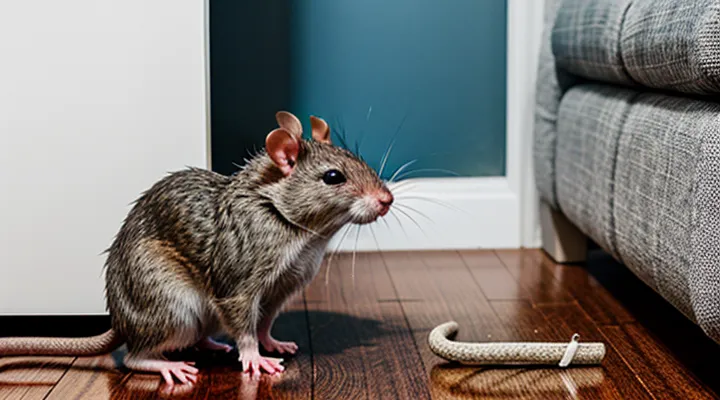
Understanding the Rat Problem
Signs of a Rat Infestation
Droppings and Urine
Droppings and urine are the most reliable signs that a rodent is present in a living space, and they pose immediate health concerns. Recognizing these signs early allows swift intervention and prevents the spread of disease.
Typical characteristics include dark, pellet‑shaped feces about half an inch long, often found near food sources, along walls, or in hidden corners. Urine appears as small, wet stains with a strong, ammonia‑like odor; it may darken fabrics or leave yellowish rings on hard surfaces.
Both waste products carry pathogens such as Hantavirus, Leptospira, and Salmonella. Inhalation of dried droppings or direct contact with contaminated surfaces can cause respiratory issues, fever, and gastrointestinal distress. Pets are equally vulnerable to infection.
Effective cleaning requires a systematic approach:
- Ventilate the area for at least 15 minutes; wear disposable gloves and a mask rated N95 or higher.
- Wet the droppings with a disinfectant solution (e.g., 1 part bleach to 10 parts water) to prevent aerosolization.
- Use paper towels or disposable cloths to pick up the waste; place them in a sealed plastic bag.
- Scrub the contaminated surface with the same bleach solution for a minimum of 10 minutes.
- Rinse with clean water and allow the area to dry completely before restoring any items.
Dispose of all contaminated materials in a sealed bag placed inside an outdoor trash container. Follow local regulations for hazardous waste if required. After removal, seal entry points, store food in airtight containers, and maintain regular inspections to prevent re‑infestation.
Gnaw Marks
Gnaw marks are the most reliable visual cue of a rodent presence in a dwelling. Their appearance on wood, plastic, wiring, or furniture indicates active feeding and nest‑building activity. Identifying the material, depth, and pattern of the bite helps determine the size of the intruder and the likely route of entry.
Typical characteristics include:
- Parallel V‑shaped incisions about ¼‑½ inch apart, matching the animal’s incisors.
- Clean cuts on soft materials such as foam or insulation; jagged edges on harder surfaces.
- Freshness indicated by bright, unweathered edges; older marks darken and may show frayed fibers.
When gnaw marks are discovered, immediate actions reduce the risk of damage and disease:
- Seal any openings larger than ¼ inch with steel wool, caulk, or metal flashing.
- Place snap or electronic traps along the identified pathways, positioning bait near the marks.
- Replace compromised wiring or insulation to prevent fire hazards.
- Maintain a clean environment: store food in sealed containers, eliminate water sources, and remove clutter that offers concealment.
Regular inspection of corners, baseboards, and behind appliances prevents unnoticed expansion of the infestation. Monitoring for new gnaw marks validates the effectiveness of control measures and signals when additional intervention is required.
Squeaking and Scratching Sounds
Squeaking and scratching noises are reliable indicators of rodent activity inside a dwelling. The high‑pitched squeak usually originates from a rat’s vocalizations during territorial disputes or when it feels threatened. Scratching sounds, heard through walls, ceilings, or floorboards, result from the animal’s claws on structural materials while it moves or gnaws.
Detecting these sounds early narrows the search area and speeds up eradication efforts. To pinpoint the source, follow a systematic approach:
- Silence all ambient noise, then listen from multiple positions in the apartment.
- Note the time of day when noises intensify; rats are most active at night.
- Identify the wall or floor section where the sound is loudest; this usually marks the location of a nest or travel route.
- Use a flashlight to inspect nearby voids, vents, and behind appliances for droppings, gnaw marks, or shredded material.
Once the activity zone is confirmed, implement proven control measures:
- Install snap traps or electronic traps directly adjacent to the identified spot; bait with peanut butter or dried fruit for maximum attraction.
- Seal entry points larger than a quarter‑inch with steel wool, caulk, or metal mesh to prevent re‑entry.
- Deploy ultrasonic repellents in the affected room; set them to operate continuously during nighttime hours when the noises peak.
- Reduce food availability by storing pantry items in airtight containers and promptly cleaning spills.
Regular monitoring after trap placement ensures that the population declines. Replace traps that have not captured a rat within a week, and re‑inspect the area for fresh sounds. Persistent squeaking or scratching after two weeks indicates that additional hiding places exist, requiring a repeat of the detection cycle.
Nests
Rats build nests in hidden, warm places where food and shelter are abundant. In an apartment, common nest sites include behind appliances, inside wall cavities, under flooring, and within cluttered storage areas. Identifying these locations is the first step toward eradication.
Inspect every room for signs of nesting material such as shredded paper, fabric, insulation, or dried droppings. Pay special attention to corners, behind furniture, and the tops of cabinets. Use a flashlight to examine dark spaces and a mirror to view behind objects without moving them.
Once a nest is located, follow a systematic removal process:
- Wear disposable gloves and a mask to avoid contact with pathogens.
- Remove all nesting material and place it in a sealed plastic bag.
- Disinfect the area with a solution of 1 part bleach to 9 parts water, allowing it to remain wet for at least five minutes.
- Dispose of the bag in an outdoor trash container that is emptied regularly.
- Seal any entry points identified during inspection with steel wool, caulk, or metal mesh to prevent re‑entry.
After cleaning, reduce the likelihood of new nests by eliminating food sources, maintaining a clutter‑free environment, and storing waste in sealed containers. Regularly monitor previously infested spots for fresh signs of activity, and repeat the removal steps if necessary. This disciplined approach eliminates existing nests and deters rats from establishing new ones in the living space.
Preparation for Rat Removal
Sealing Entry Points
Inspecting Walls and Floors
Inspecting walls and floors is a critical step when addressing a rodent problem in a dwelling. Begin by turning off lights and using a flashlight to scan all interior surfaces for fresh droppings, gnaw marks, or shredded material. Look for small holes or cracks near baseboards, behind appliances, and around plumbing fixtures; these are common entry points. Pay special attention to gaps at the junction of walls and floors, as rats often exploit these weaknesses to travel between rooms.
Next, check the underside of flooring if it is removable or accessible. Lift sections of laminate or pry up floorboards to uncover any nesting material, urine stains, or burrows. In carpeted areas, lift the edge to examine the subfloor for signs of movement. Use a thin probe or a stiff wire to feel for hidden tunnels behind drywall; a gentle push should reveal resistance if a passage exists.
Document each finding with photographs and note the exact location. This record helps prioritize repair work and provides evidence for pest‑control professionals. After identification, seal all openings with steel wool, caulk, or metal mesh, ensuring the material is durable enough to resist chewing. Replace damaged sections of drywall or flooring as needed, and clean affected areas with a disinfectant to eliminate scent trails that may attract additional rodents.
A concise checklist for inspection:
- Scan walls and baseboards for droppings and gnaw marks.
- Identify holes, cracks, or gaps larger than ¼ inch.
- Examine the underside of flooring and carpet edges.
- Probe behind drywall for concealed tunnels.
- Photograph and log each observation.
- Seal openings with chew‑resistant materials.
- Repair or replace compromised structural elements.
Thorough inspection creates a clear map of infestation pathways, enabling targeted remediation and reducing the likelihood of recurrence.
Checking Pipes and Vents
Inspecting all plumbing and ventilation systems is essential when eliminating a rat infestation in an apartment. Rats travel through concealed routes; pipes and vents provide direct pathways from walls, basements, and rooftops to living spaces. Identifying these access points prevents re‑entry after treatment.
Begin with visible pipe sections. Look for gaps around pipe sleeves, loose couplings, and cracked sealant. Use a flashlight to examine the interior of drain lines for gnaw marks or droppings. If a pipe runs through an exterior wall, verify that the exterior wall cap is intact and free of holes.
Next, evaluate vent openings. Check roof vents, bathroom exhaust fans, and laundry dryer vents for missing screens or torn flaps. Remove any debris that could conceal a nest and verify that vent covers are securely fastened.
Seal identified openings with materials that resist rodent chewing:
- Steel wool combined with expanding foam for small gaps
- Copper mesh or hardware cloth for larger openings
- Silicone-based sealant for seams around pipe joints
After sealing, monitor the sealed areas for signs of continued activity. Install motion‑activated cameras or use non‑toxic tracking powder to confirm that rats no longer use the inspected routes. Regular maintenance of pipes and vents reduces the likelihood of future infestations.
Repairing Gaps and Cracks
Rats enter apartments through openings as small as a quarter‑inch. Sealing these passages removes the primary route of access and forces the rodents to search elsewhere, reducing the likelihood of infestation.
Inspect walls, baseboards, pipe penetrations, vent covers, and window frames. Use a flashlight and a mirror to locate hairline cracks, gaps around electrical outlets, and spaces behind appliances. Mark each opening with a piece of tape for later reference.
Choose appropriate sealants based on the material being repaired:
- Expandable foam for large gaps around pipes and ducts.
- Silicone caulk for joints in tile, bathroom fixtures, and window frames.
- Acrylic latex filler for small cracks in drywall or plaster.
- Steel wool or copper mesh for holes larger than ¼ in before applying sealant, preventing rats from gnawing through.
Apply sealants in the following order:
- Clean the area; remove dust, debris, and loose material.
- Insert steel wool or mesh into openings larger than the sealant’s capacity.
- Fill the remaining space with the selected sealant, ensuring complete coverage.
- Smooth the surface with a putty knife or finger to eliminate air pockets.
- Allow the sealant to cure according to the manufacturer’s instructions before repainting or reinstalling fixtures.
After sealing, conduct a follow‑up inspection to verify that no gaps remain. Repeat the process quarterly or after any renovation work, as new cracks often appear over time. Maintaining a tight building envelope significantly diminishes rat activity and supports long‑term pest control.
Removing Food Sources
Storing Food in Airtight Containers
Storing food in airtight containers eliminates a primary attractant for rats, removing easy access to calories and encouraging the pests to leave the dwelling.
- Prevents scent leakage that guides rodents to kitchens.
- Blocks gnawing opportunities, reducing damage to packaging.
- Limits spillage, decreasing crumbs that serve as secondary food sources.
Choose containers made of heavy‑gauge plastic, glass, or metal with sealed lids that lock securely. Position them on shelves away from walls and avoid stacking items that could crush the seals. Transfer bulk items into smaller, individually sealed units to maintain airtight integrity after each use.
Inspect seals regularly for wear or deformation; replace compromised containers promptly. Clean interiors with hot, soapy water to remove residual odors that might still attract rodents. Consistent implementation of these practices supports broader rat‑control measures in an apartment setting.
Cleaning Up Spills and Crumbs
Keeping floors free of liquid spills and food crumbs eliminates the primary attractants that draw rats into a living space. Moisture creates a hospitable environment for rodents, while visible food sources signal an easy meal. Promptly wiping up any drips, cleaning up crumbs, and storing food in sealed containers reduces the likelihood that a rat will establish a foothold in the apartment.
- Immediately dry any wet surfaces with a disposable cloth or paper towel.
- Sweep or vacuum floors after each meal to capture loose particles.
- Mop with a mild detergent solution, then follow with a disinfectant that leaves no residue attractive to pests.
- Store pantry items in airtight containers; avoid open bags or boxes.
- Empty trash bins daily, and use lids that seal tightly.
Consistent execution of these practices removes the nutritional and hydration cues rats rely on, creating an environment that is inhospitable to infestation.
Disposing of Trash Properly
Proper trash management is a critical element of effective rat control in a flat. Food residues and organic waste provide a reliable food source for rodents; eliminating this source reduces attraction and sustenance.
Store waste in containers with tight-fitting lids. Ensure lids seal completely after each use to prevent odors from escaping and to block rat entry. Empty containers regularly—preferably daily for kitchen waste and at least twice weekly for other refuse—to avoid buildup.
Place garbage bins away from walls and corners. Rats use gaps and hidden routes; keeping bins in the center of a room or on a sturdy stand creates a clear barrier and makes it harder for them to reach the contents.
When disposing of trash outside the building, tie bags securely and use the designated collection points. Do not leave bags on balconies, stairwells, or near entry doors, as these locations serve as convenient staging areas for rodents.
Maintain cleanliness around disposal areas:
- Sweep floors and wipe surfaces after each meal preparation.
- Remove crumbs and spills promptly.
- Clean pet feeding stations and water dishes daily.
By adhering to these practices, residents eliminate the primary food incentive that draws rats into an apartment, thereby supporting broader pest‑elimination efforts.
Decluttering the Apartment
Reducing Hiding Spots
Reducing the number of places where a rat can hide is essential for effective control. Remove clutter from closets, under‑furniture spaces, and storage boxes. Keep items off the floor and store them in sealed containers; this eliminates dark, undisturbed areas that rats prefer.
Seal gaps and cracks in walls, baseboards, and around pipes. Use steel wool combined with caulk or expanding foam to block openings larger than a quarter‑inch. Install door sweeps on exterior doors and check vent covers for damage.
Maintain a clean environment to discourage nesting. Regularly vacuum corners, behind appliances, and beneath sinks. Dispose of garbage in tightly fitted lids and empty bins daily.
Practical steps to reduce hiding spots:
- Declutter storage areas; keep only necessary items.
- Store clothing and linens in sealed plastic bins.
- Repair damaged screens, vents, and chimney flues.
- Apply weatherstripping to windows and doors.
- Trim vegetation that contacts the building exterior.
By systematically eliminating concealed spaces, the apartment becomes inhospitable to rats, increasing the success of any trapping or exclusion efforts.
Eliminating Nesting Materials
Removing the materials rats use to build nests is a critical step in any rat‑control plan for a flat. Rats seek soft, insulated items such as shredded paper, fabric scraps, cardboard boxes, and insulation. Eliminating these resources eliminates the incentive to stay.
First, conduct a thorough sweep of all rooms, closets, and storage areas. Look for piles of newspaper, unused clothing, pet bedding, and discarded packaging. Collect any material that can be torn or shredded and place it in sealed, airtight bags before disposing of it in an outdoor trash container.
Second, protect items that must remain in the apartment. Store papers, documents, and fabrics in plastic containers with tight‑fitting lids. Wrap insulation or wiring with metal sheathing to prevent chewing.
Third, seal potential nesting sites. Use steel wool or copper mesh to fill gaps around pipes, vents, and wall openings. Apply a silicone‑based caulk to cracks in walls, floors, and baseboards.
Fourth, maintain a clean environment. Vacuum regularly, especially behind appliances and under furniture, to remove dust and debris that could serve as bedding. Empty garbage bins daily and keep lids closed.
Action checklist
- Inspect every room for soft, disposable items.
- Remove and bag all identified nesting materials.
- Store necessary items in sealed plastic containers.
- Block entry points with steel wool, copper mesh, or caulk.
- Perform daily cleaning and waste removal.
By systematically eradicating nesting materials and preventing future accumulation, the apartment becomes inhospitable to rats, supporting long‑term eradication efforts.
Proven Rat Removal Methods
Trapping Methods
Snap Traps
Snap traps offer rapid, humane termination of rats when installed correctly. The mechanism consists of a spring‑loaded bar that releases under tension, delivering a lethal blow to the animal’s head. This design eliminates the need for poison, reducing risk of secondary poisoning for pets and children.
To maximize capture rates, position traps along established rodent pathways: behind appliances, within wall voids, near garbage containers, and along baseboards. Rats travel close to walls, so aligning the trigger side of the trap with the wall increases contact probability. Secure traps on a flat surface; a slight tilt toward the wall can improve effectiveness.
Select bait that appeals to omnivorous rodents. Preferred options include:
- Peanut butter (small amount)
- Dried fruit or raisins
- Small pieces of cooked meat
- Commercial rodent attractant gels
Apply bait sparingly to the trigger plate; excess material may allow the rat to eat without activating the spring. Replace bait daily to maintain freshness and scent strength.
Safety considerations are essential. Wear thick gloves when handling traps to avoid accidental discharge. Place traps out of reach of children and non‑target animals, using lockable containers or elevated platforms if necessary. After a rat is caught, immobilize the spring with a wooden stick before disposal. Seal the carcass in a plastic bag, then discard according to local waste regulations.
Advantages of snap traps include:
- Immediate result, no waiting period for poison to act
- Low cost, reusable after each catch
- No chemical residues left in the dwelling
Limitations consist of the need for regular monitoring, potential for missed catches if placement is inaccurate, and the requirement for proper disposal to prevent disease transmission.
Incorporating snap traps into a comprehensive rat‑control plan—combined with sanitation, exclusion of entry points, and, if needed, professional assessment—provides a reliable solution for eradicating rats from an apartment environment.
Live Traps
Live traps provide a humane alternative to lethal control, allowing capture and relocation of rats without chemicals or poisons. The devices consist of a cage with a trigger mechanism that closes the door once the animal enters to reach bait.
Effective use of live traps requires careful selection, placement, and monitoring. Choose models with a sturdy frame, a secure latch, and a size large enough for an adult rat (approximately 10–12 inches long). Bait the trap with high‑protein foods such as peanut butter, cooked chicken, or fish, applying a small amount to the trigger plate to ensure the rat contacts the mechanism.
Place traps along established runways: near walls, behind appliances, in dark corners, and close to droppings or gnaw marks. Position the trap with the entry side facing the wall, as rats prefer to travel with their backs to a surface. Set one trap per suspected pathway; overcrowding reduces capture efficiency.
Check traps at least twice daily. A captured rat should be removed promptly to prevent stress and potential injury. When releasing, adhere to local regulations—many jurisdictions require release at least 100 feet from the residence and away from food sources. Release sites should provide shelter and water but lack easy access to human structures.
Pros of live traps:
- No risk of secondary poisoning for pets or children.
- Immediate verification of capture.
- Reusable, reducing long‑term costs.
Cons of live traps:
- Requires regular inspection and handling.
- Potential for the rat to escape if the latch fails.
- Relocation may introduce the pest to another property, raising ethical concerns.
Integrating live traps with complementary measures—such as sealing entry points, maintaining cleanliness, and eliminating food sources—maximizes the likelihood of complete eradication.
Electronic Traps
Electronic traps provide a rapid, humane solution for eliminating rats in residential units. They operate by delivering a high‑voltage shock that instantly kills the rodent when it contacts the conductive plates. The devices are battery‑powered or plug‑in models, allowing placement without dependence on external wiring.
Key characteristics:
- Immediate lethality – shock kills within seconds, preventing suffering and reducing the chance of disease transmission.
- Reusable chambers – after a kill, the interior can be emptied, cleaned, and redeployed, eliminating recurring purchase costs.
- Silent operation – most units emit no audible alerts, preserving apartment tranquility.
- Safety features – insulated exteriors and automatic shut‑off prevent accidental contact with humans or pets.
Effective deployment requires strategic positioning:
- Identify high‑traffic routes such as behind appliances, along baseboards, and near food storage areas.
- Place traps perpendicular to the wall, with the entry side facing the expected direction of travel.
- Ensure a clear line of sight to the bait compartment; obstructed views reduce capture rates.
- Maintain a distance of at least 12 inches from electrical outlets or water sources to avoid interference.
Maintenance protocol:
- Remove carcasses daily to prevent odor buildup.
- Replace batteries or check power supply weekly; a low‑charge indicator signals reduced efficacy.
- Clean contact plates with a mild detergent to preserve conductivity.
Cost considerations:
- Initial investment ranges from $30 to $120 per unit, depending on capacity and power source.
- Long‑term expenses are limited to consumables (batteries, cleaning supplies), making electronic traps economical compared with disposable snap traps.
When integrated with sanitation measures—sealing entry points, storing food in sealed containers, and regular waste removal—electronic traps become a reliable component of a comprehensive rat control strategy in apartments.
Proper Trap Placement
Effective rat control in an apartment hinges on strategic trap positioning. Identify the rodent’s pathways by observing droppings, gnaw marks, and food residue. Place traps directly in these corridors, typically within 12–18 inches of a wall, because rats travel close to vertical surfaces.
Key placement guidelines:
- Position traps perpendicular to the wall, with the trigger end facing the wall, ensuring rats encounter the mechanism while moving along the edge.
- Set traps near known food sources, such as pantry shelves, garbage bins, or behind appliances, but keep a safe distance from open areas where rats are unlikely to travel.
- Deploy multiple traps at intervals of 2–3 feet along a single run to increase capture probability.
- Secure traps on stable surfaces; use adhesive or anchoring devices to prevent displacement by the animal’s strength.
- Rotate trap locations every 48 hours if no capture occurs, focusing on new sections of the established routes.
Maintain a clean environment to amplify trap effectiveness. Remove clutter that could obscure trap visibility and ensure that bait remains fresh, replacing it regularly to sustain attraction. Consistent monitoring and adjustment of trap positions sustain pressure on the infestation and accelerate elimination.
Baits and Lures
Types of Bait
Effective rat control in an apartment relies on selecting the appropriate bait. Bait choice influences attraction, lethality, and safety for residents and pets.
Common bait categories include:
- Rodenticides – anticoagulant pellets (e.g., bromadiolone, difenacoum) that cause internal bleeding after ingestion; require secure placement to prevent accidental exposure.
- Food‑based baits – high‑protein or high‑fat items such as peanut butter, dried fruit, or canned fish; suitable for snap or live‑capture traps and pose minimal toxicity.
- Scented attractants – synthetic pheromones or natural oils (e.g., peppermint, castor oil) that enhance detection by rats; used in combination with other baits to increase capture rates.
- Pre‑bated traps – commercially prepared stations containing a measured dose of poison and a tamper‑resistant housing; simplify deployment and limit waste.
When deploying bait, position stations along wall edges, near suspected runways, and away from food preparation areas. Rotate bait types every two weeks to prevent habituation. Monitor placement daily, replace expired or depleted bait promptly, and document activity to assess effectiveness.
Bait Safety for Pets and Children
When eliminating rats in a residence, the choice and handling of bait demand strict attention to the safety of pets and children. Toxic rodenticides can cause rapid, potentially fatal poisoning if ingested unintentionally, making proper placement and containment a critical component of any control program.
Most commercially available baits contain anticoagulants, bromethalin, or zinc phosphide. Each agent presents a distinct risk profile: anticoagulants interfere with blood clotting, bromethalin disrupts nerve function, and zinc phosphide releases phosphine gas when moistened. All are hazardous to non‑target species, especially small mammals and young children who may mistake bait stations for food.
Safety measures
- Install bait stations that lock securely, allowing only the target rodent to enter.
- Position stations at least 2 m above floor level or behind appliances where pets cannot reach.
- Use tamper‑resistant containers for any loose bait; keep them sealed until deployment.
- Record the exact location of each station in a written log; revisit regularly to verify integrity.
- Keep the area around each station clear of food debris, toys, and pet supplies.
Additional precautions include storing unused bait in a locked cabinet, away from heat sources, and labeling the container with hazard warnings in clear language. For households with particularly vulnerable occupants, consider non‑chemical alternatives such as snap traps, electronic traps, or exclusion techniques that seal entry points, thereby reducing reliance on poisonous baits.
Bait Stations
Bait stations provide a controlled environment for delivering rodenticide directly to rats while limiting exposure to non‑target animals and humans. The devices consist of a sealed container with a small entry hole, a bait matrix, and a tamper‑resistant latch.
- Choose a station certified for indoor use; plastic models with snap‑tight lids meet most building‑code requirements.
- Select anticoagulant or bromethalin bait formulated for rats; ensure the active ingredient matches local pest‑control regulations.
- Place stations along walls, behind appliances, and in dark corners where rat activity has been observed. Position them 2–3 feet above the floor to avoid accidental contact by pets.
- Maintain a distance of at least 10 feet from food preparation surfaces, sinks, and garbage bins.
- Inspect stations weekly; replace depleted units and record the number of stations removed or empty.
Proper sealing prevents rats from removing bait, reduces the risk of secondary poisoning, and facilitates documentation required for integrated pest‑management programs. When used according to label instructions, bait stations offer an efficient, discreet method for eliminating rat infestations in residential units.
Natural Deterrents
Peppermint Oil
Peppermint oil is a natural repellent that can deter rats from entering an apartment. The oil’s strong menthol scent overwhelms a rat’s sensitive olfactory system, making the environment unpleasant and prompting the animal to seek alternative shelter.
Effective use requires proper preparation and placement:
- Dilute 10‑15 drops of peppermint essential oil in 250 ml of water; add a few teaspoons of mild dish soap to emulsify.
- Soak cotton balls or reusable cloth pads in the solution.
- Position the saturated pads in high‑risk zones: behind appliances, inside cabinets, near entry points, and along wall cracks.
- Replace pads every 3–4 days to maintain potency.
Safety considerations include avoiding direct skin contact with undiluted oil and keeping the solution away from pets, children, and food preparation surfaces. While peppermint oil can reduce rat activity, it does not eliminate an established infestation; combine it with trapping, sealing entry points, and professional pest control for comprehensive results.
Ammonia
Ammonia is a volatile compound that produces an odor rats find highly aversive. The scent interferes with their olfactory receptors, causing discomfort and prompting avoidance of treated areas.
Effective deployment involves the following steps:
- Soak cotton balls or small fabric pieces in undiluted ammonia.
- Position the saturated material in concealed locations where rat activity is observed, such as behind appliances, inside wall voids, and near entry points.
- Replace the cotton balls every two to three days to maintain potency.
- For broader coverage, fill a spray bottle with a mixture of one part ammonia to three parts water, apply to floor edges, baseboards, and potential nesting sites; avoid direct contact with surfaces that may be damaged by the acid.
Safety considerations are mandatory. Use protective gloves and eye protection when handling ammonia. Ensure adequate ventilation to prevent respiratory irritation for occupants. Store the chemical out of reach of children and pets, and never combine it with bleach or other cleaners, as hazardous gases may form.
When integrated with other control measures—such as sealing entry points and eliminating food sources—ammonia can reduce rat presence without the need for lethal traps. Regular monitoring confirms efficacy and informs adjustments to placement or frequency.
Ultrasonic Devices
Ultrasonic devices are a widely marketed option for eliminating rats from residential dwellings without chemicals. They generate sound waves above 20 kHz, a frequency inaudible to humans, that interferes with a rodent’s auditory and nervous systems, causing discomfort and prompting avoidance of the area.
Effective deployment requires strategic positioning. Follow these guidelines:
- Place units on each level of the apartment; one device per 500 sq ft is a common recommendation.
- Locate devices near known entry points, such as gaps under doors, utility openings, and pantry thresholds.
- Keep a minimum distance of 1 m from walls and large furniture to prevent signal blockage.
- Ensure unobstructed line of sight between the emitter and the target zone; avoid covering the unit with carpet or décor.
- Connect plug‑in models to continuous power; battery‑operated units should have fresh batteries checked monthly.
Research indicates that ultrasonic emitters can reduce rat activity by 30‑60 % when used as part of an integrated pest‑management plan that includes sanitation, sealing of entry points, and trapping. Results vary according to building layout, clutter, and species tolerance; some rats may become desensitized after several weeks of exposure.
Limitations include rapid attenuation of sound through walls, furniture, and insulation, which restricts the effective radius. Devices lose efficacy in heavily furnished rooms and cannot reach concealed voids such as crawl spaces. Additionally, ultrasonic output does not affect larger mammals, but small pets (e.g., hamsters, guinea pigs) may experience stress if exposed.
Safety considerations are minimal for adults and most pets; the frequencies used do not impact human hearing. Nevertheless, avoid installing units in infant nurseries or near sensitive audio equipment, as some devices emit a faint audible hum.
Maintenance involves periodic inspection of power sources, cleaning dust from speaker grills, and replacement of units every two to three years, as emitter efficiency declines with age. Prices range from $30 for basic plug‑in models to $120 for advanced units with adjustable frequency settings.
Professional Extermination Services
When to Call an Exterminator
If rats persist despite traps, sanitation, and sealing of entry points, professional intervention becomes necessary. Delaying at this stage increases health risks, property damage, and the likelihood of infestation spreading to neighboring units.
Key indicators that warrant contacting a licensed exterminator:
- Multiple active burrows or nesting sites identified inside walls, ceilings, or concealed spaces.
- Continuous droppings, urine stains, or gnaw marks observed over several weeks.
- Presence of baby rats (pups) or a sudden increase in sightings, suggesting an established breeding colony.
- Failure of DIY control methods after two to three weeks of consistent effort.
- Evidence of structural damage caused by chewing, such as compromised wiring, insulation, or plumbing.
- Reports of allergic reactions, asthma exacerbations, or other health concerns linked to rodent exposure.
When these conditions arise, a certified pest‑management professional can assess the infestation, implement integrated control measures, and ensure compliance with local health regulations. Prompt engagement minimizes long‑term costs and safeguards the living environment.
What to Expect from Professionals
When you hire a pest‑control service to eliminate a rat in an apartment, the provider follows a defined sequence of actions. First, a certified technician conducts a thorough inspection, locating entry points, nesting sites, and signs of activity such as droppings or gnaw marks. The inspection includes identification of species, assessment of infestation size, and evaluation of structural vulnerabilities that may allow re‑entry.
Based on the inspection, the professional presents a written treatment plan. The plan specifies the methods to be used—e.g., snap traps, live‑catch devices, bait stations, or exclusion work—along with safety precautions for occupants and pets. Cost estimates, expected duration, and any required preparation by the tenant (such as clearing clutter) are detailed in the document.
During the treatment phase, technicians install devices according to the plan, seal gaps, and apply rodent‑proofing materials where necessary. All products comply with local health regulations, and technicians wear protective equipment to minimize exposure. The service includes labeling of traps and baits, clear instructions for residents, and a record of device placement.
After the initial intervention, the provider schedules a follow‑up visit. This visit verifies trap captures, monitors bait activity, and assesses whether additional measures are needed. If the infestation persists, the technician adjusts the strategy and may replace or reposition devices. Many companies offer a guarantee period during which further service is provided at no extra charge if rat activity resumes.
Typical expectations from a professional rat‑removal service:
- Detailed inspection report with photographs and identified entry points.
- Written treatment plan outlining methods, safety measures, timeline, and cost.
- Proper installation of approved traps or bait stations, with clear labeling.
- Sealing of structural gaps to prevent future infestations.
- Follow‑up visit within a specified timeframe to confirm success.
- Written guarantee covering a defined post‑treatment period.
- Documentation of all actions taken, provided to the tenant or property manager.
Understanding these elements ensures that the chosen provider delivers effective, compliant, and accountable rat control.
Post-Removal Sanitation
Cleaning Up Rat Droppings and Urine
Safety Precautions
When attempting to eradicate a rat from a residential unit, prioritize personal and environmental safety.
- Wear disposable gloves and a face mask to prevent contact with urine, feces, and pathogens.
- Use long‑sleeved clothing and sturdy shoes to shield skin from bites and scratches.
- Ensure adequate ventilation if employing chemical rodenticides; open windows and keep the area free of children and pets.
- Place snap traps or live‑capture devices away from high‑traffic zones; secure them to prevent accidental activation.
- Store all bait, traps, and toxic agents in locked containers out of reach of non‑target occupants.
- Dispose of dead rodents in sealed bags, then place them in an outdoor trash receptacle; sanitize the bag exterior before handling.
After removal, clean contaminated surfaces with a disinfectant approved for rodent control. Replace bedding, food containers, and any compromised packaging. Maintain a clutter‑free environment to eliminate hiding places and reduce future infestations.
Disinfection Procedures
After eliminating a rat, thorough disinfection prevents disease transmission and deters future infestations. Begin by ventilating the affected area for at least 30 minutes; open windows and use fans to disperse airborne contaminants.
Remove all visible debris—droppings, urine stains, gnaw marks, and nesting material—using disposable gloves and a sealed plastic bag. Place the bag in an outdoor trash container immediately to avoid cross‑contamination.
Apply an EPA‑registered disinfectant to all surfaces the rodent contacted. Recommended products include quaternary ammonium compounds, hydrogen peroxide (3–5 %), or bleach solutions (1 part bleach to 9 parts water). Follow manufacturer instructions for concentration, contact time, and safety precautions. Use a spray bottle or mop for even coverage; ensure the disinfectant remains wet for the required dwell period, typically 5–10 minutes.
For porous items such as upholstery, carpet, or insulation that cannot be adequately treated, discard them. If disposal is not feasible, subject the items to steam cleaning at a minimum temperature of 160 °F (71 °C) for at least 30 seconds per surface.
After treatment, clean reusable tools with detergent, rinse, and disinfect them before storage. Wash hands thoroughly with soap and water after removing gloves, even if no visible contamination remains.
Finally, monitor the area for residual odors or signs of rodent activity. Repeat the disinfection process if new evidence appears, maintaining a clean environment to reduce health risks.
Preventing Future Infestations
Ongoing Maintenance
Effective long‑term control of rodent activity depends on disciplined upkeep after the initial eradication.
- Inspect walls, floors, and ceilings weekly for new gaps; close any opening larger than ¼ inch with steel wool, copper mesh, or expanding foam.
- Repair damaged screens, vents, and utility penetrations promptly; replace weather stripping on doors and windows.
Maintain a clean environment that eliminates food and shelter. Store pantry items in airtight containers, clean crumbs and spills immediately, and dispose of garbage in sealed bins. Keep pet food off the floor and remove water sources that could attract rodents.
Schedule monthly visual surveys of hidden areas such as basements, crawl spaces, and attics. Look for fresh droppings, gnaw marks, or urine stains; document findings to track patterns.
Employ monitoring devices continuously. Place snap or electronic traps in high‑risk zones, check them at least twice a week, and refresh bait with unattractive, non‑toxic attractants. Record capture dates and locations to identify persistent hotspots.
Rotate trap placement quarterly to prevent habituation. Replace worn or damaged equipment promptly, and dispose of captured rodents according to local health regulations.
Adhering to this systematic maintenance routine sustains a rat‑free apartment and reduces the likelihood of future infestations.
Regular Inspections
Regular inspections form the backbone of an effective rodent control program in any dwelling. By systematically checking vulnerable areas, you detect early signs of infestation and intervene before populations expand.
A practical inspection routine includes:
- Frequency: Conduct a thorough walkthrough once a month; increase to weekly during peak activity periods (late summer to early autumn).
- Entry points: Examine gaps around pipes, vents, windows, and doors. Measure openings; seal any gap wider than ¼ inch with steel wool, caulk, or metal flashing.
- Food sources: Inspect pantry shelves, trash bins, and countertop surfaces for spilled crumbs or unsealed containers. Remove accessible food and store items in airtight containers.
- Nesting sites: Look under appliances, inside cabinets, and within wall voids for shredded material, droppings, or gnaw marks. Record location and severity.
- Signs of activity: Identify fresh droppings (dark, ½‑inch long), urine stains, and rub marks along walls. Use a flashlight to spot nocturnal pathways.
- Structural damage: Check for gnawed wood, wiring, or insulation, which may indicate ongoing burrowing. Repair damage promptly to eliminate shelter.
Document each visit with a checklist, noting observed issues, corrective actions taken, and dates. Maintaining this record enables trend analysis and informs decisions about additional measures, such as traps or bait stations. Consistent, detailed inspections reduce the likelihood of a rat establishing a permanent presence in the apartment.