
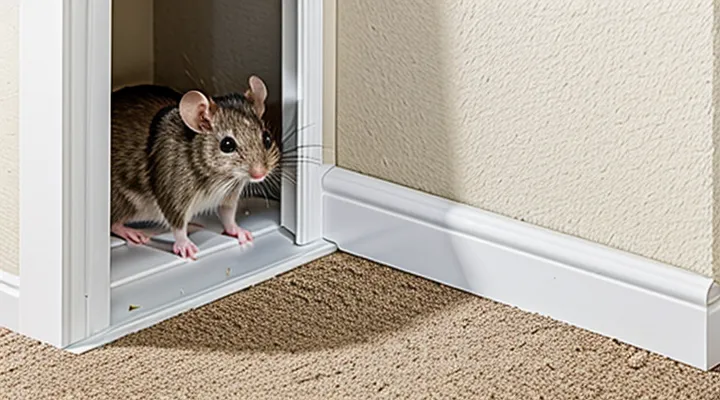
Understanding the Problem: Why Mice Enter and Why Gaps Matter
Common Entry Points for Rodents
Small Cracks and Holes
Small cracks and holes along the junction of wall framing and drywall provide direct entry points for rodents. Even gaps as narrow as a pencil lead allow mice to squeeze through, making thorough sealing essential for effective exclusion.
Begin by inspecting the entire perimeter where the wall meets the drywall. Use a bright flashlight and a thin probe to locate fissures, nail holes, and gaps around electrical boxes, pipe sleeves, and trim. Mark each opening with a piece of masking tape for systematic treatment.
Select a sealant that adheres to both wood and gypsum. Polyurethane caulk offers flexibility and durability; for larger voids, expanding spray foam fills depth before a finishing coat of caulk is applied. Apply sealant directly into the crack, pushing material to the far side with a putty knife or disposable tool. Smooth the surface flush with the surrounding wall to prevent moisture accumulation.
After curing, verify integrity by running a thin wire or smoke pencil along the sealed line. Any residual openings require reapplication. Regularly repeat the inspection after seasonal changes to maintain a rodent‑proof barrier.
Utility Penetrations
Utility penetrations are openings created for electrical wiring, plumbing, HVAC, and other services that pass through the junction of wall framing and drywall. These gaps provide direct pathways for rodents, especially mice, to move from exterior spaces into interior rooms. Because the penetrations often lack uniform dimensions, they can be overlooked during standard construction inspections.
To block these entry points effectively:
- Identify all penetrations with a visual inspection and a flashlight; prioritize those near the floor and foundation.
- Apply a high‑quality, rodent‑resistant sealant (e.g., silicone‑based or polyurethane caulk) around the edges of each pipe, conduit, or cable.
- Insert expanding foam designed for pest control into larger voids, allowing it to cure fully before trimming excess.
- Fit metal or PVC sleeves around pipes, then secure them with stainless‑steel mesh or metal flashing to create a durable barrier.
- For recessed junctions, install a thin sheet of cement board or rigid insulation, then tape and mud the seams to match the surrounding drywall.
Regular maintenance includes checking seals after seasonal temperature changes, re‑applying caulk where it cracks, and verifying that new utility installations receive the same treatment. Prompt repair of any discovered gaps prevents mice from establishing a foothold and reduces the need for extensive remediation later.
Wall-Drywall Intersections
Sealing the junction where structural walls meet drywall eliminates the primary entry points that rodents exploit. Gaps often appear at the top and bottom plates, around electrical boxes, and where drywall edges terminate. These openings can be as narrow as a quarter‑inch yet provide sufficient clearance for mice.
Effective sealing requires the following materials and actions:
- Rigid foam backer – cut to fit the length of the gap; provides structural support for sealant.
- Expanding polyurethane foam – fills larger voids, expands to conform to irregular shapes, and hardens into a durable barrier.
- Silicone or acrylic caulk – applied over foam and along seam lines to create a flexible, weather‑resistant seal.
- Metal or copper flashing – installed over high‑traffic joints (e.g., around door frames) to resist gnawing.
- Inspection and maintenance – periodic visual checks and reapplication of sealant where wear occurs.
Procedure:
- Remove loose debris and any existing deteriorated caulk from the wall‑drywall interface.
- Insert rigid foam backer into the gap, ensuring it sits flush with the surrounding surfaces.
- Apply expanding foam into the remaining space, allowing it to expand fully before trimming excess.
- Run a continuous bead of silicone or acrylic caulk over the filled joint, smoothing it with a putty knife to eliminate air pockets.
- For vulnerable sections, affix flashing using construction adhesive and fasteners, then seal the edges with caulk.
- Label the treated areas for future reference and schedule inspections every six months.
By consistently applying these steps, the wall‑drywall intersection becomes a solid, mouse‑proof barrier, reducing the likelihood of infestation and protecting the interior environment.
Risks Associated with Rodent Infestations
Health Hazards
Mice entering through unsealed gaps between structural walls and drywall introduce a range of health risks. Their urine, feces, and saliva contain pathogens such as Hantavirus, Leptospira, and Salmonella, which can contaminate indoor surfaces and become airborne when disturbed. Inhalation of aerosolized particles can cause respiratory infections, allergic reactions, and exacerbate asthma. Direct contact with contaminated materials may lead to skin irritation or gastrointestinal illness.
Rodent infestations also promote the growth of mold and mildew. Moisture trapped in crevices creates an environment conducive to fungal proliferation, releasing spores that aggravate allergic responses and trigger chronic sinusitis. The combination of rodent droppings and fungal spores increases the likelihood of hypersensitivity pneumonitis, a potentially serious lung condition.
Secondary hazards arise from the materials used to seal gaps. Some sealants emit volatile organic compounds (VOCs) during curing, which irritate eyes, nose, and throat and may impair lung function. Prolonged exposure to high‑VOC products can contribute to headaches, dizziness, and reduced cognitive performance. Selecting low‑VOC, non‑toxic sealants mitigates these risks.
Key health concerns associated with untreated wall‑drywall openings include:
- Transmission of rodent‑borne diseases (Hantavirus, Leptospira, Salmonella)
- Respiratory irritation from aerosolized droppings and mold spores
- Allergic sensitization and asthma exacerbation
- Chemical exposure from inappropriate sealing agents
Addressing the gaps promptly with appropriate, low‑emission sealants eliminates the primary vector for rodent entry, thereby reducing the exposure to biological contaminants and chemical irritants that threaten occupants’ health.
Property Damage
Mice exploit unsealed seams between framing and sheetrock, leading to costly property damage. Their gnawing compromises structural components, damages insulation, and creates pathways for moisture and pests. Electrical wiring behind gaps can be chewed, resulting in short circuits, fire hazards, and expensive repairs. Contamination from droppings and urine deteriorates interior finishes, requiring replacement of drywall, paint, and flooring. Water intrusion follows when rodents enlarge openings, allowing rain or condensation to seep into wall cavities, fostering mold growth and weakening support beams.
To protect the building, address the gaps with a systematic sealing process:
- Identify all openings larger than ¼ inch using a flashlight and tactile inspection.
- Apply steel wool or copper mesh into each gap to deter chewing.
- Cover the filler with a high‑quality, rodent‑resistant sealant or expanding foam rated for pest control.
- Finish with a thin layer of joint compound and sanding to match surrounding wall surface.
Completing these steps eliminates entry points, preserves structural integrity, and prevents the cascade of damage that rodents otherwise cause.
Psychological Impact
Sealing openings where the wall meets drywall removes a common entry point for rodents, directly influencing occupants’ mental state. The absence of visible holes eliminates a persistent source of worry, allowing individuals to focus on daily tasks without the distraction of potential infestation. This reduction in uncertainty translates into lower stress levels and a more stable emotional environment.
Key psychological benefits include:
- Decreased anxiety caused by fear of hidden pests.
- Enhanced sense of control over the living space.
- Improved sleep quality due to reduced nighttime disturbances.
- Greater confidence in the safety and cleanliness of the home.
When gaps are properly filled, the environment becomes predictably secure, reinforcing a feeling of order that supports overall well‑being. The mental relief gained from proactive maintenance often outweighs the physical effort required to close the gaps.
Preparing for Gap Sealing
Tools and Materials Required
Sealants and Fillers
Sealants and fillers provide the most reliable barrier against rodent intrusion in the junction where structural walls meet drywall. Selecting the appropriate product, preparing the opening, and applying the material correctly eliminate entry points that mice exploit.
Common sealants for this purpose include:
- 100 % silicone caulk – remains flexible, adheres to wood, metal, and plaster, resists moisture.
- Polyurethane sealant – higher tensile strength, closes larger cracks, cures to a durable elastomer.
- Acrylic latex caulk – easy cleanup, suitable for small gaps, less resistant to movement.
Typical fillers used to pack voids before sealing are:
- Low‑expansion spray foam – expands to fill irregular spaces, hardens to a semi‑rigid plug.
- Cement‑based mortar – blends with sand, fills shallow recesses, bonds to masonry.
- Wood‑based putty – fills gaps in timber framing, sands smooth for final coating.
Application procedure:
- Remove loose debris, dust, and any existing insulation from the gap.
- Insert a backer material (foam board or thin plywood) if the opening exceeds ¼ inch to provide a firm surface.
- Apply filler material, pressing it firmly to eliminate voids; overfill slightly to allow for shrinkage.
- Smooth the filler flush with the surrounding surface; let it cure according to the manufacturer’s time‑frame.
- Run a bead of sealant along the joint, covering the filler completely; tool the bead for a continuous seal.
- Inspect for gaps after curing; reapply sealant to any detected imperfections.
Using the right combination of filler to block the cavity and flexible sealant to seal the surface creates a permanent, mouse‑proof barrier. Regular visual checks after installation ensure the integrity of the seal remains intact over time.
Application Tools
When sealing the junction between a structural wall and drywall to block rodent infiltration, the choice of application tools directly influences the durability of the repair.
- Caulking gun equipped with a smooth‑flow cartridge delivers consistent bead thickness for silicone or acrylic sealants.
- Utility knife with a retractable blade trims excess sealant and cuts backer material to precise dimensions.
- Putty knife (3‑inch flexible blade) spreads expanding foam or epoxy paste evenly, ensuring complete contact with irregular surfaces.
- Foam spray gun or handheld applicator provides controlled expansion of polyurethane foam, filling voids without over‑pressurizing the gap.
- Power drill fitted with a rotary brush removes loose debris and smooths old mortar before new material is applied.
- Measuring tape and laser level verify gap width and alignment, preventing under‑ or over‑filling.
- Flashlight with adjustable focus illuminates concealed crevices, allowing thorough inspection of the work area.
- Protective gloves and safety goggles shield the operator from chemical exposure and debris.
Each tool serves a specific function: the caulking gun ensures a uniform sealant line; the utility knife prepares the substrate; the putty knife and foam applicator distribute filler material; the drill brush cleans the surface; measuring devices guarantee dimensional accuracy; illumination and personal protective equipment maintain safety and visibility throughout the process. Proper deployment of these instruments results in a seamless barrier that resists mouse intrusion over the long term.
Personal Protective Equipment
When sealing wall‑to‑drywall openings to block rodent intrusion, appropriate personal protective equipment protects the worker and ensures a clean, safe repair.
Wear chemical‑resistant gloves to prevent skin contact with sealants, caulks, and any cleaning solvents. Choose gloves that fit snugly, allowing dexterity for precise application.
Use safety glasses or goggles with impact‑resistant lenses. Sealants can spray or splash, and dust generated during surface preparation may irritate eyes.
A disposable respirator or a half‑mask equipped with P100 filters shields the respiratory system from aerosolized particles, volatile organic compounds, and dust. Verify that the respirator fits securely before each use.
Select a disposable coverall or a reusable work shirt made of tightly woven fabric. The garment should cover the torso and arms, reducing the risk of contaminant transfer to personal clothing.
If power tools are employed for cutting or sanding, insert earplugs or earmuffs to attenuate noise levels. Continuous exposure to high decibel output can cause hearing damage.
Consider a pair of slip‑resistant safety shoes. Working on ladders or scaffolding near the wall base demands stable footing to prevent falls.
Recommended PPE checklist
- Chemical‑resistant gloves
- Safety glasses or goggles
- P100 respirator (or equivalent)
- Coverall or work shirt
- Ear protection
- Slip‑resistant footwear
Inspect each item before entry into the work area. Replace damaged or expired equipment immediately. Proper PPE use minimizes health hazards and contributes to an effective, uninterrupted sealing process.
Inspection and Assessment of Gaps
Identifying Active Entry Points
Identifying where mice are actually entering the space between the structural wall and interior paneling is essential before any sealing work begins. Direct observation of gnaw marks, droppings, or shredded material near the junction reveals the most likely routes. Look for fresh gnaw scars on wood, plastic, or insulation, and note any gaps where the drywall meets the framing studs.
- Conduct a visual sweep of the entire perimeter, focusing on corners, utility penetrations, and where pipes or wires pass through.
- Apply a fine powder or non‑toxic dust along suspected seams; disturbed patterns indicate recent traffic.
- Use a flashlight at night to spot movement or listen for scratching sounds within concealed cavities.
- Check for condensation or moisture stains, which often accompany active entry points because rodents seek humid environments.
Distinguish active openings from dormant ones by the presence of recent evidence such as fresh droppings, urine stains, or audible activity. Dormant gaps may show older gnaw marks but lack current signs. Prioritize sealing of openings that display fresh indicators, as they represent immediate risk.
After confirming active routes, plan repair materials and techniques that match the gap size and location. Small cracks can be filled with caulk, while larger voids may require steel mesh and expanding foam to ensure a durable barrier against further intrusion.
Estimating Gap Sizes
Accurately assessing the opening between the structural wall and the drywall is essential for effective rodent exclusion. Begin by selecting a reliable measuring device—prefer a steel ruler, tape measure, or digital caliper for precision. Insert the tool into the gap at several points to capture variations; record the narrowest and widest dimensions. Most mouse entryways range from ¼ inch (6 mm) to ½ inch (13 mm), but cracks can exceed an inch in older constructions.
When documenting measurements, note:
- Length of the gap along the wall.
- Height from floor to ceiling.
- Any irregularities such as jagged edges or offset joints.
Convert all figures to a single unit before calculating total area. Multiply length by average width to estimate the surface that requires sealing. For gaps larger than ½ inch, consider using a combination of steel wool and caulking, while openings under ¼ inch can be closed with expanding foam.
Finally, compare the calculated area with the coverage specifications of the chosen sealant. Choose a product whose rated coverage exceeds the estimate by at least 20 % to accommodate absorption and uneven surfaces, ensuring a complete barrier against rodent infiltration.
Assessing Drywall Condition
Inspecting the drywall before sealing any openings is essential for a durable rodent barrier. Cracks, water damage, or loose panels create entry points that simple sealants cannot cover. Identifying these flaws prevents future repairs and ensures the sealant adheres properly.
To evaluate drywall condition, follow these steps:
- Visually scan the joint between the wall and drywall for hairline cracks, gaps, or missing tape.
- Run a gloved hand along the seam; feel for soft spots, bulges, or loosened sections.
- Use a flashlight to highlight shadowed areas that may hide water stains or mold.
- Tap the surface lightly with a screwdriver; a hollow sound indicates compromised backing.
- Document each defect with a photo or note, marking its location for later repair.
After cataloging damage, prioritize repairs. Replace severely cracked sections, remove mold-affected drywall, and reattach loose panels with appropriate screws. Apply joint compound and sanding to restore a smooth surface. Only then apply sealant or filler to the gap, guaranteeing a tight, long‑lasting seal that blocks mouse ingress.
Methods for Sealing Gaps
Small Gaps and Cracks
Caulk Application Techniques
Apply caulk where the wall meets the drywall to eliminate rodent access. Begin with a clean, dry surface; remove dust, paint chips, and loose material using a utility knife or brush. Select a polymer‑based, rodent‑resistant sealant that remains flexible after curing; silicone‑latex blends provide adhesion to both plaster and wood framing.
Use a caulk gun fitted with a smooth‑flow cartridge. Cut the nozzle at a 45‑degree angle, creating an opening slightly smaller than the gap width. Squeeze steady pressure to fill the void, advancing the gun along the seam without stopping. Overfill slightly to allow for smoothing.
Smooth the bead immediately with a damp fingertip or a caulk‑smoothing tool, pressing the material into the crevice and shaping a concave profile that adheres to both surfaces. Remove excess before the sealant skins over, typically within 5–10 minutes.
Allow the sealant to cure according to the manufacturer’s specifications, usually 24 hours for full elasticity. After curing, inspect the joint for cracks or gaps; reapply caulk where needed. Regularly check the sealed area, especially after seasonal temperature changes, to maintain an uninterrupted barrier against mouse intrusion.
Expanding Foam Usage
Expanding foam provides a rapid, durable seal for openings where the structural frame meets the interior paneling. Select a low‑expansion, paintable product designed for interior use; high‑expansion formulas can exert pressure that cracks surrounding material.
Apply the foam with a straw attachment, inserting the tip into the gap no deeper than the foam’s recommended fill depth. Fill the space to approximately two‑thirds of its width; the material expands to occupy the remainder, eliminating voids that rodents could exploit. Avoid over‑filling, which creates bulges that may later detach.
After the foam cures—typically 8–10 minutes for most brands—trim excess with a utility knife flush with the surrounding surface. Sand the trimmed area if a smooth finish is required before applying paint or other finish coats.
Inspect the sealed joint for any residual openings, especially at corners and where multiple materials intersect. Reapply foam to any missed spots, allowing each layer to cure fully before further treatment.
Safety considerations include wearing gloves and eye protection, ensuring adequate ventilation, and keeping the product away from open flames, as most foams are flammable until fully cured. Store unopened cans in a cool, dry place to maintain performance.
Steel Wool Insertion
Steel wool provides a reliable barrier for openings where a wall meets drywall, preventing rodents from exploiting the space.
To apply steel wool effectively, follow these steps:
- Choose a grade of 3‑ to 4‑wire steel wool; the thickness resists chewing while allowing compression.
- Clean the gap of debris, dust, and loose material.
- Pack the steel wool tightly into the opening, ensuring no voids remain.
- Secure the packed material with a thin bead of silicone or acrylic caulk to hold it in place and protect against moisture.
Additional measures improve durability:
- Use a metal mesh or copper‑coated wire netting over the steel wool before caulking for extra reinforcement.
- Trim excess wool flush with the surrounding surface to avoid protrusions that could catch on tools or clothing.
Safety precautions are essential:
- Wear cut‑resistant gloves to prevent injury from sharp fibers.
- Keep steel wool away from live electrical wiring; the material can cause short circuits if it contacts exposed conductors.
Regular inspection maintains the seal:
- Examine the treated area quarterly for signs of displacement or rodent activity.
- Re‑apply steel wool and caulk if the barrier shows wear or gaps reappear.
When executed correctly, steel wool insertion creates a durable, rodent‑proof seal between structural elements and interior finishes.
Larger Gaps and Holes
Patching with Drywall Repair Kits
Drywall repair kits provide a quick, reliable method for sealing the narrow crevices that form where structural framing meets interior sheathing. These kits contain a ready‑mix joint compound, a putty knife, and often a reinforcing mesh that adheres to the surface, creating a barrier thick enough to deter rodent intrusion.
To apply the kit effectively:
- Clean the gap of dust, loose debris, and any existing sealant residue.
- Insert a thin strip of mesh or fiberglass tape into the opening, ensuring it spans the entire width.
- Using the supplied knife, spread a generous layer of joint compound over the tape, pressing it into the gap until the surface is flush with the surrounding wall.
- Allow the compound to cure according to the manufacturer’s instructions, typically 15–30 minutes for a thin coat.
- If the gap is deeper than ¼ inch, repeat the compound application in thin layers, allowing each layer to set before adding the next.
- Once fully cured, sand the repaired area smooth and, if desired, apply a thin coat of paint to match the existing wall.
The resulting seal eliminates the narrow passageways that mice exploit, providing a durable obstruction that resists chewing and moisture. Regular inspection of repaired sections ensures the barrier remains intact and prevents future infestations.
Using Hardware Cloth
Hardware cloth provides a durable, mesh barrier that can be installed directly into the void where the wall meets the drywall, creating a physical block that rodents cannot chew through. The material’s galvanised steel construction resists corrosion, maintaining integrity for years with minimal maintenance.
To apply hardware cloth effectively:
- Measure the length of the gap and cut a strip of mesh that extends at least 2 inches beyond each end of the opening.
- Position the strip so it lies flat against the interior side of the wall cavity, ensuring the mesh faces outward toward the potential entry point.
- Secure the strip with corrosion‑resistant screws or nails spaced every 4–6 inches, driving fasteners through the mesh into the surrounding framing.
- Apply a bead of construction‑grade silicone caulk along the edges of the mesh to seal any remaining micro‑cracks.
- Cover the installed mesh with a thin layer of joint compound or plaster to restore a smooth wall surface, then sand and paint as needed.
When selecting hardware cloth, choose a gauge of 19‑20 and a mesh size of ¼ inch or smaller; this combination balances flexibility for installation with sufficient resistance to gnawing. For corners or irregular shapes, overlap multiple strips and fasten them together with stainless‑steel staples to prevent gaps at seams. Periodic visual inspection—once every six months—will reveal any damage or displacement before rodents can exploit it.
Cement and Mortar Applications
Cement and mortar provide a durable barrier for sealing the joint where a structural wall meets drywall, effectively blocking rodent entry.
Preparation involves removing loose material, cleaning the gap of debris, and ensuring the surrounding surfaces are dry. Use a wire brush or vacuum to achieve a clean substrate before any application.
Mixing guidelines:
- Combine Portland cement with fine sand in a 1:3 ratio.
- Add water gradually, stirring until a smooth, workable paste forms.
- Maintain a consistency that adheres without sagging.
Application technique:
- Press the mortar into the gap using a trowel, forcing the material into all crevices.
- Over‑fill by approximately 2 mm to allow for shrinkage during curing.
- Smooth the surface flush with the adjacent wall and drywall, creating a continuous plane.
Curing and inspection:
- Keep the repaired area moist for 24 hours to prevent premature drying.
- After 48 hours, verify that the seal is firm and free of cracks.
- Re‑apply mortar to any identified weaknesses before the area is exposed to rodent pressure.
Using cement‑based mortar in this manner creates a long‑lasting, rodent‑resistant seal that integrates seamlessly with existing wall structures.
Sealing Around Pipes and Wires
Specialized Sealants for Utilities
Gaps around plumbing, electrical, and HVAC penetrations frequently provide rodents with unobstructed routes into interior spaces. Sealing these openings with sealants formulated for utility applications creates a durable barrier that resists chewing, moisture, and temperature fluctuations.
- Silicone‑based sealants – excellent adhesion to metal, PVC, and wood; remain flexible after cure; low shrinkage; suitable for wet areas.
- Polyurethane sealants – high tensile strength; resistant to abrasion and chemical exposure; maintain elasticity in cold climates.
- Fire‑rated acrylic sealants – comply with building fire codes; adhere to drywall and framing; easy cleanup with water.
- Low‑expansion foam – expands modestly to fill irregular voids; provides insulation; must be trimmed flush with surface after curing.
- Mineral‑based mortars – bond with concrete and masonry; offer long‑term rigidity where movement is minimal.
When selecting a product, verify the following attributes: compatibility with the specific utility material, UL or ASTM fire classification, moisture barrier rating, and non‑toxic curing process. Compatibility ensures the sealant adheres without delamination when exposed to condensation or temperature swings.
Application procedure:
- Remove debris, dust, and loose material from the gap.
- Cut the nozzle to match the gap width; insert the cartridge into a caulking gun or foam dispenser.
- Apply the sealant in a continuous bead, pressing it into the void to eliminate air pockets.
- Smooth the surface with a putty knife or gloved finger to achieve full contact.
- Allow the manufacturer‑specified cure time before re‑installing fixtures or covering with trim.
Periodic inspection identifies cracks or detachment caused by settlement or rodent activity. Reapply the appropriate sealant at the first sign of deterioration to maintain an effective exclusion system.
Escutcheon Plate Installation
Escutcheon plates provide a durable barrier that closes the space where pipes, cables, or conduit pass through a wall, eliminating a common entry point for rodents. Installing the plates correctly complements other gap‑sealing measures and creates a continuous, mouse‑proof surface.
- Measure the opening around the pipe or conduit and select a plate that overlaps the gap by at least ½ inch on all sides.
- Cut the plate to match the shape of the opening if a pre‑shaped model does not fit.
- Clean the surrounding drywall and wall surface to remove dust and debris.
- Apply a high‑quality, rodent‑resistant silicone sealant to the perimeter of the plate.
- Press the plate firmly against the wall, ensuring full contact with the sealant.
- Secure the plate with the supplied screws or bolts, tightening enough to prevent movement but avoiding over‑driving.
- Inspect the joint for any remaining voids and fill with additional sealant as needed.
The finished assembly blocks direct access, reduces the likelihood of gnawing around the fixture, and integrates seamlessly with broader rodent‑exclusion strategies such as foam insulation and steel wool packing. Regular visual checks confirm the integrity of the escutcheon and allow prompt repair of any damage.
Reinforcing Existing Seals
Reinforcing existing seals is essential for maintaining a continuous barrier that blocks rodent intrusion through the junction of wall framing and drywall. Weak or deteriorated caulk, foam, or tape creates openings that mice can exploit, rendering any new filler ineffective if the underlying seal fails.
To strengthen current seals, follow these steps:
- Examine all seams where the wall meets drywall, paying special attention to corners, window frames, and utility penetrations. Look for cracks, gaps, or missing material.
- Remove loose or cracked sealant with a utility knife or scraper. Clean the area of dust, debris, and moisture to ensure adhesion.
- Apply a high‑quality, rodent‑resistant sealant such as silicone‑based caulk or polyurethane foam. For larger gaps, use expanding spray foam that fills the void completely.
- Embed a thin metal or mesh reinforcement strip over the fresh sealant when the gap exceeds ¼ inch. Press the strip into the sealant, then smooth the surface with a putty knife.
- Allow the sealant to cure according to the manufacturer’s instructions before painting or applying additional finishes.
Materials commonly used for reinforcement include:
- Silicone or polyurethane caulk with adhesive properties.
- Low‑expansion spray foam designed for pest control.
- Self‑adhesive metal flashing or fiberglass mesh for added durability.
- Utility knife, putty knife, and cleaning solvent.
Regular inspection and maintenance of these reinforced seals prevent the formation of new entry points, ensuring long‑term protection against mice.
Post-Sealing Measures and Prevention
Monitoring for Re-entry
Regular Inspections
Regular inspections are essential for maintaining a rodent‑proof barrier where walls meet drywall. Conduct a systematic review at least once every three months, and increase frequency after construction work or seasonal changes that encourage mouse activity.
During each inspection, focus on the following points:
- Visual examination of seams, joints, and corners for cracks, gaps, or loose filler.
- Use a flashlight to detect hidden openings behind trim, baseboards, and electrical outlets.
- Look for droppings, gnaw marks, or nesting material near the wall‑drywall interface.
- Test the integrity of caulking and sealants by running a thin wire or a flexible probe along seams; any resistance loss indicates a breach.
- Verify that installed barriers, such as steel wool or expanding foam, remain intact and have not been displaced.
Document findings in a log that records the date, location of each issue, and corrective action taken. Promptly repair identified gaps with appropriate materials—high‑quality acrylic caulk for narrow cracks, polyurethane foam for larger voids, and metal mesh for areas prone to chewing. Re‑seal repaired sections after the material cures to ensure a continuous, airtight seal.
Repeat the inspection cycle to confirm that repairs hold and no new entry points have emerged. Consistent monitoring reduces the likelihood of infestation and extends the effectiveness of the initial sealing measures.
Trapping and Baiting if Necessary
When sealing cracks does not immediately eliminate a mouse problem, implement a targeted trapping and baiting program. Deploy traps at known activity points—near holes, along walls, and beneath appliances. Choose snap traps for rapid kill, or live‑capture traps if relocation is preferred. Position each device perpendicular to the rodent’s travel path, with the trigger end facing the wall to encourage entry.
Select bait that appeals to mice but does not attract pets or children. Peanut butter, sunflower seed butter, or small pieces of cheese work effectively. Apply a pea‑sized amount directly to the trigger mechanism; excess bait can cause premature releases. Replace bait daily to maintain freshness and monitor trap performance.
If traps alone fail to reduce sightings, integrate bait stations containing anticoagulant or non‑anticoagulant rodenticides. Follow these safety guidelines:
- Place stations in concealed locations inaccessible to non‑target species.
- Label each unit with the active ingredient and hazard warnings.
- Record placement dates, locations, and observed activity for future assessment.
- Remove and dispose of stations according to local regulations once the infestation subsides.
Maintain a log of captured mice, trap locations, and bait types. Analyze trends to identify persistent entry points that may require additional sealing. Continuous monitoring ensures that once gaps are fully sealed, the need for traps and bait diminishes, securing a long‑term mouse‑free environment.
Maintaining a Rodent-Free Environment
Food Storage Practices
Proper food storage is a fundamental component of any strategy aimed at eliminating rodent access through structural openings. When food is sealed in airtight containers, the scent that attracts mice diminishes, reducing their motivation to explore gaps between walls and drywall.
Secure containers should be made of rigid plastic, glass, or metal with tight‑locking lids. Store dry goods such as grains, cereals, and pet food at ground level to avoid accidental spills that can seep into cracks. Keep all food items away from walls, especially near baseboards where gaps are most likely to exist.
- Use containers rated “rodent‑proof” or “pest‑resistant.”
- Label each container with the date of purchase to encourage regular rotation.
- Inspect containers weekly for signs of damage or compromised seals.
- Clean any crumbs or residues immediately after handling food.
In addition to container integrity, maintain a clean environment around storage areas. Vacuum floors, wipe countertops, and mop surfaces to remove trace food particles that could travel into concealed openings. Regularly empty trash bins, seal them with tight lids, and store them away from the building’s exterior walls.
When combined with the physical sealing of wall‑to‑drywall gaps—using caulk, expanding foam, or metal mesh—these food storage measures create a dual barrier. The reduced attractant level lessens the likelihood that mice will investigate and exploit any remaining imperfections in the building envelope.
Waste Management
Effective waste handling directly influences the integrity of wall‑to‑drywall seals that block rodent access. Improper disposal of packaging, food scraps, and construction debris creates attractants that draw mice to potential entry points. By integrating strict waste segregation and timely removal, the likelihood of rodents probing gaps diminishes.
Key waste‑management actions that support sealing efforts include:
- Separate organic waste from dry materials; store each in sealed containers to eliminate odors that lure mice.
- Dispose of construction off‑cuts and insulation scraps in sealed, labeled bags before placement near wall joints.
- Schedule regular removal of trash bins from the work area; keep lids tightly fastened.
- Clean work surfaces after each shift, eliminating residue that could mask the presence of gaps.
When a gap is identified, the repair material—such as steel wool, expanding foam, or cement mortar—should be applied without introducing additional waste. Any excess filler must be collected and disposed of in accordance with local hazardous‑material guidelines to prevent future contamination.
Monitoring waste streams provides early detection of gaps. Accumulated debris around wall junctions signals possible seal failure, prompting immediate inspection and reinforcement. Consistent waste audits, combined with proper sealing techniques, create a comprehensive barrier against mouse intrusion.
Exterior Perimeter Control
Exterior perimeter control focuses on sealing all openings where the building envelope meets the interior framing, including the junction between exterior sheathing and interior drywall. Properly addressing these joints eliminates the primary route mice use to infiltrate a structure.
Begin by conducting a systematic visual inspection around the building’s outer walls. Look for gaps larger than a quarter‑inch, cracks around windows, door frames, utility penetrations, and where the wall cavity meets the drywall surface. Use a flashlight and a thin probe to confirm the size and continuity of each opening.
Select durable, rodent‑proof sealants and barrier materials. Recommended options include:
- Heavy‑duty polyurethane caulk with a minimum tensile strength of 150 psi.
- Expanding spray foam rated for pest resistance, applied in thin layers to avoid overspill.
- Rigid metal flashing or stainless‑steel mesh placed over larger voids before sealing.
- Cement‑based mortar for gaps adjacent to concrete or masonry.
Apply the chosen sealant directly into each gap, ensuring full penetration to the back of the opening. For irregular or moving joints, embed a strip of metal flashing and cover it with sealant to create a composite barrier. Smooth the surface to create a continuous seal that integrates with the surrounding wall finish.
After sealing, perform a follow‑up inspection to verify integrity. Re‑apply sealant to any areas that show cracking or separation after temperature fluctuations. Schedule semi‑annual checks, especially after severe weather, to maintain a continuous exterior envelope that prevents rodent entry.