
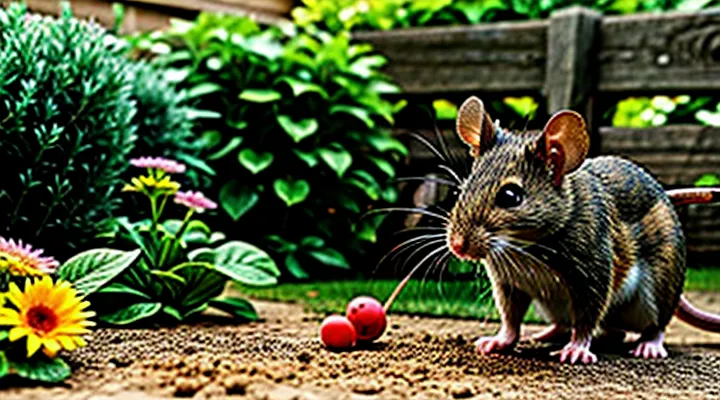
Understanding the Enemy: Mice in Your Garden
Identifying Mouse Activity
Droppings and Gnaw Marks
Droppings provide the most reliable evidence of rodent activity. Typical deposits are 3‑5 mm long, dark brown to black, and appear in clusters near food sources, burrows, or concealed pathways. Fresh pellets retain a slight sheen, while older ones become crumbly. Presence of droppings on plant foliage, soil surfaces, or garden tools indicates that mice are actively foraging in the area and may be contaminating produce.
Gnaw marks reveal the extent of damage and preferred entry points. Fresh incisions display clean, parallel cuts with smooth edges; older marks show roughened wood or plastic surfaces. Common locations include seed trays, irrigation tubing, wooden trellises, and the edges of storage containers. Repeated gnawing on the same structure suggests a persistent population and a high risk of structural weakening.
Effective response begins with sanitation. Remove all visible droppings using disposable gloves and a sealed bag; disinfect the area with a mild bleach solution (1 part bleach to 9 parts water). Repair or replace gnawed components, sealing gaps larger than ¼ inch with steel wool or metal flashing. Deploy snap traps or electronic devices along identified runways, positioning bait near fresh droppings and gnaw sites. Regular inspection of soil beds and plant supports will detect new activity before damage escalates.
Burrows and Tunnels
Burrows and tunnels serve as the primary refuge and travel network for garden-dwelling mice. These underground passages are typically 2–4 cm in diameter, extending several meters beneath soil, mulch, and compost. Soil moisture, loose texture, and abundant organic matter accelerate tunnel formation, allowing rapid colonization of planting beds. Entry points often appear as small, round holes near plant stems, stone walls, or the base of garden furniture. Detecting active tunnels requires observing fresh soil displacement, droppings, and gnaw marks on roots.
Effective measures focus on disrupting and sealing these subterranean pathways:
- Apply a 2‑inch layer of coarse mulch or gravel over suspected entry zones to deter digging.
- Fill visible holes with a mixture of sand, lime, and fine gravel, compacting firmly to prevent re‑excavation.
- Install underground barriers—such as hardware cloth or metal mesh—around high‑value plants, extending 12 inches deep and overlapping edges.
- Use non‑chemical repellents (e.g., predator urine or ultrasonic emitters) positioned near tunnel mouths to discourage re‑entry.
- Introduce natural predators, such as barn owls or feral cats, to increase predation pressure within the burrow system.
Regular inspection and maintenance of the soil surface, combined with prompt closure of new openings, reduce the viability of mouse burrows, limiting their impact on garden health.
Damaged Plants and Produce
Mice cause direct injury to garden vegetation by gnawing stems, uprooting seedlings, and chewing leaves. Visible signs include clean cuts on thin stems, missing seedlings, and ragged leaf edges. Droppings and small footprints near damaged plants confirm rodent activity.
Damage reduces both quantity and quality of produce. Consumed or partially eaten fruits become unsuitable for harvest, while stressed plants allocate energy to repair rather than growth, lowering overall yield. Secondary effects involve increased susceptibility to fungal infections introduced through bite wounds.
Mitigation strategies focus on protecting vulnerable crops:
- Install fine‑mesh hardware cloth around the base of beds and around individual plants; mesh size no larger than ¼ inch prevents entry.
- Deploy snap traps or live‑capture traps along mouse pathways; position traps perpendicular to runways and check them daily.
- Reduce shelter by clearing dense groundcover, debris, and tall grasses that provide concealment.
- Encourage natural predators such as barn owls and feral cats by installing nesting boxes and providing perches.
- Apply non‑chemical repellents, for example, cotton balls saturated with peppermint oil, placed near entry points; replace every few days to maintain potency.
Effective implementation of these measures limits plant injury, preserves harvestable produce, and diminishes the long‑term impact of rodent pressure on garden productivity.
Why Mice are Attracted to Your Garden
Food Sources
Mice are drawn to gardens primarily by readily available nourishment. Identifying and eliminating these food sources reduces the likelihood of infestation.
- Seed heads of grasses and cereals
- Fallen fruit and berries
- Vegetable scraps left on the soil surface
- Pet food placed outdoors
- Compost piles lacking proper containment
- Insect larvae and earthworms exposed in moist soil
Effective control measures focus on depriving rodents of these resources. Store harvested produce in sealed containers, collect fallen fruit daily, and keep compost within a secure, aerated bin. Position pet feeding stations away from planting areas and cover them after each use. Maintain a tidy garden bed by removing debris and mulching with coarse material that discourages nesting. Regularly inspect and repair irrigation leaks, as excess moisture attracts insects that serve as secondary food for mice. By systematically removing each identified source, the garden becomes an unfavorable environment for rodent activity.
Shelter and Hiding Spots
Mice exploit any structure that provides protection from predators, weather, and human activity. In a garden, common shelters include dense ground cover, woodpiles, compost bins, and debris piles. These locations retain moisture and offer darkness, creating ideal conditions for nesting and foraging.
Eliminating or modifying these refuges reduces mouse populations by removing safe zones. Effective actions include:
- Trimming grass and weeds to a height of no more than 5 cm, exposing the soil surface.
- Relocating firewood away from the garden perimeter and storing it on a raised platform.
- Securing compost containers with tight‑fitting lids and turning material regularly to disrupt nesting.
- Removing leaf litter, fallen branches, and other organic debris that accumulate in corners.
- Installing hard‑scaping elements such as stone pathways or gravel beds to replace soft, vegetative cover.
Continuous monitoring of shelter sites prevents reestablishment. Regular inspection, combined with prompt removal of newly formed hideouts, sustains a hostile environment for rodents and supports long‑term garden health.
Water Availability
Water availability directly influences rodent activity in garden beds. Moist soil provides both a food source and a comfortable habitat, encouraging mice to forage and nest near irrigation zones. Consistent dampness can increase the likelihood of damage to seedlings and the spread of disease.
Managing moisture levels reduces attraction. Consider the following practices:
- Schedule watering early in the day to allow surface evaporation before nightfall, when mice are most active.
- Apply water at the base of plants rather than overhead to limit standing water on the soil surface.
- Use drip irrigation or soaker hoses to deliver precise amounts, preventing excess saturation.
- Maintain a dry perimeter around garden borders by limiting runoff and installing drainage where necessary.
Monitoring soil moisture with a handheld probe helps maintain optimal conditions. When readings indicate a moisture content above the recommended threshold for the specific crop, adjust irrigation frequency or volume accordingly. Regular observation of moisture patterns prevents the creation of microhabitats that support mouse populations.
Effective control of rodent presence depends on limiting the resources that water provides. By regulating irrigation timing, delivery method, and peripheral drainage, gardeners create an environment less conducive to mouse habitation while preserving plant health. «Mice are drawn to moisture», a principle confirmed by field studies, underscores the strategic importance of water management in rodent mitigation.
Prevention: Making Your Garden Less Appealing
Garden Hygiene and Maintenance
Removing Debris
Removing debris is a fundamental step in reducing rodent activity in garden areas. Accumulated leaves, fallen fruit, and garden waste create shelter and food sources that attract mice, enabling them to establish nests and multiply.
Key actions for effective debris removal:
- Collect fallen leaves and grass clippings regularly; store them in sealed containers or compost bins with tight lids.
- Dispose of over‑ripe fruit and vegetables promptly; place them in bins equipped with rodent‑proof lids.
- Clear mulch, wood chips, and soil debris from around plant bases; maintain a gap of at least 2 inches between mulch and stems.
- Eliminate standing water in saucers, birdbaths, and irrigation runoff; dry surfaces discourage nesting.
Routine maintenance ensures that debris does not accumulate unnoticed. Schedule a weekly inspection of all garden zones, focusing on perimeter borders, raised beds, and compost areas. During each inspection, remove any new material that could serve as cover, and inspect existing barriers for damage.
Implementing a systematic debris‑removal protocol diminishes hiding places, limits food availability, and creates an environment less conducive to mouse infestation. Consistent execution of these measures strengthens overall garden hygiene and supports long‑term rodent control.
Trimming Overgrown Vegetation
Trimming overgrown vegetation reduces shelter and food sources that attract rodents, thereby limiting their presence in garden areas. Dense foliage creates a protected corridor for mice to travel and nest, while abundant ground cover supplies seeds and insects that sustain populations. Removing excess growth eliminates these advantages and forces rodents to seek less favorable habitats.
Practical actions:
- Cut back tall grasses to a height of 2–3 inches, exposing soil and discouraging nesting.
- Prune shrubs and hedges to maintain an open canopy, allowing predators to spot movement.
- Clear fallen leaves, fruit, and debris that accumulate beneath plants, removing potential food.
- Trim back vines and climbing plants that connect structures, preventing bridges between sheltered zones.
- Dispose of trimmed material away from the garden, avoiding the creation of new hiding spots.
Regular maintenance, performed at least every four weeks during the growing season, sustains the reduced habitat conditions. Consistent pruning prevents re‑establishment of dense cover, ensuring long‑term effectiveness in managing rodent activity.
Proper Composting Practices
Proper compost management reduces the likelihood that rodents will be attracted to garden beds. Decomposing organic matter creates shelter and a reliable food source; controlling these factors limits mouse activity.
- Keep compost piles covered with a tight‑fitting lid or tarp.
- Maintain a carbon‑to‑nitrogen ratio of roughly 30:1 by mixing dry leaves, straw, or shredded paper with kitchen scraps.
- Turn the pile regularly, at least once a week, to accelerate aerobic decomposition and eliminate stagnant zones.
- Avoid adding meat, dairy, or oily foods, which generate strong odors that draw pests.
- Position the compost area at least 10 feet away from vegetable plots and pathways.
A sealed container prevents mice from entering to seek warmth or food. Balanced carbon and nitrogen levels produce heat that discourages burrowing, while frequent turning disrupts any developing nests. Excluding animal products removes scents that signal a food source, reducing curiosity among nocturnal foragers.
Integrate additional deterrents: scatter sharp gravel around the compost perimeter, install motion‑activated lights, and ensure surrounding soil remains dry. These measures complement sound composting practices, creating an environment where mice find little incentive to linger.
Protecting Food Sources
Harvesting Promptly
Timely removal of ripe produce eliminates an attractive food source for garden‑dwelling rodents. When fruits and vegetables reach maturity, they emit strong scents and sugars that draw mice to foraging sites. Harvesting as soon as crops are ready reduces the window of availability, forcing pests to seek alternative sustenance elsewhere in the garden.
Effective practices include:
- Monitor maturity indicators daily; pick items at peak ripeness.
- Use clean, dry containers to prevent moisture buildup that can attract insects and, subsequently, mice.
- Store harvested produce in sealed containers or a cooled storage area, limiting scent diffusion.
- Dispose of plant debris promptly; compost should be secured with a lid to avoid rodent entry.
Implementing these steps creates a less hospitable environment for rodents, supporting broader pest‑management strategies without relying on chemical controls. «Harvest early, store securely» reinforces the principle that proactive crop collection directly curtails mouse activity in garden ecosystems.
Storing Produce Securely
Secure storage of harvested vegetables and fruits reduces the attraction of rodents to garden areas. When produce is kept in sealed containers, scent diffusion diminishes, limiting the food source that draws mice into planting beds.
- Use airtight plastic bins with gasket lids; place them on a raised platform to prevent ground moisture.
- Employ metal containers with tight‑fitting lids; metal resists gnawing and deters entry.
- Store produce in a cool, dry location such as a shed or basement; low humidity slows spoilage and reduces odor.
- Rotate stock regularly; consume older items first to avoid buildup of strong smells.
Maintenance practices support the effectiveness of storage solutions.
- Inspect container seals weekly; replace damaged gaskets immediately.
- Clean storage areas with a mild bleach solution to eliminate residual scent trails.
- Keep the surrounding environment free of debris and fallen fruit; remove any potential feeding sites.
- Position containers away from garden edges; distance creates a barrier between mice pathways and food supplies.
By implementing these measures, garden managers limit the availability of edible material, thereby reducing the incentive for mice to infiltrate cultivated spaces.
Using Raised Garden Beds
Raised garden beds provide a physical barrier that separates soil from ground‑level rodent pathways. The elevated height discourages mice from burrowing directly into planting zones, reducing the likelihood of damage to roots and seedlings.
The design of a raised bed limits access points. Solid sides prevent entry through soil, while a smooth underside makes climbing difficult. Incorporating a metal or plastic liner adds an extra layer of protection, creating an environment hostile to small mammals.
Practical steps for installation:
- Construct a frame 12–24 inches high using rot‑resistant lumber or metal.
- Fill the interior with a well‑draining mix of compost, peat, and sand.
- Line the bottom with hardware cloth of ¼‑inch mesh, securing it to the frame to block tunnels.
- Position the bed away from dense vegetation or debris that could serve as cover for mice.
- Install a perimeter of low‑profile fencing or a shallow trench filled with gravel to deter edge‑wise entry.
Regular maintenance sustains effectiveness. Remove fallen fruit, seeds, and debris promptly; these attract foraging rodents. Periodically inspect the liner for gaps and repair any damage. Rotate crops annually to minimize food sources that might lure mice back into the bed.
By integrating these measures, gardeners create a controlled environment that limits rodent intrusion while preserving optimal growing conditions. «Raised beds create a physical barrier that fundamentally reduces mouse activity around cultivated plants».
Fencing and Barriers
Exclusion Fencing
Exclusion fencing creates a physical barrier that prevents mice from entering garden areas. The barrier must be continuous, buried, and constructed from material that rodents cannot gnaw through.
- Galvanized steel mesh, aperture no larger than ¼ inch (6 mm)
- Heavy‑duty plastic netting with reinforced edges
- Concrete or compacted soil base for underground portion
Design specifications require a fence height of at least 2 feet (60 cm) above ground and a buried extension of 12 inches (30 cm) below the soil surface. Overlap sections by 6 inches (15 cm) and secure joints with stainless‑steel staples or wire ties. Anchor posts every 4–6 feet (1.2–1.8 m) using concrete footings or driven steel spikes.
Installation proceeds as follows:
- Mark perimeter of the protected zone.
- Excavate a trench 12 inches deep along the marked line.
- Place mesh or netting in the trench, ensuring the bottom edge contacts the soil.
- Backfill trench, compacting soil to eliminate gaps.
- Secure vertical posts at regular intervals, attaching mesh to each post.
- Inspect for openings around trees, structures, and irrigation equipment; seal with additional mesh or flexible sealant.
Regular inspection identifies damage caused by weather, wildlife, or garden activities. Replace compromised sections promptly and re‑tighten fasteners after heavy rain or soil settlement. Maintaining a clear zone of at least 6 inches (15 cm) between the fence and plant foliage reduces the risk of mice climbing over the barrier.
Combining exclusion fencing with habitat reduction—removing debris, storing feed in sealed containers, and trimming low vegetation—enhances overall effectiveness in deterring rodent activity within cultivated spaces.
Burying Fences
Burying fences provides a physical barrier that prevents mice from entering garden beds from below. The technique involves installing a low‑profile fence, typically made of metal or sturdy plastic, and sinking it into the soil to a depth that exceeds the animals’ digging ability.
The fence should extend at least 12 inches beneath the surface and project 6–12 inches above ground. Overlap sections by 2–3 inches to eliminate gaps, and secure joints with stainless‑steel clips to resist corrosion. Soil around the fence must be compacted to maintain contact and eliminate voids that could be exploited.
Key steps for implementation: « Select a durable, mesh‑type fence suitable for underground installation. » « Excavate a trench matching the fence height plus the desired burial depth. » « Place the fence in the trench, ensuring continuous coverage around the perimeter. » « Backfill with soil, tamping firmly to remove air pockets. » « Inspect the barrier periodically for damage or displacement, repairing promptly. »
When executed correctly, a buried fence creates a reliable, long‑lasting obstacle that significantly reduces mouse intrusion without reliance on chemicals or traps.
Hardware Cloth Protection
Hardware cloth, a galvanized steel mesh with a fine opening of ½ inch or less, creates a durable barrier that prevents mice from burrowing into garden beds, raised planters, and compost piles. Its rigidity resists chewing, while the corrosion‑resistant coating endures exposure to soil and moisture.
Installation begins with measuring the perimeter of the area to protect. Cut the mesh to length, allowing an overlap of at least 2 inches where sections meet. Secure the edges with stainless‑steel staples or heavy‑duty nails, fastening directly to the wooden frame or soil‑packed border. For raised beds, bend the bottom edge of the cloth outward and anchor it in the surrounding soil to eliminate gaps.
Key points for effective use:
- Choose a mesh gauge of 19–22 gauge; thicker gauges increase resistance to gnawing.
- Overlap seams and fasten with at least three staples per foot to maintain structural integrity.
- Extend the cloth at least 6 inches below ground level to block subterranean entry.
- Inspect the barrier monthly; replace sections showing rust or tears promptly.
Combining hardware cloth with complementary tactics—such as regular removal of fallen fruit, proper compost management, and predator encouragement—enhances overall control. The mesh’s transparency permits sunlight and water penetration, preserving plant health while denying rodents access.
Control Methods: Addressing Existing Infestations
Trapping Strategies
Live Traps
Live traps capture mice without killing, allowing relocation away from cultivated areas. The device consists of a trigger mechanism that closes a door when a rodent enters, confining the animal inside a mesh or plastic compartment.
Suitable models for garden use include:
- Box‑type traps with hinged lids, constructed from durable plastic or metal.
- Tunnel traps fashioned from PVC pipe, featuring a one‑way entry flap.
- Multi‑catch cages equipped with spring‑loaded doors, capable of holding several individuals.
Effective placement follows these principles. Position traps along established runways, near burrow entrances, or adjacent to food sources such as seed beds. Ensure the trigger is set at a sensitivity that reacts to the weight of a mouse but not to wind‑blown debris. Place traps on a flat surface, concealed by vegetation or mulch to reduce visual detection.
Monitoring requires daily inspection. Upon capture, wear gloves, transport the trap to a release site at least 500 m from the garden, and open the compartment gently. Release the mouse onto neutral ground, allowing it to escape without injury. Reset the trap promptly, checking for bait depletion and resetting the trigger mechanism.
Maintenance includes cleaning the interior with mild detergent after each use, inspecting hinges for rust, and replacing worn bait. Consistent application of these practices reduces mouse activity while preserving humane treatment of the captured rodents.
Snap Traps
Snap traps are mechanical devices that kill rodents instantly by releasing a spring‑loaded bar when the animal triggers a trigger plate. The design eliminates prolonged suffering and reduces the risk of disease transmission.
Key factors when choosing a snap trap:
- Size compatible with garden pests; larger plates capture adult mice, smaller plates suit juveniles.
- Material durability; stainless steel resists rust caused by moisture.
- Trigger sensitivity; adjustable tension allows calibration for timid or bold individuals.
Effective placement maximizes capture rates:
- Position traps along walls, under vegetation, and near known activity trails.
- Set traps on the ground, not on raised surfaces, to align with mouse movement.
- Use a few centimeters of bait, such as a piece of peanut butter or seed, placed behind the trigger plate to encourage contact.
Safety measures protect humans and non‑target animals:
- Wear gloves when handling traps to avoid accidental discharge.
- Keep traps out of reach of children and pets; store in locked containers when not in use.
- Check traps at least once daily to remove captured rodents promptly.
Disposal protocol:
- Place dead rodents in a sealed plastic bag, then discard in a designated waste container.
- Clean the trap with hot, soapy water after each use; a brief soak in a diluted bleach solution sanitizes surfaces.
Maintenance practices:
- Inspect spring tension weekly; replace springs that show signs of fatigue.
- Rotate trap locations periodically to prevent mice from learning avoidance patterns.
- Record capture dates and locations to identify hotspots and adjust trap density accordingly.
«Snap traps provide immediate kill», delivering reliable control for garden rodent populations without reliance on chemicals.
Baiting Techniques
Effective rodent control in outdoor planting areas relies on strategic bait deployment. Selecting appropriate attractants is the first step. Common options include high‑protein foods such as peanut butter, dried seed mixtures, and commercially formulated rodent lures. Each attractant should match the target species’ dietary preferences to increase uptake.
Placement determines success. Bait stations must be positioned near known activity zones—burrow entrances, runways, and feeding stations—while remaining concealed from non‑target wildlife. Low‑lying stations protect bait from rain and reduce exposure to birds. Anchoring stations to the ground prevents displacement by wind or curious pets.
Timing influences consumption rates. Early evening placement aligns with nocturnal foraging patterns, ensuring maximum contact before daylight reduces activity. Refresh bait every 48 hours to maintain potency and prevent spoilage.
Safety measures protect humans and beneficial organisms. Use tamper‑resistant containers that allow only rodent access. Label stations clearly with the French quotation marks «Bait – hazardous to non‑target species» to warn handlers. Store unused bait in sealed containers away from children and pets.
Monitoring completes the process. Inspect stations daily for signs of removal, damage, or non‑target interference. Record capture data to adjust bait type, concentration, or location. Persistent low activity may indicate the need for alternative control methods or habitat modification.
A concise protocol for baiting techniques:
- Choose attractant matching rodent diet.
- Position tamper‑resistant stations near activity signs.
- Deploy bait in the early evening; replace every 48 hours.
- Secure stations to prevent non‑target access.
- Conduct daily inspections; log results and adapt strategy.
Adhering to these practices maximizes bait effectiveness while minimizing ecological impact.
Natural Deterrents
Repellent Plants
Repellent plants provide a natural, chemical‑free strategy for deterring mice from garden beds. These species emit odors or produce textures that rodents find unpleasant, reducing the likelihood of burrowing and feeding damage.
Key characteristics of effective repellent flora include strong aromatic compounds, dense foliage, and a growth habit that interferes with rodent movement. Selecting varieties that thrive in local soil and climate conditions maximizes both garden productivity and pest‑deterrent benefits.
Commonly recommended plants:
- Mint (Mentha spp.) – releases menthol and other volatile oils that discourage rodents.
- Lavender (Lavandula angustifolia) – fragrant flowers and leaves repel mice and attract beneficial insects.
- Rosemary (Rosmarinus officinalis) – woody stems and aromatic needles create an inhospitable environment.
- Marigold (Tagetes spp.) – produces a pungent scent and contains pyrethrum, a natural insecticide.
- Catnip (Nepeta cataria) – contains nepetalactone, a compound that is highly unattractive to mice.
Implementation guidelines:
- Plant repellent species along the perimeter of the garden to establish a barrier.
- Intermix aromatic herbs among vegetable rows to create a continuous scent profile.
- Maintain healthy growth through regular pruning and adequate watering; stressed plants lose repellent potency.
- Combine plant barriers with physical controls such as wire mesh or traps for comprehensive rodent management.
By integrating these botanical defenses, gardeners can achieve sustained protection against mice while enhancing biodiversity and aesthetic appeal.
Essential Oils
Essential oils provide a non‑chemical option for reducing rodent activity in vegetable and ornamental beds. Their volatile compounds create an olfactory barrier that rodents avoid, allowing gardeners to protect seedlings without soil amendment.
The deterrent effect relies on strong aromatic profiles that interfere with the rodents’ scent‑tracking abilities. When dispersed, the vapors mask food odors and signal an unsafe environment, prompting mice to relocate.
• Peppermint oil – dilute 10 ml in one litre of water, spray around plant bases and perimeter fences.
• Eucalyptus oil – mix 5 ml with carrier oil, apply to mulch and compost piles.
• Citronella oil – add 15 ml to a drip irrigation system for continuous release.
• Clove oil – blend 8 ml with water, soak wooden stakes and place near entry points.
Application should occur in the early evening when rodents are most active. Reapply every 3–4 days, especially after rainfall, to maintain effective concentration. Avoid direct contact with edible foliage; focus on soil surface, root zones, and structural supports.
Essential oils degrade naturally, posing minimal risk to beneficial insects and soil microbes. When integrated with physical barriers such as wire mesh and proper sanitation, they enhance an overall strategy for managing garden rodents.
Predatory Animals
Predatory animals provide a direct biological method for reducing rodent activity in garden beds. Their presence creates a natural deterrent that diminishes the need for chemical interventions.
- Domestic cats – agile hunters that patrol perimeters, especially effective during dusk and night.
- Barn owls – nocturnal raptors attracted by nesting boxes, capable of capturing multiple mice per hour.
- Ferrets – small carnivores that hunt in confined spaces, useful for underground burrow inspections.
- Hawks and kestrels – daytime predators that can be encouraged by maintaining open sky lines and perching posts.
- Snakes – non‑venomous species such as garter snakes control juvenile rodents while remaining low‑maintenance.
- Weasels and stoats – swift hunters that infiltrate dense ground cover, requiring minimal human interaction.
To support these allies, create habitats that meet their ecological needs. Install nesting boxes at heights of 10–15 feet for owls, ensure unobstructed flight paths for raptors, and provide brush piles or rock shelters for snakes and weasels. Limit pesticide use to preserve prey populations that sustain predator health. Secure water sources through shallow dishes or rain‑filled troughs.
Legal and safety considerations must be addressed before introducing any predator. Verify local wildlife regulations concerning protected species such as owls and hawks. Employ humane handling practices for ferrets and domestic cats, and educate household members about potential risks associated with snakes. Regular health checks by a veterinarian or wildlife specialist reduce disease transmission and ensure long‑term effectiveness.
Chemical Control (Use with Caution)
Rodenticides: Types and Risks
Rodenticides provide chemical control for garden mice, offering rapid reduction of populations when non‑chemical methods prove insufficient. Proper selection and application minimize environmental impact while achieving effective suppression.
- «Anticoagulants»: interfere with blood clotting; include first‑generation compounds (warfarin, chlorophacinone) and second‑generation agents (bromadiolone, difethialone) with higher potency and longer persistence.
- «Bromethalin»: disrupts cellular energy production; effective at low doses but poses risk of secondary poisoning.
- «Cholecalciferol»: induces hypercalcemia; relatively safe for non‑target mammals at recommended rates.
- «Zinc phosphide»: releases phosphine gas upon ingestion; fast‑acting, restricted to enclosed bait stations to prevent accidental exposure.
Risks associated with chemical mouse control demand careful management. Non‑target wildlife, domestic pets, and children may ingest bait directly or suffer secondary poisoning through predator consumption. Soil and water contamination can arise from runoff, especially with highly soluble compounds. Resistance development occurs primarily with anticoagulants, necessitating rotation of active ingredients and integration of alternative tactics such as habitat modification and trapping. Compliance with local regulations and label instructions is mandatory to protect ecological health and human safety.
Safe Application Practices
Effective rodent control in garden environments requires adherence to safety protocols that protect non‑target organisms, humans, and the ecosystem. Proper preparation, precise application, and post‑treatment monitoring reduce risks and enhance efficacy.
- Wear appropriate personal protective equipment, including gloves, goggles, and respiratory protection, before handling any chemical agent.
- Read the product label thoroughly; follow recommended dosage, dilution ratios, and application intervals without deviation.
- Apply treatments during calm weather conditions to prevent drift onto adjacent plants, pollinators, or water sources.
- Use targeted delivery methods—such as bait stations or ground‑level sprays—rather than broad‑area dispersal, to limit exposure to unintended species.
- Store chemicals in locked, ventilated areas, away from food, children, and pets; maintain original containers with intact labels.
- Record each application’s date, location, product used, and quantity for future reference and regulatory compliance.
Continuous observation of treated zones identifies potential adverse effects early. Adjust practices promptly if signs of non‑target damage appear, and dispose of excess or expired products according to local hazardous‑waste regulations. Maintaining these standards ensures that rodent management remains both effective and environmentally responsible.
Considerations for Pets and Wildlife
Controlling rodent activity in a garden requires measures that safeguard domestic animals and native wildlife. Toxic baits pose a direct risk to curious dogs, cats, and foraging birds; exposure can result in fatal poisoning or sub‑lethal health effects. Selecting non‑chemical methods reduces this danger while maintaining effective population reduction.
- Deploy snap traps or live‑capture cages made of sturdy materials; place them out of reach of pets and low to the ground to prevent accidental activation by larger animals.
- Use bait such as peanut butter or sunflower seeds, which attract mice but are less appealing to larger mammals.
- Install protective covers or cages around traps to limit access by non‑target species.
- Avoid rodenticides; if chemical control is unavoidable, choose products specifically labeled for minimal secondary toxicity and apply them according to professional guidelines.
- Preserve habitats for beneficial predators—e.g., owls, hedgehogs, and snakes—by maintaining hedgerows, stone piles, and log refuges; these organisms naturally limit mouse numbers without harming other fauna.
Integrated pest management (IPM) combines habitat modification, regular monitoring, and targeted trapping. Removing dense vegetation, storing feed in sealed containers, and eliminating debris reduce shelter and food sources for rodents. Conduct weekly inspections of trap locations, recording capture rates to adjust placement and density as needed. By prioritizing non‑lethal techniques and protecting ecological balance, garden owners can manage mouse populations while ensuring the safety of pets and the continuity of local wildlife. «Effective rodent control aligns with responsible stewardship of all garden inhabitants».
Post-Infestation: Repair and Future Prevention
Cleaning Up After Mice
Sanitizing Affected Areas
Sanitizing zones where mice have been active prevents disease spread and discourages re‑entry. Remove visible debris, gnawed plant matter, and nesting material before applying any treatment.
- Wear disposable gloves and a mask.
- Collect droppings with a damp paper towel; place waste in a sealed bag.
- Disinfect surfaces using a solution of 1 part bleach to 9 parts water; spray thoroughly and allow a minimum of 10 minutes contact time.
- Rinse treated areas with clean water and let dry completely.
- Dispose of cleaning tools in sealed containers or wash them with hot, soapy water followed by a bleach rinse.
After sanitation, inspect adjacent soil and plant bases for residual moisture that could harbor pathogens. Apply a thin layer of diatomaceous earth around vulnerable plants to create a physical barrier. Rotate compost piles and avoid storing organic waste near the garden to reduce attractants. Regular monitoring of cleaned zones ensures lasting protection and supports overall rodent management.
Repairing Damage to Plants and Structures
Mice activity frequently chews seedlings, gnaws tender stems, and burrows beneath garden beds, leaving plants weakened or dead and compromising fences, trellises, and irrigation components.
Assess damage promptly by inspecting foliage for bite marks, checking root zones for tunnels, and examining wooden or plastic structures for fresh gnawing. Record the extent of loss to prioritize repairs.
Replace damaged vegetation with healthy stock, using hardened seedlings or cuttings. Apply protective barriers such as wire mesh or hardware cloth around the base of vulnerable plants, securing the material with garden staples to deter further intrusion.
Repair structural harm with the following actions:
- Reinforce fence posts using metal brackets and concrete footings.
- Install steel or reinforced plastic mesh on trellises, overlapping seams by at least 10 cm.
- Seal cracks in raised beds with waterproof sealant, then line interiors with heavy‑duty landscape fabric.
- Replace chewed irrigation tubing with reinforced polyethylene pipe, securing connections with stainless‑steel clamps.
Integrate preventative measures into repaired areas: position deterrent stations containing natural repellents, maintain a clear perimeter free of debris, and schedule regular inspections to detect early signs of rodent activity.
Long-Term Prevention Strategies
Ongoing Monitoring
Continuous observation of rodent activity forms the backbone of any effective garden rodent‑control program. Regular checks reveal new entry points, population shifts, and the success of deployed deterrents, allowing swift adaptation before damage escalates.
Key practices for sustained surveillance:
- Inspect soil, mulch, and plant bases weekly for fresh burrows, droppings, or gnawed material.
- Place motion‑activated cameras or infrared sensors near suspected pathways; review footage at least twice per week.
- Use non‑lethal bait stations equipped with tracking powder; record capture rates and relocate stations according to findings.
- Map findings on a garden layout, marking hotspots and noting dates of observation.
Documented data drive decision‑making. When activity spikes in a sector, reinforce barriers, increase predator‑friendly habitats, or adjust bait placement. Conversely, declining signs permit scaling back interventions, conserving resources while maintaining vigilance. The iterative cycle of observation, recording, and response ensures long‑term suppression of garden mice without reliance on sporadic actions.
Adapting Garden Practices
Adapting garden practices reduces rodent activity and protects crops without relying on chemical controls.
- Maintain clean beds: remove fallen fruit, seeds, and debris that provide food sources.
- Use mulch sparingly: opt for coarse, inorganic materials that discourage nesting.
- Plant deterrent species: incorporate strong‑scented herbs such as mint, rosemary, or lavender around vulnerable areas.
- Install physical barriers: line raised beds with fine mesh or hardware cloth to block burrowing.
- Control moisture: irrigate early, allow soil to dry before nightfall, limiting the humid environment mice favor.
- Manage ground cover: keep grass trimmed and discourage dense low vegetation where shelter can develop.
Implementing these adjustments creates an environment less attractive to mice, thereby enhancing garden resilience.
Community Involvement
Community participation amplifies the effectiveness of garden rodent control by pooling resources and knowledge. Residents who share observations create a real‑time map of mouse activity, allowing rapid response before infestations spread. Joint procurement of humane traps reduces individual costs and ensures consistent placement throughout shared green spaces.
Practical steps for coordinated action include:
- Establish a neighborhood mailing list dedicated to pest alerts.
- Organize quarterly workshops on trap installation, bait selection, and safe handling.
- Assign rotating responsibilities for trap monitoring and disposal of captured rodents.
- Coordinate with local authorities to secure permits for larger‑scale interventions when necessary.
Consistent collaboration lowers the overall mouse population, protects vegetable yields, and preserves the ecological balance of community gardens. Collective vigilance also deters new invasions, as early detection and swift action become standard practice among participants.