
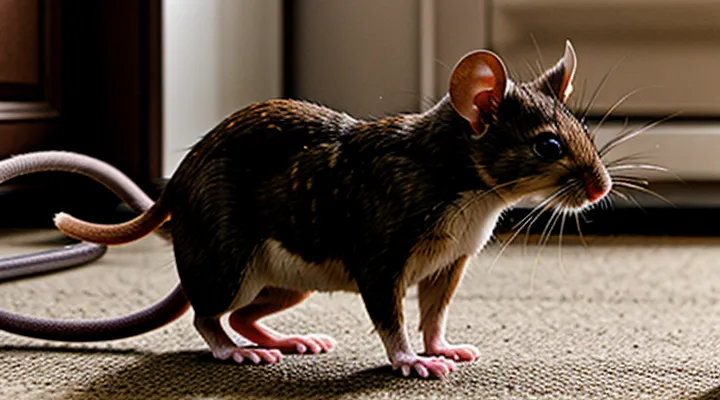
Understanding the Enemy: What Attracts Mice to Your Home?
Common Mouse Species in Private Homes
Mice that regularly invade residential properties belong to a limited group of adaptable rodents. The most frequently encountered species are:
- House mouse (Mus musculus) – Small, gray‑brown, highly prolific; thrives in wall voids, attics, and kitchens where food crumbs are present.
- Deer mouse (Peromyscus maniculatus) – Light brown with a distinct white belly; often enters homes from surrounding fields or basements, attracted by shelter and occasional food spills.
- Western harvest mouse (Reithrodontomys megalotis) – Tiny, with a long tail and soft fur; typically follows grain storage or garden debris into crawl spaces and sheds.
- Roof rat (Rattus rattus) – Larger than house mice, sleek black or brown, excellent climbers; occupies upper stories, eaves, and roof insulation where vegetation provides access points.
- Norway rat (Rattus norvegicus) – Robust, brown, prefers ground‑level habitats; can be found in basements, sewers, and near garbage storage areas adjacent to the house.
Each species exhibits specific habitat preferences, reproductive rates, and foraging behaviors that influence the selection of control measures. Recognizing the resident mouse type allows homeowners to target entry routes, eliminate food sources, and apply appropriate trapping or baiting strategies, thereby increasing the effectiveness of any pest‑management program.
Signs of a Mouse Infestation
Droppings and Urine Stains
Mice droppings and urine stains are reliable indicators of infestation and present significant health hazards. Fresh droppings appear as small, dark, rice‑shaped pellets; older deposits turn gray and may crumble. Urine stains are typically yellowish, often found near food storage, corners, and behind appliances. Both substances can contaminate surfaces, attract insects, and spread pathogens such as hantavirus, salmonella, and leptospirosis.
Identification
- Look for droppings on countertops, shelves, and near nesting sites.
- Examine walls and ceilings for darkened patches or streaks indicating urine.
- Use a blacklight; rodent urine fluoresces under ultraviolet light, revealing hidden contamination.
Health Risks
- Inhalation of dried droppings releases aerosolized particles that penetrate the respiratory tract.
- Direct contact with urine can cause skin irritation and transmit bacterial infections.
- Cross‑contamination of food surfaces leads to gastrointestinal illness.
Cleaning Procedure
- Seal the area with plastic sheeting and wear disposable gloves, N‑95 mask, and eye protection.
- Ventilate the room for at least 30 minutes; use an exhaust fan to remove airborne particles.
- Wet droppings with a disinfectant solution (e.g., 10 % bleach) to prevent aerosolization.
- Scrub the contaminated surface with the same solution, allowing a minimum contact time of five minutes.
- Rinse with clean water and dry thoroughly.
- Dispose of cleaning materials in a sealed bag; incinerate if possible.
Prevention
- Eliminate food sources by storing perishables in airtight containers.
- Repair leaks and reduce humidity; moisture attracts rodents and promotes urine staining.
- Seal entry points larger than ¼ inch with steel wool and caulk.
- Install snap traps or electronic devices in high‑activity zones; monitor and replace as needed.
Regular inspection for droppings and urine, combined with prompt decontamination, reduces disease risk and supports effective rodent control in a private residence.
Gnaw Marks and Damage
Mice leave characteristic gnaw marks that differ from those of other pests. The bite edges are cleanly cut, often forming semicircles around the material. Marks appear on wood, plastic, foam insulation, and wiring sheathing, typically near concealed areas such as behind appliances, under cabinets, and within wall cavities.
Damage caused by rodent chewing includes:
- Compromised electrical insulation, creating fire hazards.
- Severed or exposed wiring, leading to short circuits.
- Destroyed structural wood, weakening floor joists and framing.
- Punctured insulation, reducing thermal efficiency and increasing energy costs.
- Torn food packaging, allowing contamination and spoilage.
Each gnaw sign signals an active presence and potential escalation. Early detection prevents extensive repairs and safeguards health by limiting bacterial spread from droppings that often accompany chewing activity.
Effective response begins with a systematic inspection: trace each mark to its source, document affected materials, and prioritize items that pose safety risks. Seal entry points with steel wool or metal flashing, then replace or repair compromised components. Reinforce vulnerable structures with chew‑resistant materials, and install appropriate control devices—such as snap traps or electronic deterrents—to eliminate the infestation and stop further damage.
Nests and Sounds
Identifying mouse nests and recognizing their sounds are essential steps in any residential rodent‑control plan.
Mice construct nests from shredded paper, fabric, insulation, or dried plant material. Nests are typically hidden in concealed areas: behind walls, under floorboards, inside cabinets, or within attic joists. Look for compact, irregularly shaped piles that feel soft to the touch and emit a faint, musky odor. Presence of droppings, gnaw marks, or shredded debris near the nest confirms active habitation.
Auditory cues provide early warning of infestation. Mice produce high‑pitched squeaks when alarmed, soft rustling as they move through stored goods, and faint scratching against structural surfaces. These sounds are most audible at night when rodents are most active. A consistent, intermittent squeak or the sound of tiny paws scurrying across insulation indicates a breeding population.
To address nests and sounds effectively:
- Inspect all potential nesting sites; use a flashlight and a mirror to view tight spaces.
- Seal entry points larger than ¼ inch with steel wool, caulk, or metal mesh to prevent re‑entry.
- Remove nests promptly, wearing gloves and a mask to avoid exposure to allergens and pathogens. Dispose of material in a sealed bag.
- Clean the area with a disinfectant solution to eliminate residual scent trails that attract survivors.
- Set traps or deploy bait stations near identified activity zones; monitor for reduced noise as an indicator of success.
Consistent monitoring of nesting debris and nocturnal sounds enables rapid response, reducing the likelihood of a full‑scale infestation in a private dwelling.
Prevention: Keeping Mice Out of Your Home
Sealing Entry Points
Inspecting the Exterior
Inspecting the exterior of a residence is the first step in preventing rodent intrusion. Begin by walking around the building and noting any gaps larger than ¼ inch in walls, foundations, windows, doors, and utility penetrations. Seal these openings with steel wool, caulk, or metal flashing; rodents can squeeze through much smaller spaces.
Check the roof and eaves for damaged shingles, missing flashing, or loose soffit panels. Repair or replace compromised components, and install a continuous metal barrier along the roof edge to block climbing.
Examine the ground level for debris, firewood piles, and dense vegetation that provide shelter. Keep mulch at least six inches from the foundation, trim shrubs away from walls, and store firewood on a raised platform with a gap between the wood and any structure.
Inspect drainage systems for standing water or clogged gutters. Ensure water runs away from the foundation by grading the soil to a gentle slope of at least 2 percent. Install or repair downspouts and splash blocks to direct flow.
Finally, evaluate exterior lighting. Bright, motion‑activated lights deter nocturnal activity around doors and entry points. Use these measures systematically to reduce the likelihood of mouse presence before it reaches the interior.
Addressing Gaps and Cracks
Mice enter homes through tiny openings that often go unnoticed. Identifying and sealing these pathways removes the primary means of access, forcing rodents to seek alternative shelters.
- Inspect exterior walls, foundations, and rooflines for gaps larger than ¼ inch. Common sources include damaged siding, missing caulking, and open vent covers.
- Use steel wool or copper mesh to fill holes before applying sealant. Rodents can gnaw through softer materials, so a metal barrier is essential.
- Apply a high‑quality silicone or polyurethane caulk to smooth over the filler, ensuring a weather‑tight seal.
- Replace cracked or broken window screens with tightly woven mesh. Reinforce edges with adhesive tape to prevent tearing.
- Seal gaps around utility penetrations (pipes, cables, HVAC ducts) with expanding foam that contains a rodent‑resistant additive.
- Check the basement and crawl spaces for foundation cracks. Fill larger fissures with hydraulic cement, which expands as it cures and adheres to concrete.
- Install door sweeps on all exterior doors. Adjust them so they rest flush against the threshold without dragging.
- Maintain the perimeter by clearing vegetation, mulch, and debris that can conceal entry points. Trim shrubs away from the house to create a clear buffer zone.
Regularly re‑evaluate sealed areas after heavy weather or seasonal changes. Any new openings compromise the barrier and invite renewed activity. By systematically eliminating these vulnerabilities, the residence becomes inhospitable to mice, reducing the need for reactive control measures.
Securing Vents and Pipes
Rodents often enter homes through ventilation openings and utility conduits, exploiting any gap larger than a quarter‑inch. Preventing this access point is essential for effective rodent control in a residence.
Inspect all exterior vents, dryer exhausts, and pipe penetrations. Identify cracks, loose fittings, or missing screens. Replace damaged components with materials that rodents cannot gnaw through, such as galvanized steel or heavy‑gauge aluminum.
- Install steel mesh (¼‑inch or smaller openings) over vent louvers and dryer exhaust caps.
- Apply stainless‑steel pipe sleeves to all openings where pipes pass through walls or foundations.
- Seal gaps around vent covers, pipe flanges, and utility entry points with silicone‑based caulk or expanding foam rated for pest exclusion.
- Use self‑closing metal covers on attic and crawl‑space vents; ensure they latch securely after each entry.
- Verify that vent filters are intact and replace them if torn or displaced.
Regular maintenance reinforces these barriers. Schedule quarterly checks to confirm that screens remain intact, seals have not deteriorated, and no new gaps have formed due to weathering or building settlement. Prompt repairs sustain the exclusion system and reduce the likelihood of rodent intrusion.
Eliminating Food and Water Sources
Proper Food Storage
Proper food storage prevents rodents from finding a reliable food source inside a residence. Eliminating accessible nutrients removes one of the primary motivations for mice to enter living spaces.
Store all consumables in containers that feature tight‑fitting lids made of metal, heavy‑wall plastic, or glass. Ensure lids seal completely; any gaps allow mice to gnaw through or slip underneath. Keep containers off the floor, preferably on shelves or in cabinets with solid doors. Label containers with purchase dates to encourage regular rotation and discard of stale items.
- Use airtight bins for dry goods such as grains, cereals, and pet food.
- Transfer bulk items into smaller, sealed units after opening.
- Place fruit, vegetables, and leftovers in refrigerated compartments promptly.
- Seal trash cans with fitted lids and empty them daily.
- Inspect pantry shelves weekly for signs of damage or gnaw marks; repair or replace compromised storage.
Maintain cleanliness by wiping spills immediately, sweeping crumbs from countertops, and vacuuming under appliances. Conduct routine checks of storage areas for cracks, holes, or worn seals, and repair them promptly. Consistent application of these practices reduces food availability, thereby discouraging mouse activity throughout the house.
Waste Management
Effective rodent control in a private residence begins with proper waste handling. Food remnants and garbage create an attractive environment for mice; eliminating these sources reduces the likelihood of infestation.
Store waste in containers that seal tightly. Use bins with rubberized lids, inspect them regularly for cracks, and keep them away from walls. Empty the containers daily, especially in kitchens and utility areas, to prevent accumulation.
Maintain the surrounding area:
- Remove food scraps from countertops and floors promptly.
- Clean pet feeding stations after each use and store pet food in airtight containers.
- Dispose of compost, yard debris, and cardboard in sealed bags before placing them in outdoor bins.
- Ensure trash cans are positioned on non‑porous surfaces to avoid moisture buildup.
Regularly review waste practices. Replace damaged containers, reinforce lids, and adjust collection schedules if waste piles persist. Consistent waste management deprives mice of sustenance, supporting broader pest‑control measures.
Fixing Leaks and Dripping Faucets
Leaking pipes and dripping faucets create moisture that attracts rodents, providing a reliable water source for mice inside a residence. Eliminating these water points reduces the attractiveness of the home and limits the ability of mice to establish nests.
Identify all leaks by inspecting under sinks, behind appliances, around showerheads, and along exposed pipe runs. Pay special attention to joints, valve stems, and flexible hoses, as these are common failure points.
Repair process:
- Shut off the water supply at the nearest shut‑off valve.
- Drain residual water from the affected line by opening the faucet.
- Tighten loose connections with an adjustable wrench; replace worn washers or O‑rings.
- For cracked or corroded sections, cut out the damaged pipe and install a new piece using appropriate fittings and pipe‑thread sealant.
- Re‑pressurize the system, then test each repaired joint for drips by observing for moisture over several minutes.
- Insulate exposed pipes in humid areas to prevent condensation that can mimic leaks.
Regularly monitor repaired fixtures for early signs of moisture. Prompt maintenance eliminates water sources, thereby diminishing the conditions that encourage mouse activity in a private home.
Maintaining a Clean Environment
Regular Cleaning Practices
Regular cleaning removes the attractants that draw rodents into a residence. Food residues, spilled grains, and unsealed waste provide a reliable food source; eliminating them reduces the likelihood of infestation.
- Store dry goods in airtight containers.
- Wipe countertops, tables, and floors immediately after meals.
- Sweep and vacuum behind appliances, under cabinets, and in corners weekly.
- Keep trash cans sealed; empty them daily.
- Remove pet food after each feeding and store it in a closed container.
- Dispose of compost and organic waste in rodent‑proof bins.
A consistent schedule reinforces these measures. Conduct a visual inspection of storage areas, pantry shelves, and entry points at least once a week. Repair cracks, gaps, and openings that allow entry. Rotate cleaning tasks to ensure no area is neglected, and document completed actions to maintain accountability.
Decluttering and Organization
Decluttering eliminates hiding places and food sources that attract mice to a residence. Removing unnecessary items from basements, attics, closets, and garages reduces the number of potential nests. Organized storage limits rodent access to food and shelter, making the environment less inviting.
Key actions for effective decluttering and organization:
- Remove all items stored directly on the floor; place them on shelves or in sealed containers.
- Discard broken or unneeded objects that could serve as nesting material.
- Store pantry goods in metal or heavy‑plastic containers with tight‑fitting lids.
- Keep trash bins covered and empty them regularly; use bins with locking lids where possible.
- Inspect and organize utility rooms; eliminate piles of cardboard, paper, or fabric.
- Seal cracks, gaps, and openings around doors, windows, and utility lines to prevent entry.
Consistent maintenance reinforces these measures. Schedule periodic inspections of storage areas, verify that containers remain sealed, and clear any newly accumulated clutter promptly. A tidy, well‑organized home sustains a hostile environment for rodents and supports long‑term control.
Eradication: Getting Rid of Existing Mice
Trapping Methods
Snap Traps
Snap traps provide a rapid, mechanical solution for eliminating house mice. The device relies on a spring‑loaded bar that delivers a lethal strike when the animal activates a trigger, ensuring immediate incapacitation and preventing further breeding.
Choosing an appropriate trap involves several factors. Opt for a model sized for adult mice, with a sensitive trigger that responds to light pressure. Use a bait that appeals to rodents—peanut butter, dried fruit, or small pieces of cheese—applied sparingly to avoid premature activation. Place traps along established runways, typically within 1–2 feet of walls, behind appliances, or near concealed entry points such as baseboard gaps.
Safety considerations are essential. Wear gloves when handling traps to prevent accidental discharge. Check traps daily; dispose of deceased mice in sealed bags and replace bait as needed. Maintain a clean environment by sealing cracks and storing food in airtight containers to reduce attractants.
Effective use of snap traps
- Identify high‑traffic zones by observing droppings or gnaw marks.
- Position the trap perpendicular to the wall, with the trigger side facing the expected path.
- Secure the bait to the trigger plate, ensuring it does not obstruct the mechanism.
- Set the spring tension according to manufacturer instructions, avoiding over‑tightening.
- Monitor and reset traps promptly, disposing of captured rodents safely.
Proper deployment of snap traps, combined with diligent sanitation and exclusion measures, significantly lowers mouse populations in residential settings.
Live Traps
Live traps provide a humane method for removing house mice while allowing their release far from the dwelling. The devices consist of a concealed chamber that closes automatically when a mouse enters, triggered by pressure or a spring‑loaded door.
Key advantages:
- No poison, eliminating risk to children, pets, and non‑target wildlife.
- Immediate visual confirmation of capture, enabling rapid response.
- Reusable construction reduces long‑term cost.
Effective deployment requires attention to placement, bait, and maintenance:
- Position traps along walls, behind appliances, and near suspected entry points; mice prefer tight pathways.
- Use high‑protein bait such as peanut butter, cheese, or dried fruit. Apply a small amount to the trigger mechanism to ensure activation.
- Check traps at least twice daily. Release captured mice at least 2 kilometers from the home, preferably in a wooded or field area where they cannot re‑enter.
- Clean and reset traps after each release to preserve scent neutrality and prevent avoidance.
When selecting a model, prioritize:
- Secure latch that prevents accidental opening.
- Transparent front for easy observation.
- Durable material resistant to chewing.
Integrating live traps with complementary measures—sealing gaps, removing food sources, and maintaining cleanliness—creates a comprehensive strategy for rodent control in a private residence.
Electronic Traps
Electronic traps provide a rapid, humane solution for residential rodent control. They emit a high‑voltage shock that instantly kills mice that enter the baited chamber, eliminating the need for poison or manual handling.
Key characteristics of effective electronic traps:
- Power source: Battery‑operated models offer portability; mains‑connected units ensure continuous operation.
- Baiting system: Removable trays simplify placement of attractive food items such as grain or peanut butter.
- Safety features: Insulated housing and automatic shut‑off prevent accidental discharge to humans or pets.
- Capacity: Larger chambers hold multiple carcasses, reducing the frequency of emptying.
- Indicator: LED or audible alerts confirm each activation, enabling prompt monitoring.
When selecting a trap, prioritize the following criteria:
- Voltage level sufficient to ensure immediate lethality (typically 3,000–4,000 V).
- Durable construction resistant to moisture and dust common in basements or kitchens.
- Easy‑to‑clean design that minimizes exposure to dead rodents.
- Warranty and customer support indicating manufacturer confidence.
Installation steps:
- Identify high‑traffic zones such as along walls, behind appliances, and near entry points.
- Place the trap with the entry side facing the wall, as mice prefer to travel close to surfaces.
- Load a small amount of bait; excess food can attract non‑target species.
- Test the device by activating the power switch; ensure the indicator responds correctly.
- Record the location and check the trap daily for activations, disposing of carcasses in sealed bags.
Maintenance involves removing captured mice, cleaning the interior with a mild disinfectant, and verifying battery charge or power connection. Regular inspection prevents malfunction and maintains efficacy.
Cost considerations include the initial purchase price, recurring expenses for batteries (if applicable), and potential savings from reduced property damage and avoided chemical pest control contracts. Electronic traps, when integrated with exclusion measures such as sealing entry gaps, form a comprehensive strategy for managing mouse infestations in private homes.
Baits and Poisons
Safe Handling and Placement
Effective mouse control begins with safe handling of devices and proper placement within the residence. Use traps that are certified for household use and avoid models with exposed spring mechanisms. Wear disposable gloves when loading bait or setting traps to prevent skin irritation and reduce scent transfer that may deter rodents.
When positioning traps, target areas where activity signs appear: droppings, gnaw marks, or grease trails. Place devices along walls, behind appliances, and in concealed corners, ensuring the trigger side faces the wall so mice approach from a natural route. Maintain a minimum distance of 12 inches from children’s play zones and food preparation surfaces.
Key practices for bait management:
- Select non-toxic, low‑odor attractants such as peanut butter, dried fruit, or commercial rodent gel.
- Secure bait within the trap’s compartment to prevent spillage.
- Replace bait every 48 hours to maintain potency and avoid mold growth.
- Store unused bait in sealed containers away from pet access.
After deployment, inspect traps daily. Dispose of captured rodents using sealed bags and disinfect the area with a diluted bleach solution (1 part bleach to 9 parts water). Reset or replace traps promptly to sustain pressure on the infestation.
For long‑term protection, seal entry points after removal. Apply steel wool or caulk to gaps around pipes, vents, and foundation cracks. Ensure that any repair material does not create new concealment spaces that could harbor remaining mice.
Types of Rodenticides
Rodenticides are chemical agents used to eliminate mouse infestations in residential settings. Selection depends on efficacy, safety, and regulatory status.
- First‑generation anticoagulants (e.g., warfarin, chlorophacinone). Require multiple feedings; lower risk of secondary poisoning. Effective for low‑level infestations.
- Second‑generation anticoagulants (e.g., brodifacoum, difenacoum). Single‑dose lethal action; high potency. Suitable for severe problems but demand strict placement to protect children and pets.
- Bromethalin (neurotoxic). Disrupts cellular energy production; lethal after a single ingestion. Works against anticoagulant‑resistant mice; requires careful handling due to toxicity to non‑target species.
- Zinc phosphide (gas‑generating). Releases phosphine gas in the stomach, causing rapid death. Preferred for outdoor or crawl‑space applications; unsuitable for indoor use because of odor and vapour hazards.
- Cholecalciferol (vitamin D3). Causes lethal hypercalcemia after ingestion. Low risk of secondary poisoning; slower onset of action compared to anticoagulants.
- Alkaloid‑based products (e.g., strychnine). Immediate neurotoxic effect; restricted in many jurisdictions because of high toxicity to wildlife and domestic animals.
When deploying rodenticides, follow these principles: place baits in tamper‑resistant stations, locate them along mouse pathways, limit access by children and pets, and adhere to label instructions and local regulations. Rotate active ingredients if resistance is suspected, and combine chemical control with sanitation and exclusion measures for lasting results.
Risks and Precautions
When tackling rodent infestations in a private residence, several hazards must be considered.
Health hazards
- Direct contact with mice can transmit diseases such as hantavirus, leptospirosis, and salmonellosis.
- Inhalation of dust contaminated with rodent droppings or urine may cause respiratory irritation or allergic reactions.
- Bites or scratches from trapped animals pose a risk of secondary infection.
Chemical hazards
- Rodenticides contain anticoagulants or neurotoxins that can affect humans, children, and non‑target animals if misused.
- Improper storage of poison increases the chance of accidental ingestion.
- Vapors from certain fumigants may trigger headaches, nausea, or dizziness.
Physical hazards
- Snap traps and electronic devices can cause unintended injury if handled without care.
- Placement of traps in high‑traffic areas may lead to trips or falls.
- Overloading electrical outlets for electronic traps creates fire risk.
Environmental hazards
- Improper disposal of dead rodents can attract scavengers and spread pathogens.
- Leaking bait stations may contaminate food preparation surfaces.
To mitigate these risks, follow these precautions:
- Wear disposable gloves, a mask, and eye protection when handling traps, baits, or contaminated materials.
- Use sealed bait stations designed to prevent access by children and pets.
- Position snap traps away from walkways, using baited glue boards only as a supplemental measure.
- Ventilate rooms thoroughly after applying any fumigant, and adhere to the manufacturer's exposure time guidelines.
- Store rodenticides in locked containers, clearly labeled, and out of reach of non‑target occupants.
- Dispose of carcasses in sealed bags, then place them in a sealed trash container for removal.
- Inspect and repair structural gaps, utility openings, and foundation cracks to block entry points.
- Consider professional pest‑control services for large or persistent infestations, especially when dealing with potent chemicals.
By observing these safety measures, the likelihood of adverse health, chemical, and physical outcomes is substantially reduced while maintaining effective rodent control.
Professional Pest Control
When to Call an Expert
When an infestation exceeds the capacity of DIY measures, professional assistance becomes necessary. Indicators include:
- Continuous sightings despite traps and bait stations.
- Damage to structural components, wiring, or insulation.
- Presence of droppings in multiple rooms, especially kitchens and bedrooms.
- Persistent gnaw marks on food containers or furniture.
- Health concerns such as allergic reactions or asthma flare‑ups linked to rodent allergens.
If any of these conditions persist after a week of sustained self‑treatment, schedule a certified pest‑management operator. Certified experts bring licensed rodenticides, specialized trapping equipment, and knowledge of building‑entry points that homeowners often overlook. Their assessments also include sanitation recommendations and preventive sealing of gaps, reducing the likelihood of recurrence.
Engaging a professional early prevents escalation to larger populations, extensive property damage, and potential disease transmission. Prompt consultation protects both the household’s integrity and the occupants’ wellbeing.
What to Expect from a Professional Service
Professional pest‑control providers begin with a thorough on‑site inspection. Technicians locate entry points, assess the extent of activity, and identify species to tailor an effective response.
The service typically includes:
- Detailed report outlining findings and recommended actions.
- Integrated control plan that may combine baiting, trapping, and exclusion techniques.
- Use of EPA‑registered products applied according to safety guidelines, minimizing exposure to occupants and pets.
- Sealing of holes, gaps, and utility penetrations to prevent future ingress.
- Scheduled follow‑up visits to verify reduction of activity and adjust measures if necessary.
- Written warranty or guarantee covering re‑infestation within a specified period.
- Transparent pricing with itemized costs for inspection, treatment, and any supplemental work.
Clients receive documentation of all steps taken, including product labels, placement maps, and disposal records. The provider also offers advice on sanitation and structural maintenance that supports long‑term prevention.
Long-Term Mouse Management
Continuous Monitoring
Continuous monitoring is a cornerstone of effective rodent management in a residence. It supplies real‑time information on infestation levels, activity patterns, and the success of control measures. By tracking these variables, homeowners can adjust interventions promptly and avoid costly reinfestations.
Key elements of a monitoring program include:
- Placement of snap traps, live‑catch traps, or electronic sensors along walls, under appliances, and near entry points.
- Installation of motion‑activated cameras or infrared detectors in concealed areas such as basements and attics.
- Use of non‑toxic tracking powders or chalk lines to reveal movement corridors.
- Daily inspection of trap catch, sensor alerts, and visual signs (droppings, gnaw marks).
Data collected should be logged in a simple spreadsheet or dedicated pest‑management app. Record date, location, trap type, and number of captures. Analyze trends weekly to identify hotspots and peak activity periods, then concentrate baiting or exclusion efforts on those zones.
Integration with structural repairs and sanitation enhances outcomes. When monitoring indicates persistent activity despite interventions, seal identified gaps, remove food sources, and consider professional fumigation. Continuous feedback loops ensure that each corrective action is validated by subsequent monitoring results, maintaining a low‑population environment over the long term.
Regular Inspections
Regular inspections form the backbone of any rodent‑control program in a private residence. Detecting problems early prevents infestations from spreading and reduces the need for costly extermination measures.
During each inspection, focus on the following areas:
- Exterior walls, foundation, and roof for gaps larger than ¼ inch.
- Utility penetrations such as pipes, cables, and vents; seal any openings with steel wool or caulk.
- Interior spaces beneath appliances, inside cabinets, and behind furniture where droppings or gnaw marks may appear.
- Food storage locations; ensure containers are airtight and surfaces are free of crumbs.
- Waste containers; verify lids close tightly and bins are kept away from walls.
Schedule inspections at least once a month during peak mouse activity (spring and fall) and after any weather event that could create new entry points. Record findings in a log, noting location, evidence type, and corrective actions taken. Review the log regularly to identify patterns and adjust sealing or sanitation measures accordingly.
Consistent, systematic checks maintain a hostile environment for mice, limiting their ability to establish nests and access food sources.
Implementing Deterrents
Implementing deterrents provides a practical layer of protection against mouse incursions in a private residence. Effective deterrence combines physical barriers, sensory repellents, and environmental management to reduce attraction and access.
- Physical barriers: steel wool, copper mesh, or hardware cloth installed around openings; door sweeps and weather stripping on exterior doors; sealed cracks with expanding foam or caulk.
- Scent repellents: peppermint oil-soaked cotton balls placed near potential entry points; commercially available rodent‑specific granules applied around foundations.
- Ultrasonic devices: emit high‑frequency sound waves that rodents find uncomfortable; position units in each major room, avoiding direct line of sight to walls for optimal coverage.
- Habitat modification: eliminate food sources by storing pantry items in airtight containers; remove clutter that offers nesting sites; keep garbage bins sealed.
Installation follows a systematic sequence. First, conduct a thorough inspection to locate all gaps larger than a quarter inch. Apply the chosen barrier material, ensuring a tight fit without gaps. Next, distribute scent repellents at identified hotspots, replenishing every two weeks. Place ultrasonic units at a height of 12–18 inches, spaced no more than 30 feet apart, and power them continuously. Finally, enforce strict sanitation practices to deny mice any viable sustenance.
Regular monitoring confirms deterrent performance. Inspect barrier integrity weekly, replace worn sealants, and rotate scent sources to prevent habituation. Record any sightings and adjust device placement accordingly. Consistent upkeep sustains the defensive perimeter and minimizes the likelihood of re‑infestation.