
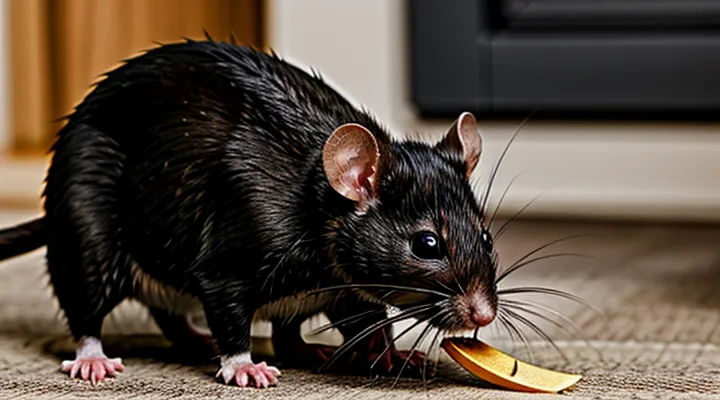
The Basics of Rat Diet
Essential Macronutrients: Proteins, Fats, and Carbohydrates
Proteins supply the amino acids required for tissue growth, repair, and immune function in ornamental rats. High‑quality sources include cooked chicken breast, boiled eggs, low‑fat cottage cheese, and commercial rodent pellets formulated with animal protein. Aim for a diet where protein contributes 18‑22 % of total caloric intake, adjusting upward during juvenile stages or after illness.
Fats provide concentrated energy and facilitate the absorption of fat‑soluble vitamins. Suitable fats are fish oil, flaxseed oil, and small amounts of unsalted nuts such as almonds. Incorporate 4‑6 % of calories from fat, monitoring for excess weight gain. Avoid saturated fats from processed meats and limit cholesterol‑rich items.
Carbohydrates deliver readily available glucose for immediate energy. Preferred carbohydrates are whole grains (oats, barley), vegetables (sweet potato, carrots), and fruit in moderation (apple slices, berries). Target 55‑65 % of caloric intake from complex carbohydrates, ensuring fiber content supports gastrointestinal health. Simple sugars should be restricted to prevent obesity and dental issues.
Practical feeding plan:
- Offer a base of high‑protein pellets meeting the protein percentage guideline.
- Supplement each day with 1 – 2 tablespoons of mixed vegetables and a small portion of protein‑rich food.
- Add ½ teaspoon of fish or flaxseed oil to the diet three times weekly.
- Provide fresh water at all times; replace daily.
Regularly assess body condition, coat quality, and activity levels to fine‑tune macronutrient ratios. Adjust portions based on age, reproductive status, and health changes.
Micronutrients: Vitamins and Minerals
Micronutrients provide the biochemical foundations for health, growth, and coat quality in ornamental rats. Adequate intake of specific vitamins and minerals prevents deficiencies that manifest as poor fur, skeletal issues, or metabolic disorders.
-
Vitamin A – promotes retinal function and epithelial integrity; sources include liver, carrots, and fortified pellets.
-
Vitamin D3 – regulates calcium absorption; sunlight exposure and safe supplementation are necessary for indoor rats.
-
Vitamin E – acts as an antioxidant protecting cell membranes; found in seeds, nuts, and vegetable oils.
-
Vitamin K – required for blood clotting; leafy greens and certain commercial feeds supply it.
-
B‑complex vitamins – support energy metabolism and nervous system health; whole‑grain cereals and meat provide B1, B2, B6, and B12.
-
Vitamin C – rats synthesize it internally; supplementation only needed under severe stress or illness.
-
Calcium – essential for bone formation and muscle contraction; dairy, leafy greens, and calcium‑enriched blocks are reliable sources.
-
Phosphorus – works with calcium to maintain skeletal strength; present in meat, fish, and eggs.
-
Magnesium – participates in enzymatic reactions and nerve transmission; available in nuts, seeds, and whole grains.
-
Potassium – balances fluids and supports cardiac function; bananas, sweet potatoes, and legumes contain it.
-
Sodium – required in small amounts for nerve impulses; trace amounts in commercial diets are sufficient.
-
Iron – needed for hemoglobin synthesis; lean meat, liver, and fortified cereals deliver it.
-
Zinc – involved in immune response and skin health; found in meat, shellfish, and pumpkin seeds.
-
Copper – assists iron metabolism and connective tissue development; organ meats and whole‑grain products provide copper.
-
Selenium – protects cells from oxidative damage; Brazil nuts and fish are rich sources.
Balancing these micronutrients involves offering a varied diet that combines high‑quality commercial rat feed with fresh vegetables, lean protein, and occasional treats. Monitoring for signs of deficiency—such as dull coat, lethargy, or abnormal growth—allows timely dietary adjustments. Regular veterinary check‑ups confirm that micronutrient levels remain within optimal ranges for a decorative rat’s wellbeing.
The Importance of Fiber
Fiber is a primary factor in maintaining gastrointestinal health for ornamental rats. Adequate fiber stimulates peristalsis, reduces the risk of impaction, and assists in the natural shedding of fur during grooming.
A typical adult decorative rat (≈200 g) requires roughly 2–3 % of its diet as crude fiber, translating to 0.5–1 g of fiber per day. Adjustments should reflect individual activity levels and age.
- Timothy hay, chopped finely
- Dried oat bran (unsweetened)
- Cooked sweet potato, mashed
- Green beans, raw or lightly steamed
- Papaya, seedless, in small portions
Incorporate fiber by mixing a measured portion into the base pellet ration, ensuring the total feed does not exceed the rat’s caloric needs. Observe stool consistency; firm, well‑formed pellets indicate appropriate fiber intake, while overly soft feces suggest excess. Gradually increase fiber sources when transitioning to a new diet to avoid sudden digestive upset.
Core Diet Components: What to Feed
High-Quality Commercial Rat Pellets
High‑quality commercial rat pellets provide a balanced blend of protein, fat, fiber, vitamins, and minerals essential for the health of ornamental rats. The formulation is calibrated to meet the species’ specific metabolic demands, reducing the risk of nutritional deficiencies and obesity.
Key factors when selecting pellets:
- Protein content between 18 % and 22 % derived from animal or soy sources.
- Fat level not exceeding 5 % to prevent excess weight gain.
- Inclusion of calcium, phosphorus, and trace minerals in ratios supporting bone development.
- Absence of artificial colors, flavors, and excessive fillers such as corn or wheat bran.
- Manufacturer certification of nutrient analysis and batch testing.
Feeding protocol:
- Offer 1 – 1.5 g of pellets per 100 g of body weight daily, divided into two meals.
- Adjust portions based on activity level, age, and body condition.
- Provide fresh water alongside pellets; monitor consumption to detect health changes.
- Supplement with occasional fresh vegetables or fruits, limiting treats to less than 10 % of total intake.
Storage recommendations:
- Keep pellets in a sealed, airtight container away from heat, moisture, and direct sunlight.
- Use a date‑coded inventory system; discard any product older than six months or showing signs of spoilage.
Common errors to avoid:
- Mixing multiple brands without verifying compatible nutrient profiles.
- Relying solely on seed or grain mixes, which lack balanced micronutrients.
- Over‑feeding treats, leading to imbalanced diet and dental issues.
Adhering to these guidelines ensures that decorative rats receive consistent, scientifically formulated nutrition, supporting longevity and vitality.
Fresh Fruits and Vegetables: Safe Options and Portions
Rats benefit from a limited selection of fresh produce that provides vitamins, minerals, and hydration. Offer only the items listed below and monitor for any adverse reactions.
-
Apples (core removed, no seeds)
-
Blueberries
-
Strawberries (halved)
-
Pears (skin removed)
-
Bananas (small slice)
-
Mango (seed removed)
-
Bell peppers (any color, diced)
-
Carrots (shredded)
-
Zucchini (thin slices)
-
Cucumber (seedless, sliced)
-
Leafy greens such as romaine lettuce, kale, and spinach (chopped)
-
Broccoli florets (steamed briefly)
Portion sizes should not exceed 10 % of the daily caloric intake. A typical adult decorative rat receives 1–2 grams of fruit and 2–3 grams of vegetable per day, divided into two feedings. Introduce new items gradually, observing behavior and stool consistency. Remove any uneaten produce after 30 minutes to prevent spoilage.
Occasional Treats: When and What to Offer
Treats should complement, not replace, a balanced staple diet. Offer them no more than 5 % of total daily calories to prevent obesity and nutrient imbalances.
Timing
- Limit to two sessions per week, spaced at least three days apart.
- Provide treats after a regular feeding to ensure the primary diet is consumed first.
- Avoid offering treats during periods of illness, growth spurts, or before breeding cycles.
Safe options
- Fresh fruits: apple slices (no seeds), blueberries, strawberries – ½ – 1 cm pieces.
- Vegetables: carrot shavings, bell‑pepper strips, cucumber wedges – thin slices.
- Protein treats: boiled egg white, small pieces of cooked chicken breast, plain low‑fat yogurt – ¼ teaspoon per serving.
- Commercial rodent treats: formulated with appropriate fiber and low sugar – follow manufacturer’s serving size.
Unsuitable items
- Citrus fruits, grapes, raisins, avocado, chocolate, caffeine, alcohol, and any processed human snacks containing salt, sugar, or artificial additives.
Presentation
- Place treats on a separate dish to prevent mixing with staple food.
- Observe the rat for 10–15 minutes; remove uneaten portions to avoid spoilage.
Monitoring
- Track weight weekly; adjust treat frequency if weight gain exceeds 1 % of body mass.
- Watch for digestive changes such as soft stools; reduce or discontinue treats if issues arise.
Consistent adherence to these guidelines ensures occasional indulgences enhance enrichment without compromising health.
Foods to Avoid: Harmful and Unsuitable Items
Toxic Foods for Rats
When caring for a decorative rat, recognizing foods that can cause poisoning is essential for maintaining health.
Avoid the following items, each capable of producing severe gastrointestinal distress, neurological damage, or organ failure:
- Chocolate, cocoa powder, and products containing theobromine
- Caffeine‑containing beverages and sweets
- Alcohol, including foods prepared with wine or beer
- Raw or undercooked beans, especially red kidney beans, which contain phytohemagglutinin
- Citrus peel and highly acidic fruits in large quantities
- Avocado flesh (persin) and avocado pits
- Processed meats with high salt or nitrate levels
- Artificial sweeteners, particularly xylitol
- Onions, garlic, leeks, and chives (allium compounds)
- High‑fat dairy products such as cheese and whole milk
Ingestion of these substances may produce vomiting, diarrhea, tremors, seizures, or sudden death. Immediate veterinary assessment is required if any symptoms appear after accidental consumption.
Maintain a separate storage area for human foods, label safe rat treats clearly, and provide a balanced pellet base supplemented with fresh vegetables and limited fruit. This approach minimizes accidental exposure and supports optimal wellbeing.
Foods High in Sugar, Salt, and Unhealthy Fats
When providing nutrition for ornamental rats, limiting items that deliver excessive sugar, sodium, or detrimental fats is essential for maintaining health and appearance.
- Candied fruits, dried fruit mixes, and sweetened cereals contain concentrations of simple sugars that can cause rapid weight gain and dental decay.
- Commercial pastries, sugary drinks, and honey‑glazed treats add comparable carbohydrate loads without nutritional benefit.
Excessive sodium sources include:
- Processed meats such as bacon, ham, and sausage slices.
- Packaged snack chips, pretzels, and seasoned crackers.
- Condiments with high salt content, including soy sauce, ketchup, and seasoned spreads.
Foods rich in unhealthy fats—particularly trans fats and saturated fatty acids—should be avoided:
- Fried items (e.g., French fries, onion rings).
- Bakery products made with hydrogenated oils (e.g., certain biscuits, doughnuts).
- High‑fat dairy products like full‑fat cheese and butter.
Expert feeding advice recommends offering these categories only on rare occasions, if at all. Replace them with low‑sugar vegetables, lean protein sources, and small portions of healthy fats such as plain cooked eggs or a few unsalted nuts. Consistent moderation prevents obesity, cardiovascular strain, and metabolic disorders while supporting the decorative rat’s vibrant coat and active demeanor.
Dairy Products and Their Limitations
Dairy can be a source of protein, calcium, and vitamins for ornamental rats, but its use requires strict control. Rats lack the enzyme lactase needed to digest lactose efficiently; excess intake leads to gastrointestinal distress, including diarrhea and bloating. Therefore, dairy should be offered only in limited, lactose‑free forms such as plain yogurt, cottage cheese, or hard cheeses with low moisture content.
- Provide no more than a teaspoon of dairy per 100 g of body weight per week.
- Select products with less than 2 % fat to avoid excessive caloric load.
- Observe the animal for signs of intolerance: soft stools, reduced activity, or weight loss.
- Rotate dairy types to prevent nutrient imbalances and maintain dietary variety.
When dairy is included, balance it with high‑fiber vegetables, quality rodent pellets, and fresh water. Regular health checks will confirm that the rat tolerates dairy without adverse effects.
Feeding Schedule and Portions
Recommended Feeding Frequency
Feeding frequency determines a decorative rat’s health, growth, and behavior. Adult rats thrive on a consistent schedule that aligns with their natural foraging patterns, while juveniles require more frequent meals to support rapid development.
- Juvenile (4‑8 weeks): Offer fresh food 4‑5 times daily, spacing portions 3‑4 hours apart. Include a balanced mix of high‑protein pellets, soft vegetables, and occasional fruit.
- Adolescent (8‑12 weeks): Reduce to 3‑4 feedings per day, maintaining 4‑5 hour intervals. Gradually increase pellet proportion, keep fresh water available at all times.
- Adult (12 weeks and older): Provide 2‑3 meals daily, spaced 6‑8 hours apart. Primary diet consists of quality pellets; supplement with limited fresh produce and occasional treats.
- Senior (18 months+): Maintain 2 meals per day, monitoring intake for signs of reduced appetite. Adjust portion size to prevent obesity, and ensure easy access to water.
Consistent timing, rather than irregular feeding, stabilizes metabolic rate and encourages regular bowel movements. Adjust frequencies during illness, pregnancy, or extreme temperature changes; increase meal count if energy expenditure rises, and decrease if activity drops. Monitoring body condition score weekly confirms that the chosen schedule meets the rat’s individual needs.
Determining Appropriate Portion Sizes
When calculating daily rations for a decorative rat, base the amount on body weight, activity level, and the nutritional composition of the feed. A typical adult rat weighing 250–300 g requires roughly 15–20 g of mixed food per day. Adjustments follow:
- Weight factor: Provide 0.06 g of food per gram of body weight. Example: a 280 g rat receives about 16.8 g.
- Activity level: Increase the portion by 10–15 % for highly active individuals; decrease by the same margin for sedentary rats.
- Feed composition: Ensure the diet contains 18–20 % protein, 5–7 % fat, and adequate fiber (3–5 %). Balance commercial pellets with fresh vegetables and occasional protein treats.
- Meal frequency: Divide the total daily amount into two equal feedings to promote stable digestion and prevent hoarding.
- Monitoring: Track body condition weekly. A stable weight indicates correct portion size; weight loss or gain of more than 5 % signals the need for adjustment.
Water must be available at all times, and any changes to the diet should be introduced gradually over 3–5 days to avoid gastrointestinal upset.
Monitoring Weight and Adjusting Intake
Regular weight checks are essential for maintaining the health of ornamental rats. Use a digital gram scale to record weight at least twice weekly; record the data in a spreadsheet to reveal trends. Visual assessment of body condition—checking for a defined waist and palpable ribs—supplements scale readings and helps identify rapid changes.
Adjust daily food quantities based on recorded trends. Increase portions when weight consistently falls below the target range (typically 150‑200 g for adult decorative rats) and reduce when the upward trend exceeds 5 % over two weeks. Consider the following factors when modifying intake:
- Calorie density: Higher‑fat treats add more calories per gram; limit to 10 % of the total diet.
- Protein level: Maintain 18‑20 % of calories from protein to support growth and coat quality.
- Activity: Boost portions for rats with extensive enrichment or exercise; decrease for less active individuals.
- Seasonal variation: Cooler months may require a modest increase (5‑10 %) to offset higher metabolic demand.
Re‑evaluate the feeding plan after each weight assessment, ensuring the rat remains within the optimal weight band and exhibits a healthy body condition score.
Hydration: Water is Key
Importance of Fresh Water Availability
Rats need uninterrupted access to clean, fresh water to maintain physiological balance. Dehydration quickly impairs kidney function, reduces blood volume, and hampers digestion, leading to weight loss and susceptibility to disease. Consistent hydration also supports thermoregulation, allowing the animal to dissipate excess heat through evaporative cooling.
Provide a water source that rats can reach without strain. Ceramic or stainless‑steel bowls prevent bacterial growth better than plastic containers. Position the bowl away from food dishes to avoid contamination, and keep it on a stable surface to prevent spills.
Maintain water quality through regular care:
- Replace water at least twice daily; increase frequency in warm environments.
- Rinse and sanitize the container with mild, non‑residual soap weekly.
- Inspect for biofilm, mold, or debris before each refill.
Monitor consumption by observing the bowl level and noting any sudden decline. A drop in intake often signals health issues such as respiratory infection or dental problems and warrants immediate veterinary assessment.
Types of Water Dispensers
Providing reliable hydration is as critical as offering balanced nutrition to a decorative rat. Selecting an appropriate water dispenser influences health, cleanliness, and ease of maintenance.
Bottle dispensers attach to cage bars, delivering water through a sipper tube. The sealed system prevents spills, reduces contamination, and allows precise monitoring of consumption. Regular inspection of the tubing prevents cracks that could harbor bacteria.
Open bowls offer immediate access but require daily cleaning to avoid biofilm buildup. Ceramic or stainless‑steel bowls resist rust and are dishwasher safe, yet they must be positioned to prevent tipping.
Automatic drip systems connect to a reservoir and release measured droplets at set intervals. This method maintains a constant water level, minimizes waste, and suits larger enclosures. Routine flushing of the tubing prevents mineral deposits.
Filtered water units incorporate carbon or charcoal cartridges, removing chlorine and odor. They improve taste, encouraging intake, but cartridges need replacement according to manufacturer guidelines.
Key considerations when choosing a dispenser
- Material durability (ceramic, stainless steel, BPA‑free plastic)
- Leak‑proof design to protect bedding and electronics
- Ease of cleaning (disassemblable parts, dishwasher compatibility)
- Compatibility with cage dimensions and bar spacing
- Ability to monitor daily consumption (clear reservoir markings or flow meters)
Implementing the dispenser that aligns with the rat’s habits and the keeper’s routine ensures consistent water availability, supporting overall well‑being. Regular sanitation—rinsing, scrubbing, and sanitizing with a mild, non‑toxic solution—prevents pathogen growth and extends the device’s lifespan.
Cleaning and Maintenance of Water Bottles
Proper water bottle hygiene is essential for the health of a decorative rat. Contaminated water can introduce pathogens, impair digestion, and reduce the animal’s willingness to drink. Maintaining a clean bottle ensures reliable hydration and supports overall well‑being.
Routine cleaning schedule
- Daily: Rinse the bottle with warm water, remove any visible debris, and refill with fresh water.
- Weekly: Disassemble the bottle, scrub the reservoir, cap, and tube with a non‑abrasive brush. Use a mild detergent diluted in warm water; rinse thoroughly to eliminate soap residues.
- Monthly: Soak the entire assembly in a solution of one part white vinegar to three parts water for 15 minutes. Rinse well and allow all components to air‑dry completely before reassembly.
Material considerations
- Glass bottles resist odor retention and are dishwasher safe; avoid using glass if the cage setup risks breakage.
- BPA‑free plastic bottles reduce chemical leaching; replace plastic components every six months or sooner if cloudiness appears.
- Silicone tubing resists biofilm formation; inspect for cracks before each cleaning cycle.
Signs that cleaning is required
- Cloudy water or discoloration within the reservoir.
- Foul odor emanating from the bottle or tubing.
- Visible mold, slime, or mineral deposits on interior surfaces.
- Reduced water flow caused by blockage in the tube.
Maintenance best practices
- Position the bottle at a height that allows the rat to drink comfortably without excessive strain.
- Secure the bottle to prevent tipping, which can create leaks and promote bacterial growth.
- Use filtered or dechlorinated water to minimize mineral buildup.
- Keep the cage environment dry; excess humidity accelerates bacterial proliferation inside the bottle.
Adhering to these procedures guarantees a consistent supply of clean water, directly influencing the decorative rat’s hydration, activity level, and longevity.
Special Dietary Considerations
Feeding Pregnant and Lactating Rats
Pregnant and lactating decorative rats require increased caloric intake and specific nutrients to support fetal development and milk production. A diet that meets these demands prevents weight loss, maintains reproductive health, and ensures robust offspring.
Energy density should rise by 20‑30 % compared to the standard adult formula. Include high‑quality protein sources—such as boiled egg, cooked chicken, or soy isolate—providing 18‑20 % of total calories. Essential fatty acids, particularly omega‑3 and omega‑6, support neural development; add small amounts of fish oil or flaxseed oil.
Recommended daily components (per 100 g of feed):
- Protein: 18–20 g
- Fat: 8–10 g
- Carbohydrates: 55–60 g
- Calcium: 1.2–1.5 %
- Phosphorus: 0.8–1.0 %
- Vitamin E: 50–70 IU
- B‑complex vitamins: adequate levels for metabolic support
Feeding schedule: offer fresh food twice daily, supplementing with small, nutrient‑dense snacks between meals. Monitor body condition; a gradual weight gain of 2–3 % per week indicates adequate intake. Adjust portions if the rat shows signs of over‑ or under‑eating, such as rapid weight loss or excessive fat accumulation.
Hydration is critical; provide constant access to clean water and consider adding a few drops of electrolyte solution during late gestation and early lactation. Regular health checks, including observation of coat quality, activity level, and nipple development, help identify nutritional deficiencies early.
Dietary Needs of Young Rats (Pups)
Young rats require a diet that supports rapid growth, bone development, and immune function. Their nutritional profile differs markedly from that of adult decorative rats, demanding higher protein, calcium, and essential fatty acids.
- Protein: 20–24 % of daily calories; sources include high‑quality rodent pellets, boiled egg white, and finely minced cooked chicken.
- Calcium: 1.0–1.2 % of diet; provide through calcium‑enriched pellets, crushed eggshell, or a commercial rodent calcium supplement.
- Phosphorus: 0.8–1.0 % of diet; maintain a calcium‑to‑phosphorus ratio near 1.2:1 to prevent skeletal abnormalities.
- Fat: 5–8 % of calories; include small amounts of unsalted nuts, sunflower seeds, or a few drops of fish oil for omega‑3 fatty acids.
- Vitamins and minerals: Ensure adequate vitamin E, B‑complex, and trace minerals (zinc, selenium) via fortified pellets or a balanced supplement.
Feeding frequency influences digestion and nutrient absorption. Offer meals three times daily until weaning is complete (approximately 21 days of age). After weaning, transition to two meals per day while monitoring body condition.
Hydration is critical; provide fresh, filtered water at all times. Replace water bottles daily to prevent bacterial growth.
Observe intake and growth rates. A healthy pup should gain 0.5–1 g per day during the first two weeks. Adjust portions if weight gain deviates from this range, increasing protein or calorie density as needed.
Senior Rat Nutrition
Senior rats experience reduced metabolic rate and lower activity levels, demanding diets that balance energy provision with weight management. Calorie density should be modest, while protein content remains sufficient to preserve muscle mass.
- Protein: 18‑22 % of total calories, sourced from high‑quality rodent pellets, boiled egg whites, or cooked lean meat.
- Fat: 5‑8 % of calories, supplied by small amounts of unsalted nuts, seeds, or a few drops of vegetable oil.
- Fiber: 4‑6 % of calories, delivered through shredded carrots, leafy greens, and oat bran to support gastrointestinal motility.
Vitamins and minerals become critical as absorption efficiency declines. Supplementation should include:
- Vitamin E (50 IU/kg diet) to counter oxidative stress.
- Calcium‑phosphorus ratio of 1.2:1, achieved with mineral blocks or fortified pellets.
- B‑complex vitamins, particularly B12, to maintain neurological function.
- Omega‑3 fatty acids (EPA/DHA) at 0.5 % of diet for anti‑inflammatory benefits.
Feeding frequency shifts from multiple daily portions in youth to two measured meals per day for seniors. Portion size should correspond to the rat’s body condition score, typically 1‑2 grams of dry pellet per 100 g body weight, complemented by fresh vegetables limited to 10 % of total intake.
Regular health checks—body weight, coat condition, stool consistency, and activity level—provide immediate feedback on dietary adequacy. Adjust macronutrient ratios or supplement levels promptly if weight gain, hair loss, or digestive disturbances emerge. This systematic approach sustains senior decorative rats’ vitality and longevity.
Managing Obesity and Underweight Rats
Effective weight management in ornamental rats requires precise dietary control, regular monitoring, and environmental adjustments.
Obese rats benefit from reduced caloric intake and increased activity. Implement the following measures:
- Replace high‑fat treats with small portions of fresh vegetables (e.g., carrots, bell peppers).
- Offer a measured amount of high‑quality pellet feed, calibrated to 2–3 g per 100 g body weight daily.
- Introduce a daily exercise session: a wheel, tunnel system, or supervised floor time lasting 30–45 minutes.
- Track weight weekly; adjust portions by 5 % if weight changes exceed 2 % of target.
Underweight rats require calorie enrichment and stress minimization. Apply these steps:
- Add a spoonful of unsweetened nut butter or a commercially formulated rat supplement to each meal.
- Increase feeding frequency to three small meals per day, maintaining consistent portion sizes.
- Provide soft bedding and hideouts to reduce anxiety, which can suppress appetite.
- Record weight twice weekly; raise daily caloric provision by 10 % until the rat gains 1 % of body mass per week.
Both conditions demand clean water, regular health checks, and avoidance of sugary or processed human foods. Consistent record‑keeping enables prompt adjustments and supports long‑term health of decorative rats.
Common Feeding Mistakes to Avoid
Overfeeding and Underfeeding
Overfeeding and underfeeding represent the two most common nutritional errors in the care of ornamental rats. Both conditions disrupt the animal’s health, shorten lifespan, and diminish the aesthetic qualities that owners value.
Excessive intake leads to rapid weight gain, fatty liver, and insulin resistance. Rats that become obese show reduced activity, difficulty moving, and increased susceptibility to respiratory infections. Excess calories also mask deficiencies in essential nutrients, causing imbalances despite apparent abundance of food.
Insufficient intake results in weight loss, muscle wasting, and weakened immune function. Malnourished rats display dull coat, sluggish behavior, and delayed growth. Deficits in vitamins and minerals impair bone development and increase the risk of dental problems.
Effective management requires precise control of portion size, feeding schedule, and regular health assessment:
- Determine daily caloric requirement based on age, weight, and activity level; typical adult ornamental rats need 15–20 kcal per 100 g body weight.
- Offer measured portions of a balanced commercial rat mix, supplemented with fresh vegetables and occasional protein sources.
- Feed twice daily, dividing the total daily amount into equal meals to maintain stable blood glucose.
- Weigh the rat weekly; adjust portions by 5 % if weight deviates more than 2 % from target.
- Observe stool consistency and coat condition; changes indicate possible over- or undernutrition.
By adhering to these quantitative guidelines, caretakers prevent the health risks associated with improper feeding while preserving the rat’s decorative appearance.
Inconsistent Feeding Schedules
Inconsistent feeding schedules disrupt a decorative rat’s metabolic rhythm, leading to weight instability, digestive problems, and heightened stress. Erratic meal timing forces the animal to adapt to unpredictable energy intake, which can trigger overeating during occasional large meals and under‑nutrition during prolonged gaps.
Stable routines support efficient digestion, maintain healthy body condition, and reduce anxiety. A regular schedule synchronises the rat’s internal clock with food availability, allowing predictable enzyme production and nutrient absorption.
- Choose two to three fixed feeding times each day (e.g., 0800 h, 1300 h, 1800 h).
- Measure each portion precisely; use a kitchen scale to ensure consistency.
- Employ an automatic dispenser for days when you cannot be present at the set times.
- Record feeding times and amounts in a log to detect deviations quickly.
When personal commitments interfere, implement a backup plan: assign a trusted caretaker, prepare pre‑measured meals in sealed containers, or program the dispenser for extended periods. Regularly review the log to confirm that the backup system matches the primary schedule.
Consistent timing, accurate portions, and reliable contingency measures together eliminate the adverse effects of irregular feeding, promoting optimal health and behavior in decorative rats.
Neglecting Dental Health through Diet
Proper nutrition is essential for the dental integrity of ornamental rats. Their incisors grow continuously; without adequate abrasive wear, the teeth can overgrow, become misaligned, or develop sharp points that damage oral tissues.
A diet lacking sufficient hardness fails to provide the mechanical stimulation needed for natural tooth filing. Soft, processed foods—such as excessive commercial pellets, fruit purees, or soaked kibble—offer minimal resistance. Over time, this leads to:
- Overgrown incisors that may require trimming.
- Malocclusion causing difficulty chewing and weight loss.
- Increased risk of oral infections due to trapped food debris.
Inadequate calcium and phosphorus balance also compromises tooth structure. Diets high in sugary fruits or sugary treats raise the acidity in the mouth, accelerating enamel erosion and promoting plaque formation.
To maintain dental health, incorporate the following elements into daily feeding routines:
- Provide a daily portion of raw, unsalted nuts or seeds that require gnawing.
- Offer fresh, crisp vegetables such as carrots, celery, or bell pepper strips.
- Include a limited amount of high‑quality, hard‑textured pellets formulated for rodents.
- Rotate chewable wooden toys or mineral blocks to supplement natural wear.
Monitoring the rat’s teeth during routine health checks allows early detection of overgrowth. Prompt intervention—adjusting diet, adding abrasive items, or seeking professional trimming—prevents more severe complications.
Resources and Further Reading
Consulting with a Veterinarian
When planning a diet for a decorative rat, a veterinary consultation provides essential health data that cannot be inferred from general guidelines. The professional assesses weight, dental condition, and metabolic indicators, then tailors nutrient ratios to the animal’s specific physiology.
Key topics to address during the appointment include:
- Current body condition score and target weight range.
- Presence of dental wear, malocclusion, or oral lesions.
- History of gastrointestinal disturbances or food sensitivities.
- Recommended protein, fat, and fiber percentages for the individual rat.
- Safe supplement options and dosage schedules.
- Frequency of weigh‑ins and follow‑up examinations.
The veterinarian may also suggest diagnostic tests—such as blood panels or fecal analyses—to detect hidden deficiencies or parasitic infections. Incorporating these findings into the feeding plan ensures balanced nutrition, supports optimal growth, and reduces the risk of diet‑related illnesses.
Reputable Online Sources for Rat Care
When seeking guidance on nutrition for ornamental rats, consult sources that combine scientific rigor with practical experience. Reliable platforms provide evidence‑based recommendations, detailed feeding schedules, and product reviews vetted by professionals.
- American Veterinary Medical Association (AVMA) – Pet Care Section – Offers peer‑reviewed articles on small‑animal nutrition, including nutrient requirements and safe food items. (https://www.avma.org)
- The Rat Fan Club (RFC) – Care & Nutrition Forum – Maintained by experienced breeders, the forum archives comprehensive feeding charts and discusses common dietary pitfalls. (https://www.ratfanclub.com)
- University of California, Davis – Small Animal Nutrition Database – Presents research‑driven guidelines on calorie density, vitamin supplementation, and ingredient sourcing for laboratory and companion rodents. (https://www.vetmed.ucdavis.edu)
- Royal Society for the Prevention of Cruelty to Animals (RSPCA) – Small Pets Advice – Provides concise lists of approved foods, warning signs of nutritional deficiencies, and links to veterinary resources. (https://www.rspca.org.uk)
- PetMD – Rat Nutrition Articles – Features articles authored by veterinarians, covering diet formulation, treats, and hydration strategies. (https://www.petmd.com)
To assess credibility, verify that the organization employs licensed veterinarians or academic researchers, that content includes citations of peer‑reviewed studies, and that the site updates information regularly. Avoid platforms that rely solely on anecdotal reports without expert oversight.
Integrating data from these vetted outlets ensures that feeding practices align with current scientific standards, promoting health and longevity for decorative rats.
Joining Rat Enthusiast Communities
Joining rat enthusiast communities provides immediate access to collective knowledge on the dietary needs of ornamental rodents. Experienced keepers share proven feeding schedules, ingredient sourcing tips, and troubleshooting advice that accelerate the learning curve for new owners.
Key steps to become an active member:
- Identify platforms dedicated to pet rodents, such as specialized forums, social‑media groups, and regional clubs. Verify that the group focuses on decorative rat care rather than general pet topics.
- Register using a professional‑sounding username and complete the profile with details about your rat’s breed, age, and current diet. Accurate information invites relevant feedback.
- Review the community’s posting guidelines. Follow rules on content format, prohibited topics, and frequency of posts to maintain credibility.
- Introduce yourself with a concise summary of your goals, including any specific feeding challenges you face. Mention the type of diet you intend to implement (e.g., grain‑based, high‑fiber, or formulated mixes).
- Participate in ongoing discussions by answering questions, sharing your own observations, and citing reputable sources such as veterinary nutrition journals or established feeding manuals.
Benefits of active participation include rapid problem resolution, exposure to emerging feed products, and opportunities to attend workshops or meet‑ups where experts demonstrate preparation techniques. Regular engagement also fosters mentorship relationships, allowing seasoned keepers to review your feeding plan and suggest adjustments based on observed health indicators.