
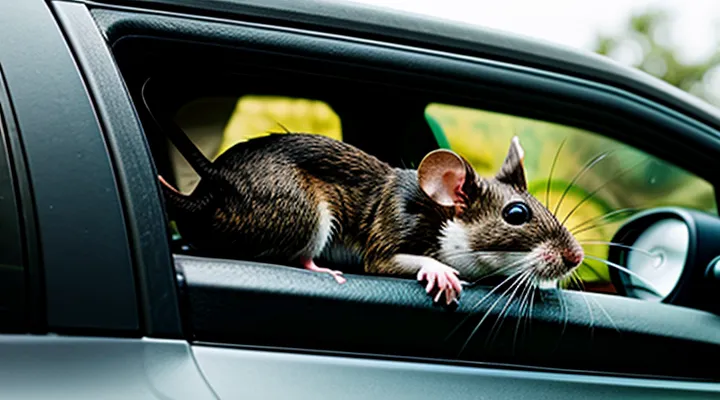
Understanding the Mouse Problem in Your Car
Signs of a Mouse Infestation
Droppings and Urine Stains
Droppings and urine stains serve as reliable indicators that a rodent has entered a vehicle. Their presence confirms activity in the cabin, trunk, or engine compartment and signals the need for immediate action.
Health risks arise from the pathogens carried in rodent waste. Bacteria such as Salmonella and Leptospira can survive on contaminated surfaces, posing infection hazards to occupants who touch or inhale particles disturbed during cleaning.
Cleaning protocol:
- Wear disposable gloves and a mask to avoid direct contact with waste.
- Collect solid droppings with a disposable scoop; place them in a sealed bag for disposal.
- Apply an enzyme‑based cleaner to urine‑stained areas; allow the solution to act for the manufacturer‑specified time.
- Rinse with water and dry thoroughly; repeat if odor persists.
- Disinfect the treated surfaces with a 70 % isopropyl alcohol solution or a registered household disinfectant.
Preventive measures focus on eliminating entry points and reducing attraction. Inspect door seals, ventilation openings, and any gaps in the chassis; seal identified cracks with automotive‑grade caulk. Store food items in sealed containers and avoid leaving trash in the vehicle. Regularly inspect the interior for fresh signs of waste; early detection limits the spread of contamination and supports successful removal of the intruder.
Chewed Wires or Upholstery
Mice that enter a vehicle often target electrical wiring and interior fabrics. Chewed wires can lead to intermittent lighting, malfunctioning sensors, or complete system failure. Damaged upholstery creates gaps that facilitate further nesting and reduces passenger comfort.
- Conduct a thorough visual inspection of all accessible wiring bundles, especially near the engine compartment, dash, and floor panels. Look for exposed conductors, frayed insulation, or gnawed plastic.
- Remove any visible debris, droppings, or nesting material from upholstery. Use a vacuum with a HEPA filter to capture particles that may attract additional rodents.
- Apply a non‑toxic rodent‑deterrent spray to wires and fabric seams. Products containing peppermint oil or capsaicin create an unpleasant environment without harming vehicle components.
- Seal entry points such as gaps around door seals, ventilation ducts, and undercarriage openings. Use steel wool or silicone‑based sealant that resists gnawing.
- Replace severely damaged wires with automotive‑grade harnesses. Ensure connections meet manufacturer specifications to restore reliable operation.
- If extensive damage is found, consult a certified auto electrician. Professional repair prevents hidden faults that could compromise safety systems.
Unpleasant Odors
Mice in a vehicle often produce strong, unpleasant odors caused by urine, feces and nesting material. The smell can linger in upholstery, carpets and ventilation ducts, creating a persistent nuisance for the driver.
Identifying the source of the odor helps target cleaning efforts. Look for damp spots on seat cushions, dark streaks along floor mats, and shredded insulation near the engine compartment. A faint, musky scent may indicate recent urine deposits, while a stale, sour smell suggests accumulated waste.
To remove the odor while eliminating the rodent, follow these steps:
- Remove all visible debris: extract droppings, shredded fabric and nesting material using gloves and a disposable bag.
- Clean affected surfaces with a detergent‑based cleaner; scrub upholstery, carpet fibers and plastic trim thoroughly.
- Apply an enzymatic cleaner to break down organic residues that cause odor; allow the product to work for the recommended contact time.
- Disinfect the area with a solution containing at least 70 % isopropyl alcohol or a suitable disinfectant; rinse and dry completely.
- Place an odor‑absorbing agent such as activated charcoal or baking soda in the interior for several hours to capture residual smells.
- Inspect and seal entry points to prevent re‑infestation; replace damaged wiring or insulation that may have been chewed.
After completing the cleaning protocol, air the vehicle by opening doors and windows for a period of time. A fresh interior environment confirms successful removal of both the mouse and the associated unpleasant odors.
Risks Associated with Mice in Cars
Health Hazards
A mouse inside a vehicle creates multiple health risks. Urine, feces, and saliva contaminate upholstery, dashboards, and any stored food, exposing occupants to pathogens. Contact with droppings can trigger gastrointestinal infections, while airborne particles may cause respiratory irritation.
- Transmission of bacteria such as Salmonella and Leptospira through contaminated surfaces.
- Spread of viruses, including Hantavirus, via inhalation of dried droppings.
- Allergic reactions to rodent dander, leading to sneezing, itching, and asthma exacerbation.
- Potential for bites, resulting in wound infection and tetanus risk.
Mitigation requires immediate removal of the animal and thorough sanitation. Use traps or humane capture devices to extract the rodent without dispersing droppings. Follow with a vacuum equipped with a HEPA filter, then clean all affected areas with an EPA‑approved disinfectant. Replace any food items and inspect wiring for gnawed insulation, which could cause electrical shorts and fire hazards.
Prompt action eliminates exposure to disease agents and prevents long‑term health complications for drivers and passengers.
Vehicle Damage
Mice can compromise vehicle integrity by gnawing on wiring, insulation, and fuel lines. Damaged wires may cause intermittent electrical faults, loss of power‑window function, or failure of lighting systems. Chewed fuel hoses increase the risk of leaks, leading to fire hazards and costly repairs. Airbag deployment mechanisms are vulnerable to rodent interference, potentially rendering safety devices ineffective during a collision.
Signs of rodent‑related damage include exposed wire sheathing, unusual odors from the engine compartment, and the presence of droppings or nesting material. Early detection prevents escalation to more severe mechanical failures.
Preventive actions:
- Seal all openings larger than ¼ inch with steel wool or silicone caulk to block entry points.
- Install rodent‑proof covers on exposed cables and hoses, especially in the engine bay and undercarriage.
- Place non‑lethal traps or ultrasonic deterrents in the vehicle’s interior and cargo area.
- Conduct monthly inspections of wiring harnesses, fuel lines, and brake components for bite marks or corrosion.
- Store the vehicle in a clean, well‑ventilated garage; maintain low humidity to discourage nesting.
Implementing these measures reduces the likelihood of costly component replacement and preserves the vehicle’s operational safety.
Strategies for Mouse Removal
Initial Steps and Preparation
Clearing Out the Car
Removing a rodent from a vehicle requires a thorough clearance of the interior before any eviction measures can be effective. All potential food sources, nesting materials, and debris must be eliminated to deny the animal shelter and sustenance.
- Extract garbage bags, food wrappers, and loose items from seats, floor mats, and trunk.
- Vacuum upholstery, carpets, and crevices to collect droppings, hair, and discarded material.
- Wipe hard surfaces with a mild detergent solution; pay special attention to cup holders, door panels, and under‑seat compartments.
- Dispose of collected waste in sealed containers away from the vehicle.
After the interior is cleared, inspect hidden spaces such as behind the dashboard, under the seats, and within the engine bay. Use a flashlight to locate any remaining signs of activity. Apply a disinfectant spray to eliminate odor cues that may attract the rodent.
To prevent recurrence, store food in airtight containers, keep the vehicle sealed when not in use, and schedule regular cleaning intervals. These actions reduce the likelihood of re‑infestation and maintain a hygienic environment for future travel.
Identifying Entry Points
Identifying how a mouse gains access to a vehicle is the first step in preventing infestation. Close inspection of the exterior and interior reveals the most common penetration routes.
- Gaps beneath the door seals, especially where rubber strips are worn or detached.
- Openings around the ventilation system, including exhaust vents and cabin air intakes.
- Loose or damaged wiring harnesses that pass through the firewall.
- Cracks in the floorpan or under‑carriage panels, often near the fuel tank or spare‑tire well.
- Seams of the trunk lid and rear hatch where weatherstripping is missing.
- Small holes around the antenna mast, windshield wiper linkage, and rear‑window defroster.
Systematic examination begins at the front bumper, proceeds along the wheel arches, and continues around the vehicle’s perimeter. Use a flashlight to highlight shadowed areas; a thin probe can confirm the size of suspected openings. Any aperture exceeding a quarter‑inch in diameter warrants immediate sealing with steel wool, automotive caulk, or appropriate mesh. Regularly repeat the survey after repairs or seasonal changes to maintain a barrier against rodent entry.
Humane Eviction Methods
Live Traps
Live traps provide a humane solution for removing a mouse that has entered a vehicle. These devices capture the animal without causing injury, allowing for safe release away from the car.
Typical designs include a box with a trigger mechanism and a snap‑free cage. Both types rely on bait to lure the rodent into the interior chamber. The trap remains closed until the mouse steps on the trigger plate, at which point the door shuts securely.
To employ a live trap effectively:
- Select a small, portable model that fits in the passenger compartment.
- Place a piece of soft cheese or peanut butter inside the bait area, using French quotes «cheese» if needed for emphasis.
- Position the trap along the floorboard or beneath a seat, where mouse activity is most likely.
- Check the trap at least twice daily to prevent stress to the captured animal.
- Once caught, transport the trap to a wooded area at least 100 meters from the vehicle and release the mouse.
After release, clean the trap with mild detergent and disinfect any surfaces the mouse may have contacted. This routine minimizes the risk of re‑infestation and maintains a hygienic interior.
Repellents
Repellents provide a practical means of discouraging a mouse from entering a vehicle.
Ultrasonic emitters generate high‑frequency sound that rodents find uncomfortable; placement near the cabin interior creates an invisible barrier.
Peppermint oil applied to cotton balls and positioned in door seals, glove compartment, and trunk releases a scent that mice avoid.
Mothballs release a strong chemical vapor; a few placed in concealed areas produce an effective deterrent, though ventilation must be considered.
Commercial rodent‑repellent sprays contain ingredients such as capsaicin or predator urine; a light mist applied to upholstery and wiring channels creates an inhospitable environment.
Natural options include dryer sheets or sachets of dried rosemary; their aromatic profile repels small mammals without leaving residues.
For lasting effect, combine two or more methods and replace them regularly, as the potency of scents diminishes over time.
Natural Repellents
Natural repellents offer an effective, non‑chemical approach to deter a mouse that has taken refuge inside a vehicle. These substances exploit the animal’s aversion to strong scents or textures, encouraging it to leave the confined space without direct confrontation.
Commonly used natural deterrents include:
- Peppermint oil: a few drops placed on cotton balls and positioned near entry points create an odor mice find intolerable.
- Citrus peels: fresh orange or lemon rinds, left in the cabin, release volatile compounds that repulse rodents.
- Vinegar solution: a mixture of equal parts white vinegar and water sprayed on upholstery and floor mats disrupts scent trails.
- Clove oil: a small amount applied to a cloth and tucked under seats produces a pungent aroma that discourages habitation.
- Mothballs (naphthalene): though technically a synthetic compound, they are often classified as a household repellent; use sparingly and ensure ventilation.
Application guidelines:
- Distribute cotton balls or cloths evenly throughout the interior, focusing on areas where droppings or gnaw marks have been observed.
- Replace scented items every 24–48 hours to maintain potency.
- Combine multiple repellents only if their aromas do not mask each other, enhancing overall effectiveness.
- After confirming mouse departure, clean affected surfaces with mild detergent to remove residual scent markers.
Natural repellents provide a safe, environmentally friendly solution for eliminating rodent presence from a car, reducing the risk of damage to wiring and upholstery while avoiding hazardous chemicals.
Commercial Repellents
Rodents entering a vehicle can cause damage to wiring, upholstery and create health hazards. Commercial repellents provide a non‑invasive option for discouraging mouse activity inside cars.
• Ultrasonic emitters – devices that generate high‑frequency sound waves beyond human hearing, claimed to «repel rodents» without chemicals.
• Chemical sprays – formulations containing peppermint oil, capsaicin or synthetic compounds applied to interior surfaces.
• Granular deterrents – powder‑based products placed under seats or in trunk compartments, slowly releasing scent.
• Sachets and pads – scented packets designed for discreet placement, delivering continuous odor.
Active ingredients vary by product. Peppermint oil exploits the strong scent that mice find unpleasant; capsaicin, derived from chili peppers, irritates sensory receptors; synthetic rodent‑deterrent compounds mimic predator cues. Labels frequently assert «repels mice» and «prevents re‑infestation», but efficacy depends on concentration and proper coverage.
Application guidelines emphasize strategic placement near entry points, beneath floor mats and within door panels. Products should be applied according to manufacturer instructions, typically every 30‑60 days for scent‑based items. Adequate ventilation prevents buildup of strong odors that may affect occupants. Avoid use of toxic rodenticides inside the cabin, as they pose risks to passengers and pets.
Effectiveness studies report reduced mouse sightings when repellents are combined with physical barriers such as sealed gaps and regular cleaning. Ultrasonic devices may lose potency if obstructed by metal components; chemical sprays require reapplication after exposure to sunlight or moisture. Monitoring for signs of activity remains essential to assess ongoing protection.
When selecting a commercial repellent, prioritize EPA‑registered formulations, clear dosage information, and user reviews confirming durability. Compare cost per treatment cycle to estimate long‑term expense. Products offering a money‑back guarantee provide additional assurance of performance.
Last Resort: Lethal Methods (Use with Caution)
Snap Traps
Snap traps provide a rapid, humane method for removing a rodent that has entered a vehicle. The mechanism consists of a spring‑loaded bar that releases with minimal force when triggered by the mouse’s weight. Once activated, the bar delivers a swift, lethal blow, preventing prolonged suffering.
Effective deployment requires careful positioning. Place traps along the vehicle’s interior pathways where mouse activity is evident—under seats, near the floor mat, and beside the dashboard console. Ensure the trigger side faces the anticipated direction of travel, allowing the animal to step onto the plate without noticing the device.
Key considerations for safe use:
- Choose traps made of durable plastic or metal to resist corrosion from automotive fluids.
- Avoid placement near airbags, fuel lines, or electrical components to eliminate risk of accidental deployment.
- Seal each trap after placement with a thin piece of cardboard to prevent premature activation during transport.
- Inspect traps regularly; replace any that have been triggered or show signs of wear.
Disposal of captured rodents must follow local regulations. Wear disposable gloves, place the deceased animal in a sealed bag, and discard according to municipal waste guidelines. Clean the trap surface with an alcohol‑based solution to remove residual scent, reducing the likelihood of mouse avoidance in subsequent attempts.
When snap traps are combined with complementary measures—such as sealing entry points and removing food sources—they significantly increase the probability of clearing the vehicle of unwanted rodents.
Poison (Not Recommended)
Poison presents significant hazards when used to remove a mouse from a vehicle. Toxic baits can contaminate interior surfaces, upholstery, and food items that may later be consumed by passengers. Accidental ingestion by children or pets is a realistic risk, especially in a confined space such as a car cabin. Residual chemicals may also damage electronic components and degrade plastic parts over time.
Risks associated with poison:
- Direct contact with skin or eyes during handling.
- Inhalation of powdered formulations while applying.
- Long‑term persistence of residues, requiring thorough cleaning after mouse removal.
- Legal restrictions in some jurisdictions concerning the use of rodenticides in private transport.
Because of these dangers, non‑chemical methods are preferable. Mechanical traps, ultrasonic devices, and preventive measures (sealing entry points, removing food sources) achieve mouse removal without exposing occupants to hazardous substances. If poison is considered, professional pest control services should be consulted to ensure safe application and compliance with regulations.
Preventing Future Infestations
Sealing Entry Points
Checking Under the Hood
Inspecting the engine compartment is a critical step when removing a rodent from a vehicle. The confined space offers shelter, food remnants, and nesting material, all of which attract a mouse. A thorough examination reveals entry points, damage, and the animal’s current location.
Begin by disconnecting the battery to prevent accidental short circuits. Open the hood fully, then use a flashlight to illuminate hidden corners. Look for shredded insulation, gnawed wires, and droppings. These signs indicate activity and help prioritize areas for treatment.
Identify any gaps in the firewall, vents, or wiring harnesses. Seal openings with steel wool or automotive-grade mesh, then apply a silicone-based sealant. Reinforcing these barriers blocks future access and reduces the likelihood of re‑infestation.
If a mouse is visible, employ a humane trap placed near the sighting. Position bait—such as peanut butter or sunflower seeds—inside the trap, then monitor without disturbing the engine. Once captured, remove the trap carefully, release the animal far from the property, and inspect the surrounding area for additional signs.
After removal, examine all affected wires and hoses. Replace any compromised components to avoid electrical failures. Finally, run the engine briefly to ensure normal operation and confirm that no debris remains inside the compartment.
Inspecting the Undercarriage
Inspecting the undercarriage is a critical step in eliminating a mouse that has taken residence in a vehicle. The area beneath the chassis offers shelter, warmth, and access to wiring, making it a preferred habitat for rodents.
A systematic examination should include the following actions:
- Scan the underside for droppings, gnaw marks, or shredded insulation.
- Follow any visible trails toward potential nesting sites, such as engine bays, transmission housings, or fuel lines.
- Identify chewed wires or hoses, which indicate ongoing activity and risk of electrical failure.
- Locate entry points, including gaps around suspension components, exhaust pipes, or damaged shielding.
- Remove debris, droppings, and nests using gloves and a disposable bag; dispose of material far from the vehicle to prevent re‑infestation.
- Apply a rodent‑deterrent spray or ultrasonic device to identified entry points after cleaning.
- Conduct a final visual sweep to confirm no additional signs of presence.
Regular undercarriage checks, especially after periods of vehicle inactivity, reduce the likelihood of damage and ensure a mouse‑free environment.
Maintaining a Clean Environment
Regular Car Cleaning
Regular car cleaning reduces food residues, nesting material, and odors that attract rodents. By removing these incentives, the likelihood of a mouse entering the vehicle declines sharply.
Key cleaning actions include:
- Vacuum upholstery, floor mats, and cargo area after each trip; focus on crevices where crumbs accumulate.
- Wipe interior surfaces with a mild detergent to eliminate scent traces.
- Empty trash bins and storage compartments promptly; discard organic waste in sealed containers.
- Inspect and clean under seats and in trunk recesses; use a brush to dislodge hidden debris.
- Apply a light, non‑toxic disinfectant to door panels and steering wheel to deter scent marking.
Consistent implementation of these steps creates an environment that is inhospitable to rodents, supporting broader preventive measures aimed at removing mice from vehicles.
Avoiding Food Storage
Avoiding food storage in a vehicle eliminates a primary attraction for rodents. Remove all edible items before travel; even small crumbs create a scent trail that encourages mice to explore interior compartments. Place snacks in sealed containers made of hard plastic or metal, and store them in the trunk rather than the cabin. Dispose of wrappers and packaging immediately, using a dedicated trash bag that is emptied at the next stop.
Maintain cleanliness by regularly vacuuming seats, floor mats, and crevices. Use a damp cloth to wipe surfaces where food residue may accumulate, such as cup holders and dashboard panels. After each trip, inspect the interior for stray crumbs and discard any that remain.
Limit opportunities for mice to access food by:
- Keeping doors and windows closed while the vehicle is stationary.
- Avoiding parking near dumpsters, restaurants, or outdoor dining areas.
- Securing any pet food in airtight containers if transported.
Implementing these measures reduces the likelihood that a mouse will enter the car seeking nourishment, thereby supporting broader efforts to keep the vehicle free of unwanted guests.
Parking Location Considerations
Well-Lit Areas
Well‑lit interiors discourage rodents by reducing shadowed hideouts that mice prefer for nesting and travel. Bright conditions make it easier to spot droppings, gnaw marks, and the animal itself, allowing prompt intervention before infestation spreads.
- Keep interior lights on during vehicle inspection and cleaning; illumination reveals hidden entry points.
- Use a handheld flashlight to examine under seats, in trunk compartments, and around wheel wells; focus on areas where darkness persists.
- Install battery‑powered LED strips along door frames and cargo areas; continuous light discourages nocturnal activity.
- After each journey, open doors and windows for a few minutes in daylight; natural sunlight floods the cabin, eliminating lingering darkness.
- Replace damaged or opaque interior panels with transparent or translucent materials where feasible; visibility reduces concealment opportunities.
Away from Garbages and Bushes
Mice are attracted to vehicles that are positioned near waste containers or dense vegetation. Food residues, spilled snacks, and the shelter provided by bushes create a direct pathway for rodents to enter the interior.
Garbage piles emit odors that signal an abundant food source. Bushes and overgrown plants offer cover, concealment, and easy climbing routes to wheel wells, door seals, and engine compartments. Both factors increase the likelihood of a mouse establishing a temporary nest inside the car.
Practical measures to eliminate these attractions:
- Store the vehicle on a clean surface free of litter, animal feed, or compost.
- Keep trash cans sealed and positioned at a distance from the parking area.
- Trim bushes, grass, and any low‑lying foliage that borders the parking spot.
- Install a physical barrier, such as a mesh screen, around the parking zone when possible.
- Perform a weekly inspection of the car’s exterior and interior for droppings or gnaw marks.
- Apply a non‑toxic rodent deterrent, for example, peppermint oil‑infused pads placed under the seats.
By maintaining a clear zone around the car, the primary incentives for mouse intrusion are removed, reducing the risk of infestation. «Mice seek food and shelter; eliminating both deprives them of entry points».