
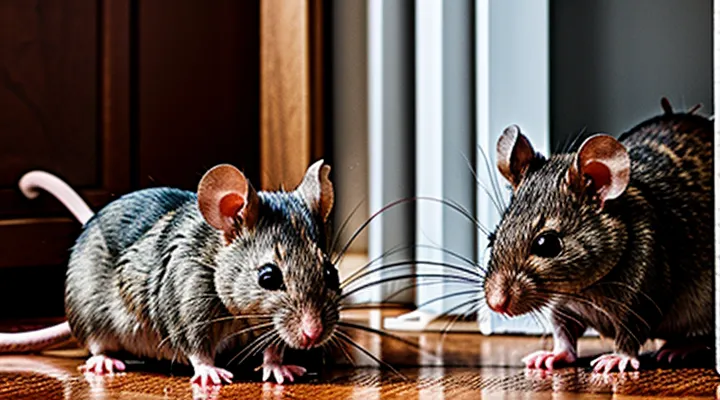
Understanding the Enemy: Mice and Rats
Identifying the Presence of Rodents
Signs of Infestation
Identifying the presence of rodents before they multiply is essential for successful elimination.
- Small droppings, dark and pellet‑shaped, found near food sources, along walls, or in hidden corners.
- Gnaw marks on wood, plastic, wiring, or insulation, often at a 45‑degree angle.
- Grease or oily trails left by fur and skin oils, visible on surfaces where rodents travel.
- Scratching noises in ceilings, attics, or walls, especially at night.
- Nests constructed from shredded paper, fabric, insulation, or dried plant material, typically concealed in concealed spaces.
- Unexplained food spoilage or missing pantry items, indicating foraging activity.
- Presence of urine stains, which may emit a faint ammonia odor and appear as yellowish spots on surfaces.
Each sign provides a concrete indication of an active rodent problem and should prompt immediate inspection and targeted intervention.
Common Entry Points
Rodents exploit any opening larger than a quarter-inch. Identifying and sealing these gaps prevents reinfestation.
- Gaps around utility pipes and cables: Holes where water, gas, or electrical lines enter the structure often lack proper caulking.
- Cracks in foundation walls: Settling or moisture can create fissures that serve as tunnels.
- Openings beneath doors and windows: Weatherstripping worn or missing leaves a clear path.
- Vents and exhaust fans: Uncovered ducts or louvers provide direct access to interior spaces.
- Roof eaves and soffits: Loose boards or damaged flashing allow entry from the attic.
- Chimney and fireplace flues: Unused flues without caps become vertical conduits.
- Attic and crawl‑space entry points: Gaps around insulation, wiring, or HVAC ducts connect exterior walls to interior rooms.
- Exterior wall penetrations: Holes for plumbing, sprinkler systems, or exterior lighting fixtures often lack sealant.
Seal each opening with appropriate materials—steel wool, copper mesh, or expanding foam for small gaps; concrete, metal flashing, or hardware cloth for larger breaches. Regular inspection after weather events ensures that repairs remain intact. Eliminating these common ingress routes removes the primary avenue for mice and rats to colonize a residence.
Types of Rodents Commonly Found in Homes
House Mice
The house mouse (Mus musculus) is a small rodent, typically 6–9 cm long, with a lifespan of 12–24 months. It thrives on grains, crumbs, and almost any organic material, reproducing rapidly; a single female can produce up to ten litters per year, each containing 5–8 offspring.
Common indicators of infestation include dark, cylindrical droppings (approximately 4 mm long), gnaw marks on wood, wiring, or packaging, audible scratching in walls or ceilings, and nests constructed from shredded paper, fabric, or insulation.
Effective prevention relies on eliminating access and resources. Seal cracks and gaps larger than 1 mm with steel wool, caulk, or metal flashing. Maintain a clean environment by storing food in airtight containers, promptly cleaning spills, and disposing of garbage in sealed bins. Reduce clutter that offers shelter.
Control options:
- Snap traps positioned along walls, behind appliances, and near droppings.
- Electronic traps delivering a lethal shock upon contact.
- Bait stations containing anticoagulant or non‑anticoagulant rodenticides, placed out of reach of children and pets.
- Live‑catch traps for temporary capture, followed by humane euthanasia or release far from the residence.
- Professional extermination services for severe or concealed infestations.
A comprehensive eradication plan integrates exclusion, sanitation, and targeted removal. After initial treatment, monitor activity with sticky boards or motion‑activated cameras for at least two weeks. Re‑inspect entry points and repair any new openings. Maintain strict housekeeping practices to prevent re‑infestation.
Norway Rats
Norway rats (Rattus norvegicus) are the most common large rodent found in residential settings. They typically measure 20–25 cm in body length, with a robust, brown‑gray coat, a blunt snout, and a thick tail. Their nocturnal activity centers on sewers, basements, and any area with readily available food and water.
These rodents cause structural damage by gnawing on wood, insulation, and wiring, creating fire hazards and compromising building integrity. They also spread pathogens such as leptospirosis, salmonellosis, and hantavirus, posing health risks to occupants.
Effective elimination requires an integrated approach:
- Sanitation: Remove food residues, store dry goods in sealed containers, and fix leaking pipes to eliminate water sources.
- Exclusion: Seal entry points larger than ¼ inch with steel wool, metal flashing, or cement; inspect foundations, vents, and utility penetrations.
- Trapping: Deploy snap traps or electronic traps along walls, behind appliances, and in dark corners. Use bait such as peanut butter or dried fruit; position traps perpendicular to travel paths.
- Poison baits: Apply rodenticides in tamper‑resistant stations, following label instructions and local regulations. Monitor stations regularly and replace as needed.
- Professional assistance: Engage licensed pest control operators for large infestations, especially when structural damage or disease concerns arise.
After removal, maintain a strict hygiene regimen and conduct periodic inspections to verify that no new activity appears. Consistent monitoring and prompt repair of any re‑opened entry points prevent re‑infestation and ensure long‑term rodent‑free living conditions.
Roof Rats
Roof rats (Rattus rattus) are agile climbers that prefer elevated habitats such as attics, eaves, and roof spaces. Their slender bodies allow movement through narrow gaps, making roof voids a common entry point.
Signs of a roof‑rat problem include nocturnal scratching noises, droppings about ½ inch long with pointed ends, gnawed insulation or wiring, and greasy smears along beams. Early detection prevents structural damage and disease transmission.
Preventive measures focus on exclusion and habitat modification. Seal all openings larger than ¼ inch with steel wool, metal flashing, or concrete. Trim tree branches and vines that contact the roof, eliminating natural bridges. Remove standing water and store firewood away from the building to reduce shelter.
Control strategies combine trapping, baiting, and environmental management.
- Snap traps placed along walls, behind insulation, and near known runways capture active individuals.
- Live‑capture traps allow removal without killing, but require immediate release far from the property.
- Rodenticides, applied in tamper‑proof stations, target hidden populations; use only according to label instructions and local regulations.
Integrated pest management recommends rotating trap types to avoid trap shyness, monitoring bait uptake, and inspecting for new entry points after each removal event.
Long‑term eradication depends on regular maintenance. Conduct quarterly visual inspections of roof structures, verify the integrity of seals, and keep vegetation trimmed. Replace damaged insulation promptly, and ensure that ventilation openings are protected with mesh. Consistent application of these practices eliminates roof rats and prevents reinfestation.
Immediate Eradication Strategies
Trapping Methods
Snap Traps
Snap traps provide immediate, lethal control of rodents when placed correctly. Their mechanical action delivers a rapid strike that kills mice and rats instantly, preventing prolonged suffering and reducing the risk of disease transmission.
Effective use requires attention to three factors: location, bait, and safety.
- Location – Position traps along walls, behind appliances, and near known activity signs such as droppings or gnaw marks. Rodents travel close to surfaces; placing traps perpendicular to the wall, with the trigger end facing the wall, maximizes contact.
- Bait – Choose high‑protein foods (peanut butter, dried meat, cheese) or strong scents (cinnamon, mint). Apply a pea‑sized amount to the trigger pedal to entice cautious rodents without allowing them to remove the bait without triggering.
- Safety – Use gloves when handling traps to avoid imprinting human scent on the mechanism. Keep traps out of reach of children and pets; consider securing them with a protective cover or placing them in inaccessible areas.
Maintenance follows a simple cycle. Check traps daily; remove dead rodents promptly, wearing disposable gloves, and seal them in a plastic bag before disposal. After each capture, reset the trigger and replenish bait. Replace worn springs or damaged components to preserve striking force.
When integrated with complementary measures—sealing entry points, eliminating food sources, and maintaining cleanliness—snap traps become a reliable component of a comprehensive rodent‑elimination strategy that can achieve lasting results in a private residence.
Live Traps
Live traps capture rodents without killing them, allowing owners to remove mice and rats from the residence and prevent future infestations.
Select traps made of sturdy wire mesh or plastic with a hinged door that closes automatically when the animal enters. Choose models with a size‑appropriate entry hole—about 1.5 inches for mice, 2 inches for rats—to ensure effective capture.
Place traps along walls, behind appliances, and near known activity signs such as droppings or gnawed material. Position them perpendicular to the wall, with the entry side facing the rodent’s travel route.
Bait each trap with high‑protein foods: peanut butter, sunflower seeds, or small pieces of cooked meat. Apply a pea‑sized amount to the trigger mechanism; excessive bait can cause premature closure.
Check traps at least twice daily. Release captured rodents at least one mile from the home, preferably in a wooded area, and release them away from residential structures. Wear disposable gloves, seal the animal in a sturdy container, and disinfect the trap with a bleach solution before reuse.
Integrate live trapping with sanitation measures: seal entry points, store food in airtight containers, and eliminate clutter that provides shelter. Regular monitoring and prompt removal of captured rodents reduce the population quickly and support long‑term exclusion.
Glue Traps
Glue traps are a passive method for capturing rodents that relies on a strong adhesive surface to immobilize the animal upon contact. The traps consist of a flat board coated with a non‑drying glue, often encased in a protective plastic cover that is removed when the trap is set. When a mouse or rat steps onto the board, it becomes stuck and cannot escape.
Effective deployment requires strategic placement. Position traps along walls, behind appliances, in cabinets, and near known gnawing sites, because rodents travel close to surfaces for security. Space the traps about 12–18 inches apart to create a continuous barrier in high‑traffic zones. Replace traps daily; a trapped rodent will die within several hours, and a fresh adhesive surface maintains capture rates.
Safety considerations are essential. Glue traps pose a risk to non‑target animals and children. Use tamper‑resistant containers to store unused traps and keep them out of reach. When disposing of a captured rodent, wear disposable gloves, place the trap in a sealed bag, and discard it according to local waste regulations. Avoid crushing the animal, as this can release pathogens and cause the adhesive to spread.
Pros and cons of glue traps:
-
Pros
• Low cost per unit
• No need for poison or electricity
• Silent operation, no odor -
Cons
• Causes prolonged suffering for the captured rodent
• Ineffective against large rats that can avoid the adhesive surface
• Potential accidental capture of pets or beneficial wildlife
For households seeking a humane, chemical‑free solution, glue traps can supplement other control measures such as sealing entry points, eliminating food sources, and using snap traps for larger rodents. Relying solely on adhesive devices is insufficient for long‑term eradication; combine them with exclusion techniques to achieve lasting results.
Baits and Lures
Effective Baits for Mice
Effective baits for mice combine attraction, potency, and safety. The most reliable options fall into three categories: food‑based baits, anticoagulant rodenticides, and non‑chemical attractants.
- Food‑based baits: Peanut butter, chocolate, and dried fruit provide strong olfactory cues. Pair these with a small amount of powdered rodenticide to ensure ingestion. Use a 1 % concentration of active ingredient to balance lethality and reduce risk of bait aversion.
- Anticoagulant rodenticides: First‑generation compounds (warfarin, diphacinone) act quickly but may require multiple doses. Second‑generation agents (bromadiolone, difethialone) are effective at 0.005 %–0.025 % formulations and cause lethal internal bleeding after a single meal. Choose products with tamper‑proof packaging to protect children and pets.
- Non‑chemical attractants: Synthetic pheromones and powdered yeast mimic natural mouse scents, encouraging contact with placed poison. When combined with a low‑dose anticoagulant, these attractants increase bait acceptance without adding extra toxicants.
Placement determines success. Position baits within 1–2 feet of walls, behind appliances, and near known gnawing sites. Secure each bait on a plastic platform to prevent spillage and to keep it out of reach of non‑target animals. Replace baits every 48 hours or when consumption is observed; stale baits lose appeal and reduce efficacy.
Safety measures include wearing disposable gloves during handling, labeling each bait station, and monitoring for secondary poisoning. In homes with pets, consider using enclosed bait stations that allow only mice to enter. If any non‑target animal ingests bait, seek veterinary assistance immediately.
Regular inspection, combined with the described bait strategies, eliminates mouse populations and prevents re‑infestation.
Effective Baits for Rats
Effective rat control hinges on selecting baits that attract, ingest, and eliminate the pest quickly while minimizing risk to non‑target animals. Bait composition, placement, and resistance to tampering determine success rates in residential settings.
Key characteristics of successful rat baits include:
- Palatable attractants – high‑protein or high‑fat foods such as peanut butter, bacon grease, or fish meal stimulate feeding behavior.
- Rapid‑acting toxicants – anticoagulants (e.g., bromadiolone, difenacoum) cause death within 2–5 days; neurotoxins (e.g., bromethalin) act faster but require strict handling.
- Secure delivery mechanisms – tamper‑resistant stations prevent children and pets from accessing the bait while allowing rats to enter and exit unnoticed.
- Resistance to weather – waterproof formulations maintain potency in damp basements and kitchens.
Implementation steps:
- Identify active runways and nesting sites; focus on walls, behind appliances, and near water sources.
- Install bait stations at 2‑foot intervals along each identified path, positioning them low to the ground where rats travel.
- Replace baits every 7–10 days, monitoring for consumption and adjusting placement if activity persists.
- After a confirmed kill, remove all stations and clean the area with a disinfectant to eliminate residual odor that could attract survivors.
Combining these bait attributes with systematic placement creates a reliable, one‑time solution for eliminating rat infestations in a private home.
Rodenticides: When and How to Use Them
Types of Rodenticides
Rodenticides represent the most effective chemical option for permanently removing mice and rats from a dwelling. Their action mechanisms differ, allowing selection based on target species, infestation level, and safety considerations.
- First‑generation anticoagulants (e.g., warfarin, diphacinone). Require multiple feedings; suitable for low‑level infestations where secondary poisoning risk must be minimized.
- Second‑generation anticoagulants (e.g., brodifacoum, bromadiolone). Single‑dose lethal; preferred for severe infestations but demand strict placement to prevent accidental exposure.
- Bromethalin. Disrupts cellular energy production; effective against anticoagulant‑resistant rodents. Requires careful monitoring of non‑target wildlife.
- Cholecalciferol (vitamin D3). Induces lethal hypercalcemia after ingestion; low secondary toxicity, appropriate for households with pets under controlled baiting.
- Zinc phosphide. Releases phosphine gas in the stomach, causing rapid death; best used in sealed bait stations to avoid inhalation hazards.
Each formulation appears as pellet, block, or liquid bait, often combined with attractants specific to rodent feeding habits. Proper deployment includes locating bait near active runways, securing stations to prevent access by children or pets, and adhering to local regulatory limits on active ingredients. Continuous monitoring of bait consumption and follow‑up inspections confirms eradication and prevents re‑infestation.
Safety Precautions for Rodenticide Use
Rodenticides provide rapid control of house‑bound mice and rats, but misuse can cause poisoning, environmental contamination, and legal liability. Strict adherence to safety protocols protects occupants, pets, and non‑target wildlife.
- Wear chemical‑resistant gloves and eye protection when handling products.
- Keep the work area well‑ventilated; avoid inhaling dust or vapors.
- Follow the label’s dosage instructions exactly; never exceed the recommended amount.
- Place bait stations out of reach of children, pets, and non‑target animals; use tamper‑proof containers where required.
- Store unused rodenticide in its original, sealed container, locked away from food, utensils, and cleaning supplies.
Inspect the placement of each bait station daily. Remove any compromised stations immediately. If a spill occurs, isolate the area, wear protective gear, and clean with an approved neutralizing agent before disposing of waste in accordance with local hazardous‑material regulations.
Document the type, location, and quantity of rodenticide applied. Retain the information for at least 30 days in case of accidental exposure or regulatory inquiry.
By observing these measures, rodent control remains effective while minimizing health risks and environmental impact.
Long-Term Prevention and Maintenance
Rodent-Proofing Your Home
Sealing Entry Points
Sealing entry points blocks the only pathways rodents use to invade a residence, making it the most effective preventive measure. Identify every possible opening by inspecting the building envelope, focusing on foundations, walls, roofs, and utility penetrations. Use a systematic approach: walk the perimeter, examine the attic, basement, and crawl spaces, and note gaps larger than a quarter‑inch.
- Gaps around pipes, cables, and vents: fill with steel wool, then cover with expanding foam or cement.
- Cracks in foundation walls or slab: repair with hydraulic cement, which expands as it cures.
- Openings around doors and windows: install weather‑stripping, door sweeps, and fine mesh screens.
- Holes for ventilation or dryer exhaust: replace with metal flashing or rigid metal ducting.
- Openings at the roofline, eaves, and soffits: seal with metal flashing and close vent covers with rodent‑proof mesh.
After sealing, conduct a final walk‑through to verify that no visible openings remain. Re‑inspect quarterly, especially after seasonal temperature changes, to maintain a barrier that prevents future infestations.
Securing Food Sources
Secure food sources to deny rodents access to nutrition, thereby preventing population growth and repeated infestations. Eliminate standing food, store supplies properly, and maintain cleanliness in all areas where food is present.
- Store dry goods in airtight containers made of metal or heavy‑duty plastic; avoid cardboard boxes that can be gnawed.
- Transfer pet food to sealed containers after each feeding; discard leftovers promptly.
- Keep countertops, tables, and floors free of crumbs; sweep and vacuum daily, especially after meals.
- Refrigerate or freeze perishable items; do not leave opened packages on counters.
- Seal garbage cans with tight‑fitting lids; empty them regularly and store the bins away from the house if possible.
- Clean under appliances, inside cabinets, and behind pantry shelves; rodents can exploit hidden crumbs.
Maintain these practices consistently. Inspect containers for damage, replace compromised seals, and monitor for signs of gnawing. Regularly audit storage areas and adjust procedures as needed to ensure that no food remains accessible to mice or rats.
Eliminating Water Sources
Rodents require fresh water for survival; eliminating accessible moisture removes a primary attractant.
- Repair all plumbing leaks, including faucets, pipes, and appliance connections.
- Seal cracks and gaps around sinks, bathtubs, and shower stalls to prevent condensation accumulation.
- Remove standing water from pet bowls, bird feeders, and indoor plant trays after each use.
- Install drip‑free faucet aerators and use water‑saving showerheads to reduce runoff.
- Ensure gutters and downspouts direct water away from the foundation; clear blockages regularly.
Regular inspections identify hidden moisture sources. Inspect under appliances, behind cabinets, and within crawl spaces for dampness. Use a moisture meter to verify dryness after repairs.
Maintain a dry environment by employing dehumidifiers in basements and humid rooms, setting humidity below 50 %. Replace damaged weatherstripping on doors and windows to prevent rain intrusion.
By systematically removing water availability, the habitat becomes inhospitable, forcing rodents to seek shelter elsewhere and dramatically reducing infestation risk.
Sanitation Practices
Proper Waste Management
Proper waste management eliminates food sources that attract mice and rats, reducing the likelihood of infestation. Store all refuse in containers with tight‑fitting lids and place them away from walls and entry points. Empty bins regularly to prevent buildup of crumbs and odors.
Maintain cleanliness in the kitchen and dining areas. Sweep floors after each meal, wipe countertops, and clean under appliances. Dispose of leftover food, pet kibble, and compost in sealed bags before adding them to the trash.
- Choose bins made of sturdy material with secure lids.
- Position containers on a non‑porous surface to avoid seepage.
- Schedule weekly removal of waste by a licensed service.
- Inspect lids for damage and replace compromised containers promptly.
- Keep the area around bins clear of debris and vegetation.
By denying rodents access to discarded food, proper waste handling creates an environment where they cannot thrive, supporting long‑term control of mouse and rat populations in residential settings.
Decluttering and Storage
Decluttering eliminates the shelters mice and rats use for nesting and traveling. Loose papers, cardboard boxes, and piles of clothing create dark, insulated pathways that rodents exploit. Removing these structures cuts off the environment that encourages infestation.
- Remove items from the floor and place them on shelves or in sealed containers.
- Sort belongings; keep only what is needed, discard or donate excess.
- Clean under furniture, behind appliances, and inside closets after each removal.
- Eliminate food residues by wiping surfaces and vacuuming crumbs immediately.
Storage solutions must deny access to rodents. Use metal or thick‑wall plastic bins with airtight lids; avoid cardboard or fabric containers that can be gnawed. Position bins on raised shelves rather than directly on the floor, and keep them away from walls where rodents can chew through gaps. Label each container to facilitate quick identification and reduce the need to open multiple bins.
Maintain the cleared environment through regular checks. Inspect stored items monthly for signs of damage or droppings. Rotate seasonal goods to prevent long‑term stagnation, and keep the surrounding area dry and free of water sources. Consistent application of these practices removes the primary incentives for rodents, supporting a permanent solution to house infestation.
Natural Deterrents
Essential Oils
Essential oils offer a natural, odor‑based strategy for deterring mice and rats from residential spaces. Their volatile compounds interfere with the rodents’ sensory receptors, creating an environment that rodents avoid.
- Peppermint oil – high menthol content, strong scent that repels rodents.
- Eucalyptus oil – phenolic compounds produce an unpleasant aroma for pests.
- Citronella oil – citrus notes act as a deterrent.
- Clove oil – eugenol disrupts rodent olfactory cues.
- Lemongrass oil – citral and geraniol produce repellent effects.
Application methods:
- Soak cotton balls with a few drops of oil; place them in corners, near entry points, and inside cabinets.
- Mix 10–15 ml of oil with 250 ml of water; spray the solution along baseboards, behind appliances, and in wall voids.
- Use a diffuser in rooms where activity is observed; run for 30 minutes twice daily.
- Reapply every 3–4 days, or after cleaning, to maintain potency.
Safety guidelines:
- Keep concentrations below 5 % to avoid skin irritation.
- Store oils out of reach of children and pets; avoid using clove or eucalyptus around cats, which may be sensitive.
- Do not apply directly to food surfaces; ensure treated areas are dry before handling food.
Combining essential‑oil deterrents with sealing cracks, removing food sources, and setting traps creates a comprehensive approach that can eradicate rodent presence permanently. Continuous monitoring and periodic reapplication sustain the hostile environment rodents require to avoid habitation.
Plant-Based Repellents
Plant‑based repellents offer a non‑chemical option for discouraging mice and rats from entering a dwelling. Their effectiveness relies on strong odors that rodents find unpleasant, creating an environment that prompts them to seek alternative shelter.
Effective botanical agents include:
- Peppermint oil – dilute with water (1 %–2 % concentration) and spray along baseboards, entry points, and hidden corners. Reapply every 48 hours.
- Eucalyptus oil – apply similarly to peppermint; the menthol scent interferes with rodent olfactory cues.
- Clove oil – mix with carrier oil and place soaked cotton balls in cabinets, pantry shelves, and attic spaces.
- Garlic powder – sprinkle a thin layer around exterior foundations and interior crawl spaces; the sulfur compounds repel both species.
- Cayenne pepper – sprinkle a light dusting near traps, burrows, and wall voids; the irritant effect discourages nesting.
- Rosemary and thyme – grow in garden beds adjacent to the house or place dried bundles in interior closets; the volatile oils maintain a continuous deterrent presence.
Application guidelines:
- Identify all potential ingress routes (gaps under doors, utility penetrations, vent openings) and treat each with a chosen repellent.
- Position repellent sources where airflow carries the scent into concealed areas; avoid direct contact with food surfaces.
- Rotate between two or three botanicals every week to prevent habituation; rodents may adapt to a single odor over time.
- Combine botanical deterrents with mechanical measures such as sealing gaps, setting snap traps, and maintaining a clutter‑free environment.
Limitations:
- Plant extracts diminish after exposure to light and air; regular reapplication is mandatory.
- Strong odors may be noticeable to occupants; select concentrations that balance efficacy with indoor comfort.
- Botanical repellents alone rarely achieve total eradication; they function best as part of an integrated pest‑management strategy.
In practice, a regimen that alternates peppermint and eucalyptus sprays, supplemented by strategically placed garlic sachets, yields consistent reduction in rodent activity while preserving a chemical‑free household.
Professional Pest Control: When to Call the Experts
Signs You Need Professional Help
Rodent activity that persists despite basic preventive measures signals the need for expert intervention. When simple traps, sealing entry points, and sanitation adjustments fail, professional assistance becomes essential to protect health, property, and peace of mind.
Typical indicators include:
- Continuous droppings in kitchens, pantries, or hidden corners, especially when quantities increase over days.
- Gnaw marks on structural elements, wiring, or food containers that appear after sealing obvious entryways.
- Audible scratching or scurrying sounds in walls, ceilings, or attics during quiet periods.
- Unexplained odors of urine or nesting material such as shredded paper, fabric, or insulation.
- Presence of live or dead rodents in traps after multiple attempts, suggesting a sizable hidden population.
- Damage to electrical wiring or insulation, raising fire risk and indicating aggressive chewing behavior.
- Recurring sightings of rodents after previous DIY treatments, demonstrating resilience or reinfestation.
- Elevated allergy or asthma symptoms among occupants, correlated with increased rodent activity.
When any of these signs emerge, a licensed pest‑control professional can conduct a thorough inspection, identify concealed pathways, and apply targeted eradication methods that exceed the capabilities of household solutions. Prompt engagement prevents escalation, reduces health hazards, and ensures a lasting resolution.
What to Expect from a Professional Service
A professional rodent‑control service begins with a thorough inspection of the property. Technicians identify entry points, assess the extent of infestation, and evaluate conditions that attract mice and rats. The inspection report includes a detailed map of hotspots and a prioritized list of corrective actions.
The treatment plan is customized to the specific situation. It outlines the type of baits or traps to be deployed, the placement strategy, and the schedule for follow‑up visits. All products used comply with safety regulations for humans and pets, and the provider supplies documentation of the active ingredients.
Clients receive a clear timeline for each phase of the operation. The initial intervention is completed within one to two days, after which the service schedules regular monitoring visits—typically weekly for the first month, then monthly until no activity is detected. During each visit, technicians verify trap counts, replenish supplies, and adjust tactics if new activity emerges.
A warranty or guarantee accompanies the service. The provider commits to re‑treat any residual signs of rodents within a specified period, usually 30 to 90 days, at no additional charge. Detailed invoices list all labor, materials, and warranty terms, allowing homeowners to track costs and outcomes precisely.