
Understanding Ground Rats
Identifying Ground Rats
Physical Characteristics
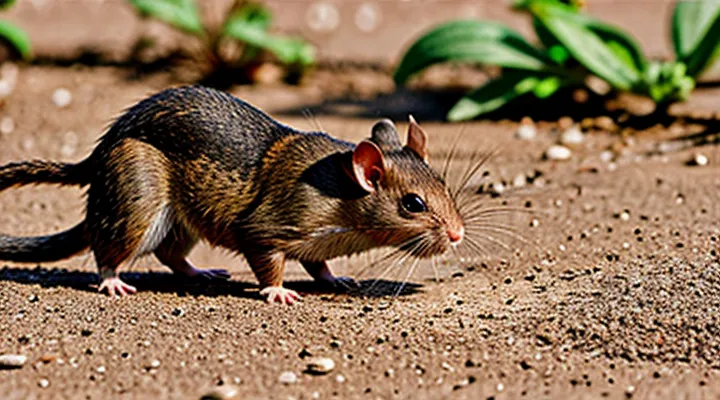
Ground rats are medium‑sized rodents adapted to subterranean habitats. Adult body length ranges from 150 mm to 250 mm, with tail length typically 30 mm to 60 mm, resulting in a compact, low‑profile silhouette. Weight varies between 120 g and 300 g, reflecting seasonal fluctuations in food availability. Fur coloration spans from light brown to dark gray, providing camouflage against soil and leaf litter; the dorsal coat is denser than the ventral side, reducing heat loss in burrows.
Key anatomical features facilitate underground survival:
- Robust incisors with continuously growing enamel, enabling gnawing of roots and tubers.
- Strong forelimbs equipped with enlarged claws for digging and tunnel maintenance.
- Reduced external ears and a streamlined skull that minimize resistance when moving through confined spaces.
- Highly developed olfactory epithelium, allowing detection of food sources and predators through scent cues.
- Acute vibrissae on the muzzle that sense tactile changes within the burrow network.
Reproductive morphology includes a short gestation period of approximately 21 days, producing litters of 4–8 offspring. Offspring are born altricial, gaining independence within three weeks, which supports rapid population turnover in environments where ground rats thrive.
Signs of Infestation
Identifying a ground rat problem early prevents extensive damage and simplifies control measures. Observable indicators reveal the presence of these burrowing rodents before populations become unmanageable.
- Fresh, shallow tunnels in soil, mulch, or under debris, often widening over time.
- Small, crescent-shaped droppings near food sources, pathways, or nesting sites; typically 0.5 cm long and dark brown.
- Gnawed vegetation, seeds, or stored feed, leaving clean edges and bite marks.
- Chewed wires, insulation, or wooden structures, especially near ground level.
- Unusual noises at dusk or night, such as scratching or scurrying within walls and floor cavities.
- Accumulated urine stains or a strong musky odor, particularly in confined spaces.
- Presence of nests composed of shredded plant material, shredded paper, or soft debris located in hidden corners, under rocks, or within compost piles.
Each sign warrants immediate inspection and targeted action to reduce the rodent population and protect property. Prompt response based on these observations forms the foundation of an effective eradication strategy.
Ground Rat Behavior
Habitat and Nesting
Ground rats thrive in loose, well‑drained soils that allow easy excavation. They favor open fields, agricultural plots, and peri‑urban green spaces where grass or low vegetation provides cover while maintaining visibility for predators. Moisture levels between 10 % and 30 % support the stability of burrow walls, and proximity to food sources such as seeds, insects, and waste material increases occupancy rates.
Typical nesting sites consist of complex burrow systems. Primary features include:
- Entrance tunnels 5–15 cm in diameter, often concealed by vegetation or debris.
- Main chambers located 30–80 cm below ground, lined with shredded plant material for insulation.
- Side tunnels branching to storage chambers for grain and other provisions.
- Seasonal deepening during colder months, extending burrows to depths of up to 150 cm for thermal regulation.
Understanding these characteristics enables precise control measures. Habitat modification—such as soil compaction, removal of dense ground cover, and elimination of nearby food attractants—reduces suitability for burrow construction. Direct interventions, including targeted bait placement at entrance tunnels and mechanical collapse of active burrows, rely on accurate identification of nesting locations. Continuous monitoring of soil conditions and vegetation density ensures that habitat alterations remain effective over time.
Diet and Feeding Habits
Ground rats thrive on a varied diet that includes grains, seeds, fruits, insects, and occasional animal protein. Their preference for high‑energy foods drives foraging activity during dusk and dawn, when temperature and predation risk are optimal.
Key dietary components:
- Cereals such as wheat, barley, and corn
- Legume seeds, especially peas and beans
- Fresh fruit and vegetable scraps
- Invertebrates, including beetles and larvae
- Small vertebrate carcasses when available
Feeding habits are opportunistic; rodents store excess food in shallow burrows and may cache seeds for later consumption. They exhibit rapid consumption rates, often ingesting 10–15 % of body weight each night. Water intake aligns with food moisture, but they will drink from open sources if accessible.
Understanding these patterns enables targeted control measures. Bait stations placed near grain stores or fruit waste attract rodents efficiently. Reducing availability of high‑calorie refuse and sealing entry points to storage areas limit food access. Seasonal adjustments, such as increasing bait density during harvest periods, exploit peak foraging activity and enhance eradication effectiveness.
Prevention Strategies
Eliminating Food Sources
Securing Trash Cans
Securing trash cans cuts off the primary food source for ground rats, making it harder for populations to sustain themselves. When containers are airtight and inaccessible, rodents lose the incentive to forage near human dwellings.
- Choose containers with tight‑fitting lids that lock or snap shut.
- Install metal or heavy‑duty lids that cannot be pried open by small paws.
- Position cans on elevated platforms or on surfaces that prevent rats from climbing directly onto them.
- Keep cans at least three meters from building walls, fences, or vegetation that could serve as a bridge.
Regular maintenance preserves the integrity of the barriers. Inspect lids and seals weekly for cracks or wear; replace damaged parts immediately. Clean the interior of each can before adding new waste to remove residue that might attract rodents. Dispose of organic scraps in sealed bags rather than placing them loose in the bin.
Coordinated community action amplifies effectiveness. Establish a schedule for collective inspection and replacement of compromised containers. Encourage residents to report breaches promptly. Adopt standardized, wildlife‑proof designs for all public and private waste stations to ensure uniform protection across the area.
Storing Pet Food Properly
Proper storage of pet food reduces the availability of food sources that attract ground-dwelling rodents. Seal containers in airtight, pest‑proof bins made of metal or heavy‑wall plastic. Keep containers off the floor, preferably on shelving that allows inspection of any signs of infestation. Store food in a cool, dry area to prevent spoilage and deter rodents drawn to moisture.
Key practices for secure storage:
- Use containers with lockable lids or tamper‑evident seals.
- Label containers with purchase dates; rotate stock so older food is used first.
- Clean shelves regularly, removing crumbs and spilled feed.
- Position storage units away from walls and exterior doors to eliminate entry points.
- Inspect containers weekly for gnaw marks, droppings, or other damage.
Implementing these measures eliminates a primary attractant, supporting broader efforts to suppress ground rat populations.
Harvesting Garden Produce
Effective removal of burrowing rodents depends on minimizing food sources left in the garden. Harvesting produce promptly eliminates the attraction that sustains rat populations.
Harvest timing should align with peak ripeness. Overripe fruit and vegetables left on the soil surface provide easy access for rodents. Collect crops before they soften, and store them in sealed containers.
Post‑harvest field management reduces residual debris:
- Remove plant residues and fallen fruit daily.
- Turn over the topsoil to expose hidden seeds and disrupt burrow entrances.
- Apply a thin layer of mulch that is regularly inspected and cleared of any gnawed material.
Sanitation of tools and equipment prevents accidental transport of grain or seed remnants. Clean knives, baskets, and carts after each use, and keep storage sheds free of spilled produce.
By integrating these harvesting practices into a broader rodent‑control program, the garden eliminates the primary nutritional incentive for ground rats, thereby supporting long‑term eradication efforts.
Modifying the Environment
Sealing Entry Points
Sealing entry points is a direct method for eliminating ground rats that infiltrate structures. By removing access routes, the rodents lose the ability to enter, forage, and reproduce inside the building.
Typical access locations include:
- Gaps beneath external walls and foundations, often as wide as a pencil.
- Openings around utility penetrations such as pipes, cables, and vent pipes.
- Cracks in concrete slabs, floor joists, and stairwells.
- Unsealed doors, windows, and garage doors that do not close tightly.
- Openings around drainage systems and sewer lines.
Effective sealing procedure:
- Conduct a thorough inspection of the building perimeter, interior walls, and utilities to locate all openings larger than ¼ inch.
- Clean each gap to remove debris, nesting material, and rodent droppings; this prevents contamination and improves adhesion.
- Apply a durable, rodent‑resistant material such as steel wool, copper mesh, or heavy‑duty hardware cloth to fill the void.
- Cover the filler with an appropriate sealant—preferably a polyurethane or silicone caulk—ensuring a smooth, airtight finish.
- Reinforce high‑traffic areas with metal flashing or cement mortar to withstand pressure and weather exposure.
Ongoing maintenance is essential. Schedule periodic inspections to verify the integrity of seals, especially after severe weather or building renovations. Replace any damaged material promptly to maintain a continuous barrier.
By systematically identifying and sealing all potential ingress sites, property owners create an environment where ground rats cannot establish a foothold, thereby reducing population pressure and supporting broader pest‑control efforts.
Clearing Debris and Overgrowth
Removing litter, fallen branches, and dense vegetation eliminates shelter and food sources that sustain ground‑rat populations. Exposed ground becomes less attractive, reducing breeding sites and limiting movement corridors.
Effective site preparation includes:
- Collecting all garbage, cardboard, and discarded materials; dispose of them in sealed containers away from the area.
- Cutting back shrubs, grass, and weeds to a height of no more than 5 cm; use mechanical mowers or manual shears.
- Raking or tilling soil to break up compacted layers and expose any hidden nests.
- Burning or chemically treating woody debris that cannot be removed, ensuring compliance with local regulations.
Regular maintenance—weekly inspections, prompt removal of new debris, and seasonal vegetation control—prevents re‑establishment of favorable conditions. Consistent execution of these measures creates an environment hostile to ground rats, supporting broader population‑reduction efforts.
Maintaining Landscaping
Proper landscaping directly influences the ability to suppress ground rat populations. Dense ground cover, unmanaged debris, and irregular irrigation create habitats that attract rodents. By shaping the environment to be inhospitable, property owners reduce shelter and food sources without relying on chemical measures.
Key practices for effective rat management through landscaping include:
- Trim vegetation regularly – keep grass, shrubs, and trees at a height that prevents dense undergrowth where rats can hide.
- Remove organic debris – clear leaf litter, compost piles, and fallen fruit that provide nourishment.
- Maintain clean pathways – eliminate cracks, gaps, and uneven surfaces that serve as travel routes.
- Control irrigation – avoid standing water and over‑watering, which encourages vegetation growth and creates moist conditions favored by rodents.
- Use hardscaping barriers – install stone, metal, or concrete edging around foundations and garden beds to block entry points.
Additional measures reinforce these actions:
- Apply mulches sparingly – choose coarse, inorganic materials that deter burrowing.
- Install rodent‑resistant fencing – choose mesh with apertures no larger than ½ inch.
- Schedule seasonal inspections – assess plant health, soil moisture, and potential entry points before peak breeding periods.
Consistent application of these landscaping techniques creates an environment where ground rats cannot establish colonies, supporting long‑term population control.
Eradication Methods
Trapping Ground Rats
Types of Traps
Effective control of ground rat populations depends on selecting appropriate trapping devices. Each trap category offers distinct mechanisms, deployment considerations, and suitability for various environments.
-
Snap traps – Metal frames equipped with a spring‑loaded bar that delivers a rapid, lethal strike. Ideal for indoor or sheltered outdoor areas where quick kill rates reduce exposure to disease. Requires regular inspection to remove carcasses and reset mechanisms.
-
Live‑catch traps – Enclosed cages with a one‑way door that closes when the animal enters. Suitable for humane removal programs and for situations where captured rats will be relocated. Must be positioned near established runways and checked frequently to prevent stress or overheating.
-
Glue boards – Adhesive sheets that immobilize rats upon contact. Effective for short‑term monitoring and for sealing gaps in walls or floors. Not recommended for large infestations due to prolonged suffering and difficulty in disposal.
-
Electric traps – Devices that deliver a high‑voltage shock causing instant death. Frequently used in commercial settings where sanitation standards demand minimal waste. Requires a reliable power source and routine cleaning of the internal chamber.
-
Multi‑catch snap traps – Modified snap designs that retain multiple dead rats before requiring emptying. Useful in high‑density infestations where frequent servicing is impractical. Must be placed on stable surfaces to ensure proper functioning.
Choosing the optimal trap involves assessing infestation size, location, and regulatory constraints. Combining several trap types often yields the most comprehensive reduction in ground rat activity. Regular maintenance, strategic placement along established pathways, and prompt disposal of captured specimens are essential components of an effective eradication program.
Baiting Techniques
Effective baiting begins with selecting a toxicant that matches the target species’ feeding habits. Anticoagulant blocks, zinc phosphide tablets, and bromadiolone pellets are commonly employed; each requires precise dosage calculations based on average body weight to ensure lethality without excessive exposure.
Placement strategies must consider rodent activity patterns. Burrow entrances, runways, and feeding stations should receive bait at a density of 1–2 g per square meter. Distribute portions along the perimeter of infested zones, then concentrate additional doses near known nesting sites. Ensure bait stations are weather‑resistant and tamper‑proof to protect non‑target wildlife.
Timing influences uptake. Deploy fresh bait during dusk when ground rats emerge to forage. Rotate bait types every two weeks to prevent bait aversion and to address potential resistance development.
Safety protocols are mandatory. Wear protective gloves, avoid direct contact with toxicants, and store unused bait in sealed containers labeled with hazard warnings. Record placement coordinates, bait type, and application dates in a log for regulatory compliance and future analysis.
Monitoring after application confirms efficacy. Inspect stations daily for consumption, replace depleted bait, and collect carcasses for necropsy to verify cause of death. Continue observations for at least three weeks, adjusting density or toxicant choice if mortality rates fall below expected thresholds.
Trap Placement and Monitoring
Effective trap placement begins with a thorough assessment of rat activity patterns. Identify high‑traffic zones by observing fresh droppings, gnaw marks, and burrow entrances. Position snap or live traps along established runways, preferably perpendicular to the wall to intercept forward movement. Place traps 2–3 feet from each other in clusters to increase capture probability, and situate them near food sources, water points, and shelter areas.
Monitoring requires a consistent schedule and precise record‑keeping. Check traps at least twice daily—once in the early morning and once in the late afternoon—to prevent bait spoilage and to reduce suffering. Record the date, time, trap location, and number of captures in a log sheet or digital spreadsheet. Replace non‑functional traps immediately and rotate trap locations weekly to prevent trap shyness and to discover new activity corridors.
Key practices for sustained control:
- Use fresh, rodent‑specific bait; avoid stale or human food remnants.
- Maintain a clean environment; eliminate clutter that offers concealment.
- Conduct periodic perimeter checks to detect reinfestation.
- Adjust trap density based on capture data; increase numbers in hotspots, reduce in low‑activity zones.
Consistent execution of placement and monitoring protocols maximizes trap efficiency and accelerates the reduction of ground rat populations.
Baits and Poisons
Rodenticide Options
Rodenticide selection determines the effectiveness of ground‑rat control programs. Choose products based on target species, resistance history, environmental constraints, and regulatory compliance.
First‑generation anticoagulants (warfarin, chlorophacinone) require multiple feedings, produce delayed mortality, and are prone to resistance. Second‑generation anticoagulants (brodifacoum, difethialone, bromadiolone) act after a single dose, exhibit higher potency, and remain effective where first‑generation resistance is documented. Use bait stations that protect non‑target wildlife and limit exposure to humans.
Non‑anticoagulant options provide alternatives when resistance or secondary poisoning concerns arise. Bromethalin disrupts neuronal function, causing rapid death without clotting interference. Zinc phosphide releases phosphine gas in the stomach, suitable for outdoor baiting but hazardous if misused. Cholecalciferol (vitamin D3) induces hypercalcemia, offering a different mode of action that can be effective against anticoagulant‑resistant populations.
Application guidelines:
- Deploy bait in tamper‑resistant stations, positioned near burrow entrances, runways, and food sources.
- Maintain bait density of 0.5 kg per 0.1 ha for anticoagulants; adjust to 0.2 kg per 0.1 ha for bromethalin or zinc phosphide.
- Rotate active ingredients every 6–12 months to mitigate resistance development.
- Conduct pre‑application monitoring to establish baseline activity and post‑application surveys to evaluate efficacy.
Safety considerations:
- Wear protective gloves and masks when handling powdered or granular formulations.
- Store products in locked containers, away from livestock feed and domestic animal areas.
- Follow label‑specified withdrawal periods for any harvested crops or animals.
Regulatory compliance varies by jurisdiction; verify that selected rodenticides are approved for use in the target region and that required permits are obtained before deployment.
Safe Application and Disposal
Safe handling of rodenticides is essential for effective ground‑rat control and for protecting non‑target organisms. Wear chemical‑resistant gloves, goggles, and a mask rated for particulate or vapor protection. Verify that the product’s label authorizes the intended concentration; applying a higher dose does not increase efficacy and raises toxicity risk.
Apply bait or liquid formulations only in approved locations: burrow entrances, runways, and feeding sites. Use calibrated dispensers to deliver the exact amount recommended by the manufacturer. Avoid placement near water sources, food storage, or areas frequented by children and pets. After treatment, record the date, product batch number, and exact locations for future reference.
Dispose of all waste according to regulatory guidelines:
- Empty containers: triple‑rinse with water, then puncture and recycle if permitted; otherwise, seal in a leak‑proof bag and submit to a licensed hazardous‑waste facility.
- Unused bait: mix with an absorbent material (e.g., sand), place in a sealed container, and dispose as hazardous waste.
- Contaminated PPE: place disposable gloves and gowns in a sealed bag; reusable items must be washed with detergent, then rinsed with a decontamination solution before drying.
Maintain documentation of disposal actions for audit purposes and to demonstrate compliance with environmental regulations. Regularly review local statutes to ensure that practices remain up‑to‑date.
Considerations for Pets and Children
When removing ground-dwelling rodents from a home, the safety of pets and children must be a primary concern. Toxic baits, rodenticides, and certain traps can cause accidental poisoning if left within reach. Store all hazardous products in locked cabinets, out of sight of animals and youngsters, and keep the original packaging for reference.
Select control methods that minimize exposure risk. Options include:
- Snap traps placed behind appliances, under cabinets, or in wall voids where only the target animal can access them.
- Live‑catch traps monitored daily and released far from the residence.
- Mechanical barriers such as steel wool or copper mesh to seal entry points, eliminating the need for chemicals.
If chemical agents are deemed necessary, choose formulations specifically labeled as pet‑ and child‑safe. Apply them only in concealed locations, such as behind baseboards or inside wall cavities, and follow the manufacturer’s dosage instructions precisely. After application, restrict access to treated areas for the period indicated on the label.
Inspect the property regularly to identify new openings. Repair cracks, seal gaps around utility lines, and ensure doors and windows close tightly. Maintaining a sealed environment reduces the likelihood of future infestations, thereby limiting the need for additional hazardous interventions that could threaten vulnerable household members.
Natural and Humane Deterrents
Repellent Plants
Repellent plants provide a natural, low‑maintenance option for reducing ground rat activity in gardens, fields, and urban green spaces. Certain species emit volatile compounds that rodents find unpalatable, creating a chemical barrier that discourages foraging and nesting.
Key species include:
- Mint (Mentha spp.) – Strong menthol scent deters rodents from feeding on nearby vegetation. Plant in borders or intermix with crops to create a scented perimeter.
- Lavender (Lavandula angustifolia) – Essential oils contain linalool, which repels rodents. Use dense planting along pathways to limit access routes.
- Garlic (Allium sativum) – Sulfur‑based volatiles act as a potent deterrent. Incorporate cloves or interplant garlic bulbs among susceptible crops.
- Marigold (Tagetes spp.) – Thiophenes released from foliage repel a range of pests, including ground rats. Sow in rows adjacent to vulnerable plants.
- Pennyroyal (Mentha pulegium) – Similar to mint but with a more acrid aroma, effective in small, confined areas.
Implementation guidelines:
- Establish a continuous planting zone of repellent species around the perimeter of the target area to prevent rodents from entering.
- Maintain healthy growth through regular watering and pruning; stressed plants produce weaker aromatic defenses.
- Combine multiple species to broaden the spectrum of repellent compounds and reduce the likelihood of habituation.
- Rotate plantings annually to avoid soil depletion and maintain vigor.
When integrated with habitat modification—such as removing debris, sealing entry points, and limiting food sources—repellent plants significantly lower ground rat presence without resorting to chemical poisons. Continuous monitoring of rodent activity confirms efficacy and informs adjustments to planting density or species selection.
Ultrasonic Devices
Ultrasonic devices emit high‑frequency sound waves that rodents cannot tolerate, causing immediate discomfort and prompting them to vacate treated zones. The emitted frequencies typically range from 20 kHz to 65 kHz, a spectrum beyond human hearing yet audible to most ground‑dwelling rats.
Effectiveness depends on several variables:
- Placement – devices must be positioned at ground level or slightly above, directly within burrow entrances, nesting areas, or pathways.
- Coverage area – each unit covers a limited radius (approximately 30–45 feet); overlapping units ensure continuous exposure in larger infestations.
- Power source – plug‑in models provide constant output, while battery‑operated units require regular replacement to maintain intensity.
- Environmental factors – dense vegetation, concrete walls, or metal structures can attenuate sound, reducing reach.
Maintenance involves periodic cleaning of speaker grills to prevent debris blockage and verification of battery charge or electrical connection. Devices should be cycled on for at least 12 hours daily; continuous operation may lead to habituation, diminishing response.
When integrated with habitat modification—such as eliminating food sources, sealing entry points, and removing debris—ultrasonic technology contributes to a comprehensive strategy for eliminating ground‑dwelling rat populations.
Predators
Predators provide a biological means to suppress populations of ground‑dwelling rodents. Their presence reduces breeding success and foraging activity, leading to a measurable decline in infestation levels.
- Barn owls (Tyto alba) – nocturnal hunters that locate prey by sound; effective in open fields and farmyards.
- Red‑tailed hawks (Buteo jamaicensis) – diurnal raptors that capture rodents on the ground and in low vegetation.
- Eastern coyotes (Canis latrans) – adaptable carnivores that hunt in packs, covering large territories.
- Domestic feral cats (Felis catus) – capable of locating rodents in barns and storage areas; require controlled populations to avoid ecological damage.
- Snakes (e.g., rat snakes, Pantherophis spp.) – stealth predators that enter burrows and crevices; thrive where ground cover is abundant.
Effective predator deployment requires:
- Habitat assessment to ensure adequate shelter, nesting sites, and prey availability.
- Monitoring to verify that predator numbers correspond with rodent population trends.
- Compliance with wildlife regulations to prevent illegal introductions or protected species violations.
- Management of non‑target impacts, such as predation on native small mammals or birds.
Integrating predators with habitat modification, sanitation, and targeted trapping creates a comprehensive strategy. Continuous evaluation of predator performance informs adjustments, maintaining pressure on rodent populations while preserving ecological balance.
Post-Eradication Measures
Cleaning and Sanitization
Removing Carcasses
Effective control of ground‑dwelling rodent populations depends on eliminating sources of nutrition and disease. Decomposing bodies attract survivors, provide breeding sites, and sustain colonies. Prompt removal of carcasses interrupts this cycle and reduces the likelihood of reinfestation.
Key actions for carcass management:
- Locate all dead rodents using systematic transect walks or motion‑triggered cameras.
- Wear disposable gloves and protective clothing; disinfect tools before and after handling.
- Transfer each carcass into sealed, puncture‑resistant containers.
- Dispose of containers in an authorized hazardous‑waste facility or incinerate according to local regulations.
- Apply a broad‑spectrum disinfectant to the surrounding area; allow sufficient contact time before re‑treating with rodent‑control agents.
Routine inspection and immediate disposal prevent residual attractants, supporting long‑term reduction of ground rat activity.
Disinfecting Infested Areas
Effective disinfection of rodent‑infested zones eliminates disease reservoirs and prevents re‑colonisation. Begin by sealing entry points, removing debris, and disposing of contaminated materials in sealed containers.
Disinfection protocol
- Apply a rodent‑specific disinfectant (e.g., 10 % quaternary ammonium solution) to all surfaces, emphasizing corners, burrows, and feeding stations.
- Allow the product to remain wet for the manufacturer‑specified contact time, typically 10–15 minutes.
- Rinse with clean water where residue could affect non‑target wildlife or livestock, then dry the area completely.
- Repeat the cycle after a two‑day interval to address any surviving pathogens.
Safety measures include wearing impermeable gloves, goggles, and a respirator rated for chemical vapours. Ventilate the space for at least 30 minutes before re‑entry. Record the disinfectant batch number, application dates, and observed conditions for future audits. Continuous monitoring—visual inspections and trap checks—confirms the absence of active rodent activity and validates the effectiveness of the sanitation effort.
Ongoing Monitoring
Regular Inspections
Regular inspections constitute the backbone of any effective ground‑rat control program. By systematically surveying potential habitats, entry points, and activity signs, operators can detect infestations before populations expand, allowing timely intervention.
Key components of a robust inspection routine include:
- Scheduled site visits – conduct inspections at fixed intervals (weekly for high‑risk areas, monthly for lower‑risk zones).
- Visual assessment – look for gnaw marks, droppings, burrow openings, and damaged vegetation.
- Trap placement review – verify trap locations, bait condition, and capture records.
- Environmental monitoring – record moisture levels, food sources, and shelter availability that may attract rodents.
- Documentation – log findings, map infestation hotspots, and update action plans accordingly.
Implementing these steps consistently reduces the likelihood of unnoticed proliferation, ensuring that control measures remain targeted and cost‑effective.
Addressing Reinfestation
After the initial removal of ground rats, the threat of a new invasion persists. Continuous vigilance prevents the effort from being undone.
Effective reinfestation control relies on three pillars: detection, environment modification, and preventive maintenance.
- Detection: Install motion‑activated sensors and set snap traps in known travel corridors. Conduct weekly inspections of droppings, gnaw marks, and burrow entrances.
- Environment modification: Eliminate food sources by storing grain, pet food, and waste in sealed containers. Remove excess vegetation and debris that provide cover. Repair cracks, gaps, and utility openings that allow access to underground tunnels.
- Preventive maintenance: Schedule monthly audits of building foundations, sewer lines, and drainage systems. Apply rodent‑resistant sealants to vulnerable points. Rotate bait stations to maintain toxicity levels and reduce habituation.
Document each inspection, noting location, evidence, and corrective actions. Review records quarterly to identify patterns and adjust strategies accordingly. Consistent application of these measures sustains a rat‑free environment and safeguards previous eradication achievements.