
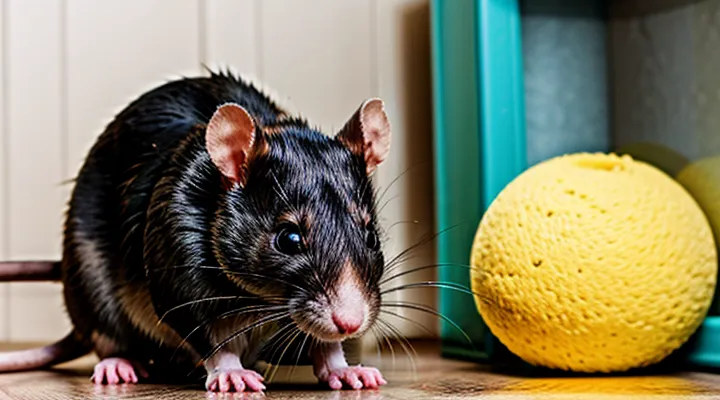
Understanding the Source of the Odor
Common Causes of Rat Smell
Urine and Feces Accumulation
Urine and feces build‑up inside the cage creates the primary source of unpleasant odor. Moisture from waste promotes bacterial growth, which releases volatile compounds detectable by humans.
- Remove droppings and wet spots at least twice daily.
- Replace soiled bedding with fresh, highly absorbent material such as paper‑based or aspen chips.
- Perform a thorough cage cleaning weekly: disassemble accessories, wash with warm water, apply a rodent‑safe disinfectant, rinse completely, and dry before reassembly.
- Use a removable tray or liner beneath the cage floor to collect liquid waste; empty and clean the tray daily.
- Ensure adequate ventilation by placing the cage near a draft‑free airflow source or using a small fan on low setting.
- Apply a natural odor‑neutralizing agent, such as a dilute solution of white vinegar, to hard surfaces after each deep clean.
Consistent removal of waste and regular sanitation prevent bacterial proliferation, thereby eliminating the characteristic smell associated with pet rats.
Scent Marking Behavior
Rats communicate through scent marking, depositing odoriferous secretions on surfaces to establish territory and convey social information. The behavior involves urine, anal gland excretions, and cheek secretions applied during rubbing motions. These compounds contain volatile molecules that persist in the environment and contribute significantly to the characteristic odor associated with pet rats.
Frequent scent marking intensifies ambient smell, especially in confined habitats where waste accumulates. The odor profile is amplified by the rat’s natural tendency to repeat marking in response to perceived intruders or stressors.
Effective management of scent‑derived odor includes several evidence‑based measures:
- Neutering or spaying reduces hormonal drive for marking, decreasing frequency and volume of secretions.
- Daily removal of urine‑soaked bedding prevents buildup of volatile compounds.
- Use of absorbent, low‑dust bedding materials limits odor retention.
- Regular cleaning of cage walls, ramps, and accessories with mild enzymatic cleaners neutralizes protein‑based residues.
- Provision of enrichment objects that divert marking behavior away from primary living areas.
- Adjustment of diet to include high‑quality protein sources reduces metabolic waste that contributes to smell.
- Placement of activated charcoal or zeolite packets within the enclosure absorbs lingering odors.
Consistent application of these practices minimizes scent marking intensity, thereby reducing the overall odor emitted by a pet rat.
Diet and Health Issues
A rat’s odor often reflects the balance of its diet and the condition of its digestive system. High‑protein foods, excessive fats, and sugary treats can produce strong fecal and urinary smells, while inadequate fiber hampers waste elimination and encourages bacterial overgrowth.
- Fresh vegetables such as kale, carrots, and broccoli provide essential fiber and reduce ammonia‑producing compounds.
- Limited portions of lean protein (e.g., boiled chicken, boiled eggs) prevent excess nitrogen waste.
- Small amounts of whole‑grain cereals or oats supply additional bulk without overwhelming the gut.
- Fresh water, changed daily, dilutes urinary concentration and limits odor intensity.
Health problems that amplify smell include respiratory infections, skin infections, and gastrointestinal disturbances. Respiratory issues generate nasal discharge that clings to fur, while skin infections release foul‑smelling secretions. Gastrointestinal upset, often signaled by diarrhea or constipation, increases the release of volatile compounds from waste.
Regular health checks identify early signs of infection: nasal discharge, sneezing, hair loss, or changes in stool consistency. Prompt veterinary intervention, combined with the dietary guidelines above, curtails microbial growth and reduces the production of odorous metabolites. Consistent cleaning of the cage, litter replacement, and ventilation further support a low‑odor environment.
Cage Material and Location
Choosing the appropriate cage material directly affects odor control. Solid, non‑porous surfaces such as glass, acrylic, or high‑density polyethylene prevent urine and droppings from seeping into the substrate, reducing lingering scent. Conversely, wire mesh or untreated wood absorb moisture, creating a breeding ground for bacteria that emit unpleasant odors.
Key material considerations:
- Glass or acrylic: easy to clean, impermeable, resistant to staining.
- High‑density polyethylene: durable, dishwasher‑safe, low odor retention.
- Untreated wood: natural but prone to absorption; requires sealing with a non‑toxic, waterproof coating.
- Wire mesh: facilitates airflow but demands frequent cleaning of the tray below.
Location influences ventilation and exposure to external odors. Position the cage in a well‑ventilated area away from direct sunlight, which can accelerate bacterial growth in warm, humid conditions. Ensure the enclosure is not placed near food preparation zones or confined spaces that restrict air exchange.
Placement guidelines:
- Select a room with a window that can be opened regularly to promote fresh air circulation.
- Maintain a minimum distance of one meter from kitchen countertops and sleeping areas.
- Avoid enclosed closets or cabinets; use a stand that raises the cage off the floor to prevent moisture accumulation.
By combining impermeable cage materials with strategic placement, the source of foul odor is minimized, supporting a cleaner environment for both the pet rat and its caretaker.
Implementing Effective Cleaning Strategies
Daily Maintenance Routines
Spot Cleaning Droppings and Urine
Spot cleaning of droppings and urine is essential for controlling odor in a rat enclosure. Immediate removal prevents bacterial growth and reduces the source of unpleasant smells.
- Wear disposable gloves to avoid direct contact with waste.
- Use paper towels or a dedicated scoop to gather solid droppings; discard in a sealed bag.
- Apply an enzymatic cleaner to the affected area; follow the manufacturer’s contact time for maximum breakdown of organic matter.
- Rinse the spot with warm water, then blot dry with a clean cloth.
- Apply a thin layer of pet‑safe odor neutralizer; allow to air dry before restoring bedding.
Select cleaners that contain enzymes rather than harsh chemicals; enzymes digest proteins and uric acid, eliminating the odor at its source. Avoid products with strong fragrances, as they mask rather than remove the smell.
Regular spot cleaning, combined with weekly deep cleaning of the cage, maintains a low‑odor environment and supports the health of the pet rat.
Wiping Down Surfaces
Wiping down surfaces removes residual urine, feces and oil that contribute to rodent odor. Use a solution of diluted white vinegar (one part vinegar to four parts water) or an enzymatic cleaner specifically formulated for pet waste. Apply the liquid to countertops, cage walls, and any area the rat contacts, then scrub with a non‑abrasive sponge. Rinse with clean water and dry with a lint‑free cloth to prevent moisture buildup, which can foster bacterial growth.
Key practices:
- Clean cage interior after each bedding change.
- Disinfect feeding bowls and water bottles daily.
- Wipe surrounding floor and furniture at least twice weekly.
- Replace cleaning solution weekly to maintain efficacy.
Avoid harsh chemicals such as bleach, which can irritate the animal’s respiratory system and leave lingering scents. Maintain a regular schedule; consistent surface sanitation reduces the overall odor load and supports a healthier environment for both pet and owner.
Weekly Deep Cleaning Protocols
Disinfecting the Cage
Disinfecting the cage is a critical step in controlling odor from a pet rat. Regular removal of waste, followed by thorough cleaning, prevents bacterial buildup that produces unpleasant smells.
- Remove all bedding, toys, and food dishes. Dispose of waste in a sealed bag.
- Rinse the cage with warm water to eliminate loose debris.
- Apply a pet‑safe disinfectant, such as a diluted bleach solution (one part bleach to nine parts water) or an enzymatic cleaner specifically formulated for small mammals. Ensure the product label confirms safety for rodents.
- Scrub all surfaces, paying special attention to corners, mesh, and water bottles. Use a brush with non‑abrasive bristles.
- Rinse the cage multiple times with clean water to remove any chemical residue. Residual disinfectant can irritate the animal’s respiratory system.
- Air‑dry the cage completely before re‑adding fresh bedding. Moisture creates an environment for mold, which contributes to odor.
For optimal results, establish a cleaning schedule: a quick spot clean daily, a full disinfecting routine weekly, and a deep clean monthly. Replace bedding regularly, and inspect the cage for hidden grime or damage that could harbor bacteria.
Using the described protocol reduces odor sources, promotes a healthier environment, and supports the overall well‑being of the pet rat.
Replacing Bedding and Liners
Replacing bedding and liners is a primary measure for controlling odor produced by a pet rat. Fresh, absorbent substrate prevents the accumulation of urine and feces that generate strong smells. When the material becomes saturated, bacteria multiply rapidly, intensifying the odor and creating health risks for the animal.
Regular replacement schedule reduces bacterial growth. Recommended interval: change bedding completely every 3–5 days for a single rat, and every 2–3 days for multiple rats. Use a liner that can be removed without disturbing the cage contents; this simplifies cleaning and minimizes the time the environment is exposed to waste.
Key steps for effective bedding replacement:
- Remove the liner and dispose of all soiled material in a sealed bag.
- Wash the cage with warm water and a pet‑safe disinfectant; rinse thoroughly to eliminate residue.
- Dry the cage completely before placing a fresh liner.
- Add a new layer of low‑dust, high‑absorbency bedding (e.g., paper‑based or aspen shavings).
- Distribute bedding evenly, ensuring depth of at least 2 inches to absorb waste.
Monitoring moisture levels helps determine when replacement is necessary. If the bedding feels damp to the touch or emits a noticeable scent, replace it immediately, regardless of the scheduled interval. Consistent bedding management maintains a clean habitat and substantially reduces the odor associated with pet rats.
Cleaning Accessories and Toys
Effective odor control in a small rodent enclosure depends on regular sanitation of both accessories and play items. Selecting items that tolerate frequent washing, resist bacterial growth, and minimize scent retention reduces the overall smell emitted by the animal.
- Dedicated cage scrub brush with stiff, non‑abrasive bristles
- Stainless‑steel or silicone cleaning spatula for removing droppings
- Enzyme‑based cleaning solution formulated for pet habitats
- Microfiber towels for drying surfaces without leaving lint
- Disinfectant spray approved for use on plastic and wood
Toys constructed from hard‑plastic, untreated wood, or natural fibers absorb less moisture and can endure high‑temperature washing. Items such as chew blocks, tunnel sections, and climbing ropes should be chosen for their ability to be placed in a dishwasher or boiled for sterilization. Avoid plush or fabric toys that retain urine and feces, as they become persistent odor sources.
A consistent cleaning schedule maintains low odor levels. Daily removal of waste and spot‑cleaning of food dishes prevent buildup. A thorough wash of all accessories and toys weekly, followed by a complete cage rinse, eliminates residual scent compounds. Rotating toys after each cleaning cycle distributes wear evenly and discourages localized staining.
By employing durable, washable accessories and adhering to a disciplined cleaning routine, the smell associated with a pet rat can be substantially reduced.
Addressing Persistent Odors
Using Pet-Safe Deodorizers
Pet‑safe deodorizers provide a practical solution for neutralising odour without exposing a rat to harmful chemicals. These products are formulated to be non‑toxic, low‑dust and free of strong artificial fragrances that can irritate a small animal’s respiratory system.
When choosing an appropriate deodoriser, consider the following criteria:
- Certified for use around small mammals; look for labels such as “rodent‑safe” or “veterinary‑approved”.
- Ingredient list limited to natural absorbents (e.g., baking soda, charcoal) and mild essential oils proven safe for rodents (e.g., lavender at low concentration).
- Absence of aerosol propellants, ammonia, or phenolic compounds.
- Easy application method that does not require direct spraying onto the cage interior.
Application procedure:
- Remove all bedding and clean the cage with a mild, unscented soap solution; rinse thoroughly and dry.
- Spread a thin layer of the chosen deodorising powder or granules over the cage floor before adding fresh bedding.
- Lightly sprinkle the product onto any hides, tunnels, or nesting areas where moisture may accumulate.
- Monitor the rat’s behaviour for signs of discomfort; adjust dosage if excessive grooming or avoidance occurs.
Regular maintenance enhances effectiveness. Replace the deodorising layer every two to three weeks, or sooner if a strong odour returns. Combine with routine cage cleaning to prevent bacterial growth, which can contribute to persistent smells. By adhering to these guidelines, odour control remains safe, consistent and unobtrusive for the pet rat.
Natural Odor Neutralizers
Pet rats emit a musky scent that can permeate cages, bedding, and surrounding rooms. Natural odor neutralizers provide an effective alternative to chemical sprays, preserving a healthy environment for both animal and owner.
- Baking soda: absorbs volatile compounds when sprinkled on bedding and left for several hours before removal.
- Activated charcoal: placed in a breathable pouch near the cage, traps airborne particles without contacting the animal.
- White vinegar solution (1 part vinegar to 4 parts water): rinses cage surfaces and sanitizes accessories, leaving a neutral pH that discourages bacterial growth.
- Lemon zest or essential oil (diluted 1 % in water): applied to cleaning cloths for occasional wipe‑down, offers a fresh scent while remaining safe in low concentrations.
- Cornstarch: mixed with litter to bind moisture and reduce odor formation.
Application requires thorough cleaning before introducing any neutralizer. Remove all bedding, wash cage components with mild soap, rinse, and dry completely. Distribute the chosen neutralizer evenly across the cleaned surface, allowing adequate contact time—typically 15–30 minutes for vinegar, 1–2 hours for baking soda, and continuous exposure for charcoal. After the period, discard or replace the material as appropriate.
Regular maintenance includes weekly replacement of bedding, periodic refresh of charcoal pouches, and routine rinsing of cage walls with the vinegar solution. Monitoring humidity levels and providing adequate ventilation further diminish odor buildup. Avoid direct application of essential oils onto the rat or its food, as concentrated compounds may cause irritation.
Optimizing the Rat's Environment
Choosing the Right Cage
Size and Ventilation
Adequate cage dimensions reduce odor accumulation by providing sufficient space for waste separation and litter distribution. A minimum floor area of 0.5 m² per adult rat allows droppings to spread thinly, limiting the concentration of ammonia‑producing waste. Height of at least 30 cm permits placement of multiple bedding layers, facilitating regular removal of soiled sections without disturbing the entire habitat.
Effective ventilation removes volatile compounds before they settle on surfaces. Recommended measures include:
- Installing a mesh or wire top that permits passive airflow while preventing escape.
- Adding a low‑speed exhaust fan calibrated to exchange cage air every 10–15 minutes; fan noise should remain below 35 dB to avoid stress.
- Positioning the cage away from enclosed corners; placing it near a window or a room with a mechanical ventilation system enhances air turnover.
Materials influencing airflow must be non‑porous and easy to clean. Polycarbonate panels resist moisture absorption, preventing odor‑retaining mold growth. Metal wire grids, when spaced at 1 cm intervals, balance safety and breathability.
Routine maintenance complements size and ventilation strategies. Removing soiled bedding daily, sanitizing water bottles, and wiping cage walls with a mild enzymatic cleaner sustain low odor levels. Combining spacious enclosures with continuous fresh air circulation creates an environment where unpleasant smells are minimized without compromising the rat’s well‑being.
Cage Material Considerations
Choosing the appropriate cage material directly influences odor control for a pet rat. Non‑porous surfaces such as high‑density polyethylene (HDPE) or acrylic prevent urine and droppings from seeping into the structure, thereby reducing persistent smells. Metal cages coated with powder‑painted steel provide a smooth, washable interior; however, rust‑prone alloys must be avoided because corrosion can trap waste and emit additional odors.
Key material characteristics to evaluate include:
- Porosity: Low‑porosity plastics and glass do not absorb liquids, simplifying thorough cleaning.
- Chemical resistance: Materials that tolerate mild disinfectants allow routine sanitation without degradation.
- Ease of disassembly: Designs with removable panels or trays facilitate weekly deep cleaning, essential for odor management.
- Durability: Robust construction withstands chewing, preventing damage that could create hidden waste reservoirs.
Implementing cages constructed from smooth, non‑absorbent materials, combined with regular cleaning protocols, minimizes the release of malodorous compounds and maintains a healthier environment for both the animal and its caretaker.
Selecting Appropriate Bedding
Absorbent and Odor-Controlling Options
Absorbent and odor‑controlling materials are essential for managing the distinctive scent produced by a pet rat. Effective products combine moisture‑binding capacity with chemical neutralization to prevent odor accumulation in the enclosure.
- Activated charcoal: high surface area traps volatile compounds; replace every 30 days for optimal performance.
- Baking soda: inexpensive, alkaline powder absorbs acids; sprinkle a thin layer on bedding and refresh weekly.
- Zeolite granules: natural mineral exchanges ammonia molecules; position in a perforated container beneath the cage floor.
- Specialized rodent bedding: cellulose‑based fibers provide superior absorbency; select products labeled “odor‑control” and change fully every 5–7 days.
- Odor‑absorbing gels: polymer matrices release scent‑neutralizing agents; place one per cage and replace according to manufacturer instructions.
- Enzymatic cleaners: break down organic waste at the molecular level; apply to cage surfaces after each cleaning cycle.
Application guidelines include distributing absorbent layers evenly, ensuring adequate ventilation, and maintaining a regular cleaning schedule. Monitoring humidity levels helps identify when absorbent media have reached capacity; replace or refresh materials before saturation occurs to sustain a fresh environment for both the animal and its caretaker.
Avoiding Aromatic Bedding
Choosing bedding without added fragrance is essential for controlling odor produced by a pet rat. Aromatic bedding releases volatile compounds that mingle with the animal’s waste, creating a persistent, unpleasant smell that masks the source rather than eliminating it. The added scents can also irritate the rat’s respiratory system and encourage the growth of mold by altering the moisture‑absorption balance of the material.
Unscented, highly absorbent substrates reduce odor at the source. Recommended options include:
- Paper‑based bedding such as shredded paper or cellulose pads, which provide excellent absorbency and are free of chemicals.
- Aspen shavings, low in dust and free of strong oils that contribute to odor.
- Hemp or coconut fiber pellets, offering natural odor‑control properties without added fragrance.
When selecting a product, verify that the label specifies “unscented” or “fragrance‑free.” Avoid bedding marketed with terms like “lavender‑scented” or “citrus‑infused,” as these additives interfere with the rat’s natural scent‑masking mechanisms and can exacerbate the problem. Regularly replace bedding to maintain dryness, and combine the choice with routine cage cleaning for optimal odor management.
Strategic Cage Placement
Air Circulation and Temperature
Effective air movement prevents odor buildup in a small‑animal enclosure. Continuous airflow carries volatile compounds away from the cage, reducing their concentration in the immediate environment. Positioning a low‑speed fan near the habitat creates a gentle current that disperses scent particles without stressing the animal.
Temperature influences odor intensity. Warm air accelerates bacterial growth and amplifies the release of waste‑derived compounds. Maintaining a stable ambient range of 20 °C to 24 °C slows microbial activity, limiting the production of malodorous substances. Avoid exposing the enclosure to direct sunlight or heat sources that could raise temperatures above this interval.
Practical measures for optimal ventilation and temperature control:
- Install a small, adjustable fan to promote continuous circulation; set speed to a level that moves air without creating drafts.
- Keep cage doors partially open when the room is unoccupied, allowing fresh air exchange.
- Use a room thermostat to monitor ambient temperature; adjust heating or cooling devices to stay within the recommended range.
- Employ a hygrometer; keep relative humidity between 40 % and 60 % to discourage mold and bacterial proliferation.
- Arrange cage bedding and accessories to avoid obstructing airflow; place items away from direct fan output.
Regularly cleaning the enclosure complements these environmental adjustments. By coupling consistent ventilation with precise temperature management, odor sources are minimized, creating a healthier habitat for the pet rat.
Avoiding High-Traffic Areas
Avoiding areas with frequent foot traffic reduces the spread of odor particles released by a pet rat. When a cage is placed in a high‑traffic zone, movement of air and frequent opening of doors increase the circulation of volatile compounds, making the smell more noticeable throughout the household.
Position the enclosure in a low‑traffic location such as a quiet corner of a bedroom, a seldom‑used study, or a dedicated pet room. Ensure the spot is away from vents, doors, and windows that experience regular drafts. Keep the cage away from kitchen appliances and laundry areas where heat and humidity can amplify odor.
Practical steps for selecting an optimal location:
- Identify rooms with minimal footfall; prioritize spaces used only a few hours per day.
- Measure distance from doors and vents; maintain at least one meter of separation.
- Verify that the chosen area has stable temperature and low humidity to prevent odor intensification.
- Arrange furniture to create a clear path around the cage, limiting accidental disturbances.
Maintaining the cage in a secluded spot, combined with regular cleaning and proper ventilation, contributes significantly to controlling and diminishing the smell associated with a pet rat.
Managing Rat Hygiene and Health
Regular Rat Cleaning
Spot Cleaning Your Rat
Spot cleaning a rat targets localized odor sources without stressing the animal. Common culprits include soiled fur around the tail base, hindquarters, and paws after digging or eating. Removing these deposits reduces overall scent and promotes a healthier coat.
Effective spot cleaning follows a simple sequence:
- Prepare a shallow container with lukewarm water and a few drops of a pet‑safe, unscented shampoo.
- Dampen a soft, lint‑free cloth or cotton pad in the solution, then gently squeeze out excess liquid.
- Apply the damp cloth to the affected area, using light circular motions to lift debris.
- Rinse the cloth with clean water, remove residual soap from the rat’s fur by wiping the same spot.
- Pat the area dry with a clean towel; allow the fur to air‑dry briefly before returning the rat to its cage.
Regular spot cleaning, performed once or twice weekly, complements full‑body baths scheduled monthly. Maintaining a clean cage, rotating bedding, and providing chew toys further limit odor buildup. Immediate attention to spills or droppings prevents absorption into the fur, preserving a neutral scent environment for both pet and owner.
Occasional Baths (If Necessary)
Occasional baths can reduce odor when a rat’s coat becomes excessively greasy or contaminated with urine‑soaked bedding. Frequent bathing is unnecessary because rats groom themselves and their skin produces natural oils that protect fur integrity.
A bath should be considered only if the animal exhibits a strong, persistent smell after cleaning the cage, or if it has been exposed to substances that cling to fur, such as food spills or scented cleaners. Warm water, a mild pet‑safe shampoo, and a shallow container are sufficient.
Prepare the bathing area by filling a sink or basin with water at approximately 30 °C. Place a non‑slip mat at the bottom to prevent slipping. Gather the following items before beginning:
- Small amount of gentle, fragrance‑free shampoo
- Soft cloth or sponge
- Towel for drying
- Heat source (hair dryer on low, if needed)
Bathing steps:
- Gently lower the rat into the water, supporting its body to avoid stress.
- Apply a thin layer of shampoo, avoiding the eyes and ears.
- Use the cloth to massage the fur, focusing on the back and tail where debris accumulates.
- Rinse thoroughly with clean water to remove all soap residues.
- Transfer the rat to the towel, pat dry, and keep warm until completely dry.
After the bath, inspect the coat for remaining dampness or irritation. Return the rat to a clean, dry cage with fresh bedding. Regular cage cleaning and proper diet remain the primary methods for odor control; baths serve only as an occasional supplement when necessary. «Never use harsh detergents or excessive water temperature,» as these can damage the skin and exacerbate odor problems.
Dietary Adjustments
High-Quality Food
High‑quality nutrition reduces waste odor by providing balanced protein, fiber, and moisture levels that support efficient digestion in pet rodents.
- Commercial rat pellets formulated with ≥ 18 % protein, low‑fat content, and added prebiotic fiber
- Fresh vegetables such as carrots, broccoli, and leafy greens, introduced in small, manageable portions
- Limited amounts of whole‑grain cereals or small pieces of cooked chicken for occasional protein enrichment
Proper storage preserves nutrient integrity and prevents spoilage that can contribute to foul smells. Keep dry pellets in airtight containers, replace fresh produce daily, and discard uneaten food within a few hours.
Consistent feeding schedules prevent over‑eating, reduce gastrointestinal fermentation, and limit the production of malodorous compounds in droppings.
Adopting a premium diet therefore directly lowers the intensity of odor emanating from a pet rat’s habitat.
Limiting Odorous Foods
Limiting the intake of strongly scented foods directly reduces the odor emitted by a pet rat. Diet accounts for a significant portion of the animal’s natural scent, and careful selection of feed can prevent unpleasant smells in the living area.
Foods that generate noticeable odors include:
- Garlic and onions
- Cruciferous vegetables such as cabbage, broccoli, and cauliflower
- Strong cheeses and fermented products
- Fish and seafood with high fat content
- Certain nuts and seeds with oily residues
Replacing these items with low‑odor alternatives maintains nutritional balance while minimizing scent. Suitable substitutes are:
- Plain cooked carrots, sweet potatoes, or pumpkin
- Fresh leafy greens like lettuce and spinach
- Small portions of plain boiled chicken or turkey breast
- Unsalted, unroasted pumpkin seeds
Practical steps for implementation:
- Review the current diet and identify any items from the odorous list.
- Gradually phase out high‑smell foods, introducing low‑odor options in equal or slightly larger quantities to avoid nutritional gaps.
- Provide fresh water daily and clean any uneaten food within a few hours to prevent fermentation.
- Observe the rat’s health and behavior; adjust portions if weight loss or digestive issues appear.
Consistent adherence to these guidelines maintains a cleaner environment and reduces the characteristic smell associated with pet rats.
Monitoring Rat Health
Recognizing Signs of Illness
Pet rats emit a strong musky odor when they are healthy; a sudden increase in smell often signals underlying disease. Identifying health problems early prevents persistent odor and protects the animal’s welfare.
Typical indicators of illness include:
- Dull, unkempt fur that lacks the usual glossy appearance
- Reduced activity, prolonged periods of inactivity or hiding
- Decreased food and water intake, leading to weight loss
- Nasal discharge, sneezing, or coughing
- Unusual stool consistency, including diarrhea or blood
- Labored breathing or rapid breathing rate
- Swelling or lumps on the body, especially around the abdomen or limbs
When any of these signs appear, the odor may become more pungent due to bacterial overgrowth or metabolic changes. Prompt veterinary assessment allows treatment of infections, respiratory conditions, or gastrointestinal disorders, which in turn reduces the source of the foul smell.
Routine observation is essential. Record daily behavior, eating patterns, and coat condition. Conduct brief health checks by gently lifting the rat to examine ears, eyes, and skin for redness or lesions. Maintain a clean cage environment, removing soiled bedding and waste promptly, to minimize secondary odor contributions.
Early detection and intervention are the most effective strategies for controlling unpleasant smells associated with a pet rat’s health decline.
Veterinary Check-ups
Regular veterinary examinations are essential for identifying health conditions that generate unpleasant odors in a pet rat. Early detection of infections, dental disease, or metabolic disorders prevents persistent smells and supports overall wellbeing.
Key components of a comprehensive check‑up include:
- Physical inspection of skin, fur, and anal glands for signs of infection or irritation.
- Dental evaluation to detect overgrowth, malocclusion, or abscesses that can produce foul breath.
- Assessment of urinary output and kidney function, since urinary tract infections often emit strong odors.
- Blood work to screen for systemic illnesses such as liver disease, which may cause body odor changes.
- Parasite screening for mites, fleas, or internal worms that contribute to a musty scent.
- Nutritional review to ensure a balanced diet that reduces waste odor and promotes healthy digestion.
Each element directly influences odor control. Skin infections release volatile compounds; dental problems create malodorous breath; urinary issues emit ammonia‑like smells; systemic diseases alter body scent; parasites generate a damp, earthy odor; and an improper diet increases fecal odor intensity.
Veterinary visits should occur at least twice yearly for healthy adults, with quarterly examinations for rats showing any odor‑related symptoms. Prompt treatment based on diagnostic findings eliminates the source of the smell and maintains a clean living environment.
Long-Term Solutions and Prevention
Training for Litter Box Use
Encouraging Specific Areas for Waste
Designating a specific location for a rat’s waste significantly reduces odor accumulation. When droppings are confined, cleaning becomes focused, and bacterial growth is limited.
Targeted waste zones simplify ventilation control. A contained area allows placement of an absorbent substrate, such as paper bedding, which traps moisture and masks smell. The substrate can be replaced regularly without disturbing the rest of the cage.
Practical steps to encourage waste in a chosen spot:
- Place a shallow tray or liner at one corner of the enclosure.
- Fill the tray with a layer of absorbent material no thicker than one inch.
- Position a small piece of chewable wood or a treat near the tray to draw the rat’s attention.
- Observe the rat’s behavior for a few days; adjust the tray’s location if the animal avoids it.
- Replace the bedding in the tray every 24–48 hours, disposing of waste in a sealed container.
Maintain the designated area by cleaning the tray with a mild, unscented enzymatic solution. Rinse thoroughly and allow to dry before adding fresh bedding. Regular replacement of the tray’s substrate prevents odor buildup and encourages the rat to use the same spot consistently.
Managing Multi-Rat Households
Proper Cage Spacing
Proper cage spacing directly influences odor control for a pet rat. Adequate floor area prevents waste accumulation in a confined spot, reducing the concentration of ammonia‑producing urine. A minimum of 12 inches (30 cm) of floor space per rat ensures each animal can move without constantly stepping on fresh droppings.
Vertical clearance matters as well. At least 18 inches (45 cm) of height allows the rat to stand upright, promoting natural posture and dispersing scent particles away from the bedding. Sufficient height also accommodates enrichment items without crowding the living space.
Airflow through the cage is essential for odor mitigation. Position the cage so that fresh air enters from the front and exits at the back, creating a gentle cross‑draft. Avoid placing the cage directly against walls or furniture that block ventilation.
Key spacing guidelines:
- Floor area: ≥ 12 inches per rat (≈ 30 cm)
- Height: ≥ 18 inches (≈ 45 cm)
- Distance from walls: ≥ 6 inches (≈ 15 cm) on all sides
- Clearance for accessories: maintain at least 2 inches (≈ 5 cm) around each item
Regular cleaning complements proper spacing. Remove soiled bedding weekly, replace with fresh material, and disinfect the cage interior monthly. Consistent spacing and hygiene together create an environment where odor is minimized and the rat’s health is supported.
Understanding Group Dynamics
Rats live in structured groups where dominance hierarchies dictate access to resources and grooming opportunities. Dominant individuals receive more attention from cage mates, leading to increased physical contact and potential transfer of scent‑producing secretions. Subordinate members may experience heightened stress, resulting in elevated urine and fecal output, both major contributors to unpleasant odors.
Social grooming distributes skin oils and glandular secretions throughout the colony. Frequent grooming amplifies the spread of odor‑bearing compounds, especially in densely populated cages. Reducing group size limits the number of interactions that disperse scent particles, thereby lowering overall smell intensity.
Effective odor control incorporates an understanding of these dynamics. Practical measures include:
- Maintaining a maximum of two to three rats per enclosure to prevent excessive grooming chains.
- Introducing a clear hierarchy by providing multiple hideouts and elevated platforms, allowing each animal to establish a personal territory.
- Conducting regular health checks to identify stressed or ill individuals, whose metabolic changes often increase odor production.
- Implementing a cleaning schedule that removes waste before it accumulates, focusing on corners where subordinate rats tend to deposit droppings.
- Using absorbent bedding with low dust content to trap volatile compounds without irritating the rats’ respiratory systems.
By aligning cage management with the natural social structure of rats, the spread of odor‑laden secretions diminishes, resulting in a cleaner environment for both pets and owners.
Ongoing Vigilance and Adaptability
Regularly Assessing Odor Levels
Regular assessment of odor levels supplies objective data that guides effective mitigation strategies for pet rat scent.
- Visual inspection of bedding for discoloration or clumping indicates waste accumulation.
- Direct olfactory evaluation at consistent times (morning, evening) detects subtle changes.
- Portable ammonia or volatile organic compound detectors quantify emissions with numeric readouts.
Assessments should occur at least once daily for new or recently re‑homed rodents, then transition to a thrice‑weekly schedule once stable conditions are achieved.
Documented readings enable trend analysis; rising values trigger immediate actions such as increased cage cleaning frequency, bedding replacement, or ventilation enhancement.
Consistent monitoring prevents odor escalation, supports a healthier environment, and reduces the need for extensive decontamination later.
Adjusting Strategies as Needed
Effective odor control requires continual assessment and flexible response. When a chosen method fails to reduce unpleasant aromas, the caretaker must modify the approach rather than persist with ineffective practices.
Indicators that an adjustment is necessary include persistent smell despite regular cleaning, increased odor after dietary changes, or noticeable odor spikes following health issues. Recognizing these signals prompts a reassessment of current measures.
Typical modifications encompass:
- Switching to low‑odor bedding such as paper‑based or aspen shavings.
- Increasing cage cleaning frequency from weekly to bi‑daily intervals.
- Incorporating a balanced diet with reduced protein content to limit waste odor.
- Enhancing airflow by adding a small, quiet exhaust fan or relocating the enclosure to a well‑ventilated area.
- Scheduling a veterinary examination to rule out infections that generate strong smells.
Evaluation follows a systematic routine: record odor intensity each day, compare readings after each adjustment, and retain the most effective combination. Continuous monitoring ensures that the strategy remains aligned with the animal’s health and the household’s comfort.