
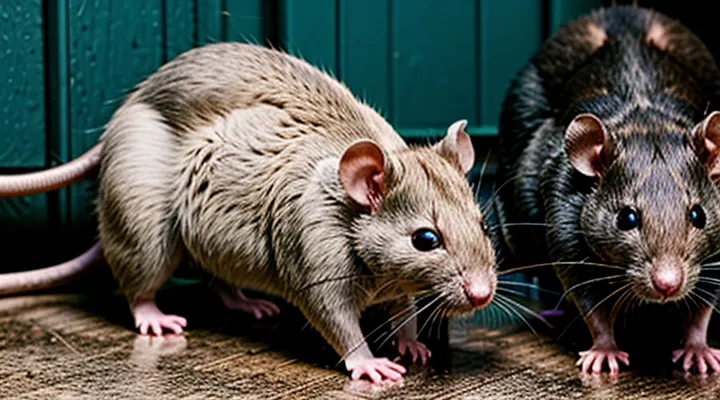
«Understanding the Enemy: Rat Behavior and Biology»
«Signs of a Rat Infestation»
«Droppings and Urine Trails»
Droppings and urine trails provide the most reliable evidence of a rodent presence inside a residence. Fresh feces appear as small, dark pellets about half an inch long; older deposits may turn brown and crumble. Urine stains are invisible to the naked eye but can be detected by a faint, musky odor or by using a blacklight, which causes the liquid to fluoresce.
Identification of these signs serves two purposes: confirming infestation and mapping activity zones. By following a continuous line of droppings or a wet‑look path, one can locate entry points, nesting sites, and preferred foraging routes. Marking these paths with tape or chalk helps prioritize sealing gaps and targeting cleaning efforts.
Health hazards associated with rodent excreta include bacterial infections such as leptospirosis and salmonellosis, as well as viral agents like hantavirus. Direct contact or inhalation of aerosolized particles during cleaning may cause illness. Protective equipment—gloves, mask, eye protection—is essential before any removal action.
Effective removal follows a three‑step protocol:
- Containment – isolate the area by closing doors and covering vents to prevent spread of contaminants.
- Disinfection – apply a 10 % bleach solution (one part bleach to nine parts water) to all droppings and urine‑stained surfaces; allow a minimum of ten minutes of contact time before wiping.
- Disposal – place contaminated materials in sealed plastic bags, seal tightly, and discard according to local hazardous‑waste guidelines.
After cleaning, eliminate conditions that encourage future deposits. Reduce food sources by storing pantry items in airtight containers, fix leaks that create damp environments, and maintain regular inspection of potential entry points such as gaps around pipes, vents, and foundation cracks. Continuous monitoring of droppings and urine trails will reveal any resurgence promptly, allowing non‑chemical interventions to remain effective.
«Gnaw Marks and Damage»
Rats leave unmistakable evidence through gnaw marks, which indicate active infestation and potential hazards. Bite marks appear on wood, plastic, and metal, often with clean, rounded edges. Repeated chewing creates holes large enough for a rodent to pass, compromising structural integrity. Electrical wiring is a common target; exposed conductors increase fire risk and may cause short circuits. Insulation, drywall, and furniture suffer loss of material, creating draft pathways and reducing comfort. Food containers with perforated lids reveal compromised storage, leading to contamination and waste.
Identifying gnaw damage enables effective, non‑poisonous control measures:
- Inspect baseboards, cabinets, and pantry shelves for fresh bite marks.
- Examine wiring conduits and outlet covers for exposed copper or stripped insulation.
- Check insulation in attics and walls for shredded fibers and holes.
- Look for gnaw evidence on furniture legs, pet crates, and wooden framing.
- Document locations to prioritize sealing and repair efforts.
After confirming damage, take decisive actions:
- Seal all entry points larger than a quarter‑inch using steel wool, metal flashing, or concrete caulk.
- Replace compromised wiring sections and install rodent‑proof outlet covers.
- Repair or replace damaged insulation and structural components to eliminate shelter.
- Store food in airtight containers; clean spills promptly to remove attractants.
- Deploy snap traps or electronic devices at identified gnaw sites, positioning them perpendicular to walls where rats travel.
Prompt remediation of gnaw marks prevents escalation, protects property, and supports a poison‑free eradication strategy.
«Unusual Noises and Odors»
Rats reveal their presence through distinctive sounds and smells; recognizing these cues enables effective, non‑chemical control.
Scratching, gnawing, or scurrying noises often occur behind walls, in attics, or beneath floorboards. The sounds intensify at night when rodents are most active. Listening from multiple points helps pinpoint the exact location of activity.
Odors arise from urine, feces, and secretions. A sharp, ammonia‑like scent indicates fresh droppings, while a greasy, musky smell suggests established nests. Detecting these odors on surfaces, in cabinets, or near food storage areas confirms infestation zones.
Action steps:
- Conduct a systematic audit: move through each room, pause to listen, and note any abnormal noises; use a flashlight to inspect dark corners for droppings or urine stains.
- Record locations of strongest sounds and odors; map them on a floor plan to visualize infestation hotspots.
- Seal entry points near identified zones: install steel wool or copper mesh in cracks, repair torn screens, and attach door sweeps.
- Deploy mechanical traps at the base of walls or in pathways where noises are heard; choose snap or live‑catch traps to avoid poison.
- Maintain rigorous sanitation: remove food residues, store perishables in airtight containers, and clean surfaces with a diluted bleach solution to eliminate scent trails.
- Monitor traps daily; relocate or add traps if new noises emerge, indicating rodent movement.
By systematically interpreting unusual auditory and olfactory signs, homeowners can locate rat activity, block access, and eradicate the problem without resorting to toxic baits.
«Common Rat Entry Points»
«Cracks in Foundations and Walls»
Rats exploit any opening that connects the exterior to interior spaces; cracks in foundations and walls constitute the most common pathways. These gaps offer shelter, moisture, and direct access to food sources, making them critical points of entry that must be eliminated to achieve a rodent‑free residence without chemical measures.
Identify all structural fissures by conducting a systematic inspection. Begin at ground level, walk the perimeter of the building, and use a flashlight to highlight seams in the foundation, basement walls, and crawl‑space panels. Inside, examine utility penetrations, window frames, and door thresholds for any visible separation. Record each defect with its dimensions and location to prioritize repair work.
Seal identified openings using durable, non‑porous materials that prevent recurrence. Recommended solutions include:
- Polyurethane or silicone sealant for gaps up to 1 cm.
- Expanding foam for irregular voids, followed by a layer of cement‑based mortar.
- Steel wool or copper mesh placed within larger cracks before applying sealant, providing a barrier against chewing.
- Concrete patching compound for structural cracks exceeding 2 cm, applied after cleaning debris and ensuring proper curing.
After repairs, establish a monitoring routine. Inspect sealed areas quarterly for signs of new damage, moisture intrusion, or rodent activity such as gnaw marks or droppings. Maintain a clear zone around the foundation by trimming vegetation, removing debris, and ensuring proper grading to divert water away from the building’s base.
By systematically locating, sealing, and regularly checking cracks, homeowners can effectively block rat ingress while avoiding the use of poisons.
«Gaps Around Pipes and Vents»
Rats enter homes through openings that surround plumbing, HVAC ducts, and ventilation shafts. Even gaps as narrow as a quarter‑inch provide a path for mice and rats to travel from the exterior to interior spaces. Sealing these penetrations removes one of the most reliable entry routes, reducing the need for chemical control.
To locate vulnerable points, examine the exterior of the house for:
- Spaces around water, gas, and sewer pipes where they pass through walls or foundations
- Gaps around dryer vents, exhaust fans, and bathroom fans
- Openings around air‑conditioning condensate lines and furnace flues
- Unfinished brickwork or siding cracks adjacent to utility penetrations
Once identified, close each opening with material that resists gnawing and weather exposure. Recommended sealants include:
- Steel wool or copper mesh, packed tightly into the gap, then covered with a waterproof sealant.
- Expanding polyurethane foam, applied in thin layers, followed by a metal flashing or hardware cloth for reinforcement.
- Mortar or cement for larger openings in brick or concrete, smoothed flush with the surrounding surface.
- Silicone caulk for small cracks around vent covers, ensuring a continuous bead.
After sealing, inspect the area periodically for signs of re‑damage. Replace worn material promptly, and maintain clear vegetation and debris away from the foundation to prevent new gaps from forming. This systematic approach limits rodent access without resorting to poisons.
«Damaged Roofs and Gutters»
Damaged roofs and gutters create entry points that allow rats to infiltrate a residence without the need for chemical control. Cracks in roofing material, missing shingles, and gaps around vent pipes provide direct access to attic spaces, while clogged or broken gutters collect debris that shelters rodents and encourages them to gnaw on supporting structures.
Typical indicators of roof and gutter damage include:
- Loose or detached shingles exposing the underlayment.
- Visible holes or cracks in the roof deck.
- Sagging gutters that no longer direct water away from the building.
- Accumulated leaves, twigs, or standing water within the gutter system.
Addressing these vulnerabilities requires a systematic approach:
- Conduct a visual inspection from the ground and, when safe, from a ladder to locate compromised areas.
- Seal all cracks and holes with appropriate roofing sealant or metal flashing, ensuring a tight fit around vents, chimneys, and skylights.
- Replace missing or broken shingles to restore a continuous barrier.
- Clean gutters thoroughly, removing all debris, and reinstall any damaged sections.
- Install gutter guards to prevent future accumulation of material that could attract rodents.
Regular maintenance of the roof and gutter assembly eliminates the shelter and food sources that attract rats, reducing the likelihood of infestation while avoiding the use of toxic baits. A well‑maintained exterior structure forms the first line of defense against rodent intrusion.
«Preventative Measures: Making Your Home Rat-Proof»
«Sealing Entry Points»
«Using Steel Wool and Caulk»
Steel wool and caulk provide a mechanical barrier that prevents rodents from entering a dwelling through small openings. The material’s dense fibers resist chewing, while caulk seals gaps after the wool is in place, creating a durable, non‑toxic exclusion method.
To apply this technique effectively:
- Identify potential entry points such as gaps around pipes, vents, utility conduits, and foundation cracks. Use a flashlight and a mirror to inspect concealed areas.
- Pack steel wool tightly into each opening, ensuring no voids remain. The fibers must be dense enough that a rat cannot push them aside.
- Apply a bead of silicone or acrylic caulk over the steel wool, covering the entire surface. Smooth the caulk with a gloved finger or a tool to create a seamless seal.
- Allow the caulk to cure according to the manufacturer’s instructions before restoring normal use of the area.
Regular inspection is essential; replace damaged steel wool or re‑caulk any seams that show wear. This approach eliminates the need for chemical poisons, reduces health risks, and offers a long‑lasting solution for rodent exclusion.
«Repairing Structural Damage»
Rats exploit gaps, broken insulation, and weakened supports, so restoring compromised structures is essential for a sustainable, non‑chemical control plan. Identify all entry points and damage zones by inspecting walls, ceilings, floors, and utility penetrations. Look for gnawed wood, chewed wiring, and displaced plaster; these signs indicate where rodents have breached the building envelope.
Repair actions should follow a logical sequence:
- Seal openings larger than ¼ in. with steel wool, metal flashing, or cement‑based caulk.
- Replace damaged studs, joists, or rafters with pressure‑treated lumber or metal brackets to restore load‑bearing capacity.
- Reinstall insulation that has been shredded or contaminated, using rodent‑resistant materials such as mineral wool.
- Repair or replace compromised drywall, plaster, and trim, ensuring joints are tightly sealed.
- Reinforce foundation cracks with epoxy or hydraulic cement, focusing on low‑lying sections where moisture accumulates.
After structural repairs, conduct a final verification sweep. Confirm that all repaired areas are free of new gnaw marks and that no concealed pathways remain. Document the work, noting materials used and locations treated, to facilitate future maintenance checks.
Maintaining the integrity of the home’s structure eliminates the shelter and food sources rats need, reducing the likelihood of re‑infestation without resorting to toxic agents. Regular inspection and timely repair of any emerging damage preserve both safety and a chemical‑free environment.
«Installing Mesh Over Openings»
Installing a durable mesh barrier across all potential entry points creates a physical obstacle that rats cannot bypass. The approach relies on sealing gaps rather than relying on chemical deterrents, making it safe for occupants and pets.
Identify openings where rodents may gain access. Typical sites include:
- Gaps around utility pipes and cables
- Spaces beneath doors and windows
- Cracks in foundation walls
- Openings around vent fans, dryer exhausts, and chimney flues
- Holes in attic or crawl‑space access panels
Select mesh material with a mesh size no larger than ¼ inch; stainless steel or galvanized wire offers corrosion resistance and structural strength. Ensure the mesh thickness can withstand chewing, with a gauge of at least 16.
Installation steps:
- Measure each opening precisely to determine the required mesh dimensions.
- Cut mesh to size, leaving a margin of 1–2 inches on all sides for secure attachment.
- Clean the surrounding area to remove debris and dust that could impede adhesion.
- Apply a weather‑resistant sealant or expanding foam around the perimeter.
- Secure the mesh using heavy‑duty staples, screws with washers, or construction adhesive, ensuring no gaps remain.
- Cover seams with additional mesh strips and seal with silicone caulk for a continuous barrier.
After installation, inspect the mesh regularly for signs of damage or displacement. Replace any compromised sections promptly to maintain an unbroken defense against rodent intrusion. This method provides a long‑term, non‑toxic solution for keeping rats out of a private residence.
«Eliminating Food and Water Sources»
«Proper Food Storage»
Proper food storage is a critical component of any strategy aimed at preventing rodent infestations in a private residence without resorting to chemical baits. Rats are attracted to accessible, unsecured food sources; eliminating these attractions reduces the likelihood of colonization and encourages existing pests to abandon the premises.
Key practices for secure food handling include:
- Store all dry goods, pet food, and cereals in airtight containers made of glass, metal, or heavy‑wall plastic. Containers should feature a tight‑locking lid or a gasket seal.
- Place perishable items in the refrigerator or freezer promptly. Avoid leaving leftovers on countertops or open tables for extended periods.
- Keep pantry shelves clear of debris and regularly inspect for crumbs or spilled contents. Clean any spills immediately with a damp cloth and a mild detergent.
- Dispose of waste in sealed bins equipped with a tight‑fitting lid. Transfer trash to an outdoor container with a secure cover at least once daily.
- Rotate stock to use older items first, preventing spoilage that generates strong odors attractive to rodents.
Additional measures reinforce the effectiveness of proper storage:
- Position food storage areas away from walls and baseboards to reduce concealed pathways.
- Install a simple, removable barrier such as a metal mesh over pantry openings if structural gaps exist.
- Conduct periodic inspections of storage containers for cracks or compromised seals, replacing damaged units without delay.
By rigorously controlling food accessibility, homeowners create an environment where rats find no viable nourishment, thereby encouraging natural migration away from the home and eliminating the need for poisonous control methods.
«Securing Trash Bins»
Securing trash bins eliminates a primary food source that attracts rats to residential properties. Proper containment prevents rodents from accessing organic waste, reducing the likelihood of infestation.
Effective bin security includes:
- Lids that snap shut and remain closed under pressure.
- Tight‑fitting seals or bungee cords that block gaps.
- Durable, rigid containers made of metal or heavy‑gauge plastic.
- Placement of bins on a raised platform or inside a locked cabinet to deter climbing.
- Daily removal of bags and thorough cleaning of interior surfaces with hot water and detergent.
Routine inspection verifies that lids function correctly and that no tears or cracks compromise integrity. Replacing worn seals and repairing damaged containers maintain the barrier. Monitoring waste accumulation patterns helps adjust collection frequency, ensuring bins never become overloaded.
Integrating these practices into everyday household maintenance supports rat control without reliance on toxic substances.
«Fixing Leaky Pipes and Drains»
Leaking pipes and standing water create ideal pathways and habitats for rodents, undermining any effort to remove them without toxic agents. Identifying and repairing these sources eliminates moisture that attracts rats and provides them with entry points into walls, cabinets, and crawl spaces.
Inspect all visible plumbing for drips, corrosion, or condensation. Use a flashlight to examine under sinks, behind appliances, and in basements. Pay special attention to joints, valve seals, and flexible hose connections, as these are frequent failure points.
Repair actions:
- Shut off water supply to the affected line.
- Drain residual water by opening nearby faucets.
- Replace worn washers or O‑rings with new, appropriately sized components.
- Tighten threaded fittings with a pipe wrench; avoid over‑tightening that could crack the pipe.
- For cracked copper or PVC sections, cut out the damaged segment and install a new piece using solder (copper) or solvent cement (PVC), ensuring a leak‑free seal.
- Re‑insulate exposed pipes to prevent condensation, especially in unheated areas.
- Test the repair by restoring water flow and observing for any signs of leakage over several minutes.
Clear clogged drains promptly. Blockages force waste water to back up, creating damp environments that attract rodents. Use a mechanical auger or enzymatic drain cleaner rather than chemical solvents that may damage pipes.
Regular maintenance—checking for new leaks, tightening connections, and keeping drains clear—sustains a dry environment that discourages rat activity throughout the home.
«Sanitation and Clutter Control»
«Regular Cleaning Practices»
Consistent sanitation deprives rodents of the resources they need to survive inside a dwelling. By eliminating accessible food, water, and shelter, the environment becomes unsuitable for infestation.
- Store dry goods in airtight containers; discard opened packages that show signs of contamination.
- Sweep and vacuum floors daily to remove crumbs, seed hulls, and spilled pet food.
- Wipe countertops, tables, and appliance surfaces after each use; use a damp cloth followed by a disinfectant.
- Clean under kitchen appliances, inside cabinets, and behind furniture where debris can accumulate.
- Empty trash bins nightly, seal lids tightly, and keep outdoor dumpsters at least three meters from the house.
Regularly laundering bedding, curtains, and pet bedding eliminates hidden food particles and nesting material. Inspect and clean ventilation grills, dryer vents, and chimney flues to prevent accumulation of dust and insulation that could serve as shelter. Maintaining these practices creates a hostile setting for rats, reducing the likelihood of a non‑poisonous control effort.
«Reducing Hiding Spots»
Reducing hiding places deprives rats of shelter and limits their ability to establish a colony. Identify potential sites by inspecting corners, under appliances, inside wall voids, and behind stored items. Seal each opening with durable materials such as steel wool, copper mesh, or cement‑based caulk; gaps larger than a quarter inch must be closed.
- Remove clutter that creates concealed pathways.
- Store food in airtight containers and keep surfaces clean.
- Trim vegetation and remove debris that touches the building envelope.
- Install door sweeps and weather stripping on exterior doors and windows.
- Repair damaged screens, vents, and utility openings.
Regular checks maintain the barrier. Conduct a visual survey monthly, focusing on previously sealed areas for signs of new damage. Reapply sealing agents promptly after any renovation or repair work. Consistent elimination of concealment zones reduces rat activity without reliance on chemical control.
«Maintaining Outdoor Areas»
Maintaining the exterior of a house reduces the likelihood that rats will find shelter and food, thereby supporting a non‑chemical approach to rodent control.
Trim vegetation so that branches and vines do not touch the building. Overgrown plants create bridges for rats to reach the roof and eaves. Keep grass at a moderate height and remove dense ground cover near foundations.
Store outdoor items in sealed containers or elevate them on platforms. Items such as firewood, garden tools, and compost bins should be kept at least 12 inches above the ground and away from walls. Regularly inspect storage areas for signs of gnawing or nesting.
Implement routine cleaning and waste management:
- Remove fallen fruit, nuts, and seeds promptly.
- Secure trash cans with tight‑fitting lids and empty them frequently.
- Sweep debris from decks, patios, and gutters to eliminate hiding places.
By consistently applying these measures, homeowners create an environment that discourages rat activity without resorting to toxic substances.
«Non-Toxic Rat Removal Strategies»
«Live Trapping Methods»
«Choosing the Right Trap»
Selecting an appropriate trap determines the success of a non‑toxic rat control program in a residence.
- Snap traps – steel bar delivers a rapid kill; suitable for interior walls and concealed corners.
- Live‑catch traps – wire cage with a pressure‑triggered door; allows relocation of captured rodents.
- Electronic traps – battery‑powered circuit delivers a lethal shock; useful where quick disposal is required.
- Glue boards – adhesive surface captures pests; generally discouraged for rats due to humane concerns.
When evaluating options, consider the following criteria:
- Target size – trap must accommodate adult Norway rats (up to 300 g).
- Placement flexibility – ability to fit behind appliances, under furniture, or along wall lines.
- Safety features – mechanisms that prevent accidental activation by children or pets.
- Humane handling – live‑catch models enable release far from the property, complying with ethical standards.
Implementation guidelines:
- Position traps perpendicular to walls, with the trigger end facing the expected travel route.
- Bait each trap with high‑protein foods such as peanut butter, dried meat, or hard‑boiled egg; avoid sweet attractants that draw non‑target species.
- Check traps daily; dispose of dead rodents promptly or release live captures in a suitable outdoor environment.
- Rotate trap locations after each capture to prevent habituation.
Choosing the trap that matches the home’s layout, safety requirements, and humane considerations maximizes efficacy while eliminating the need for chemical poisons.
«Effective Baiting Techniques»
Effective baiting techniques rely on attraction, placement precision, and safe containment. Selecting a bait that appeals to rats—such as peanut butter, dried fruit, or small pieces of meat—creates a strong lure without introducing toxins. Pair the chosen attractant with a trap that secures the rodent alive or kills instantly, depending on homeowner preference.
Key steps for successful implementation:
- Identify active pathways by inspecting walls, baseboards, and behind appliances; rats travel along these routes.
- Position traps perpendicular to the wall, with the entry side facing the wall, to align with natural movement.
- Secure bait to the trigger mechanism using a small amount of adhesive or a toothpick to prevent premature removal.
- Rotate trap locations every 48 hours to cover new activity zones and avoid habituation.
- Check traps daily; release live captures outdoors at least 100 feet from the residence or dispose of dead specimens according to local regulations.
Maintain a clean environment to enhance bait effectiveness. Remove accessible food sources, seal garbage containers, and repair structural gaps larger than a quarter inch. Regular monitoring—using motion-activated cameras or tracking powders—provides data on rat presence and informs adjustments to bait placement.
By integrating targeted attractants, precise trap positioning, and diligent housekeeping, homeowners can eradicate rat infestations without resorting to poisonous substances.
«Safe Release Practices»
Effective non‑poisonous rodent control often ends with humane relocation. When releasing captured rats, follow practices that protect occupants, the animals, and the surrounding environment.
First, identify a release site at least five miles from the residence. Choose an area with natural cover, abundant food sources, and minimal human activity, such as a wooded field or a vacant lot with mature vegetation. Verify that local regulations permit the introduction of wild rodents.
Second, transport the animal in a secure, ventilated container. Line the container with a breathable material to prevent overheating. Keep the container upright and shielded from direct sunlight during the journey.
Third, release the rat during daylight hours when predators are less active. Open the container slowly, allowing the animal to exit voluntarily. Avoid handling the rat directly to reduce stress and the risk of bites.
Fourth, disinfect equipment after each use. Soak the container in a solution of one part bleach to nine parts water for at least ten minutes, then rinse thoroughly. Dispose of gloves and any disposable liners in a sealed bag.
Finally, monitor the original property for signs of re‑entry. Seal entry points, maintain cleanliness, and employ exclusion methods such as steel‑wool or mesh to prevent future infestations.
- Choose a release site ≥5 miles away, with natural shelter.
- Use a ventilated, secure container; line with breathable material.
- Release during daylight; allow the animal to exit on its own.
- Disinfect all equipment with a bleach solution; discard single‑use items safely.
- Inspect and seal potential entry points to avoid recurrence.
«Snap Traps: A Humane Option When Used Correctly»
«Proper Trap Placement»
Place traps along established rodent pathways. Rats travel close to walls, under furniture, and through concealed openings; positioning devices in these zones maximizes contact. Secure each trap perpendicular to the wall, with the trigger end facing the expected direction of travel. Ensure the trap is anchored to prevent displacement by the animal’s force.
Use bait that attracts rats without appealing to non‑target species. Peanut butter, dried fruit, or small pieces of meat work effectively. Apply a minimal amount directly on the trigger mechanism to encourage the rat to engage promptly. Replace bait daily to maintain freshness and scent potency.
Maintain a systematic layout:
- Identify all entry points, gaps, and high‑traffic routes.
- Install a trap at every junction where walls meet floors or ceilings.
- Add additional devices every 2–3 feet along long corridors or behind appliances.
- Check traps at least once every 12 hours; remove captured rodents promptly.
- Relocate or adjust any trap that shows reduced activity or interference from pets.
Regular monitoring and strategic positioning eliminate the need for chemical control while ensuring consistent reduction of the rat population.
«Minimizing Suffering»
Effective rat control in a household can be achieved while reducing animal distress. The strategy centers on prevention, humane capture, and safe release.
Preventive measures block entry and discourage attraction. Seal cracks, install door sweeps, and repair damaged screens. Store food in airtight containers, eliminate standing water, and keep garbage tightly covered. Regularly inspect attics, basements, and crawl spaces for signs of activity and address issues promptly.
When rodents are already present, humane traps provide a low‑suffering solution. Options include:
- Multi‑catch live traps that capture several rats before needing inspection.
- Single‑catch snap traps designed with a quick‑kill mechanism to minimize pain.
- Electronic traps delivering an instantaneous, humane shock.
After capture, relocate animals at least one mile from the residence, preferably in a wooded area with adequate shelter and food sources. Release should occur during daylight to reduce predation risk.
Supplementary actions support long‑term success. Deploy natural repellents such as peppermint oil or ultrasonic devices to deter re‑entry. Maintain a clean environment to remove incentives for infestation. Monitor trap locations weekly and adjust placement based on activity patterns.
By integrating exclusion, humane capture, and responsible release, homeowners eliminate rats without resorting to toxic substances while keeping suffering to a minimum.
«Disposal of Rodents»
Effective rodent disposal begins after the animal is removed from the residence. Immediate attention to the captured specimen prevents disease transmission and eliminates odors that attract additional pests.
- Place the live rodent in a sturdy container with a tight‑fitting lid.
- Apply a humane method such as rapid cervical dislocation or an approved CO₂ chamber; avoid prolonged suffering.
- Seal the container in double‑layered plastic bags, label them clearly, and store in a freezer for at least 24 hours to ensure the animal is dead.
- Transfer the sealed bags to a municipal waste facility that accepts dead wildlife, or arrange for a licensed carcass removal service.
After disposal, clean the area thoroughly. Use a detergent solution to scrub surfaces, then disinfect with a solution containing at least 0.1 % sodium hypochlorite. Dispose of all cleaning materials in sealed bags and wash hands with soap for a minimum of 20 seconds.
Prevent future incursions by sealing entry points, trimming vegetation away from the building, and storing food in airtight containers. Regularly inspect attics, basements, and crawl spaces for signs of activity and address any breaches promptly.
«Natural Deterrents»
«Peppermint Oil and Other Essential Oils»
Peppermint oil is a widely documented natural repellent for rodents. Its strong menthol scent overwhelms rats’ olfactory receptors, causing avoidance of treated areas. For effective use, soak cotton balls in undiluted peppermint oil, place them in corners, behind appliances, and near entry points. Replace every three to four days to maintain potency.
Other essential oils with proven deterrent properties include:
- Eucalyptus oil – volatile compounds irritate respiratory passages.
- Clove oil – contains eugenol, which disrupts scent trails.
- Citronella oil – emits a citrus aroma that rats find unpleasant.
- Lavender oil – strong floral scent interferes with nesting behavior.
Application guidelines:
- Dilute each oil with a carrier (e.g., mineral oil) at a 1:1 ratio for safety on surfaces.
- Apply the mixture to cloth strips or silicone plugs that fit snugly into cracks and gaps.
- Distribute strips evenly throughout the home, focusing on pathways, storage rooms, and attic spaces.
- Reapply weekly, or sooner if the fragrance fades.
Safety considerations:
- Test a small, hidden area before widespread use to avoid staining or damage.
- Keep oils out of reach of children and pets; ingesting concentrated oil can be harmful.
- Combine oil treatment with physical exclusion methods—seal holes, install door sweeps, and maintain a clean environment—to reduce attractants.
Limitations:
- Essential oils deter, not eradicate; persistent infestations may require professional intervention.
- Effectiveness varies with rat species, population density, and environmental conditions such as ventilation.
When integrated into a comprehensive, non‑chemical rodent management plan, peppermint and complementary essential oils provide a low‑toxicity option for discouraging rats from private residences.
«Ammonia and Other Strong Scents»
Ammonia creates an environment that rats find intolerable because the vapor mimics the scent of predator urine. The odor overwhelms their highly developed olfactory system, prompting avoidance of treated areas.
To employ ammonia effectively:
- Dilute one part clear ammonia to three parts water in a spray bottle.
- Apply the solution to entry points, baseboards, and known pathways.
- Reapply after rain or cleaning, as the scent dissipates quickly.
- Keep the mixture away from children and pets; ensure adequate ventilation during use.
Other strong scents that repel rodents include:
- Mint oil – saturate cotton balls, place them in corners, replace weekly.
- Eucalyptus oil – soak cloth strips, hang near openings, refresh every few days.
- Citrus peels – scatter fresh peels in cabinets, discard after a week.
- Vinegar – wipe surfaces with undiluted white vinegar, especially around food storage.
These aromas share the characteristic of overwhelming the rat’s sense of smell, forcing them to seek alternative habitats.
Strong-scent deterrents do not eradicate infestations. Combine them with sealing entry gaps, removing food sources, and maintaining cleanliness to achieve lasting exclusion.
«Predator Urine»
Predator urine, collected from animals such as foxes, coyotes, or ferrets, contains scent markers that signal the presence of a top‑level threat to rodents. When introduced into a residence, the odor triggers a fear response, prompting rats to avoid areas where the scent is detected.
Effective deployment requires strategic placement. Apply a few drops of the liquid on cotton balls or small fabric pads, then position them near entry points, along walls, and in concealed spaces where activity has been observed. Replace the pads every two to three days, or sooner if the scent diminishes.
Advantages include:
- Non‑chemical deterrent, eliminating risk of secondary poisoning.
- Minimal residue; pads can be removed without contaminating surfaces.
- Compatibility with integrated pest‑management practices such as sealing gaps and removing food sources.
Limitations to consider:
- Effectiveness varies with species; some rats may habituate after repeated exposure.
- Strong odor may be noticeable to occupants, requiring ventilation.
- Commercial products can be costly; homemade extracts lack standardization.
To maximize results, combine predator urine with physical barriers (steel wool in holes), proper sanitation, and regular inspection of potential nesting sites. Monitoring devices, such as snap traps, can confirm whether the deterrent is reducing activity.
When acquiring the product, choose reputable suppliers that guarantee purity and provide safety data sheets. Store unopened containers in a cool, dark place; once opened, keep the material sealed and out of reach of children and pets.
«Integrated Pest Management (IPM) Principles»
«Monitoring and Assessment»
Effective rat control begins with systematic monitoring and assessment. Identify entry points by inspecting foundation cracks, gaps around pipes, and openings in doors or windows. Look for droppings, gnaw marks, and nesting material in hidden areas such as attics, basements, and behind appliances. Use flashlights and mirrors to reach concealed spaces.
Record observations in a log that includes location, type of evidence, and date. Employ motion-activated cameras or infrared detectors to capture nocturnal activity. Place non-toxic bait stations with tracking ink to verify species and movement patterns without exposing residents to poison.
Analyze collected data to determine population size, activity hotspots, and seasonal trends. Compare current findings with previous logs to assess whether interventions are reducing activity. If activity persists, adjust placement of traps, seal additional openings, or introduce deterrents such as ultrasonic devices.
After each control action, repeat the inspection cycle for at least two weeks. Document any decline in signs and note any resurgence. This iterative process ensures that measures remain effective and that any gaps in the strategy are promptly addressed.
«Combining Multiple Methods»
Effective rat control in a residence without chemical baits relies on the coordinated use of several non‑toxic tactics. Each tactic addresses a different stage of the infestation cycle, creating a comprehensive barrier that prevents entry, reduces attraction, and eliminates existing rodents.
- Seal entry points: Install steel‑wool or copper mesh in gaps around pipes, vents, and foundations; reinforce doors and windows with weather‑stripping.
- Deploy traps: Use snap traps or electronic devices in active pathways; position them perpendicular to walls, with the trigger end facing the wall.
- Improve sanitation: Store food in airtight containers, remove spilled grain, and empty garbage daily; eliminate standing water sources.
- Apply natural repellents: Place peppermint oil‑soaked cotton balls or dried herbs such as cayenne near potential ingress sites; refresh regularly to maintain potency.
- Conduct regular monitoring: Inspect trap locations weekly, record captures, and adjust placement based on activity patterns.
Integrating these measures requires a systematic plan. Begin with a thorough inspection to identify all possible access routes, then prioritize sealing before deploying traps. Sanitation upgrades should accompany exclusion work to remove attractants that could undermine the physical barriers. Natural repellents serve as an additional deterrent, especially in areas where sealing is impractical.
Continuous evaluation ensures long‑term success. Review capture data weekly, repair any newly discovered openings, and refresh repellents according to manufacturer recommendations. Consistent application of the combined approach maintains a hostile environment for rats while avoiding poisonous substances.
«Long-Term Control»
Effective long‑term rat control relies on preventing entry, removing attractants, and maintaining vigilant monitoring.
-
Seal all potential entry points. Inspect walls, floors, and ceilings for gaps larger than ¼ inch; use steel wool, cement, or metal mesh to block them. Install door sweeps and weather stripping on exterior doors.
-
Eliminate food sources. Store pantry items in airtight containers, clean crumbs and spills promptly, and keep garbage in sealed bins with regular removal.
-
Reduce shelter. Trim vegetation and remove debris within three meters of the building. Store firewood off the ground and maintain a clean, clutter‑free interior.
-
Deploy live‑catch traps strategically. Place traps along walls, behind appliances, and near known activity zones. Check traps daily, release captured rodents far from the property, and reset traps as needed.
-
Implement a regular inspection schedule. Conduct monthly visual surveys of exterior foundations, interior corners, and attics. Document any new signs of activity and address them immediately.
-
Maintain structural integrity. Repair cracks in foundations, roofs, and siding promptly to deny rats new nesting sites.
Consistent application of these measures creates an environment where rats cannot thrive, ensuring lasting protection without resorting to toxic agents.
«Addressing the Aftermath and Preventing Reinfestation»
«Cleaning and Disinfecting Affected Areas»
«Removing Droppings and Urine»
Removing rat droppings and urine is essential for a sanitary, pest‑free home. Contaminated material spreads disease, attracts more rodents, and compromises indoor air quality. Proper handling eliminates health risks and discourages reinfestation.
Preparation
- Wear disposable gloves, a mask rated N95 or higher, and eye protection.
- Ventilate the area by opening windows and using fans to direct airflow outward.
- Seal off adjacent rooms with plastic sheeting to prevent particles from spreading.
Cleaning Procedure
- Dry removal – Use a stiff paper towel or disposable cloth to lift solid droppings. Place material directly into a sealable biohazard bag; avoid shaking to limit aerosolization.
- Disinfection – Apply a 10 % bleach solution (1 part bleach to 9 parts water) to the affected surface. Allow a minimum of 10 minutes contact time.
- Scrubbing – Scrub the area with a disposable scrub pad until stains vanish. Rinse with clean water and absorb excess moisture with disposable towels.
- Final decontamination – Spray the same bleach solution on surrounding walls, baseboards, and any porous material that may have been contaminated. Let dry completely before re‑occupying the space.
Post‑cleaning Measures
- Dispose of all protective gear, towels, and contaminated waste in a tightly sealed trash bag.
- Wash hands thoroughly with soap and water after removing gloves.
- Install disposable absorbent pads under potential nesting sites to detect future urine deposits early.
- Conduct a visual inspection weekly for new droppings; immediate removal prevents buildup.
Following these steps removes biological hazards, reduces odor, and creates an environment less inviting to rats, supporting a non‑chemical eradication strategy.
«Sanitizing Surfaces»
Sanitizing surfaces eliminates food residues and scent trails that attract rodents, thereby reducing the likelihood of re‑infestation. Thorough cleaning removes droppings, urine, and grease that provide both nourishment and navigation cues for rats.
- Remove all visible debris with a disposable cloth or paper towel; discard in a sealed bag.
- Wash countertops, cabinets, and floor areas using hot water (minimum 60 °C) and a detergent capable of breaking down fats.
- Rinse with a solution of one part white vinegar to three parts water; vinegar neutralizes odor compounds left by rodents.
- Disinfect with a diluted bleach solution (1 % sodium hypochlorite) or an EPA‑approved disinfectant; allow the surface to remain wet for at least five minutes before wiping dry.
- Dry all cleaned areas completely; moisture encourages rodent activity and bacterial growth.
Consistently applying these steps after each meal preparation and after any rodent sighting maintains an environment that deters rats without reliance on toxic baits. Regular sanitation interrupts the cycle of attraction and habitation, supporting a poison‑free eradication strategy.
«Ventilation and Air Purification»
Effective ventilation reduces indoor humidity, a condition rats favor for nesting and food storage. By maintaining dry air, walls, ceilings and stored goods become less attractive, limiting the likelihood of infestation. Installing exhaust fans in kitchens, basements and bathrooms creates a pressure differential that discourages rodent entry through cracks and gaps.
Air purification removes food odors and waste scents that signal a viable habitat to rats. Activated‑carbon filters absorb volatile compounds from garbage, pet food and cooking, eliminating olfactory cues that guide rodents to a residence. HEPA filters capture fine particles, preventing dust accumulation that can conceal entry points.
Practical steps:
- Install continuous exhaust fans in high‑moisture areas; set timers to ensure operation during peak humidity periods.
- Use dehumidifiers in basements and crawl spaces to keep relative humidity below 50 %.
- Choose air purifiers equipped with activated carbon and HEPA filtration; replace cartridges according to manufacturer guidelines.
- Seal ventilation ducts with metal mesh screens to block rodent passage while preserving airflow.
- Conduct regular maintenance of fans and filters to sustain performance and prevent buildup that could attract pests.
«Ongoing Monitoring and Maintenance»
«Regular Inspections»
Regular inspections form the backbone of a non‑toxic rat control program in a residence. By systematically checking vulnerable areas, homeowners can locate activity before infestations become visible, reducing the need for hazardous interventions.
Inspect the exterior and interior weekly during peak seasons (spring and autumn). Focus on:
- Foundation cracks, gaps around doors, windows, and utility penetrations
- Roof eaves, soffits, and vent openings
- Kitchen countertops, pantry shelves, and garbage storage containers
- Basement, crawl spaces, and attic insulation
- Water sources such as leaky pipes, pet bowls, and drip trays
During each inspection, look for droppings, gnaw marks, urine stains, and fresh burrows. Use a flashlight and a magnifying glass to detect subtle signs. Record findings in a log, noting location, type of evidence, and date. This documentation reveals patterns, guides targeted sealing, and measures progress over time.
Seal identified entry points promptly with steel wool, copper mesh, or cement, because rodents can enlarge openings as small as a pencil diameter. Replace damaged weatherstripping and install door sweeps to eliminate gaps. Maintain a clean environment by storing food in sealed containers, removing clutter, and disposing of waste regularly.
Consistent inspection cycles, combined with immediate remediation, keep rat populations below detectable levels without resorting to poison. The approach relies on early detection, physical barriers, and disciplined housekeeping, ensuring a safe, rodent‑free home.
«Maintaining Exclusion Measures»
Effective rat control without toxic agents depends on keeping the home sealed against entry. Begin with a thorough inspection of the building envelope. Identify every opening larger than a quarter‑inch, including cracks in foundations, gaps around pipes, vents, and utility lines, and spaces beneath doors.
- Apply steel wool or copper mesh to fill small holes before applying sealant.
- Use expanding polyurethane foam for larger gaps, ensuring the material is rod‑proof.
- Install door sweeps on all exterior doors and verify that weather‑stripping remains intact.
- Fit screens on vents, chimneys, and dryer exhausts; replace damaged screens promptly.
- Seal gaps around windows, especially where frames meet the wall, with silicone or acrylic caulk.
After sealing, adopt a schedule for routine checks. Inspect exterior walls, roof eaves, and crawl spaces monthly; repair any new cracks immediately. Replace worn door sweeps and weather‑stripping at least once a year or when wear becomes apparent. Maintain vegetation at least a foot away from the foundation to reduce shelter opportunities. Keep stored items off the floor and away from walls to eliminate hiding places.
Continuous monitoring supports exclusion. Place snap or live traps along suspected travel routes; record captures to locate any missed entry points. If activity persists, revisit the inspection, focusing on overlooked areas such as attic access panels or garage door seals.
By systematically sealing openings, performing regular maintenance, and verifying results with traps, a household can sustain a barrier that prevents rats from entering without resorting to poison.
«Adapting Strategies as Needed»
Rats quickly learn to avoid static traps, so a flexible approach is essential. Begin with a thorough inspection to locate entry points, nesting sites, and preferred pathways. Seal gaps larger than a quarter‑inch with steel wool, caulk, or hardware cloth; smaller openings can be blocked with expanding foam reinforced by mesh.
If initial exclusion fails, modify control measures rather than persisting with a single method. Replace snap traps with live‑catch cages when rats become trap‑shy, and relocate captured animals at least five miles from the residence to prevent re‑infestation. When bait loss reduces effectiveness, switch from food‑based attractants to scented lures such as peanut butter mixed with oats, adjusting placement height to match the rodents’ activity level.
Continual assessment informs adjustments. Conduct weekly checks for new droppings, gnaw marks, or damage to barriers. Record observations in a simple log; patterns reveal which tactics succeed and which require revision.
Adaptive actions checklist
- Verify all exterior openings remain sealed; reinforce any compromised areas.
- Rotate trap types and locations after three consecutive days of no catches.
- Update bait composition weekly based on observed preferences.
- Increase sanitation measures—store food in airtight containers, eliminate standing water, and remove clutter that offers shelter.
- Engage household members to report sightings promptly, ensuring rapid response.
By treating rat control as an evolving process, homeowners maintain pressure on the pest population while avoiding toxic substances. The ability to pivot tactics based on real‑time feedback prevents stagnation and ultimately drives the infestation toward elimination.