
Understanding the Rodent Problem
Identifying Rodent Species
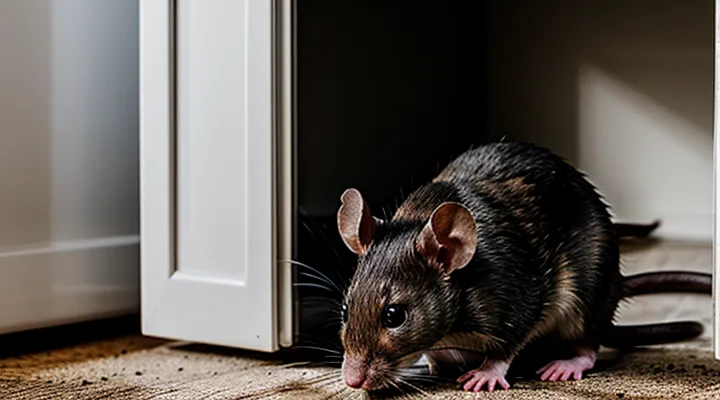
Rats vs. Mice: Key Differences
Rats and mice differ enough that a single control plan cannot address both species effectively. Recognizing these differences allows homeowners to select appropriate tools, locate infestation sites, and reduce the risk of incomplete eradication.
- Size: Rats range from 8 inches to 12 inches in body length; mice average 2 inches to 4 inches.
- Tail: Rat tails are thick and proportionally short; mouse tails are slender and about the same length as the body.
- Behavior: Rats are cautious, often avoiding new objects; mice display curiosity and readily explore unfamiliar areas.
- Reproduction: A rat litter contains 6‑12 pups, gestation 21 days; a mouse litter holds 5‑8 pups, gestation 19‑21 days.
- Damage: Rats gnaw through wood, plastics, and wiring; mice primarily damage soft materials, stored food, and insulation.
- Diet: Rats consume larger food items and can subsist on meat; mice prefer grains, seeds, and crumbs.
- Habitat: Rats favor basements, sewers, and exterior walls; mice occupy attics, cabinets, and interior wall voids.
- Signs: Rat droppings are ½‑inch long, dark, and spindle‑shaped; mouse droppings are ¼‑inch long, smooth, and rice‑shaped.
Control measures must reflect these traits. Bait stations designed for rats require larger doses of anticoagulants, while mouse stations use smaller pellets. Snap traps for rats need a 2‑inch jaw opening; mouse traps operate with a 1‑inch opening. Placement follows activity patterns: set rat traps along walls, near sewer lines, and in low‑lying areas; position mouse traps higher, near cabinets, and in attic corners. Poison concentrations differ to avoid sub‑lethal exposure that can allow survivors to reproduce.
Accurate species identification streamlines eradication, minimizes chemical waste, and prevents cross‑contamination of traps. Homeowners who adjust their approach based on the outlined distinctions achieve faster, more reliable results.
Signs of Infestation
Identifying a rodent problem early prevents extensive damage and health risks. The following indicators confirm a presence of rats or mice in a residence.
- Dark, pellet‑shaped droppings near food sources, along walls, or in concealed areas.
- Gnaw marks on wood, plastic, wiring, or insulation, often with clean, straight edges.
- Scratching or scurrying sounds, especially at night, emanating from walls, ceilings, or attics.
- Visible tracks or smear marks on dusty surfaces, indicating movement pathways.
- Nests constructed from shredded paper, fabric, or insulation, typically hidden in corners, behind appliances, or within wall cavities.
- Strong, musky odor, particularly in enclosed spaces, resulting from urine and glandular secretions.
- Damaged food packaging, chewed open bags, or contaminated pantry items.
- Occasional sightings of live rodents or carcasses in hidden spots such as basements, crawl spaces, or under furniture.
Presence of multiple signs together strongly suggests an active infestation requiring immediate control measures.
Assessing the Severity
Assessing the severity of a rodent problem is the first step toward effective elimination. Accurate evaluation determines the appropriate control measures, resource allocation, and timeline for eradication.
Begin by quantifying evidence of activity:
- Number of droppings per square meter in kitchens, pantries, and storage areas.
- Frequency of gnaw marks on food containers, wiring, and structural components.
- Presence of live or dead rodents observed during inspections.
- Signs of nesting material such as shredded paper, fabric, or insulation.
Next, map infestation zones. Identify rooms or sections with the highest concentrations of evidence and note proximity to entry points, water sources, and food supplies. Document each zone on a simple floor plan to visualize spread patterns.
Evaluate population dynamics. High reproductive rates are indicated by:
- Multiple sightings of juvenile rodents.
- Recent droppings that are smaller and contain higher moisture content.
- Rapid increase in gnawing activity over a short period.
Consider environmental factors that influence severity:
- Clutter level: dense storage provides shelter and breeding sites.
- Food availability: unsecured waste, pet food, or pantry items increase attraction.
- Structural integrity: gaps larger than ¼ inch in walls, foundations, or vents facilitate entry.
Finally, assign a severity rating based on the compiled data. A practical scale includes:
- Low – Minimal signs, isolated droppings, no evidence of nesting.
- Moderate – Frequent droppings, occasional gnaw marks, occasional sightings.
- High – Abundant droppings, extensive gnawing, multiple sightings, presence of juveniles, widespread nesting.
A clear severity rating guides the selection of control tactics, from targeted traps in low‑level cases to comprehensive baiting and exclusion measures for high‑level infestations. Regular re‑assessment after intervention confirms progress and prevents recurrence.
Effective Rodent Elimination Strategies
Integrated Pest Management (IPM) Principles
Integrated Pest Management (IPM) provides a framework for controlling rats and mice in residential settings through a combination of preventive and corrective actions. The approach begins with a thorough inspection that identifies entry points, harborage areas, and evidence of activity. Accurate species identification informs the selection of appropriate monitoring tools such as snap traps, live‑catch devices, or electronic sensors.
After establishing baseline data, the program emphasizes exclusion and sanitation to reduce attractants. Sealing cracks, installing door sweeps, and repairing utility penetrations prevent ingress. Removing food residues, storing waste in sealed containers, and maintaining a clutter‑free environment eliminate sustenance sources. Landscape adjustments—trimming vegetation away from the foundation and clearing debris—reduce shelter opportunities.
When non‑chemical measures prove insufficient, targeted control tactics are applied. Mechanical devices (e.g., snap traps, multi‑catch traps) are positioned along established runways. Bait stations containing anticoagulant or non‑anticoagulant rodenticides are placed in tamper‑resistant containers, following label instructions and safety guidelines. Biological options, such as encouraging natural predators (e.g., barn owls) through nesting boxes, complement mechanical methods.
Continuous monitoring verifies efficacy; trap counts and inspection notes guide adjustments. Documentation of actions, observations, and outcomes creates a feedback loop that refines the strategy over time. By integrating inspection, exclusion, sanitation, mechanical control, and, when necessary, chemical interventions, IPM delivers a sustainable solution for domestic rodent problems while minimizing risks to occupants and non‑target species.
Non-Lethal Methods
Sealing Entry Points
Sealing entry points blocks the primary route rodents use to access a home. Identify every potential opening by inspecting the building envelope: foundation cracks, gaps around utility penetrations, vent openings, door thresholds, and window frames. Measure each opening and record dimensions for appropriate material selection.
Choose durable, rodent‑proof materials. Steel wool, copper mesh, or heavy‑gauge hardware cloth (¼‑inch) effectively fill small gaps. For larger cracks, apply expanding polyurethane foam followed by a metal or cement patch. Use silicone caulk on flexible joints such as around pipes and cables. Install door sweeps and weather stripping on all exterior doors to eliminate gaps beneath the threshold.
Apply the following procedure:
- Conduct a systematic walk‑around, both interior and exterior, to locate all gaps larger than ¼ inch.
- Clean each opening of debris, dust, and any existing rodent droppings to ensure proper adhesion.
- Insert steel wool or mesh into the gap, then secure with caulk or expandable foam.
- Cover the sealed area with a rigid barrier—metal flashing, concrete, or plywood—where structural strength is required.
- Verify the seal by probing with a thin rod; any remaining opening must be re‑treated.
Regularly review the sealed areas, especially after seasonal weather changes or home renovations, to detect new breaches. Maintaining an airtight barrier reduces the likelihood of re‑infestation and supports long‑term rodent control.
Eliminating Food and Water Sources
Rats survive by exploiting readily available food and water. Removing these resources forces the rodents to search elsewhere, reducing their presence in the home.
- Store all dry goods, pet food, and cereals in airtight containers made of metal or heavy‑wall plastic.
- Clean countertops, floors, and appliances after each meal; sweep crumbs and vacuum upholstery daily.
- Dispose of garbage in bins with tight‑fitting lids and remove trash from the kitchen at least once a day.
- Eliminate pet water dishes overnight; provide water only when needed and refill with fresh water each morning.
Inspect the property for leaks in pipes, faucets, and appliances. Repair drips promptly, dry wet areas, and ensure that basements, crawl spaces, and attics remain moisture‑free. By systematically denying rats access to nourishment and hydration, the likelihood of infestation diminishes dramatically, paving the way for successful eradication measures.
Habitat Modification
Effective rodent control begins with altering the environment that supports their survival. By removing shelter, food, and access points, a residence becomes inhospitable to rats and mice, reducing the likelihood of infestation.
Key modifications include:
- Seal cracks, gaps, and utility openings with steel wool, caulk, or metal flashing.
- Install door sweeps and weather stripping on exterior doors.
- Repair broken screens and ensure window frames are tight.
- Store food in airtight containers; clean crumbs and spills promptly.
- Keep garbage in sealed bins and remove waste regularly.
- Eliminate standing water by fixing leaks and drying damp areas.
- Reduce clutter in basements, attics, and garages; use labeled storage containers.
- Trim vegetation away from the building’s perimeter; maintain a clear zone of at least two feet.
- Position compost piles at a distance from the house and cover them securely.
Implementing these changes creates a hostile habitat that discourages rodent entry and sustains long‑term prevention. Continuous monitoring of entry points and prompt repair of new breaches are essential to maintain the effectiveness of habitat modification.
Lethal Methods
Trapping Techniques
Effective rodent control in a residence relies on precise trapping methods. Choose a trap type that matches the infestation level and personal safety preferences.
- Snap traps: steel construction, spring‑loaded jaws, immediate kill. Position on walls, behind appliances, or along known runways. Use peanut butter, dried fruit, or canned fish as bait; secure the bait with a small piece of cloth to prevent removal.
- Live‑capture traps: wire cages with a trigger plate. Ideal for humane removal and relocation. Bait with grain or soft cheese, check the trap every two hours to avoid stress and dehydration.
- Electronic traps: battery‑powered plates delivering a high‑voltage shock. Effective for sealed environments; require minimal handling after activation. Use a small amount of attractive food to lure the rodent onto the sensor.
- Glue boards: adhesive surface mounted on flat surfaces. Suitable for secondary monitoring rather than primary control, as they cause prolonged suffering.
Placement strategy determines success. Identify active pathways by observing droppings, gnaw marks, and grease trails. Install traps perpendicular to the wall, with the trigger end facing the expected travel direction. Maintain a 10‑ to 15‑centimeter gap between traps and furniture to prevent accidental interference.
Safety considerations include wearing gloves when handling traps, disposing of captured rodents in sealed bags, and positioning devices away from children and pets. Replace bait daily to preserve scent potency, and reset or replace traps after each capture. Consistent monitoring and adjustment of trap locations sustain long‑term rodent suppression in a private dwelling.
Snap Traps
Snap traps are mechanical devices designed to kill rodents instantly in residential settings. The spring‑loaded bar is held under tension until a trigger releases it, delivering a rapid, lethal strike to the animal’s neck or spine.
Effective placement follows rodent travel patterns. Position traps along walls, behind appliances, and near known gnaw marks. Place each trap perpendicular to the wall, with the trigger end facing the expected entry point. Avoid gaps larger than two inches between the trap and the wall, as rodents tend to run close to surfaces.
Bait selection influences capture rates. Use strong-smelling, non‑toxic attractants such as peanut butter, dried fruit, or small pieces of bacon. Apply a pea‑sized amount to the trigger plate, ensuring the bait does not obscure the mechanism. Secure the bait with a thin layer of petroleum jelly if it tends to slip.
Safety measures protect occupants. Wear disposable gloves when handling traps and captured rodents. Keep traps out of reach of children and pets; consider using lockable containers for storage. Inspect traps before each deployment to confirm proper tension and trigger function.
Disposal procedures prevent disease spread. After a kill, place the trap in a sealed plastic bag, then transfer the bag to a double‑lined trash container. Clean the trap with a mild bleach solution, rinse, and dry before resetting for reuse.
Advantages of snap traps include immediate mortality, absence of toxic chemicals, low cost, and reusability. They produce no lingering odor and do not attract secondary pests.
Limitations consist of the need for precise placement, potential avoidance by wary rodents, and reduced efficacy when an infestation is extensive. In such cases, snap traps should complement additional control methods such as bait stations or professional extermination.
Live Traps (for relocation, where permitted)
Live traps provide a humane alternative for removing rodents from a residence when local regulations allow relocation. The device consists of a cage with a trigger mechanism that closes the door once the animal enters, preventing injury and enabling release at a suitable distance from the property.
Effective use requires strategic placement and regular monitoring. Position traps along walls, behind appliances, and near known gnawing sites, because rodents travel close to edges. Bait the trap with a high‑fat food such as peanut butter, dried fruit, or small pieces of meat. Check traps at least twice daily; prolonged confinement increases stress and may violate animal‑welfare guidelines.
Key considerations:
- Verify that relocation is legal in the jurisdiction; some areas prohibit moving captured rodents.
- Release captured animals at least 2 miles away from the home, preferably in a wooded or agricultural area with natural shelter.
- Clean and disinfect traps after each capture to prevent disease transmission.
- Use multiple traps simultaneously to increase capture rates and reduce the time rodents remain inside.
Live traps reduce the need for lethal poisons, limit secondary poisoning risks, and allow homeowners to address infestations while adhering to humane standards. Proper implementation, compliance with local laws, and diligent maintenance ensure the method remains effective and responsible.
Glue Traps (consider ethical implications)
Glue traps consist of a sticky surface that immobilizes rodents upon contact. They require no chemicals, making them attractive for homeowners seeking a non‑poison solution.
Effective placement follows a few principles:
- Position traps along walls, behind appliances, and near known entry points.
- Install at a height of 2–4 inches, where rats and mice naturally travel.
- Use multiple traps to cover all suspected pathways.
- Replace traps regularly to maintain adhesion.
Advantages include low purchase cost, immediate capture, and visibility of results. The method eliminates the need for bait, reducing the risk of accidental ingestion by pets or children.
Ethical concerns arise from the prolonged distress experienced by trapped animals. Glue traps cause pain, dehydration, and can capture non‑target species such as insects or small reptiles. The lack of a humane death raises objections from animal‑welfare advocates.
To address these issues, consider the following practices:
- Check traps at least twice daily; remove captured rodents promptly.
- Employ a secondary humane method, such as live‑catch cages, for areas where suffering is unacceptable.
- Opt for alternative control measures—snap traps, ultrasonic devices, or exclusion techniques—when ethical standards demand minimal cruelty.
Proper disposal involves sealing the trap in a plastic bag, labeling it, and discarding it according to local waste regulations. Regular sanitation, sealing entry points, and eliminating food sources complement trap use, reducing the overall reliance on glue‑based devices.
Baits and Rodenticides
Baits and rodenticides remain the most direct method for controlling rodent populations inside a residence. They function by delivering a lethal dose of anticoagulant, neurotoxic, or metabolic poison when a rat or mouse consumes the product. Effective use requires careful selection, placement, and monitoring to maximize impact while minimizing risk to occupants and pets.
Product selection
- Anticoagulants (first‑generation: warfarin, chlorophacinone; second‑generation: brodifacoum, difethialone) cause internal bleeding after several days of ingestion.
- Neurotoxins (bromethalin, zinc phosphide) produce rapid paralysis and death.
- Metabolic poisons (cholecalciferol) disrupt calcium balance, leading to fatal organ failure.
Choose a formulation matched to the target species, resistance history, and local regulatory restrictions.
Placement strategy
- Position bait stations along walls, behind appliances, in attic corners, and near known activity trails.
- Keep stations out of reach of children and non‑target animals; use tamper‑resistant containers when required.
- Maintain a minimum distance of 10 ft from food preparation areas and 5 ft from pet feeding stations.
Safety measures
- Wear disposable gloves when handling baits.
- Store unused product in its original sealed container, away from heat and moisture.
- Record the location, type, and concentration of each station for future reference and regulatory compliance.
Monitoring and maintenance
- Inspect stations daily for consumption, displacement, or contamination.
- Replace depleted or compromised baits promptly.
- Document mortality and adjust station density if activity persists after two weeks.
Disposal and environmental considerations
- Collect dead rodents with sealed bags; dispose of them according to local hazardous waste guidelines.
- Decontaminate surfaces that have contacted bait residues using a detergent solution followed by thorough rinsing.
- Rotate active ingredients periodically to prevent the development of resistance.
Adhering to these protocols ensures that bait and rodenticide applications achieve rapid population reduction while safeguarding human health and the household environment.
Types of Rodenticides
Rodenticides provide a chemical approach to controlling rats and mice inside a dwelling. Selection of the appropriate formulation depends on target species, infestation severity, and safety requirements for occupants and pets.
-
Anticoagulant rodenticides – interfere with blood clotting, leading to fatal internal bleeding.
• First‑generation (warfarin, chlorophacinone) act after a single dose but may require repeated exposure for resistant rodents.
• Second‑generation (bromadiolone, difenacoum, brodifacoum) are effective after a single ingestion and are used when resistance to first‑generation compounds is documented. -
Bromethalin – a neurotoxin that disrupts cellular energy production, causing paralysis and death. Effective against both rats and mice, it is less prone to resistance development.
-
Zinc phosphide – releases phosphine gas in the acidic environment of the stomach, resulting in rapid respiratory failure. Primarily applied as pellets or blocks, it is suitable for outdoor perimeters but can be used indoors with strict containment.
-
Cholecalciferol (vitamin D3) – induces hypercalcemia, leading to kidney failure. Its delayed action reduces bait shyness and provides an alternative for populations tolerant to anticoagulants.
-
Phosphodiesterase inhibitors (e.g., diphacinone) – impair liver metabolism, causing internal hemorrhage. Often incorporated into low‑dose bait stations for continuous exposure.
Effective deployment requires placement of tamper‑resistant bait stations in concealed areas, adherence to label dosage, and removal of accessible food sources to prevent competition. Personal protective equipment and proper ventilation are mandatory during handling. Documentation of application dates and locations supports monitoring and compliance with local regulations.
Safe and Effective Placement
Effective control of rodents hinges on strategic positioning of traps and baits. Proper placement maximizes contact with target animals while minimizing risk to occupants and pets.
- Install snap traps along walls where rodents travel, typically within 2‑3 inches of the baseboard.
- Position bait stations in concealed areas such as under appliances, behind cabinets, and inside utility closets.
- Place live‑capture cages near known entry points, ensuring escape routes are blocked.
- Use glue boards only in low‑traffic zones away from children’s reach, such as attic corners or crawl‑space panels.
- Distribute poison baits in tamper‑resistant containers at least 12 inches from food preparation surfaces and pet feeding stations.
Safety considerations:
- Keep all devices out of sight from non‑target species; label each station with a warning.
- Verify that traps are anchored to prevent accidental displacement.
- Rotate placement weekly to avoid habituation and to cover new activity zones.
- Record locations and inspection dates to track effectiveness and adjust strategies promptly.
Risks and Precautions
Eliminating rodents from a private residence involves several hazards that require strict control.
- Toxic exposure – rodenticides contain anticoagulants, neurotoxins, or phosphides that can be absorbed through skin, inhaled, or ingested unintentionally.
- Secondary poisoning – pets, wildlife, or children may eat poisoned rodents or bait, leading to fatal outcomes.
- Respiratory irritation – aerosolized powders, fumes from fumigants, or dust from dead bodies can trigger asthma or bronchitis.
- Structural damage – aggressive trapping or demolition of nests may compromise insulation, wiring, or plumbing.
- Legal liability – improper use of restricted chemicals may breach local regulations and result in fines.
Precautionary measures must be applied systematically.
- Wear impermeable gloves, goggles, and a respirator rated for chemical vapors when handling poisons or cleaning carcasses.
- Store all rodenticides in locked containers, out of reach of children and animals; label clearly with hazard warnings.
- Place bait stations in concealed locations inaccessible to non‑target species; monitor and replace regularly.
- Ensure adequate ventilation during and after application of fumigants; use fans to circulate fresh air and keep doors and windows open when safe.
- Seal entry points after eradication to prevent re‑infestation; inspect walls, foundations, and utility penetrations for gaps.
- Conduct a risk assessment before selecting a control method; consult a certified pest‑management professional if uncertainty exists.
Adhering to these protocols minimizes health threats, protects non‑target organisms, and maintains the integrity of the dwelling while achieving effective rodent control.
Professional Pest Control
When to Call an Expert
Rodent activity that spreads beyond a few sightings signals the need for professional intervention. When droppings appear in multiple rooms, gnaw marks damage structural components, or burrows are discovered in walls, a qualified exterminator can assess the extent and apply treatments that homeowners cannot safely administer.
Persistent odor, evidence of disease vectors, or the presence of young rodents (pups) indicates a breeding population. These conditions elevate health risks for occupants, especially children and pets, and require containment methods that comply with health regulations.
If initial DIY measures—such as traps, baits, or sealing entry points—have failed after several weeks, a specialist can identify hidden access routes and select appropriate control products. Professional services also provide warranty-backed monitoring, ensuring the problem does not recur.
Situations that often justify calling an expert include:
- Large numbers of rodents detected across multiple floors
- Damage to insulation, wiring, or plumbing caused by gnawing
- Evidence of disease (e.g., urine stains, fecal clusters) in living spaces
- Inability to locate or seal all entry points after thorough inspection
- Legal or rental‑agreement requirements for certified pest control
Engaging a licensed pest‑management firm at these stages reduces the likelihood of prolonged infestation, protects property value, and safeguards the health of household members.
What to Expect from Professionals
Professional rodent‑control services begin with a thorough on‑site inspection. Technicians identify entry points, assess infestation level, and determine species present. This evaluation forms the basis for a customized eradication plan.
Expect the following from a qualified provider:
- Written report detailing findings, recommended actions, and timeline.
- Use of licensed, EPA‑approved products or integrated pest‑management techniques that minimize risks to occupants and pets.
- Clear explanation of safety precautions, including any required temporary vacating of rooms or ventilation measures.
- Guaranteed removal of active rodents and documented proof of elimination, such as trap counts or visual confirmation.
- Post‑treatment follow‑up visit within a specified period to verify results and address any residual activity.
- Transparent pricing structure covering inspection, treatment, and any necessary sealing of entry points.
- Proof of certification, insurance, and compliance with local health regulations.
A reputable company maintains records of each service, offers a warranty period for re‑infestation, and provides contact information for emergency support. These elements ensure accountability and effective long‑term control of rats and mice in a private residence.
Post-Elimination Measures
Cleaning and Sanitization
Removing Rodent Droppings and Urine
Rodent excrement and urine present health hazards that must be eliminated when removing pests from a residence. Droppings can transmit hantavirus, leptospirosis, and salmonella; urine leaves a strong odor and contaminates surfaces, attracting further infestation.
Risks increase when waste dries and becomes airborne. Prompt, thorough cleaning prevents disease spread and removes the scent trail that encourages rodents to return.
Protective measures
- Wear disposable gloves, a fitted N‑95 mask, and goggles.
- Open windows or use an exhaust fan to increase airflow.
- Cover footwear with disposable shoe covers or use dedicated shoes for the area.
Cleaning procedure
- Spray droppings and urine with a commercial disinfectant or a solution of one part bleach to ten parts water; allow the liquid to soak for at least five minutes.
- Wipe the area with a disposable cloth or paper towel, avoiding sweeping or vacuuming, which can aerosolize particles.
- Rinse the surface with clean water and repeat the disinfectant application if residue remains.
- Dispose of all contaminated materials in a sealed plastic bag and place the bag in an outdoor trash container.
Final steps
- Wash hands thoroughly with soap after removing gloves.
- Clean any tools used with bleach solution.
- Inspect the treated zone regularly for new signs of activity and repeat the cleaning cycle if necessary.
Removing rodent waste in this systematic manner restores sanitary conditions and supports long‑term pest‑free living spaces.
Disinfecting Contaminated Areas
Disinfecting areas contaminated by rodents prevents disease spread and eliminates lingering odors that attract further infestations. After removing all visible evidence of rats and mice, treat every surface the pests have contacted.
- Wear disposable gloves and a mask before handling any material.
- Remove droppings, urine stains, and nesting debris with a disposable mop or paper towels; place waste in a sealed bag.
- Apply an EPA‑approved disinfectant that is effective against hantavirus, leptospirosis, and salmonella. Follow the manufacturer’s contact time to ensure microbial kill.
- Saturate porous items (carpets, upholstery) with the disinfectant or discard them if cleaning is impractical.
- Ventilate the room for at least 30 minutes after application; use fans to circulate air.
- Dispose of all cleaning tools in a sealed container and wash hands thoroughly with soap and water.
Complete the process in every room where rodent activity was detected, including attics, basements, and crawl spaces. Regularly schedule a follow‑up inspection to verify that no new contamination appears. This systematic approach restores sanitary conditions and reduces the likelihood of a renewed infestation.
Preventing Future Infestations
Regular Inspections
Regular inspections are essential for maintaining a rat‑free residence. They provide early detection of activity, allow swift intervention, and prevent infestations from reaching levels that require extensive eradication measures.
A systematic inspection routine should include the following elements:
- Frequency – Conduct a thorough walk‑through at least once a month; increase to weekly during high‑risk periods such as autumn when rodents seek shelter.
- Exterior assessment – Examine foundations, walls, and roof eaves for gaps larger than ¼ in., damaged screens, and signs of gnawing. Seal openings with steel wool, copper mesh, or concrete.
- Interior survey – Inspect kitchens, pantries, basements, and utility rooms for droppings, urine stains, gnaw marks, and shredded materials. Use a flashlight to reveal hidden nests behind appliances and under cabinets.
- Food storage – Verify that all food items are stored in airtight containers. Look for spilled grains or crumbs that could attract rodents.
- Waste management – Check that trash cans have tight‑fitting lids and are emptied regularly. Ensure compost bins are sealed.
- Monitoring devices – Place snap traps, glue boards, or electronic sensors in identified hotspots. Record capture rates and locations to map activity patterns.
- Documentation – Keep a log that notes inspection dates, observed evidence, actions taken, and any repairs performed. Review the log quarterly to identify trends and adjust preventive measures.
Integrating regular inspections with structural repairs and sanitation practices creates a comprehensive defense against rodent intrusion. Consistent application of the checklist reduces the likelihood of rats establishing permanent colonies and supports long‑term control efforts.
Maintaining a Clean Environment
A clean interior removes the food and shelter that attract rodents, making the dwelling less inviting for infestations.
Secure food sources by storing dry goods in airtight containers, promptly cleaning spills, and sweeping crumbs from countertops and floors. Dispose of garbage in sealed bins and remove waste from the house at least daily.
Maintain structural hygiene to deny rodents hiding places. Repair torn screens, seal cracks around pipes and vents, and keep basement and attic spaces free of clutter.
Implement a regular inspection schedule. Check for droppings, gnaw marks, and nesting material in hidden areas such as behind appliances, under furniture, and within wall voids. Document findings and act immediately on any evidence of activity.
Key cleaning practices
- Store all food in containers with tight‑locking lids.
- Clean kitchen surfaces with disinfectant after each meal preparation.
- Sweep or vacuum floors nightly to eliminate debris.
- Empty trash cans and replace liners before they become full.
- Organize storage areas to keep items off the floor and away from walls.
Consistent application of these measures reduces the likelihood of rodent presence, supporting broader pest‑control efforts in a private residence.
Landscape Management
Effective rodent control in a private residence begins with proper landscape management. Overgrown shrubs, tall grass, and unmanaged debris create shelter and travel routes for rats and mice, facilitating entry into the home. Regular trimming of vegetation reduces hiding places and limits the distance rodents must travel to reach the building.
Maintain a clear perimeter around the property. Remove leaf piles, woodpiles, and unused equipment that can serve as nesting sites. Store firewood off the ground and at least three feet from the house foundation. Ensure that gutters and downspouts direct water away from the structure, preventing moisture buildup that attracts insects and, consequently, rodent predators.
Implement targeted landscaping practices that discourage rodent activity:
- Keep lawn mowed to a maximum height of four inches.
- Prune trees and bushes to create a gap of at least ten inches between foliage and the exterior walls.
- Install low‑profile fencing or metal mesh around garden beds to block rodent access.
- Use mulches that are coarse rather than fine, reducing the likelihood of burrowing.
- Eliminate standing water in birdbaths, pet dishes, and rain barrels by regularly refreshing the supply.
Combine these measures with interior sanitation: store food in sealed containers, promptly clean spills, and dispose of garbage in tightly sealed bins. By integrating disciplined landscape upkeep with strict indoor hygiene, homeowners can significantly lower the risk of rat and mouse incursions and sustain a rodent‑free environment.