
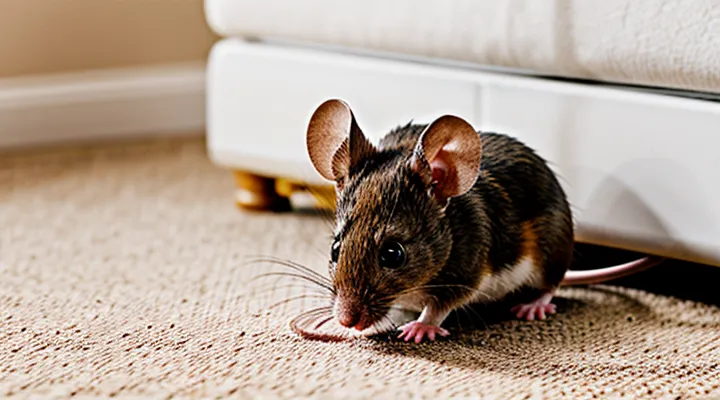
Understanding Mouse Odor
Causes of Mouse Odor
Mouse Urine and Droppings
Mouse urine and droppings are the primary sources of rodent‑related odor. Urine contains urea, ammonia, and pheromonal compounds that volatilize quickly, producing a sharp, acrid smell. Droppings consist of solid waste and residual urine, releasing additional odor as they decompose.
Identifying contamination:
- Small, dark, spindle‑shaped pellets, typically 1‑3 mm long.
- Damp or stained surfaces with a pungent, ammonia‑like scent.
- Streaks or smears near walls, cabinets, or hidden corners.
Effective removal:
- Wear disposable gloves and a mask to prevent exposure.
- Soak affected areas with an enzymatic cleaner; enzymes break down proteins and uric acid, neutralizing odor at the molecular level.
- Allow the solution to sit for 10‑15 minutes, then scrub with a stiff brush.
- Rinse thoroughly with hot water; repeat if odor persists.
- Apply a certified disinfectant (e.g., a 1 % bleach solution) to eliminate bacteria and residual smell.
Preventive measures:
- Seal entry points smaller than ¼ inch to block new infestations.
- Store food in airtight containers; remove crumbs and spills promptly.
- Maintain low humidity; dry environments discourage urine crystallization and odor buildup.
By targeting the chemical composition of mouse waste and employing enzymatic treatment followed by disinfection, lingering smells can be eradicated and future odor incidents minimized.
Deceased Mice
Dead rodents emit a strong, ammonia‑like odor as tissues decompose and bacteria multiply. The smell spreads through porous materials, ventilation ducts, and adjacent rooms, creating an unpleasant environment that persists until the source is eliminated.
To address the problem, follow these actions:
- Identify the exact location by inspecting walls, insulation, and crawl spaces for droppings, blood stains, or visual evidence of carcasses.
- Wear disposable gloves and a mask to prevent exposure to pathogens.
- Remove the dead mouse using a sealed plastic bag; place the bag inside another bag before discarding in a sealed trash container.
- Clean the affected area with a detergent solution to dissolve organic residues.
After removal, sanitize the site and neutralize lingering odor:
- Apply an enzymatic cleaner that breaks down protein‑based compounds; follow the manufacturer’s contact time.
- Rinse with a mixture of water and white vinegar (1:1) to lower pH and reduce bacterial growth.
- Allow the surface to dry completely; use a fan or dehumidifier to accelerate evaporation.
- If odor persists, treat the area with activated charcoal or a commercial odor‑absorbing gel for 24–48 hours.
Prevent future incidents by sealing entry points, maintaining regular inspections, and installing traps in high‑risk zones. Prompt detection and removal of deceased mice eliminate the source of odor and restore a sanitary environment.
Nesting Materials
Nesting materials are a primary source of the musky odor left by rodents. Fibrous bedding, shredded paper, and cotton strips retain urine and glandular secretions, creating a persistent smell that spreads through walls and ventilation.
To reduce odor, select materials that absorb moisture but release it quickly for cleaning. Recommended options include:
- Compressed wood shavings – high absorbency, easy to vacuum.
- Recycled paper pellets – low dust, biodegradable, quick to replace.
- Corncob bedding – natural deodorizing properties, minimal residue.
When replacing nesting material, follow a systematic approach:
- Remove all existing material and place it in sealed, airtight bags.
- Clean the underlying surface with an enzymatic cleaner that breaks down protein‑based stains.
- Allow the surface to dry completely before adding fresh, low‑odor bedding.
- Dispose of the sealed bags according to local hazardous waste guidelines to prevent odor migration.
Regular maintenance eliminates buildup. Vacuum the area weekly, focusing on corners where mice hide. Spot‑clean spills immediately with a vinegar‑water solution to neutralize acidic compounds before they harden.
Choosing nesting material with low volatile organic compound content limits long‑term odor retention. Replace the bedding every two weeks in high‑traffic zones; extend intervals to four weeks in less active areas. Consistent replacement, combined with appropriate cleaning agents, removes the source of the smell and prevents re‑contamination.
Immediate Odor Removal Strategies
Locating the Source of the Odor
Visual Inspection
Visual inspection is the first practical step when addressing persistent rodent odor. By examining the environment with a systematic eye, you can locate the sources that generate the smell and plan targeted cleaning.
Look for the following indicators:
- Accumulated droppings on surfaces, especially in corners, behind appliances, and under furniture.
- Stains or discoloration on walls, floors, or cabinets that suggest urine leakage.
- Nesting material such as shredded paper, fabric scraps, or insulation remnants.
- Signs of gnawing on wires, packaging, or structural elements that often accompany rodent activity.
- Areas with visible mold or mildew, which can intensify unpleasant odors when combined with rodent waste.
When a suspect area is identified, document its location, size, and the type of residue observed. Use a flashlight to reveal hidden deposits and a magnifying lens for small droppings. Record findings in a log to track progress and prioritize treatment.
After documentation, isolate the contaminated zone by sealing doors or covering vents. This prevents the spread of odor particles while you proceed with cleaning, disinfection, and, if necessary, pest‑control measures. Visual inspection, executed methodically, narrows the problem to specific spots, allowing efficient removal of the offending smells.
Using Your Sense of Smell
Using the sense of smell provides immediate feedback on the presence and severity of rodent odor. Detection relies on recognizing the characteristic musky, ammonia‑like scent that mice emit when they mark territory, nest, or excrete. This sensory cue guides targeted remediation and helps verify the success of cleaning measures.
- Locate the strongest odor: move slowly through the affected area, inhaling briefly at each step to pinpoint the source. Pay attention to corners, behind appliances, and within wall voids where mice commonly hide.
- Assess intensity: rate the smell on a simple scale (light, moderate, strong). Higher intensity indicates recent activity or larger contamination, prompting more aggressive treatment.
- Prioritize actions: begin with the area of strongest odor, applying appropriate deodorizing agents, removing contaminated materials, and sealing entry points.
- Re‑evaluate after each step: repeat the olfactory check to confirm a reduction in scent. Persistent odor suggests remaining residues or hidden nests that require further attention.
Consistent use of smell as a diagnostic tool streamlines the elimination process, reduces unnecessary labor, and ensures that all contaminated zones receive proper treatment.
Physical Removal of Contamination
Safety Precautions for Handling Contaminants
When addressing unpleasant rodent odors, the substances left behind—urine, feces, and soiled bedding—constitute biological contaminants that require careful handling. Failure to observe proper safety measures can expose individuals to pathogens, allergens, and chemical irritants.
- Wear disposable nitrile gloves; replace them immediately if torn or contaminated.
- Use a certified N‑95 or higher‑efficiency respirator when aerosolizing cleaning agents or when working in poorly ventilated spaces.
- Dress in a disposable coverall or aprons made of impermeable material; secure cuffs and seams to prevent skin contact.
- Keep eyes protected with safety goggles or a full face shield, especially when spraying disinfectants.
- Employ a certified HEPA vacuum or wet‑wipe method to remove solid debris before applying liquid cleaners; avoid dry sweeping that can aerosolize particles.
- Choose enzymatic cleaners or neutral pH detergents; avoid bleach mixtures that generate toxic fumes when combined with ammonia from urine.
- Ensure adequate ventilation by opening windows or using exhaust fans; maintain airflow of at least 6 air changes per hour.
- Store all cleaning chemicals in sealed containers, labeled with hazard information; keep them out of reach of children and pets.
- Dispose of contaminated materials in sealed biohazard bags; seal and label before placing in a designated waste bin for proper incineration or autoclaving.
- Perform hand hygiene with antimicrobial soap for at least 20 seconds after glove removal; follow with a thorough skin moisturization to prevent irritation.
Document each cleaning session, noting the protective equipment used, chemicals applied, and any incidents of exposure. This record supports compliance with occupational health regulations and facilitates continuous improvement of decontamination protocols.
Proper Disposal of Mice and Waste
Proper disposal of captured mice and associated waste is essential for preventing lingering odors. Dead rodents release volatile compounds that can permeate surrounding materials; removing them promptly stops further emission.
Effective disposal follows a clear sequence:
- Seal the mouse in a sturdy, leak‑proof container (plastic bag, jar with a lid, or disposable cage).
- Place the sealed container in a freezer for at least 24 hours to halt decomposition.
- Transfer the frozen specimen to a heavy‑duty trash bag, tie securely, and label as biological waste if required by local regulations.
- Dispose of the bag in an outdoor garbage bin with a tight‑fitting lid; avoid storing it indoors.
- Clean any tools, gloves, or surfaces that contacted the mouse with a disinfectant solution (e.g., 10 % bleach) and rinse thoroughly.
- Remove and discard contaminated bedding, droppings, or food remnants in the same sealed manner; consider double‑bagging to prevent leaks.
Regular removal of waste prevents the buildup of odor‑producing bacteria and reduces the risk of attracting additional pests. Maintaining a schedule for inspection and disposal ensures that any new evidence of mouse activity is addressed before odor compounds develop.
Cleaning Surfaces with Enzymatic Cleaners
Enzymatic cleaners break down organic residues that attract and retain mouse odor. The active enzymes convert proteins, fats, and urine crystals into harmless water‑soluble compounds, eliminating the source of the smell rather than merely masking it.
To apply an enzymatic cleaner effectively on surfaces contaminated by rodent activity, follow these steps:
- Remove visible debris and dust with a disposable cloth or vacuum equipped with a HEPA filter.
- Saturate the affected area with the enzymatic solution, ensuring full coverage of cracks, seams, and porous materials.
- Allow the product to dwell for the manufacturer‑specified contact time, typically 10–15 minutes, to enable enzymatic activity.
- Wipe the surface with a clean, damp cloth, then rinse with plain water if the material tolerates it.
- Air‑dry the area completely; residual moisture can hinder the enzymes’ action.
Key considerations:
- Choose a formula labeled for urine, feces, or organic stain removal; generic disinfectants lack the necessary enzymes.
- Test the cleaner on an inconspicuous spot before full application to confirm material compatibility.
- Store the product in a cool, dark place; heat and light degrade enzyme potency.
- Re‑treat heavily soiled zones after the first cycle, as deep‑penetrating residues may require multiple applications.
Regular use of enzymatic cleaners on countertops, floorboards, and cage interiors prevents the buildup of odor‑producing compounds, supporting a lasting, odor‑free environment.
Deep Cleaning and Deodorization
Airing Out Affected Areas
Ventilation Techniques
Effective ventilation reduces the concentration of volatile compounds emitted by rodents. Fresh air introduced through windows, doors, or mechanical systems dilutes odor particles and accelerates their removal from indoor spaces.
Key practices include:
- Installing exhaust fans in kitchens, bathrooms, and utility rooms to pull contaminated air outward.
- Using whole‑house fans or attic vents to create a pressure differential that drives stale air out.
- Positioning portable air circulators near affected areas to increase airflow across surfaces.
- Maintaining HVAC filters with high‑efficiency particulate air (HEPA) or activated carbon media to capture odor molecules.
Regularly cleaning ducts and ensuring seals are intact prevents recirculation of trapped smells. Adjusting fan speed to match ambient conditions optimizes exchange rates without causing drafts that may spread odor to other rooms.
Monitoring indoor humidity levels supports ventilation effectiveness; lower humidity reduces the binding of odor compounds to surfaces, allowing fans to clear them more efficiently. Implementing these measures creates a consistently refreshed environment, minimizing the persistence of rodent‑related smells.
Use of Fans
Fans create airflow that carries odor‑laden air out of the affected area and replaces it with fresh air. Position a high‑capacity floor or box fan near the source of the smell, directing the airflow toward an open window or exhaust vent. The continuous movement of air reduces the concentration of volatile compounds released by mouse urine and droppings.
- Choose a fan with adjustable speed settings; higher speeds increase the rate of odor removal but may generate additional noise.
- Place the fan at a height that aligns with the typical location of mouse activity, usually low to the floor or on a shelf near nesting sites.
- Ensure the exhaust point is open to the outdoors; a closed window will trap the odor inside and diminish effectiveness.
- Combine the fan with a HEPA or activated‑carbon filter if the model supports it; the filter captures particulate matter and absorbs lingering smells.
Regular maintenance preserves performance. Clean the fan blades and grill weekly to prevent dust buildup, which can re‑emit trapped odors. Replace filters according to the manufacturer’s schedule, typically every 30‑60 days, to maintain absorption efficiency.
When multiple rooms are involved, a network of fans can create a directional airflow pattern that pushes contaminated air toward a central exhaust point. Use a larger industrial fan in the main hallway and smaller units in individual rooms to synchronize the movement of air and accelerate odor elimination.
Advanced Deodorizing Solutions
Commercial Odor Neutralizers
Commercial odor neutralizers provide a practical solution for the persistent smell left by rodents. These products work by chemically binding odor‑causing molecules, breaking them down, or masking them with stronger, pleasant scents. Selecting the right formulation depends on the environment, the intensity of the odor, and safety considerations.
Typical categories include:
- Enzyme‑based sprays – contain proteases and lipases that digest organic residues responsible for the odor. Effective on surfaces such as cabinets, floors, and walls.
- Activated‑charcoal absorbers – porous material that traps volatile compounds. Suitable for enclosed spaces like closets, storage units, and crawl spaces.
- Ozone generators – produce low‑level ozone that oxidizes odor molecules. Recommended for short‑term treatment of large, ventilated areas; requires strict adherence to exposure limits.
- Fragrance‑infused plug‑ins – continuously release a pleasant scent while incorporating mild neutralizing agents. Best for small rooms where continuous airflow is present.
Application guidelines:
- Identify and remove the source of the odor (dead rodents, droppings, contaminated bedding). Mechanical removal precedes chemical treatment.
- Clean the area with a detergent solution to eliminate surface grime that can inhibit neutralizer performance.
- Apply the chosen product according to the manufacturer’s instructions, ensuring even coverage on all affected surfaces.
- Allow the treated area to dry completely; ventilation accelerates the process and reduces residual chemical concentration.
- Repeat treatment if the odor persists after 24 hours, as some compounds require multiple cycles to achieve full neutralization.
Safety notes:
- Verify that the product is approved for indoor use and does not release toxic fumes.
- Wear protective gloves and eye protection when handling sprays or powders.
- Keep children and pets away from treated zones until the product has fully cured or the ozone cycle has completed.
By integrating these commercial solutions into a systematic cleaning protocol, the unpleasant scent associated with rodent activity can be effectively eliminated, restoring a neutral indoor atmosphere.
Activated Charcoal for Absorption
Activated charcoal offers a practical solution for neutralizing the odor left by rodents. Its highly porous matrix captures volatile molecules through adsorption, preventing them from re‑entering the air.
The material’s extensive surface area creates millions of microscopic sites where odor‑causing compounds bind. This process reduces the concentration of ammonia, urine, and fecal scents without chemical reactions or residues.
Effective use involves the following steps:
- Select a charcoal product with a minimum surface area of 800 m²/g; granular or pellet forms work best.
- Place 100–150 g of charcoal in breathable containers (e.g., mesh bags or perforated boxes) near the source of odor.
- Distribute containers evenly across the affected area, ensuring they are not placed directly on wet surfaces.
- Allow the charcoal to work for at least 48 hours before assessing improvement; replace or reactivate the material every 2–4 weeks, depending on humidity and odor intensity.
Maintenance considerations include keeping the charcoal dry, avoiding direct sunlight that can degrade its structure, and storing unused portions in airtight containers to preserve efficacy. When handled correctly, activated charcoal continuously absorbs residual smells, contributing to a fresher environment after rodent activity.
Baking Soda as a Deodorizer
Baking soda neutralizes mouse odor by absorbing acidic compounds that create the unpleasant scent. Its alkaline nature interacts with volatile acids, converting them into odor‑less salts.
To use baking soda effectively:
- Sprinkle a thin layer (about 1 cm) on the floor, in corners, and around entry points where rodents travel.
- Leave the powder for 24–48 hours; it will bind odor molecules during this period.
- Vacuum or sweep the residue, disposing of it in a sealed bag to prevent re‑release.
For persistent smells, combine baking soda with a mild vacuum‑cleaned surface treatment:
- Vacuum the area to remove debris and urine crystals.
- Apply baking soda as described above.
- After the absorption period, wipe the surface with a solution of water and a few drops of white vinegar; the vinegar’s acidity counteracts any remaining alkaline residues, enhancing odor elimination.
Store baking soda in an airtight container to preserve its absorptive capacity. Replace the powder every two weeks in high‑traffic zones to maintain a neutral environment.
Essential Oil Diffusers (Cautionary Notes)
Essential oil diffusers can help mask rodent odor, but they require careful handling to avoid health risks and ineffective results. Use only high‑quality, pure oils; low‑grade or synthetic blends may contain allergens or chemicals that irritate respiratory passages. Verify that the diffuser’s material is compatible with the chosen oil, as certain plastics can degrade and release unwanted substances.
Key precautions:
- Keep the device out of reach of pets and children; ingestion or direct skin contact with concentrated oil can cause toxicity.
- Limit diffusion time to 30–45 minutes per hour; excessive vapor can overwhelm the environment, leading to headaches or nausea.
- Ensure proper ventilation; a closed space traps oil particles, reducing air quality and diminishing the diffuser’s ability to disperse odor evenly.
- Clean the unit after each use; residue buildup fosters bacterial growth and alters scent profiles.
- Test the oil on a small area of fabric or carpet before widespread application; some formulations may stain or damage surfaces.
Follow manufacturer instructions, monitor indoor air quality, and combine diffusion with thorough cleaning of affected areas for optimal odor control.
Cleaning Fabrics and Upholstery
Laundry Methods for Washable Items
Effective laundering eliminates rodent odor from washable fabrics. Begin with a pre‑wash soak: fill a basin with warm water, add a cup of white vinegar, and submerge the items for 30 minutes. Vinegar neutralizes volatile compounds that cause the smell.
After soaking, select the hottest water temperature the fabric label permits. Use a detergent formulated for odor control, and include a half‑cup of baking soda in the wash cycle. Baking soda raises pH, breaking down odor molecules.
If the odor persists, run a second rinse with an additional cup of white vinegar. This step removes residual scent particles and restores fabric freshness.
Dry the items thoroughly. Prefer high‑heat tumble drying; the heat further deactivates odor‑causing bacteria. For delicate items, air‑dry in direct sunlight; ultraviolet rays assist in odor reduction.
Key steps for odor‑free laundry
- Pre‑soak in warm water with vinegar (30 min)
- Wash at max safe temperature with odor‑control detergent + baking soda
- Rinse with extra vinegar if needed
- Dry on high heat or under sunlight
Following this protocol consistently removes mouse‑related smells from washable materials.
Professional Cleaning for Non-Washable Items
Professional cleaning services are essential for items that cannot be laundered yet have absorbed mouse odor. Specialized equipment, such as ozone generators and encapsulated steam units, penetrates porous materials without causing damage. Technicians assess fabric type, construction, and level of contamination before selecting the appropriate method, ensuring thorough odor neutralization while preserving structural integrity.
Key advantages of professional treatment include:
- Deep‑penetrating ozone: oxidizes odor molecules inside cushions, upholstery, and mattresses, eliminating the source rather than masking the scent.
- Encapsulated steam cleaning: applies controlled heat and moisture to break down organic residues that attract rodents, followed by rapid drying to prevent mildew.
- Enzyme‑based sprays: target protein‑based odor compounds on delicate surfaces such as leather, silk, or vintage textiles, breaking them down at a molecular level.
- Post‑treatment verification: ambient air analysis confirms that odor levels meet industry standards before item return.
When selecting a provider, verify certification in odor remediation, request documentation of equipment maintenance, and confirm that the service includes a warranty against residual odor. These criteria guarantee that non‑washable belongings are restored to a neutral scent environment without compromising their original condition.
Preventing Future Mouse Odors
Rodent Control and Exclusion
Sealing Entry Points
Sealing entry points prevents rodents from re‑entering an infested area, which is essential for controlling lingering odor. Identify all potential openings: gaps around pipes, vents, foundation cracks, door sweeps, and attic or basement openings. Use a flashlight and a mirror to inspect hard‑to‑see spaces.
- Apply steel wool or copper mesh to fill holes larger than ¼ inch; the material resists chewing.
- Cover the filler with an expanding polyurethane sealant; allow the sealant to cure according to the manufacturer’s instructions.
- Install weather‑stripping on doors and windows; choose a product with a tight fit and replace worn sections regularly.
- Seal gaps around utility penetrations with silicone or acrylic caulk; smooth the caulk to create a continuous barrier.
- For larger structural cracks, use a two‑part epoxy filler; follow mixing ratios precisely to achieve maximum strength.
After sealing, conduct a follow‑up inspection to verify that no gaps remain. Reapply sealant to any areas that show wear or damage after seasonal temperature changes. Maintaining an airtight envelope eliminates new sources of mouse odor and supports long‑term odor reduction.
Trapping and Baiting Strategies
Effective trapping removes the primary source of rodent odor. By capturing mice promptly, the accumulation of urine and feces that generate unpleasant smells is halted. Choosing the appropriate trap and bait maximizes capture rates and accelerates odor reduction.
- Snap traps: quick, reliable, ideal for high‑traffic areas. Place near walls, behind appliances, and along known runways.
- Live‑catch traps: humane option; requires frequent checking and immediate release or disposal to prevent odor buildup.
- Glue boards: useful for monitoring activity; limited to low‑traffic zones where quick removal is feasible.
- Electronic traps: deliver a swift, silent kill; suitable for indoor environments where noise is a concern.
Bait selection influences success. Use attractants with strong scent profiles that mice cannot resist:
- Peanut butter – dense, oily, long‑lasting aroma.
- Sunflower seeds – natural, high‑fat content.
- Cheese fragments – traditional, effective for short‑term use.
- Commercial rodent lures – formulated with pheromones for heightened appeal.
Deploy traps in clusters of two to three per identified hotspot. Position baits at the rear edge of the trap to ensure the mouse contacts the trigger mechanism. Replace bait daily to maintain potency and prevent spoilage, which can introduce secondary odors.
After capture, remove dead rodents or live catches promptly. Clean the trap surface with a mild disinfectant, then rinse and dry before reuse. Dispose of carcasses in sealed bags placed in an outdoor trash container to avoid recontamination of indoor air.
Regular inspection of trap locations identifies new activity patterns. Adjust placement and bait type based on observed behavior to sustain high capture efficiency and keep rodent‑related odors at bay.
Maintaining a Clean Environment
Regular Housekeeping Practices
Consistent cleaning routines are essential for preventing and removing the lingering scent left by rodents.
- Sweep and vacuum floors daily, focusing on corners, baseboards, and hidden spaces where droppings may accumulate. Use a vacuum equipped with a HEPA filter to capture fine particles and odor‑bearing debris.
- Wipe surfaces with a disinfectant solution containing enzymatic cleaners. Enzymes break down organic residues, eliminating the source of the smell rather than merely masking it.
- Empty trash cans and pet food containers each night. Seal waste in plastic bags before disposal to stop odor gases from escaping into the living area.
- Launder fabrics, curtains, and removable upholstery weekly in hot water. Add a cup of white vinegar to the rinse cycle to neutralize odor molecules.
- Clean kitchen appliances, especially under and behind refrigerators and stoves, where mice often travel. Remove crumbs and spills promptly, then scrub with a mild detergent.
Regularly inspect and seal entry points such as gaps around pipes, vents, and door frames. Closing these routes stops new infestations and reduces the need for intensive odor control.
Maintain proper ventilation by running exhaust fans or opening windows for at least 15 minutes each day. Fresh airflow dilutes residual smells and helps drying surfaces after cleaning.
By integrating these disciplined housekeeping actions into everyday life, the unpleasant odor associated with mouse activity can be effectively eradicated and prevented from returning.
Proper Food Storage
Proper food storage directly reduces the source of mouse‑related odors. Food residues left exposed attract rodents, whose waste and urine generate the unpleasant smell. Eliminating accessible food deprives mice of a primary incentive to linger in the kitchen or pantry.
- Store dry goods in airtight, sealable containers made of glass, metal, or heavy‑wall plastic.
- Keep perishable items refrigerated or frozen at appropriate temperatures.
- Label containers with purchase dates and rotate stock to use older items first.
- Place a thin layer of foil or parchment under bulk bins to catch spills.
- Seal garbage cans with tight‑fitting lids and empty them regularly.
Maintain the storage system by cleaning containers after each use, wiping shelves with a mild detergent, and inspecting for cracks that could allow entry. Promptly discard spoiled food and check for hidden crumbs behind appliances.
Reducing food availability limits mouse activity, which in turn diminishes the production of odor‑causing waste. Consistent application of these storage practices removes a key factor that sustains unpleasant aromas, supporting a cleaner, odor‑free environment.
Eliminating Clutter
Eliminating clutter directly improves the effectiveness of odor‑removal efforts for rodent‑related smells. Excess items create hidden spaces where urine, droppings, and scent glands accumulate, hindering ventilation and cleaning. Removing unnecessary objects opens airflow, allows thorough cleaning, and reduces surfaces where odor can linger.
Key actions for decluttering:
- Sort items by category; keep only functional or frequently used objects.
- Discard or donate broken, unused, or damaged belongings that may trap moisture.
- Store remaining items in sealed containers to prevent future contamination.
- Vacuum and wipe all storage areas before returning items, using an enzymatic cleaner on surfaces that may have been exposed to mouse residue.
After decluttering, focus on targeted cleaning. Apply an enzymatic solution to all exposed surfaces, let it penetrate for the recommended time, then rinse and dry completely. Proper airflow, achieved by the cleared space, accelerates drying and disperses residual odors.
Regular maintenance—periodic review of stored items and prompt removal of waste—prevents re‑accumulation of debris and sustains a neutral scent environment.