
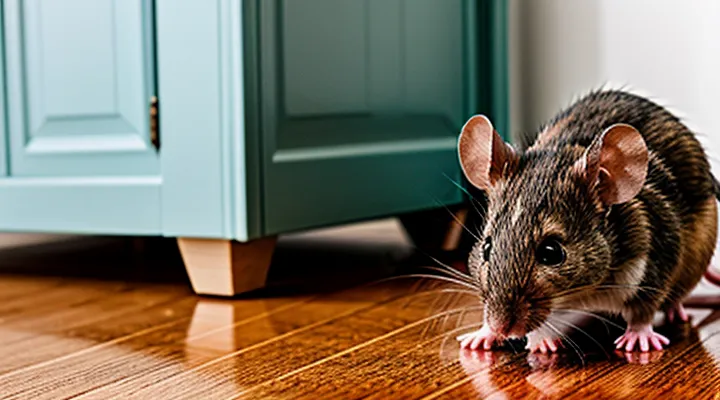
Understanding the Source of the Odor
Identifying Mouse Activity
Signs of Mice
Identifying rodent activity is the first step in preventing and removing the unpleasant smell they generate. Visible evidence confirms the presence of mice and guides targeted sanitation and exclusion measures.
- Small, dark droppings about 1 mm long, often found along walls, behind appliances, or in pantry corners.
- Gnaw marks on wires, wood, or plastic, typically with smooth, clean edges.
- Runways: faint, greasy trails along baseboards or behind cabinets where mice travel.
- Nests constructed from shredded paper, fabric, or insulation, usually tucked in hidden spaces.
- Scratching or scurrying noises, especially at night, indicating active movement.
- Damaged food containers, chewed packaging, and spilled crumbs attracting further infestation.
Early detection of these indicators enables prompt cleaning, sealing of entry points, and application of odor‑neutralizing treatments, thereby eliminating the source of the smell before it spreads throughout the home.
Common Hiding Spots
Identifying where rodents conceal themselves is a prerequisite for removing their odor from a residence.
- Wall voids and insulation cavities
- Attic corners and rafters
- Under floorboards and crawl spaces
- Behind appliances (refrigerator, stove, dishwasher)
- Inside cabinets, pantry shelves, and stored food containers
- Basement utility rooms and laundry areas
- Garage shelving and storage bins
These locations retain urine, feces, and glandular secretions that produce persistent smells. Inspect each area for droppings, gnaw marks, or nesting material. Use a flashlight and a flexible inspection mirror to reach concealed spaces. After confirming activity, remove debris, clean surfaces with an enzymatic cleaner, and allow thorough drying. Replace insulation or insulation panels that are saturated, and seal entry points to prevent future infestations. Regular monitoring of the listed zones maintains a odor‑free environment.
Locating the Deceased Mouse (If Applicable)
Visual Inspection
Visual inspection provides the first line of defense against lingering rodent odor. By systematically scanning each area, you can locate the sources that generate the unpleasant smell and address them before chemical treatments become necessary.
Begin at the kitchen, pantry, and dining spaces. Look for the following indicators:
- Small, dark pellets on countertops, floors, or behind appliances.
- Streaks or damp patches on wood, tile, or carpet that suggest urine leakage.
- Chewed edges on food packaging, wiring, or furniture.
- Accumulations of shredded paper, fabric, or insulation that serve as nesting material.
- Signs of dead rodents, such as discoloration or a faint, oily residue.
Extend the search to concealed locations: under sinks, inside cabinets, behind wall panels, and within attic or crawl‑space insulation. Examine entry points, including gaps around pipes, vents, and door frames, for fresh gnaw marks or smudge marks that indicate recent activity.
Document each finding with photographs or notes. Prioritize areas with the highest concentration of evidence, as they typically correspond to the strongest odor sources. Once identified, remove droppings and nesting debris, disinfect urine‑stained surfaces with an enzymatic cleaner, and seal any openings to prevent re‑entry. This visual assessment establishes a clear roadmap for subsequent odor‑removal measures.
Olfactory Tracing
Olfactory tracing provides a systematic approach to locating and neutralizing rodent odor sources within a residence. By following the natural gradient of scent, investigators can pinpoint hidden nests, droppings, and urine stains that contribute to persistent unpleasant smells.
The process begins with a preliminary sweep using a clean, unscented cloth to sample air in each room. The cloth is then examined for odor intensity by gently pressing it to the nose; stronger reactions indicate proximity to the source. Once a high‑intensity area is identified, the following steps are applied:
- Conduct a visual inspection of walls, baseboards, and storage spaces in the affected zone.
- Use a UV flashlight to reveal urine stains invisible to the naked eye.
- Apply an enzymatic cleaner directly to confirmed contamination spots; the cleaner breaks down odor‑causing compounds at the molecular level.
- Install activated charcoal or ozone generators in the room for a limited period to absorb residual volatile compounds.
After treatment, repeat the sampling cloth test to verify reduction in scent strength. If odor persists, expand the search radius outward, repeating the same sequence until all detectable traces are eliminated. Consistent application of olfactory tracing, combined with targeted cleaning agents, ensures comprehensive removal of mouse‑related odors from the home environment.
Initial Cleanup and Odor Removal
Safety Precautions
Personal Protective Equipment
When addressing mouse odor in a residence, personal protective equipment (PPE) safeguards against bacterial contamination, ammonia fumes, and cleaning chemicals. Proper PPE reduces health risks and prevents the spread of pathogens during odor removal procedures.
- Disposable nitrile gloves protect hands from direct contact with urine, feces, and cleaning agents.
- N95 or higher‑efficiency respirators filter airborne particles and volatile compounds released from decomposing material.
- Safety goggles or face shields shield eyes from splashes and aerosolized debris.
- Disposable coveralls or dedicated work shirts prevent skin exposure and contain contaminants for safe removal.
Wear each item before entering affected areas. Perform a seal check on the respirator, ensure gloves are intact, and verify that goggles are securely positioned. After cleaning, remove PPE in the reverse order of donning to avoid cross‑contamination: discard gloves and coveralls, cleanse respirator valve, and wash hands thoroughly. Contaminated garments should be sealed in a plastic bag before disposal or laundering according to local hazardous‑waste guidelines.
Maintain adequate ventilation throughout the process. Open windows, activate exhaust fans, and consider portable air purifiers equipped with HEPA filters to lower airborne odor particles and reduce respirator load. Regular inspection of PPE for damage or degradation ensures continued protection and effectiveness.
Ventilation
Effective air exchange removes lingering rodent odor by diluting contaminated air and transporting it outside. Fresh airflow prevents odor molecules from settling in carpets, walls, and furniture, reducing the likelihood of persistent smells.
- Open windows on opposite sides of the room to create a cross‑draft. Keep them open for at least 30 minutes after cleaning the affected area.
- Position a box fan near a window, facing outward, to expel stale air. Use a second fan, facing inward, to draw fresh air in.
- Activate kitchen or bathroom exhaust fans while cleaning. Run them for a minimum of 15 minutes after the task.
- Install a whole‑house ventilation system with heat‑recovery or energy‑recovery units. Set the system to a high exchange rate during the odor‑removal phase.
- Replace HVAC filters with high‑efficiency particulate air (HEPA) filters. Clean ducts regularly to prevent odor buildup within the ventilation network.
Maintain the ventilation setup by checking fan operation daily, cleaning filter media weekly, and inspecting ductwork for blockages. Consistent airflow, combined with thorough cleaning of mouse traces, eliminates odor more rapidly than passive methods.
Removing Mouse Remains and Droppings
Proper Disposal Methods
Proper disposal of mouse carcasses and contaminated materials is essential for eliminating lingering odor. Begin by wearing disposable gloves and a mask to prevent direct contact with bodily fluids. Place the dead mouse in a sealable plastic bag, squeeze out excess air, and tie the knot securely. For multiple specimens, use a double-bagging system: insert the first bag into a second, seal both, and label them as biohazard waste.
Next, address bedding, droppings, and any absorbent items that have absorbed urine or feces. Collect these items in the same sealed bag or a separate one, ensuring no leakage. If the materials are heavily soiled, consider disposing of them in a designated waste container rather than attempting to wash them, as residual proteins continue to emit odor.
After bagging, dispose of the sealed containers according to local regulations for animal waste. Many municipalities require placement in the regular trash bin, while others provide specific collection points for biohazardous material. If a hazardous waste facility is available, transport the bags there for incineration or specialized treatment.
Finally, sanitize the area where the mouse was found. Use an enzymatic cleaner that breaks down protein residues, followed by a disinfectant with a proven efficacy against pathogens. Allow the surface to dry completely before restoring normal use. This systematic approach removes the source of odor and prevents recontamination.
Cleaning Contaminated Surfaces
Surfaces that have been exposed to mouse waste retain volatile compounds that sustain unpleasant smells. Effective removal requires thorough cleaning, proper disinfecting, and complete drying to prevent odor recurrence.
- Wear disposable gloves and a mask to protect skin and respiratory passages.
- Remove visible debris with a paper towel; discard the towel in a sealed bag.
- Apply an enzymatic cleaner specifically formulated for rodent residues; saturate the area and let it sit for the manufacturer‑recommended contact time.
- Scrub the surface with a stiff brush to break down biofilm and release trapped particles.
- Rinse with hot water, then wipe with a clean cloth soaked in a diluted bleach solution (1 part bleach to 10 parts water).
- Allow the surface to air‑dry completely; use a fan or dehumidifier if ambient humidity is high.
After cleaning, inspect for lingering stains; repeat the enzymatic treatment on any persistent spots. Ensure the room remains well‑ventilated for several hours to disperse residual odors. Maintaining a schedule of regular inspection and prompt cleaning of any new contamination will keep mouse‑related smells at bay.
Cleaning Materials and Techniques
Enzymatic Cleaners
Enzymatic cleaners are formulated to break down organic compounds that cause mouse odor. The active enzymes target proteins, fats, and urine residues, converting them into harmless substances that can be rinsed away. This biochemical process eliminates the source of the smell rather than merely masking it.
Key advantages include:
- Rapid degradation of odor‑producing molecules.
- Compatibility with a variety of surfaces, including carpet, hardwood, and upholstery.
- Reduced need for repeated applications because the odor source is destroyed at the molecular level.
To use enzymatic cleaners effectively, follow these steps:
- Identify all areas contaminated by mouse urine, droppings, or nesting material.
- Remove solid debris before applying the cleaner.
- Saturate the affected surface with the enzymatic solution, ensuring full coverage.
- Allow the product to dwell for the time specified by the manufacturer, typically 10–15 minutes, to permit enzyme activity.
- Blot or rinse the area with clean water, then dry thoroughly.
Regular application after an infestation clears prevents residual odor from reappearing, discouraging new rodents from returning. Choose a product with a broad spectrum of enzymes—protease, lipase, and amylase—to address the diverse components of mouse waste.
Disinfectants
Disinfectants are essential tools for neutralizing the source of mouse odor after an infestation. Their primary function is to break down bacterial and protein residues that produce the characteristic smell. Selecting an appropriate product and applying it correctly maximizes odor elimination while protecting household surfaces.
Effective disinfectants for this purpose include:
- Quaternary ammonium compounds (QUATs): Rapidly kill microbes, dissolve organic matter, and leave a mild scent. Apply undiluted to affected areas, allow a 10‑minute contact time, then wipe clean.
- Hydrogen peroxide (3‑6% solution): Oxidizes odor‑causing compounds and disinfects without leaving residue. Spray directly on contaminated surfaces, let stand for 5 minutes, and rinse with water if necessary.
- Bleach solution (1 part bleach to 10 parts water): Strong oxidizer that destroys odor‑producing bacteria. Use in well‑ventilated spaces, apply with a cloth, and rinse after 5 minutes to prevent material damage.
- Enzymatic cleaners: Contain bacteria that digest organic waste, reducing odor at the source. Follow manufacturer instructions for dilution and soak time.
Application guidelines:
- Remove all visible debris, droppings, and nesting material before disinfecting.
- Test a small, inconspicuous area to verify material compatibility.
- Wear gloves and eye protection to avoid skin irritation.
- Ensure thorough coverage; spray or wipe until the surface is visibly wet.
- Allow the recommended dwell time for each product; do not rush the process.
- Ventilate the room for at least 30 minutes after treatment to disperse any residual fumes.
Safety considerations:
- Avoid mixing bleach with ammonia‑based cleaners, as toxic gases can form.
- Store disinfectants out of reach of children and pets.
- Dispose of used rags in sealed bags to prevent re‑contamination.
By integrating these disinfectants into a post‑infestation cleaning routine, the lingering mouse odor can be effectively eradicated, restoring a neutral indoor environment.
Air Purifiers
Air purifiers provide a direct method for reducing the odor produced by rodents in residential spaces. By drawing contaminated air through specialized filters, they remove volatile compounds that cause the characteristic scent of mouse waste and urine.
The most effective units combine at least two technologies:
- HEPA filtration captures particles larger than 0.3 µm, eliminating hair, dander, and dust that can trap odor molecules.
- Activated carbon adsorbs gaseous substances such as ammonia, urea, and other volatile organic compounds responsible for the smell.
- Optional UV‑C or ionization modules break down microbial agents that contribute to odor persistence.
When choosing a purifier for this purpose, consider the following criteria:
- Filter composition – ensure the presence of both HEPA and activated carbon layers.
- Clean Air Delivery Rate (CADR) – select a rating that matches or exceeds the room’s cubic footage.
- Coverage area – verify that the unit can service the entire space where rodent activity occurred.
- Noise level – opt for models that maintain effective airflow while producing acceptable sound levels for living areas.
- Maintenance schedule – prefer devices with easily replaceable filters and clear service intervals.
Effective deployment requires strategic placement and regular upkeep. Position the purifier near the source of odor, typically in kitchens, basements, or storage rooms, while allowing unobstructed airflow. Replace filters according to manufacturer guidelines, usually every three to six months, to preserve adsorption capacity. Combine the purifier with thorough cleaning, sanitation, and sealing of entry points for maximal odor elimination.
Advanced Odor Neutralization
Addressing Lingering Smells
Activated Charcoal
Activated charcoal consists of porous carbon particles that attract and hold organic molecules through adsorption. Its high surface area enables it to capture volatile compounds responsible for the smell of mouse urine and droppings.
When placed in areas where rodents have been active, the charcoal draws odor‑causing gases onto its surface, reducing the concentration of malodorous vapors in the surrounding air. The process does not rely on chemical reactions; it merely traps the molecules, preventing them from reaching the nose.
- Use loose‑fill or briquette forms of activated charcoal in open containers such as metal tins or breathable bags.
- Position the containers near known mouse pathways, nests, or entry points.
- Replace the charcoal every 30‑45 days, or sooner if a noticeable decline in odor absorption occurs.
- Keep the containers away from direct flame or high heat, as extreme temperatures can degrade the material.
For optimal results, combine charcoal placement with thorough cleaning of contaminated surfaces, removal of food sources, and improved ventilation. Regularly inspecting and refreshing the charcoal ensures continuous reduction of rodent‑related odors throughout the home.
Baking Soda
Baking soda neutralizes the volatile compounds that cause mouse odor. Its alkaline nature reacts with acidic molecules, reducing their volatility and eliminating the smell at the source.
To apply baking soda effectively:
- Sprinkle a generous layer (about ½ cup per square meter) on floors, shelves, and inside cabinets where mouse activity was observed.
- Allow the powder to sit for at least 24 hours.
- Vacuum or sweep the residue, using a HEPA filter to capture absorbed particles.
For persistent odors, repeat the process after cleaning the area with a mild detergent. Combining baking soda with a vinegar rinse creates a temporary acid‑base reaction that dislodges odor‑binding residues, after which a second application of baking soda restores the neutralizing effect.
When using baking soda around pets or children, keep the powder out of reach and ensure thorough removal after treatment to avoid inhalation of fine particles. The substance is non‑toxic, inexpensive, and safe for most household surfaces, making it a practical component of an odor‑control strategy.
Vinegar Solutions
Vinegar works as a powerful, low‑cost agent for neutralizing mouse odor because its acetic acid breaks down the volatile compounds that cause the smell.
To prepare an effective solution, mix one part distilled white vinegar with three parts water. For areas with heavy contamination, increase vinegar concentration to a 1:1 ratio, then dilute with an equal volume of water after a brief soaking period.
- Combine ingredients in a spray bottle; shake to blend.
- Apply directly to affected surfaces, such as floors, walls, and baseboards.
- Allow the mixture to sit for 5–10 minutes; the acid will penetrate residual odor particles.
- Wipe with a clean cloth or mop; repeat if the scent persists.
- For confined spaces, place a shallow container of undiluted vinegar for 24 hours to absorb lingering odors.
Use gloves when handling concentrated vinegar to protect skin. Ensure adequate ventilation during and after application to prevent excessive fumes. Regularly clean the treated areas with the same solution to maintain a neutral odor environment.
Deodorizing Fabrics and Upholstery
Spot Cleaning
Spot cleaning targets the precise locations where mouse urine or droppings have left odor residues, preventing the scent from spreading throughout the residence. By treating only the affected areas, you avoid unnecessary exposure of surrounding surfaces to harsh chemicals and reduce the risk of recontamination.
- Identify visible stains and any areas with a lingering scent; use a flashlight to reveal darkened spots on flooring, baseboards, and upholstery.
- Wear disposable gloves and a mask to protect skin and respiratory passages.
- Blot fresh urine with absorbent paper; do not rub, as this drives the liquid deeper into fibers.
- Apply an enzymatic cleaner directly to the stain, ensuring the product reaches the substrate. Enzymes break down uric acid, the primary source of the odor.
- Allow the solution to sit for the manufacturer‑recommended dwell time, typically 10–15 minutes, then blot excess liquid with a clean towel.
- Rinse the area with a mild detergent solution if the surface tolerates water; otherwise, use a dry‑film neutralizer.
- Dry thoroughly using a fan or low‑heat setting; moisture encourages bacterial growth, which can reintroduce odor.
After spot cleaning, inspect adjacent zones for secondary contamination. Repeat the process on any missed spots before the enzymatic action solidifies. Regularly vacuum and clean high‑traffic zones to keep the environment inhospitable to rodents and to maintain a neutral odor profile.
Professional Cleaning
Professional cleaning services address mouse odor with systematic, science‑based techniques that remove both odor sources and lingering scent molecules. Technicians begin by locating all contamination zones, including hidden cavities, insulation, and crawl spaces. They employ ultraviolet light or infrared cameras to reveal residues invisible to the naked eye.
- Remove all dead rodents and nesting material using disposable, sealed containers.
- Apply enzymatic cleaners specifically formulated to break down urine, feces, and saliva proteins.
- Treat affected surfaces with ozone generators or hydroxyl mist systems to oxidize odor‑causing compounds.
- Seal treated areas with antimicrobial barriers to prevent re‑contamination.
- Perform air‑purification cycles with HEPA‑rated filtration units to capture airborne particles.
After treatment, the team conducts a verification test, measuring volatile organic compounds (VOCs) to ensure odor levels meet industry standards. Documentation includes a detailed report of products used, exposure times, and post‑treatment readings.
Choosing a certified cleaning provider guarantees adherence to safety regulations, proper ventilation during ozone application, and disposal of hazardous waste in accordance with local health codes. Regular professional inspections, combined with prompt removal of rodent activity, sustain a odor‑free environment and protect indoor air quality.
Ventilating the Affected Area
Air Circulation
Effective air movement reduces mouse odor by dispersing and removing volatile compounds that cause the smell. Fresh air replaces contaminated indoor air, while mechanical ventilation extracts odor‑laden air from affected areas.
Ventilation strategies include:
- Opening exterior doors and windows to create a cross‑draft.
- Positioning floor or pedestal fans to push stale air toward an exhaust outlet.
- Installing bathroom or kitchen exhaust fans to draw odor directly outdoors.
- Using a whole‑house ventilation system with heat‑recovery or energy‑recovery units for continuous air exchange.
Air‑purifying devices complement ventilation. High‑efficiency particulate air (HEPA) filters capture airborne particles, and activated‑carbon filters adsorb odor molecules. Place portable air cleaners in rooms where mouse activity was detected and run them continuously for several days.
Maintain the circulation system. Clean ductwork and replace HVAC filters every three months or sooner if odor persists. Keep indoor humidity below 50 % to prevent moisture‑driven amplification of smells. Regular inspection of fans and vents ensures unobstructed airflow, sustaining a neutral indoor environment.
Odor Absorbers
Odor absorbers work by chemically or physically binding volatile compounds that cause the unpleasant scent left by rodents. Activated charcoal, baking soda, and zeolite are the most effective agents because their porous structures trap molecules rather than merely masking the smell. When placed near suspected sources—such as hidden nests, droppings, or contaminated bedding—these substances reduce airborne odor concentration within hours.
- Activated charcoal: Fill a breathable pouch with 2–3 ounces of charcoal, position it in corners, under appliances, and inside cabinets. Replace every 30 days to maintain capacity.
- Baking soda: Sprinkle a thin layer on carpet edges, floor seams, and inside drawers. Allow 24 hours before vacuuming to collect absorbed particles.
- Zeolite granules: Distribute ½ cup in small cloth bags, locate in attic vents, crawl spaces, and garage shelves. Zeolite releases absorbed moisture slowly, extending its lifespan to 2–3 months.
In addition to passive absorbers, consider using enzymatic cleaners after removal of mouse debris. Enzymes break down organic residues, preventing re‑emission of odor molecules. Apply the cleaner to all surfaces that have contacted urine or feces, let it sit for the manufacturer‑specified dwell time, then rinse or wipe dry. Combining these absorbers with thorough sanitation creates a lasting reduction in rodent‑related odor throughout the residence.
Preventing Future Infestations
Sealing Entry Points
Identifying Gaps and Cracks
Inspecting a home for openings that allow rodents to enter is the first practical step in eradicating their odor. Small apertures, often invisible without close examination, serve as pathways for mice and the source of lingering scent.
Begin with a systematic visual sweep of the building envelope. Focus on areas where utilities penetrate walls, such as pipes, wires, and vents. Examine the foundation, baseboards, and window frames for signs of wear, separation, or missing material. Look for gnaw marks, droppings, or discoloration that indicate recent activity.
Document findings in a concise list:
- Gaps around plumbing stacks, typically ¼‑inch or larger
- Cracks in exterior siding or brick mortar
- Openings beneath doors and sliding windows
- Holes around HVAC ducts and vent covers
- Spaces at the junction of the foundation and garage slab
After identification, prioritize repairs based on size and proximity to high‑traffic rooms. Seal gaps with appropriate materials: steel wool or copper mesh for small holes, expanding foam for larger voids, and cement or caulk for cracks in masonry. Install door sweeps and weather stripping to block lower-level entry points.
Finally, verify the effectiveness of the sealing work by re‑inspecting after a few days. Absence of fresh gnaw marks or droppings confirms that the entry routes have been eliminated, reducing the likelihood of new odor sources. Continuous monitoring prevents re‑infestation and maintains a scent‑free environment.
Recommended Sealing Materials
Seal gaps and openings where rodents can enter to stop the source of odor from spreading throughout the residence. Effective sealing not only blocks mice but also prevents the accumulation of urine and feces that cause persistent smells.
- Stainless‑steel wool – compresses into cracks, resists chewing, remains intact under moisture. Push tightly into holes before covering with a sealant.
- Copper mesh – finer than steel wool, flexible for irregular spaces, deters gnawing. Secure with staples or adhesive, then apply caulk.
- Silicone or polyurethane caulk – adheres to wood, drywall, and concrete, remains elastic, resists mold. Use a caulk gun to fill seams around pipes, vents, and baseboards.
- Expanding spray foam – fills larger voids in walls and crawl spaces, hardens to a durable barrier. Trim excess after curing to maintain a smooth surface.
- Self‑adhesive weatherstripping – applied to doors and windows, creates a continuous seal that blocks entry and drafts. Choose rubber or silicone strips for maximum durability.
- Metal flashing or sheet metal – ideal for sealing around external foundations, vents, and utility penetrations. Screw or rivet in place, then seal edges with caulk.
Apply each material according to manufacturer instructions, ensuring surfaces are clean and dry before installation. Prioritize steel wool or copper mesh for chew‑prone gaps, then reinforce with caulk or foam to create a long‑lasting barrier that eliminates rodent odor at its source.
Eliminating Food Sources
Proper Food Storage
Proper food storage directly reduces the likelihood of rodent odor persisting in a residence. Food left uncovered or stored in unsuitable containers attracts mice, which deposit urine and feces that generate the characteristic smell. By securing food, the source of attraction is eliminated, limiting both infestation and odor.
- Use airtight containers made of glass, metal, or heavy‑wall plastic for all dry goods, pet food, and snacks.
- Store perishable items in the refrigerator or freezer, and keep refrigerator doors closed tightly.
- Place bulk items such as grains, nuts, and cereals in sealed bins with gasketed lids.
- Label containers with purchase dates and rotate stock to prevent spoilage.
- Keep countertops and tables clear of crumbs; wipe surfaces after meals.
Maintain cleanliness in pantry and kitchen areas. Sweep floors daily, vacuum corners, and dispose of waste in sealed bags. Remove food sources promptly, and inspect storage containers for damage that could allow entry. Consistent application of these practices deprives mice of nourishment, curtails their activity, and ultimately eliminates the odor they produce.
Regular Cleaning
Regular cleaning removes the source of mouse odor and prevents its recurrence.
Begin each cleaning cycle by locating areas where rodents have been active. Remove droppings, urine stains, and shredded material with disposable gloves. Dispose of waste in sealed bags to avoid spreading scent particles.
Apply an enzymatic cleaner to all contaminated surfaces. Enzymatic formulas break down organic residues that emit odor, unlike ordinary detergents that only mask the smell. Follow the product’s contact time instructions to ensure complete breakdown.
Vacuum floors, carpets, and upholstery using a HEPA‑rated filter. HEPA filtration captures microscopic odor‑carrying particles that standard filters release back into the air. Empty the vacuum canister into a sealed container after each use.
Mop hard floors with a solution of warm water and a mild, pH‑balanced disinfectant. Rinse the mop frequently to prevent re‑depositing contaminants.
Maintain a schedule:
- Daily: spot‑clean visible droppings and wipe kitchen counters.
- Weekly: vacuum all rooms, mop floors, and clean pet bedding.
- Bi‑weekly: deep‑clean upholstery and apply enzymatic treatment to hidden corners.
Ensure proper ventilation during and after cleaning. Open windows or run exhaust fans to dilute residual odor molecules and accelerate drying.
Document cleaning dates and areas covered. A log helps track progress and identifies any missed zones that could harbor lingering scent.
Consistent execution of these steps eliminates mouse odor and sustains a fresh indoor environment.
Maintaining a Clean Environment
Waste Management
Effective waste handling directly reduces the presence of rodent‑related odors in residential spaces. Eliminating food sources and contaminated debris deprives mice of material that generates foul smells during decomposition.
First, store all refuse in airtight containers made of rigid plastic or metal. Seal lids tightly after each use to prevent odors from escaping and to block rodents from accessing the contents. Position containers away from walls and appliances, leaving a clear perimeter for cleaning.
Second, remove waste from the home daily. Transfer sealed bags to an external, weather‑protected bin that features a lockable lid. Clean the interior of indoor bins with a disinfectant solution weekly to eliminate residual scents that attract pests.
Third, manage compost and organic waste separately. Use a double‑bag system: place kitchen scraps in a biodegradable inner bag, seal it, then enclose it in a rigid outer container. Empty the outer container to an outdoor compost heap only after the inner bag is fully sealed, reducing the likelihood of odor leakage.
Fourth, dispose of any material known to be contaminated by mouse urine or droppings promptly. Place such items in heavy‑duty, sealable bags and label them for immediate removal by municipal services or a licensed waste disposal contractor. Avoid mixing contaminated waste with regular household trash.
Fifth, maintain the area around external garbage bins. Sweep away spilled debris, keep the ground level, and apply a non‑toxic deterrent such as a citrus‑based spray to discourage rodents from approaching the bins.
By implementing these waste management practices, households can significantly curb the development of mouse‑induced odors, creating a cleaner and more pleasant indoor environment.
Decluttering
Decluttering removes the environments where mouse scent lingers. By eliminating excess items, you reduce hiding places and prevent odor absorption into fabrics and upholstery.
Clutter provides shelter, nesting material, and surfaces that trap urine and droppings. When these items remain untouched, the smell penetrates deeper, making eradication more difficult.
- Remove all items stored under sinks, behind appliances, and in closets.
- Discard or wash textiles that have been in contact with rodent waste.
- Organize pantry shelves; keep food in sealed containers to discourage foraging.
- Vacuum and clean each cleared area with an enzymatic cleaner designed for urine breakdown.
- Dispose of trash promptly; use sealed bags and a dedicated outdoor bin.
Regularly reassess storage spaces to keep them free of unnecessary objects. Consistent organization prevents re‑infestation and maintains a neutral indoor scent.
When to Seek Professional Help
Persistent Odor
Persistent odor from rodents remains after the animals have left because urine and feces contain compounds that bind to porous surfaces. These compounds release volatile organic compounds (VOCs) slowly, causing a lingering smell that standard cleaning often fails to eradicate.
Identifying the source is essential. Common contributors include:
- Dried urine spots on wood, carpet, or drywall.
- Fecal pellets hidden in insulation, cabinets, or behind appliances.
- Nesting material soaked with bodily fluids.
- Decomposing carcasses concealed in walls or crawl spaces.
Effective removal requires a systematic approach. First, protect yourself with gloves, a mask, and eye protection, then ventilate the area by opening windows and using fans. Locate all contaminated zones, marking them for thorough treatment.
Cleaning steps:
- Remove visible debris and absorbent materials; discard in sealed bags.
- Apply an enzymatic cleaner specifically formulated for pet or rodent waste. Saturate the affected surface and allow the product to break down odor molecules for the recommended dwell time.
- Rinse with warm water and blot dry. For porous materials, repeat the enzymatic treatment twice.
- Deploy a HEPA‑rated vacuum to extract residual particles from carpets and upholstery.
- Place activated charcoal or baking soda containers in the room for 24–48 hours to adsorb lingering VOCs.
- If odor persists, consider a low‑level ozone generator, following safety guidelines to avoid human exposure.
Preventing recurrence eliminates the need for repeated deep cleaning. Seal cracks and gaps with steel wool and caulk, install door sweeps, and maintain a regular inspection schedule. Use humane traps or professional pest control to ensure no new rodents enter the home. Consistent sanitation and structural sealing retain a odor‑free environment.
Large Infestations
A large mouse population generates pervasive odor that permeates walls, insulation, and stored items. The source of the smell is urine, feces, and decomposing bodies, which release ammonia and sulfur compounds. Effective odor control requires a three‑step approach: eradication, removal, and sanitation.
-
Eradicate the infestation
- Seal all exterior openings larger than ¼ inch with steel wool and caulk.
- Deploy multiple snap traps or electronic traps in high‑traffic zones; place bait on a schedule to maintain pressure.
- Consider professional extermination for colonies exceeding several hundred individuals, as bait stations and rodenticides may be needed for complete suppression.
-
Remove contaminated material
- Collect droppings, nesting debris, and any dead rodents using disposable gloves and a HEPA‑rated vacuum.
- Discard items that cannot be thoroughly cleaned, such as cardboard boxes or fabric stored in infested closets.
- For porous surfaces (drywall, insulation), cut out and replace sections that have absorbed urine, as surface cleaning alone will not eliminate embedded odor.
-
Sanitize and deodorize
- Wash all hard surfaces with a solution of one part bleach to ten parts water; allow a ten‑minute dwell time before rinsing.
- Apply enzymatic cleaners to remaining organic residues; these break down odor‑causing compounds at the molecular level.
- After cleaning, place activated charcoal or zeolite bags in affected rooms for 48‑72 hours to absorb lingering gases.
- Maintain low humidity (below 50 %) with a dehumidifier to inhibit bacterial growth that can re‑emit odor.
Regular inspection after treatment confirms that the mouse population remains absent and that odor levels stay below perceptible thresholds. Prompt action at the first sign of a sizable rodent presence prevents the escalation to entrenched, malodorous conditions.
Health Concerns
Mouse scent in a dwelling signals the presence of urine, feces, and bacterial growth. These by‑products release ammonia and volatile organic compounds that irritate mucous membranes and trigger asthma attacks. Direct contact with contaminated surfaces can transfer pathogens such as hantavirus, leptospirosis, and salmonella, increasing infection risk for occupants of all ages.
Health risks include:
- Respiratory irritation from ammonia and mold spores.
- Allergic reactions to rodent dander and droppings.
- Gastrointestinal illness from accidental ingestion of contaminated food.
- Zoonotic disease transmission through bites or inhalation of aerosolized particles.
Mitigation steps:
- Remove all droppings and urine stains using disposable gloves and a HEPA‑rated vacuum.
- Disinfect surfaces with a solution containing at least 1 % bleach or an EPA‑registered rodent sanitizer.
- Increase air exchange by opening windows or installing exhaust fans to dilute airborne irritants.
- Seal entry points to prevent re‑infestation; use steel wool, caulk, or mesh.
- Employ professional pest control services for thorough eradication and ongoing monitoring.
Implementing these actions reduces exposure to harmful agents, protects vulnerable individuals, and restores indoor air quality.