
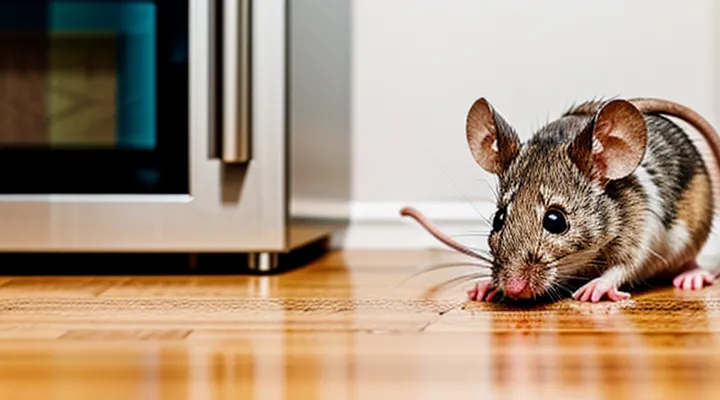
«Understanding Mouse Odor»
«Why Mouse Odor is a Problem»
«Why Mouse Odor is a Problem» signals a rodent presence that compromises indoor air quality and threatens resident health.
- Urine and feces release ammonia and volatile organic compounds that irritate eyes, nose, and throat.
- Pathogens such as Hantavirus, Salmonella, and Leptospira may be carried on droppings, increasing infection risk.
- Allergens from dander and saliva exacerbate asthma and trigger allergic reactions.
The odor itself degrades the living environment. Persistent smell reduces comfort, deters visitors, and may lower property value. Additionally, rodents chew electrical wiring, insulation, and food packaging, leading to fire hazards and food contamination.
Early detection of odor enables swift intervention, preventing population expansion and limiting structural damage. Prompt action preserves hygiene, safeguards health, and maintains a pleasant residential atmosphere.
«Identifying the Source of the Odor»
«Locating Mouse Droppings»
Locating mouse droppings is essential for addressing rodent‑related odor in a living space. Droppings indicate activity zones and guide cleaning efforts.
Inspect areas where mice travel or hide. Typical locations include:
- Along baseboards, especially in dark corners.
- Inside cabinets, pantry shelves, and behind appliances.
- Near food storage containers, particularly those with open lids.
- Under sinks, around plumbing fixtures, and within crawl spaces.
- In insulation or wall voids that are accessible from the interior.
Use a flashlight to illuminate shadows and a magnifying glass for detailed examination. Look for dark, pellet‑shaped feces about ¼ inch long; fresh droppings appear glossy, while older ones become dry and crumbly.
Mark each finding with a removable sticker or tape. Record the exact spot to prioritize disinfection and to monitor any new activity after treatment.
After identification, remove droppings with disposable gloves and a sealed bag. Clean the area with an enzymatic cleaner designed to break down protein residues, then disinfect with a solution of diluted bleach (1 part bleach to 10 parts water) or an EPA‑approved disinfectant. Allow the surface to dry completely before resealing food containers or restoring items to the space.
«Finding Urine Stains»
Detecting mouse urine is essential for eradicating lingering odor in a flat. Urine absorbs into wood, carpet, and drywall, creating persistent smells that attract pests. Early identification prevents extensive cleaning and costly repairs.
Key indicators include:
- Darkened or yellowish patches on flooring or walls.
- A distinct ammonia-like scent, especially after cleaning other sources.
- Stiffened fibers in carpet where moisture has settled.
- Discoloration or soft spots in wooden trim.
Systematic inspection process:
- Dim the lights and use a handheld UV flashlight. Mouse urine fluoresces under ultraviolet radiation, revealing otherwise invisible stains.
- Scan all potential travel routes: behind appliances, under sinks, along baseboards, and inside cabinets.
- Apply a small amount of distilled water to suspect areas. Moisture will cause urine residue to darken, confirming its presence.
- Mark confirmed spots with a removable label for targeted treatment.
After locating stains, neutralize odor by:
- Blotting excess moisture with absorbent cloths.
- Applying an enzymatic cleaner specifically formulated for rodent waste. Enzymes break down uric acid, eliminating the source of smell.
- Allowing the treated area to air‑dry completely before restoring furniture or coverings.
Regular monitoring of identified zones ensures that any new deposits are addressed promptly, maintaining a fresh environment throughout the residence.
«Detecting Deceased Mice»
Detecting deceased mice is a critical step in removing rodent odor from a flat. Dead rodents release putrefaction gases that permeate walls, insulation, and hidden cavities. Early identification prevents odor escalation and reduces the need for extensive remediation.
Visual inspection should focus on typical mouse pathways: behind appliances, under sinks, within wall voids, and near entry points. Look for discolored droppings, shredded material, and small pools of fluid. A flashlight with a narrow beam reveals concealed carcasses in cramped spaces.
Odor assessment complements visual checks. A sharp, ammonia‑like smell intensifies near the source. Portable electronic sniffers calibrated for cadaveric volatiles can pinpoint the exact location without invasive probing.
Additional techniques include:
- Black‑light examination: ultraviolet illumination causes rodent hair and urine to fluoresce, highlighting hidden remains.
- Moisture meters: elevated humidity levels often accompany decomposition; readings above normal indoor levels suggest a nearby source.
- Acoustic monitoring: faint, irregular noises may indicate residual activity around a carcass, guiding targeted searches.
When a dead mouse is located, remove it promptly using disposable gloves and a sealed container. Clean the area with an enzymatic cleaner to break down organic residues, then apply a neutralizing odor absorber such as activated charcoal or baking soda. Seal any gaps or cracks that could allow future ingress, and consider installing preventive traps to discourage new infestations.
Systematic detection and swift removal of deceased rodents eliminate the primary source of odor, restoring a fresh indoor environment.
«Preparation for Odor Removal»
«Safety Precautions»
«Protective Gear»
When addressing rodent odor in a residence, the use of appropriate protective equipment minimizes health risks and prevents cross‑contamination. Proper attire creates a barrier between hazardous particles and the skin, respiratory system, and eyes.
- Gloves resistant to chemicals and moisture
- Disposable respirator with particulate filter (N95 or higher)
- Safety goggles or full‑face shield
- Disposable coveralls with sealed seams
- Slip‑resistant footwear or shoe covers
- Protective apron for handling cleaning solutions
Selection criteria focus on material durability, seal integrity, and certification standards. Gloves should be nitrile or latex, ensuring resistance to disinfectants. Respirators must fit snugly, with filters rated for organic dust. Goggles require a wrap‑around design to eliminate gaps. Coveralls need a fluid‑tight construction to stop aerosol penetration.
After each use, dispose of single‑use items in sealed bags. Reusable gear, such as goggles, must be cleaned with mild soap and disinfectant, then dried completely before storage. Store all equipment in a clean, dry environment to maintain effectiveness for future odor‑removal operations.
«Ventilation»
Ventilation reduces mouse odor by replacing contaminated indoor air with fresh outside air, diluting volatile compounds and carrying them out through exhaust pathways.
Effective ventilation practices include:
- Open windows on opposite sides of the apartment to create cross‑drafts.
- Position portable fans near openings to accelerate airflow.
- Install or activate kitchen and bathroom exhaust fans during cleaning sessions.
- Use window‑mounted or wall‑mounted air exchangers that provide continuous air turnover.
Supplementary measures enhance the process:
- Place activated‑carbon filters in fans or air purifiers to capture odor particles.
- Keep HVAC ducts sealed and replace filters regularly to prevent recirculation of trapped smells.
- Ensure that vent grilles and ducts remain unobstructed by furniture or debris.
Regular maintenance preserves ventilation efficiency:
- Clean vent covers monthly with mild detergent and a damp cloth.
- Inspect seals around windows and doors for gaps; apply weatherstripping as needed.
- Schedule professional duct cleaning annually to remove accumulated residue.
Implementing these steps creates a consistent flow of fresh air, rapidly diminishing rodent‑related odors throughout the living space.
«Gathering Necessary Supplies»
«Cleaning Agents»
Cleaning agents serve to break down urine proteins, dissolve organic residues, and eliminate lingering scent molecules that attract rodents. Selecting the appropriate formulation accelerates odor removal and prevents re‑infestation.
- Enzymatic cleaners: contain proteases and lipases that hydrolyze urine components, rendering them odorless. Apply directly to contaminated surfaces, allow 15‑30 minutes of contact, then wipe or rinse.
- Acidic solutions: white vinegar (5 % acetic acid) lowers pH, neutralizing alkaline urine compounds. Dilute 1 : 1 with water, spray on affected areas, let stand for 10 minutes before blotting.
- Alkaline powders: baking soda (sodium bicarbonate) absorbs moisture and masks odor. Sprinkle over carpets or upholstery, leave for several hours, then vacuum.
- Oxidizing agents: diluted bleach (sodium hypochlorite 0.5 % solution) destroys bacterial colonies and oxidizes odorants. Use in well‑ventilated rooms, limit exposure to 5 minutes, rinse surfaces afterward.
- Natural deodorizers: hydrogen peroxide (3 % solution) combined with a few drops of essential oil provides antimicrobial action without harsh chemicals. Apply with a spray bottle, allow 5 minutes, then wipe.
Application guidelines require precise dilution to avoid surface damage. Measure agents with calibrated containers; follow manufacturer‑specified ratios. After treatment, ensure thorough drying by using fans or open windows. Persistent moisture encourages microbial growth, which can re‑introduce odor.
Regular maintenance includes weekly inspection of corners, behind appliances, and under furniture. Spot‑clean any fresh deposits with the chosen agent to prevent accumulation. Periodic deep cleaning of carpets and upholstery using a steam‑cleaner followed by enzymatic spray sustains a neutral environment.
Safety measures mandate protective gloves, eye protection, and adequate ventilation. Store chemicals out of reach of children and pets. Dispose of empty containers according to local hazardous‑waste regulations.
«Odor Neutralizers»
Odor neutralizers are compounds designed to eliminate the molecular sources of unpleasant smells rather than simply covering them. They work by chemically breaking down odor‑causing particles or by adsorbing volatile compounds, resulting in a neutral environment.
Several effective categories exist.
- Enzymatic cleaners convert organic residues into harmless substances.
- Activated charcoal absorbs airborne molecules through a porous surface.
- Ozone generators oxidize odor particles, rendering them non‑detectable.
- Baking soda neutralizes acidity in the air and on surfaces.
- Commercial sprays formulated with cyclodextrins bind odor molecules for long‑term control.
Application follows a systematic approach. Identify areas where rodents have been active, clean visible waste with a detergent, then apply the chosen neutralizer according to manufacturer instructions. Ensure adequate ventilation during and after treatment; repeat the process after deep cleaning or when odor reappears.
Safety measures are essential. Use protective gloves and eye protection to avoid skin contact. Operate ozone devices in unoccupied spaces and allow sufficient aeration before re‑entry. Keep all products out of reach of children and pets, and adhere to recommended concentration limits.
Regular maintenance sustains odor‑free conditions. Schedule monthly applications of a mild neutralizer such as baking soda, and perform spot treatments with enzymatic cleaners after any suspected rodent activity. Monitoring air quality with a simple odor detector can indicate when additional intervention is required.
«Disinfectants»
Effective odor control after a rodent intrusion relies on proper sanitation. Choosing the right antimicrobial agents accelerates the breakdown of urine and fecal residues that emit the characteristic smell.
Common categories of «Disinfectants» suitable for residential use include:
- Hydrogen peroxide solutions (3‑6 %): oxidize organic molecules, leave no lingering odor.
- Quaternary ammonium compounds: disrupt cell membranes, effective on non‑porous surfaces.
- Sodium hypochlorite (bleach) diluted to 1 %: strong oxidizer, rapid decolorization of stains.
- Enzymatic cleaners: contain proteases and lipases that hydrolyze protein‑based odors.
Application protocol:
- Remove all debris and solid waste using disposable gloves and sealed bags.
- Pre‑wet the affected area with warm water to loosen residues.
- Apply the selected «Disinfectant» according to manufacturer instructions, ensuring full coverage of floors, walls, and crevices.
- Allow the contact time specified on the label; typical periods range from 5 to 10 minutes.
- Rinse with clean water if the product requires removal, then dry the surface thoroughly.
- Increase ventilation for at least 30 minutes to disperse any remaining volatile compounds.
Safety considerations:
- Wear protective eyewear and gloves; avoid inhalation of fumes.
- Test a small inconspicuous area before full application to confirm material compatibility.
- Store unused product in a sealed container away from children and pets.
Regular cleaning with an appropriate «Disinfectant» after the initial treatment prevents odor recurrence and reduces the risk of bacterial growth.
«Cleaning and Disinfecting Contaminated Areas»
«Removing Physical Evidence»
«Disposing of Droppings and Urine»
Proper disposal of mouse droppings and urine is essential for removing odor from a living space. Contaminated material must be handled with protective gloves and a mask to prevent inhalation of pathogens. Place droppings and wet spots into a sealable plastic bag, expel excess air, and tie securely before discarding in an outdoor trash container.
Cleaning the affected area requires a disinfectant that breaks down organic matter and neutralizes odor. Apply the solution to the surface, allow the recommended contact time, then wipe with disposable paper towels. Repeat the process on any adjacent surfaces that may have been contaminated.
For porous materials such as insulation or carpet, removal is often the only reliable method. Cut out the affected section, seal it in a double‑bagged package, and dispose of it according to local hazardous‑waste regulations.
Regular inspection of potential entry points and prompt removal of waste reduce the likelihood of recurrence.
«Handling Deceased Mice»
When a mouse dies inside a residence, the carcass releases volatile compounds that quickly produce an unpleasant scent. Prompt removal and proper sanitation are essential to prevent the odor from spreading throughout the living space.
The following procedure ensures safe handling and effective odor control:
- Wear disposable gloves and a mask to avoid direct contact with bodily fluids and inhalation of gases.
- Locate the source by inspecting concealed areas such as wall voids, cabinets, and crawl spaces.
- Using a sealed plastic bag, place the «dead mouse» inside, then seal the bag tightly to contain any residual smell.
- Dispose of the sealed bag according to local regulations for animal waste; many municipalities require placement in a designated biohazard container.
- Clean the surrounding area with a solution of warm water and a mild detergent; scrub any surfaces that may have been contaminated.
- Apply an enzymatic cleaner to break down remaining organic residues; these products neutralize odor‑producing molecules more effectively than standard disinfectants.
- Allow the treated area to dry completely; improve air circulation with fans or open windows to expedite odor dissipation.
- After completion, remove gloves and mask, then wash hands thoroughly with soap and water.
Following these steps eliminates the source of the smell, reduces the risk of secondary contamination, and restores a fresh indoor environment.
«Deep Cleaning Affected Surfaces»
«Hard Surfaces»
The presence of mouse odor on «hard surfaces» such as tile, laminate, or countertops requires immediate attention because residues cling to smooth materials and release unpleasant smells long after the pest is gone.
Cleaning should begin with removal of visible debris. A systematic approach includes:
- Sweeping or vacuuming to eliminate hair, droppings, and food particles.
- Rinsing the area with hot water to dissolve organic matter.
- Applying a detergent solution (warm water mixed with a mild surfactant) and scrubbing with a non‑abrasive brush.
After physical cleaning, disinfection eliminates odor‑producing bacteria. Recommended agents are:
- Enzymatic cleaners that break down protein‑based residues; follow manufacturer‑specified contact time.
- Diluted chlorine bleach (approximately one part bleach to nine parts water) applied to the surface and left for five minutes before thorough rinsing.
- Commercial odor‑neutralizing sprays containing oxidizing compounds; ensure compatibility with the material.
Preventive maintenance reduces recurrence. Seal gaps around baseboards and plumbing fixtures to block entry points. Place washable mats in high‑traffic zones and clean them regularly. Periodically repeat the cleaning‑disinfection cycle in areas where mice have been detected to keep the environment free of lingering scents.
«Carpets and Upholstery»
Carpets and upholstery readily absorb urine, droppings, and glandular secretions left by rodents, creating a persistent unpleasant scent that permeates the living space. The porous nature of fibers traps odor molecules, making surface cleaning insufficient for complete removal.
Effective remediation requires a multi‑step approach:
- Thorough vacuuming with a HEPA‑rated filter to extract dried particles and loose debris.
- Application of an enzymatic cleaner specifically formulated to break down protein‑based odor compounds; allow the solution to remain moist for the manufacturer‑recommended dwell time.
- Use of a steam cleaner set to a temperature above 150 °C to penetrate deep into the pile, simultaneously sanitizing and extracting dissolved residues.
- Sprinkling baking soda over the treated area, allowing it to sit for several hours before vacuuming to neutralize residual odors.
- If stains or odor persist after these measures, engage a professional cleaning service equipped with ozone or UV‑light treatment.
Preventive maintenance minimizes future odor development. Seal cracks and gaps in walls, flooring, and baseboards to block entry. Reduce clutter that offers hiding places. Maintain low humidity levels, as moisture encourages rodent activity and intensifies scent retention. Regularly repeat the cleaning protocol after any suspected infestation to ensure the environment remains odor‑free.
«Walls and Ceilings»
The presence of rodent odor often penetrates interior surfaces, especially the vertical and overhead structures. Effective mitigation requires direct treatment of those surfaces.
- Identify all affected panels, including drywall, plaster, and ceiling tiles. Use a flashlight to locate discolored or damp areas that may retain scent particles.
- Clean each surface with an enzymatic solution designed to break down urine and fecal residues. Apply the cleaner, allow a five‑minute dwell time, then rinse with warm water.
- After cleaning, apply a sealant that blocks odor transmission. Choose a low‑VOC primer or a specialized odor‑blocking paint. Coat the walls and ceilings evenly, allowing the manufacturer‑specified drying period.
- Replace any insulation that has absorbed moisture or odor. Remove compromised material, dispose of it in a sealed bag, and install fresh, non‑absorbent insulation.
- Install activated‑carbon panels or odor‑absorbing sheets on the ceiling surface in rooms where ventilation is limited. Secure them according to product instructions to maximize surface contact.
- Enhance air circulation by installing or upgrading exhaust fans in high‑traffic areas. Ensure fans operate continuously for at least 24 hours after treatment to expel lingering molecules.
Regular inspection of the treated surfaces prevents re‑contamination. Reapply the enzymatic cleaner and sealant if odor returns, focusing on seams, corners, and junctions where scent can accumulate.
«Disinfection Protocols»
Effective elimination of rodent odor requires thorough disinfection of all contaminated areas. Residual urine, feces, and glandular secretions host bacteria that perpetuate the smell; without proper microbial control, odor will reappear despite surface cleaning.
Begin with removal of visible debris. Use disposable gloves, a stiff brush, and a vacuum equipped with a HEPA filter to collect dried droppings and nesting material. Follow immediately with a wet cleaning step: apply a solution of warm water and enzymatic cleaner to break down organic residues. Allow contact time of at least five minutes before wiping dry.
Key disinfectants for odor control include:
- 1 % sodium hypochlorite solution (household bleach diluted with water). Apply liberally, ensure surfaces remain wet for ten minutes, then rinse with clean water.
- 70 % isopropyl alcohol. Effective on non‑porous surfaces; maintain wetness for three minutes before air‑drying.
- Commercial enzyme‑based disinfectants labeled for rodent contamination. Follow manufacturer‑specified dwell time, typically five to fifteen minutes.
Safety measures:
- Wear nitrile gloves, eye protection, and a mask rated for organic vapors.
- Ensure proper ventilation by opening windows and using exhaust fans during and after application.
- Store all chemicals out of reach of children and pets; label containers clearly.
After disinfection, treat the environment to prevent re‑infestation. Seal entry points, eliminate food sources, and set traps as needed. Consistent application of the outlined «disinfection protocols» removes microbial contributors to odor, restoring a neutral indoor atmosphere.
«Odor Neutralization Techniques»
«Natural Odor Absorbers»
«Baking Soda»
Baking soda effectively neutralizes mouse odor by absorbing volatile compounds that cause the unpleasant smell. The powder should be applied to affected areas, left to act, and then removed or vacuumed.
- Sprinkle a generous layer on carpets, upholstery, and floorboards where mouse activity was detected.
- Allow the powder to sit for at least 12 hours; longer exposure increases absorption.
- Vacuum thoroughly or sweep away the residue, ensuring no granules remain to attract pests.
In addition to surface treatment, placing open containers of baking soda in closets, cabinets, and corners creates a passive deodorizing environment. Replace the contents every month to maintain absorption capacity.
For sealed spaces such as storage boxes, mix equal parts baking soda and water to form a paste, coat the interior, and let dry. The dried coating continues to bind odor molecules without emitting chemicals.
Overall, baking soda offers a low‑cost, non‑toxic solution for eliminating rodent odor throughout an apartment. «Baking soda is a natural deodorizer» reinforces its suitability for residential use.
«Activated Charcoal»
Activated charcoal is a porous carbon material capable of adsorbing volatile compounds responsible for rodent odor. Its extensive surface area attracts and traps molecules such as ammonia, urine metabolites, and fecal gases, reducing their presence in indoor air.
Effective use requires strategic placement and periodic renewal. Follow these steps:
- Identify areas with strong smell, typically near walls, cabinets, or behind appliances where mice travel.
- Position pre‑packaged charcoal bags or loose granules in breathable containers (e.g., mesh pouches) at each identified spot.
- Ensure containers remain uncovered enough for air flow but protected from pets and children.
- Replace or reactivate the charcoal every 30‑45 days, as adsorption capacity diminishes over time.
Maintenance involves simple inspection. Remove containers, shake out accumulated dust, and expose the charcoal to sunlight for 2‑3 hours to restore partial adsorption ability. If sunlight exposure is impractical, replace with fresh material.
Safety considerations include avoiding direct inhalation of fine charcoal dust and keeping the substance away from open flames, as it can ignite under high temperature. Store unused charcoal in a cool, dry place to preserve effectiveness.
When combined with regular cleaning, ventilation, and sealing of entry points, activated charcoal contributes significantly to eliminating mouse‑related odors in residential settings.
«Coffee Grounds»
Coffee grounds serve as an effective, low‑cost solution for neutralising rodent odour in a flat. The fine particles absorb volatile compounds that cause the unpleasant smell, while the lingering coffee scent masks residual traces.
The material works through two mechanisms. First, the porous structure traps odour molecules, reducing their presence in the air. Second, the strong aroma of coffee discourages mice from returning to treated areas, as the scent is unfamiliar and unpleasant to them.
Practical application:
- Collect dry, used coffee grounds from a grinder or filter.
- Spread a thin layer in corners, behind appliances, and in any crevices where mouse activity is suspected.
- Replace the grounds every 48 hours to maintain absorption capacity.
- Dispose of saturated grounds in a sealed bag to prevent re‑release of odour.
Regular use of «Coffee Grounds» alongside routine cleaning accelerates the removal of mouse smell and supports a healthier indoor environment.
«Commercial Odor Eliminators»
«Enzyme Cleaners»
Enzyme cleaners — biological detergents that contain proteases, lipases and amylases — break down the organic compounds that constitute mouse urine, feces and scent glands. By hydrolyzing proteins, fats and carbohydrates, these agents eliminate the source of odor rather than merely masking it.
Effective use of enzyme cleaners involves several steps:
- Clean visible debris with a mild detergent; remove any food residue that could feed rodents.
- Apply the enzyme solution directly to affected areas such as baseboards, cabinets, and behind appliances; ensure thorough wetting of porous surfaces.
- Allow the product to remain moist for the period specified by the manufacturer, typically 15‑30 minutes, to enable enzymatic activity.
- Rinse or blot excess liquid if necessary; air‑dry the treated zones completely.
When selecting a product, consider the following criteria:
- Presence of a broad spectrum of enzymes (protease, lipase, amylase) for comprehensive odor breakdown.
- Formulation suitable for the material being treated (e.g., wood, concrete, fabric) to avoid damage.
- Certified safety for indoor use, low volatile organic compounds and non‑toxic residues.
Regular application after a rodent infestation prevents odor recurrence and reduces the likelihood of future attraction. Enzyme cleaners therefore provide a scientifically grounded method for restoring a neutral scent environment in residential spaces.
«Ozone Generators»
Ozone generators produce high‑energy ozone (O₃) that oxidizes organic molecules responsible for rodent‑related smells. The device releases ozone into the air; ozone reacts with volatile compounds, breaking them down into harmless carbon dioxide and water, thereby neutralizing the odor at the molecular level.
Effective use requires strict adherence to safety protocols. Ozone concentrations above occupational limits can irritate respiratory passages and damage fabrics. Operate the unit in an unoccupied apartment, seal windows and doors, and maintain the recommended exposure time—typically 30–60 minutes for a standard‑size living area. After treatment, ventilate the space for at least 15 minutes before re‑entry.
Advantages and limitations of ozone generators:
- Advantages
- Rapid reduction of odor intensity
- No need for chemical cleaners
- Ability to reach hidden crevices and cavities
- Limitations
- Potential health hazards if misused
- Ineffectiveness against solid residues without prior cleaning
- Requirement for controlled environment during operation
Preparation steps enhance results. Remove visible debris, clean surfaces with a mild detergent, and discard any infested materials. Once the area is cleared, place the generator centrally, activate the timer, and allow the cycle to complete. Follow the manufacturer’s maintenance schedule to ensure consistent ozone output.
Regular monitoring of ozone levels with a calibrated detector confirms compliance with safety standards. Documentation of each treatment session—date, duration, and measured concentration—supports accountability and facilitates future interventions.
«Air Purification Methods»
«Air Filters»
Air filtration provides a direct method for reducing the persistent smell caused by rodents in a residential setting. By drawing contaminated air through specialized media, filters capture odor‑bearing particles and neutralize volatile compounds before they circulate throughout the apartment.
Two filter technologies deliver the most reliable results. HEPA filters remove fine dust, dander, and microscopic debris that often accompany mouse activity. Activated‑carbon filters adsorb organic molecules responsible for the characteristic odor, preventing their release back into the environment. Combining both media in a single unit maximizes overall effectiveness.
Practical implementation follows a concise sequence:
- Choose a portable air purifier equipped with a true HEPA element and a replaceable activated‑carbon cartridge.
- Position the unit near identified odor sources, such as kitchen cabinets, pantry shelves, or concealed entry points.
- Operate the purifier continuously during periods of heightened activity; set the fan to the highest clean‑air delivery rate compatible with noise tolerance.
- Replace the carbon cartridge according to the manufacturer’s schedule, typically every 3 – 6 months, and change the HEPA filter annually or when visual inspection shows significant loading.
Proper maintenance ensures sustained performance, while strategic placement accelerates odor removal without reliance on chemical sprays or extensive cleaning.
«Ventilation Strategies»
Effective airflow removes volatile compounds produced by rodents and prevents odor accumulation. Proper ventilation reduces the concentration of ammonia and other malodorous substances, creating a healthier indoor environment.
- Install exhaust fans in kitchens and bathrooms; set to operate continuously or trigger by humidity sensors.
- Use window-mounted fans to draw fresh air from opposite sides of the apartment, establishing cross‑ventilation.
- Deploy air purifiers equipped with activated carbon filters; replace cartridges according to manufacturer guidelines.
- Open interior doors regularly to allow air movement between rooms, avoiding stagnant zones.
- Seal gaps around vents and ducts with weather‑resistant tape to maintain pressure balance and prevent re‑circulation of contaminated air.
Routine maintenance preserves system efficiency. Clean fan blades and grilles weekly to remove dust and debris. Inspect ducts for rodent damage; repair holes promptly to stop re‑entry of odor sources. Schedule filter replacement at intervals recommended by the filter’s performance rating. By adhering to these ventilation practices, residual smells diminish rapidly, and overall indoor air quality improves.
«Preventing Future Mouse Infestations»
«Sealing Entry Points»
«Inspecting Exterior»
«Inspecting Exterior» forms a critical phase in addressing persistent rodent odor within a dwelling. The exterior envelope of the building often harbors entry points and residual waste that sustain unpleasant scents. A systematic visual survey identifies structural vulnerabilities, while targeted inspections reveal sources of contamination.
Key inspection zones include:
- Foundation seams and cracks; visible gaps permit ingress and trap organic debris.
- Utility penetrations such as pipe sleeves, electrical conduit, and HVAC ducts; these openings frequently exhibit gnaw marks or droppings.
- Ventilation grills and exhaust outlets; accumulation of nesting material can emit strong odors.
- Exterior waste receptacles and nearby compost bins; overflow or spillage contributes to odor propagation.
- Under‑floor crawl spaces and basement egresses; damp conditions accelerate decomposition of rodent remains.
Procedural steps:
- Illuminate each area with a portable light source to expose hidden damage.
- Examine surfaces for chew marks, urine stains, and shredded insulation.
- Collect samples of suspect material for laboratory analysis if odor persists after interior cleaning.
- Record findings on a schematic diagram, noting exact locations of breaches.
- Apply appropriate sealants, steel wool, or mesh to close openings; reinforce with weather‑resistant caulking where necessary.
Completing this exterior audit eliminates primary pathways for rodents and removes external reservoirs of odor, thereby supporting long‑term odor control within the apartment.
«Addressing Interior Gaps»
Addressing interior gaps is essential for preventing rodent odor persistence in residential spaces. Gaps allow mice to enter, hide, and deposit waste, which becomes the source of unpleasant smell. Eliminating these openings removes the pathway for re‑infestation and stops odor generation at its origin.
Identify common entry points: gaps around baseboards, floorboards, door frames, window sills, utility penetrations, and vent covers. Inspect each area for openings larger than a quarter‑inch, as mice can squeeze through very small spaces.
Close gaps using appropriate materials:
- Expandable polyurethane foam for irregular, non‑structural openings.
- Steel wool combined with caulk for holes surrounding pipes and cables.
- Acoustic sealant for gaps in walls and ceilings where flexibility is required.
- Weather‑stripping or door sweeps for gaps under doors and around entryways.
- Metal flashing or mesh for larger penetrations in exterior walls.
Apply sealants after thorough cleaning of the area to remove any residue that could attract pests. Allow sealants to cure fully before re‑installing furniture or carpet to ensure a complete barrier.
Regular maintenance includes checking seal integrity after renovations, moving furniture, or seasonal temperature changes. Promptly repairing any new gaps sustains a odor‑free environment and reduces the likelihood of rodent activity.
«Maintaining Cleanliness»
«Food Storage»
Proper food storage directly influences the control of rodent‑related smells in a dwelling. Food left exposed provides a scent trail that attracts mice, which in turn deposit urine and feces that generate persistent odor. Eliminating these sources is essential for odor reduction.
Key practices for securing food include:
- Use containers with rubber gasket seals; metal or heavy‑plastic tubs prevent leakage and block scent emission.
- Place perishables in the refrigerator or freezer promptly; do not allow items to sit at room temperature for extended periods.
- Organize pantry shelves so that items are stacked away from walls and corners, reducing hidden spaces where crumbs can accumulate.
- Clean any spills immediately with a disinfectant solution; avoid leaving residues that may attract pests.
- Store dry goods such as grains, nuts, and cereals in airtight bins; consider vacuum‑seal bags for long‑term storage.
- Dispose of waste daily in sealed trash bags; transfer bags to an external bin outside the building to limit odor buildup.
Additional measures reinforce the primary steps:
- Install a door sweep on the kitchen entrance to block rodent entry.
- Keep the countertop free of food debris; wipe surfaces after each meal preparation.
- Rotate stored items regularly, using the oldest products first to prevent spoilage.
By maintaining a disciplined food‑storage routine, the scent that draws mice is minimized, consequently reducing the associated odor throughout the apartment. « Store food in sealed containers » serves as a concise reminder of the most effective preventive action.
«Waste Management»
Effective waste management is a decisive factor in preventing and eliminating the odor left by rodents in a dwelling. Improper disposal of food scraps, packaging, and any organic material creates a continuous scent source that attracts mice and sustains their presence.
Key practices for waste control include:
- Store all food in airtight containers; avoid open jars, bags, or uncovered dishes.
- Keep trash bins equipped with tight‑fitting lids and position them away from living areas.
- Empty waste containers daily, especially in kitchens and bathrooms, to eliminate lingering smells.
- Separate recyclables from organic waste; use sealed compost bags if composting is necessary.
Additional measures reinforce odor reduction:
- Clean any spills or crumbs immediately with disinfectant solutions.
- Dispose of pet food after each feeding session; do not leave bowls unattended.
- Regularly sanitize trash can interiors to remove residue that can emit foul smells.
Consistent application of these waste‑handling protocols removes the primary attractant for mice, thereby curbing the development of persistent odor throughout the apartment. «Proper waste containment prevents infestations».
«Regular Monitoring and Trapping»
Effective pest control relies on systematic observation and capture techniques. Continuous assessment identifies activity hotspots, allowing timely intervention before odor intensifies.
Regular monitoring includes:
- Daily inspection of walls, cabinets, and concealed areas for droppings, gnaw marks, or urine stains.
- Weekly documentation of findings, noting locations, quantity, and any new signs.
- Immediate reporting of increased evidence to maintenance personnel.
Trapping strategy demands precision:
- Select snap traps, electronic devices, or humane catch‑and‑release units based on location and resident preferences.
- Position traps along established travel routes, near entry points, and adjacent to identified odor sources.
- Use appropriate bait such as peanut butter or dried fruit; replace bait every 48 hours to maintain attractiveness.
- Dispose of captured rodents promptly, sealing them in disposable bags before discarding in sealed waste containers.
Combining vigilant surveillance with disciplined trap deployment limits rodent presence, curtails waste accumulation, and ultimately eliminates lingering smell from an apartment environment.