
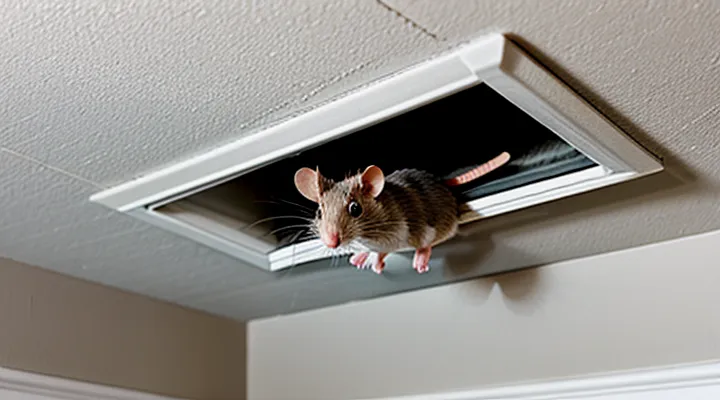
Understanding the Problem
Signs of Mice in Your Ceiling
Mice in the ceiling reveal themselves through distinct evidence that can be identified without specialized equipment.
Fresh droppings are the most immediate indicator. They appear as small, dark, rice‑shaped pellets on insulation, beams, or the floor directly beneath the ceiling. A concentration of droppings in one area suggests an active nest.
Gnaw marks provide another clear sign. Mice chew on wood, wiring, and insulation to shape their pathways and enlarge their shelter. Look for crescent‑shaped bites on structural members, especially near entry points such as attic vents or roof gaps.
Scrapings of shredded material indicate nest construction. Mice gather insulation, paper, and fabric, creating compact piles that may be visible when the ceiling is accessed.
Unusual noises, particularly scurrying or scratching, become noticeable during quiet periods, especially at night. Persistent sounds emanating from above the living space often correlate with mouse activity.
Odor changes can also betray an infestation. A sharp, ammonia‑like smell may result from urine accumulation, while a musky, stale odor can develop from nesting material and feces.
A visual inspection of the ceiling surface may reveal small, dark spots of urine or saliva, which dry to a faint yellowish stain. These spots frequently appear near entry holes or along mouse pathways.
Finally, the presence of live or dead mice, as well as their carcasses, confirms an ongoing problem. Even a single sighting should prompt immediate investigation of the surrounding area.
Identifying these signs promptly enables decisive action to prevent structural damage and health risks associated with rodent infestations.
Why Mice Choose Ceilings
Mice are attracted to the upper interior of a house because it offers protection, easy travel routes, and favorable micro‑climate conditions.
- The ceiling creates a barrier from ground‑level predators such as cats and birds.
- Gaps around light fixtures, ducts, and vent shafts provide concealed pathways to other parts of the home.
- Warmth generated by insulation and rising heat makes the space comfortable for nesting.
- Stored food particles often accumulate in ceiling joists and behind appliances, supplying a reliable food source.
- The structural cavity hides droppings and debris, reducing the likelihood of detection by occupants.
Understanding these motivations helps target interventions that block entry points, eliminate hidden food, and disrupt the thermal advantages that draw rodents to the roof area.
Risks of a Mouse Infestation
A mouse infestation in the ceiling of a private residence poses several serious threats.
-
Health hazards: Droppings and urine contaminate air ducts, exposing occupants to pathogens such as Hantavirus, salmonella, and leptospirosis. Allergens from fur and dander exacerbate respiratory conditions.
-
Structural damage: Rodents gnaw on insulation, wiring, and wooden joists. Compromised insulation reduces thermal efficiency, while damaged joists weaken support and may lead to sagging or collapse.
-
Electrical fire risk: Chewed wires create short circuits, increasing the probability of electrical fires. Faulty connections can also trigger circuit overloads, endangering the entire home.
-
Food contamination: Mice infiltrate pantry items stored in upper cabinets, contaminating food supplies with urine, feces, and parasites. Consumption of tainted food can cause gastrointestinal illness.
-
Odor and aesthetic decline: Accumulated waste produces a persistent, unpleasant odor. Visible gnaw marks and droppings diminish the visual appeal of the interior, potentially lowering property value.
Addressing these risks promptly is essential to protect health, preserve structural integrity, and maintain a safe living environment.
Inspection and Identification
Locating Entry Points
Identify all potential openings before attempting any control measures. Begin with a thorough visual examination of the ceiling’s perimeter, paying particular attention to seams, joints, and any gaps where the structure meets walls, ducts, or fixtures. Use a bright flashlight and a mirror to view hidden areas.
- Gaps around pipe penetrations, often as small as a quarter‑inch, provide direct access.
- Openings at attic vents, soffits, and roof eaves commonly serve as entry routes.
- Cracks in drywall, plaster, or insulation that extend from the attic down into living spaces.
- Unsealed gaps around light fixtures, ceiling fans, and HVAC registers.
- Holes left by previous repairs or unfinished construction work.
Inspect the attic from the interior by removing a ceiling tile or accessing a removable panel. Look for signs of activity—chewed wood, droppings, gnaw marks, or nesting material—near any opening. Follow each sign back to its source; the location of the damage usually indicates the exact entry point.
After pinpointing each opening, measure its dimensions. Record the findings in a simple list: location, size, and observed evidence of mouse activity. This inventory will guide the selection of appropriate sealing materials and ensure that no passage remains unaddressed.
Identifying Mouse Droppings
Mouse droppings provide the most immediate evidence of an infestation within a ceiling cavity. Fresh droppings appear as small, dark brown to black pellets, roughly 3–5 mm in length and 1–2 mm in width, with a tapered end. Older droppings dry to a lighter gray color and may crumble when disturbed. The shape is cylindrical, often with a pointed tip, distinguishing them from insect feces, which are typically finer, softer, and lack a defined taper.
Typical locations include:
- Insulation directly beneath visible entry points such as gaps around vents, roof joists, or attic access doors.
- Along the edges of joist beams where mice travel.
- Inside dust bunnies or accumulated debris in corners of the ceiling space.
Safety measures are mandatory. Wear disposable gloves and a mask to avoid contact with potential pathogens. Use a bright flashlight to illuminate dark corners; a UV light can reveal urine stains that often accompany droppings. Collect samples in sealed containers for laboratory confirmation if required.
Recognition of droppings enables targeted remediation. Once identified, seal entry points, remove contaminated insulation, and set appropriate traps or bait stations. Continuous monitoring of the identified zones confirms the effectiveness of the control measures.
Assessing the Extent of the Infestation
Determine the size of a mouse problem before any control measures. Direct observation, physical evidence, and structural inspection provide the necessary data.
Inspect the attic and ceiling cavity for signs such as droppings, gnaw marks, urine stains, and shredded insulation. Follow each entry point—vents, cracks, and gaps—to trace movement pathways. Record the location, quantity, and condition of each finding.
Use a systematic approach to quantify the infestation:
- Count fresh droppings (dark, moist) and compare with older, dry pellets; a higher count of fresh droppings indicates active presence.
- Measure the extent of gnaw damage on wiring, framing, and insulation; extensive damage suggests a larger population.
- Set motion‑activated cameras or infrared sensors at suspected routes; review footage for the number of individuals and peak activity times.
- Conduct a visual sweep during nighttime when mice are most active; note any direct sightings and their distribution across the ceiling space.
Compile the data into a concise report that outlines hotspot zones, population estimates, and potential structural risks. This assessment forms the foundation for selecting the most effective eradication strategy.
Prevention Strategies
Sealing Entry Points
Exterior Walls and Foundation
Exterior walls and the foundation form the primary barrier against rodent entry. Mice locate tiny openings in siding, brick joints, and the base of the structure, then travel upward to reach ceiling cavities. Identifying and sealing these ingress points prevents the initial infestation and reduces the likelihood of mice establishing routes to the attic.
Inspection should focus on:
- Gaps around utility penetrations, such as pipes, wires, and vent ducts.
- Cracks in mortar, stucco, or brickwork.
- Unsealed gaps between the foundation slab and the wall framing.
- Openings at the top of the wall where the roof meets the exterior.
Seal each opening with materials resistant to gnawing. Use steel wool or copper mesh as a backing, then apply high‑quality silicone caulk, expanding foam, or cement mortar. For larger gaps, install metal flashing or hardware cloth with a mesh size no larger than ¼ inch.
Foundation moisture control also influences mouse activity. Excessive dampness draws rodents seeking shelter. Implement drainage solutions such as:
- Grading soil away from the building footprint.
- Installing or repairing French drains.
- Ensuring downspouts discharge at least 6 feet from the foundation.
Regular maintenance of exterior cladding and foundation joints eliminates new entry routes. Schedule seasonal checks, repair any damage promptly, and maintain a clear perimeter free of debris, mulch, or vegetation that could provide cover for mice seeking entry.
Roof and Soffit Vents
Roof and soffit vents provide essential airflow for attic insulation, yet they also create direct pathways for rodents to reach the ceiling cavity. Unscreened openings permit mice to enter, travel along wiring or ductwork, and establish nests above the living space.
Typical weaknesses include gaps around vent frames, damaged or missing vent covers, and improperly sized screening that allows rodents to squeeze through. Metal vents without mesh, plastic vent caps with cracked seals, and soffit vents that lack protective louver screens are especially vulnerable.
To secure these openings:
- Inspect each vent for cracks, rust, or loose fittings; repair or replace damaged components immediately.
- Install stainless‑steel or hardware‑cloth mesh with openings no larger than ¼ inch; secure the mesh with rust‑resistant staples or screws.
- Apply a continuous bead of silicone or acrylic caulk around vent edges to close gaps between the vent and the roof or soffit material.
- Fit vent covers that snap tightly onto the housing; choose models with built‑in rodent guards or add external metal grates.
- Seal any gaps around vent ducts, conduit, or wiring penetrations with expandable foam or metal flashing.
Regular maintenance is critical. Perform a visual check of all roof and soffit vents at least twice a year, preferably in spring and fall, to verify that screens remain intact and seals are unbroken. Replace worn mesh promptly, and clean debris that could conceal damage.
Complementary actions reinforce exclusion efforts. Position snap‑traps or electronic bait stations near vent locations, and keep surrounding vegetation trimmed to reduce shelter for mice. By treating roof and soffit vents as primary entry points and applying systematic sealing, homeowners can prevent rodents from infiltrating the ceiling space and maintain a rodent‑free environment.
Utility Gaps
Utility gaps—openings for plumbing, electrical wiring, HVAC ducts, and ventilation—provide direct routes for rodents to infiltrate ceiling cavities. Identifying these gaps requires a systematic inspection of all penetrations where services enter the attic or crawl space. Use a flashlight and a mirror to view concealed areas, and mark each opening with a visible indicator for later treatment.
To block utility gaps effectively:
- Install metal flashing or steel mesh around pipe sleeves, extending at least 2 inches beyond the opening on both sides.
- Apply high‑temperature silicone or expanding polyurethane sealant to seal irregular gaps around cable bundles and conduit.
- Fit PVC or metal collars on vent ducts, securing them with stainless‑steel screws to prevent corrosion.
- Replace damaged grommets with reinforced rubber or silicone versions designed for pest exclusion.
- Verify that all sealants cure fully before restoring insulation or covering panels.
After sealing, conduct a follow‑up inspection to ensure no new gaps have formed due to building movement or thermal expansion. Maintain a schedule of quarterly checks, especially after seasonal temperature shifts, to preserve the integrity of the barriers and keep the ceiling space free of rodent activity.
Food and Water Management
Effective control of rodents in a ceiling requires eliminating sources of nutrition and hydration. Store all edibles in airtight containers made of metal or heavy‑wall plastic; avoid leaving crumbs on countertops, shelves, or in pantry doors. Clean spills immediately, and vacuum regularly to remove residual particles that may attract mice.
Maintain a dry environment by fixing leaks in pipes, roof joints, and ventilation ducts. Use a moisture‑absorbing desiccant in attic corners and beneath insulation to reduce condensation. Remove standing water from pet dishes, bird feeders, and plant trays overnight.
- Seal food in containers with snap‑lock lids.
- Dispose of waste in sealed bags and remove trash weekly.
- Repair all plumbing leaks promptly.
- Install drip‑free fixtures and ensure proper drainage.
- Keep attic and ceiling spaces free of damp insulation or wet building materials.
Consistent application of these measures deprives rodents of essential sustenance, making the ceiling area inhospitable and supporting long‑term exclusion.
Maintaining a Clean Home
A clean home reduces food sources that attract rodents to ceiling cavities. Regularly sweep and vacuum attic floors, remove debris, and keep stored items in sealed containers. Clean spills immediately to prevent lingering odors that draw mice.
Inspect insulation and roofing materials for dust, droppings, or nesting material. Replace contaminated insulation and discard any compromised items. Maintain dry conditions by fixing leaks and using dehumidifiers where moisture accumulates.
Implement routine housekeeping tasks that directly affect ceiling spaces:
- Store pantry goods in airtight jars; avoid leaving crumbs on countertops.
- Dispose of garbage in sealed bins; empty bins daily.
- Sweep attic floors after any renovation or storage activity.
- Use a shop vacuum to remove fine dust before sealing gaps.
Consistent cleaning eliminates attractants, limits shelter opportunities, and supports long‑term rodent prevention in ceiling areas.
Elimination Methods
Trapping
Snap Traps
Snap traps provide a rapid, humane method for killing mice that have taken residence in ceiling cavities. The mechanism consists of a spring‑loaded bar that releases with a single touch, delivering an instantaneous impact that kills the rodent instantly. Because the device does not rely on poison, it eliminates the risk of contaminating insulation or wiring.
Effective deployment requires precise positioning. Identify entry points, such as gaps around vent ducts, recessed lighting fixtures, or damaged insulation. Place a trap directly in line with these routes, ideally a few inches inside the opening to ensure the mouse contacts the trigger. Secure the trap to a stable surface—using a piece of wood or a zip tie—to prevent movement caused by airflow or vibrations.
Bait selection influences capture rates. Use a small amount of high‑fat food (peanut butter, cheese, or cooked bacon) applied to the trigger plate. The scent should be strong enough to attract a mouse from a distance but not so abundant that it triggers the trap prematurely.
Safety considerations include:
- Wearing thick gloves when handling traps to avoid accidental discharge.
- Keeping traps out of reach of children and pets by sealing the ceiling opening after placement.
- Checking traps daily; remove dead rodents promptly to prevent odor buildup.
Maintenance involves resetting the spring mechanism after each catch and inspecting the trigger for debris. Replace traps that show signs of rust or wear, as compromised tension reduces lethality.
Advantages of snap traps compared with other control methods:
- Immediate results without reliance on chemical agents.
- Low cost; a pack of ten traps typically costs under $10.
- Minimal environmental impact; no residual toxins remain in the home.
Limitations to acknowledge:
- Requires accurate placement; poor positioning yields low success.
- Visible dead rodents may cause discomfort for occupants.
- Traps must be monitored regularly to maintain effectiveness.
Integrating snap traps with complementary actions—sealing entry points, removing food sources, and improving ventilation—creates a comprehensive strategy for eradicating mice from ceiling spaces.
Live Traps
Live traps offer a humane alternative when addressing rodent activity in a residential ceiling. The devices capture mice without killing them, allowing owners to relocate the animals away from the home.
- Selection: Choose traps with a secure door mechanism and a size appropriate for common house mice (approximately 90‑120 mm long). Models featuring a clear compartment aid observation of captures.
- Placement: Position traps along known travel routes, such as near openings, insulation gaps, or where droppings are concentrated. Secure traps to a stable surface to prevent tipping.
- Baiting: Use high‑protein attractants—peanut butter, sunflower seeds, or dried fruit—applied sparingly to the trigger area. Refresh bait every 24 hours to maintain effectiveness.
- Monitoring: Inspect traps at least twice daily. Prompt removal of captured mice reduces stress and prevents escape.
- Release: Transport each mouse in a sealed container to a location at least 2 kilometers from the residence, preferably in a wooded area with natural cover. Wear gloves to avoid contaminating the trap and to protect personal health.
- Sanitation: After release, clean traps with hot, soapy water and a disinfectant solution. Allow thorough drying before redeployment.
Integrating live traps with complementary measures—sealing entry points, removing food sources, and maintaining attic insulation—creates a comprehensive strategy for eliminating mice from a private home’s ceiling.
Glue Traps
Glue traps provide a non‑chemical method for capturing mice that have entered the ceiling space of a residence. The traps consist of a flat, sticky surface coated with a strong adhesive that immobilizes rodents when they step onto it.
To use glue traps effectively, follow these steps:
- Identify active pathways: look for gnaw marks, droppings, or fresh holes in insulation, ductwork, and joist gaps.
- Position traps directly in the path of travel, preferably near the identified entry points and along the edges of the joist cavity.
- Secure each trap to a stable surface using the built‑in adhesive backing or a small piece of tape; ensure the sticky side faces upward.
- Replace traps every 24–48 hours, or sooner if a mouse is caught, to maintain maximum effectiveness.
Advantages of glue traps include:
- Immediate capture without the need for poison.
- Low cost and easy storage.
- Minimal disturbance to the ceiling structure during placement.
Limitations to consider:
- Captured mice may suffer prolonged distress; humane concerns often lead to preference for lethal traps.
- Traps can inadvertently catch non‑target species such as insects or small birds if placed near openings.
- Adhesive loses strength in high humidity, a common condition in attic and ceiling cavities.
Safety precautions are essential. Wear disposable gloves when handling traps to avoid skin contact with the adhesive. Keep traps out of reach of children and pets; store them in sealed containers when not in use.
Disposal requires careful technique. Place the trapped mouse and the glue surface into a sealed plastic bag, then dispose of the bag according to local waste regulations. Do not reuse traps, as residual adhesive may attract additional rodents and compromise effectiveness.
When glue traps are part of an integrated control plan, combine them with exclusion measures—such as sealing entry holes with steel wool and caulking—to prevent further intrusion. Regular inspection of the ceiling space will reveal new activity and allow timely repositioning of traps.
Baits and Rodenticides
Types of Baits
When confronting a mouse problem in a ceiling cavity, the choice of bait directly influences control effectiveness.
- Peanut butter blends: strong odor, high acceptance by wary rodents, suitable for small bait stations.
- Grain or seed mixtures: replicate natural food sources, work well in concealed spaces where mice forage.
- Commercial anticoagulant blocks: contain compounds such as brodifacoum or diphacinone, produce delayed lethal effect that reduces bait aversion.
- Non‑anticoagulant rodenticides: bromethalin and zinc phosphide act quickly, useful when rapid knock‑down is required.
- Natural attractants: mint oil, cayenne pepper, or dried fruit, paired with snap or live traps, provide low‑toxicity options for sensitive environments.
Deploy baits in sealed, tamper‑resistant containers positioned near known entry points or travel routes within the roof void. Replace stations regularly and rotate bait types to prevent habituation. Use sufficient quantity to ensure multiple feeding events, which is essential for anticoagulant products to achieve mortality.
Safe Placement Considerations
Effective mouse control in residential ceiling spaces requires careful attention to where traps, baits, and exclusion devices are positioned. Improper placement can compromise structural integrity, damage electrical systems, or create hazards for occupants and pets.
- Locate entry points before installing any device; seal gaps around ducts, vent pipes, and wiring sleeves with steel wool and caulk.
- Position snap traps or electronic devices at least six inches from insulated surfaces to prevent fire risk and avoid damage to fragile insulation.
- Keep bait stations at least twelve inches above floor level and away from reachable areas for children and animals; use tamper‑resistant containers approved for residential use.
- Avoid mounting devices directly on load‑bearing beams or near light fixtures; attach them to non‑structural joists or using removable brackets that do not interfere with ceiling integrity.
- Ensure all placements comply with local building codes and manufacturer safety guidelines; verify that no device obstructs ventilation or airflow within the attic cavity.
By adhering to these placement standards, homeowners minimize health risks, protect the building envelope, and enhance the overall efficacy of mouse eradication efforts.
Risks to Pets and Children
Rodent control in the ceiling creates specific hazards for household pets and children. Chemical baits often contain anticoagulants or neurotoxins that can be ingested accidentally. Even sealed bait stations may be breached by curious animals, leading to acute poisoning, internal bleeding, or neurological impairment. Children can mistake unsecured bait packets for candy, resulting in similar toxic effects.
Physical traps pose additional dangers. Snap traps placed in attic access points can snap shut with sufficient force to cause severe injury to a pet’s paw or a child's hand if reached inadvertently. Glue boards retain fur, feathers, and skin, causing painful entanglement and potential infection. Live‑catch traps require frequent monitoring; failure to release captured mice promptly may lead to stress‑induced disease that can spread to other animals.
Environmental contamination is another concern. Rodent carcasses left in the ceiling generate decomposing matter, attracting flies and fostering bacterial growth. Airborne particles from dead mice or droppings can trigger allergic reactions, asthma attacks, or gastrointestinal illness in sensitive individuals, especially children with developing immune systems.
Mitigation measures include:
- Using pet‑ and child‑safe bait stations with tamper‑resistant designs.
- Positioning snap traps out of reach, preferably in sealed attic compartments.
- Selecting glue‑free, humane live‑catch devices and establishing a strict release schedule.
- Regularly inspecting and removing dead rodents, then sanitizing the area with approved disinfectants.
- Consulting a licensed pest‑control professional to apply low‑toxicity rodenticides and to verify compliance with safety regulations.
Adhering to these precautions reduces the likelihood of accidental poisoning, physical injury, and health complications while effectively addressing the rodent problem in the ceiling space.
Professional Pest Control
When to Call an Exterminator
Mice activity in a ceiling becomes a professional pest‑control issue when self‑treatment no longer contains the infestation or presents safety hazards. Call an exterminator if:
- Damage to insulation, wiring, or structural components is evident.
- Droppings, gnaw marks, or nesting material appear in inaccessible areas.
- Traps and bait stations set by the homeowner fail to reduce mouse numbers after a week.
- Signs of disease‑carrying rodents, such as urine stains, are discovered.
- The infestation spreads to multiple rooms or levels of the house.
Professional services provide licensed chemicals, equipment for sealed entry points, and expertise in locating hidden colonies. Engaging a certified exterminator reduces the risk of fire, electrical failure, and health problems associated with prolonged rodent presence. Prompt action prevents costly repairs and safeguards the integrity of the home’s ceiling system.
What to Expect from a Professional Service
Professional pest‑control providers begin with a thorough inspection of the attic, crawl spaces, and any accessible ceiling voids. Technicians identify entry points, assess the severity of the infestation, and document conditions that may encourage future activity.
Typical service components include:
- Targeted baiting or trapping: Placement of devices designed for indoor use, calibrated to the species and population size.
- Exclusion measures: Sealing cracks, gaps around vents, and openings around utility penetrations with durable materials such as steel wool, caulk, or metal flashing.
- Sanitation advice: Recommendations for removing food sources and debris that support rodent survival.
- Safety protocols: Use of low‑toxicity products, protective equipment for occupants, and compliance with local health regulations.
- Follow‑up inspection: Post‑treatment visit to verify removal success and re‑seal any newly discovered entry points.
The final deliverable is a documented report confirming eradication, a list of completed exclusion actions, and a maintenance schedule to prevent recurrence. Clients receive clear instructions on any required homeowner participation and contact information for rapid response if activity resumes.
Post-Elimination Cleanup and Repair
Sanitization of Infested Areas
Sanitizing areas where mice have nested in ceiling cavities eliminates health hazards and prevents re‑infestation. Contaminated insulation, droppings, and urine must be removed before repairs begin.
- Wear disposable gloves, a fitted respirator, and protective clothing.
- Seal off the work zone with plastic sheeting to contain dust and debris.
- Vacuum all surfaces with a HEPA‑rated unit, disposing of the filter and bag in a sealed container.
- Scrape loose insulation and debris into heavy‑duty bags; discard according to local hazardous‑waste guidelines.
- Apply an EPA‑approved disinfectant (e.g., a quaternary ammonium solution) to remaining wood, drywall, and metal surfaces. Follow the manufacturer’s contact time, then wipe with clean, damp cloths.
- Rinse any treated areas with low‑pressure water if the product requires, allowing complete drying before reinstalling insulation.
After sanitization, inspect for residual moisture, which attracts rodents. Replace removed insulation with fresh, non‑fibrous material that resists gnawing. Install rodent‑proof mesh or metal flashing at access points to seal gaps. Conduct a final visual check to confirm that all contaminated material has been eliminated and that the environment is ready for restoration work.
Repairing Damage
After rodents have been removed from a ceiling, immediate repair prevents structural decay and deters future intrusion. Begin by inspecting all visible damage: chew marks on joists, insulation gaps, and compromised drywall. Document each defect to prioritize work and allocate resources efficiently.
- Remove contaminated insulation and debris; dispose of material in sealed bags to avoid spreading pathogens.
- Cut out damaged sections of drywall using a utility knife, extending cuts at least two inches beyond the compromised area to ensure clean edges.
- Replace joist sections that show significant gnawing. Secure new lumber with appropriate joist hangers and screws, confirming level alignment before fastening.
- Install fresh insulation, preferably rodent‑resistant fiberglass or mineral wool, and seal seams with wire mesh to create a physical barrier.
- Fit new drywall panels, taping and mudding seams with joint compound. Sand smooth once dry, then apply primer and paint to match existing ceiling finish.
During repair, wear protective gloves, goggles, and a respirator to limit exposure to dust and potential contaminants. Verify that all entry points—vent openings, light fixtures, and cable conduits—are sealed with steel wool or copper mesh before finalizing the ceiling surface. Conduct a final inspection to confirm structural integrity and absence of gaps that could invite rodents again.
Ongoing Monitoring
Effective rodent control in a ceiling requires continuous observation after initial eradication measures. Ongoing monitoring confirms that mice have not returned and identifies new activity before damage escalates.
A practical monitoring routine includes:
- Weekly visual checks of insulation, joists, and entry points for gnaw marks, droppings, or nesting material.
- Placement of snap or electronic traps in concealed areas, inspected and reset every 48 hours.
- Installation of motion‑activated sensors that log movement and send alerts to a mobile device.
- Documentation of findings in a logbook, noting date, location, and type of evidence detected.
Regular assessment of structural integrity supports early detection. Replace compromised insulation, seal cracks with steel‑wool and caulk, and maintain a clean environment to reduce attractants.
If evidence of renewed activity appears, initiate a targeted treatment cycle within 24 hours, then return to the established monitoring schedule. Continuous vigilance ensures long‑term exclusion of rodents from the ceiling space.