
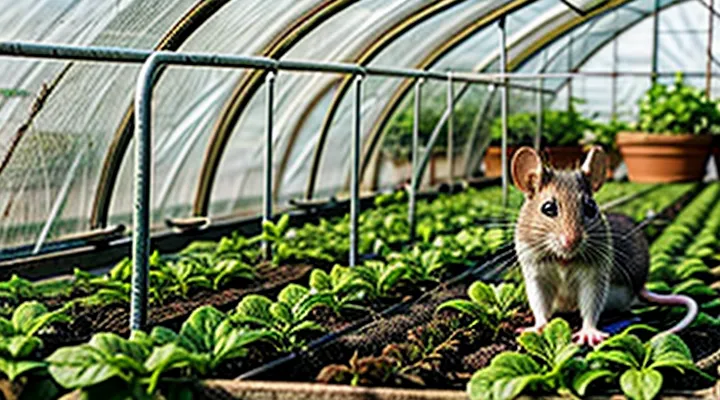
Understanding the Mouse Problem in Greenhouses
Why Mice are Attracted to Greenhouses
Food Sources in Greenhouses
Mice are drawn to any accessible nutrients within a greenhouse. Plant residues, spilled seed, and organic mulch provide high‑calorie material that sustains rodent populations. When these resources remain untreated, they create a reliable food supply that supports breeding and expansion.
- Fresh or decaying vegetable foliage
- Seed trays with residual grains
- Fruit or vegetable waste left on benches
- Compost piles containing kitchen scraps
- Mulch or peat moss that retains moisture and organic matter
- Insect bait or protein‑rich fertilizers
Effective control begins with eliminating these attractants. Store seeds, grains, and feed in sealed, rodent‑proof containers. Clean work surfaces after each harvest, removing all plant debris. Empty waste bins daily and position them away from the structure, using lids that close tightly. Cover compost stacks with wire mesh and maintain a dry surface to deter foraging. Replace loose organic media with sterilized substrates when possible, and keep irrigation runoff from pooling.
By removing nutritional incentives, the greenhouse becomes inhospitable to rodents, reducing the need for mechanical traps and chemical interventions. Consistent sanitation and secure storage form the foundation of a proactive mouse‑prevention program.
Shelter and Warmth
Mice are drawn to greenhouse structures because they offer consistent shelter and a stable, warm environment. The insulated walls, plastic coverings, and heat‑generating equipment create a refuge that protects rodents from external temperature fluctuations and predators.
To reduce this attraction, implement the following measures:
- Seal gaps around doors, vents, and utility penetrations with metal flashing or pressure‑rated caulk.
- Install weather‑stripping on entry points to eliminate drafts that signal a comfortable interior.
- Keep the greenhouse interior free of excess plant debris, compost, and stored feed, which provide additional nesting material.
- Elevate storage racks and planting tables at least 12 inches above the floor to prevent mice from accessing sheltered zones.
When traps are deployed, position them where mice are most likely to seek warmth:
- Adjacent to heating pipes or near thermostatically controlled fans.
- Along the perimeter of the structure, especially where insulation meets the foundation.
- Directly beneath elevated shelving, where rodents may travel between shelter and food sources.
Regular inspection of sealing materials and prompt repair of any new openings maintain the greenhouse’s defensive barrier against rodent habitation.
Water Availability
Water sources affect mouse activity in greenhouse environments. Moisture from leaks, standing water, and over‑irrigated beds provides hydration and shelter, encouraging rodents to enter and remain.
Limit water availability through targeted actions:
- Repair all pipe leaks and seal joints promptly.
- Install drip‑irrigation emitters with shut‑off valves to prevent excess runoff.
- Use raised beds or sloped flooring to direct water away from plant roots and structural components.
- Store watering equipment in sealed containers; keep lids tight and interiors dry.
Maintain low ambient humidity where feasible. Deploy dehumidifiers or increase ventilation to reduce condensation on walls and roofs. Regularly inspect and clean gutters, drip lines, and trays to eliminate hidden moisture pockets.
Integrate water management with trapping strategies. Position snap or live traps near residual damp areas, such as beneath leaky fixtures or along irrigation lines, to intercept rodents seeking hydration. Combine reduced water access with bait placement for maximal impact on population control.
Signs of Mouse Infestation
Droppings and Urine
Mice droppings and urine are reliable indicators of infestation and sources of disease within a greenhouse environment. Fresh droppings appear as small, dark, cylindrical pellets about 5‑7 mm long; older deposits turn gray and crumble easily. Urine stains manifest as yellowish spots on soil, plant leaves, and equipment, often accompanied by a faint ammonia odor.
Health risks stem from pathogens such as Salmonella and hantavirus, which can survive in dried feces for weeks. Contaminated surfaces may transfer bacteria to seedlings, reducing germination rates and compromising crop quality. Additionally, urine introduces excess nitrogen, potentially causing nutrient imbalances and leaf scorch.
Effective management requires immediate removal and disinfection:
- Wear disposable gloves and a mask; avoid direct contact with waste.
- Sweep or vacuum droppings into a sealable bag; discard in a sealed container for municipal hazardous waste.
- Soak urine‑stained areas with a 10 % bleach solution (1 part bleach to 9 parts water); allow a 10‑minute contact time.
- Rinse surfaces with clean water to prevent phytotoxicity; dry thoroughly before re‑planting.
- Apply an EPA‑registered rodent disinfectant to cracks, shelving, and drainage channels.
Prevention hinges on eliminating conditions that encourage excretion. Maintain low humidity, repair leaks, and store organic matter in sealed containers. Regular inspections—weekly visual checks of soil beds, benches, and irrigation lines—detect new deposits before populations expand. Integrating these practices with physical barriers and trapping reduces the likelihood that droppings and urine will persist, safeguarding plant health and greenhouse productivity.
Gnaw Marks and Damage
Mice leave distinctive gnaw marks on greenhouse structures, wiring, and plant supports. The bite pattern consists of clean, parallel cuts about 2‑3 mm deep, often found on wooden frames, PVC pipes, and plastic sleeves. Damage to irrigation tubing creates leaks that disrupt water distribution and promote fungal growth. Chewed electrical cables expose conductors, increasing the risk of short circuits and fire hazards. Seed trays and trellis nets show perforations that weaken plant support and lead to collapse under weight.
Identifying these signs enables timely intervention. Regular inspection of the following components reveals mouse activity:
- Wooden benches and shelving
- Plastic drip lines and tubing
- Electrical wiring and outlet covers
- Fabric netting, shade cloth, and seed trays
- Soil containers and seed bags
Each compromised item should be repaired or replaced before the infestation spreads. Reinforcing vulnerable areas with metal mesh or hardened sleeves reduces future bites. Prompt removal of damaged sections eliminates shelter opportunities, making the environment less attractive to rodents and improving the effectiveness of traps.
Nests and Runways
Mice establish nests in concealed locations such as seed trays, potting mix piles, and under plant supports. These sites provide warmth, food residues, and protection from predators. Inspect all bedding material, remove excess organic debris, and replace with clean, sterilized substrate. Seal gaps around ventilation openings, doors, and utility conduits to deny entry points for nest construction.
Runways appear as smooth, well‑worn pathways along the greenhouse floor, shelving edges, or between plant rows. Their presence indicates regular traffic and predicts future nesting zones. To disrupt runways, maintain a clean surface by sweeping daily, using disinfectant‑treated water on hard floors, and installing metal or plastic barriers that force rodents to travel over exposed areas where traps can be positioned effectively.
Key actions for managing nests and runways:
- Remove all plant waste and fallen leaves; dispose of them in sealed containers.
- Store seed bags and feed in airtight containers away from the greenhouse floor.
- Apply a thin layer of sand or fine gravel on high‑traffic zones to discourage smooth runway formation.
- Position snap traps or live‑capture devices along identified runways, ensuring placement perpendicular to the path for maximum contact.
- Conduct weekly visual checks for new nesting material and runway extensions; act immediately to eliminate any findings.
Consistent sanitation, structural sealing, and strategic trap placement reduce the likelihood of mice establishing permanent nests and using established runways, thereby protecting greenhouse crops from damage and contamination.
Prevention Strategies
Sealing Entry Points
Inspecting the Greenhouse Structure
Inspecting the greenhouse structure is the first step in preventing rodent intrusion. Begin with a systematic visual survey of all exterior surfaces. Identify any openings larger than a quarter‑inch, as mice can squeeze through gaps of this size. Pay particular attention to:
- Roof seams, ridge vents, and skylights; seal with metal flashing or weather‑resistant caulk.
- Wall panels, especially where they meet the foundation; fill cracks with expanding foam or concrete.
- Door frames and hinges; install tight‑closing hardware and weatherstripping.
- Ventilation screens and insect netting; repair tears and reinforce with fine mesh.
- Utility penetrations for pipes, cables, and irrigation lines; wrap with steel wool and seal with silicone.
After locating potential entry points, prioritize repairs that address the most accessible routes. Use durable, rodent‑proof materials such as stainless‑steel mesh, heavy‑duty hardware cloth, and rigid sealing compounds. Verify that all repairs remain intact after each weather cycle, as shifting structures can reopen gaps.
A secondary inspection focuses on interior conditions that attract mice. Examine flooring, benches, and shelving for signs of gnaw marks or droppings. Ensure that plant trays are not stacked directly against walls, creating concealed pathways. Remove debris and excess compost that can serve as shelter.
Document each inspection finding, assign a remediation deadline, and schedule quarterly re‑checks. Consistent structural assessment reduces the likelihood of mouse colonization and enhances the effectiveness of any trapping program subsequently deployed.
Using Wire Mesh and Sealants
Wire mesh serves as a physical barrier that blocks mouse entry while allowing airflow and light penetration. Install fine‑mesh screens (¼‑inch or smaller aperture) over all ventilation openings, fan inlets, and any removable panels. Secure the mesh with stainless‑steel staples or self‑drilling screws, tightening edges to eliminate gaps. For larger openings such as doors, attach hinged mesh curtains that close automatically when the door is shut, preventing rodents from exploiting the clearance.
Sealants complement mesh by closing structural weaknesses that mice can squeeze through. Apply a high‑quality, rodent‑resistant silicone or polyurethane caulk around pipe penetrations, conduit sleeves, and window frames. Use expanding foam sealant for irregular voids, but trim excess to maintain a smooth surface that rodents cannot grip. Inspect the greenhouse annually for new cracks caused by temperature fluctuations and reapply sealant promptly.
Key actions for effective implementation:
- Measure each opening, select mesh with apertures ≤ 0.25 in.
- Fasten mesh with corrosion‑resistant hardware; test for loose edges.
- Identify all seams, joints, and utility penetrations; clean surfaces before sealing.
- Apply sealant in continuous beads, press to fill gaps, smooth with a putty knife.
- Conduct a visual inspection after installation; reinforce any compromised sections immediately.
Combining tightly fitted wire screening with comprehensive sealing creates a robust exclusion system, reducing the likelihood of mouse intrusion and supporting long‑term greenhouse health.
Maintaining Greenhouse Cleanliness
Eliminating Food Sources
Removing food that attracts rodents is the most effective way to reduce mouse activity in a greenhouse. Store all seeds, grains, and commercial feeds in airtight containers made of metal or heavy‑wall plastic. Keep containers off the floor and away from walls to prevent easy access. Clean any spillage immediately; a damp cloth or vacuum eliminates crumbs and residue that would otherwise serve as a buffet.
- Seal compost bins with tight‑fitting lids; turn compost regularly to discourage burrowing.
- Dispose of plant waste in sealed bags and remove it from the greenhouse at least daily.
- Position watering systems to avoid drips that create moisture and mold, which can attract insects and, indirectly, mice.
- Inspect incoming deliveries for contaminating material and quarantine items before placing them in storage.
Regular inspection of shelving, benches, and equipment for hidden food remnants prevents re‑infestation. By eliminating every viable food source, the greenhouse becomes an inhospitable environment for mice, allowing other control measures to work more efficiently.
Proper Storage of Supplies
Proper storage of greenhouse supplies reduces the attractiveness of the environment to rodents. Food, seed packets, and organic debris left in open containers provide a reliable source of nutrition, encouraging mice to establish nests nearby. By sealing items in airtight containers and removing excess organic matter, the greenhouse becomes less inviting for pests.
Key practices for secure storage include:
- Use food‑grade plastic bins with lockable lids for all grains, pellets, and compost.
- Store seed packets in moisture‑proof bags inside the bins; label each bag with the purchase date.
- Keep tools and equipment on shelves that are elevated off the floor, away from walls where rodents can climb.
- Dispose of plant waste daily in sealed trash bags; transfer to an external composter regularly.
- Position storage units on smooth, metal surfaces that mice cannot gnaw through.
Implementing these measures creates physical barriers that limit rodent access while maintaining the integrity of supplies. Regular inspections of containers for cracks or worn seals allow prompt repairs, preventing small openings from becoming entry points. Consistent application of these protocols supports long‑term pest control without reliance on chemical deterrents.
Regular Waste Disposal
Regular waste disposal directly reduces food sources that attract rodents to greenhouse structures. Food scraps, plant debris, and contaminated growing media left on benches or in drainage channels provide nourishment for mice; prompt removal eliminates this incentive.
Implement a strict waste‑removal schedule. Empty collection containers at least once daily, preferably at the end of the work shift. Use bins with tight‑fitting lids to prevent entry. Position containers away from planting areas and seal them before transport to external disposal sites.
Maintain clean work surfaces. Sweep benches and walkways after each activity. Wipe spills of water, fertilizer solution, or organic matter immediately. Dispose of cleaning residues in sealed bags rather than leaving them on the floor.
Separate waste streams. Designate containers for general refuse, compostable material, and contaminated plant matter. Keep compost bins covered and aerated to discourage rodent nesting; turn compost regularly to accelerate decomposition and reduce odor.
Inspect waste areas regularly. Look for signs of gnawing, droppings, or burrows near bins. Replace damaged lids or repair compromised seals without delay.
Adopt these practices consistently to limit the availability of sustenance, thereby lowering the likelihood of mouse infestations in greenhouse environments.
Natural Deterrents
Peppermint Oil and Other Scents
Peppermint oil works as a natural repellent because its strong menthol scent overwhelms mouse olfactory receptors, causing discomfort and prompting avoidance of treated areas. Apply a few drops to cotton balls or small cloth pads and place them in corners, near entry points, and around plant benches. Replace pads every 3‑4 days to maintain potency, especially in warm, humid greenhouse conditions.
Other aromatic deterrents function similarly:
- Eucalyptus oil – strong, citrusy aroma; use 5‑10 drops per cotton pad.
- Clove oil – pungent, spicy scent; dilute 1 ml in 100 ml water, spray on surfaces.
- Citronella – fresh, lemon‑grass fragrance; apply as a spray or embed in granules.
Effectiveness depends on concentration, placement, and airflow. Scents evaporate quickly; therefore, combine with physical barriers such as sealed doors, mesh screens, and proper sanitation to reduce food sources. Regular cleaning of debris and spilled soil removes nesting material, enhancing the repellent’s impact.
Safety considerations:
- Avoid direct contact with plant foliage that may be sensitive to essential oils; test on a small leaf area first.
- Use gloves when handling concentrated oils to prevent skin irritation.
- Ensure adequate ventilation to prevent buildup of strong odors that could affect workers.
Integrating scented repellents with snap traps, live‑catch cages, and structural exclusion creates a layered defense, reducing mouse presence more reliably than any single method.
Introducing Natural Predators
Introducing natural predators offers a biologically based method to reduce mouse populations in greenhouse environments. Predatory species such as barn owls, kestrels, and domestic cats can be encouraged through habitat enhancements. Installing owl nesting boxes on the greenhouse roof, providing perches for raptors, and allowing controlled cat access create direct hunting pressure on rodents.
Beneficial insects contribute indirectly by disrupting mouse food sources. Predatory beetles and ground‑dwelling spiders thrive in mulch layers enriched with organic matter; their presence limits seed consumption and reduces shelter availability for mice. Adding a thin layer of leaf litter and maintaining a diverse groundcover of low‑growth herbs encourages these arthropods.
Microbial agents function as unseen allies. Entomopathogenic nematodes, applied to soil and compost, target rodent larvae and reduce breeding success. Regular dosing according to manufacturer guidelines sustains nematode populations without harming crops.
Implementing the following steps maximizes predator effectiveness:
- Install at least two wooden owl boxes, spaced 10–15 ft apart, and monitor occupancy weekly.
- Place 4–6 perches at varying heights to attract kestrels and other raptors.
- Allow a single, well‑trained cat limited indoor/outdoor access, ensuring it does not stress plant material.
- Distribute a 1‑inch layer of leaf litter and plant groundcover species such as clover and thyme to support beetles and spiders.
- Apply nematode solution to soil once per month during cooler periods to maintain viability.
By integrating these predator‑focused strategies, greenhouse operators can achieve continuous, self‑regulating mouse control while preserving the ecological balance essential for healthy plant production.
Greenhouse Design Considerations
Elevated Structures
Elevated growing platforms reduce mouse access by limiting direct contact with soil and plant material. By raising beds several inches above the greenhouse floor, rodents must climb or jump to reach crops, which most species avoid unless forced.
Key design features for raised systems:
- Minimum height of 6‑8 inches; taller structures increase the effort required for rodents to ascend.
- Smooth, non‑porous surfaces on legs and supports; metal or PVC eliminate footholds.
- Secure, removable trays that can be inspected regularly for gnaw marks or droppings.
- Integrated barriers such as metal mesh or fine wire around the base of each platform to block climbing.
Maintenance practices complement structural defenses. Regularly clean debris from underneath platforms, seal gaps around irrigation lines, and inspect support brackets for signs of chewing. When combined with proper sanitation and trapping strategies, elevated structures create a physical obstacle that significantly lowers mouse intrusion rates in greenhouse environments.
Hardscaping Around the Perimeter
Hardscaping the greenhouse perimeter creates a solid, impermeable barrier that blocks mouse access. Concrete footings, brick walls, or metal edging should be installed directly against the foundation, extending at least six inches below ground level to prevent burrowing. All joints must be sealed with mortar or high‑grade silicone to eliminate cracks that rodents can exploit.
- Apply a smooth, non‑porous surface such as cured concrete or sealed stone to the base of the wall; mice cannot grip rough edges.
- Install metal flashing at the junction of the wall and floor, overlapping by several inches to direct water away and discourage nesting.
- Use pressure‑treated timber or metal posts at regular intervals to support a continuous perimeter fence; spacing no greater than 12 inches prevents rodents from squeezing through.
- Fit removable trap stations within the hardscape, positioning them against the wall where mice travel, allowing easy access for monitoring and bait replacement.
Regular inspection of the hardscape is required. Check for erosion, mortar loss, or displaced flashing after heavy rain or irrigation cycles. Prompt repair of any damage restores the barrier’s integrity and maintains the effectiveness of adjacent trapping systems. By integrating a robust perimeter hardscape with routine maintenance, greenhouse operators reduce mouse intrusion without relying on chemical controls.
Trapping and Elimination Methods
Types of Traps
Snap Traps
Snap traps provide rapid, mechanical removal of rodents that infiltrate greenhouse structures. Their simplicity eliminates the need for chemicals, preserving plant health and preventing contamination of irrigation systems.
Key factors when selecting snap traps for greenhouse use:
- Sturdy spring mechanism capable of delivering a decisive strike on 6‑to‑8‑ounce mice.
- Enclosed trigger chamber to protect beneficial insects and staff from accidental contact.
- Size compatible with limited planting aisles and bench spaces.
Effective placement maximizes capture rates while minimizing disruption to horticultural activities:
- Identify mouse pathways: along baseboards, near water sources, and beside seed trays.
- Position traps perpendicular to the wall, with the trigger end facing the expected direction of travel.
- Space traps 1–2 feet apart in high‑traffic zones; increase density near entry points such as vents and doors.
- Anchor traps to the floor or bench using non‑slip pads to prevent movement caused by irrigation splashes.
Maintenance routine:
- Inspect traps daily; remove captured rodents promptly to avoid odor buildup.
- Reset the spring after each catch, ensuring the trigger is fully engaged before reuse.
- Replace worn springs or damaged chambers every 4–6 weeks to sustain lethality.
Safety considerations:
- Wear gloves when handling captured specimens to reduce disease exposure.
- Store unused traps out of reach of children and non‑target wildlife.
- Dispose of dead rodents in sealed containers, following local biohazard regulations.
Integrating snap traps with complementary strategies—such as sealing structural gaps, managing vegetation around the greenhouse perimeter, and employing natural predators—creates a comprehensive barrier that limits mouse populations without compromising plant production.
Live-Catch Traps
Live‑catch traps are devices that capture mice without killing them, allowing growers to remove rodents from a greenhouse and release them elsewhere. The traps consist of a compartment with a one‑way door that closes when a mouse enters, preventing escape while keeping the animal alive.
These traps provide a humane alternative to poisons, eliminate the risk of contaminating crops, and enable precise monitoring of infestation levels. Because the captured mice remain alive, growers can relocate them to a suitable environment far from the greenhouse, reducing the chance of re‑infestation.
When selecting live‑catch traps for greenhouse use, consider the following criteria:
- Size large enough to accommodate adult mice (minimum interior dimensions 4 × 4 × 6 in).
- Durable construction resistant to humidity and temperature fluctuations.
- Sensitive trigger mechanism that activates with minimal weight (≈ 5 g).
- Secure latch that locks the door automatically and cannot be opened by the animal.
Proper placement maximises capture rates:
- Position traps along walls where mice prefer to travel.
- Install near known food sources, such as seed trays or watering systems.
- Set traps in dark, concealed corners to match rodents’ natural hiding behavior.
- Space traps 1–2 m apart along established runways; adjust density according to infestation severity.
Check traps at least once daily. Remove captured mice promptly, wearing gloves to prevent bites. Clean each trap with mild detergent and rinse thoroughly before reuse. Release mice at a minimum distance of 5 km from the greenhouse, preferably in a wooded or field area where shelter and food are available.
Integrating live‑catch traps with broader exclusion strategies strengthens control efforts. Seal cracks, gaps, and vents; install door sweeps; and maintain a clean environment to eliminate attractants. Regular monitoring of trap captures provides data for adjusting placement and assessing the effectiveness of preventive measures.
Electronic Traps
Electronic traps use a high‑voltage shock to kill rodents instantly, providing a non‑chemical option for greenhouse pest control. The devices consist of a sensor that detects a mouse’s presence and an insulated plate that delivers a lethal pulse when the animal contacts the circuit.
Key benefits include:
- Immediate mortality eliminates the need for repeated handling.
- No bait required, reducing contamination of plants and soil.
- Reusable design lowers long‑term costs compared to disposable snap traps.
- Minimal noise and odor, preserving the greenhouse environment.
Effective deployment demands strategic placement. Position traps along established travel routes such as wall edges, pipe conduits, and near entry points. Mount units at a height of 2–4 inches above the floor to align with mouse movement. Ensure each trap is anchored securely to prevent displacement by airflow or irrigation equipment.
Maintenance procedures are straightforward. After a capture, disconnect power, remove the carcass, and clean the contact surface with a mild detergent. Replace the battery or verify the power supply weekly, especially during periods of high humidity that can affect electrical performance. Inspect wiring for corrosion and confirm that protective covers remain intact.
Safety considerations are critical. Use only traps certified for indoor agricultural use. Install grounding plugs to avoid electrical hazards for staff. Keep traps out of reach of children and non‑target animals, employing lockable enclosures if necessary.
Integration with broader pest‑management tactics enhances results. Combine electronic traps with exclusion measures—seal cracks, install door sweeps, and manage vegetation around the greenhouse perimeter. Regular monitoring of trap captures provides data on infestation levels, informing adjustments to trap density and placement.
By selecting reliable models, positioning them along mouse pathways, and adhering to routine upkeep, electronic traps become a decisive component of a comprehensive strategy to keep greenhouse rodent populations under control.
Strategic Trap Placement
Identifying Mouse Hotspots
Mice congregate where food, water, shelter, and warmth intersect. The first indication of a hotspot is the presence of fresh droppings, typically 3‑5 mm long, darkened at the tips. Gnaw marks on wooden frames, plastic tubing, or irrigation hoses signal active foraging. Nesting material—shredded paper, fabric fibers, or dried plant matter—accumulates near concealed spaces such as seed trays, potting benches, or the underside of shelving. Visible tracks in dust, sand, or soil, especially radiating from a single point, reveal preferred pathways.
Environmental conditions that attract rodents include:
- Consistently moist zones near drip lines or misting systems.
- Areas where organic debris or spilled seed is left unattended.
- Gaps in structural panels, vent openings, or damaged screens that provide entry.
- Warm microclimates created by heat lamps or solar gain through greenhouse glazing.
A systematic inspection protocol improves hotspot detection. Divide the greenhouse into manageable sections and examine each for the signs listed above. Record observations on a simple grid to visualize concentration patterns. Deploy non‑lethal tracking powder along suspected routes; footprints become visible after a few hours, confirming activity. Motion‑activated cameras positioned at entry points capture nocturnal movement without disturbing the environment.
By correlating droppings, gnaw damage, nesting material, and track evidence with moisture sources, food residues, and structural breaches, growers can pinpoint the exact locations where mice are most active. Targeted placement of traps or exclusion measures at these identified hotspots maximizes control efficacy while minimizing unnecessary disruption to plant production.
Optimal Spacing and Quantity
Effective rodent control in greenhouse structures depends on precise trap placement and appropriate trap density. Position traps at intervals that intersect the most likely pathways, typically along walls, near shelving units, and adjacent to water sources. A spacing of 3 to 5 feet between traps prevents mice from traveling long distances without encountering a device, reducing the chance of evasion.
- One trap per 25 sq ft of floor area for small‑scale operations (under 2,000 sq ft).
- One trap per 40 sq ft for medium facilities (2,000–5,000 sq ft).
- One trap per 60 sq ft for large commercial greenhouses (over 5,000 sq ft).
Adjust quantities upward if the greenhouse contains dense planting racks, high moisture zones, or recent evidence of infestation. Deploy additional traps at entry points such as doors, ventilation openings, and utility shafts, ensuring at least two devices per access route.
Consistent monitoring of trap catches informs adjustments. Increase density in hotspots where capture rates exceed 10 percent of deployed traps within a 24‑hour period. Conversely, reduce numbers in zones with negligible activity to avoid unnecessary interference with plant handling. Maintaining the recommended spacing and quantity optimizes detection, limits population growth, and supports a sustainable, mouse‑free environment.
Baiting Techniques
Effective Baits for Mice
Effective baits attract mice quickly, minimize non‑target exposure, and remain stable under greenhouse conditions. Choose formulations that combine strong olfactory cues with a palatable matrix.
- Peanut butter mixed with powdered soy protein provides a high‑fat, high‑protein scent that mice cannot ignore. Apply a pea‑sized amount on a snap‑type trap or a bait station.
- Grain‑based blends, such as cracked corn blended with wheat germ, work well when moisture levels are moderate. Moisture‑resistant containers prevent spoilage.
- Commercial rodent blocks containing diphacinone or bromadiolone deliver a slow‑acting anticoagulant. Place blocks in tamper‑proof stations away from seedlings to avoid accidental contact.
- Aromatic oils, particularly peppermint or spearmint, enhance attraction when added to a fatty base. Use no more than a few drops per bait to avoid repelling rodents.
Placement strategy influences success. Position baits along established runways, near plant supports, and at the junction of soil and shelving. Secure bait stations at a height of 6–12 inches above the growing medium, where mice typically travel.
Safety considerations include:
- Seal bait stations to exclude beneficial insects and pollinators.
- Label each station with the active ingredient and expiration date.
- Rotate bait types weekly to prevent habituation.
- Remove and replace baits after two weeks or when moisture compromises integrity.
Environmental impact is reduced by selecting biodegradable carriers and limiting the quantity of anticoagulant to the minimum effective dose. Regular monitoring of bait consumption and trap captures validates efficacy and guides adjustments.
Safe Handling of Baits
Safe handling of rodent baits in a greenhouse requires strict adherence to protective measures, correct placement, and proper disposal to avoid hazards to workers, plants, and non‑target organisms.
First, store baits in sealed, labeled containers that resist moisture and temperature fluctuations. Keep them in a locked area separate from seed trays, irrigation systems, and compost piles. Labels must include active ingredient, concentration, expiration date, and hazard symbols.
When preparing bait stations, wear disposable gloves, a mask, and eye protection. Apply the bait only with a dedicated scoop or spatula; never use hands or tools that also handle edible produce. Place stations at least 30 cm away from plant foliage, irrigation lines, and drainage channels to prevent accidental contact with crops.
Position bait stations along mouse pathways—near walls, under benches, and close to entry points. Secure each station to the substrate or frame to prevent displacement by wind or watering equipment. Use tamper‑resistant designs that allow only rodents to access the bait.
Monitor stations daily. Replace depleted or contaminated baits promptly. Record the date, location, and amount of bait used for each station to maintain traceability.
Dispose of unused or expired bait according to local hazardous waste regulations. Do not discard in regular trash or compost. After removal, clean the area with a mild detergent and rinse thoroughly to eliminate residue.
Keep children, pets, and non‑target wildlife out of baited zones. Install physical barriers or signage where necessary. If accidental exposure occurs, follow the material safety data sheet instructions and seek medical assistance immediately.
By following these protocols, greenhouse operators can minimize risk while maintaining effective rodent control.
Chemical Control (as a Last Resort)
Rodenticides: Risks and Precautions
Rodenticides are chemical agents used to control mouse populations in greenhouse environments. Their effectiveness relies on proper selection, application, and monitoring to avoid unintended damage to crops, beneficial insects, and personnel.
Risks
- Toxicity to non‑target organisms, including pollinators, predators, and humans.
- Residue accumulation on soil and plant surfaces, potentially entering the food chain.
- Development of resistance when the same product is used repeatedly.
- Legal liability for improper storage, labeling, or disposal.
Precautions
- Choose products specifically labeled for greenhouse use and compatible with cultivated species.
- Apply bait stations that restrict access to mice, preventing contact by workers and wildlife.
- Position stations away from irrigation lines, seed trays, and harvesting zones to limit contamination.
- Follow label instructions for dosage, placement density, and re‑application intervals.
- Wear appropriate personal protective equipment (gloves, goggles, respiratory protection) during handling.
- Maintain records of product type, batch number, and application dates to trace any adverse events.
- Implement integrated pest management (IPM) practices—sanitation, exclusion, and biological control—to reduce reliance on chemicals.
Regular inspection of bait stations and prompt removal of dead rodents prevent secondary poisoning and maintain a clean production area. Compliance with local regulations and safety standards ensures that rodenticides contribute to mouse control without compromising greenhouse health or product safety.
Professional Pest Control Services
Professional pest control firms specialize in diagnosing and eradicating rodent infestations within greenhouse environments. Their expertise includes assessing structural vulnerabilities, identifying entry points, and recommending targeted preventive measures that complement existing cultivation practices.
Key components of a professional service:
- Comprehensive inspection of walls, doors, vents, and irrigation systems to locate gaps that allow mouse ingress.
- Installation of durable exclusion barriers such as steel mesh, weather‑stripping, and sealed utility penetrations.
- Deployment of calibrated trapping systems—mechanical snap traps, live‑capture cages, and bait stations—positioned according to activity patterns observed during the inspection.
- Ongoing monitoring reports that document trap counts, bait consumption, and any new signs of activity, enabling timely adjustments.
Contractors also provide integrated pest management (IPM) plans that balance chemical control with non‑toxic options, ensuring compliance with agricultural regulations and minimizing impact on crops. Regular service contracts typically include quarterly re‑inspections, trap maintenance, and updates to exclusion strategies as greenhouse layouts evolve.
By engaging a qualified pest control provider, greenhouse operators secure a systematic, evidence‑based approach to mouse management, reducing crop loss, protecting equipment, and maintaining a sanitary production environment.