
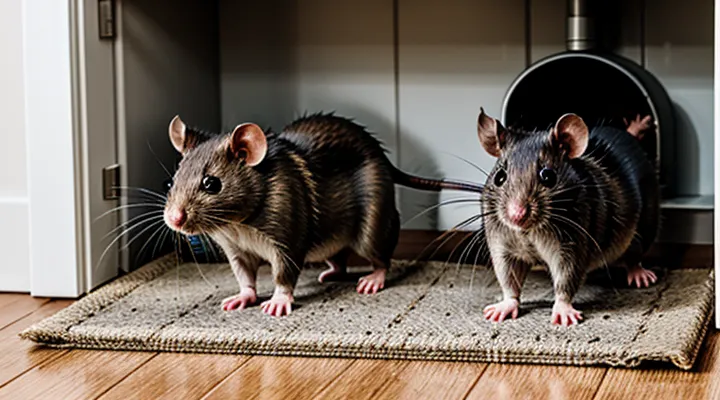
Understanding the Rat Problem
Identifying Rat Infestation Signs
Droppings and Urine Trails
Rat droppings and urine trails provide the most reliable evidence of infestation. Fresh droppings appear as small, dark, rice‑shaped pellets, typically 0.3–0.5 inches long. Accumulations near food storage, behind appliances, or within wall voids indicate active foraging. Urine stains manifest as yellowish discolorations on porous surfaces; the odor intensifies when moisture evaporates, signaling recent activity.
Health hazards stem from pathogens carried in rodent waste. Salmonella, Leptospira, and hantavirus can survive for weeks in dried droppings and urine. Direct contact or aerosolization during cleaning poses a serious infection risk. Protective equipment—gloves, N‑95 respirator, and disposable clothing—is mandatory before any removal procedure.
Effective sanitation follows a three‑step protocol:
- Saturate droppings and urine‑soaked areas with a disinfectant solution (e.g., 1 % bleach or EPA‑approved rodent‑kill product). Allow a 10‑minute dwell time to inactivate pathogens.
- Scrape or vacuum contaminated material using a HEPA‑filtered device; seal waste in a double‑layered plastic bag.
- Rinse the cleaned surface with water, then apply a secondary disinfectant spray. Allow complete drying before restoring food items.
Documenting the location and concentration of waste trails helps map travel routes, nest sites, and entry points. Targeted trapping and exclusion measures become more efficient when based on this evidence, ultimately reducing the likelihood of reinfestation.
Gnaw Marks and Damage
Rats leave distinctive gnaw marks that reveal infestation severity and guide control measures. Fresh bite edges appear smooth, light‑colored, and may show a fresh smell; older marks darken, become rough, and may be covered with urine stains. Inspect walls, baseboards, cabinetry, and wiring for these signs. Record locations to prioritize treatment zones.
Typical damage includes:
- Structural wood weakened by repeated chewing, compromising load‑bearing elements.
- Electrical insulation stripped, creating fire hazards.
- Plastic piping punctured, leading to leaks and water loss.
- Food containers breached, contaminating supplies.
- Insulation shredded, reducing thermal efficiency.
When gnaw marks are found, seal entry points before applying traps or bait. Use steel wool, copper mesh, or cement to block holes larger than a quarter inch. Replace compromised wiring and repair or replace damaged wood to eliminate shelters and prevent re‑infestation. Install rodent‑proof containers and keep food storage sealed to reduce attractants.
Regular monitoring of gnawed surfaces detects new activity early. Schedule monthly visual checks, focusing on previously damaged areas. Prompt repair and exclusion reinforce eradication efforts and protect property integrity.
Unusual Noises
Unusual noises often provide the first reliable indication of a rodent intrusion. Scratching sounds behind walls, high‑pitched squeaks in attic spaces, and rapid scurrying in ceiling voids occur most frequently when rats are active during night hours. These acoustic cues differ from typical household sounds because they are irregular, localized, and accompanied by intermittent pauses that correspond to the animal’s movement patterns.
Identifying the source of each noise streamlines the elimination process. Begin by tracing the sound to a specific wall, floor, or roof section; use a flashlight and a handheld listening device if necessary. Once the area is pinpointed, inspect for gnaw marks, droppings, or shredded insulation that confirm rat presence. Documentation of findings supports targeted intervention and prevents unnecessary treatment of unaffected zones.
Effective removal strategies focus on disrupting the rats’ habitat and limiting access points. Recommended actions include:
- Sealing all openings larger than ¼ inch with steel wool and caulk.
- Installing snap traps or electronic devices directly in the identified activity zone.
- Deploying bait stations only where evidence of infestation exists, avoiding indiscriminate placement.
- Monitoring traps daily and recording capture rates to assess progress.
Continual observation of acoustic activity after intervention verifies success. A noticeable decline in scratching and squeaking, coupled with an absence of new droppings, signals that the infestation is under control. Persistent noises after several days warrant reevaluation of sealed entry points and possible relocation of traps to secondary locations.
Sightings of Live or Dead Rats
Observing a live rat or finding a carcass provides the first reliable indication that an infestation exists. The presence of a rodent confirms that shelter, food, or water sources are accessible within the dwelling, and it signals the need for immediate intervention.
Live sightings reveal active movement patterns. Note the time of day, location (kitchen, attic, basement), and any visible entry points such as gaps around pipes or cracks in walls. Photographs or video recordings create a reference for professional pest‑control assessments and help track the spread of activity.
Dead rats serve as evidence of past activity and may attract scavengers or cause health hazards. Collect carcasses promptly, using gloves and sealed containers, then dispose of them according to local regulations. Clean the area with a disinfectant to eliminate pathogens and lingering odors that could draw other rodents.
Effective response after a sighting includes:
- Seal identified entry points with steel wool, caulk, or hardware cloth.
- Remove food sources: store pantry items in airtight containers, clean crumbs, and fix leaking fixtures.
- Set appropriate traps or bait stations near the recorded locations, following manufacturer instructions.
- Monitor traps daily, record captures, and adjust placement based on new observations.
- Schedule a professional inspection if sightings persist after three weeks of consistent control measures.
Documenting each encounter creates a timeline that guides escalation decisions and validates the effectiveness of control actions.
Common Entry Points for Rats
Cracks in Foundations
Rats enter homes primarily through gaps that connect the interior to the soil. Cracks in a building’s foundation create continuous pathways for rodents, allowing them to travel from the yard into living spaces. Identifying these openings early reduces the likelihood of infestation and limits the need for extensive trapping measures.
Inspection should focus on the perimeter of the foundation, including basement walls, crawl‑space floors, and any exposed concrete. Look for hairline fissures, widened joints, and areas where mortar has deteriorated. Document each opening and prioritize repairs based on size and proximity to known rodent activity.
Effective sealing involves the following steps:
- Clean the crack surface to remove dust, debris, and loose material.
- Apply a moisture‑resistant filler, such as hydraulic cement, to the deepest part of the crack.
- Pack a flexible sealant, like polyurethane spray foam, over the filler to accommodate slight movement.
- Finish with a weather‑proof coating or concrete patch to restore structural integrity.
Regular maintenance of the foundation, combined with prompt repair of identified cracks, removes a critical access point for rats and supports long‑term pest control in residential properties.
Gaps Around Pipes
Gaps surrounding plumbing fixtures provide unobstructed routes for rodents to infiltrate a residence. Even openings as small as a quarter‑inch permit entry, allowing rats to travel along walls, crawl spaces, and utility chases.
Identify these vulnerabilities by conducting a systematic visual survey. Begin at the exterior foundation, follow each pipe from the street‑side connection to interior fixtures, and note any cracks, holes, or misaligned collars. Use a flashlight and a flexible inspection mirror to examine concealed sections behind appliances and inside crawl spaces. Record each defect for prioritization.
Seal identified gaps with durable, rodent‑resistant materials. Recommended solutions include:
- Stainless‑steel mesh (¼‑inch wire) wrapped around pipe shafts, secured with stainless‑steel screws.
- Expanding polyurethane foam formulated for pest control, applied in thin layers to avoid over‑expansion that could crack surrounding surfaces.
- Cement‑based mortar or hydraulic cement for larger voids, pressed firmly to create a solid barrier.
- Metal or PVC pipe sleeves fitted tightly over existing pipes, sealed at both ends with silicone sealant rated for exterior use.
After sealing, verify integrity by probing each joint with a thin rod or awl; any resistance indicates a successful closure. Re‑inspect quarterly, especially after severe weather or building renovations, to detect new fissures caused by settlement or thermal movement.
Maintain a clear perimeter around all pipe entries. Keep vegetation trimmed at least twelve inches from the house, and remove stored debris that could conceal fresh openings. Regularly replace worn sealants and inspect for signs of gnawing, such as fresh chew marks or droppings, to ensure the barrier remains effective.
Damaged Vents and Screens
Damaged vents and screens create direct pathways for rats to infiltrate a residence. Openings as small as a quarter‑inch allow rodents to slip through, bypass the interior barriers, and establish nests near food sources.
Inspect each vent and screen regularly.
- Remove the vent cover and examine the frame for rust, cracks, or missing sections.
- Check the mesh for tears, gaps, or loose fastening.
- Look for gnaw marks around the edges, indicating recent activity.
- Verify that the surrounding wall or roof material is intact; rot or corrosion can enlarge the entry point.
Repair or replace compromised components promptly.
- Use metal flashing or stainless‑steel mesh rated for rodent resistance to patch holes.
- Secure all fasteners with corrosion‑resistant screws; apply sealant around edges to eliminate gaps.
- For severely corroded vents, install new vent units that include built‑in rodent guards.
- Attach reinforced screens with fine‑mesh (¼‑inch) material, ensuring a tight fit without slack.
Maintain the integrity of vents and screens after installation.
- Schedule quarterly visual checks, especially after severe weather.
- Clean debris that can conceal damage and provide nesting material.
- Reapply sealant or caulk where movement or temperature changes cause shrinkage.
- Keep surrounding vegetation trimmed to reduce shelter for rats near vent openings.
By eliminating these structural vulnerabilities, the home’s overall resistance to rat intrusion improves markedly, supporting any broader rodent‑control measures.
Open Doors and Windows
Opening doors and windows creates a direct pathway for rodents to enter and exit a dwelling. Secure all exterior openings that are not in use; keep doors fitted with tight‑closing mechanisms and install door sweeps to block gaps beneath. When windows are opened, ensure screens are intact and mesh‑covered; replace torn screens immediately.
A controlled ventilation strategy reduces indoor humidity, making the environment less attractive to rats. Use window openings only during daylight hours and close them at night when rat activity peaks.
When setting traps, position them near points where doors or windows are opened frequently. Place bait on the interior side of doorways and on window sills to intercept rodents moving between the outside and inside.
Regular inspection of door frames and window casings should include:
- Checking for gnaw marks or chew damage.
- Verifying that weatherstripping remains intact.
- Ensuring hinges function smoothly without gaps.
- Confirming that locks engage fully.
By maintaining sealed yet functional access points, homeowners limit rat ingress while preserving necessary airflow and egress for occupants.
Prevention Strategies
Sealing Entry Points
Using Steel Wool and Caulk
Steel wool and caulk form a reliable physical barrier that blocks rats from entering structural openings. The combination exploits the animal’s inability to chew through tightly packed metal fibers and the airtight seal created by cured silicone or acrylic caulk.
Steel wool’s dense, interwoven filaments resist gnawing, cause discomfort when rats attempt to bite, and remain effective even in concealed spaces such as pipe sleeves, vent openings, and wall gaps. The material tolerates moisture, does not degrade quickly, and can be easily packed into irregular cavities.
Caulk serves two purposes: it locks steel wool in place and eliminates residual voids that could be exploited after the wool is installed. Once the steel wool is packed, a generous bead of caulk is applied over the entry point, smoothing it to create a seamless seal that cures into a durable, rodent‑proof membrane.
Application steps
- Identify all potential entry points—holes around pipes, gaps under doors, and cracks in foundations.
- Clean each opening to remove debris, insulation, or loose material that could prevent a tight fit.
- Push a sufficient length of steel wool into the cavity until it fills the space completely, ensuring no open channels remain.
- Apply caulk over the packed wool, covering the entire perimeter of the opening.
- Smooth the caulk with a finger or tool, then allow it to cure according to the manufacturer’s instructions (typically 24 hours for full strength).
- Inspect the sealed areas periodically; reapply steel wool and caulk if any movement or deterioration is observed.
When used correctly, steel wool and caulk provide a low‑maintenance, cost‑effective solution that denies rats access to interior spaces, reducing the need for chemical baits or traps. The method integrates seamlessly with broader rodent‑control strategies, reinforcing structural defenses without introducing toxic substances.
Repairing Damaged Structures
Rats exploit gaps, gnawed wood, and compromised insulation; restoring these elements eliminates entry points and prevents re‑infestation.
First, conduct a thorough inspection of walls, floors, ceilings, and utility penetrations. Identify all openings larger than a quarter‑inch, locate chewed material, and document areas where structural integrity is weakened.
Next, execute repairs in the following order:
- Fill holes in exterior siding, foundation, and roof with steel‑wool or copper mesh, then seal with cement or rodent‑proof caulk.
- Replace gnawed joists, studs, or rafters with pressure‑treated lumber sized to meet building codes.
- Repair damaged insulation by removing contaminated sections and installing new, fire‑rated insulation, then seal seams with appropriate tape.
- Secure utility entries (pipes, vents, cables) using metal flashing or conduit sleeves, ensuring a tight fit around each penetration.
Finally, verify that all repaired surfaces are smooth, free of gaps, and properly painted or finished to match surrounding materials. Regularly inspect these areas to confirm that repairs remain intact and that no new damage appears. This systematic approach restores structural soundness while denying rats any access to the interior of the house.
Food Storage and Sanitation
Storing Food in Airtight Containers
Storing food in airtight containers eliminates access points that attract rodents, thereby supporting any rat‑control program in a residence. By sealing all edibles, you remove the scent trails and visual cues that rats use to locate meals, reducing the likelihood of repeated visits.
Choose containers made of heavy‑wall plastic, glass, or metal with locking lids. Ensure the seal compresses evenly around the rim; a silicone gasket or snap‑fit mechanism provides the most reliable barrier. Avoid thin‑walled jars or loosely fitting covers, as they allow odors to escape.
Implement the following practices:
- Transfer all pantry items, including cereals, grains, nuts, and pet food, to sealed containers immediately after purchase.
- Label each container with the purchase date and rotate stock to use older products first.
- Inspect lids regularly for cracks or wear; replace compromised containers without delay.
- Store containers on shelves rather than the floor to deter rats from climbing and gnawing.
Maintain a clean storage area by wiping down shelves with a mild disinfectant after each restocking. Remove spills promptly; even small crumbs can draw rats. By consistently applying these measures, you create an environment where food is inaccessible, reinforcing broader efforts to eradicate rats from the home.
Regular Cleaning and Waste Disposal
Regular cleaning eliminates food residues and nesting material that attract rodents, reducing the likelihood of infestation. Removing crumbs, spilled liquids, and pet food after each meal deprives rats of easy nourishment and discourages them from establishing pathways inside the house.
Effective waste disposal requires sealed containers, frequent removal of trash, and proper handling of compost. Use bins with tight-fitting lids, empty them at least once a week, and store outdoor dumpsters away from entry points. Compost should be kept in enclosed units and turned regularly to prevent odor buildup that draws rats.
Practical steps:
- Sweep and mop floors daily, focusing on kitchens and dining areas.
- Wipe countertops, cabinets, and appliance surfaces after food preparation.
- Store dry goods in airtight containers; avoid leaving open bags or boxes.
- Clean pet feeding stations each night and keep water dishes covered when not in use.
- Collect garbage in bins with secure lids; relocate bins to a non‑accessible area.
- Schedule weekly trash pickup and inspect bins for damage or cracks.
Consistent implementation of these measures removes primary food sources and shelter, making the home environment inhospitable to rats and supporting broader pest‑control efforts.
Yard Maintenance
Trimming Vegetation
Trimming vegetation around a residence reduces shelter and travel routes for rats, forcing them to seek alternative pathways that are easier to monitor and block. Dense shrubs, overgrown vines, and tall grass create continuous cover from the exterior to the foundation, allowing rodents to move undetected.
Maintain a clear perimeter of at least three feet between plants and the house. Cut back foliage to a height of six inches or lower, removing any branches that touch the roof, walls, or windows. Dispose of clippings in sealed containers or burn them to prevent rats from scavenging the debris.
Key actions:
- Prune shrubs weekly during growing season; keep shape compact.
- Trim vines away from eaves and gutters; eliminate attachment points.
- Mow lawn to a maximum height of two inches; clear edges along the foundation.
- Remove piles of leaves, mulch, or compost that sit directly against the building; store them on raised platforms or in metal bins.
- Inspect regularly for new growth that may reconnect rodents to the structure; address immediately.
By eliminating vegetative cover, the property presents fewer hiding places, making traps and exclusion methods more effective and simplifying ongoing surveillance.
Removing Debris and Clutter
Rats thrive in environments cluttered with waste, cardboard, and unused items that provide hiding places and food sources. Eliminating such material reduces shelter opportunities and forces rodents to seek alternative habitats, thereby supporting any broader rat‑control effort in a residence.
Debris creates micro‑habitats where rats can nest, store food, and travel unnoticed. Accumulated paper, fabric, and broken furniture retain moisture and scent, both of which attract foraging rodents. Removing these elements disrupts the conditions that sustain an infestation.
- Collect all cardboard boxes, paper piles, and fabric scraps; dispose of them in sealed containers.
- Disassemble and discard broken furniture, wood pallets, and other structural debris.
- Store remaining items in sealed, elevated storage units to prevent ground contact.
- Sweep floors, vacuum corners, and vacuum upholstery to extract hidden particles.
- Empty trash bins daily, line them with tight‑fitting lids, and keep them away from walls.
Regular upkeep prevents re‑accumulation. Schedule weekly inspections of storage areas, maintain a clear perimeter around the home’s foundation, and promptly address spills or food residues. Consistent removal of clutter sustains an environment that discourages rat activity and enhances the effectiveness of any additional control measures.
Effective Rat Removal Methods
Trapping Techniques
Snap Traps: Placement and Baiting
Snap traps provide immediate, lethal control of rats when positioned correctly and baited with an attractive lure.
Effective placement follows three principles: proximity to activity, secure anchoring, and unobstructed access. Place traps along walls, behind appliances, in attics, and near known gnaw marks. Position each trap with the trigger end facing the wall, because rats travel close to surfaces. Install traps on a flat, stable surface; use a sturdy base or a stack of wood to keep the mechanism level. Space traps 1–2 feet apart in high‑traffic zones; increase density in heavily infested areas.
Bait selection influences capture rates. Use high‑protein, high‑fat foods that rats cannot easily reject. Recommended baits include:
- Peanut butter (a small dab on the trigger)
- Hard‑boiled egg, halved
- Small pieces of cooked meat or fish
- Cheese, firm varieties only
- Commercial rodent attractants designed for snap traps
Apply bait sparingly; excess material may allow the rat to eat without triggering the spring. Secure bait to the trigger plate with a thin layer of adhesive if necessary, ensuring the rat must apply pressure to the plate to obtain the food.
Safety considerations: wear thick gloves when handling traps to avoid accidental discharge. Position traps out of reach of children and non‑target pets; use protective covers or place traps in enclosed areas when possible. After a capture, dispose of the dead rat in a sealed bag and reset the trap with fresh bait.
Regular inspection, at least twice daily, ensures traps remain functional and bait stays fresh. Replace any malfunctioning traps promptly to maintain consistent pressure on the rodent population.
Live Traps: Ethical Considerations
Live traps provide a non‑lethal alternative for rodent control, allowing capture without immediate killing. Ethical assessment begins with the trap’s design; smooth interiors, appropriate size, and quick‑closing mechanisms prevent injury and reduce stress for the captured animal.
Humane handling requires prompt inspection, typically within an hour of setting the device. Delayed checks increase dehydration, heat exposure, and trauma. Once captured, the animal should be released promptly in a location that offers shelter, food sources, and no immediate threats from predators or traffic.
Compliance with local wildlife statutes is mandatory. Many jurisdictions prohibit the release of captured rodents within a certain radius of residential areas to prevent re‑infestation. Verify distance requirements and any permits needed before deployment.
Release sites must meet ecological criteria: natural vegetation, absence of domestic pets, and minimal human activity. The chosen environment should support the rat’s survival without encouraging population growth that could affect neighboring properties.
Routine trap maintenance preserves effectiveness and ethical standards. Clean interiors after each use, replace worn components, and disinfect to prevent disease transmission between captured animals and household members.
Key ethical considerations:
- Animal welfare: design, inspection frequency, and release conditions.
- Legal adherence: local regulations on capture and relocation.
- Environmental impact: selection of release sites that do not create new infestations.
- Sanitation: regular cleaning to avoid contamination.
Electronic Traps: Safety and Efficacy
Electronic traps deliver a rapid, humane shock to rodents, making them a practical option for residential rat control. Devices operate on a low‑voltage battery or mains power, detecting a rodent’s presence through infrared or pressure sensors and releasing an instantaneous electrical pulse that quickly terminates the animal.
Safety considerations
- Install traps away from high‑traffic areas to prevent accidental contact by children or pets.
- Choose models with insulated housing and a safety switch that disables the circuit when the trap is opened for disposal.
- Verify that the power source matches local electrical standards; use battery‑operated units in locations without reliable outlets.
- Follow manufacturer instructions for grounding and placement on non‑conductive surfaces to avoid unintended current paths.
Efficacy factors
- Sensors trigger only when a rodent’s weight or body temperature exceeds a calibrated threshold, reducing false activations.
- Electrical discharge delivers a voltage of 3,000–5,000 V at a current below 5 mA, sufficient to cause immediate cardiac arrest in rats while minimizing damage to surrounding materials.
- Field studies report kill rates of 90 % or higher after a single exposure, with effectiveness maintained across varying temperatures and humidity levels.
- Traps can be reused after each discharge, providing cost efficiency compared with disposable snap or poison devices.
When integrated into a comprehensive pest‑management plan—combined with exclusion techniques and sanitation—electronic traps offer a reliable, low‑risk solution for eliminating rats from a home environment.
Baits and Lures
Commercial Baits: Types and Risks
Commercial rodent control programs frequently rely on bait products designed for professional use. These formulations deliver a lethal dose to rats while allowing placement in concealed stations that minimize human contact.
-
Anticoagulant baits
• First‑generation (warfarin‑based) – low potency, rapid resistance development.
• Second‑generation (bromadiolone, difethialone) – high potency, single‑feed lethal action. -
Non‑anticoagulant baits
• Bromethalin – neurotoxic, effective against anticoagulant‑resistant populations.
• Zinc phosphide – releases phosphine gas in the stomach, suitable for outdoor use.
• Cholecalciferol (vitamin D₃) – hypercalcemia induction, limited resistance risk. -
Attractant‑enhanced stations – incorporate grain, peanut, or fruit scents to increase uptake; often combined with the active ingredients listed above.
Risks associated with commercial baits include toxicity to pets, wildlife, and children; development of bait aversion or genetic resistance; regulatory violations when labeling or application instructions are ignored; and secondary poisoning of predators that consume poisoned rats. Improper placement can also lead to bait theft or accidental ingestion.
Mitigation strategies require tamper‑resistant bait stations, strict adherence to label dosage and placement guidelines, regular monitoring of bait consumption, and rotation of active ingredients to prevent resistance. Documentation of application dates and locations supports compliance with local pest‑control regulations and facilitates effective follow‑up actions.
Natural Lures: Peanut Butter, Cheese
Peanut butter and cheese serve as effective natural attractants when setting traps for rodent control. Their strong aromas stimulate a rat’s sense of smell, increasing the likelihood of contact with the device.
- Apply a pea‑sized amount of peanut butter to the trigger mechanism; the sticky texture prevents premature removal.
- Place a thin slice of cheese on the bait platform; select a pungent variety such as cheddar for maximum appeal.
- Position traps along walls, behind appliances, and near known runways; rats prefer concealed routes.
- Replace bait daily to maintain freshness and scent potency.
- Keep bait away from children and pets by using sealed trap stations or bait boxes.
Peanut butter’s high fat content sustains interest longer than sugary alternatives, while cheese provides a protein source that complements the scent profile. Combining both lures in a single trap can attract hesitant individuals by offering varied olfactory cues. Monitor trap activity for several nights; adjust placement if captures are low, focusing on areas with fresh droppings or gnaw marks.
Rodenticides: When and How to Use
Understanding Different Formulations
Understanding the various formulations used to eliminate rats from a residence is essential for selecting the most effective and safest solution.
Formulations fall into several distinct groups:
- Anticoagulant baits – second‑generation compounds (brodifacoum, difethialone) that disrupt blood clotting; require multiple doses for lethal effect.
- Non‑anticoagulant baits – bromethalin and zinc phosphide, acting on the nervous system or producing toxic gas; provide rapid mortality with a single dose.
- Gel and block rodenticides – concentrated paste or solid blocks designed for placement in concealed areas; allow precise targeting of active pathways.
- Mechanical traps – snap, electronic, and live‑catch devices; deliver immediate physical removal without chemical exposure.
- Repellents – ultrasonic emitters and scent‑based formulations (peppermint oil, predator urine); deter entry but do not eradicate existing infestations.
- Biological agents – pathogens such as Yersinia pestis–based products, restricted to professional use; offer targeted control where resistance to chemicals is documented.
Selection criteria must address:
- Toxicity profile – prioritize low human and pet risk for indoor environments; choose products with limited secondary poisoning potential.
- Resistance patterns – avoid anticoagulants in areas with documented resistance; opt for alternative modes of action.
- Application method – ensure placement feasibility within walls, attics, and crawl spaces; prefer gel or block for tight voids, baits for open pathways.
- Regulatory compliance – verify that the formulation meets local pesticide registration requirements and labeling instructions.
Implementing the appropriate formulation, based on infestation severity and environmental constraints, maximizes eradication efficiency while minimizing health hazards.
Safety Precautions for Pets and Children
When eliminating rodents from a residence, protect vulnerable family members by isolating them from traps, poisons, and contaminated areas. Keep children and pets out of rooms where bait stations are placed, and close doors to blocked zones until the operation finishes.
Use non‑toxic bait alternatives, such as sealed containers that prevent accidental ingestion. If chemical rodenticides are unavoidable, store them in locked cabinets, out of reach of anyone who might handle them inadvertently.
Select trapping devices that do not rely on spring mechanisms or snap action. Live‑capture cages, when checked frequently, reduce the risk of injury to curious animals or children who might explore the trap.
Maintain a clean environment to discourage rodent activity without resorting to hazardous substances:
- Remove food scraps and unsecured garbage daily.
- Store pet food in sealed containers and feed only in supervised areas.
- Repair gaps in walls, floors, and vents to block entry points.
Monitor the home after treatment. Observe pets for signs of distress, such as vomiting, lethargy, or abnormal behavior, and seek veterinary assistance immediately if symptoms appear. Ensure children understand that any device or bait is off‑limits and supervise them closely during the removal process.
Proper Placement and Disposal
Proper placement of control devices determines the success of any rat‑removal effort. Position traps and bait stations where activity is highest, away from human traffic, and close to entry points. Avoid locations that expose pets or children to hazardous materials.
- Identify signs of activity (droppings, gnaw marks, grease trails).
- Place snap traps or electronic devices perpendicular to walls, with the trigger end facing the wall.
- Set bait stations at least 12 inches from food preparation areas and 6 inches from walls to intercept traveling rodents.
- Use multiple devices in a line across known pathways; spacing of 2–3 feet maximizes coverage.
- Replace or rebait devices after each capture to maintain effectiveness.
Disposal of captured rodents must prevent disease transmission and secondary infestations. Handle each specimen with disposable gloves, seal it in a plastic bag, and place the bag in an outdoor trash container with a tight‑fitting lid. For larger quantities, contact a licensed wildlife removal service that offers regulated carcass disposal. Clean and disinfect all surfaces that have contacted traps or rodents using a solution of 1 part bleach to 9 parts water, allowing a minimum of 10 minutes of contact time before rinsing. Record disposal dates and methods to maintain compliance with local health regulations.
Post-Removal Cleanup and Disinfection
Safely Removing Dead Rats
Protective Gear and Handling
When dealing with rodent infestations, direct contact with rats and their droppings poses health risks. Wearing suitable protective equipment reduces exposure to pathogens such as hantavirus, leptospirosis, and salmonella.
- Thick, disposable gloves (nitrile or latex) prevent skin contact with urine, feces, and saliva.
- Respiratory protection (N95 or higher) filters airborne particles released during cleaning or trap placement.
- Safety goggles or face shields guard eyes from splashes and dust.
- Disposable coveralls or old clothing protect clothing and skin; seal seams with tape if needed.
- Slip‑resistant boots reduce the chance of falls when navigating cluttered areas.
Handling procedures should follow a consistent protocol. Begin by ventilating the affected space for at least 15 minutes, then disinfect surfaces with a EPA‑approved rodent‑borne disease sanitizer. Position traps or bait stations while wearing gloves and a mask; avoid direct handling of the devices. After capture, place the rodent in a sealable container, double‑bag it, and dispose of it according to local regulations. Clean and disinfect all equipment before removal, then remove and discard protective gear without touching the contaminated exterior. Wash hands thoroughly with soap and water even after glove removal.
Maintain a clean environment to discourage re‑infestation. Seal entry points, store food in airtight containers, and regularly empty trash. Regular inspection of traps and replacement of protective gear ensure ongoing safety throughout the eradication process.
Cleaning Contaminated Areas
Disinfectants and Procedures
After a rodent infestation, thorough disinfection prevents disease transmission and deters future activity. Select products that inactivate viruses, bacteria, and parasites commonly associated with rats.
- Sodium hypochlorite (5‑6 % bleach) diluted 1:10 with water.
- Quaternary ammonium compounds formulated for indoor use.
- Hydrogen peroxide at 3 % concentration, optionally combined with a surfactant.
Safety measures protect occupants and applicators:
- Open windows and doors to ensure airflow.
- Wear disposable gloves, goggles, and an N‑95 respirator.
- Keep children and pets out of the treated area.
Procedural steps:
- Remove visible debris, gnaw marks, and contaminated food items.
- Sweep or vacuum droppings and nesting material; discard in sealed bags.
- Dampen surfaces with water to reduce aerosolization of particles.
- Apply chosen disinfectant evenly across floors, walls, countertops, and entry points.
- Observe manufacturer‑specified contact time (typically 5–10 minutes).
- Rinse surfaces with clean water if the product label advises.
- Allow the area to dry completely before re‑occupying.
Document the disinfectant batch number, application date, and personnel involved for future reference. Regular monitoring of cleaned zones confirms effectiveness and identifies any residual contamination.
Preventing Re-infestation
Ongoing Monitoring
Ongoing monitoring ensures that rat activity does not resume after initial control actions. It provides data for adjusting strategies, confirming the effectiveness of traps, baits, and exclusion work, and detecting new entry points before an infestation reestablishes.
Implement a systematic observation schedule. Inspect each potential entry zone weekly for the first month, then bi‑weekly for the next two months, and monthly thereafter. During each visit, record:
- Fresh gnaw marks or droppings
- Chewed wiring, insulation, or food containers
- Trap or bait station activity (captures, bait consumption)
- Signs of new burrows or nesting material
Use visual aids such as motion‑activated cameras or infrared scanners in concealed areas to capture nocturnal movements without disturbing the environment. Replace or reposition devices based on observed patterns, focusing on high‑traffic corridors and hidden junctions.
Maintain a log that timestamps observations, locations, and corrective actions taken. Cross‑reference entries with seasonal trends to anticipate periods of increased rodent activity. When the log shows a sustained decline in evidence over three consecutive inspections, consider the monitoring phase complete, but retain a quarterly check to verify long‑term stability.
Continuous monitoring transforms a one‑time removal effort into a proactive maintenance program, safeguarding the home against future rat incursions.
Addressing Attractants
Eliminating the factors that draw rats into a residence is a prerequisite for any successful eradication effort. Without removing these incentives, traps and poisons provide only temporary relief.
Common rat attractants include:
- Unsecured food items, pet food, or garbage
- Standing water or leaky pipes
- Cluttered storage areas, especially cardboard, insulation, or fabric
- Exterior debris such as leaf piles, firewood, or overgrown vegetation
- Open entry points around doors, windows, vents, and utility openings
Address each attractant directly:
- Store all food in sealed containers; clean countertops and floors after meals; use metal or heavy‑duty plastic bins for trash, and empty them daily.
- Repair leaks, dry wet spots, and ensure proper drainage in kitchens, bathrooms, and basements.
- Reduce clutter by discarding unnecessary items, organizing storage on shelves, and sealing cardboard in plastic bags before disposal.
- Keep the yard tidy: trim vegetation away from the house, stack firewood off the ground, and remove leaf accumulation.
- Inspect the building envelope regularly; seal gaps with steel wool, caulk, or metal flashing, and install door sweeps on exterior doors.
After modifications, monitor the environment for signs of activity. Reassess attractant control weekly for the first month, then monthly, to prevent re‑infestation. Consistent maintenance of these measures sustains a rat‑free home.