
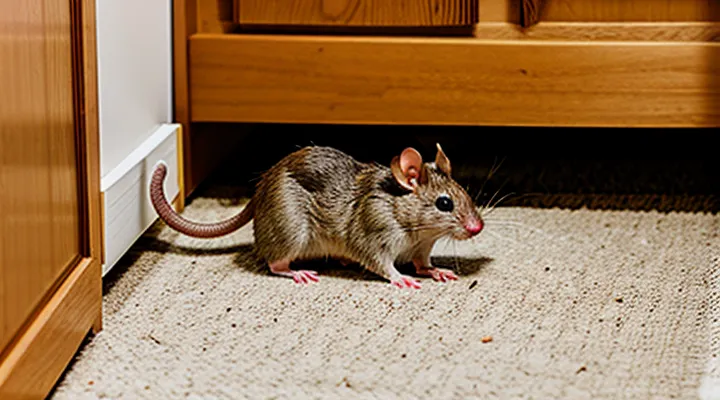
Understanding the Rodent Problem
Identifying Signs of Infestation
Droppings and Urine Trails
Droppings and urine trails are primary indicators of rodent activity in a residential unit. Their presence confirms infestation, guides placement of control measures, and poses health hazards that require immediate remediation.
Identifying characteristics:
- Dark, pellet‑shaped feces, ¼ to ½ inch long, found near food sources, along walls, or in hidden corners.
- Shiny, amber‑colored urine stains on surfaces, especially on wood, fabric, or tile; may appear as faint rings or wet spots.
- Strong, musky odor intensifies in confined spaces and after prolonged activity.
Health implications:
- Feces contain hantavirus, leptospira, and salmonella, capable of aerosolizing when disturbed.
- Urine carries bacterial pathogens and can trigger allergic reactions or asthma attacks.
- Contact with contaminated materials may cause skin irritation or gastrointestinal distress.
Effective cleaning protocol:
- Wear disposable gloves, N‑95 respirator, and eye protection.
- Ventilate the area for at least 15 minutes before starting.
- Wet the droppings and urine with a disinfectant solution (minimum 10% bleach) to prevent aerosolization.
- Scrape solid waste into a sealed bag; absorb liquid stains with disposable towels.
- Apply the bleach solution to the affected surface, allowing a 10‑minute dwell time.
- Rinse with clean water, then dry thoroughly.
- Dispose of all contaminated materials in a sealed, labeled container; follow local hazardous waste regulations.
After cleaning, monitor for fresh deposits. Continuous detection of new droppings or urine trails indicates that control devices (traps, bait stations) are either improperly placed or ineffective, prompting relocation or escalation of treatment. Maintaining a clean environment eliminates food sources, reduces rodent attraction, and supports long‑term eradication efforts.
Gnaw Marks and Damage
Rats and mice leave distinctive gnaw marks on wood, plastic, electrical wiring, and food packaging. These bite patterns are typically V‑shaped, with the point indicating the direction of entry. Identifying the material and location of each mark helps pinpoint active pathways and nesting sites.
Common damage includes:
- Severed wires that can cause short circuits or fire hazards.
- Compromised structural components, such as floor joists and wall studs, leading to weakened support.
- Punctured food containers, resulting in contamination and rapid spoilage.
- Scratched or chewed insulation, reducing thermal efficiency and increasing utility costs.
When gnaw marks appear, follow these steps:
- Seal the entry point with steel wool, copper mesh, or cement‑based filler; rodents cannot chew through these materials.
- Replace any damaged wiring after turning off the circuit and inspecting for exposed conductors.
- Repair or replace chewed structural elements, ensuring all joints are tight and free of gaps.
- Discard contaminated food and store remaining supplies in sealed, rodent‑proof containers.
- Set traps or bait stations near the identified pathways, monitoring daily for activity.
Documenting each gnaw mark and the associated repair provides a clear record of infestation severity and guides future prevention measures. Continuous inspection of vulnerable areas reduces the likelihood of renewed damage and supports long‑term rodent control.
Strange Noises and Odors
Rats and mice produce distinct sounds that travel through walls, ceilings, and floorboards. Scratching, scurrying, or squeaking during quiet nighttime hours often indicates movement within concealed spaces such as insulation, behind cabinets, or inside pipe voids. Identifying the exact location requires listening for the direction of the noise, then inspecting nearby gaps, vent openings, and utility shafts for entry points.
Unusual odors accompany rodent activity. A sharp, ammonia‑like smell suggests urine accumulation, while a greasy, musky scent points to droppings and nesting material. Persistent odors that linger after cleaning usually mean hidden deposits remain, providing a food source and encouraging further infestation.
To address noises and odors effectively, follow these steps:
- Conduct a thorough visual inspection of walls, under appliances, and in storage areas for droppings, gnaw marks, or shredded material.
- Seal all openings larger than ¼ inch with steel wool, metal mesh, or expanding foam to prevent re‑entry.
- Deploy snap traps or electronic bait stations near identified activity zones; position devices against walls where rodents travel.
- Apply an enzymatic cleaner to surfaces contaminated by urine or feces; the solution neutralizes odor molecules and removes lingering scent trails.
- Install motion‑activated ultrasonic emitters in rooms where noise is most audible; these devices disrupt rodent communication without harming occupants.
If noises persist after these measures, consider professional inspection. Experts can locate concealed nests within structural cavities and apply targeted baiting or exclusion techniques that eliminate the source of both sound and smell.
Sightings
Rats and mice are most often detected through direct sightings, which provide the earliest reliable indication of an infestation. A visual encounter confirms activity and allows immediate assessment of the severity and location of the problem.
Typical sighting locations include kitchen cabinets, behind appliances, inside wall voids, and in utility rooms. These areas offer shelter, food sources, and easy access to the building’s structural gaps. Observations near baseboards, under sinks, and in ceiling corners are especially common because they conceal movement and nesting material.
Key signs accompanying a sighting help differentiate between occasional intruders and established colonies:
- Fresh droppings, dark and rodent-shaped, near food packages or along travel routes.
- Gnaw marks on wiring, wood, or packaging, indicating ongoing feeding behavior.
- Chewed or shredded paper, insulation, and fabric found near the sighting point.
- Odor of urine or musky scent, especially in enclosed spaces.
When a sighting occurs, follow these steps to contain and eradicate the rodents:
- Record the exact location, time, and number of individuals observed.
- Seal all entry points within a 24‑hour window using steel wool, caulk, or metal flashing.
- Set appropriate traps or bait stations directly in the sighting area, positioning them along walls and near known pathways.
- Remove potential food sources by storing items in airtight containers and cleaning spills promptly.
- Monitor traps daily, documenting captures and adjusting placement as needed.
Documenting each sighting creates a clear timeline that guides targeted control measures and prevents re‑infestation. Prompt response based on these observations reduces the likelihood of damage and health risks associated with rodent activity.
Understanding Rodent Behavior
Why Rodents are Attracted to Apartments
Rats and mice are drawn to apartments because the environment offers abundant resources and protection.
Food residues left on countertops, in garbage cans, or behind appliances provide a constant supply of calories. Even small crumbs or pet food left uncovered become a reliable meal source, allowing rodents to sustain large populations without venturing far from the building.
Structural features create ideal shelter. Gaps around pipes, vents, and electrical wiring allow easy entry, while wall voids, crawl spaces, and ceiling insulation offer hidden nesting sites. The compact layout of apartments limits predator access and reduces exposure to outdoor hazards.
Water availability further encourages infestation. Leaky faucets, condensation on pipes, and moisture‑rich basements supply the hydration rodents need. Persistent dampness also softens building materials, facilitating gnawing and burrowing.
Clutter and disorganized storage increase concealment opportunities. Stacks of boxes, piles of clothing, and unorganized pantry items generate dark, undisturbed zones where rodents can hide, breed, and store food without detection.
Proximity to neighboring units amplifies risk. Open doors, shared hallways, and communal laundry rooms create pathways for rodents to migrate between apartments, spreading infestations throughout the building.
These factors—readily accessible food, secure nesting spaces, reliable water sources, abundant hiding places, and interconnected building design—collectively make apartments highly attractive to rats and mice. Addressing each element is essential for preventing and controlling rodent presence.
Common Entry Points
Rodents enter apartments through the smallest openings; identifying these pathways is essential for successful control.
- Gaps around plumbing and electrical pipes, especially where they pass through walls or floors.
- Cracks in foundation walls, basement slabs, or exterior brickwork.
- Unsealed openings behind or beneath appliances such as refrigerators, dishwashers, and washing machines.
- Spaces around door frames, especially where weather‑stripping is missing or damaged.
- Unscreened vents, dryer exhaust ducts, and attic access points.
- Openings around windows, particularly where screens are torn or frames are warped.
- Holes in exterior siding, soffits, or eaves that expose interior cavities.
Each of these points provides a route for rats and mice to infiltrate living spaces. Sealing them with steel wool, caulk, concrete, or metal mesh eliminates access and reduces the likelihood of infestation. Regular inspection of these areas, especially after renovations or seasonal changes, maintains a barrier against rodent intrusion.
Rodent Breeding Habits
Rodent breeding habits determine how quickly an infestation can develop in a residential unit. Understanding these patterns enables precise timing of control actions and prevents population surges.
- Female rats reach sexual maturity at 5‑6 weeks; mice mature slightly earlier, around 4 weeks.
- Gestation lasts 21‑23 days for rats, 19‑21 days for mice.
- A single rat litter contains 6‑12 offspring; a mouse litter averages 5‑7.
- Females can produce a new litter every 4‑5 days after the first, resulting in multiple litters per year.
- Breeding peaks in spring and autumn when temperature and food availability rise.
- Nests are built in concealed locations: wall voids, insulation, stored boxes, and behind appliances.
- Access to water and readily available food accelerates reproductive rates.
These facts dictate effective eradication tactics. Seal cracks and gaps before the breeding season to block entry points. Eliminate food residue and standing water to disrupt nutrition. Deploy snap traps or bait stations during the early gestation window, when juveniles are most vulnerable. Conduct regular inspections of typical nesting sites and remove debris that could serve as shelter. By aligning interventions with the rodents’ reproductive cycle, an apartment can be cleared before the population expands beyond manageable levels.
Prevention: Sealing Your Apartment Against Rodents
Sealing Entry Points
Inspecting Walls and Foundations
Inspecting the structural envelope of a flat is essential for locating entry points and nesting sites used by rats and mice. A thorough examination reveals gaps, cracks, and damage that allow rodents to infiltrate living spaces.
Begin with interior walls. Remove outlet covers and trim to expose hidden cavities. Look for gnaw marks, droppings, and urine stains along baseboards, corners, and behind appliances. Use a flashlight to scan for small openings; any gap larger than ¼ inch should be recorded. Check for loose or missing plaster, especially in older constructions, as these areas often hide burrows.
Next, assess the building’s foundation and lower perimeter. Inspect the exterior wall‑to‑ground junction for cracks, holes, or deteriorated sealant. Verify that utility penetrations—pipes, cables, and vents—are sealed with steel wool or metal mesh. Examine the crawl space or basement for accumulated debris, water damage, or nesting material. Ensure drainage systems direct water away from the foundation to prevent moisture that attracts rodents.
Key inspection points:
- Gaps around windows, doors, and sliding panels
- Openings around plumbing, electrical conduits, and HVAC ducts
- Cracks in concrete, brick, or mortar at the foundation line
- Damaged or missing weatherstripping and door sweeps
- Signs of rodent activity: gnaw marks, droppings, urine trails
Document each defect and prioritize repairs based on size, location, and evidence of use. Prompt sealing of identified openings reduces the likelihood of re‑infestation and supports any subsequent control measures.
Sealing Cracks and Holes
Sealing cracks and holes eliminates the entry points that rodents use to access an apartment. Identify all potential openings, including gaps around pipes, vents, window frames, baseboards, and utility penetrations. Use a flashlight and a mirror to inspect concealed areas such as behind appliances and under cabinets.
Apply appropriate materials to each opening:
- Expandable foam for gaps larger than ¼ inch; trim excess after curing.
- Steel wool or copper mesh for small holes, then cover with caulk to prevent gnawing.
- Cement‑based sealant for cracks in masonry or concrete walls.
- Silicone or acrylic caulk for gaps around windows and doors; smooth the surface to ensure a tight seal.
After sealing, re‑examine the perimeter to confirm that no new openings have appeared. Regularly inspect high‑traffic zones, especially after renovations or moving furniture, to maintain a barrier against future infestations.
Protecting Vents and Pipes
Rats and mice frequently exploit unsealed vents and exposed pipework to enter an apartment. Once inside, they can travel through wall cavities, reach food storage, and cause structural damage. Securing these pathways removes a primary route of invasion.
- Install metal mesh or hardware cloth (¼‑inch or smaller openings) over all vent openings. Attach the material with stainless‑steel screws to prevent rust and ensure a tight fit.
- Apply a continuous strip of steel wool around pipe penetrations, then seal with low‑odor silicone caulk. The combination blocks rodents while allowing airflow.
- Replace damaged vent covers with reinforced models that include built‑in screens. Verify that latch mechanisms close fully.
- Wrap exposed pipe sections with rigid pipe insulation, then cover seams with foil‑tape. This eliminates gaps that rodents can gnaw through.
Regular inspection is essential. Check for signs of chewing, droppings, or displaced screens at least monthly. Promptly repair any compromised seal to maintain a barrier against future infestations.
Addressing Gaps Around Doors and Windows
Sealing openings around doors and windows eliminates the primary entry points that rodents use to invade an apartment. Inspect each frame for cracks, gaps, and deteriorated weatherstripping. Replace worn seals and install tight-fitting door sweeps to block the space between the threshold and the floor. Apply steel wool or copper mesh to larger holes before covering them with expanding foam or caulk, because rodents cannot gnaw through metal. Verify that window screens are intact; repair tears with fine mesh or replace the screen entirely. For sliding doors, ensure the track is free of debris and that the bottom seal contacts the floor evenly.
- Check all exterior door frames for gaps larger than ¼ in.
- Install or upgrade door sweeps with a minimum ½‑in. overlap.
- Fill cracks with steel wool, then apply rodent‑resistant sealant.
- Repair or replace damaged window screens.
- Use weather‑resistant caulk around window casings and sill joints.
- Inspect sliding door tracks; add a brush seal if a gap remains.
Regularly revisit these points after seasonal changes or after moving furniture that may uncover hidden spaces. Maintaining a continuous barrier prevents rats and mice from re‑entering, reducing the need for chemical controls and trapping measures.
Eliminating Food and Water Sources
Proper Food Storage
Proper food storage eliminates the primary attraction for rodents in an apartment. When food is sealed, inaccessible, and regularly inspected, rats and mice lose the incentive to enter living spaces, reducing the likelihood of infestation.
- Store dry goods in containers with tight‑closing lids made of metal or heavy‑wall plastic.
- Keep perishable items in the refrigerator or freezer; discard expired products promptly.
- Place pet food in sealed containers and remove leftovers after each meal.
- Use airtight trash cans with foot‑operated lids; empty them daily.
Maintain a clean environment around storage areas. Wipe up crumbs and spills immediately, sweep beneath appliances, and vacuum regularly to remove food particles. Inspect containers for cracks or damage weekly and replace compromised seals. By consistently applying these practices, the apartment becomes inhospitable to rats and mice, supporting long‑term rodent control.
Regular Cleaning and Sanitation
Regular cleaning removes food residues that attract rodents. Sweep floors daily, wipe countertops after each meal, and vacuum carpets weekly to eliminate crumbs and droppings. Store dry goods in airtight containers; discard opened packages promptly.
Maintain sanitation in waste areas. Use trash cans with tight‑fitting lids, empty them at least once a day, and keep the bin exterior clean. Clean pet feeding stations after each use and keep water dishes topped up with fresh water.
Sanitize hidden spaces where rodents may hide. Disinfect under appliances, behind furniture, and inside cabinets with a diluted bleach solution (1 part bleach to 10 parts water). Allow surfaces to dry completely before replacing items.
Implement a routine schedule:
- Morning: wipe kitchen surfaces, empty trash, clean pet dishes.
- Afternoon: sweep and mop floors, inspect for spills.
- Evening: vacuum rugs, disinfect high‑traffic areas, check for food crumbs.
- Weekly: deep clean cabinets, appliances, and behind furniture; replace trash can liners.
Consistent adherence to these practices deprives rats and mice of sustenance and nesting material, making the apartment environment hostile to infestation.
Managing Pet Food
Proper handling of pet food reduces the attraction of rats and mice to an apartment. Food left uncovered or stored improperly provides a reliable source of nutrition for rodents, encouraging them to establish nests and remain in the space.
Store dry kibble in airtight containers made of metal or heavy‑wall plastic. Labels should indicate the date of purchase and the recommended usage period; discard expired product promptly. When feeding wet food, place portions on a plate and remove leftovers within 15–20 minutes. Clean the feeding area with a disinfectant after each meal to eliminate residue.
Maintain a strict feeding schedule. Offer small, regular portions rather than large, infrequent meals. This limits the amount of food that can spill onto the floor and be accessible to pests.
Implement the following routine:
- Keep pet bowls on a mat that can be washed or replaced daily.
- Sweep or vacuum the floor around feeding zones after each feeding.
- Seal trash bags tightly and empty the bin before it becomes full.
- Position pet food storage away from walls, cabinets, and cracks where rodents could hide.
Monitor for signs of rodent activity, such as droppings or gnaw marks near the pet feeding area. Immediate cleaning and reinforcement of storage measures prevent a minor issue from escalating into an infestation.
Fixing Leaks and Standing Water
Eliminating moisture sources directly reduces the attractiveness of an apartment to rats and mice. Leaking pipes, dripping faucets, and accumulated puddles provide the water rodents need for survival and create conditions that soften building materials, making it easier for them to gnaw and create nests.
Identify and repair all water‑related defects:
- Inspect under sinks, behind appliances, and around the bathroom for drips.
- Test the integrity of pipe joints and seals; replace corroded sections.
- Ensure toilet tanks and flush mechanisms do not leak continuously.
- Verify that dishwasher and washing‑machine hoses are tight and free of cracks.
Remove standing water promptly:
- Wipe up spills on floors, countertops, and countertops immediately.
- Use a dehumidifier in damp areas such as basements or laundry rooms.
- Keep bathroom and kitchen floors dry after cleaning or cooking.
- Empty pet water dishes and replace with fresh water daily; avoid leaving water trays unattended.
Regular maintenance prevents rodents from establishing a reliable water supply, thereby limiting their ability to thrive and reproduce within the living space.
Reducing Hiding Places
Decluttering and Organization
Clutter creates hiding places, nesting material, and food access for rats and mice, making an apartment vulnerable to infestation. Removing unnecessary items eliminates shelter and reduces the likelihood of rodent colonization.
- Clear floor space: sweep, vacuum, and discard debris, cardboard boxes, and unused furniture.
- Store food in sealed containers; eliminate crumbs and spills immediately.
- Empty trash cans daily; use lids that close tightly.
- Organize storage areas: keep items off the floor, use shelving, and label boxes for easy identification.
- Seal gaps in walls, cabinets, and around pipes before rearranging items.
Consistent organization prevents re‑accumulation of attractants. Adopt a routine that includes weekly inspection of hidden zones—under appliances, behind furniture, and inside closets—to detect droppings or gnaw marks early. Replace worn seals on doors and windows, and keep ventilation grates free of dust.
A scheduled maintenance plan—monthly deep‑cleaning of kitchens and bathrooms, quarterly inventory of stored goods, and semi‑annual checks of structural seals—maintains a hostile environment for rodents and supports long‑term pest‑free living.
Managing Outdoor Areas
Proper maintenance of the building’s exterior is essential for preventing rats and mice from entering an apartment. Rodents locate shelter, food, and water outside before seeking indoor access, so eliminating these attractions reduces the likelihood of infestation.
Inspect the perimeter regularly. Look for gaps larger than one‑quarter inch in siding, foundation, and utility openings. Repair cracks with cement, metal flashing, or expanding foam. Ensure that doors and windows close tightly and that weather stripping remains intact.
Control vegetation that offers cover. Trim bushes, shrubs, and tree branches so they do not touch the building. Keep grass at a low height and remove leaf litter, compost piles, and debris that could serve as nesting material.
Manage waste to deny food sources. Store garbage in sealed containers with tight‑fitting lids. Position dumpsters away from the building and clean them frequently. Avoid leaving pet food outdoors overnight.
Implement physical barriers to block rodent pathways. Install metal mesh (¼‑inch or smaller) over ventilation openings, drains, and crawl spaces. Use door sweeps on all exterior doors. Apply a continuous bead of silicone caulk around pipe penetrations.
- Seal all exterior cracks and gaps
- Trim vegetation to create a clear zone around the structure
- Store waste in airtight containers and keep collection areas clean
- Install metal mesh and door sweeps on potential entry points
Consistent application of these measures limits outdoor resources that attract rodents, thereby decreasing pressure on the interior environment and supporting long‑term pest control.
Extermination Methods: Removing Rodents
Non-Toxic and Humane Approaches
Live Traps
Live traps provide a humane alternative for eliminating rodents from a residential unit. The device consists of a cage with a one‑way entry door; once an animal enters to reach bait, the door closes and the creature remains alive inside.
Key advantages include:
- No poison exposure for occupants or pets.
- Ability to release captured rodents far from the building.
- Immediate visual confirmation of capture, allowing prompt action.
When selecting a trap, consider size, durability, and ease of cleaning. Models with a hinged front door simplify release, while stainless‑steel construction resists rust in humid environments. Choose a trap rated for the target species; mouse traps are smaller than those designed for rats.
Effective placement follows a logical pattern:
- Identify high‑traffic zones by observing droppings, gnaw marks, or audible activity.
- Position traps along walls, behind appliances, and near food storage areas, aligning the entry side with the rodent’s natural travel route.
- Set bait—peanut butter, sunflower seeds, or dried fruit—on the trigger mechanism, ensuring it does not obstruct the door.
Check traps at least twice daily. If a capture occurs, wear disposable gloves, cover the cage with a towel, and transport the animal at least one mile away from the residence before release. Release points should be in wooded or field areas with adequate cover.
After each capture, clean the trap with hot, soapy water or a dilute bleach solution to remove scent trails that may deter further activity. Replace bait regularly to maintain attractiveness.
Legal considerations vary by jurisdiction; some regions restrict the release of captured rodents. Verify local regulations before employing live trapping to avoid penalties.
Integrating live traps with complementary measures—sealing entry points, maintaining food security, and managing waste—creates a comprehensive strategy for rodent control in an apartment setting.
Essential Oil Repellents
Essential oil repellents offer a chemical‑free option for deterring rats and mice in residential units. Rodents possess a highly sensitive olfactory system; strong aromatic compounds can create an environment they avoid.
Commonly effective oils include:
- Peppermint: 10–15 drops diluted in 200 ml water, sprayed along baseboards, entry points, and behind appliances.
- Eucalyptus: 8–12 drops mixed with carrier oil, applied to cotton balls placed in cabinets and closets.
- Tea tree: 5–8 drops blended with water, misted in storage areas and near garbage disposals.
- Citronella: 10 drops in a spray bottle, used around pantry doors and vent openings.
Application guidelines:
- Prepare a fresh solution weekly; potency diminishes after 48 hours.
- Reapply after cleaning, ventilation, or when the scent fades.
- Combine with physical barriers—seal cracks, install door sweeps—to enhance effectiveness.
- Monitor rodent activity; if signs persist, integrate additional control methods such as traps or professional extermination.
Essential oils do not eliminate infestations but can reduce attraction and discourage nesting when used consistently and in conjunction with proper sanitation and structural exclusion.
Ultrasonic Devices (Effectiveness Discussion)
Ultrasonic repellents emit high‑frequency sound waves that rodents cannot hear, aiming to create an uncomfortable environment that forces them to leave the premises. The devices typically operate within the 20–65 kHz range and are powered by mains electricity or batteries.
Scientific assessments show mixed results. Controlled laboratory tests often record a temporary reduction in activity, whereas field trials in residential settings report limited long‑term success. A 2018 meta‑analysis of nine studies concluded that ultrasonic units produced a statistically significant decline in rodent presence during the first two weeks, after which effectiveness plateaued.
Performance depends on several variables:
- Frequency selection: different species respond to distinct frequency bands; rats generally react to 30–40 kHz, mice to 55–65 kHz.
- Placement: devices must be positioned at least 12 inches from walls and obstacles to avoid sound attenuation.
- Coverage area: most units cover 500–1,000 sq ft; larger apartments require multiple devices with overlapping fields.
- Ambient noise: background sounds above 20 kHz can mask the emitted waves, diminishing impact.
Common shortcomings include habituation, where rodents become desensitized after repeated exposure, and obstruction by furniture, which blocks the ultrasonic beam. Devices also fail to address infestations that have already established nests, as sound does not reach burrows or concealed areas.
For practical application:
- Install a unit in each major room, ensuring line‑of‑sight to open spaces.
- Keep the area free of large objects that could reflect or absorb sound.
- Run devices continuously for at least 14 days, then monitor rodent activity.
- Combine ultrasonic treatment with sanitation, sealing entry points, and, if needed, professional trapping.
When integrated with comprehensive pest‑management measures, ultrasonic repellents can contribute to short‑term deterrence, but reliance on them alone rarely eradicates an established infestation.
Trapping Methods
Snap Traps
Snap traps provide rapid, humane termination of rodent infestations in residential units. The mechanism consists of a spring‑loaded bar that releases upon contact with a baited trigger, delivering a lethal blow to the animal’s neck or spine.
Key features
- Immediate kill – eliminates the pest within seconds, preventing prolonged suffering.
- Reusable design – spring mechanism can be reset after each capture, reducing ongoing costs.
- Low odor – dead rodents remain concealed, limiting scent that could attract other pests.
- Compact size – fits under cabinets, behind appliances, and in narrow wall voids.
Placement guidelines
- Identify high‑traffic routes: along walls, near food sources, and behind furniture where droppings or gnaw marks appear.
- Position traps perpendicular to the wall, with the trigger end facing the expected travel path.
- Space traps 1–2 feet apart in active zones; increase density in severe infestations.
- Avoid areas where children or pets could reach the device; use protective covers if necessary.
Bait selection
- Peanut butter, dried fruit, or small pieces of cheese attract both rats and mice.
- Apply a pea‑sized amount to the trigger plate to ensure consistent contact.
- Replace bait every few days to maintain freshness and prevent mold.
Safety considerations
- Wear disposable gloves when handling traps to prevent scent transfer.
- Dispose of captured rodents in sealed bags before discarding in a trash receptacle.
- Inspect the spring mechanism for wear; replace traps that show signs of fatigue.
Advantages
- Cost‑effective compared with electronic or glue boards.
- No electricity required, making them suitable for any apartment layout.
- Immediate results facilitate rapid assessment of infestation severity.
Limitations
- Requires regular monitoring; missed catches prolong the problem.
- Ineffective against large, wary rats that avoid unfamiliar objects.
- Potential risk of accidental triggering if not secured properly.
Incorporating snap traps as part of an integrated pest‑management plan—combined with sanitation, exclusion of entry points, and, when necessary, professional assistance—maximizes the likelihood of eliminating rodent populations from an apartment environment.
Electronic Traps
Electronic traps provide a rapid, humane solution for controlling rodent infestations in a flat. These devices deliver a high‑voltage shock that instantly kills rats and mice, eliminating the need for poison or snap traps. The shock circuit is activated when the animal contacts metal plates inside a baited tunnel, ensuring precise targeting and minimal risk to non‑target species.
Key considerations when selecting an electronic trap:
- Voltage range of 2,500–3,500 V, sufficient to ensure immediate lethality.
- Battery‑powered versus plug‑in models; battery units offer flexibility for placement, while corded units guarantee uninterrupted operation.
- Built‑in indicator lights or audible alerts that confirm a kill, allowing prompt disposal of the carcass.
- Durable construction resistant to moisture and chew damage, suitable for kitchens, basements, and storage areas.
Effective deployment follows a systematic approach:
- Identify high‑activity zones by observing droppings, gnaw marks, and pathways.
- Position traps perpendicular to walls, with the entry side facing the suspected travel route.
- Place a small amount of attractive bait—such as peanut butter or sunflower seed—on the trigger plate to encourage contact.
- Maintain a one‑inch clearance around each trap to prevent obstruction and ensure the animal can fully enter the chamber.
- Check traps daily; remove and dispose of captured rodents according to local health regulations, then reset the device.
Maintenance requirements are minimal. Replace batteries according to the manufacturer’s schedule, typically every 6–12 months for battery‑operated units. Clean the interior surface with a mild detergent after each kill to prevent odor buildup, which could deter subsequent captures.
Safety protocols include:
- Keeping devices out of reach of children and pets; many models feature a safety lock that disables the shock circuit when the cover is open.
- Using only the supplied power source; avoid modifying the electrical components, which could compromise effectiveness and create fire hazards.
- Following local building codes regarding electrical equipment in rental units.
Cost analysis shows that electronic traps have a higher upfront price than traditional snap traps but lower long‑term expenses because they eliminate recurring purchases of bait and reduce the need for professional exterminator visits. The rapid kill rate also decreases the likelihood of disease transmission and property damage caused by ongoing rodent activity.
Placement Strategies for Traps
Place traps where rodents travel most often. Position them along baseboards, behind appliances, and in the shadow of cabinets. Align each trap with the wall, because rats and mice prefer to run close to surfaces.
- Near entry points: gaps around pipes, vents, and utility lines.
- Adjacent to food sources: pantry shelves, garbage bins, and countertop edges.
- In concealed areas: behind refrigerators, under sinks, and inside closets.
- Along established runways: narrow corridors, stairwell risers, and hallway corners.
- Around plumbing: beneath bathtubs, near water heaters, and at pipe junctions.
Set mouse traps 1–2 inches above the floor; rat traps should rest on the floor or slightly elevated (up to 3 inches) to accommodate larger body size. Space multiple traps 10–15 feet apart to cover extensive runways while avoiding overlap that could reduce capture efficiency.
Rotate trap locations weekly. Move captured devices to fresh positions along the same routes to prevent habituation. Replace inactive traps promptly, as loss of bait diminishes attraction. Use a combination of snap, live‑catch, and electronic models to address different species and occupancy levels.
Secure traps in areas inaccessible to children and pets. Install protective covers or lockable enclosures where necessary. Regularly inspect and reset traps after each capture to maintain continuous pressure on the rodent population.
Baiting Traps Effectively
Effective baiting relies on precise selection, strategic placement, and disciplined monitoring.
Choose attractants that match the target species’ preferences. Peanut butter, dried fruit, and small pieces of meat work well for rats; mice respond to grains, chocolate, and soft cheese. Avoid overly scented or greasy substances that may deter curiosity.
Position traps along established runways. Identify walls, behind appliances, and near food storage where droppings or gnaw marks appear. Place bait at the far end of the trap, ensuring the rodent must fully enter to reach it. Keep traps away from children and pets by using sealed containers or placing them in inaccessible corners.
Maintain a regular inspection schedule. Check traps daily, remove captured pests, and replenish bait promptly. If a trap remains untouched after 48 hours, relocate it to a more active corridor.
Prevent bait contamination by storing supplies in airtight containers and handling them with disposable gloves. Rotate bait types weekly to avoid habituation.
Document trap locations, capture dates, and bait used. This record highlights high‑traffic zones and informs adjustments, ultimately increasing eradication efficiency in the apartment environment.
Using Rodenticides (Considerations)
Types of Rodenticides
Rodenticides provide a chemical approach to suppressing rat and mouse populations in residential units. Selecting the appropriate formulation reduces the likelihood of reinfestation and minimizes risks to occupants.
- First‑generation anticoagulants (e.g., warfarin, chlorophacinone). Inhibit blood clotting, requiring multiple feedings to achieve lethal effect. Suitable for low‑level infestations; resistance may develop with prolonged use.
- Second‑generation anticoagulants (e.g., bromadiolone, difethialone). More potent, often lethal after a single ingestion. Effective against resistant rodents; strict placement guidelines required to prevent accidental exposure.
- Bromethalin. Disrupts neuronal energy production, causing rapid paralysis and death after one dose. Non‑anticoagulant option for situations where anticoagulant resistance is documented.
- Zinc phosphide. Releases phosphine gas in the stomach, leading to acute toxicity. Primarily used in bait stations for severe infestations; handling demands protective equipment due to its corrosive nature.
- Cholecalciferol (vitamin D₃). Induces hypercalcemia, resulting in organ failure after a single feeding. Low secondary poisoning risk, making it appropriate for apartments with pets or children when used according to label instructions.
When deploying rodenticides, follow these safety measures: place bait in tamper‑resistant stations, label each station clearly, and restrict access to non‑target species. Monitor bait consumption regularly and replace expired products. Combining chemical control with sanitation, exclusion, and trapping yields the most reliable reduction of rodent activity in a dwelling.
Safety Precautions
When tackling a rodent problem in a dwelling, protect yourself and other occupants before any control measures are applied. Wear thick gloves, a disposable mask, and eye protection to prevent contact with droppings, urine, or chemicals. Choose traps or baits that are approved for indoor use and follow the manufacturer’s instructions precisely; misuse can cause burns, inhalation hazards, or accidental poisoning.
- Keep children and pets out of the treatment area until all devices are secured and any residues have dried.
- Ensure adequate ventilation when applying rodenticides or disinfectants; open windows and use fans to disperse fumes.
- Place snap traps or electronic devices on flat, stable surfaces away from food preparation zones.
- Seal all entry points after removal of rodents; use steel wool or metal mesh to block gaps before applying sealant.
- Dispose of dead rodents in sealed bags, then place them in an outdoor trash container; avoid direct handling.
- Clean surfaces with a solution containing bleach (1 part bleach to 10 parts water) after removal of debris; allow the solution to remain in contact for at least five minutes before wiping.
Conduct a final inspection to verify that no traps are left unattended and that all safety barriers remain intact. Document the steps taken, including dates, products used, and locations of devices, to maintain a clear record for future reference.
Proper Placement and Disposal
Effective rodent control in an apartment relies on strategic trap positioning and safe waste handling. Place bait stations along walls, behind appliances, and near known entry points. Keep traps at least 2–3 feet apart to prevent rodents from detecting multiple devices. Install devices at a height of 1–2 feet from the floor, where rats and mice travel. Avoid cluttered areas that could obstruct access or conceal bait.
Key placement guidelines:
- Locate traps adjacent to walls; rodents avoid open spaces.
- Position near food sources, garbage containers, and drainage pipes.
- Use tamper‑resistant stations in homes with children or pets.
- Rotate traps weekly to maintain effectiveness.
Disposal procedures must prevent disease transmission and secondary infestations. Wear disposable gloves when handling captured rodents. Seal dead pests in a plastic bag, then place the bag inside a second, larger bag before discarding in an outdoor trash receptacle with a tight‑fitting lid. Clean and disinfect trap surfaces with a solution of 1 part bleach to 9 parts water, then allow to air‑dry before reuse. Replace bait regularly to maintain attraction and reduce residual odor.
Risks to Pets and Children
Rodent control in a residential unit poses direct hazards to household members, especially small children and pets, because many standard methods involve toxic substances or physical traps that can be inadvertently encountered.
Common rodent‑control products present the following dangers:
- Anticoagulant baits contain chemicals that cause internal bleeding if ingested; a single bite can be fatal for a cat, dog, or toddler.
- Snap traps and electric devices can cause severe lacerations or burns when a pet or child steps on them.
- Sprays and foggers disperse pesticides into the air; inhalation may trigger respiratory distress or allergic reactions in sensitive individuals.
- Live‑catch traps often require confinement in small cages, which can induce stress or injury if an animal is mishandled.
To protect vulnerable occupants, adopt these precautionary measures:
- Place bait stations behind appliances, inside cabinets, or in wall voids inaccessible to non‑target species.
- Use tamper‑resistant bait containers that lock shut unless opened with a key.
- Install snap traps inside sealed boxes or use glue boards placed in concealed locations; verify that children cannot reach the area.
- Select low‑toxicity rodenticides approved for indoor use and follow label instructions regarding dosage and placement.
- Ventilate the apartment thoroughly after applying any aerosolized product; keep children and pets out of the treated space for the recommended period.
- Conduct regular inspections to ensure traps remain functional and bait stations are not compromised.
By limiting exposure pathways and employing child‑ and pet‑safe equipment, the likelihood of accidental poisoning or injury diminishes while rodent eradication remains effective.
Post-Extermination: Cleaning and Preventing Re-Infestation
Cleaning Up After Rodents
Disinfecting Contaminated Areas
Disinfecting areas contaminated by rodents eliminates pathogens that can cause disease and prevents re‑infestation. Droppings, urine, and saliva contain bacteria, viruses, and parasites; thorough sanitation removes these hazards and makes the environment unsuitable for future occupants.
Begin by securing personal protection: wear disposable gloves, a N95 or higher‑efficiency mask, and eye protection. Ventilate the space by opening windows and using fans to disperse airborne particles. Collect all visible droppings and nesting material with a damp paper towel; discard in a sealed plastic bag. Avoid sweeping or vacuuming dry debris, which can aerosolize contaminants.
Clean surfaces with hot, soapy water to remove organic matter. Rinse and allow the area to dry before applying a disinfectant. Follow the product’s label for required contact time; insufficient exposure reduces efficacy.
Recommended disinfectants for rodent‑contaminated zones:
- EPA‑registered solutions labeled for hantavirus, salmonella, or leptospirosis control
- Diluted household bleach (1 part bleach to 10 parts water)
- 3 % hydrogen peroxide solution
- Quaternary ammonium compounds with a proven kill claim against rodent‑borne pathogens
Apply the chosen disinfectant uniformly, using a spray bottle or mop. Ensure the liquid remains wet on the surface for the full contact period, then wipe or air‑dry.
After treatment, seal waste bags and dispose of them according to local regulations. Store cleaning equipment in a sealed container to avoid cross‑contamination. Conduct a visual inspection to confirm no residual stains or moisture remain, and schedule regular cleaning to maintain a hygienic apartment environment.
Removing Droppings and Nests
Eliminating rodent feces and nests prevents disease spread, eliminates food sources, and discourages re‑infestation.
Wear disposable gloves, a mask rated for particulate matter, and eye protection before contacting any material. Ventilate the area by opening windows or using an exhaust fan.
To remove droppings safely:
- Sweep loose pellets into a disposable container; avoid stirring up dust.
- Apply a commercial disinfectant or a 1‑part bleach to 10‑parts water solution onto the contaminated surface.
- Allow the solution to sit for at least five minutes.
- Scrub the area with a disposable brush, then wipe with a clean rag.
- Seal the container, place it in a sealed plastic bag, and discard according to local hazardous‑waste guidelines.
To eliminate nests:
- Locate all nesting sites, including behind appliances, in wall voids, and under furniture.
- Cut away insulation, cardboard, or fabric using a utility knife while keeping the material contained.
- Transfer the entire nest into a sealed bag; avoid breaking it to reduce aerosolized particles.
- Dispose of the bag in a trash receptacle designated for rodent waste.
After removal, clean the surrounding surfaces with the same bleach solution, then rinse with water. Dry thoroughly, then apply a rodent‑proof sealant to any entry points discovered during the process. Regular inspection of the cleaned zones ensures that no new droppings or nests appear.
Airing Out the Apartment
A well‑ventilated apartment reduces the attractiveness of indoor spaces to rodents. Fresh air lowers humidity, dries potential food residues, and disrupts scent trails that rats and mice use for navigation.
To maximize ventilation:
- Open all exterior windows and balcony doors for a minimum of 30 minutes each morning.
- Position portable fans opposite the open windows to create a cross‑draft that expels stale air quickly.
- Use a dehumidifier in damp areas such as kitchens and bathrooms while windows remain open to prevent moisture buildup.
- Close windows after the airing period and ensure screens are intact to block re‑entry.
Maintain this routine daily during warm months and at least three times weekly in cooler periods. Consistent airflow diminishes hiding spots, discourages nesting, and supports other pest‑control measures.
Ongoing Prevention Strategies
Regular Inspections
Regular inspections are essential for maintaining a rodent‑free living space. Conduct a thorough visual check of every room at least once a week. Focus on corners, under appliances, behind furniture, and within wall voids where droppings, gnaw marks, or nesting material may appear.
During each inspection, verify that all food is stored in sealed containers, garbage bins have tight‑fitting lids, and any cracks or gaps around pipes, vents, and door frames are sealed. Use a flashlight to illuminate dark areas and a small mirror to view hidden spaces.
Document findings immediately. Record the date, location of any evidence, and corrective actions taken. This log creates a reference for trends and helps identify recurring entry points that require permanent repairs.
Typical inspection checklist:
- Examine kitchen cabinets, pantry shelves, and behind refrigerators.
- Inspect bathroom and laundry areas for moisture accumulation.
- Check basement or crawl‑space for signs of burrows or droppings.
- Verify integrity of window screens and door sweeps.
- Test traps and bait stations for activity and replace as needed.
Promptly address any deficiencies. Seal holes with steel wool and caulk, repair damaged screens, and reinforce door thresholds. Re‑evaluate problem areas after repairs to confirm that the issue has been resolved. Consistent, systematic inspections reduce the likelihood of infestations and support long‑term pest control success.
Maintaining Cleanliness
Maintaining a high level of cleanliness eliminates food sources and shelter that attract rats and mice, directly reducing the likelihood of infestation in an apartment.
- Remove food residues promptly; wipe countertops, sweep floors, and mop after each meal.
- Store dry goods in airtight containers; avoid leaving opened packages on shelves.
- Dispose of garbage nightly in sealed bags; keep trash cans equipped with tight‑fitting lids.
- Eliminate standing water; fix leaks, dry sinks, and avoid pet water bowls left unattended.
The kitchen requires particular attention. Clean under appliances, behind the refrigerator, and inside cabinets to prevent crumbs from accumulating. Regularly inspect pantry shelves for spills, and discard expired items that may serve as rodent feed.
Effective waste management includes using bins with secure lids, emptying them before they become overfilled, and ensuring recycling containers are rinsed of food residue. Outdoor balcony or balcony door areas should be kept free of debris, plant pots, and compost that could harbor pests.
Schedule weekly inspections of baseboards, closets, and entry points. Repair cracks, gaps, and openings in walls, floors, and vents to block access routes. Vacuuming vents and ducts removes dust that can conceal droppings and nesting material.
Consistent application of these practices creates an environment where rodents cannot find nourishment or refuge, supporting long‑term pest‑free living.
Continued Sealing Efforts
Effective rodent control in an apartment hinges on persistent sealing of entry points. After the initial inspection and closure of obvious gaps, maintain vigilance through regular assessments and prompt repairs.
- Inspect walls, baseboards, and ceilings monthly for new cracks or holes caused by settling or renovation work.
- Use steel wool or copper mesh combined with silicone sealant to fill gaps larger than a quarter inch; steel wool deters chewing, while sealant provides a weather‑proof barrier.
- Apply expanding foam around pipe penetrations, vent ducts, and utility openings; trim excess once cured to prevent nesting material accumulation.
- Seal gaps around windows and doors with weatherstripping; replace worn strips immediately to eliminate drafts that attract rodents.
- Verify that all exterior vents are fitted with fine mesh screens; inspect screens quarterly for damage and replace as needed.
Maintain a log of inspection dates, sealed locations, and materials used. The record enables quick identification of recurring problem areas and supports timely intervention before infestations reestablish. Continuous sealing, combined with proper sanitation and monitoring, sustains a rodent‑free living environment.
Seeking Professional Help When Needed
When infestations persist despite traps, sealing, and sanitation, self‑treatment has reached its limits. Continued gnaw marks, droppings, or audible activity indicate that the problem exceeds a homeowner’s capacity.
- Repeated sightings after multiple attempts
- Evidence of nesting in walls or ceilings
- Damage to wiring, insulation, or stored food
- Health concerns such as allergies or disease risk
Choosing a qualified exterminator requires verification of licensing, insurance, and documented success with rodent control in multi‑unit dwellings. Request a written plan that outlines inspection, bait placement, and follow‑up visits. Confirm that the provider follows local regulations for pesticide use and waste disposal.
Engaging a professional proceeds as follows:
- Contact several vetted companies and obtain written estimates.
- Schedule an on‑site inspection to assess entry points and infestation scope.
- Review the proposed treatment protocol, including safety measures for occupants.
- Approve the service agreement and arrange access for the scheduled work.
- Monitor post‑treatment reports and ensure recommended preventive measures are implemented.