
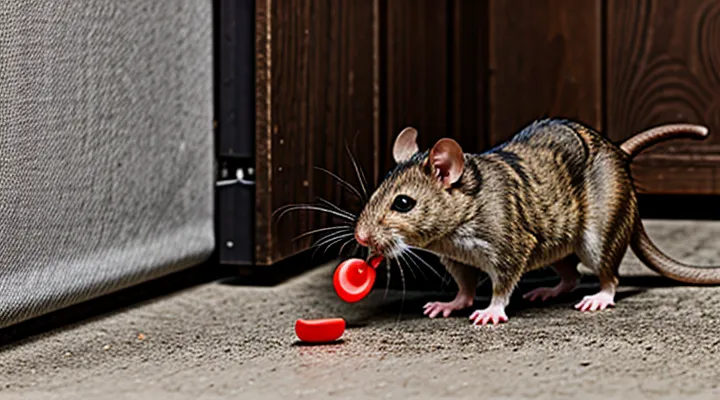
Identifying the Pests
Common Species in Residential Areas
The residential environment typically hosts three rodent species that cause the greatest damage.
- House mouse (Mus domesticus) – Small, agile, gray‑brown coat, thrives in wall voids, kitchens, and stored food areas. Breeds rapidly, producing up to ten litters per year.
- Norway rat (Rattus norvegicus) – Larger, brown‑black, prefers basements, sewers, and ground‑level structures. Capable of burrowing and chewing through concrete, it contaminates surfaces with urine and droppings.
- Roof rat (Rattus rattus) – Slender, black‑to‑gray, favors attics, eaves, and upper stories. Excellent climbers, they exploit overhead wiring and stored pantry items.
Understanding each species’ habitat preferences, reproductive capacity, and foraging behavior is essential for selecting targeted control measures. Effective management combines habitat modification, sanitation, and appropriate trapping or baiting strategies tailored to the identified rodent.
Signs of Infestation
Recognizing a rodent problem early prevents damage, disease spread, and costly remediation. Visible indicators reveal activity before populations expand.
- Gnaw marks on wood, plastic, or wiring, especially near edges or corners.
- Accumulated droppings, dark pellets ¼‑inch long, found along walls, in cabinets, or beneath appliances.
- Nests constructed from shredded paper, fabric, or insulation, often hidden in concealed spaces.
- Scratching noises in ceilings, attics, or walls, typically heard at night.
- Grease or urine stains on surfaces, leaving a strong, musky odor.
- Tracks or footprints in dusty areas, near food sources, or on low‑traffic floors.
- Unexplained food shortages or chewed packaging in pantry and storage zones.
Prompt identification of these signs enables targeted intervention, reduces infestation severity, and supports long‑term rodent control strategies.
Prevention: The First Line of Defense
Sealing Entry Points
Sealing entry points eliminates the primary routes rodents use to access structures, directly reducing the likelihood of infestation.
Inspect the building envelope thoroughly. Focus on gaps around pipes, vents, utility lines, foundation cracks, door thresholds, and window frames. Verify that exterior siding, roofing, and soffits are intact, and note any openings larger than a quarter‑inch.
Choose durable materials that resist gnawing and weathering. Use stainless‑steel mesh or hardware cloth for large gaps, expanding foam sealant for irregular crevices, and cement‑based mortar for foundation cracks. Apply weather‑strip or door sweeps to movable barriers, and install tight‑fitting screens on vents and chimneys.
Implement the following procedure:
- Document each identified opening, recording size and location.
- Clean the area to remove debris, dust, and nesting material.
- Apply the selected barrier material, ensuring a complete seal with no residual gaps.
- Allow sealants to cure according to manufacturer specifications before re‑installing fixtures.
- Conduct a follow‑up inspection after curing to confirm integrity.
Schedule periodic reviews, especially after seasonal temperature shifts or building renovations, to verify that seals remain intact and to address new penetrations promptly. Continuous monitoring sustains the barrier’s effectiveness and prevents re‑entry.
Proper Food Storage
Proper food storage is a critical component of any rodent‑control program. Food left exposed provides a reliable energy source, encouraging mice and rats to enter homes and commercial spaces. Secure containers and disciplined handling eliminate this attractant.
Store dry goods in airtight, metal or heavy‑wall plastic containers with tight‑fitting lids. Avoid cardboard boxes, which rodents can gnaw through. Keep containers off the floor; place them on shelves or in cabinets where pests cannot reach them.
Maintain a strict cleaning routine. Remove crumbs and spills immediately, wipe down countertops, and sweep floors daily. Empty trash bins regularly, using lids that close securely. Compost bins should be sealed and positioned away from building entrances.
Implement the following practices:
- Label all food containers with purchase dates; rotate stock to use older items first.
- Inspect deliveries for signs of rodent activity before unloading.
- Seal entry points around storage areas with steel wool, metal flashing, or cement.
- Use motion‑activated lights or ultrasonic deterrents in pantry zones to discourage nocturnal foraging.
By eliminating accessible food sources, the incentive for rodents to infiltrate premises diminishes dramatically, supporting long‑term population suppression.
Sanitation and Cleanliness
Maintaining a clean environment eliminates food sources and shelter that attract rodents. Proper waste management, regular removal of crumbs, and immediate cleanup of spills prevent mice and rats from establishing foraging routes.
Store dry goods in sealed containers; metal or heavy‑duty plastic bins with tight lids block access. Keep pantry shelves free of open packages and rotate stock to avoid prolonged exposure.
Implement routine inspections of interior and exterior areas. Identify and eliminate clutter, such as stacks of cardboard, firewood, or debris, that provide nesting sites.
Control moisture levels by repairing leaks, draining standing water, and ensuring proper ventilation in basements, crawl spaces, and kitchens. Damp conditions encourage rodent activity and support bacterial growth.
Adopt a schedule for cleaning behind appliances, under sinks, and around garbage disposals. Use disinfectants on surfaces where food is prepared or consumed to reduce attractants.
Key sanitation practices:
- Secure trash bins with fitted lids; empty them daily.
- Sweep, mop, and vacuum floors multiple times per week.
- Clean pet feeding areas after each meal; store pet food in airtight containers.
- Remove fruit, vegetables, and compost piles from indoor storage.
- Inspect and seal entry points around pipes, vents, and utility lines.
Consistent application of these measures creates an inhospitable habitat, greatly reducing the likelihood of rodent infestations.
Eradication Methods
Trapping Strategies
Effective rodent control relies heavily on well‑planned trapping. Selecting the appropriate device, positioning it correctly, and maintaining it regularly determine success.
- Snap traps: Instant‑kill mechanisms; use a strong spring and a trigger that releases when the rodent contacts the bait. Ideal for high‑traffic areas such as walls, cabinets, and behind appliances.
- Live‑catch traps: Cage‑style enclosures that capture without killing. Suitable for humane removal; check traps at least twice daily to prevent stress.
- Glue boards: Adhesive surfaces that immobilize. Best used in concealed locations where snap traps are impractical, but require frequent inspection to avoid prolonged suffering.
- Electronic traps: Battery‑powered units delivering a rapid electric shock. Provide clean kills and easy disposal; place near known runways.
- Bait stations with trigger mechanisms: Combine poison with a protected container, limiting exposure to non‑target animals. Use only where legal and follow label instructions.
Placement guidelines:
- Identify rodent pathways by observing droppings, gnaw marks, and grease trails.
- Position traps perpendicular to walls, with the trigger end facing the wall, because rodents prefer to run along edges.
- Space snap and electronic traps 1–2 feet apart along a continuous line; increase density in heavily infested zones.
- Secure traps to prevent accidental displacement by pets or children.
Maintenance practices:
- Replace bait daily to maintain freshness and scent appeal.
- Reset or replace triggered traps promptly; a dead rodent can deter further activity.
- Clean traps with mild detergent to remove urine odor that may cause avoidance.
- Inspect glue boards and live‑catch traps regularly; dispose of captured rodents according to local regulations.
By adhering to these tactics, practitioners can achieve rapid population reduction while minimizing collateral damage.
Baits and Poisons
Effective rodent control relies heavily on the proper selection and deployment of baits and poisons. Commercial rodenticides fall into two categories: anticoagulants and non‑anticoagulants. Anticoagulants, such as bromadiolone and difenacoum, interrupt blood clotting and cause death after several days, allowing the poison to spread through the colony. Non‑anticoagulants, including zinc phosphide and cholecalciferol, act rapidly by disrupting metabolic processes.
Key considerations when using bait:
- Choose a formulation matched to the target species; mice prefer soft, grain‑based pellets, while rats accept larger blocks or waxy blocks.
- Verify that the active ingredient is approved for indoor or outdoor use, depending on the infestation site.
- Rotate active ingredients periodically to prevent resistance development.
- Store products in locked containers away from food, children, and non‑target animals.
Placement guidelines:
- Position baits along walls, behind appliances, and near known runways; rodents avoid open spaces.
- Use tamper‑resistant stations in areas accessible to pets or children.
- Replace expired or depleted bait every 2–3 days to maintain potency.
- Monitor stations daily, record consumption, and adjust locations based on activity patterns.
Safety protocols:
- Wear disposable gloves when handling poisons to avoid skin absorption.
- Keep a detailed inventory of product names, concentrations, and expiration dates.
- Follow local regulatory requirements for disposal of dead rodents and contaminated materials.
- Provide clear signage if bait stations are placed in shared or public spaces.
Integrated use with non‑chemical measures—such as sealing entry points, removing food sources, and maintaining sanitation—enhances overall efficacy and reduces reliance on toxicants. Continuous observation and data‑driven adjustments ensure that baiting remains a precise, controlled component of a comprehensive rodent management program.
Natural Deterrents
Natural deterrents offer a chemical‑free method for reducing mouse and rat activity in homes and businesses. They rely on strong odors, unpleasant textures, or predator cues that rodents avoid.
- Peppermint oil: Apply a few drops to cotton balls and place them near entry points, pantry shelves, and wall voids. The volatile menthol vapour repels rodents for several days.
- Clove or eucalyptus oil: Similar to peppermint, these oils can be diluted with water and sprayed around the perimeter of stored food areas.
- Cayenne or hot pepper powder: Sprinkle a thin layer along baseboards, under appliances, and in cracks. The irritant effect deters foraging.
- Predator urine (fox, cat, or hawk): Distribute a small amount on surfaces where rodents travel. The scent signals danger and reduces movement.
- Steel wool or copper mesh: Pack tightly into gaps and holes. The rough texture prevents entry and is safe for food‑storage zones.
- Fresh mint, rosemary, or lavender plants: Position potted herbs near windows and doors. Their strong foliage releases compounds that rodents find hostile.
For optimal results, replace scented materials every 3–5 days, reapply powders after cleaning, and inspect barrier materials monthly for displacement. Combine deterrents with proper sanitation: eliminate food scraps, store grains in sealed containers, and repair structural openings. Natural methods alone may not eradicate an established infestation, but they significantly lower attraction and entry rates when integrated into a comprehensive control plan.
Post-Eradication Measures
Cleaning and Disinfection
Effective rodent control begins with rigorous cleaning and thorough disinfection. Eliminating food residues, water sources, and nesting materials deprives mice and rats of the conditions they need to survive and reproduce.
- Remove all spilled grains, crumbs, and pet food. Store dry goods in airtight containers made of metal or heavy‑wall plastic.
- Sweep, vacuum, and mop floors daily. Pay special attention to corners, behind appliances, and under furniture where debris accumulates.
- Clean countertops, shelves, and work surfaces with hot, soapy water before applying a disinfectant.
- Apply EPA‑registered rodent‑specific disinfectants to high‑traffic zones, waste bins, and drainage areas. Follow label instructions for concentration, contact time, and ventilation.
- Sanitize trash cans, recycling containers, and compost bins after each emptying. Use a bleach solution (1 part bleach to 9 parts water) or an equivalent sanitizer.
- Inspect and clean ventilation ducts, crawl spaces, and utility shafts quarterly. Remove dust, insulation fragments, and droppings that could harbor pathogens.
Regular sanitation interrupts the food chain that supports infestations, reduces disease transmission, and creates an environment hostile to rodents. Implementing the above measures consistently enhances the overall efficacy of any pest‑management program.
Continuous Monitoring
Continuous monitoring provides real‑time data that confirms the presence, movement, and population trends of rodents. By collecting evidence continuously, pest‑management teams can adjust interventions before infestations expand.
- Install electronic sensors (infrared, motion, or vibration) in high‑risk zones such as basements, crawl spaces, and near food storage.
- Connect sensors to a central logging system that timestamps each detection and categorizes it by location.
- Review logs daily; identify patterns such as peak activity times, entry points, and routes.
- Trigger automated alerts when detections exceed predefined thresholds, prompting immediate remedial action.
- Integrate monitoring data with baiting and exclusion strategies; modify placement of traps or sealants based on verified activity zones.
- Perform regular calibration of devices to maintain detection accuracy and prevent false positives.
Effective continuous monitoring reduces response latency, limits population growth, and supports evidence‑based decision making throughout a rodent‑control program.
Long-Term Prevention Plan
A sustainable rodent control program relies on consistent actions that eliminate attractants, block entry points, and maintain habitat conditions unsuitable for mice and rats.
- Seal cracks, gaps, and utility openings with steel wool, metal flashing, or concrete.
- Install door sweeps and weather stripping on all exterior doors.
- Store food in airtight containers; keep waste in sealed bins and remove it regularly.
- Reduce clutter in basements, attics, and storage areas; keep shelving off the floor.
- Manage vegetation by trimming shrubs, removing dense ground cover, and keeping grass short near building foundations.
Routine inspections verify the integrity of barriers and the absence of new activity. Conduct visual checks monthly, focusing on known rodent pathways, droppings, gnaw marks, and nesting material. Record findings and schedule repairs within two weeks of detection.
Integrate mechanical traps or bait stations only when monitoring indicates persistent presence. Place devices along established travel routes, replace them promptly, and document captures to assess population trends.
Engage occupants or staff in reporting signs of infestation. Provide clear guidelines for immediate response, including contact information for pest‑management professionals. Consistent communication reinforces vigilance and accelerates corrective measures.
A long‑term plan combines structural exclusion, sanitation, habitat modification, regular monitoring, and coordinated response. When each element is executed continuously, the likelihood of re‑infestation diminishes markedly.