
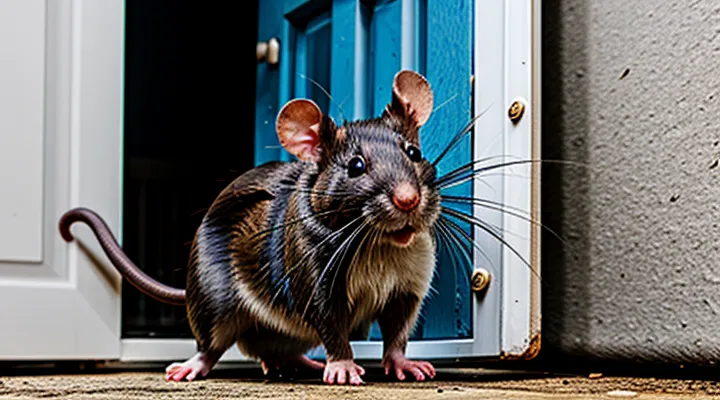
«Understanding the Rat Problem»
«Identifying Rat Infestation Signs»
«Droppings and Urine»
Rat droppings and urine serve as primary evidence of infestation and as sources of health hazards. Recognizing their characteristics enables swift action and informs safe removal procedures.
Typical rodent feces are dark brown to black, ¼‑½ inch long, with pointed ends. They appear in clusters along walls, behind appliances, in attics, and near food storage. Urine stains are invisible but leave a strong, musky odor and may cause discoloration on fabrics or wood.
These excreta transmit pathogens such as hantavirus, leptospirosis, and salmonella. Inhalation of dried particles or direct contact with contaminated surfaces can lead to respiratory or gastrointestinal illness. Immediate containment reduces exposure risk.
Cleaning protocol
- Ventilate the area by opening windows and using fans for at least 15 minutes.
- Wear disposable gloves, N‑95 respirator, and protective eyewear.
- Collect droppings with a damp paper towel; avoid sweeping or vacuuming dry material.
- Place all waste in a sealed plastic bag, then seal and discard according to local regulations.
- Apply a disinfectant containing at least 1 % sodium hypochlorite or a commercially approved rodent‑specific sanitizer.
- Allow the solution to remain on surfaces for the manufacturer‑specified dwell time, typically 10 minutes, before wiping clean.
- Launder any contaminated fabrics in hot water (≥ 60 °C) with detergent; dry on high heat.
Reducing future accumulation requires eliminating food and water sources, sealing entry points, and maintaining regular inspections. Prompt removal of droppings and urine after detection prevents disease spread and supports overall eradication efforts.
«Gnaw Marks»
Gnaw marks provide the most reliable evidence that rats are present inside a dwelling. They appear as shallow, crescent‑shaped bites on wood, plastic, wiring, and food containers. Because rodents continuously sharpen their incisors by chewing, these markings indicate active foraging routes and potential entry points.
Identify gnaw marks by looking for:
- Parallel lines or V‑shaped cuts on structural timber.
- Chewed edges on baseboards, cabinets, and pipes.
- Exposed insulation or shredded plastic near seams.
- Damage to electrical cords that shows clean, uniform bites.
Each set of marks reveals a specific behavior:
- Repeated marks along a wall suggest a travel corridor.
- Marks on wiring signal a fire hazard and a high‑risk area.
- Chewed openings in vents or gaps confirm how rats gain access.
Address gnaw marks promptly to prevent escalation:
- Seal all identified openings with steel wool, metal flashing, or cement‑based sealant; rodents cannot gnaw through metal.
- Replace damaged wiring and insulation to eliminate fire danger and remove food sources.
- Install hardened barriers—such as copper mesh—around vulnerable structures like vents and pipe entries.
- Apply a non‑toxic deterrent paste to the edges of remaining gnawed surfaces; the bitter taste discourages further chewing.
- Conduct a thorough inspection after repairs to verify that no new gnaw marks appear; repeat the process until all signs disappear.
Monitoring gnaw marks after each intervention confirms the effectiveness of the eviction strategy and ensures that rats cannot reestablish a foothold within the home.
«Scratching Noises»
Scratching noises heard at night or behind walls usually signal rodent movement. The sound originates from rats climbing, gnawing, or nesting in concealed spaces such as attics, crawl spaces, and wall voids. Recognizing this indicator allows swift action before damage escalates.
Identify the source by tracing the noise to a specific wall, floorboard, or ceiling panel. Use a flashlight and a listening device, if available, to pinpoint activity. Once located, inspect for additional signs: droppings, gnaw marks, and shredded insulation. Confirming rat presence prevents misdirected treatments.
After verification, implement the following steps:
- Seal entry points larger than a quarter‑inch with steel wool, metal flashing, or cement.
- Place snap traps or electronic traps directly beside the identified pathway; position bait at the rear to encourage entry.
- Deploy rodent‑resistant bait stations in adjacent rooms, ensuring they are inaccessible to children and pets.
- Apply a short‑term, low‑toxicity rodent repellent spray around the affected area to deter further movement while traps become active.
- Conduct a thorough clean‑up of droppings and contaminated material using a disinfectant solution; wear protective gloves and a mask to avoid disease transmission.
Monitor trap activity daily for a week. Replace or reposition traps if catches cease, indicating possible migration to another location. Continuous observation of scratching sounds will reveal whether the infestation has been eliminated or requires additional intervention.
«Visible Sightings»
Visible rat activity provides the most reliable indicator of an infestation’s scope. Look for fresh droppings, typically ¼‑inch black pellets, along baseboards, behind appliances, and in pantry corners. Fresh gnaw marks on wood, plastic, or wiring suggest active foraging; the edges appear clean rather than weathered. Small, dark urine stains may appear on surfaces where rodents have traveled.
Observe movement at dusk or early morning when rats are most active. Light‑sensitive traps or motion‑activated cameras can capture brief appearances, confirming entry points and travel routes. Note any audible scratching or scurrying within walls; these sounds often precede visible signs and help locate concealed pathways.
Compile observations into a concise map of the home, marking:
- Dropping clusters
- Gnaw sites
- Entry openings (e.g., gaps under doors, utility penetrations)
- Sightings captured by traps or cameras
Use this map to prioritize sealing breaches, placing bait stations, and deploying traps directly in high‑activity zones. Continuous monitoring of sightings after intervention verifies the effectiveness of control measures and signals when additional actions are required.
«Assessing the Severity»
«Number of Sightings»
Monitoring the frequency of rat appearances provides a clear indicator of infestation severity and the effectiveness of control measures. Each observation—whether a live sighting, droppings, gnaw marks, or nesting material—should be entered into a log with date, time, and location. This systematic record enables the homeowner to identify patterns, such as peak activity periods or hotspots within the property.
Accurate counts support decision‑making in several ways:
- Establish a baseline: Initial weekly totals reveal the starting level of activity.
- Detect trends: Increasing numbers over successive weeks signal that current tactics are insufficient.
- Set thresholds: Define a maximum acceptable count (e.g., fewer than three sightings per week); surpassing this level triggers intensified interventions.
- Evaluate outcomes: Compare post‑treatment counts with pre‑treatment data to confirm reduction.
When the log shows a rise in sightings, immediate actions include sealing entry points, placing bait stations, and deploying traps in the identified zones. After implementing these steps, continue daily entries for at least two weeks to verify a downward shift in numbers. Consistent documentation of sightings therefore functions as both a diagnostic tool and a metric for measuring the success of rat eviction efforts.
«Areas of Activity»
Effective rat elimination requires coordinated actions across several functional zones.
- Structural assessment: Identify cracks, gaps, and utility openings that provide access. Document locations, measure dimensions, and prioritize repairs based on proximity to food sources.
- Entry point sealing: Apply steel wool, cement, or metal flashing to close openings larger than ¼ inch. Use expandable foam only where rodents cannot gnaw through.
- Habitat reduction: Remove clutter, store food in airtight containers, and eliminate standing water. Clean behind appliances, under sinks, and in basements to deny shelter.
- Trapping deployment: Position snap traps or electronic devices along walls, near known runways, and at concealed entry points. Set bait with high-fat protein, replace dead traps promptly.
- Baiting strategy: Place tamper‑resistant bait stations in concealed areas, following label instructions for dosage and placement. Rotate active stations to prevent habituation.
- Monitoring and documentation: Inspect traps and stations daily, record captures, and adjust placement based on activity patterns. Maintain a log of entry‑point repairs and sanitation measures.
- Professional intervention: Engage licensed pest‑control specialists for extensive infestations, especially when structural repairs exceed DIY capacity or when poison use is restricted.
Each zone operates interdependently; neglecting any segment compromises overall success. Continuous evaluation ensures that rat populations remain suppressed and that re‑infestation risks are minimized.
«Preparation for Eviction»
«Sealing Entry Points»
«Inspecting Exterior Walls and Foundation»
Inspecting the exterior envelope of a residence is a prerequisite for any successful rat‑removal effort. Begin by walking around the building and observing walls, soffits, and the foundation for visible signs of activity. Look for gnaw marks on wood, chewed siding, or rusted metal where rodents have breached surfaces. Pay special attention to areas where vegetation contacts the structure, as dense foliage creates concealment and facilitates entry.
Key inspection points include:
- Gaps larger than ¼ inch in siding, brick joints, or mortar; rats can squeeze through openings of this size.
- Cracks or voids in the foundation, especially near crawl‑space vents, utility penetrations, and drainage pipes.
- Unsealed gaps around exterior lighting fixtures, vent covers, and chimney flues.
- Damaged or missing weather‑stripping on doors and windows that open onto the outside.
- Accumulated debris, mulch, or wood piles that rest against the house, providing a direct pathway to the wall base.
Document each deficiency, measure the dimensions of openings, and prioritize repairs based on proximity to known rat pathways. Seal identified entry points with appropriate materials—steel wool, hardware cloth, or cement‑based sealants—to create a barrier that prevents further intrusion. Regular re‑inspection after repairs confirms the integrity of the exterior barrier and reduces the likelihood of re‑infestation.
«Checking Vents and Pipes»
Inspect all ventilation openings and plumbing penetrations regularly. Rats exploit gaps as small as a quarter‑inch; seal any breach before it becomes a pathway. Use a flashlight to examine ductwork, dryer vents, and utility chases from the interior and exterior. Remove accumulated debris that could conceal entry points.
Identify pipe sleeves and conduit sleeves that pass through walls, floors, and ceilings. Measure each opening; if the diameter exceeds ½ in., insert steel mesh or copper flashing to block rodents while preserving airflow. Apply expanding foam sealant around the perimeter of the sleeve, then cover with metal tape for added durability.
Create a checklist for routine verification:
- Verify that vent covers are intact and securely fastened.
- Confirm that vent louvers have no missing slats or cracks.
- Examine pipe sleeves for gaps larger than ¼ in.; seal with appropriate material.
- Inspect attic and crawl‑space vents for signs of gnawing or nesting material.
- Replace deteriorated caulking or weather‑stripping around vent and pipe openings.
Maintain clear access for future inspections by installing removable covers that can be opened without damaging the seal. Consistent monitoring and immediate repair of compromised vents and pipes prevent rats from establishing a foothold, supporting the overall effort to remove them from the dwelling.
«Repairing Gaps Around Doors and Windows»
Sealing gaps around doors and windows eliminates entry points that rats exploit to access interior spaces. Unfilled openings allow rodents to slip through walls, crawl spaces, and eaves, undermining any other control measures.
Begin by inspecting each perimeter opening. Use a flashlight to view the gap from both inside and outside. Measure width and height with a ruler or tape measure. Record locations where the gap exceeds ¼ inch, the size most rats can navigate.
Repair process:
- Remove existing weather‑stripping or damaged caulking.
- Clean surfaces of dust, paint chips, and debris.
- Apply a high‑quality, rodent‑resistant sealant (silicone or polyurethane) to fill cracks up to ½ inch.
- For larger openings, install steel wool or copper mesh, then cover with expanding foam or caulk.
- reinstall or replace weather‑stripping, ensuring a tight overlap of at least 1 inch.
- Finish with a durable exterior paint or trim to protect the sealant from weather exposure.
After repairs, conduct a follow‑up inspection to confirm that all gaps meet the specified dimensions. Regular maintenance—re‑sealing any new cracks after seasonal temperature changes—prevents re‑entry and supports long‑term rat control.
«Sanitation Practices»
«Removing Food Sources»
Eliminating accessible food is a fundamental step in preventing rodents from establishing a foothold in a dwelling. Secure all edible items in airtight containers made of glass, metal, or heavy‑wall plastic. Dispose of waste in bins equipped with tight‑fitting lids and empty them regularly.
- Store pantry goods above ground level, away from walls.
- Clean crumbs, spills, and pet food residues immediately after meals.
- Keep compost bins outside the structure and ensure they are sealed.
- Repair leaks and eliminate standing water, as moisture attracts foraging behavior.
- Remove birdseed, fruit trees, and garden debris that border the property.
By systematically denying rats a reliable food supply, the incentive to enter and remain in the home diminishes, facilitating successful eradication efforts.
«Proper Waste Management»
Effective rat control begins with eliminating food sources that attract rodents. Improper disposal of organic waste creates a reliable supply of nourishment, encouraging rats to enter and remain in a dwelling. Securing trash eliminates the primary incentive for infestation and reduces the likelihood of re‑entry after initial removal.
- Store all waste in containers with tight‑fitting lids; metal or heavy‑duty plastic bins are preferable.
- Empty indoor trash bins daily; move sealed bags to an external collection point promptly.
- Keep outdoor bins at least three feet from the house foundation and elevate them on a platform to prevent gnawing.
- Rinse recyclable containers before disposal to remove residual food particles.
- Compost only in sealed, rodent‑proof units; avoid open piles near entry points.
- Regularly clean areas where food is prepared or consumed; wipe countertops, sweep floors, and mop spills without delay.
Consistent application of these practices deprives rats of sustenance, forces them to seek alternative habitats, and supports long‑term exclusion efforts. Maintaining strict waste protocols prevents future infestations and reinforces overall rodent‑proofing measures.
«Decluttering Storage Areas»
Rats thrive in cluttered storage spaces where food, nesting material, and hiding spots are abundant. Removing unnecessary items eliminates shelter and reduces the likelihood of infestation.
Begin by emptying each storage area. Separate belongings into three piles: keep, donate or discard, and store elsewhere. Place all kept items on a clean surface, then wipe shelves, bins, and floor with a disinfectant solution. Use airtight containers for any retained food or pet supplies.
- Seal cracks, gaps, and holes in walls, floors, and ceilings.
- Install metal or heavy‑duty plastic shelving that rats cannot gnaw through.
- Keep stored items off the ground by using pallets or elevated racks.
- Label containers clearly to discourage random placement of objects.
After decluttering, maintain a regular inspection schedule. Verify that no new debris accumulates and that all containers remain sealed. Promptly address any signs of rodent activity, such as droppings or gnaw marks, to prevent re‑establishment. Consistent organization of storage zones removes the primary resources rats need to survive, supporting long‑term exclusion.
«Effective Eviction Methods»
«Non-Lethal Trapping»
«Live Traps Placement»
Live traps are most effective when positioned where rats travel, feed, or hide. Identify active pathways by inspecting droppings, gnaw marks, and grease trails along walls, behind appliances, and near stored food. Place traps directly in these zones to intercept movement.
- Near wall junctions, especially where walls meet the floor or ceiling.
- Inside cabinets, pantry shelves, and behind the refrigerator.
- Along the edges of countertops, under sinks, and beside garbage containers.
- In attic corners, crawl‑space openings, and basement utility areas.
- Adjacent to known burrow entrances or exterior entry points.
Set each trap on a stable surface, ensuring the trigger mechanism faces the expected direction of travel. Use a small amount of attractive bait—peanut butter, dried fruit, or a piece of meat—secured to the trigger plate to prevent premature removal. Align the trap so the rat must step onto the plate to reach the bait, reducing escape chances.
Check traps at least twice daily. Remove captured rodents promptly, disinfect the trap, and reset with fresh bait. Relocate traps if no activity is observed after 48 hours, shifting them to nearby pathways identified during ongoing monitoring. Consistent placement adjustments maintain pressure on the infestation and accelerate removal.
«Regular Trap Checking»
Regular inspection of traps is a non‑negotiable element of any rodent‑removal program. Each trap must be examined at intervals that prevent prolonged suffering, avoid bait contamination, and maintain capture efficiency. Failure to monitor traps allows dead or trapped rats to decompose, creating odors that attract additional pests and potentially spreading disease.
Effective trap‑checking routine includes:
- Frequency: Inspect snap traps and live‑catch cages at least twice daily—once in the early morning and once in the evening. Electronic traps require the same schedule, with additional checks if a monitoring indicator signals activity.
- Procedure: Wear disposable gloves, approach the trap calmly, and verify capture status. For live traps, release the animal at a safe distance from the residence; for snap traps, dispose of the carcass in a sealed bag and place it in an outdoor trash container.
- Sanitation: Clean trap surfaces with a mild disinfectant after each emptying to remove scent traces that could deter future catches.
- Record‑keeping: Log date, location, and outcome of each inspection. Patterns revealed by the log guide repositioning of traps and adjustment of bait types.
Consistent adherence to this schedule eliminates gaps in control, reduces secondary infestations, and accelerates the overall removal of rats from the dwelling.
«Safe Release Procedures»
Effective rat removal demands a controlled, humane release to prevent re‑infestation and protect public health. Follow this protocol when relocating captured rodents.
- Identify a release site at least one mile from the residence, preferably in a wooded or agricultural area where natural predators exist.
- Transport the animal in a secure, ventilated container. Keep the container upright and avoid direct sunlight.
- Upon arrival, open the container slowly to allow the rat to exit voluntarily. Do not chase or handle the animal.
- Observe the creature for a few minutes to ensure it leaves the immediate vicinity. If it remains, gently tilt the container to encourage movement.
- Seal the container after release, clean it with a disinfectant solution, and store it for future use.
Record the date, time, and location of each release. Maintain a log of all captures to track patterns and assess the effectiveness of the overall pest‑management strategy. This systematic approach minimizes the risk of disease transmission, reduces the chance of the rat returning, and complies with local wildlife regulations.
«Lethal Trapping»
«Snap Traps»
Snap traps provide a rapid, mechanical solution for removing rats from a residence. The device consists of a spring‑loaded bar that delivers a lethal force when the baited trigger is activated. Materials such as stainless steel ensure durability and resistance to corrosion in kitchen or basement environments.
Effective deployment requires precise placement. Rats travel along walls, behind appliances, and through concealed pathways; positioning traps along these routes maximizes encounters. Bait selection influences success; high‑protein items like peanut butter or dried meat stimulate rodent interest and encourage prompt interaction with the trigger.
- Position traps perpendicular to the wall, with the trigger facing the expected travel direction.
- Place traps near known droppings, gnaw marks, or fresh gnawing activity.
- Use one trap per 10‑15 ft of wall length; increase density in heavily infested zones.
- Maintain a minimum of 12 inches between traps to prevent competition and reduce the chance of missed catches.
Safety considerations include wearing gloves when handling traps, securing them out of reach of children and pets, and disposing of captured rodents in sealed bags before discarding in an outdoor trash receptacle. Regular inspection—at least once daily—allows prompt removal of triggered devices and immediate replacement to sustain pressure on the rat population.
«Electronic Traps»
Electronic traps provide a rapid, humane solution for rat removal in residential settings. The device delivers a high‑voltage shock that instantly kills the rodent, eliminating the need for chemical baits or manual handling. Because the lethal action occurs within seconds, the risk of escape and subsequent re‑infestation is minimal.
Key advantages include:
- Immediate mortality, reducing the chance of disease transmission.
- No mess; dead rodents remain inside a sealed chamber.
- Reusable design lowers long‑term expenses compared to disposable snap traps.
- Minimal odor, making the method suitable for kitchens and food storage areas.
When selecting an electronic trap, consider the following criteria:
- Voltage rating of at least 2,500 V to ensure reliable lethality.
- Capacity to hold multiple rats, allowing continuous operation during heavy infestations.
- Built‑in safety lock that disables the shock mechanism when the chamber is opened.
- Battery or AC power options; battery models offer placement flexibility, while AC models guarantee uninterrupted operation.
- Warranty length and availability of replacement parts.
Effective placement maximizes capture rates. Position traps along known rodent pathways: behind appliances, within wall voids, and near entry points such as gaps around pipes or vents. Place the device on a stable surface, with the entry slot flush against the wall to prevent rats from bypassing the sensor. Avoid locations with high foot traffic to reduce accidental activation.
Maintenance involves regular inspection of the capture chamber. Remove carcasses promptly, clean the interior with a mild disinfectant, and verify that the power source remains functional. Replace batteries according to the manufacturer’s schedule or when the indicator light signals low charge.
Cost considerations include the upfront price of the unit, the expense of batteries or electricity, and potential warranty extensions. While electronic traps carry a higher initial outlay than traditional snap traps, their durability and reduced need for consumables often result in lower total cost over multiple infestations.
In summary, electronic traps deliver swift, clean, and repeatable control of rats in a home environment. Proper device selection, strategic placement, and routine upkeep ensure optimal performance and help maintain a rodent‑free residence.
«Baiting Strategies»
Effective baiting targets rats directly, reduces population quickly, and limits collateral damage. Selecting the right attractant determines success.
- Anticoagulant pellets: disrupt blood clotting, require multiple feedings, ideal for long‑term control.
- Non‑anticoagulant blocks: cause rapid death, suitable for acute infestations.
- Natural foods: peanut butter, dried fruit, or cornmeal, useful when chemical resistance is suspected.
- Commercial rodent‑specific formulations: combine scent and toxicity, simplify deployment.
Placement follows rat movement patterns. Position baits along walls, behind appliances, and near known droppings. Secure stations to prevent displacement by wind or pets. Avoid open surfaces where non‑target species can access the bait. Use tamper‑resistant containers in households with children.
Safety protocols protect occupants and handlers. Wear disposable gloves when loading bait stations. Seal used bait in airtight bags before disposal. Record the location of each station to ensure thorough follow‑up and compliance with local regulations.
Monitoring sustains effectiveness. Inspect stations daily; remove dead rodents promptly. Replace depleted bait within 24 hours to maintain attraction. Rotate bait types every two weeks to prevent habituation. Document capture rates to assess progress and adjust strategy as needed.
«Natural Deterrents»
«Peppermint Oil and Essential Oils»
Peppermint oil and other essential oils serve as olfactory repellents that discourage rats from entering living spaces. The strong, volatile compounds overwhelm the rodents’ scent receptors, prompting them to avoid treated areas.
Effective deployment requires a precise concentration and consistent coverage. A typical formula uses 10–15 drops of peppermint oil per 250 ml of water, optionally combined with a few drops of eucalyptus or citronella for broader spectrum deterrence. The mixture should be placed in spray bottles or cotton balls and positioned near entry points, gaps in walls, and known pathways.
- Fill a spray bottle with the diluted oil solution.
- Apply to cracks, vents, and the perimeter of rooms at least once daily.
- Replace cotton balls every 48 hours to maintain potency.
- Re‑apply after cleaning or when the scent fades.
Safety considerations include testing the solution on a small surface to avoid staining, keeping the mixture away from pets and children, and ensuring adequate ventilation. Essential oils do not kill rats; they merely create an unfavorable environment, so integration with physical barriers (steel mesh, sealed openings) and sanitation (removing food sources, eliminating clutter) is necessary for lasting results.
Studies indicate that peppermint oil reduces rat activity by up to 60 % in controlled settings, but effectiveness declines in large, open areas or when the oil is not refreshed regularly. For comprehensive rodent management, pair essential‑oil treatment with trapping, exclusion, and habitat modification.
«Ultrasonic Repellents»
Ultrasonic repellents emit high‑frequency sound waves that rodents cannot tolerate, prompting them to leave the treated area. The devices are powered by batteries or mains electricity and operate continuously, covering a radius typically between 30 and 150 feet depending on the model.
Key factors when selecting an ultrasonic unit:
- Frequency range: 20–65 kHz is most effective against rats.
- Coverage area: match the device’s radius to the size of the room or entire floor plan.
- Power source: plug‑in units provide uninterrupted operation; battery models are useful for temporary placement.
- Adjustable timers: allow scheduling to reduce unnecessary exposure and conserve energy.
Installation requires positioning the repellent at least 12 inches off the floor and away from large furniture that could block sound propagation. Place one unit per room; larger spaces may need two or more devices with overlapping coverage. After placement, monitor rat activity for a week; a noticeable decline indicates successful deterrence.
Ultrasonic repellents have limitations. Solid walls, metal objects, and thick insulation can attenuate the signal, creating dead zones. They do not eliminate established nests; combining the devices with sealing entry points, removing food sources, and setting traps yields a comprehensive solution.
Safety considerations include keeping the units out of reach of children and pets, as frequencies above 20 kHz may cause discomfort to small animals. Periodic cleaning of the exterior prevents dust buildup that could impair sound emission.
When integrated into an overall rodent‑control strategy, ultrasonic repellents provide a non‑chemical, low‑maintenance option that discourages rats from re‑infesting a home.
«Predator Scents»
Predator scents exploit the innate fear response of rats to the odor of natural enemies such as foxes, owls, and snakes. The volatile compounds in these scents trigger a stress reaction that drives rodents away from treated areas.
Effective use of predator scents requires attention to source, placement, and maintenance:
- Choose a commercial preparation that lists specific compounds (e.g., 2‑methylnaphthalene, phenols) derived from real predator urine or gland secretions.
- Apply the product near entry points, nesting sites, and along walls where rats travel.
- Reapply according to the label schedule, typically every 7‑10 days, because scent potency diminishes with ventilation and cleaning.
- Combine with physical exclusion (seal gaps, install door sweeps) to prevent re‑entry once the rodents avoid the odor.
Safety considerations:
- Use gloves and a mask during handling to avoid irritation.
- Keep the product away from food preparation surfaces and pet areas.
- Store in a sealed container, out of direct sunlight, to preserve chemical stability.
Evidence from field trials shows that predator scents alone reduce rat activity by 30‑45 % in confined spaces, but integration with trapping or baiting raises overall removal rates above 80 %. Regular monitoring of activity signs (droppings, gnaw marks) informs the need for additional applications or alternative control methods.
«Post-Eviction and Prevention»
«Cleaning and Disinfection»
«Sanitizing Contaminated Areas»
Sanitizing areas contaminated by rodents is essential after successful rat removal. Begin by identifying all locations where droppings, urine, or gnaw marks appear. Wear disposable gloves, a mask, and eye protection before entering these zones.
- Remove visible debris using a stiff brush and a vacuum equipped with a HEPA filter.
- Apply an enzymatic cleaner to urine stains; allow the solution to sit for the manufacturer‑specified dwell time.
- Disinfect surfaces with a 1:10 dilution of household bleach (sodium hypochlorite) or an EPA‑approved rodent‑pathogen sanitizer. Keep the solution in contact for at least ten minutes before wiping clean.
- Dispose of cleaning materials in sealed bags; seal and discard them according to local hazardous‑waste regulations.
After treatment, ventilate the space for a minimum of thirty minutes. Conduct a final inspection to confirm that no residue remains and that all surfaces are dry. Repeat the sanitizing cycle if new contamination becomes evident during subsequent monitoring. This systematic approach eliminates health hazards and supports long‑term prevention of re‑infestation.
«Addressing Odors»
Rats leave behind urine, feces, and dead bodies that generate strong, lingering smells. Immediate removal of all contaminated material prevents odor persistence and deters surviving rodents from returning.
- Identify sources: inspect kitchens, storage areas, crawl spaces, and insulation for droppings, urine stains, and carcasses.
- Collect waste using disposable gloves and sealed bags; discard according to local hazardous‑waste regulations.
- Wash surfaces with hot water and a detergent that cuts grease; follow with a disinfectant containing quaternary ammonium or bleach (1 part bleach to 10 parts water) to eliminate bacteria.
- Apply enzymatic cleaners to porous materials (carpet, upholstery, insulation) to break down organic residues that cause odor.
- Increase ventilation: open windows, use exhaust fans, and run portable air‑purifiers equipped with activated‑carbon filters for at least 24 hours.
- Replace or treat absorbent items (bedding, towels) that cannot be fully cleaned.
After cleaning, seal entry points to stop new infestations. Regularly monitor for fresh droppings or odor spikes; prompt action maintains a neutral indoor environment and supports long‑term rodent control.
«Long-Term Prevention Strategies»
«Routine Home Inspections»
Routine inspections form the backbone of any successful rat control program. Regularly scheduled checks allow homeowners to identify entry points, monitor population levels, and verify the effectiveness of preventive measures before infestations require drastic action.
A practical inspection schedule includes:
- Quarterly exterior sweep: examine foundation cracks, utility penetrations, vents, and roof eaves for gaps larger than ¼ inch.
- Monthly interior review: inspect kitchens, pantries, basements, and attics for droppings, gnaw marks, and nesting material.
- Seasonal focus: after heavy rains, verify drainage systems and seal any erosion‑induced openings; before winter, reinforce insulation around pipes and chimneys.
During each visit, follow a systematic approach:
- Walk the perimeter, using a flashlight to reveal hidden cracks and holes.
- Trace utility lines (electric, water, gas) from the street to interior fixtures, sealing any breaches with steel wool and caulk.
- Check storage areas for food residues; remove spillage and store items in sealed containers.
- Locate potential harborage sites such as cluttered boxes, insulation piles, and abandoned debris; clear or consolidate them.
- Document findings with photographs and a checklist, noting any new activity for prompt remediation.
Consistent documentation creates a trend record that highlights problem zones and measures the impact of interventions. When inspections reveal recurring entry points, upgrade sealing materials or consider professional rodent-proofing solutions. By maintaining this disciplined routine, homeowners reduce the likelihood of large‑scale rat incursions and support long‑term eradication efforts.
«Maintaining Yard and Garden»
A well‑kept yard reduces the likelihood that rats will find shelter near a residence and supports any removal effort. Trim back overgrown vegetation, especially low‑lying shrubs, to eliminate cover. Keep grass at a moderate height and mow regularly to discourage nesting.
Remove debris that can serve as hiding places. Dispose of piles of leaf litter, wood chips, and garden waste promptly. Store compost in sealed containers; if compost is necessary, use a metal bin with a tight‑fitting lid and turn it often to discourage rodent activity.
Secure all food sources. Harvest ripe fruit from trees and bushes as soon as it appears. Harvest vegetables promptly and store produce in airtight containers. Feed pets outdoors only when supervised, and clean up any spilled feed immediately.
Create a barrier between the garden and the house. Install a solid fence at least six inches deep into the soil to prevent burrowing. Ensure gaps around gates and utility lines are sealed with metal mesh or hardware cloth.
Inspect and maintain drainage. Eliminate standing water by fixing leaks and directing runoff away from foundations. Use gravel or crushed stone in low‑lying areas to improve drainage and reduce moisture that attracts rats.
Implement routine inspections. Walk the perimeter weekly, looking for fresh droppings, gnaw marks, or burrow entrances. Record findings and address problems promptly to prevent re‑infestation.
Key maintenance actions
- Regular mowing and pruning
- Prompt removal of garden debris
- Sealed composting solutions
- Immediate harvest and secure storage of produce
- Robust fencing with buried base
- Effective drainage and moisture control
- Weekly visual inspections
Consistent application of these practices creates an environment hostile to rats, reinforcing any direct removal measures and safeguarding the home from future incursions.
«Professional Pest Control Consultation»
A professional pest‑control consultation provides a data‑driven assessment of rat activity within a residence. The specialist inspects entry points, nesting sites, and food sources, then records measurements such as droppings density, gnaw marks, and trail patterns. This factual snapshot forms the basis for a targeted eradication plan.
During the meeting, the consultant outlines three essential components:
- Site analysis – detailed mapping of infestation zones, identification of structural vulnerabilities, and verification of sanitation deficiencies.
- Treatment recommendation – selection of baits, traps, or exclusion methods calibrated to the species’ behavior, with dosage calculations and placement schematics.
- Implementation schedule – timeline for initial action, follow‑up inspections, and verification of success, including contingency steps if activity persists.
The homeowner receives a written report that lists observed conditions, prescribed actions, and safety precautions for occupants and pets. The document also specifies regulatory compliance requirements, such as label instructions for rodenticides and local wildlife protection statutes.
By relying on expert observation and evidence‑based tactics, the consultation eliminates guesswork, reduces the risk of re‑infestation, and shortens the overall removal process. The result is a systematic, measurable pathway to a rat‑free home.