
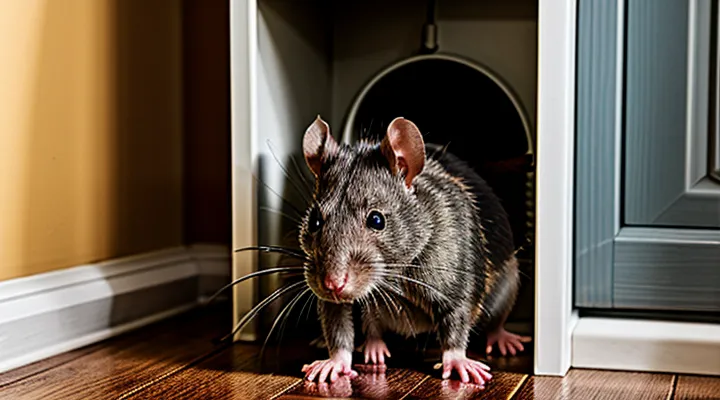
Understanding the Rat Problem
Identifying the Signs of Infestation
Droppings and Urine Trails
Droppings and urine trails provide the most reliable evidence of rat presence and activity within a residence. Detecting these signs enables rapid assessment of infestation size and informs targeted control measures.
Rat droppings are typically ¼‑ to ½‑inch long, dark brown to black, and taper to a point. They appear in clusters along walls, behind appliances, and in concealed corners. The concentration of pellets indicates the proximity of nesting sites, while the presence of fresh, moist droppings confirms ongoing activity.
Urine trails manifest as faint stains, a lingering ammonia odor, or discoloration on surfaces such as baseboards, cabinets, and fabric. Trails follow the rodents’ preferred pathways, revealing routes used for foraging and escape. Mapping these routes helps position traps and bait stations where rats are most likely to encounter them.
Effective removal of droppings and urine requires strict hygiene protocols:
- Wear disposable gloves and a mask to prevent inhalation of pathogens.
- Saturate droppings with a disinfectant solution (e.g., 10% bleach) for at least five minutes before wiping.
- Use absorbent paper towels or a mop to collect saturated material; place waste in a sealed plastic bag.
- Clean urine‑stained areas with the same disinfectant, scrubbing until the stain disappears.
- Allow surfaces to dry completely before applying any rodent control devices.
Eliminating these biological markers disrupts the rats’ scent‑marking system, reducing attraction to the area and diminishing the likelihood of reinfestation. Combined with traps, bait, and exclusion techniques, thorough sanitation accelerates the eradication process.
Gnaw Marks and Damage
Rats leave distinctive gnaw marks that reveal the extent of their intrusion. Teeth continuously grow, causing animals to chew on wood, plastic, wiring, and insulation. The resulting damage compromises structural integrity, creates fire hazards, and contaminates food supplies.
Typical gnaw patterns include:
- Parallel grooves on wooden beams, approximately ¼‑inch deep and spaced 1‑2 inches apart.
- Clean cuts on plastic pipes, often leaving smooth, beveled edges.
- Shredded insulation with frayed fibers and exposed copper wiring.
- Chewed holes in baseboards or drywall, usually ½‑inch in diameter.
Identifying these signs allows rapid assessment of infestation severity. Once gnaw damage is documented, prioritize sealing entry points, replacing compromised materials, and installing traps or bait stations in affected zones. Prompt repair of chewed wiring eliminates electrical risks and removes attractive foraging sites, enhancing overall control effectiveness.
Unusual Sounds
Rats produce a range of noises that differ from typical household sounds. Recognizing these unusual auditory cues helps pinpoint infestation sites before visual confirmation.
- Scratching along walls or ceilings, especially at night, suggests active movement in concealed pathways.
- Rapid, high‑pitched squeaks indicate distress or mating calls; they often emanate from hidden nests.
- Soft, repetitive thumping sounds, heard through floorboards, reveal heavy traffic in concealed burrows.
- Wet, splashing noises in kitchens point to water‑seeking behavior near leaky pipes or drains.
Each sound pattern correlates with specific rat activities:
- Exploratory movement – intermittent scratching and scurrying signal new entry points; seal gaps immediately.
- Nest construction – continuous rustling of shredded material reveals location of bedding; remove debris and apply bait stations nearby.
- Feeding – faint gnawing sounds near stored food indicate foraging; store items in sealed containers and set traps within a one‑meter radius.
- Reproductive behavior – frequent squeaking during dusk and dawn marks breeding periods; intensify control measures, including snap traps and rodenticides, during these windows.
To act on auditory evidence:
- Conduct a timed listening survey after dark, documenting sound type, location, and frequency.
- Map recorded points on a floor plan, connecting them to structural features such as vents, gaps, and utility openings.
- Prioritize sealing identified entry routes with steel wool, cement, or metal flashing.
- Deploy targeted traps or bait stations at the mapped hotspots, maintaining placement for 48‑72 hours before evaluation.
Consistent monitoring of atypical sounds, combined with swift structural repairs and strategic placement of control devices, significantly reduces rat populations and prevents re‑infestation.
Visible Sightings
Visible sightings of rats provide the most reliable indication that an infestation exists. Fresh droppings, typically ½‑inch black pellets, appear near food sources, along walls, and in hidden corners. Gnaw marks on wood, plastic, or wiring reveal active foraging, while shredded insulation or nesting material signals a breeding site. A live rat observed during daylight hours indicates a severe population, as nocturnal rodents normally avoid bright environments.
Recognizing these signs enables targeted intervention:
- Inspect kitchens, pantries, and garbage areas for droppings and gnaw damage.
- Examine attic spaces, basements, and crawl spaces for shredded insulation, shredded paper, or grease stains.
- Monitor entry points such as gaps around pipes, vents, and doors; any observed rat movement confirms access routes.
Prompt documentation of each sighting directs placement of traps or bait stations, ensures coverage of all active zones, and prevents further spread. Immediate action after the first confirmed visual evidence reduces reproductive cycles and limits structural damage.
Common Rat Species in Homes
Norway Rats («Brown Rats»)
Norway rats, also known as brown rats, are the most common rodent found in homes. They prefer dark, humid areas such as basements, crawl spaces, and wall voids. Their burrowing habit creates extensive tunnel networks that facilitate rapid spread throughout a building.
Identification relies on size, coloration, and tail characteristics. Mature individuals reach 20‑25 cm in body length, with a thick, scaly tail shorter than the head‑body length. Fur ranges from dark brown to black, often with a lighter belly. Droppings are about 1 cm long, cylindrical, and contain a single dark spot.
Effective eradication follows a three‑step protocol:
- Inspection and exclusion – locate entry points, seal gaps larger than ¼ in with steel wool, metal flashing, or cement; repair cracked foundations and vent covers.
- Habitat modification – eliminate food sources by storing pantry items in airtight containers; remove standing water; keep garbage in sealed bins; trim vegetation away from the structure.
- Population reduction – apply snap traps or electronic devices along walls, behind appliances, and near known runways; use bait stations containing anticoagulant rodenticides only where children and pets cannot access; monitor traps daily and replace as needed.
Integrated Pest Management (IPM) emphasizes continuous monitoring after initial removal. Record trap catches, inspect for fresh gnaw marks, and re‑seal any newly discovered openings. If activity persists beyond two weeks, consider professional fumigation or bait‑gel deployment under controlled conditions.
Preventive maintenance sustains long‑term control. Schedule quarterly inspections of the building envelope, maintain clean, dry interiors, and educate household members about proper waste handling. Consistent application of these measures minimizes reinfestation risk and protects health and property.
Roof Rats («Black Rats»)
Roof rats (Rattus rattus), commonly called black rats, thrive in elevated structures and are frequent indoor invaders. Their slender bodies, long tails, and dark fur differentiate them from Norway rats. They prefer warm, dry attics, roof spaces, and upper floors, entering homes through gaps in eaves, vent pipes, or damaged roofing material.
Signs of infestation include gnaw marks on wood and insulation, droppings that are small, dark, and typically found near food sources, and greasy smears along walls and ceilings. Noise—scratching or scurrying—appears after dark when the rodents are most active.
Effective eradication begins with exclusion. Seal all openings larger than ¼ inch with steel wool, metal flashing, or concrete. Repair damaged soffits, vents, and eaves. Trim tree branches that touch the roof to eliminate bridge pathways.
Control measures fall into three categories:
- Trapping: Use snap traps or electronic traps placed along walls, near runways, and in concealed attic corners. Bait with peanut butter, dried fruit, or commercial rodent attractant. Check traps daily and dispose of captured rats according to local regulations.
- Baiting: Deploy tamper‑resistant bait stations containing anticoagulant or bromadiolone pellets. Position stations where children and pets cannot access them, preferably in sealed attic compartments. Monitor bait consumption and replace as needed.
- Chemical treatment: Apply rodenticide dust or spray to inaccessible voids, cracks, and behind insulation. Follow label instructions and wear protective equipment to avoid contamination.
Sanitation reduces food availability. Store pantry items in sealed containers, promptly clean spills, and remove bird seed or pet food from exterior areas. Reduce clutter in attics and storage rooms to eliminate hiding places.
After initial removal, conduct a follow‑up inspection within two weeks. Verify that no new droppings, gnaw marks, or activity signs appear. Maintain a schedule of quarterly checks, reinforce sealing work, and keep traps or bait stations in place as a preventive barrier.
Consistent exclusion, targeted trapping or baiting, and rigorous sanitation form a comprehensive approach to eliminating roof rats from residential environments.
Strategies for Rat Eradication
Non-Toxic Control Methods
Exclusion and Sealing Entry Points
Rats gain access to residences through gaps that appear in the building envelope. Identifying and sealing these openings prevents reinfestation and complements any trapping or baiting program.
Inspect the exterior and interior for common entry points:
- Gaps around utility penetrations (pipes, cables, vents)
- Cracks in foundation walls, slab joints, and sill plates
- Unsealed openings beneath doors and windows
- Openings around roof eaves, soffits, and attic vents
- Holes in siding, brickwork, or garage doors
Seal each opening with materials that resist gnawing and weather exposure. Use steel wool or copper mesh as a backing for larger gaps, then apply a durable sealant such as polyurethane caulk, expanding foam rated for pest control, or cement mortar for structural cracks. For door and window gaps, install weatherstripping or metal flashing. Reinforce vulnerable areas with metal sheeting or hardware cloth (minimum ¼‑inch mesh) secured with rust‑proof screws.
Maintain a regular inspection schedule. After sealing, monitor for new damage, especially after severe weather or renovations. Promptly repair any deterioration to sustain a rat‑proof barrier.
Sanitation and Food Storage
Maintain a clean environment and secure food supplies to deny rats access to resources they need for survival. Eliminate residues, spills, and crumbs promptly; dispose of waste in sealed containers; and clean under appliances, behind furniture, and in pantry corners regularly.
Store all edible items in airtight, rodent‑proof containers made of metal, heavy‑wall plastic, or thick glass. Label containers with dates and rotate stock to prevent spoilage that attracts pests.
Implement a systematic routine:
- Sweep and mop floors daily, focusing on kitchen and dining areas.
- Vacuum corners, baseboards, and behind appliances weekly.
- Empty trash cans each night, using lids that close tightly.
- Inspect pantry shelves for damaged packaging and replace compromised items.
- Keep pet food in sealed containers and avoid leaving bowls out overnight.
Control humidity by fixing leaks, using dehumidifiers in damp zones, and ensuring proper ventilation. Dry environments reduce the likelihood of mold and food mold growth, which can lure rats.
By rigorously managing cleanliness and enforcing secure food storage, the habitat becomes inhospitable, markedly decreasing the probability of rat infestation.
Trapping Techniques
Effective rat control in a residence relies heavily on proper trapping methods. Selecting a trap that matches the target species, infestation level, and indoor environment determines success.
Key considerations for trap selection include:
- Size: Choose a device large enough for adult rats (approximately 10–12 cm body length).
- Mechanism: Prefer snap traps for rapid kill, glue boards for capture, or electronic traps for humane euthanasia.
- Bait: Use high‑protein attractants such as peanut butter, dried fruit, or processed meat.
- Safety: Opt for traps with covered mechanisms to prevent accidental injury to occupants, especially children and pets.
Common trapping techniques:
- Placement along runways – Position traps perpendicular to walls, with the trigger end facing the wall, where rats travel.
- Cluster deployment – Arrange multiple traps in a 2‑meter radius of observed activity to increase encounter probability.
- Pre‑baiting – Set traps with bait for 24 hours without activation, allowing rats to become accustomed before sealing the mechanism.
- Rotation schedule – Check traps daily, remove captured rodents, and reset with fresh bait to maintain effectiveness.
Maintenance practices:
- Inspect traps each morning; dispose of captured rats promptly using sealed containers.
- Replace bait when it dries or loses odor.
- Relocate traps if capture rates decline, targeting new signs of activity.
- Clean reusable traps with mild detergent to prevent scent buildup that could deter further visits.
Implementing these precise trapping strategies reduces rat populations quickly, limits damage to property, and supports broader pest‑management efforts.
Snap Traps
Snap traps provide a rapid, mechanical solution for indoor rat control. Their design delivers an immediate kill, eliminating the need for chemical agents and reducing the risk of secondary poisoning.
Choose a model sized for the target species. Standard mouse traps are insufficient for adult rats; opt for heavy‑duty traps with a spring tension rated for 200‑300 g of force. Verify that the trigger mechanism operates smoothly and that the killing bar aligns with the bait station.
Effective placement follows three principles: locate activity zones, position traps perpendicular to walls, and secure the base to prevent displacement. Identify gnaw marks, droppings, or runways, then set traps with the bait side facing the wall. Space devices 2–3 feet apart along the path to maximize encounters.
Bait selection influences capture rates. Use high‑protein foods such as peanut butter, cooked meat, or canned fish. Apply a pea‑sized amount directly to the trigger platform, avoiding excess that may allow the rat to feed without activating the trap.
Safety measures protect occupants and pets. Wear gloves when handling traps, keep devices out of reach of children, and label the area if multiple traps are deployed. Inspect each trap before placement to ensure the spring is fully tensioned.
After a kill, wear disposable gloves, place the whole trap in a sealed bag, and dispose of it according to local regulations. Reset the trap with fresh bait if activity persists, and monitor for new signs of infestation. Regular inspection and prompt removal of captured rodents prevent disease transmission and maintain a hygienic environment.
Live Traps
Live traps provide a humane method for removing rats from indoor environments while preserving the possibility of relocation. These devices consist of a sturdy cage with a trigger mechanism that closes the door as soon as the animal enters. Their design prevents injury and allows the captured rodent to remain alive until release.
When choosing a trap, prioritize models with a spring‑loaded door, a secure latch, and a smooth interior surface that discourages escape. Size matters: a trap must accommodate an adult rat comfortably, typically requiring an interior dimension of at least 12 × 6 × 6 inches. Transparent or partially clear walls facilitate observation without disturbing the trap.
Effective placement follows three principles. First, locate traps along walls, behind appliances, or near known gnawing sites, because rats travel close to vertical surfaces. Second, position the device perpendicular to the wall, with the entrance facing the expected travel route. Third, avoid high‑traffic human areas to reduce accidental encounters.
Bait selection influences capture rates. Preferred attractants include peanut butter, dried fruit, or small pieces of meat. Apply a modest amount—no more than a pea‑sized dollop—directly on the trigger plate to ensure the rat contacts the mechanism. Refresh bait every 24 hours to maintain potency.
Monitoring and handling require strict routine. Check traps at least twice daily; prolonged confinement can cause stress or mortality. Upon capture, wear thick gloves, cover the cage with a cloth, and transport the animal to a pre‑selected release location at least two miles from the residence. Release the rat gently, allowing it to exit the cage unimpeded.
Maintain trap efficacy by cleaning the cage after each use. Remove residual scent with a mild detergent solution, rinse thoroughly, and dry before redeployment. Rotate trap locations periodically to address shifting activity patterns and prevent habituation.
Key steps for using live traps effectively:
- Select a suitably sized, spring‑triggered cage.
- Place traps along walls near signs of activity.
- Bait with a small amount of peanut butter or similar attractant.
- Inspect traps twice daily; handle captured rats with gloves.
- Release rodents at a safe distance, then clean and reset the trap.
Electronic Traps
Electronic traps provide a rapid, humane method for reducing rat populations inside residential spaces. These devices use a high‑voltage shock to kill rodents instantly, eliminating the need for poison or snap traps that require manual handling of dead animals.
Key advantages include:
- Immediate lethality reduces the chance of escape and subsequent re‑infestation.
- No chemicals are released, protecting children, pets, and indoor air quality.
- Reusable design lowers long‑term costs; batteries or mains power supply the unit for many cycles.
- Built‑in detection sensors trigger the shock only when a rat contacts the electrified plates, minimizing accidental activation.
Effective deployment follows a systematic approach:
- Identify high‑traffic routes such as wall voids, behind appliances, and near food storage.
- Place traps perpendicular to the wall, with the entry side facing the expected travel direction.
- Ensure the device is powered continuously; backup batteries prevent downtime during outages.
- Monitor trap status daily; most models indicate a successful capture via LED or audible alert.
- After each kill, clean the contact plates according to manufacturer instructions to maintain conductivity.
Maintenance considerations are critical. Regularly inspect wiring and replace worn batteries. Keep the surrounding area free of debris that could obstruct the rat’s path to the trap. Combine electronic traps with exclusion measures—sealing entry points, proper waste management, and eliminating food sources—to prevent new incursions.
When selecting a model, prioritize:
- Voltage level (typically 2,000–3,000 V) sufficient to ensure instant death.
- Safety features such as insulated housing and child‑proof switches.
- Capacity for multiple kills before requiring cleaning.
By integrating electronic traps into a comprehensive rodent‑control plan, homeowners achieve swift, reliable eradication while maintaining a safe indoor environment.
Chemical Control Methods
Rodenticides: Types and Application
Rodenticides provide a direct method for reducing rat populations inside residential structures. Their effectiveness depends on selecting the appropriate chemical class and applying it according to manufacturer instructions and safety regulations.
- Anticoagulants – second‑generation compounds (e.g., brodifacoum, difethialone) cause fatal internal bleeding after a single feeding; first‑generation agents (warfarin, chlorophacinone) require multiple ingestions.
- Bromethalin – a neurotoxin that disrupts cellular energy production, leading to rapid death after a single dose.
- Cholecalciferol – vitamin D₃ derivative that induces hypercalcemia, resulting in organ failure; effective with a single exposure.
- Zinc phosphide – releases phosphine gas in the stomach, producing acute toxicity; suitable for bait stations in concealed areas.
- Metaldehyde – less common for rats, primarily used for snail control, but occasionally employed in mixed‑pest programs.
Application guidelines:
- Place bait stations where rat activity is evident: along walls, behind appliances, in attics, and near entry points.
- Secure stations to prevent access by children, pets, and non‑target wildlife; use tamper‑resistant containers.
- Follow label‑specified dosage per kilogram of bait; avoid over‑application, which can lead to bait avoidance.
- Rotate chemical classes every 30–45 days to prevent resistance development.
- Monitor stations daily, remove dead rodents, and replenish bait only after confirming continued activity.
- Record placement locations, bait type, and dates of replacement to support an integrated pest‑management record.
Compliance with local regulations and proper personal protective equipment (gloves, mask) reduces health risks during handling. Combining rodenticides with exclusion measures—sealing entry points, eliminating food sources, and maintaining cleanliness—maximizes long‑term rat control in homes.
Safety Precautions for Chemical Use
When using rodent‑control chemicals, wear appropriate personal protective equipment (gloves, goggles, respirator) before contact. Verify that the equipment matches the product’s hazard classification and replace damaged items immediately.
Read the label thoroughly; identify active ingredients, required concentration, and exposure limits. Apply the exact amount specified; excessive use increases health risk without improving effectiveness. Do not combine different pest‑control products unless the label explicitly permits it.
Perform the application in a well‑ventilated area. Open windows, use fans, or work outdoors when possible. Seal off adjacent rooms to prevent vapor migration, and keep doors closed until the chemical has dissipated.
Store remaining chemicals in their original containers, out of reach of children and pets. Keep them in a cool, dry place away from foodstuffs and ignition sources. Dispose of empty containers according to local hazardous‑waste regulations; never pour leftovers down drains or into the soil. In case of accidental exposure, flush skin with water for at least 15 minutes, remove contaminated clothing, and seek medical attention promptly.
Professional Pest Control
When to Call an Exterminator
Rats can damage property, spread disease, and reproduce rapidly. Homeowners often attempt DIY measures, but certain signs indicate professional intervention is necessary.
First, infestations persist despite repeated traps, bait stations, or sealing attempts. If rat activity continues for more than two weeks after consistent effort, the problem has likely exceeded the capacity of amateur methods.
Second, evidence of structural damage appears. Chewed wiring, insulation, or plumbing creates safety hazards that require specialized repair and containment strategies only a licensed exterminator can provide safely.
Third, health risks emerge. Presence of rat droppings, urine, or carcasses in living spaces increases the likelihood of hantavirus, leptospirosis, and salmonella exposure. Professional decontamination reduces these risks effectively.
Fourth, the infestation spreads to multiple rooms or levels. Rats traveling through concealed pathways indicate a complex network that demands comprehensive inspection and targeted treatment plans.
Fifth, local regulations or landlord agreements mandate certified pest control services for certain pest levels. Non‑compliance can result in legal penalties or lease violations.
When any of these conditions are met, contact a certified exterminator promptly. Early professional assistance prevents escalation, protects health, and safeguards the home’s structural integrity.
What to Expect from a Professional Service
Professional rat control providers begin with a thorough inspection of the property. Inspectors locate entry points, assess population size, and identify activity hotspots. The findings are documented in a written report that includes recommended actions and a cost estimate.
The service plan outlines the specific control methods to be used. Options may include bait stations, traps, sealing of structural gaps, and sanitation advice. All materials comply with local health regulations, and safety data sheets are supplied upon request.
Implementation proceeds according to the schedule agreed with the client. Technicians place devices, apply exclusion measures, and verify that no non‑target species are affected. Work is performed during hours specified by the homeowner to minimize disruption.
After treatment, the company conducts a follow‑up inspection. This visit confirms the absence of new activity and determines whether additional measures are required. Guarantees typically cover a defined period; any re‑infestation within that window triggers complimentary remediation.
Clients receive a detailed invoice that separates labor, materials, and any optional services. Transparent pricing eliminates surprise charges and facilitates budgeting for future pest‑management needs.
Prevention and Long-Term Management
Maintaining a Rat-Free Environment
Regular Inspections
Regular inspections are essential for maintaining a rat‑free residence. Consistent monitoring reveals entry points, nesting sites, and activity before infestations spread.
Key inspection activities include:
- Exterior assessment – Examine foundations, vents, and utility openings for gaps larger than ¼ inch; seal with steel wool, mesh, or cement.
- Interior survey – Check beneath appliances, inside cabinets, and along walls for droppings, gnaw marks, or shredded material.
- Food storage review – Verify that all food items are stored in airtight containers; promptly clean spills and crumbs.
- Waste management check – Ensure trash cans have tight‑fitting lids and are emptied regularly; keep compost bins sealed.
- Structural evaluation – Inspect insulation, drywall, and wiring for damage that could provide shelter or pathways.
Inspection frequency should match risk level. Properties in urban areas or near waste facilities benefit from weekly checks, while suburban homes may adopt a bi‑weekly schedule. After any repair or renovation, conduct a thorough walkthrough to confirm that no new openings have been created.
Document findings with photographs and notes. Record date, location, and type of evidence observed. Maintaining a log enables trend analysis and informs targeted control measures, reducing the likelihood of a full‑scale infestation.
By integrating systematic inspections into routine household maintenance, homeowners create early detection mechanisms that prevent rats from establishing permanent colonies.
Yard and Garden Maintenance
Effective rodent control begins outside the building. Proper yard and garden upkeep removes the food, shelter, and pathways that attract rats, reducing the likelihood that they will enter living spaces.
- Trim overgrown shrubs and grasses to eliminate cover.
- Keep lawn edges mowed no higher than two inches.
- Remove piles of leaves, mulch, or wood chips that provide nesting material.
- Store compost in sealed containers; turn it regularly to discourage burrowing.
- Dispose of garden waste promptly; avoid dumping debris near foundations.
- Maintain a clean perimeter by sweeping away fallen fruit, nuts, and seeds.
- Position bird feeders away from the house and use squirrel‑proof designs to limit spillage.
Inspect irrigation systems for leaks; standing water draws rodents. Repair cracks in sidewalks, retaining walls, and foundation walls. Install metal flashing or concrete barriers around utility openings and underground pipes.
Schedule regular inspections of the yard perimeter. Document signs of activity—droppings, gnaw marks, burrow entrances—and act immediately with traps or professional treatment when evidence appears. Consistent maintenance creates an environment hostile to rats, supporting long‑term indoor pest elimination.
Pet Food Storage
Pet food that is left unsecured provides a reliable food source for rodents, encouraging their presence in residential spaces. Proper storage eliminates this attractant, directly reducing the likelihood of infestation.
Store pet food in airtight containers made of heavy‑wall plastic or metal. Containers must have sealed lids that resist chewing and prevent odor escape. Place containers on shelves or in cabinets away from walls, floors, and any gaps that rodents could exploit.
Maintain a strict schedule for cleaning. Remove spilled kibble and crumbs after each feeding. Vacuum or sweep the feeding area daily, and wipe surfaces with a mild detergent to eliminate scent trails.
Implement the following practices:
- Transfer bulk purchases into sealed containers within 24 hours of opening.
- Keep the storage area free of clutter that could conceal food.
- Inspect containers weekly for signs of damage or gnaw marks.
- Rotate stock to use older supplies first, reducing the time food remains exposed.
By denying rodents consistent access to pet food, the environment becomes inhospitable, supporting long‑term rodent control and protection of the home.
Addressing Potential Re-Infestation
After a successful removal operation, the risk of rodents returning persists unless preventive measures are sustained. Continuous vigilance protects the investment of time and resources spent on the initial eradication.
- Conduct a thorough inspection of all rooms, attics, basements, and crawl spaces. Identify gnaw marks, droppings, and pathways that indicate hidden activity.
- Seal every opening larger than a quarter‑inch. Use steel wool, cement, or hardware cloth to close gaps around pipes, vents, doors, and foundation cracks.
- Eliminate food sources. Store pantry items in airtight containers, clean spills immediately, and keep garbage in sealed bins away from the building.
- Install monitoring stations such as snap traps or electronic sensors in high‑risk zones. Check them weekly and record any captures.
- Schedule periodic maintenance checks, preferably quarterly, to verify the integrity of seals and the cleanliness of the environment.
Documentation of each action creates a reference point for future assessments. Prompt repair of newly discovered breaches prevents rodents from exploiting weakened defenses. Consistent application of these practices secures long‑term exclusion and minimizes the likelihood of a repeat infestation.