
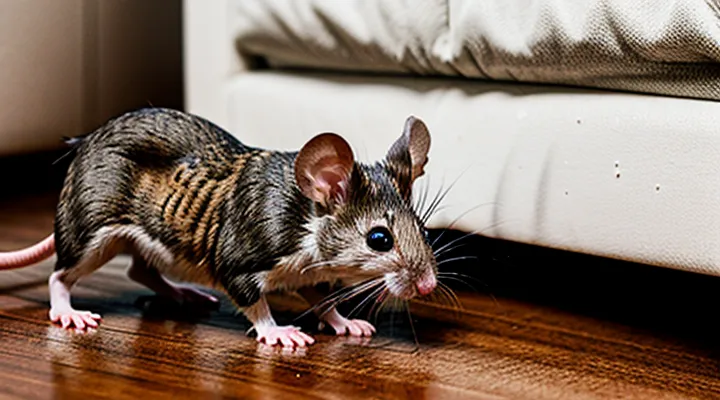
Understanding the Mouse Problem
Identifying the Presence of Mice
Common Signs of Infestation
Identifying a mouse problem early prevents widespread damage and reduces the effort required for control. Recognizable indicators appear in various parts of the home and provide reliable evidence of activity.
- Small droppings, typically 1‑2 mm long, dark and pellet‑shaped, found along baseboards, behind appliances, and in pantry corners.
- Gnaw marks on wood, plastic, wiring, or food packaging, often with clean, straight edges.
- Crushed or shredded material such as paper, insulation, or nesting fibers near concealed areas.
- Faint, musky odor that intensifies as the population grows.
- Pathways of greasy footprints or tail marks on walls and floors, especially near entry points.
- Presence of live or dead mice in traps, dead‑end spaces, or near food sources.
Each sign warrants immediate inspection of adjacent areas to locate entry routes and establish the extent of the infestation. Prompt verification enables targeted intervention and limits the need for extensive remediation.
Where Mice Typically Hide
Identifying common mouse concealment sites enables targeted action. Mice exploit structural gaps, cluttered areas, and food sources, so locating these environments is critical for successful removal.
- Wall cavities and insulation gaps
- Attic rafters and roof joists
- Basement corners and utility tunnels
- Behind or beneath appliances (refrigerators, stoves, dishwashers)
- Under sinks and around plumbing fixtures
- Inside cabinets, pantry shelves, and pantry doors
- Within furniture cushions, bed frames, and mattress folds
- Inside storage boxes, cardboard cartons, and paper piles
- Dryer and washing‑machine vents
- Crawl spaces and foundation cracks
- Ceiling joists and light fixtures
Signs that confirm occupancy include gnaw marks, droppings, urine stains, and nesting material. Inspect each area regularly, seal entry points, and apply control measures directly where activity is detected. This focused approach maximizes efficiency in mouse eradication efforts.
Dangers of Mouse Infestations
Health Risks Associated with Mice
Mice introduce a range of pathogens that jeopardize household health. Direct contact with droppings, urine, or saliva can transmit diseases such as hantavirus, which causes severe respiratory illness, and leptospirosis, a bacterial infection affecting kidneys and liver. Indirect exposure occurs when rodents contaminate food supplies; Salmonella and E. coli proliferate in spoiled provisions, leading to gastroenteritis. Allergic reactions to mouse dander and shed hair are common, especially in sensitive individuals, and can exacerbate asthma symptoms. Parasites carried by mice, including fleas and mites, may bite humans or pets, spreading additional infections.
Key health hazards include:
- Hantavirus pulmonary syndrome – acute fever, muscle aches, respiratory distress.
- Leptospirosis – fever, jaundice, potential kidney failure.
- Salmonellosis and E. coli infections – abdominal cramps, diarrhea, dehydration.
- Allergic sensitization – sneezing, wheezing, skin irritation.
- Secondary infestations – flea‑borne diseases such as murine typhus.
These risks underscore the necessity of prompt, evidence‑based mouse control measures in residential environments.
Property Damage Caused by Mice
Mice gnaw on almost any material they encounter, compromising the integrity of a home. Their incisors continuously grow, prompting relentless chewing that can damage structural components, wiring, and insulation.
Common forms of damage include:
- Woodwork: beams, baseboards, and furniture show bite marks, weakening load‑bearing elements.
- Electrical wiring: exposed cables become short‑circuited, increasing fire risk.
- Insulation: shredded fibers reduce thermal efficiency and create gaps for drafts.
- Plumbing: plastic pipes may be perforated, leading to leaks and water damage.
- Food storage: contaminated pantry items become unusable, prompting waste and cost.
- Personal belongings: clothing, papers, and electronic devices suffer chew marks and contamination from urine and droppings.
Preventive measures recommended by pest‑control specialists:
- Seal entry points larger than a quarter‑inch with steel wool, caulk, or hardware cloth.
- Install metal mesh or concrete caps on vent openings and utility penetrations.
- Store food in airtight containers; regularly clean crumbs and spills.
- Keep clutter to a minimum; eliminate nesting sites such as piles of fabric or cardboard.
- Conduct quarterly inspections of wiring, insulation, and structural components for bite marks.
- Deploy snap traps or electronic devices in identified activity zones, monitoring and replacing them promptly.
Addressing existing damage requires immediate repair. Replace compromised wiring under the supervision of a licensed electrician, reinforce gnawed wood with appropriate fasteners, and reinstall insulation where gaps appear. Thoroughly disinfect contaminated areas using EPA‑approved rodent‑borne pathogen cleaners before restoring the affected spaces.
Effective Strategies for Mouse Elimination
Prevention as the First Line of Defense
Sealing Entry Points
Sealing entry points blocks the primary pathway mice use to invade homes. Identify all potential openings: gaps around doors, windows, utility penetrations, foundation cracks, and vents. Use a systematic inspection—run a flashlight along baseboards, examine the exterior for weather stripping wear, and check behind appliances for hidden spaces.
- Apply steel wool or copper mesh to holes larger than ¼ inch; rodents cannot gnaw through these materials.
- Fill smaller cracks with expanding polyurethane foam; choose a low‑expansion formula to avoid pressure damage.
- Install airtight door sweeps and window seals; replace worn weatherstripping promptly.
- Cover vent openings with metal screens that have mesh no larger than ¼ inch.
- Seal pipe and cable entries with stainless‑steel conduit sleeves or heavy‑duty caulk.
After repairs, conduct a follow‑up test by observing for fresh droppings or gnaw marks over a week. Re‑inspect any area that shows signs of activity and reinforce the seal as needed. Maintaining a continuous barrier eliminates re‑entry opportunities, reducing the likelihood of future infestations.
Proper Food Storage
Proper food storage eliminates a primary attractant for house mice. Secure containers prevent scent diffusion and deny access to nutrients. Use metal or heavy‑wall plastic jars with gasket seals for grains, cereals, nuts, and dried fruits. Store pet food in the same manner; keep it in sealed containers and limit floor exposure.
Maintain a clean environment around storage areas. Wipe spills immediately, discard crumbs, and vacuum regularly. Refrigerate perishable items and discard leftovers within 24 hours. Position containers away from walls and corners where mice can gnaw unnoticed.
Implement a routine inspection. Check seals for wear, replace damaged lids, and rotate stock to avoid stale food buildup. Label containers with purchase dates to ensure timely consumption. Adopt these measures consistently to reduce food‑driven mouse activity throughout the home.
Maintaining Cleanliness and Sanitation
Maintaining a clean environment deprives mice of the food and shelter they need to survive. By eliminating attractants and reducing hiding places, the likelihood of infestation drops dramatically.
- Store all food in airtight containers; never leave pet food out overnight.
- Clean kitchen surfaces immediately after meals; wipe crumbs, spills, and grease before they dry.
- Dispose of garbage daily; use bins with tight‑fitting lids and keep them away from walls.
- Sweep and vacuum regularly, paying special attention to corners, under appliances, and behind furniture.
Sanitation extends to waste handling. Compost bins should be sealed, and recycling containers must be rinsed before storage. Leaking pipes or standing water create humid microhabitats that attract rodents; promptly repair leaks and dry damp areas.
Structural hygiene complements cleaning efforts. Seal gaps around doors, windows, utility entries, and baseboards with steel wool or caulk. Remove clutter that offers nesting material, such as piles of paper, fabric, or cardboard. Periodically inspect attics, crawl spaces, and storage closets for droppings or gnaw marks, and address any findings immediately.
A disciplined routine—daily housekeeping, weekly deep cleaning, and monthly structural checks—creates conditions where mice cannot establish a foothold. Consistent application of these practices forms the backbone of an effective rodent control strategy.
Trapping Methods
Live Traps
Live traps provide a humane method for removing mice from residential spaces while maintaining control over the removal process. The device consists of a cage with a trigger mechanism that closes the door once the rodent enters to reach bait. This design prevents injury and allows for subsequent release away from the home.
When deploying live traps, follow these steps:
- Choose a trap size appropriate for house mice (approximately 3 × 4 × 6 inches).
- Position traps along walls, behind appliances, and near known droppings, as mice travel close to baseboards.
- Use attractants such as peanut butter, sunflower seeds, or small pieces of cheese; apply a pea‑sized amount to the trigger plate.
- Set the trigger mechanism securely, ensuring the door snaps shut with minimal force.
- Inspect traps at least twice daily; prolonged confinement can cause stress or dehydration.
- Release captured mice at least 100 meters from the residence, preferably in a wooded or field area, and open the cage slowly to minimize escape risk.
- Clean and disinfect traps after each use to prevent disease transmission.
Advantages of live traps include compliance with animal‑welfare standards, avoidance of poison residues, and the ability to monitor capture rates directly. Limitations involve the need for regular monitoring, potential for released mice to re‑enter the property, and a requirement for proper disposal of any dead specimens found inside the trap.
Integrating live traps with complementary measures—such as sealing entry points, removing food sources, and maintaining a clutter‑free environment—enhances overall effectiveness in eliminating mouse infestations.
Snap Traps
Snap traps remain the most reliable mechanical solution for indoor mouse control. Their rapid action kills the rodent instantly, preventing suffering and eliminating disease‑transmitting activity. The device consists of a spring‑loaded bar, a trigger mechanism, and a bait platform; proper configuration maximizes capture rates.
Key considerations for optimal use:
- Selection of trap model – Choose a robust, stainless‑steel trap with a strong spring and a smooth release. Models featuring a safety guard reduce accidental activation during handling.
- Bait choice – Peanut butter, dried fruit, or small pieces of cheese provide strong olfactory cues. Apply a pea‑sized amount to the trigger pedal to ensure sensitive response.
- Placement strategy – Position traps perpendicular to walls, with the trigger end facing the wall. Target high‑traffic zones such as behind appliances, under cabinets, and along baseboards. Space traps 1–2 feet apart in suspected runways.
- Setting technique – Pull the spring bar back until it locks securely. Verify that the trigger is fully engaged before release. Wear gloves to avoid scent transfer.
- Maintenance – Inspect traps daily. Dispose of captured mice in sealed bags, then clean the trap surface with alcohol to remove residual odor before re‑baiting.
Safety precautions are essential. Keep traps out of reach of children and pets; use child‑proof covers when available. Store unused traps in a locked container to prevent accidental discharge.
When integrated with a comprehensive pest‑management plan—such as sealing entry points and maintaining cleanliness—snap traps provide swift, decisive reduction of mouse populations in residential settings.
Electronic Traps
Electronic traps provide rapid, humane mouse control without chemicals or snap mechanisms. The devices emit a high‑voltage shock that instantly kills the rodent, preventing pain and reducing the chance of injury to pets or children.
Key characteristics of effective electronic traps:
- Power source: Battery‑operated models offer portability; plug‑in units ensure continuous operation.
- Detection system: Infrared or pressure sensors activate the shock only when a mouse is present, minimizing false discharges.
- Capacity: Multi‑catch chambers hold several dead rodents, allowing extended use before emptying.
- Safety features: Built‑in shields prevent accidental contact with the high voltage element.
Placement guidelines:
- Identify active pathways: near walls, behind appliances, and along baseboard routes where mice travel.
- Position traps perpendicular to the wall, with the entrance facing the expected direction of movement.
- Maintain a clear line of sight to the sensor; avoid clutter that could obstruct detection.
- Replace batteries or verify power connections weekly to ensure consistent performance.
Maintenance routine:
- Empty the catch chamber after each kill, wearing disposable gloves.
- Clean the interior with mild detergent to remove residues that may deter future visits.
- Inspect sensors for dust buildup; wipe gently with a dry cloth.
- Test the unit’s shock function monthly using the built‑in self‑check, if available.
Cost considerations:
- Initial purchase price ranges from $30 for basic models to $150 for advanced units with multiple chambers and remote alerts.
- Ongoing expenses are limited to batteries or electricity; no consumable baits are required.
- Longevity typically exceeds two years with proper care, delivering a lower total cost of ownership compared with disposable snap traps.
Electronic traps, when selected according to power, sensor reliability, and capacity, and deployed along established mouse routes, constitute a reliable component of a comprehensive rodent‑elimination strategy.
Bait Selection and Placement
Choosing the right bait and positioning it correctly determines whether a mouse control program succeeds. Effective bait must attract rodents quickly, remain palatable, and, when required, deliver a lethal dose safely.
- Edible attractants: peanut butter, chocolate, dried fruit, and high‑protein pet food. Use fresh, unspoiled portions to maintain scent.
- Poison baits: anticoagulant blocks (e.g., bromadiolone) or neurotoxic granules (e.g., bromethalin). Verify dosage complies with local regulations and label instructions.
- Non‑lethal alternatives: snap traps pre‑baited with the same foods listed above, or electronic traps that rely on a quick shock.
Placement guidelines:
- Position baits along walls, behind appliances, and near known gnaw marks; mice travel close to baseboards.
- Keep baits at least 12 inches from food storage areas to prevent contamination.
- Secure baits in tamper‑resistant stations to protect children and pets.
- Replace baits every 48 hours or when consumed; monitor for activity marks to adjust locations.
- Avoid placing baits in damp or overly hot spots, which degrade attractants and reduce efficacy.
Proper bait selection paired with strategic placement maximizes contact rates, reduces the time required for elimination, and minimizes risks to non‑target organisms.
Chemical Solutions
Understanding Rodenticides
Rodenticides are chemical agents formulated to control mouse populations by interfering with vital physiological processes. They fall into two primary categories: anticoagulants, which disrupt blood clotting, and non‑anticoagulants, which affect metabolic pathways or nerve function. Common active ingredients include bromadiolone, difenacoum (anticoagulants) and bromethalin, cholecalciferol (non‑anticoagulants).
Selection criteria
- Target species: choose a product labeled for mice to avoid unnecessary exposure to non‑target organisms.
- Toxicity level: opt for formulations that balance efficacy with reduced risk to pets and humans.
- Delivery format: bait blocks, pellets, or liquids suit different infestation scenarios.
Safety protocols
- Place baits in tamper‑resistant stations positioned away from food preparation areas.
- Wear disposable gloves when handling products; wash hands thoroughly afterward.
- Keep children and domestic animals out of treated zones until bait consumption is confirmed and the area is cleared.
Application guidelines
- Assess infestation severity to determine the number of bait stations required (typically one station per 100 sq ft for moderate activity).
- Install stations along walls, behind appliances, and near known travel routes.
- Monitor stations daily; replace depleted baits promptly to maintain pressure on the rodent population.
- After successful control, remove all bait stations and clean surrounding surfaces with a mild detergent.
Regulatory considerations
- Verify that the selected rodenticide complies with local pesticide regulations.
- Maintain a record of product name, active ingredient, concentration, and application dates for future reference and potential inspections.
Understanding the pharmacology, proper deployment, and legal framework of rodenticides enables precise, responsible mouse eradication while minimizing collateral hazards.
Safe Application and Precautions
When deploying rodent control measures, prioritize methods that minimize health risks and environmental impact. Choose traps that do not rely on toxic substances if children or pets share the area. Opt for snap traps with insulated handles or electronic devices that deliver immediate, humane termination without poison.
Before setting any device, follow these safety steps:
- Wear disposable gloves to prevent direct skin contact with bait or dead rodents.
- Wash hands thoroughly after handling traps or cleaning up debris.
- Position traps along walls, behind appliances, and in concealed pathways; avoid high‑traffic zones.
- Keep bait out of reach of non‑target animals; secure it in sealed containers until use.
- Inspect traps daily; remove captured rodents promptly to reduce odor and disease exposure.
- Dispose of carcasses in sealed bags, then place them in an outdoor trash receptacle.
If chemical deterrents are necessary, adhere to the following precautions:
- Select products approved for indoor residential use; read the label for concentration limits.
- Apply only in ventilated spaces; open windows and use fans to disperse fumes.
- Store chemicals in locked cabinets away from food, utensils, and children's reach.
- Use a mask with appropriate filtration and protective eyewear during application.
- After treatment, allow the recommended waiting period before re‑entering the treated area.
Maintain a clean environment to deter future infestations. Seal entry points, store food in airtight containers, and eliminate standing water. Regular inspection and prompt corrective action sustain a safe, mouse‑free home.
Risks to Pets and Children
Effective mouse control demands careful assessment of hazards to non‑target occupants. Pets and children are especially vulnerable to common rodent‑management tools, and overlooking these risks can lead to accidental poisoning, injuries, or long‑term health effects.
Potential hazards include:
- Rodenticides: Ingested bait can cause severe neurological or gastrointestinal symptoms in dogs, cats, and toddlers. Secondary poisoning occurs when a pet consumes a dead mouse that has absorbed the toxin.
- Snap traps: Improper placement may result in paw or finger punctures, bruising, or lacerations. Traps that are not securely anchored can become dislodged and pose additional danger.
- Glue boards: Adhesive surfaces cause skin irritation, fur loss, and emotional distress when an animal or child becomes stuck.
- Chemical repellents: Aerosol sprays and powders may irritate respiratory passages, eyes, or skin, particularly in young children with developing immune systems.
- Environmental contamination: Residues from poisons or traps can linger on surfaces, contaminating food preparation areas or pet bedding.
Mitigation strategies:
- Bait security: Use tamper‑resistant bait stations that lock out children and animals while allowing mouse access. Position stations behind appliances or in wall voids inaccessible to pets.
- Trap selection: Prefer snap traps with safety shields that close around the trigger mechanism, reducing accidental contact. Place traps along walls, behind furniture, or in attics where children and pets cannot reach.
- Live‑capture devices: Deploy humane cages that require manual removal of captured mice. Ensure cages are placed high or in concealed locations to prevent pet interference.
- Pet monitoring: Supervise pets in areas where control measures are active. Keep food bowls and water dishes away from trap sites to discourage curiosity.
- Child safety: Store all rodent‑control products in locked cabinets. Educate household members about the purpose and risks of each device.
- Cleanup protocol: After each capture or bait application, wear disposable gloves, dispose of waste in sealed containers, and wash hands thoroughly. Clean surfaces with mild detergent to remove any residue.
By integrating these precautions, mouse eradication efforts remain effective while safeguarding the health and safety of both pets and children.
Professional Pest Control Services
When to Call an Expert
When signs of infestation exceed the capacity of DIY measures, professional assistance becomes necessary. Persistent activity after multiple traps, multiple entry points, or evidence of disease‑carrying droppings indicate that a trained exterminator should intervene.
Typical scenarios that merit expert involvement include:
- Traps and baits fail to reduce mouse numbers within a week.
- Damage to structural elements, wiring, or insulation is observed.
- Presence of mouse urine or feces in food preparation areas.
- Children, elderly, or immunocompromised individuals reside in the home.
- The property is a multi‑unit building where coordinated treatment is required.
Professional pest control offers advantages that self‑treatment cannot match. Certified technicians can:
- Conduct a thorough inspection to locate hidden nests and pathways.
- Apply EPA‑approved rodenticides safely and legally.
- Seal gaps with materials that resist future intrusion.
- Provide a documented action plan and follow‑up monitoring.
If any of the listed conditions apply, schedule an appointment with a licensed exterminator promptly to prevent escalation and protect health and property.
What to Expect from a Professional Service
A professional rodent‑control service begins with a thorough on‑site inspection. Technicians identify entry points, assess infestation severity, and document conditions that attract mice. This evaluation forms the basis for a customized treatment plan.
The plan outlines specific actions, such as:
- Placement of bait stations or snap traps in high‑traffic zones
- Sealing gaps, cracks, and utility openings to prevent re‑entry
- Application of rodent‑safe repellents where appropriate
- Scheduling of follow‑up visits to monitor activity
All equipment and chemicals used comply with local health and safety regulations. Technicians wear protective gear and follow protocols that minimize risk to occupants, pets, and the environment.
Clients receive a written report detailing the findings, the interventions performed, and a timeline for expected results. The report also includes warranty terms, typically covering a specified period during which additional visits are provided at no extra charge if mouse activity persists.
Payment structures are transparent: a fixed initial fee covers inspection and initial treatment, while subsequent visits are billed according to the agreed schedule. Many providers offer bundled packages that combine exclusion work, trap placement, and ongoing monitoring.
Effective communication is maintained throughout the process. Service representatives confirm appointment times, explain safety precautions, and answer questions promptly. Documentation of each visit is stored for reference, allowing homeowners to track progress and verify compliance.
In summary, engaging a qualified pest‑control firm delivers a systematic, regulated approach that eliminates current mouse problems and reduces the likelihood of future infestations.
Post-Elimination Measures
Cleaning and Disinfection
Removing Droppings and Urine
Removing mouse droppings and urine is a critical component of any rodent‑control plan. Feces and urine can transmit hantavirus, salmonella, and allergic reactions, contaminating surfaces, food supplies, and air quality. Prompt, thorough decontamination reduces health risks and eliminates attractants that encourage further infestation.
Procedure
- Wear protection – disposable gloves, mask rated N95 or higher, and eye protection.
- Ventilate area – open windows and run exhaust fans for at least 15 minutes before cleaning.
- Collect solid waste – use a disposable paper towel or damp cloth to pick up droppings, nests, and urine‑soaked materials. Place them directly into a sealed plastic bag.
- Disinfect – apply a 1 % bleach solution (1 part bleach to 9 parts water) or an EPA‑registered rodent disinfectant. Saturate the contaminated surface, let it sit for 10 minutes, then wipe with a clean cloth.
- Rinse and dry – remove residual chemicals with a damp cloth, then allow the area to dry completely.
- Dispose safely – seal the bag containing waste, label it as hazardous, and discard according to local regulations.
- Prevent re‑contamination – seal entry points, store food in airtight containers, and maintain regular cleaning schedules.
Key considerations
- Do not sweep or vacuum dry droppings; aerosolizing particles spreads pathogens.
- Replace cleaning materials after each use to avoid cross‑contamination.
- For porous items (carpet, insulation) that are heavily soiled, consider removal and professional disposal.
Executing these steps systematically restores sanitary conditions and supports broader rodent‑elimination efforts.
Sanitizing Contaminated Areas
Sanitizing areas contaminated by rodents is essential for preventing disease transmission and discouraging reinfestation. Begin by removing visible debris, droppings, and nesting material with disposable gloves and a sealed bag. Discard the waste outside the home to avoid cross‑contamination.
Next, apply a disinfectant approved for household use to all surfaces the mouse may have contacted. Follow the manufacturer’s contact time to ensure microbial reduction. For porous surfaces such as upholstery or insulation, consider steam cleaning or replacement, as chemical sanitizers may not penetrate fully.
After treatment, ventilate the space for at least 30 minutes to disperse residual fumes. Use a HEPA filter vacuum to capture any remaining particles, then dispose of the vacuum bag in a sealed container.
Maintain a routine cleaning schedule:
- Sweep and mop floors daily in high‑risk zones.
- Wipe countertops and cabinets with disinfectant after each meal preparation.
- Inspect storage areas weekly for signs of gnaw marks or droppings and sanitize immediately.
Completing these steps removes health hazards, eliminates attractants, and supports long‑term control of mouse activity in the residence.
Ongoing Monitoring and Maintenance
Regular Inspections
Regular inspections form the backbone of any successful mouse‑control program. Detecting activity early prevents population growth, limits damage, and reduces the need for extensive trapping or chemical measures.
Key elements of an effective inspection routine include:
- Visual scanning of walls, ceilings, and baseboards for droppings, gnaw marks, and shredded material.
- Examination of entry points such as gaps around pipes, vents, and utility conduits; seal openings no larger than ¼ inch.
- Inspection of food storage areas; verify that containers are airtight and surfaces are free of crumbs.
- Monitoring of traps and bait stations for placement accuracy and capture evidence.
Conduct inspections at least twice weekly during the breeding season (spring through early fall) and maintain a reduced schedule of once per week during colder months. Record findings in a log to track hotspots and verify that corrective actions remain effective. Consistent documentation enables rapid adjustments and ensures long‑term elimination of the rodent problem.
Maintaining Preventative Measures
Preventive actions sustain the results of any rodent‑removal effort. Secure food sources, seal entry points, and monitor activity to discourage re‑infestation.
- Store dry goods in airtight containers; discard crumbs and spills immediately.
- Inspect walls, floors, and foundations for gaps larger than ¼ inch; fill openings with steel wool, caulk, or concrete.
- Install door sweeps and repair damaged screens to block access under doors and windows.
- Keep garbage cans covered and empty them regularly; use sealed lids for pet food and compost.
- Reduce clutter in basements, attics, and storage areas; remove cardboard, fabric piles, and unused boxes that offer shelter.
- Place snap traps or live‑catch devices along known travel routes; check them weekly and replace baits as needed.
- Conduct seasonal inspections, focusing on colder months when mice seek indoor warmth.
Consistent application of these measures creates an environment where mice cannot locate food, water, or shelter, thereby maintaining long‑term control without recurring interventions.