
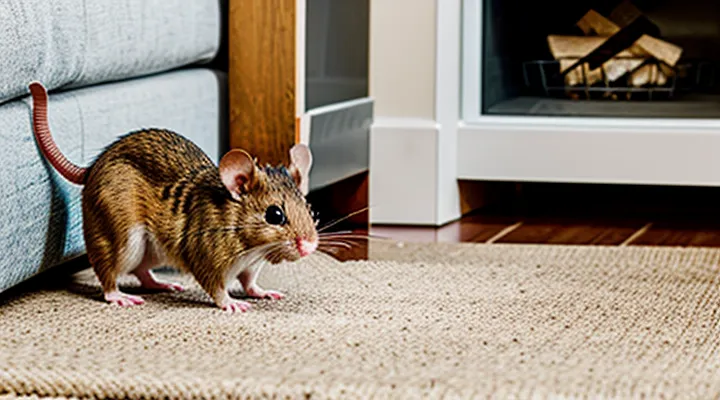
«Understanding the Mouse Problem»
«Signs of Infestation»
«Droppings and Urine Odor»
Mice leave fecal pellets and urine stains that signal infestation and create health hazards. The droppings are typically 3‑5 mm long, dark brown, and found along walls, in cabinets, or near food sources. Urine produces a sharp, ammonia‑like smell that intensifies in enclosed spaces.
Health risks stem from pathogens such as Hantavirus, Salmonella, and leptospirosis, which survive in droppings and urine for weeks. Direct contact or inhalation of dust contaminated with these materials can cause respiratory illness and gastrointestinal upset.
Effective removal requires protective equipment and thorough disinfection:
- Wear disposable gloves, N‑95 respirator, and eye protection.
- Ventilate the area for at least 30 minutes before cleaning.
- Moisten droppings with a 1:10 bleach solution (5 % sodium hypochlorite) for 5 minutes to prevent aerosolization.
- Scrape solid waste into a sealed bag; discard in a rigid container.
- Apply the same bleach solution to urine‑stained surfaces, let it sit for 10 minutes, then wipe with disposable cloths.
- Rinse with clean water, dry, and allow the area to air out completely.
Odor control relies on eliminating the source and neutralizing residual fumes. After cleaning, place activated charcoal or baking‑soda containers in affected rooms for 24–48 hours. Commercial enzymatic cleaners break down organic residues, further reducing smell.
Regular inspection of likely nesting sites—behind appliances, under sinks, and in attic voids—prevents accumulation of droppings and urine, limiting exposure and discouraging further mouse activity.
«Gnaw Marks and Damage»
Mice leave distinct gnaw marks that reveal the extent of their activity and the potential for further damage. Identifying these signs early prevents costly repairs and health hazards.
Typical gnaw marks appear on wood, plastic, and electrical wiring. Wood shows clean, shallow cuts often along edges of cabinets, baseboards, or structural beams. Plastic components, such as pipe insulation and storage containers, display irregular bite marks with rough edges. Wiring exhibits exposed copper or stripped insulation, creating a fire risk.
Damage caused by gnawing includes:
- Compromised structural integrity of walls, floors, and furniture.
- Short‑circuit potential from damaged electrical cords.
- Contamination of food supplies and surfaces with urine and droppings.
- Increased likelihood of disease transmission through bacterial growth in chewed material.
Addressing gnaw marks requires immediate action:
- Seal all entry points identified by fresh gnawing or droppings.
- Remove and replace compromised materials, prioritizing structural components and exposed wiring.
- Clean affected areas with an appropriate disinfectant to eliminate pathogens.
- Install monitoring devices, such as snap traps or electronic counters, to verify the cessation of activity.
- Conduct a follow‑up inspection within two weeks to confirm that no new gnaw marks have appeared.
Consistent monitoring and prompt repair of gnawed sections form the core of an effective home rodent‑control strategy.
«Noises and Sightings»
Mice reveal their presence through distinct sounds and visual cues. Recognizing these indicators early prevents population growth and limits damage.
Typical auditory signs include:
- Scratching within walls, ceilings, or insulation, especially at night.
- Light, rapid footfalls on floors or in cabinets.
- High‑pitched squeaks emitted when mice are startled or communicating.
Visible evidence consists of:
- Small droppings, 3‑5 mm long, dark brown, found near food sources, along baseboards, or behind appliances.
- Gnaw marks on wiring, wood, or packaging, characterized by clean, parallel cuts.
- Nests built from shredded paper, fabric, or insulation, often located in concealed areas such as behind walls or under sinks.
- Tracks left in dusty corners, pantry shelves, or near food containers.
When noises persist after sundown and droppings appear in multiple locations, the infestation is likely active. Confirming the pattern of sightings—frequency, location, and time—guides targeted treatment and reduces the need for extensive remediation.
«Why Mice Are a Problem»
«Health Risks»
Mice presence in residential spaces introduces multiple health hazards that can affect occupants immediately and over time.
- Pathogen transmission – rodents carry bacteria such as Salmonella and Leptospira, which contaminate surfaces and food, leading to gastrointestinal illness and kidney infection.
- Viral agents – hantavirus and lymphocytic choriomeningitis virus (LCMV) are excreted in urine and droppings; inhalation of aerosolized particles can cause severe respiratory disease.
- Parasitic infestations – mites, fleas, and tapeworms hitch rides on mice, subsequently biting humans or contaminating stored food, resulting in skin irritation, allergic reactions, or intestinal disorders.
- Allergen exposure – proteins in mouse urine, saliva, and dander trigger asthma attacks and allergic rhinitis, especially in children and sensitive adults.
- Food contamination – gnawed packaging and droppings introduce spoilage microbes, increasing the risk of food‑borne outbreaks.
Additional risks arise from structural damage caused by gnawing. Compromised wiring or insulation can create fire hazards, while opening walls may foster mold growth, further aggravating respiratory conditions.
Addressing these dangers requires prompt detection, sealing of entry points, and implementation of control strategies to eliminate the rodent population and prevent recurrence.
«Property Damage»
Mice inflict costly damage on residential structures and personal belongings. Their gnawing habit compromises:
- Electrical wiring, creating fire hazards and costly repairs.
- Insulation, reducing energy efficiency and increasing heating bills.
- Wooden beams, cabinets, and flooring, leading to structural weakness.
- Food packaging, resulting in waste and contamination.
- Plumbing, as rodents chew through soft tubing, causing leaks.
Effective mitigation requires immediate action. Seal all entry points larger than a quarter‑inch with steel wool or caulk; replace damaged wiring and insulation promptly; store food in airtight containers; install snap traps or electronic devices in identified activity zones; and schedule regular inspections to detect new damage before it escalates. Prompt repairs and preventive sealing reduce long‑term expenses and protect the home’s integrity.
«Prevention Strategies»
«Sealing Entry Points»
«Inspecting Exterior Walls»
Inspecting the exterior walls is a fundamental step when reducing mouse activity around a residence. Begin by walking the perimeter at ground level and noting any visible openings larger than a quarter‑inch. Examine the foundation, siding, and any attached structures such as decks or sheds for gaps, cracks, or deteriorated material that could serve as entry points.
- Use a flashlight to reveal hidden fissures behind trim or under eaves.
- Probe suspected gaps with a thin wire or a credit‑card‑sized piece of cardboard; any resistance indicates a potential passage.
- Check for signs of gnawing on wood, plastic, or metal surfaces; fresh bite marks suggest recent use.
- Inspect utility penetrations (pipes, cables, vents) for proper sealing; replace missing or damaged caulking, steel wool, or metal flashing as needed.
- Verify that exterior doors close tightly; adjust weatherstripping or install door sweeps to eliminate drafts and gaps.
After identifying problem areas, seal each opening with appropriate materials—steel wool combined with caulk for small cracks, hardware cloth or metal flashing for larger gaps, and expanding foam for irregular spaces. Re‑evaluate the wall surface after repairs to confirm that no new openings have been introduced. Regular seasonal inspections maintain the barrier’s integrity and limit mouse ingress.
«Addressing Gaps Around Pipes and Wires»
Sealing openings around plumbing, electrical conduits, and other service lines blocks one of the most common routes mice use to infiltrate residential structures.
Typical penetrations include:
- Gaps where water, gas, or sewer pipes pass through walls or floors.
- Spaces around cable bundles, telephone lines, and fiber‑optic cords.
- Openings surrounding HVAC ducts, vent pipes, and dryer exhausts.
Begin by conducting a systematic visual inspection. Turn off water and electricity where feasible, then use a flashlight to trace each pipe and wire from the point of entry to the interior surface. Insert a thin probe or a piece of wire to confirm the size of any opening; gaps larger than ¼ inch allow mouse passage.
Select sealing materials based on the substrate and exposure conditions. For concrete or masonry, apply a two‑part epoxy or hydraulic cement to fill voids. Use stainless‑steel mesh or copper flashing for areas requiring flexibility, then cover with expanding polyurethane foam for additional insulation. Silicone caulk works well on joints between metal and plastic. Apply the sealant in layers, allowing each to cure before adding the next, to ensure a durable barrier.
After sealing, schedule periodic checks, especially after renovations or seasonal temperature shifts. Replace degraded material promptly, and maintain a clear perimeter by trimming vegetation and removing debris that could conceal new gaps.
By eliminating these service‑line openings, the structural integrity of the home remains intact, and the likelihood of mouse intrusion diminishes substantially.
«Using Steel Wool and Caulk»
Steel wool and caulk create a durable barrier that blocks mouse entry through gaps and holes. The material’s dense fibers resist gnawing, while caulk seals the surrounding area, preventing rodents from exploiting the opening.
- Identify cracks around pipes, vents, and foundation.
- Pack tightly compressed steel wool into each opening, ensuring no space remains.
- Apply a bead of silicone or acrylic caulk over the steel wool, smoothing it to adhere fully to the surrounding surface.
- Inspect the sealed points regularly; replace steel wool if it becomes dislodged or compressed.
Using this combination eliminates common access routes without chemicals, offers long‑term protection, and integrates seamlessly with other control measures.
«Sanitation and Food Storage»
«Proper Food Storage Techniques»
Secure food storage eliminates a primary attraction for rodents. When food is inaccessible, mice lose a reliable energy source, reducing their presence in living areas.
- Store dry goods in airtight containers made of glass, metal, or heavy‑duty plastic; ensure lids seal completely.
- Keep pantry shelves clear of crumbs; wipe surfaces after each use.
- Refrigerate or freeze bulk items such as grains, nuts, and pet food; label containers with purchase dates.
- Place all perishables in the refrigerator or a locked cooler; avoid leaving open packages on counters.
- Dispose of waste promptly; use bins with tight‑fitting lids and empty them regularly.
- Seal gaps around cabinets, countertops, and walls to prevent mice from reaching stored food.
Implementing these practices removes food cues that draw mice, supporting broader rodent‑control efforts.
«Regular Cleaning Practices»
Regular cleaning eliminates the food and nesting materials that attract rodents, directly reducing the likelihood of infestation.
- Remove food residues from countertops, tables, and floors after each meal.
- Store dry goods in sealed containers made of glass, metal, or heavy‑wall plastic.
- Sweep or vacuum daily to capture crumbs and debris.
- Clean behind appliances, under sinks, and inside cabinets with a damp cloth and mild detergent.
- Dispose of garbage in tightly sealed bins; empty bins regularly to prevent odor buildup.
Adopt a consistent schedule: wipe surfaces at least once per day, vacuum high‑traffic areas twice weekly, and perform a thorough deep clean of kitchens, pantries, and storage rooms monthly. During each deep clean, inspect for droppings, gnaw marks, or shredded materials, and address any findings immediately.
Integrate cleaning with other control measures by sealing entry points after each cleaning session, ensuring that no gaps remain where food particles could accumulate. Consistent, meticulous cleaning creates an environment where mice cannot locate sustenance or shelter, thereby supporting long‑term rodent management.
«Managing Waste Effectively»
Effective waste handling directly reduces food sources that attract rodents. Store refuse in containers with tight‑fitting lids; replace damaged seals promptly. Empty bins daily, especially in kitchens and utility areas, to prevent odor buildup.
- Use metal or heavy‑duty plastic bins resistant to gnawing.
- Position containers away from walls to eliminate hiding spots.
- Label bins for recycling, compost, and trash to avoid cross‑contamination.
Regularly clean bin interiors with a disinfectant solution. Rinse and dry before refilling to eliminate residue that may draw pests. Dispose of organic scraps in sealed bags or a dedicated compost system equipped with a secure lid.
Maintain a clear perimeter around waste stations. Remove spilled crumbs, wipe down surfaces, and sweep floors to eliminate crumbs that could serve as secondary food sources. Inspect outdoor dumpsters weekly for signs of damage; repair or replace as needed.
Implement a schedule for trash collection that aligns with municipal services, ensuring that waste does not accumulate beyond the pickup interval. When collection is delayed, temporarily store refuse in a secondary, sealed container until removal.
By enforcing these practices, households eliminate primary incentives for mice, making the environment less hospitable and supporting broader rodent‑control measures.
«Exclusion Tactics»
«Door Sweeps and Weatherstripping»
Door sweeps and weatherstripping create a physical barrier that prevents mice from entering through gaps beneath doors and around frames. By eliminating these entry points, the infestation risk drops dramatically.
Effective door sweeps feature a flexible seal—typically rubber, silicone, or brush—that contacts the threshold when the door closes. Weatherstripping consists of adhesive-backed strips placed along the door jamb, window frames, and other openings. Both products must be durable, weather‑resistant, and sized to match the specific door or frame.
Key selection criteria:
- Material durability (silicone or EPDM preferred for long‑term performance)
- Thickness compatible with door clearance
- Ease of installation (self‑adhesive backing or screw‑on design)
- Resistance to chewing; consider reinforced or metal‑edge options for high‑risk areas
Installation steps:
- Measure the gap at the bottom of the door and the perimeter of the frame.
- Clean surfaces with a mild detergent, then dry thoroughly.
- Cut the sweep or strip to length, ensuring a snug fit.
- Attach the sweep to the door bottom, aligning the seal with the threshold; secure with screws if provided.
- Apply weatherstripping along the jamb, pressing firmly to achieve full contact.
- Close the door repeatedly to verify that the seal engages without binding.
Maintenance involves inspecting the seal weekly for wear, tears, or displacement. Replace damaged sections promptly, as mice can exploit even small breaches. Periodic cleaning with a damp cloth removes debris that might compromise the seal’s effectiveness.
When combined with other exclusion methods—such as sealing cracks in walls, trimming vegetation away from the foundation, and keeping food storage secure—door sweeps and weatherstripping form a reliable first line of defense against rodent intrusion.
«Screening Vents and Chimneys»
Screened vents and chimneys form a critical barrier against rodent intrusion. Uncovered openings allow mice to travel from exterior spaces directly into walls, attics, and crawl spaces, where they can establish nests and cause damage. Installing fine mesh or metal screens at the entry points of all ventilation ducts, dryer exhausts, and chimney flues eliminates these pathways.
Select screening material with openings no larger than ¼ inch to prevent even juvenile mice from squeezing through. Secure the mesh with stainless‑steel screws or heavy‑duty staples, ensuring a tight seal around the frame. Inspect screens regularly for tears, corrosion, or displacement caused by weather or building settlement, and replace compromised sections promptly.
Implementation checklist
- Identify every vent, exhaust, and chimney opening in the residence.
- Measure each opening to determine the required screen dimensions.
- Purchase corrosion‑resistant mesh rated for outdoor use.
- Attach the mesh using rust‑proof fasteners; apply silicone sealant to joints for added protection.
- Conduct a follow‑up inspection after installation and schedule quarterly checks.
Consistent screening of these structures reduces the likelihood of mouse entry, supporting broader pest‑management efforts throughout the home.
«Eradication Methods»
«Trapping Options»
«Snap Traps»
Snap traps provide a rapid, humane solution for indoor rodent control. Constructed from spring‑loaded steel bars, they deliver an instantaneous kill when a mouse triggers the trigger plate. The mechanism requires no electricity, making the device reliable during power outages.
Effective use begins with strategic placement. Position traps along walls, behind appliances, and near suspected entry points, because mice travel close to surfaces. Locate each trap perpendicular to the wall, with the trigger end facing the anticipated travel route. Avoid placing traps in open areas where non‑target animals might encounter them.
Bait selection influences capture rates. Peanut butter, chocolate, or small pieces of dried fruit attract mice and adhere to the trigger plate, reducing premature releases. Apply a pea‑sized amount to the bait cup; excess bait can cause spillage and diminish trap sensitivity.
Safety considerations protect occupants and pets. Keep traps out of reach of children, and use tamper‑resistant models when households include pets. Wear disposable gloves when handling captured rodents, and seal each specimen in a plastic bag before disposal in an outdoor trash container.
Maintenance ensures continued effectiveness. Inspect traps daily; replace any that have been triggered or that show signs of rust. Clean the trigger plate with alcohol to remove residue, then re‑bait before redeployment. A regular inspection schedule—preferably every 24‑48 hours—prevents population rebound.
When a mouse is captured, follow these steps:
- Wear gloves and grasp the trap by the metal base.
- Place the trap in a sealable bag.
- Transfer the bag to an outdoor trash bin with a secure lid.
- Disinfect the trap surface before resetting.
By adhering to precise placement, appropriate baiting, and diligent maintenance, snap traps become a cornerstone of an efficient home rodent‑management program.
«Live Traps»
Live traps provide a humane alternative for managing indoor mouse activity. They capture rodents without killing them, allowing owners to relocate the animals away from the residence.
When selecting a trap, prioritize a model that matches the size of common house mice (approximately 2–4 inches long). Opt for sturdy plastic or metal cages with a reliable spring‑loaded door. Ensure the trigger mechanism reacts to minimal pressure to prevent missed captures.
Effective bait increases trap success. Recommended options include:
- Peanut butter applied thinly on a small piece of cardboard
- Sunflower seeds placed on a cotton ball
- Soft cheese or a slice of apple for occasional variety
Place bait directly on the trigger plate, avoiding excess that could allow the mouse to eat without activating the door.
Strategic placement maximizes catches. Position traps:
- Along walls where mice travel, typically within 12 inches of a baseboard
- Adjacent to known entry points such as gaps around pipes or vents
- Near food storage areas, but not directly on countertops to reduce contamination risk
Check traps at least twice daily. When a mouse is captured, wear disposable gloves, transfer the cage to a secure container, and release the animal at least two miles from the home, preferably in a wooded or field area where it cannot re‑enter residential spaces.
After each use, disinfect the trap with a solution of diluted bleach or commercial sanitizer. Rinse thoroughly and allow it to dry before reuse. Regular cleaning prevents disease transmission and maintains trigger sensitivity.
Integrate live traps with complementary measures: seal cracks and openings, store food in airtight containers, and maintain a clutter‑free environment. Combining these tactics reduces attractants and limits future infestations.
«Placement and Baiting Strategies»
Effective mouse control begins with precise placement of traps and baits. Position devices along established travel routes: behind appliances, under cabinets, within wall voids, and near entry points. Avoid open floor areas where rodents have little incentive to investigate.
- Align traps perpendicular to walls, with the trigger end facing the wall.
- Place snap traps 1–2 inches from the baseboard, where mice habitually run.
- Install live‑catch cages in concealed locations to prevent accidental contact with pets or children.
- Use multiple devices at each suspected hotspot; redundancy increases capture probability.
Bait selection and presentation directly influence success rates. Opt for high‑protein or high‑fat foods that mirror natural mouse diets. Secure bait to the trap mechanism to prevent removal without activation.
- Peanut butter, soft cheese, or cooked bacon are proven attractants.
- For low‑odor environments, use commercial rodent gel baits applied in a thin layer.
- Rotate bait types every 3–4 days to avoid habituation.
- Ensure bait is fresh; stale material loses potency and may deter activity.
Regular inspection confirms effectiveness. Check traps daily, record captures, and relocate devices if no activity is observed. Replace depleted bait promptly to maintain consistent lure strength. Continuous monitoring and strategic adjustments sustain long‑term mouse suppression.
«Baits and Repellents»
«Understanding Bait Stations»
Bait stations are sealed containers that hold rodent poison or attractants, designed to protect occupants while delivering a lethal dose to mice. Their construction prevents direct contact with the toxic material, reduces accidental ingestion by children or pets, and limits exposure to non‑target wildlife.
Key characteristics of effective bait stations include:
- Tamper‑resistant design – locks or hinged lids that open only when pressure is applied from the inside.
- Durable material – rigid plastic or metal that withstands indoor conditions and resists chewing.
- Clear labeling – safety warnings, active ingredient concentration, and expiration date printed on the exterior.
- Ease of loading – removable trays or compartments that allow quick replacement of bait without dismantling the unit.
Proper placement maximizes effectiveness while maintaining safety:
- Identify mouse pathways such as wall voids, behind appliances, and along baseboards.
- Position stations perpendicular to travel routes, with the opening facing the wall to force mice to enter head‑first.
- Keep stations at least 12 inches above the floor to avoid contact with crawling pets.
- Space stations 10–15 feet apart in high‑activity zones; add additional units in larger rooms.
Maintenance protocol:
- Inspect stations weekly for signs of activity, such as gnaw marks or dead mice.
- Replace depleted bait promptly; discard used trays in sealed bags.
- Clean exterior surfaces with mild detergent to remove dust that could deter mice.
- Record dates of inspection and bait replacement for accountability.
Selecting the appropriate bait involves matching the active ingredient to the infestation level and local regulations. Common options include anticoagulants (e.g., bromadiolone) for rapid control and non‑anticoagulant formulations (e.g., cholecalciferol) where secondary poisoning risks are a concern. Verify that the product is approved for indoor residential use and follow label instructions precisely.
By integrating well‑constructed bait stations, targeting high‑traffic zones, and adhering to a disciplined inspection schedule, homeowners can achieve reliable mouse reduction while preserving household safety.
«Natural Repellents and Their Efficacy»
Natural repellents offer a chemical‑free option for reducing mouse activity in residential settings. Their effectiveness depends on the active compound, delivery method, and environmental conditions.
- Peppermint oil: volatile menthol irritates rodent olfactory receptors, prompting avoidance of treated areas. Field trials report a 30‑45 % reduction in sightings when applied weekly to entry points and along walls.
- Cedar wood: aromatic phenols deter nesting by creating an unpleasant scent. Laboratory studies indicate a modest decline in activity, but long‑term efficacy diminishes as the wood ages.
- Clove and citronella oils: both contain eugenol and citronellal, which act as sensory repellents. Experiments show short‑term avoidance, yet concentrations required for sustained impact may exceed safe indoor exposure limits.
- Predator urine (e.g., fox, ferret): mimics predator presence, triggering innate fear responses. Controlled tests demonstrate initial avoidance, but habituation occurs within weeks, reducing reliability.
Efficacy varies among products. Consistent application, proper placement near known ingress points, and integration with structural exclusion methods (sealing gaps, removing food sources) produce the most reliable outcomes. Stand‑alone use of natural repellents typically yields temporary suppression rather than eradication; combining them with physical barriers enhances overall control.
«Professional Pest Control»
«When to Call an Expert»
Mice infestations can quickly exceed the capacity of DIY measures. Recognizing the point at which professional intervention becomes necessary prevents property damage, health risks, and escalating costs.
Key indicators that an expert should be engaged include:
- Persistent activity despite traps, baits, or sealing attempts for more than two weeks.
- Evidence of nesting material, droppings, or gnaw marks in multiple rooms.
- Structural damage such as compromised insulation, wiring, or stored food containers.
- Signs of disease transmission, including unexplained allergies or respiratory issues among occupants.
- Inability to locate entry points after a thorough inspection of the building envelope.
When any of these conditions are present, a licensed pest‑control specialist offers advantages that exceed home remedies. Professionals conduct comprehensive surveys, identify hidden ingress routes, and apply certified, low‑toxicity treatments that comply with safety regulations. They also provide a documented action plan, ongoing monitoring, and guarantees that protect against re‑infestation.
Delaying professional assistance after these warning signs appear often results in increased remediation expenses and heightened health hazards. Promptly contacting an experienced technician ensures the infestation is contained, eradicated, and prevented from recurring.
«What to Expect from a Service»
When you hire a professional mouse‑control provider, the first step is a thorough on‑site inspection. Technicians identify entry points, assess population size, and note conditions that favor infestation. This assessment forms the basis for a customized treatment plan.
The service includes:
- Targeted baiting or trapping positioned at proven activity zones.
- Sealing of structural gaps using appropriate materials to prevent re‑entry.
- Application of low‑toxicity rodenticide, if required, following safety protocols.
- A written schedule outlining initial actions, expected duration, and milestones for verification.
Clients receive a guarantee that outlines remediation success criteria and the period during which follow‑up visits are covered at no additional charge. The guarantee typically specifies a timeframe—often 30 to 60 days—during which any recurrence triggers a free re‑treatment.
Communication is maintained through regular updates: a post‑treatment report summarizing actions taken, evidence of rodent activity, and recommendations for ongoing prevention. Billing is transparent, with itemized costs presented before work begins, ensuring no hidden fees.
«Post-Eradication Measures»
«Cleanup and Disinfection»
«Safety Precautions During Cleanup»
When rodent control measures have been applied, the cleanup phase poses distinct health risks that require strict safeguards. Protective equipment, proper ventilation, and careful handling of contaminants prevent exposure to pathogens, chemicals, and allergens.
- Wear disposable gloves and a fitted mask rated for particulates; replace them if they become damp or damaged.
- Use eye protection to guard against splashes from disinfectants or pest‑control residues.
- Ensure the area is well‑ventilated; open windows or employ a fan to disperse fumes from cleaning agents.
- Contain and seal all waste, including dead rodents, droppings, and used traps, in double‑layered bags before disposal.
- Clean surfaces with an EPA‑approved rodent‑borne disease sanitizer; follow the manufacturer’s contact time instructions.
- Avoid sweeping dry droppings; dampen them with a disinfectant solution first to prevent aerosolization of bacteria and viruses.
- Store all chemicals out of reach of children and pets; label containers clearly and keep the original safety data sheets accessible.
- Wash hands thoroughly with soap and water after removing protective gear, even if gloves were worn.
Adhering to these measures eliminates secondary infestations, reduces the likelihood of illness, and ensures that the home remains safe for occupants after rodent eradication efforts.
«Recommended Cleaning Agents»
Effective rodent control begins with eliminating food residues and nesting materials. Cleaning agents that remove protein stains, grease, and lingering odors deprive mice of attractants and discourage re‑entry.
- Enzyme‑based degreasers break down organic matter, neutralize scent markers, and are safe for most surfaces. Apply according to manufacturer instructions; allow a thorough rinse to prevent residue buildup.
- Hydrogen peroxide (3‑6 %) oxidizes organic compounds and evaporates without leaving odors. Spray directly on countertops, cabinets, and floor seams; let it air‑dry.
- White vinegar diluted 1:1 with water dissolves grease and disrupts pheromone trails. Use a spray bottle for hard‑to‑reach corners and crevices.
- Commercial rodent‑deterrent cleaners contain citrus or peppermint oil emulsions that mask food scents. Verify that the product is approved for indoor use and does not damage finishes.
- Diluted bleach solution (1 part bleach to 10 parts water) sanitizes surfaces and destroys bacterial food sources. Rinse promptly to avoid corrosion.
After each application, dry surfaces completely to prevent moisture accumulation, which can attract rodents. Routine cleaning with the listed agents, performed weekly in kitchens, pantries, and utility rooms, sustains an environment hostile to mice and supports broader pest‑management strategies.
«Ongoing Monitoring»
«Regular Inspections»
Regular inspections form a critical element of any mouse‑control program. Systematic checks reveal entry points, nesting sites, and activity before populations expand.
Inspections should occur at least once a month in high‑risk seasons and weekly during an active infestation. Adjust frequency based on observed signs and seasonal patterns.
Key locations to examine:
- Gaps around doors, windows, and utility penetrations
- Foundation cracks, vent openings, and crawl‑space access points
- Kitchen cabinets, pantry shelves, and food storage containers
- Behind appliances, under sinks, and inside dryer vents
- Attic insulation, roof eaves, and wall voids
Typical indicators of mouse presence include:
- Fresh droppings, especially near food sources or travel routes
- Gnaw marks on wood, plastic, or wiring
- Chewed packaging, shredded paper, or torn fabric
- Grease trails or smudged footprints along walls
- Odor of urine or nesting material such as shredded paper
Record findings in a log, noting location, type of evidence, and date. Use the log to prioritize repairs, schedule bait or trap placement, and verify that corrective actions eliminate the identified problems. Continuous documentation ensures that each inspection builds on prior data and drives effective, long‑term mouse management.
«Maintaining Prevention Habits»
Consistent habits form the backbone of long‑term rodent control. Regularly inspect interior and exterior walls, baseboards, and cabinets for gnaw marks, droppings, or fresh burrows. Promptly seal any openings larger than a quarter inch with steel wool, caulk, or metal mesh; rodents exploit even the smallest gaps.
Maintain a strict food‑storage protocol. Store dry goods in airtight containers, promptly clean crumbs from countertops, and empty pantry shelves of expired items. Keep garbage bins sealed and remove waste from the home at least daily to eliminate attractants.
Implement a routine cleaning schedule that includes sweeping under appliances, vacuuming corners, and wiping down surfaces with a mild disinfectant. This reduces scent trails that guide mice to shelter and food sources.
Adopt a monitoring system. Place snap traps or live‑catch devices along known travel routes, checking and resetting them weekly. Record locations, capture dates, and any observed activity to identify patterns and adjust placement.
Adjust preventive measures seasonally. During colder months, intensify sealing efforts and increase indoor food protection, as mice seek warmth. In warmer periods, focus on exterior vegetation management, trimming trees and shrubs away from the building to limit access points.
Document all actions in a simple log. Note inspection dates, repairs made, trap outcomes, and any changes in mouse activity. A written record enables quick assessment of effectiveness and guides future interventions.