
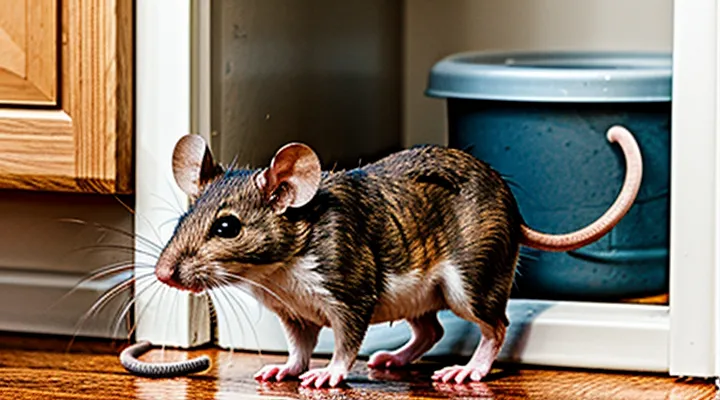
Understanding the Problem: Why Mice Enter Your Home
Common Entry Points
Gaps in Foundations
Gaps in a building’s foundation create direct pathways for rodents to infiltrate living spaces. These openings often appear as cracks in concrete, deteriorated sealants around utility penetrations, or voids where the foundation meets the slab. Mice exploit such defects because they provide shelter, moisture, and unobstructed movement between the exterior and interior.
Identifying foundation gaps requires a systematic inspection. Walk the perimeter of the house, examine the base of walls, and use a flashlight to highlight fissures. Pay particular attention to areas where pipes, cables, or vent stacks intersect the foundation, as these junctions frequently develop gaps over time.
To eliminate these entry points while maintaining humane exclusion:
- Clean debris from each crack to ensure adhesive contact.
- Apply a polyurethane sealant for gaps up to ¼ inch; the material remains flexible and resists future movement.
- For larger openings, insert steel wool or copper mesh, then cover with expanding foam that adheres to the filler.
- Install a stainless‑steel flashing strip around utility penetrations, securing it with corrosion‑resistant screws.
- Conduct a final visual check after sealing; any residual openings must be addressed before they become active rodent routes.
Regular maintenance—re‑sealing cracked sections annually and monitoring for new settlement signs—prevents re‑formation of gaps and sustains an environment where mice cannot gain access without causing harm.
Unsealed Pipes and Vents
Unsealed pipes and vents provide direct pathways for mice to enter residential structures. Gaps around utility penetrations, dryer exhausts, and attic ventilation openings often go unnoticed during routine inspections, allowing rodents to travel from exterior spaces to interior rooms without obstruction.
Identify all openings larger than a quarter‑inch and apply a durable sealant or metal flashing. Use steel wool combined with expanding foam to fill irregular spaces, then cover with cement or a metal plate to prevent gnawing. Ensure vent covers are fitted tightly and equipped with fine mesh that excludes rodents while maintaining airflow.
- Inspect pipe sleeves, sewer lines, and chimney flues for cracks or loose joints.
- Replace missing or damaged vent louvers with hardware‑grade screens.
- Install silicone‑based caulk around pipe collars and conduit entries.
- Verify that dryer and bathroom exhaust ducts terminate with sealed, louvered caps.
- Conduct a follow‑up check after sealing to confirm no new entry points have formed.
Damaged Screens and Doors
Damaged screens and doors create openings that allow mice to enter homes, undermining any humane exclusion strategy. Small tears, warped frames, or gaps around hinges compromise the barrier function and provide easy access for rodents seeking shelter and food.
Identify all compromised barriers. Walk around each exterior opening, run a fingertip along seams, and use a flashlight to reveal hidden cracks. Pay special attention to attic vents, basement windows, and pet doors, as these points are frequently overlooked.
- Repair tears in screens with heavy‑duty mesh and a rust‑proof spline; replace sections that are beyond patching.
- Reinforce door frames with weatherstripping; install a door sweep that contacts the floor without creating a gap.
- Seal gaps around hinges and locks using silicone caulk or expanding foam; ensure the seal remains flexible to accommodate movement.
- Install metal flashings over vulnerable joints, especially where wood meets concrete, to prevent chewing.
After repairs, conduct a test by observing for mouse activity over 48 hours. Use non‑lethal monitoring devices, such as motion‑activated cameras, to confirm that no rodents are re‑entering through the sealed openings. Continuous maintenance of screens and doors preserves the integrity of the exclusion system and supports a compassionate approach to rodent control.
Dangers of Infestation
Health Risks
Mice infestations create direct health hazards that persist until the animals are removed without causing unnecessary suffering. Their droppings and urine contain pathogens such as Hantavirus, Salmonella, and Leptospira, which can be inhaled as aerosolized particles or transferred to food surfaces. Bite wounds introduce bacteria like Streptococcus and Staphylococcus, leading to skin infections and, in severe cases, sepsis. Additionally, mice attract ectoparasites—fleas, mites, and ticks—that serve as vectors for further disease transmission.
Effective, humane eviction methods mitigate these risks while respecting animal welfare. Sealing entry points prevents re‑entry, reducing ongoing contamination. Live traps allow capture and release at a safe distance from the residence, limiting stress‑induced disease shedding. Non‑lethal deterrents—ultrasonic emitters, scent repellents, and strategic habitat modification—discourage occupancy without killing the rodents, thereby avoiding the release of internal toxins that can occur when animals die in hidden cavities.
Key health concerns associated with mouse presence:
- Respiratory illness from inhaled droppings (Hantavirus pulmonary syndrome)
- Gastrointestinal infection from contaminated food (Salmonella, E. coli)
- Skin infection from bites (Streptococcus, Staphylococcus)
- Vector‑borne diseases via fleas, mites, and ticks
- Allergic reactions to rodent dander and urine proteins
Addressing these hazards promptly through compassionate removal strategies protects occupants and maintains a sanitary environment.
Property Damage
Mice infiltrate structures in search of food, shelter, and nesting material, often leaving behind damage that can compromise the integrity of a home. Chewed electrical wiring creates fire hazards, while gnawed insulation reduces thermal efficiency and raises heating costs. Their burrowing in walls and floors weakens structural components, leading to costly repairs. Contaminated food stores attract pests and create sanitary concerns, increasing the risk of disease transmission.
Preventing such damage requires humane eviction strategies that remove rodents without killing them. Effective measures include:
- Sealing entry points with steel wool, caulk, or metal flashing to block access while allowing safe relocation.
- Deploying live traps baited with peanut butter or grain, checking them frequently, and releasing captured mice at least one mile from the residence.
- Using ultrasonic repellers that emit frequencies uncomfortable to rodents, discouraging habitation without harm.
- Maintaining a clean environment by storing food in airtight containers, promptly cleaning crumbs, and disposing of garbage in sealed bins to eliminate attractants.
Implementing these practices reduces the likelihood of structural compromise, electrical failures, and sanitation issues, preserving property value while respecting animal welfare.
Rapid Reproduction Rate
Mice reproduce at a speed that can overwhelm a household within weeks. A female can produce a litter of 5‑12 offspring after a 19‑day gestation, and she may become fertile again within 24 hours of giving birth. This cycle repeats every 3‑4 weeks, allowing a single pair to generate over 200 descendants in a single year under optimal conditions.
Rapid population growth amplifies the urgency of humane removal. Early detection prevents a small intrusion from escalating into a full‑scale infestation. Continuous observation of droppings, gnaw marks, and nesting material provides the data needed to intervene before numbers surge.
Effective humane control relies on the following actions:
- Seal all potential entry points, focusing on gaps around pipes, vents, and foundation cracks.
- Deploy live‑catch traps in areas of confirmed activity; check and release captured mice promptly, preferably outdoors and far from the residence.
- Maintain a clean environment: store food in sealed containers, eliminate standing water, and remove clutter that offers shelter.
- Conduct regular inspections, especially after seasonal changes that may drive mice indoors.
Implementing these measures promptly counters the species’ reproductive advantage, reducing the likelihood of a persistent problem while respecting animal welfare.
Humane Mouse Removal Strategies
Prevention as a First Line of Defense
Sealing Entry Points
Sealing entry points prevents mice from re‑entering a home after they have been removed. By eliminating gaps, cracks, and openings, you remove the pathways that rodents use to explore shelter, food, and nesting sites.
- Conduct a systematic inspection of the building’s exterior and interior. Check foundations, walls, windows, doors, utility penetrations, and roof eaves.
- Measure each opening and prioritize those larger than ¼ inch, as mice can squeeze through very small spaces.
- Choose durable, non‑toxic materials such as steel wool, copper mesh, caulk, expanding foam, or hardware cloth. Avoid substances that could degrade quickly or pose health risks.
- Apply the selected sealant tightly, ensuring no gaps remain around the perimeter of the material. For larger holes, install hardware cloth and secure it with screws before covering with caulk.
- Verify the integrity of sealed areas after a few days. Re‑inspect during seasonal changes when structures may shift.
Regular maintenance of sealed points sustains a rodent‑free environment and supports humane exclusion practices.
Eliminating Food Sources
Mice remain in homes because they can locate and exploit readily available nourishment. Removing these incentives cuts off the primary reason they enter, making the environment unattractive without resorting to lethal measures.
- Store dry goods in airtight containers; metal or heavy‑glass jars prevent gnawing.
- Transfer pet food to sealed bins and feed only what is consumed each meal.
- Clean crumbs and spills immediately; sweep floors and wipe countertops after cooking.
- Secure garbage in bins with tight‑fitting lids; empty them regularly.
- Keep compost, birdseed, and fruit away from doors and windows; place them in sealed containers outdoors.
Regular inspection reinforces these practices. Check pantry shelves for torn packaging, examine appliance interiors for hidden residues, and repair cracks that could allow rodents to reach stored food. Consistent enforcement of these steps sustains a food‑free zone, encouraging mice to leave voluntarily.
Maintaining a Clean Environment
A tidy living space removes the attractions that draw rodents inside. Food residues, spilled grains, and unsealed containers provide a reliable source of nourishment; eliminating these eliminates the incentive for mice to stay.
Regular cleaning routines prevent buildup:
- Sweep floors and vacuum carpets daily to capture crumbs and droppings.
- Wipe countertops, tables, and appliance surfaces after each use.
- Store dry goods in airtight containers made of glass or heavy‑wall plastic.
- Empty trash cans at least once a day and keep lids tightly sealed.
- Clean pet feeding areas after meals and remove uneaten food promptly.
Moisture control also deters entry. Fix leaking pipes, dry damp basements, and use dehumidifiers in humid rooms. Reduced humidity discourages rodents that seek water sources.
Sanitation extends beyond the interior. Inspect the exterior for debris, overgrown vegetation, and stored firewood positioned against walls. Trim vegetation away from the building, and keep firewood elevated on pallets. Maintain clear pathways around doors and windows to prevent shelter for mice.
By systematically removing food, water, and shelter, the environment becomes inhospitable, encouraging rodents to leave without resorting to lethal measures.
Live Trapping Methods
Choosing the Right Trap
Selecting an appropriate trap is the first decisive step in removing mice from a residence without causing unnecessary suffering. The device must combine effectiveness with humane treatment, ensuring capture without lethal injury.
Key criteria for trap selection:
- Live‑capture design – cages or tube traps that close gently when a mouse enters, preserving the animal’s health.
- Size and entry aperture – dimensions should accommodate adult mice (approximately 3–4 inches long) while preventing escape.
- Trigger sensitivity – mechanisms that activate with minimal force reduce the chance of injury.
- Ease of cleaning – removable trays or washable interiors simplify sanitation after each capture.
- Non‑toxic bait compatibility – traps should allow safe, attractive food items such as peanut butter, oats, or dried fruit.
Materials matter. Stainless steel or heavy‑gauge plastic resist gnawing, extending the trap’s lifespan and preventing damage that could harm captured mice. Avoid wooden or flimsy constructions that mice can breach.
Placement influences success. Position traps along established runways, near walls, or close to suspected entry points. Align the trap’s opening perpendicular to the wall; mice naturally travel with their bodies close to surfaces.
Monitoring frequency is essential. Check traps at least twice daily; prompt release reduces stress and prevents depletion of food supplies that could attract additional rodents. When releasing, transport the mouse at least 100 feet away from the home, preferably toward a natural habitat where it can find shelter.
By adhering to these specifications, homeowners can implement a trap system that efficiently removes mice while upholding humane standards.
Proper Baiting Techniques
Effective baiting requires precise selection, strategic placement, and diligent monitoring. Choose attractants that match mouse dietary preferences while minimizing risk to non‑target animals. Peanut butter, sunflower seeds, and small pieces of dried fruit provide strong olfactory cues; combine with a low‑toxicity rodent‑specific bait if capture is intended. Avoid sweet or scented human foods that may draw pets or children.
Place bait stations near known activity zones such as wall voids, behind appliances, and along baseboard edges. Position each station no more than 12 inches from the wall to align with the mouse’s natural tendency to travel close to surfaces. Secure stations on stable surfaces to prevent displacement by household traffic. Use multiple stations—typically three to five per 200 sq ft—to create a saturated scent field that encourages consistent visitation.
Timing influences success. Deploy bait in the evening when mice are most active, and replenish fresh bait every 24–48 hours to maintain potency. Monitor stations daily; record capture rates and adjust placement if activity declines. Remove consumed bait promptly to prevent contamination and to reduce attraction for other wildlife.
Maintain hygiene throughout the process. Wear disposable gloves when handling bait, and clean stations with mild detergent after each use. Store unused bait in sealed containers away from food preparation areas. Dispose of captured mice according to local humane‑control regulations, ensuring that no suffering occurs.
By adhering to these practices, homeowners can manage mouse populations effectively while upholding humane standards.
Safe Release Protocols
When a mouse must be removed from a residence, the release process should protect both the animal and the household environment. Capture devices must be sturdy, escape‑proof, and equipped with ventilation holes that prevent injury. Use traps made of plastic or metal, avoid glue boards, and check them at least every two hours to limit stress.
- Transfer the captured mouse to a secure container with a breathable lid.
- Transport the container to a suitable outdoor location at least 200 feet from the building, preferably near natural cover such as shrubs or a wooded area.
- Open the container gently, allowing the mouse to exit on its own; do not push or prod.
- Remain at the release site until the animal disappears from view, then return the empty container to the house for cleaning.
Sanitize the trap with a mild disinfectant after each use, and store it in a dry place to prevent rust or mold. Record the release site to avoid repeated relocations in the same area, which can lead to re‑entry. Implementing these steps ensures humane removal while minimizing the risk of spread of disease or damage to property.
Natural Deterrents
Essential Oils
Essential oils provide a non‑toxic option for discouraging mice from entering living spaces. Their strong aromas interfere with rodents’ scent‑tracking abilities, prompting avoidance of treated areas.
Effective oils include:
- Peppermint – high menthol content creates a scent mice find repellent.
- Eucalyptus – volatile compounds mask familiar odor trails.
- Lavender – strong floral notes deter while offering a pleasant indoor scent.
- Citronella – citrus aroma overwhelms mouse olfactory receptors.
Application guidelines:
- Dilute oil in water at a ratio of 10 drops per 250 ml for spray use; add a few teaspoons of mild dish soap to emulsify.
- Fill a spray bottle, mist corners, baseboards, entry points, and behind appliances. Reapply every 48 hours, or after cleaning.
- For continuous release, place cotton balls soaked in oil inside sealed containers and position them near suspected pathways. Replace soaked material weekly.
Safety considerations:
- Verify that pets, especially cats, are not exposed to concentrated oils; some species are sensitive to menthol and eucalyptol.
- Test a small area for surface staining before widespread application.
- Avoid direct skin contact; wear gloves when handling undiluted oil.
Combining essential oil treatment with structural measures—sealing gaps, removing food sources, and maintaining cleanliness—maximizes deterrence while preserving humane standards.
Ultrasonic Devices
Ultrasonic devices emit high‑frequency sound waves that rodents find uncomfortable, prompting them to leave the premises without physical harm. The technology operates above the human hearing range (typically 20–70 kHz), creating an invisible barrier that discourages mouse activity.
Key characteristics to evaluate when selecting a unit:
- Frequency range: devices covering 30–50 kHz are most effective against mice, which are sensitive to this band.
- Coverage area: square footage listed by the manufacturer should match the size of the targeted room; overlapping zones improve consistency.
- Adjustable intensity: models with variable output allow fine‑tuning to avoid habituation.
- Power source: plug‑in units provide continuous operation, while battery‑powered options offer flexibility for temporary placement.
Proper placement maximizes efficacy:
- Install devices near entry points, such as gaps under doors, vents, and foundation cracks.
- Position units at mouse eye level (approximately 6–12 inches above the floor) to ensure optimal exposure.
- Avoid obstructing the emitter with furniture, curtains, or heavy décor; clear line‑of‑sight enhances sound propagation.
- Ensure each device covers the entire targeted zone; gaps in coverage create safe havens for rodents.
Limitations to acknowledge:
- Ultrasonic waves attenuate quickly through solid objects; walls, cabinets, and insulation reduce effectiveness.
- Background noise from appliances or HVAC systems can interfere with the signal.
- Prolonged exposure may lead to temporary desensitization; rotating devices or adjusting frequencies mitigates this risk.
Safety considerations:
- Verify that pets, especially rodents, birds, and some reptiles, are not present in the treated area, as they may experience distress.
- Confirm compliance with local regulations concerning electronic pest‑control devices.
When integrated with sealing entry points, proper sanitation, and regular monitoring, ultrasonic devices constitute a non‑lethal component of a comprehensive mouse‑removal strategy.
Repellent Plants
Repellent plants offer a practical, humane method for discouraging mice from entering residential spaces. Their strong aromas interfere with rodents’ sensory perception, reducing the likelihood of nesting and foraging inside the home.
Effective species
- Peppermint (Mentha × piperita) – releases menthol vapors that mice find intolerable. Place potted plants near entry points or use dried leaves in sealed sachets.
- Lavender (Lavandula angustifolia) – emits a floral scent that repels rodents while providing a pleasant indoor fragrance. Position pots on windowsills or in corners where mice travel.
- Catnip (Nepeta cataria) – contains nepetalactone, a compound that deters mice but attracts felines. Use in outdoor borders or indoor containers away from pet food.
- Eucalyptus (Eucalyptus globulus) – oil vapors act as a strong irritant. Plant in garden beds near foundations or apply diluted oil to cotton balls placed in concealed areas.
- Marigold (Tagetes spp.) – produces a pungent odor that discourages rodents. Grow in flower boxes adjacent to doors and vents.
Implementation guidelines
- Select mature, healthy specimens to ensure robust scent production.
- Position plants at known mouse pathways: gaps around doors, utility openings, and basement vents.
- Refresh dried herb sachets every two weeks to maintain potency.
- Avoid overwatering; saturated soil can attract insects that may indirectly support mouse activity.
- Keep plants out of reach of small children and pets that might ingest toxic foliage, especially eucalyptus and peppermint oil.
Maintenance considerations
- Prune regularly to prevent flowering, which can reduce the concentration of repellent compounds.
- Rotate plant placement seasonally to sustain effectiveness across temperature fluctuations.
- Combine plant deterrents with sealing of structural gaps for a comprehensive, non-lethal control strategy.
Post-Removal Best Practices
Sanitation and Cleanup
Disinfecting Contaminated Areas
Disinfecting areas where mice have been active prevents disease transmission and removes odors that attract further intrusion.
Identify all locations with visible droppings, urine stains, gnawed materials, or nesting debris. Include kitchens, pantries, basements, crawl spaces, and behind appliances.
Gather supplies before beginning: disposable gloves, mask, paper towels, vacuum with HEPA filter, enzymatic cleaner, EPA‑registered disinfectant effective against hantavirus, Salmonella, and Listeria, and sealed waste bags.
Apply the following procedure:
- Wear protective equipment; isolate pets and children.
- Vacuum loose debris into a sealed bag; discard immediately.
- Wash surfaces with hot, soapy water to remove organic matter.
- Spray enzymatic cleaner on all contaminated spots; allow manufacturer‑specified dwell time.
- Apply disinfectant; maintain contact time required to inactivate pathogens.
- Wipe excess liquid with disposable towels; place towels in sealed bags.
After treatment, ventilate the space for at least 30 minutes. Store cleaning materials out of reach of rodents. Monitor the area for residual scent; repeat the process if odors persist. Proper disinfection supports a humane removal strategy by eliminating health hazards and discouraging re‑entry.
Safe Disposal of Droppings
Mouse droppings can carry pathogens such as Hantavirus and Salmonella. Handling them without proper precautions creates health risks for occupants and pets.
First, isolate the contaminated area. Close doors, seal vents, and keep children and animals away until cleaning is complete. Wear disposable gloves, a N‑95 respirator or equivalent mask, and a disposable gown if available. Dampening droppings with a disinfectant solution—preferably a 10 % bleach mixture (1 part bleach to 9 parts water)—prevents particles from becoming airborne during removal.
Removal steps:
- Apply the bleach solution liberally to the droppings and surrounding surfaces; let it sit for at least five minutes.
- Using a disposable paper towel or a stiff, disposable brush, collect the softened material.
- Place the material into a sealable plastic bag, expel excess air, and seal tightly.
- Discard the sealed bag in an outdoor trash container that is emptied regularly.
After disposal, clean the work area with the same bleach solution, then rinse with water. Remove gloves and mask without touching the contaminated exterior of the bag; wash hands thoroughly with soap and warm water. If reusable protective gear was used, launder according to manufacturer instructions before storage.
Regular sanitation—vacuuming with a HEPA filter, sweeping, and routine disinfection—reduces the likelihood of droppings reappearing, supporting humane mouse deterrence without compromising indoor health.
Addressing Odors
Effective odor management is essential for discouraging rodents without harming them. Eliminate food residues, pet waste, and spillages promptly; these sources emit scent cues that attract mice. Use a vacuum equipped with a HEPA filter to remove crumbs and droppings from carpets, under appliances, and in storage areas. Wash dishes immediately, store perishables in airtight containers, and clean countertops with a mild detergent followed by a water rinse to avoid lingering chemical smells that may confuse rodents.
Implement odor‑blocking measures to reinforce exclusion:
- Seal cracks, gaps, and utility openings with steel wool and caulk; this prevents scent trails from entering the structure.
- Place absorbent charcoal or activated carbon bags in hidden corners; they neutralize volatile organic compounds and dampen lingering food odors.
- Apply a thin layer of white vinegar or lemon juice around entry points; the sharp scent repels mice while remaining safe for humans and pets.
- Refresh bedding, insulation, and stored fabrics with a fabric‑safe odor eliminator to remove any accumulated mouse urine or fecal smells.
Regular inspection and prompt cleaning maintain a scent‑free environment, reducing the incentive for mice to remain in the residence while preserving humane treatment standards.
Continued Vigilance
Regular Inspections
Regular inspections form the foundation of a humane mouse‑exclusion strategy. Conduct a thorough sweep of the property at least once a month; increase to weekly during peak activity periods such as autumn and early winter.
Focus on entry points, food storage zones, and nesting sites. Look for gnaw marks, droppings, shredded insulation, and fresh tracks. Inspect gaps around pipes, vents, doors, and windows; measure each opening and seal any aperture larger than a quarter of an inch.
Use a flashlight, a thin mirror, and a flexible probe to reach concealed spaces. Record findings in a simple log: date, location, evidence type, and remediation action. Replace damaged screens, apply steel‑wool or silicone caulk to cracks, and relocate food to sealed containers.
After each inspection, verify that all seals remain intact and that traps or deterrents are positioned correctly. If new signs appear, repeat the sealing process promptly to prevent re‑entry. Consistent monitoring eliminates the need for lethal measures and maintains a mouse‑free environment.
Maintaining Prevention Measures
Maintain a consistent barrier against mouse intrusion by inspecting the building envelope weekly. Identify gaps around doors, windows, utility penetrations, and foundations; seal them with steel wool, caulk, or metal flashing. Replace worn weatherstripping promptly to preserve a tight seal.
Control food sources through rigorous sanitation. Store dry goods in airtight containers, clean crumbs and spills immediately, and keep trash cans sealed. Regularly sweep beneath appliances and in pantry aisles to eliminate crumbs that attract rodents.
Implement a monitoring routine that combines detection and deterrence. Place snap‑tight traps or humane live‑capture devices along known travel routes, checking them daily. Record capture dates and locations to reveal patterns and adjust sealing efforts accordingly.
- Conduct a quarterly review of exterior vegetation; trim overgrown shrubs that provide shelter.
- Inspect crawl spaces and attics for insulation displacement; repair any compromised areas.
- Rotate trap placements every two weeks to prevent habituation.
- Maintain a log of maintenance actions, dates, and observations for accountability.
When to Seek Professional Help
When mouse activity escalates beyond a few sightings, professional assistance becomes necessary. Signs that indicate the need for expert intervention include:
- Repeated damage to structural components, wiring, or insulation.
- Persistent droppings in multiple rooms despite trapping attempts.
- Evidence of breeding, such as nests or a steady increase in population.
- Exposure to vulnerable individuals, such as children, elderly residents, or people with compromised immune systems.
- Inability to locate entry points after thorough inspection.
Professional pest‑control services provide specialized equipment, such as live‑capture traps designed for humane relocation, and expertise in sealing concealed openings without harming the animals. They also ensure compliance with local wildlife regulations and can offer ongoing monitoring to prevent reinfestation. If any of the listed conditions are present, contacting a qualified exterminator is advisable.