
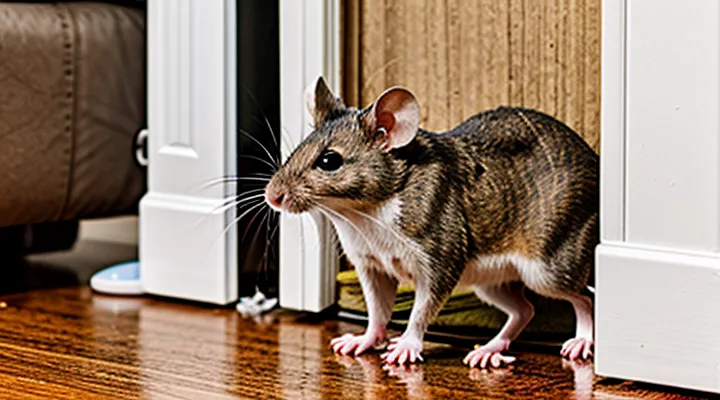
Understanding the Mouse Problem
Signs of a Mouse Infestation
Droppings and Urine Trails
Mice leave droppings and urine trails that serve as reliable indicators of activity and sources of health risk. Fresh droppings appear as dark, rice‑shaped pellets, typically 3–5 mm long, while older waste darkens and dries. Urine stains often manifest as faint, oily lines on surfaces, especially near food storage, cabinets, and entry points. Both waste types can contaminate food, spread pathogens such as hantavirus and salmonella, and attract additional rodents by marking territory.
Effective response requires immediate identification, safe removal, and disruption of scent cues. Follow these steps:
- Wear disposable gloves and a mask; avoid direct contact with waste.
- Ventilate the area for at least 15 minutes before cleaning.
- Use a disposable paper towel or damp cloth to collect droppings; place material in a sealed plastic bag.
- Apply an EPA‑registered disinfectant to the contaminated surface; allow the contact time specified on the label.
- Dispose of cleaning supplies in a sealed bag; wash hands thoroughly after removal.
- After cleaning, apply a rodent‑repellent spray or a natural deterrent (e.g., peppermint oil) to the treated area to erase residual scent marks.
Eliminating visible waste and neutralizing odor trails reduces mouse attraction, enhances the effectiveness of exclusion measures, and minimizes the chance of re‑infestation.
Gnaw Marks and Damage
Mice leave distinctive gnaw marks that reveal their presence and the extent of damage. The teeth produce clean, V‑shaped holes about ½ inch wide, often found on wood, plastic, wires, and insulation. Repeated chewing enlarges openings, creating pathways for additional rodents and increasing the risk of structural compromise.
Common targets include baseboards, cabinet doors, drywall corners, and electrical cables. Damage to wiring can expose live conductors, creating fire hazards. Chewed insulation reduces thermal efficiency, leading to higher energy consumption. Compromised food containers allow contamination and spoilage.
Identifying gnaw marks early prevents escalation. Look for:
- Fresh, smooth cuts on wooden surfaces
- Exposed or frayed copper wires
- Crushed or shredded insulation
- Small piles of shredded material near entry points
Effective response combines repair and exclusion. Actions:
- Seal all gnaw holes with steel wool and caulk; steel wool deters chewing, while caulk provides a weather‑tight barrier.
- Replace damaged wiring with conduit or armored cable to protect against future bites.
- Install metal mesh or hardware cloth over vents, gaps under doors, and any openings larger than ¼ inch.
- Remove or relocate food sources, storing items in airtight containers to eliminate attraction.
- Conduct regular inspections, focusing on high‑traffic areas, to catch new marks before they spread.
Addressing gnaw marks promptly eliminates structural threats and removes a key incentive for mice to remain in the home.
Strange Noises
Strange noises often signal the presence of mice within a residence. High‑pitched squeaks, scratching on walls, and soft scurrying sounds typically occur at night when rodents are most active. Recognizing these auditory clues allows homeowners to confirm infestations early and target interventions before populations expand.
Identifying the source of unusual sounds involves systematic inspection:
- Listen in quiet rooms, especially near baseboards, cabinets, and attics, for intermittent squeaks or rustling.
- Use a handheld flashlight to trace noise origins while following the direction of the sound.
- Note the time of day when noises peak; mice usually forage between dusk and dawn.
Once confirmed, acoustic deterrents can complement other control measures. Devices that emit ultrasonic frequencies disrupt rodent communication and navigation, reducing their willingness to remain in the treated area. Effectiveness improves when devices are placed:
- Near known entry points such as gaps around pipes and vents.
- Inside wall cavities where mice travel.
- At a height of 12–18 inches above the floor, matching typical rodent pathways.
Mechanical solutions, such as placing sealed containers with rattling objects, create intermittent disturbances that encourage mice to abandon a location. The containers should be positioned in high‑traffic zones and inspected regularly to maintain activity.
Combining auditory detection with targeted sound‑based repellents provides a reliable component of mouse‑removal strategies, ensuring that strange noises become both a diagnostic tool and a mechanism for prompting rodents to exit the home.
Unpleasant Odors
Mice infestations frequently produce strong, lingering smells that signal a breach in home hygiene and encourage further rodent activity. Identifying and eliminating these odors disrupts the scent trails mice rely on for navigation and breeding, thereby reducing their willingness to remain.
- Place cotton balls soaked in peppermint oil, cloves, or ammonia in concealed areas; the sharp scent masks rodent urine and repels mice.
- Deploy sachets of dried lavender or eucalyptus near entry points; the volatile compounds interfere with olfactory cues.
- Use commercial rodent-repellent sprays containing phenols; these create an environment that mice avoid while neutralizing existing odor molecules.
After applying repellents, thorough odor removal prevents re‑attraction. Clean all surfaces with enzymatic cleaners that break down protein‑based residues, then wash fabrics in hot water with a vinegar additive to dissolve lingering scents. Seal cracks and crevices with caulk, then apply a thin layer of baking soda before repainting to absorb any residual odor.
Maintaining a scent‑free interior eliminates the chemical signals mice use for territory establishment, supporting long‑term exclusion without reliance on traps or poisons.
Why Mice Are a Problem
Health Risks
Mice presence in residential environments creates direct health hazards. They contaminate food and surfaces with urine, droppings, and saliva, which may contain pathogens such as Hantavirus, Salmonella, and Leptospira. Inhalation of dried droppings or disturbed nesting material releases aerosolized particles capable of causing respiratory infections and allergic reactions.
Key health concerns include:
- Hantavirus pulmonary syndrome – transmitted through inhalation of aerosolized rodent excreta; symptoms progress rapidly to severe respiratory distress.
- Salmonellosis – ingestion of food contaminated by mouse feces leads to gastrointestinal illness, characterized by fever, abdominal cramps, and diarrhea.
- Leptospirosis – acquired via contact with urine-contaminated water or surfaces; may result in fever, headache, and kidney dysfunction.
- Allergic sensitization – chronic exposure to mouse allergens provokes asthma, rhinitis, and dermatitis, especially in children and individuals with pre‑existing respiratory conditions.
- Food spoilage – gnawing and contamination compromise nutritional quality and increase risk of foodborne disease.
Mice also contribute to indirect risks. Their gnawing behavior damages electrical wiring, potentially causing fires that jeopardize occupant safety. Structural damage to insulation and building materials creates environments conducive to mold growth, further aggravating respiratory health.
Mitigating these risks requires prompt removal of rodents and thorough sanitation. Disinfect surfaces with EPA‑approved cleaners, safely dispose of contaminated materials, and seal entry points to prevent re‑infestation. Continuous monitoring and professional pest‑control interventions reduce the probability of disease transmission and protect household health.
Property Damage
Mice infiltration often results in structural and material impairment that escalates repair expenses. Their gnawing habit compromises insulation, wiring, and plumbing. Insulation fibers become exposed, reducing thermal efficiency and increasing heating costs. Electrical cables suffer bite marks, creating short‑circuit risks and potential fire hazards. Water lines may be pierced, leading to leaks, mold growth, and water‑damage remediation.
Furniture, stored goods, and food containers are vulnerable to contamination and chew damage. Soft fabrics develop holes, while cardboard boxes collapse, rendering stored items unusable. Contaminated food attracts pests, prompting additional sanitation measures.
Financial impact varies by severity. Minor gnaw marks on plastic components may cost a few dollars to replace, whereas damaged wiring can require a licensed electrician, costing hundreds of dollars. Structural repairs to walls or ceilings often exceed $1,000, especially when mold remediation follows water intrusion.
Detecting damage early limits escalation. Visual inspection of exposed surfaces, listening for rustling sounds behind walls, and monitoring for sudden electrical outages help identify problem areas. Once damage is confirmed, immediate sealing of entry points and removal of attractants reduce further deterioration.
Effective removal strategies must address the source of damage. Typical actions include:
- Installing sturdy steel mesh around openings larger than ¼ inch.
- Setting snap traps or electronic devices near identified gnaw sites.
- Deploying bait stations with anticoagulant pellets, positioned away from children and pets.
- Applying ultrasonic emitters in rooms with documented wiring damage, acknowledging limited efficacy and supplementing with physical barriers.
Combining preventive sealing with targeted trapping curtails ongoing destruction and lowers long‑term repair costs.
Rapid Reproduction
Mice reach sexual maturity within six weeks, produce litters of five to ten offspring, and can breed every three to four weeks. This cycle enables a single pair to generate more than 1,000 descendants in a year under favorable conditions. The speed of population expansion directly influences the severity of indoor infestations; a modest increase in breeding sites can transform a minor presence into a widespread problem within months.
Rapid reproduction demands proactive management. Early intervention prevents exponential growth, reducing the number of individuals that must be removed later. Control measures must address both current occupants and potential future generations, targeting the reproductive cycle as a critical control point.
Effective strategies include:
- Maintaining a clean environment that eliminates food residues and nesting materials, thereby lowering reproductive success.
- Sealing entry points smaller than ¼ inch to block access for breeding individuals.
- Deploying snap traps or electronic devices in high‑activity zones, checking and resetting them every 48 hours to capture newly emerged juveniles.
- Using anticoagulant baits in accordance with safety regulations, placed in tamper‑proof stations to affect both adult mice and their offspring.
- Conducting weekly inspections of hidden areas (attics, crawl spaces, wall voids) to identify early signs of breeding activity and act before populations expand.
Monitoring frequency should match the reproductive timeline: inspections at least twice weekly during peak breeding months (spring and autumn) ensure that any surge in numbers is detected and addressed promptly. By integrating sanitation, exclusion, and timely trapping or baiting, the rapid reproductive capacity of mice can be neutralized, preventing infestations from reaching unmanageable levels.
Prevention: Keeping Mice Out
Sealing Entry Points
Inspecting Your Home's Exterior
Inspect the exterior of your residence to identify and eliminate entry points that allow rodents to infiltrate. Begin at ground level, examining the foundation for cracks, gaps, or loose bricks; seal any openings with cement, steel wool, or expandable foam. Verify that all utility penetrations—such as water, gas, and electrical lines—are wrapped with metal flashing or durable sealant.
Check the perimeter for vegetation that contacts the building. Trim shrubs, vines, and tree branches to maintain a minimum clearance of two feet from walls, reducing shelter and bridge pathways for mice. Remove debris, woodpiles, and compost heaps from the immediate vicinity, as these provide nesting sites and food sources.
Assess doors and windows for proper weatherstripping. Install tight-fitting screens on vents and exhaust fans, and ensure that door sweeps are intact and functional. Inspect the roof and eaves for damaged soffits, loose tiles, or missing shingles; repair or replace as needed to prevent access from above.
Maintain a clean drainage system. Clear gutters and downspouts of leaves and blockages, directing water away from the foundation with adequate grading. Install metal flashing around the base of the house where water runoff may erode soil and create gaps.
Implement a systematic inspection schedule, revisiting each area seasonally. Record findings, repairs, and materials used to track progress and ensure consistent protection against rodent intrusion.
Repairing Gaps and Cracks
Repairing gaps and cracks eliminates the primary entry points that mice exploit to infiltrate a home. Even the smallest opening, such as a ¼‑inch gap around pipe penetrations, can accommodate an adult mouse. Sealing these openings removes the structural incentive for rodents to explore interior spaces.
Identify vulnerable locations by inspecting the building envelope. Common sites include:
- Exterior wall joints and siding seams
- Foundations and crawl‑space vents
- Utility openings around electrical wiring, plumbing, and HVAC ducts
- Door and window frames, especially where weatherstripping is missing
- Gaps under appliances, cabinets, and baseboards
Select appropriate sealing materials based on the substrate and exposure conditions. Expanding polyurethane foam works well for irregular cavities, while caulk (silicone or acrylic) provides a durable seal for linear cracks. Steel wool or copper mesh can be packed into larger voids before applying a sealant, creating a physical barrier that rodents cannot gnaw through.
Apply the repair in the following order:
- Clean the area to remove debris, dust, and loose material.
- Insert steel wool or mesh into the gap, pressing firmly to fill the space.
- Apply the chosen sealant, smoothing it to ensure full coverage and adhesion.
- Allow the sealant to cure according to the manufacturer’s instructions before exposing the area to moisture or temperature fluctuations.
Regularly inspect repaired sections for signs of wear or new openings. Promptly address any deterioration to maintain an impenetrable barrier and sustain effective mouse control throughout the property.
Protecting Vents and Drains
Mice can enter homes through open vent covers and uncovered drain openings, providing a direct path to walls, insulation, and food storage areas. Sealing these entry points eliminates a primary route for infestation and reduces the likelihood of rodents nesting near heating, cooling, and plumbing systems.
- Install metal mesh (¼‑inch or smaller) over all exterior vents, ensuring the material is rigid enough to resist gnawing.
- Use stainless‑steel or copper flashing around vent frames; replace damaged sections promptly.
- Fit drain covers with heavy‑duty, chew‑proof lids that snap securely in place; verify that screws are tight and corrosion‑resistant.
- Apply expanding polyurethane foam around vent and drain perimeters; allow the foam to cure fully before trimming excess material.
- Conduct regular visual inspections; replace worn mesh or damaged covers immediately.
By reinforcing vents and drains with durable, rodent‑proof materials and maintaining a schedule of checks and repairs, homeowners create a barrier that deters mice from exploiting these structural vulnerabilities. This approach complements broader exclusion tactics and supports long‑term control of rodent activity inside the residence.
Eliminating Food Sources
Proper Food Storage
Proper food storage is essential for preventing rodent incursions. Food left exposed supplies a reliable energy source, encouraging mice to explore and settle in residential spaces. Secure storage eliminates this attraction and supports broader pest‑control strategies.
Key practices for effective food protection:
- Seal all dry goods in airtight containers made of glass, metal, or heavy‑wall plastic. Containers must have screw‑top lids or locking mechanisms that mice cannot breach.
- Store pet food, birdseed, and bulk purchases in the same sealed containers, and place them on elevated surfaces away from walls.
- Keep refrigerator and freezer doors closed tightly; inspect gaskets for gaps and replace damaged seals promptly.
- Dispose of waste promptly. Transfer leftovers to sealed trash bags, then store the bags in a bin with a tight‑fitting lid. Empty the bin regularly and keep it outside the home.
- Clean pantry shelves after each use. Remove crumbs, spills, and packaging residues that could attract rodents.
- Rotate stock regularly. Use older items first, and discard any food that shows signs of spoilage or pest damage.
By implementing these measures, households remove the primary food incentive for mice, making the environment less hospitable and reducing the likelihood of infestation.
Cleaning Up Crumbs and Spills
Removing food residues eliminates the primary attraction for rodents. Crumbs on countertops, cereal on the floor, and sticky spills on cabinets provide easy access to calories. When these sources disappear, mice are less likely to explore the interior of the home.
Practical steps for eliminating crumbs and spills:
- Sweep or vacuum high‑traffic areas after each meal; focus on edges of tables and under appliances.
- Wipe surfaces with a disinfectant solution that leaves no sweet residue; use a clean cloth for each application.
- Store dry goods in airtight containers; avoid open bags of snacks.
- Empty trash bins daily; line them with bags that seal tightly.
- Inspect corners, behind furniture, and under sinks weekly; use a flashlight to reveal hidden debris.
Consistent execution of these actions reduces the food supply, forcing mice to seek alternative habitats outside the residence.
Managing Pet Food
Pet food left exposed creates a reliable food source that attracts mice, undermining any effort to eliminate them from the home.
Store dry kibble in airtight containers made of metal or heavy‑wall plastic. Seal each container with a fitted lid that cannot be pried open by rodents. Place containers on a shelf or in a pantry where they are out of reach from floor level.
Limit feeding times to when pets are present. Remove uneaten food after each meal and discard it in a sealed trash bag. Clean feeding areas with hot water and a mild detergent to eliminate crumbs and scent trails.
Avoid using open bowls on the floor. Opt for elevated feeders or bowls with built‑in covers that snap shut when not in use. If a feeder must sit on the floor, place a metal tray underneath to block rodents from accessing the food through gaps.
Regularly inspect storage areas for signs of gnawing or infiltration. Replace damaged containers immediately and relocate food to a new, secure location if any breach is detected.
By controlling the availability of pet food, you remove a primary attractant, making the environment less hospitable to mice and supporting broader pest‑reduction strategies.
Maintaining a Tidy Environment
Decluttering Inside and Outside
Decluttering removes shelter and food sources that attract mice, making the environment hostile to infestation.
- Remove piles of newspapers, cardboard, and fabric stored in closets or basements.
- Store seasonal clothing in sealed containers rather than open boxes.
- Dispose of expired pantry items and keep food in airtight containers.
- Clear clutter from under appliances, inside cabinets, and behind furniture.
- Maintain a regular cleaning schedule to eliminate crumbs and debris.
Exterior decluttering eliminates entry points and reduces habitats near the foundation.
- Trim vegetation that contacts the house, including vines, shrubs, and tree branches.
- Stack firewood at least two feet away from the exterior wall and elevate it on a pallet.
- Store garbage in sealed bins with tight-fitting lids; remove litter regularly.
- Clear debris, leaf piles, and compost heaps from the perimeter.
- Repair cracks in siding, foundation, and around utility openings; seal gaps with steel wool and caulk.
A systematic reduction of clutter both inside and outside creates an environment where mice cannot find refuge or sustenance, supporting long‑term exclusion.
Trimming Vegetation
Trimming vegetation around a residence removes shelter and food sources that attract mice, thereby lowering the likelihood of indoor infestations. Dense shrubs, tall grass, and overgrown trees create pathways for rodents to travel from the yard to the foundation, and they conceal entry points such as gaps in siding or cracks in the foundation.
Mice seek cover close to structures because it protects them from predators and weather. When vegetation touches the house, it provides a direct bridge for rodents to climb onto roofs, walls, or eaves, where they can locate openings and gain access to interior spaces. Reducing plant height and density eliminates these bridges and makes the perimeter less appealing.
- Cut back shrubs to a minimum of 12 inches from the building envelope.
- Mow lawn weekly during peak mouse activity (spring through fall).
- Remove leaf litter, fallen branches, and debris that can serve as nesting material.
- Prune tree branches so they clear the roof and do not touch walls.
- Keep compost piles at least three feet from the house and cover them securely.
Regular maintenance preserves the barrier created by trimmed vegetation. Schedule seasonal inspections to identify regrowth, repair any new cracks revealed by plant removal, and adjust watering practices to avoid excessive moisture that encourages plant overgrowth. Consistent upkeep sustains a hostile environment for mice, reducing the chance they will seek entry into the home.
Effective Mouse Removal Methods
Trapping Strategies
Snap Traps
Snap traps provide a rapid, lethal solution for eliminating mice that have entered residential spaces. The mechanism consists of a spring‑loaded bar that releases with minimal pressure, striking the rodent at the neck or spine. Proper use maximizes effectiveness and reduces collateral damage.
- Choose a trap model with a sturdy base and a sensitivity adjustment; this allows activation by the light weight of a mouse while preventing accidental release by larger animals.
- Bait the trap with high‑protein attractants such as peanut butter, small pieces of cheese, or dried fruit. Apply a pea‑sized amount directly to the trigger platform to ensure the mouse contacts the mechanism.
- Position traps along established travel routes: behind appliances, near wall junctions, within 12 inches of suspected entry points, and inside concealed areas like cabinetry. Align the trigger end opposite the wall so the mouse approaches from the safe side.
- Secure traps on stable surfaces to prevent tipping. Use a thin layer of cardboard beneath the trap to protect flooring and facilitate quick removal of captured rodents.
- Check traps at least once daily. Dispose of deceased mice in sealed bags, then place them in an outdoor waste container. Clean the trap with mild detergent before resetting to maintain hygiene and prevent scent buildup.
Advantages of snap traps include immediate results, low cost, and no reliance on chemicals. Limitations involve the need for regular monitoring and the potential for non‑target captures if placed improperly. When used correctly, snap traps constitute an essential component of a comprehensive mouse‑removal strategy.
Live-Catch Traps
Live‑catch traps provide a humane alternative to lethal devices when removing mice from residential spaces. The traps consist of a sturdy enclosure with a trigger mechanism that closes the door as soon as a mouse enters, preventing escape.
The enclosure is typically made of plastic or metal, allowing easy cleaning and reuse. The trigger plate is sensitive enough to react to the light weight of a mouse, yet robust enough to avoid false closures caused by debris. Bait—such as peanut butter, oats, or chocolate—should be placed on the trigger to attract the rodent without encouraging prolonged gnawing.
Effective placement follows three principles: proximity to known activity, alignment with mouse travel routes, and avoidance of high‑traffic human areas. Position traps near walls, behind appliances, or within concealed spaces where mice are observed. Ensure the trap sits on a stable surface to maintain trigger sensitivity.
Once a mouse is captured, cover the trap with a lid or cloth to reduce stress, then transport it promptly to a suitable release site—preferably a field or wooded area at least 100 meters from the home. Release the animal facing outward, allowing it to exit the trap without handling. Clean the trap with mild detergent and hot water before resetting.
Best‑practice checklist
- Use fresh, unscented bait for each trap.
- Inspect traps daily; remove captured mice promptly.
- Rotate trap locations to cover all active zones.
- Store traps in a cool, dry place when not in use.
- Record capture locations to identify high‑activity zones.
Electronic Traps
Electronic traps use a high‑voltage shock to kill mice instantly, eliminating the need for poison or snap‑type devices. They operate on battery power or mains electricity, allowing placement in concealed locations such as behind appliances or inside wall voids. Sensors detect the presence of a rodent, trigger the discharge, and often emit an audible alert that confirms a successful capture.
Key characteristics of electronic mouse traps:
- Immediate lethality – a single shock delivers a fatal dose, preventing suffering and reducing the chance of escape.
- Reusable components – the housing and circuitry remain functional after each kill; only the dead rodent must be removed.
- Safety features – insulated exteriors and child‑proof switches prevent accidental contact with the high voltage.
- Low maintenance – no bait is required, and battery life typically exceeds several months under normal use.
- Quiet operation – the shock occurs within milliseconds, producing minimal noise compared with mechanical traps.
When deploying electronic traps, position them along established mouse pathways, near food sources, or at entry points such as gaps around pipes. Check the devices regularly to empty captured rodents and replace batteries or reset the unit as indicated by the manufacturer’s instructions. Proper placement and routine monitoring maximize efficacy and sustain a mouse‑free environment.
Baiting and Placement
Bait selection and strategic placement are critical components of a successful mouse control program. Effective bait must be both attractive to rodents and safe for household members and pets. Preferred options include peanut butter, dried fruit, and commercial rodent attractants formulated with high‑protein or high‑fat content. Avoid using fresh produce that spoils quickly, as it reduces efficacy and creates sanitation issues.
- Choose a bait that remains palatable for at least 48 hours.
- Apply a thin layer to the trigger mechanism to prevent clogging.
- Secure the bait to prevent spillage and reduce exposure to non‑target animals.
Placement determines whether mice encounter the bait before seeking alternative food sources. Target locations where rodent activity is evident: along walls, behind appliances, in attic corners, and near known entry points. Position traps perpendicular to the wall, with the trigger end facing the baseboard, because mice travel close to surfaces. Space devices 10–12 feet apart to cover a typical foraging radius.
Monitor traps daily, replace depleted bait promptly, and relocate any unused devices to maintain pressure on the infestation. Consistent baiting and precise positioning increase capture rates and accelerate the removal of mice from the residence.
Natural Deterrents
Peppermint Oil
Peppermint oil is a widely recognized repellent for house mice because its strong menthol scent overwhelms their olfactory system, causing discomfort and prompting avoidance of treated areas. The oil’s volatility ensures rapid dispersion, creating an environment that mice find inhospitable without posing a health risk to humans or pets when used correctly.
- Dilute 10–15 ml of peppermint essential oil in 1 liter of water or a carrier such as white vinegar.
- Soak cotton balls in the solution and place them in typical mouse pathways: behind appliances, under sinks, inside cabinets, and near entry points.
- Refresh the cotton balls every 3–4 days, or sooner if the scent fades.
- For larger spaces, spray the diluted mixture onto curtains, baseboards, and floor seams, avoiding direct contact with food preparation surfaces.
Effectiveness diminishes if the oil is applied in damp or heavily soiled locations; cleaning the area beforehand enhances absorption. Overuse can lead to scent habituation, reducing deterrent impact, so rotate peppermint oil with other natural repellents such as cayenne pepper or ultrasonic devices for sustained results.
Dryer Sheets
Dryer sheets are a practical tool for discouraging mice from entering indoor spaces. The scent of fabric softeners, particularly those with strong fragrances such as lavender, citrus, or pine, interferes with the rodents’ olfactory cues, making the environment less attractive for nesting and foraging.
To employ dryer sheets effectively, follow these steps:
- Place a sheet in each area where mouse activity is suspected: under kitchen appliances, behind the refrigerator, inside cabinets, and along baseboards.
- Replace sheets every two to three days, or sooner if the scent diminishes.
- Combine dryer sheets with other non‑chemical deterrents, such as steel wool in entry gaps, to reinforce the barrier.
Dryer sheets do not eliminate an existing infestation; they function as a repellent that reduces the likelihood of mice establishing a foothold. For severe problems, integrate this method with trapping or professional pest control to achieve comprehensive results.
Ultrasonic Devices
Ultrasonic repellents emit high‑frequency sound waves that are uncomfortable for rodents but inaudible to humans. The devices are powered by batteries or mains electricity and typically cover an area of 500–1500 square feet, depending on the model.
The principle of operation relies on a range of frequencies (20–65 kHz) that interfere with the mice’s auditory system, causing stress and prompting them to leave the premises. Most units include a timer or automatic shut‑off to conserve energy during periods of inactivity.
Key considerations for optimal performance:
- Placement: Position units in areas where mice travel, such as along walls, near entry points, and under cabinets. Avoid obstructing the speaker with furniture or curtains.
- Coverage: Use multiple devices in larger homes or multi‑room layouts to ensure overlapping sound fields.
- Duration: Keep devices active continuously for at least two weeks; rodents may acclimate if the source is intermittent.
- Maintenance: Replace batteries according to the manufacturer’s schedule and clean the exterior surface to prevent dust buildup that can dampen sound output.
Effectiveness varies with species, population density, and environmental factors. Studies show a reduction of mouse activity by 30–70 % when devices are correctly installed and maintained. However, ultrasonic repellents do not eliminate infestations; they should be combined with sealing entry gaps, proper sanitation, and, when necessary, professional pest control.
Chemical Solutions (Use with Caution)
Rodenticides and Baits
Rodenticides and baits remain central tools for eliminating mouse infestations. Their effectiveness depends on proper selection, placement, and safety measures.
Anticoagulant rodenticides, such as brodifacoum and diphacinone, interrupt blood clotting, leading to death after several days. Single‑dose products are preferred to reduce secondary poisoning. Non‑anticoagulant options include zinc phosphide, which releases phosphine gas in the stomach, and cholecalciferol, a vitamin‑D compound that causes hypercalcemia. Each class requires strict adherence to label instructions and secure storage to protect children, pets, and non‑target wildlife.
Bait formulation influences acceptance. Common attractants comprise:
- Grain‑based mixtures
- Peanut butter or almond paste
- Chocolate chips
- Commercially prepared blocks with flavored additives
Bait should be placed in tamper‑resistant stations near walls, behind appliances, and in concealed pathways. Stations prevent accidental ingestion and focus exposure on target rodents.
Key operational steps:
- Conduct a visual survey to locate active pathways and nesting sites.
- Choose a rodenticide class compatible with the infestation severity and household composition.
- Load bait stations with fresh bait; replace every 2–3 days to maintain potency.
- Monitor stations daily, recording bait consumption and mouse activity.
- Remove stations once capture rates decline, then implement preventive measures such as sealing entry points and maintaining a clean environment.
Safety protocols mandate wearing disposable gloves, washing hands after handling, and disposing of dead rodents according to local regulations. When possible, integrate non‑chemical methods—traps, exclusion, habitat modification—to reduce reliance on poisons and lower the risk of resistance development.
Safety Precautions
When attempting to remove rodents from a residence, protect occupants and yourself by following strict safety measures.
- Wear thick gloves, long sleeves, and a mask to prevent bites, scratches, and inhalation of dust or allergens.
- Use traps that comply with local regulations; avoid spring‑loaded devices if children or pets are present.
- Handle chemical repellents or rodenticides in well‑ventilated areas; keep containers sealed and store them out of reach of non‑target animals.
- Seal entry points after confirming the absence of active mice; use steel wool, caulk, or hardware cloth to block gaps without creating sharp hazards.
- Dispose of dead rodents in sealed bags and place them in a double‑bagged trash container; sanitize the bag exterior before handling.
- Clean contaminated surfaces with a disinfectant effective against rodent‑borne pathogens; wear protective eyewear during cleaning.
- Keep food storage areas sealed; remove crumbs and spills promptly to reduce attractants and minimize exposure to droppings.
Adhering to these precautions reduces the risk of disease transmission, accidental injury, and unintended harm to household members.
Post-Removal Cleanup and Maintenance
Sanitizing Affected Areas
Disinfecting Surfaces
Disinfecting surfaces removes scent marks that mice use to navigate and communicate, thereby disrupting their ability to locate food and shelter. It also eliminates pathogens left by rodents, reducing health risks for occupants.
Effective disinfectants include a 10 % bleach solution (1 part bleach to 9 parts water), 3 % hydrogen peroxide, and EPA‑registered rodent‑safe products. Apply the chosen agent to all countertops, floors, cabinets, and entry points where droppings or urine have been observed.
- Remove visible debris and food residue.
- Saturate the area with disinfectant; ensure full coverage.
- Allow the solution to remain wet for the contact time specified on the label (usually 5–10 minutes).
- Rinse or wipe the surface if required, then let it air‑dry completely.
- Repeat the process weekly in high‑traffic zones and after any mouse activity.
Use gloves, eye protection, and adequate ventilation when handling chemicals. Ensure surfaces are rinsed or fully dried before food preparation resumes to prevent chemical exposure. Maintaining a routine of thorough disinfection supports long‑term exclusion of rodents from the home.
Handling Carcasses
When mice die inside a residence, their carcasses become a source of odor, disease, and attraction for predators. Prompt, hygienic removal prevents secondary infestations and protects indoor air quality.
First, locate the dead mouse. Visual inspection of hidden areas—behind appliances, in wall voids, under furniture—often reveals the body. Use a flashlight and a thin mirror to view concealed spaces.
Second, protect yourself. Wear disposable gloves, a mask rated for particulates, and, if possible, eye protection. This barrier reduces exposure to pathogens and parasites the carcass may carry.
Third, contain the carcass. Place it in a sealable plastic bag, squeeze out excess air, and double‑bag to prevent leakage. For multiple bodies, keep each in a separate bag to avoid cross‑contamination.
Fourth, dispose of the sealed bags according to local regulations. Most municipalities accept animal remains in regular trash if securely bagged; however, some areas require disposal at a landfill or animal control facility. Verify the correct method to avoid fines.
Fifth, disinfect the area. After removal, clean the surface with a solution of 1 part bleach to 9 parts water, allowing it to sit for at least five minutes before wiping dry. For non‑porous materials, an EPA‑approved disinfectant may be used as an alternative.
Finally, inspect the premises for additional deaths. Re‑examine the same locations and adjacent zones, because mice often die near entry points or nesting sites. Continuous monitoring ensures no carcasses remain hidden.
By following these steps—identification, personal protection, containment, proper disposal, thorough sanitation, and verification—homeowners eliminate the health risks associated with dead mice and reinforce overall rodent‑control efforts.
Ongoing Prevention
Regular Inspections
Regular inspections form the backbone of any successful mouse‑control program. By systematically checking vulnerable areas, homeowners identify entry points, nesting sites, and signs of activity before infestations become severe.
Key inspection actions include:
- Examine foundations, crawl spaces, and basements for gaps larger than ¼ inch.
- Inspect interior walls, cabinets, and pantry shelves for gnaw marks, droppings, or shredded material.
- Verify the integrity of door sweeps, window screens, and utility penetrations.
- Test sealing materials such as silicone, steel wool, or expanding foam for wear or displacement.
- Record findings in a log, noting location, type of damage, and date of discovery.
Conducting these checks on a monthly schedule maintains awareness of emerging problems and enables prompt remediation. Immediate repair of identified breaches eliminates access routes, reducing the likelihood of future mouse presence and supporting overall pest‑management effectiveness.
Continuous Vigilance
Continuous vigilance is the foundation of any successful mouse‑removal program. Mice exploit any lapse in household security, so regular monitoring prevents re‑infestation before it escalates.
Inspect entry points daily. Walk the perimeter, press fingertips against walls and baseboards, and note any fresh gnaw marks or droppings. Seal discovered gaps with steel‑wool, caulk, or hardware cloth within 24 hours. Replace worn weatherstripping on doors and windows promptly.
Maintain a clean environment. Store food in airtight containers, wipe crumbs from countertops, and empty trash bins each night. Remove standing water sources; even a small leak can attract rodents.
Set and check traps consistently. Deploy snap or live traps along known travel routes, then examine them at least once every 12 hours. Record capture locations to identify high‑traffic corridors and adjust trap placement accordingly.
Schedule periodic inspections of hidden areas such as attics, crawl spaces, and behind appliances. Use a flashlight to scan for nesting material, shredded paper, or urine stains. Document findings in a logbook, noting dates, locations, and actions taken.
Implement a rotation of preventive measures. Alternate bait types, vary trap locations, and refresh sealing materials annually to counter mouse adaptation. Review the log quarterly to assess trends and modify the vigilance routine as needed.
By adhering to these disciplined practices, homeowners create an environment where mice cannot establish a foothold, ensuring long‑term protection without resorting to reactive measures.