
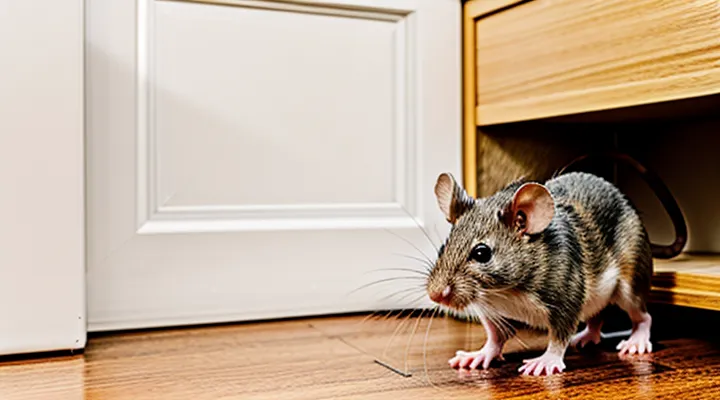
Understanding the Mouse Problem
Identifying Mouse Presence
Signs of Mice
Mice leave distinct evidence that signals an infestation and guides non‑chemical removal efforts.
- Small, dark droppings about the size of a grain of rice, often found along walls, behind appliances, or in cabinets.
- Gnawed edges on food packaging, wooden furniture, or baseboards, typically at a 45‑degree angle.
- Fine, shredded material used for nests, commonly located in hidden corners, under sinks, or within insulation.
- Visible tracks in dusty areas, such as footprints or tail marks, especially near entry points.
- Fresh urine stains that appear as yellowish spots on surfaces, often accompanied by a musky odor.
- Audible scratching or scurrying noises, predominantly at night, coming from walls, ceilings, or attics.
- Occasional sightings of live mice or carcasses, indicating active movement throughout the dwelling.
Recognizing these indicators enables targeted, chemical‑free strategies such as sealing entryways, setting mechanical traps, and employing natural repellents. Prompt action based on clear signs prevents population growth and limits property damage.
Common Entry Points
Mice gain access to apartments through small openings that are often overlooked. Identifying and sealing these gaps prevents re‑infestation and supports any non‑chemical exclusion strategy.
- Gaps around utility penetrations (pipes, cables, wires) typically measure ¼‑inch or larger. Apply steel wool followed by caulk or expanding foam to block passage.
- Openings at the base of walls, especially where drywall meets flooring, create direct routes. Install a durable metal or silicone sealant strip.
- Unsealed spaces around door frames, window sills, and sliding‑door tracks allow rodents to slip inside. Use weather‑stripping or door sweeps that close tightly against the floor.
- Cracks in the foundation or exterior brickwork provide hidden pathways. Fill with mortar or a concrete‑based patching compound.
- Vents, exhaust fans, and dryer ducts often lack proper mesh screens. Fit stainless‑steel mesh of ¼‑inch or smaller to maintain airflow while denying entry.
- Holes left by previous repairs, such as missing insulation or broken plaster, constitute easy entry points. Repair with appropriate filler material and reinforce with a rigid barrier.
Systematically inspecting each potential opening and applying a durable seal eliminates the most common routes mice use to enter an apartment, forming the foundation of an effective, chemical‑free control plan.
Why Avoid Chemicals?
Risks to Pets and Children
Non‑chemical mouse control methods can affect household members who are not the target. Physical traps, for example, present a choking or impaction hazard if a pet or child accidentally contacts the baited area. Snap traps can cause severe injuries, including lacerations and broken bones, when triggered by an unintended user. Live‑catch traps may induce stress or injury to small animals that are inadvertently placed inside, and the subsequent handling can expose children to zoonotic pathogens. Ultrasonic repellents emit high‑frequency sounds that are audible to some pets, potentially causing anxiety, disorientation, or hearing damage; children with heightened sensitivity may also perceive the noise, leading to discomfort or sleep disturbance. Sealing entry points often involves applying steel wool, caulking, or mesh, which can be chewed or ingested, posing gastrointestinal blockage risks.
Key risks
- Mechanical injury from snap or glue traps
- Ingestion or choking on bait, steel wool, or trap components
- Stress and trauma to non‑target animals captured in live traps
- Auditory irritation from ultrasonic devices
- Exposure to pathogens carried by trapped mice
Mitigation requires placing traps out of reach, using pet‑safe bait containers, supervising children during installation, selecting trap types designed to minimize harm, and testing ultrasonic devices for audible frequencies before deployment. Regular inspection of sealed gaps ensures that no hazardous material remains exposed.
Environmental Concerns
Driving mice from a residence without resorting to poisons or sprays raises several environmental issues that merit careful consideration. First, the choice of physical barriers—steel wool, copper mesh, or sealed door sweeps—prevents rodents from entering while avoiding the release of toxic substances into the surrounding ecosystem. Second, trapping methods should employ reusable snap traps or live‑capture devices; disposable glue boards generate plastic waste and often result in animal suffering, contradicting sustainable practices. Third, habitat modification, such as eliminating food sources and sealing entry points, reduces the need for external control agents and minimizes disruption to local wildlife that may rely on the same food supply.
Key environmental considerations include:
- Waste reduction: Reusable tools and natural deterrents (e.g., peppermint oil, ultrasonic devices) limit landfill contributions.
- Non‑target impact: Mechanical solutions affect only the targeted rodents, preserving beneficial insects and small mammals.
- Energy consumption: Manual installation of barriers and traps requires minimal electricity, unlike powered repellents that increase household energy use.
- Chemical avoidance: Eliminating rodenticides prevents soil and water contamination, protecting aquatic life and soil microbes.
Implementing these strategies aligns rodent management with broader ecological stewardship, ensuring that the living space remains free of pests while safeguarding the surrounding environment.
Prevention: Your First Line of Defense
Sealing Entry Points
Inspecting Walls and Floors
Inspecting walls and floors is the first practical step in chemical‑free rodent deterrence. Look for gnaw marks, fresh droppings, and shredded material along baseboards, behind appliances, and near cabinets. Small holes or gaps, even those a few millimeters wide, indicate possible entry points; seal them before mice can exploit them.
When examining surfaces, use a flashlight to reveal dark‑colored urine stains and grease smears that are invisible under normal lighting. Pay special attention to the junction where walls meet the floor, as mice often travel along this concealed route. Check utility penetrations, such as pipe sleeves and cable conduits, for unsecured openings.
Typical inspection actions:
- Trace any visible gnaw lines back to their origin.
- Measure each opening; gaps larger than ¼ inch require immediate closure.
- Apply steel wool or copper mesh to fill cracks before using caulk or expanding foam.
- Verify that vent covers and exhaust fans are fitted with fine mesh screens.
A thorough visual survey combined with systematic sealing eliminates the most common pathways, reducing the need for toxic repellents.
Using Steel Wool and Caulk
Steel wool and caulk provide a non‑toxic barrier that blocks rodents from entering walls, gaps, and utility openings.
Apply steel wool to openings larger than a mouse’s body but smaller than a human hand—such as holes around pipes, vents, and cracks in the foundation. Pack the material tightly so that the rodent cannot push through or chew it. The coarse fibers irritate the animal’s teeth, preventing further intrusion.
After the steel wool is in place, seal it with a bead of silicone or acrylic caulk. The sealant adheres to the wool, locking it in position and eliminating any remaining voids. Use a caulk gun to dispense a continuous line around the wool, then smooth the bead with a fingertip or tool to ensure full coverage.
Key steps:
- Identify all potential entry points (e.g., around plumbing, electrical conduits, baseboards).
- Insert steel wool into each opening, compressing it firmly.
- Apply caulk over the wool, forming a seamless seal.
- Allow the caulk to cure according to the manufacturer’s instructions before exposing the area to moisture or stress.
Regular inspection of sealed areas confirms the barrier remains intact and prevents future mouse activity without resorting to chemical repellents.
Eliminating Food Sources
Proper Food Storage
Storing food correctly removes the primary attraction that encourages rodents to enter a living space. When edible items are sealed, inaccessible, and organized, mice lose the incentive to explore and establish nests.
- Use airtight containers made of glass, metal, or heavy‑wall plastic for all dry goods, cereals, nuts, and pet food.
- Keep refrigerated or frozen items in sealed bags or containers; avoid leaving open packages on countertops or in cabinets.
- Store bulk purchases in smaller, resealable units rather than large, loosely covered sacks.
- Place containers on shelves rather than directly on the floor, especially in pantry areas prone to moisture.
Maintain a routine inspection schedule. Weekly, verify that lids remain intact, seals are unbroken, and no crumbs or spills are present. Promptly discard expired or damaged food, and clean shelves with a damp cloth to eliminate residual odors that may attract rodents. By consistently applying these practices, the apartment becomes an environment where mice find no readily available nourishment, reducing the need for chemical interventions.
Cleaning Up Crumb and Spills
Keeping surfaces free of food particles and liquid residues removes the primary attraction for rodents. Mice locate sustenance by scent; even tiny crumbs can sustain an infestation. Regular removal of debris eliminates the scent trails that guide them into living spaces.
- Sweep or vacuum floors daily, reaching under furniture and along baseboards.
- Wipe countertops, tables, and appliance exteriors with a damp cloth after each meal.
- Spot‑clean spills immediately; use absorbent paper or a mop to prevent moisture buildup.
- Empty trash cans each night, seal lids tightly, and store bins away from walls.
- Clean pet feeding areas after every feeding; rinse bowls and store food in airtight containers.
A disciplined cleaning routine reduces the likelihood that mice will find a reliable food source, thereby supporting a chemical‑free approach to rodent control. Consistency in these actions maintains a hostile environment for mice without resorting to toxins.
Reducing Shelter
Decluttering and Organizing
Effective removal of rodents from a living space often begins with eliminating the conditions that attract them. Reducing clutter removes hiding places, making it harder for mice to establish nests and travel unnoticed. By arranging belongings systematically, you limit the number of accessible entry points and create an environment that discourages infestation.
A systematic approach to organization includes the following actions:
- Clear all items stored under furniture, in corners, and behind appliances; relocate them to open, well‑lit areas.
- Store food in airtight containers; discard any opened packages or crumbs that could serve as a food source.
- Keep laundry, papers, and miscellaneous objects off the floor; use shelves or closed cabinets instead.
- Inspect and seal gaps around baseboards, pipe penetrations, and vent openings before restocking the cleared space.
After decluttering, maintain a routine that prevents re‑accumulation. Regularly sweep floors, vacuum upholstery, and wipe surfaces to remove debris. Conduct periodic checks for signs of rodent activity, such as droppings or gnaw marks, and address any new entry points immediately. Consistent organization sustains an environment that is inhospitable to mice without relying on chemical interventions.
Storing Items Off the Floor
Keeping belongings elevated removes shelter and travel routes that rodents exploit. Place boxes, appliances, and clothing on sturdy shelves or on pallets at least six inches above the floor. Use closed, rigid containers rather than cardboard boxes; plastic bins with tight‑fitting lids prevent gnawing and hide food residues. Arrange furniture so that the space beneath beds, couches, and dressers remains clear; a vacuum‑cleaned gap of a few inches discourages nesting. Store seasonal items in a separate room or closet, and keep that area organized with labeled bins stacked vertically.
- Install wall‑mounted shelving units to free floor space.
- Elevate trash cans and recycling bins on platforms, ensuring lids seal securely.
- Keep pet food, pantry goods, and dried goods in metal or heavy‑wall containers placed on countertops or high shelves.
- Regularly inspect storage areas for torn fabric, shredded paper, or other materials that could serve as bedding.
By maintaining a floor‑free environment, you reduce hiding places, limit access to food sources, and create conditions that mice find unsuitable for habitation. This strategy works in conjunction with other non‑chemical measures to achieve a rodent‑free residence.
Non-Toxic Removal Methods
Humane Trapping
Choosing the Right Traps
Choosing the right trap determines the success of a non‑chemical approach to mouse eviction. Effective traps combine proper size, bait compatibility, and ease of monitoring.
- Snap traps: steel bar, quick kill, suitable for high‑traffic areas, requires careful placement to avoid accidental contact.
- Live‑catch traps: wire mesh, reusable, allows relocation, must be checked frequently to prevent stress.
- Electronic traps: battery‑powered, delivers lethal shock, ideal for sealed rooms, eliminates mess.
- Glue boards: adhesive surface, captures without poison, best for corners, disposal must follow local regulations.
Placement follows the rodents’ travel patterns. Position traps along walls, behind appliances, and near known droppings. Align the trigger mechanism perpendicular to the wall to match the mouse’s natural movement. Space multiple traps 1–2 feet apart in suspected pathways.
Safety considerations include securing traps away from children and pets, using tamper‑resistant models where possible, and wearing gloves when handling captured mice. Dispose of dead rodents in sealed bags, then clean the trap with hot, soapy water before reuse.
Regular inspection—at least once daily—ensures traps remain functional and bait stays fresh. Adjust locations based on capture data to cover unserved routes. Consistent monitoring and proper trap selection sustain a chemical‑free environment while removing mice efficiently.
Baiting Strategies
Effective baiting relies on attracting mice to a trap or deterrent without using poisons. Choose food items that match the rodents’ natural preferences and present them in a manner that prevents easy access for pets or children.
- Peanut butter – strong scent, adheres to trap surfaces.
- Sunflower seeds – high fat content, easy to secure on a platform.
- Oatmeal or dry cereal – granular texture, suitable for snap traps.
- Small pieces of cheese – limited durability, best for short‑term use.
Placement determines success. Identify active pathways by observing droppings, gnaw marks, and chew lines. Position baited traps along walls, behind appliances, and near entry points, keeping a minimum distance of 12 inches between each device to cover a broader area. Secure bait directly onto the trigger mechanism to eliminate wobble and ensure immediate engagement when the mouse contacts it.
Maintain the baiting system by checking traps daily. Remove captured rodents promptly, replace spoiled bait, and rotate trap locations if activity persists. Rotate bait types weekly to prevent habituation; mice quickly lose interest in a single food source.
Safety considerations include using tamper‑proof containers for baited traps, labeling them clearly, and storing excess bait out of reach. Regularly clean surrounding surfaces to eliminate lingering odors that could mask the bait’s attractiveness. By applying these precise baiting strategies, occupants can achieve sustained mouse exclusion without resorting to chemical controls.
Safe Release Techniques
Effective mouse eviction without resorting to poisons relies on humane capture and relocation. The goal is to remove rodents while minimizing stress for both the animal and the residents.
- Choose live traps made of wire mesh or sturdy plastic; ensure they have smooth interiors to prevent injury.
- Bait traps with high‑fat foods such as peanut butter, seeds, or small pieces of cheese; place bait at the far end to encourage full entry.
- Position traps along walls, behind appliances, and near known activity zones; mice prefer concealed routes.
- Check traps every two hours; a prompt release reduces dehydration and exposure to predators.
- Transport captured mice in a secure container with ventilation; release them at least two miles away from the building, preferably in a wooded or field area with natural cover.
- Clean and disinfect traps after each use to avoid disease transmission and to maintain trap effectiveness.
After each release, inspect entry points such as gaps around pipes, vents, and door frames. Seal openings with steel wool, caulk, or metal flashing to prevent re‑entry. Regularly declutter and store food in airtight containers to eliminate attractants. Consistent application of these practices ensures a chemical‑free, humane solution to mouse infestations.
Repelling Mice Naturally
Peppermint Oil and Other Essential Oils
Essential oils provide a scent‑based barrier that discourages mice from entering living spaces. The volatile compounds in these oils overwhelm rodent olfactory receptors, prompting animals to avoid treated areas.
Peppermint oil contains menthol and menthone, which create an intense, unpleasant aroma for mice. When applied correctly, the oil can reduce the likelihood of infestations without relying on toxic substances.
- Dilute 10–15 drops of pure peppermint oil in 1 cup of water.
- Transfer the mixture to a spray bottle; mist corners, baseboards, and entry points once daily.
- Place cotton balls soaked in undiluted oil in concealed locations such as behind appliances, under sinks, and within wall voids.
- Replace soaked materials every 3–4 days to maintain potency.
- Combine with sealing of cracks and removal of food sources for optimal results.
Other essential oils that exhibit rodent‑repelling properties include:
- Eucalyptus: high in eucalyptol, effective when applied similarly to peppermint.
- Citronella: strong citrus scent deters rodents and also masks food odors.
- Tea tree: antimicrobial benefits complement pest control, though potency is lower than peppermint.
- Clove: contains eugenol, useful in concentrated drops near known pathways.
Integrating oil treatments with physical barriers—such as steel mesh, door sweeps, and proper sanitation—enhances overall effectiveness. Monitor treated zones for signs of activity; adjust placement or concentration if mice persist. Ensure that pets and children are not exposed to undiluted oils, and store all products out of reach. Regular reapplication sustains the deterrent effect, keeping the apartment free from rodent intrusion without chemical interventions.
Ultrasonic Devices
Ultrasonic repellents emit sound waves above 20 kHz, a range inaudible to humans but uncomfortable for rodents. Mice perceive these frequencies as a threat, causing them to avoid treated zones.
Effective deployment requires coverage of all entry points and pathways. Place a unit near each suspected travel corridor—behind appliances, under sinks, and adjacent to wall voids. Overlap the audible field by 10–15 percent to prevent gaps where mice can shelter.
Key specifications for selecting a device:
- Frequency range: 20–45 kHz, higher bands reduce habituation.
- Power output: at least 90 dB at 1 meter, ensuring sufficient intensity.
- Timer function: programmable on/off cycles mimic natural predator presence.
- Warranty and safety certifications: CE, FCC, or equivalent.
Performance varies with environmental factors. Solid walls and dense furniture attenuate ultrasonic waves; open spaces transmit more efficiently. Regularly relocate units every 2–3 weeks to disrupt mouse adaptation.
Maintenance involves cleaning transducer surfaces and verifying battery or power‑supply integrity. Replace units after 12 months of continuous use, as emitter efficiency declines.
Ultrasonic devices complement physical exclusion methods—sealing cracks, installing door sweeps, and removing food sources. When used exclusively, they reduce but may not eliminate infestations; integrated pest‑management yields the most reliable outcome.
Ammonia and Other Odor Deterrents
Ammonia works as a volatile scent that mice find irritating. Place small open containers of diluted ammonia (one part ammonia to three parts water) in areas where activity has been observed. The vapors disperse quickly, creating an environment mice avoid without leaving permanent residues.
Other odor deterrents function similarly:
- Peppermint oil: soak cotton balls in undiluted oil, position them near entry points and nesting sites. The strong menthol aroma overwhelms rodent olfactory receptors.
- Clove oil: apply a few drops to cloth strips and hang them in concealed corners. The phenolic compounds act as a repellent.
- Vinegar: pour a shallow tray of white vinegar in cabinets or under appliances. The acetic acid scent discourages foraging.
- Cayenne pepper: sprinkle a thin layer along baseboards and around pipe openings. Capsaicin irritates nasal passages, prompting avoidance.
Effectiveness depends on regular renewal; most scents lose potency within 24‑48 hours. Replace or refresh applications daily during the initial phase, then maintain a schedule of twice‑weekly replenishment. Ensure containers are sealed when not in use to prevent accidental inhalation by occupants. Combining several odor sources creates a multi‑sensory barrier that reduces the likelihood of mouse habitation without resorting to toxic chemicals.
Encouraging Natural Predators (if applicable)
Cats and Their Role
Cats naturally hunt rodents, making them a practical option for reducing mouse activity in a residence without resorting to chemical measures. Their presence alone can discourage mice from entering spaces, as rodents detect feline scent and movement and tend to avoid areas where a predator may be present.
Adopting a cat for pest control requires attention to the animal’s temperament and health. Select an individual with strong predatory instincts; many shelters can identify cats that exhibit active hunting behavior. Ensure vaccinations are current and the cat receives regular veterinary check‑ups to prevent disease transmission to humans or other pets.
Effective implementation involves the following steps:
- Provide safe access to all rooms where mice have been observed; open doors and remove barriers that could limit the cat’s movement.
- Keep food and water dishes clean and sealed to avoid attracting additional rodents.
- Remove clutter that could conceal mice and hinder the cat’s ability to locate prey.
- Monitor the cat’s behavior; note successful catches and adjust environmental factors if the animal appears disinterested.
While cats can significantly lower mouse populations, they may not eliminate an established infestation. Combine feline presence with preventive measures such as sealing entry points, storing food in airtight containers, and maintaining regular cleaning routines. This integrated approach maximizes rodent reduction while maintaining a chemical‑free living environment.
Other Natural Foes
Natural predators can significantly reduce mouse activity in a dwelling. Introducing or encouraging these animals creates a hostile environment that discourages rodents from establishing nests.
- Domestic cats: agile hunters; their scent and occasional presence deter mice from entering rooms.
- Barn owls: nocturnal raptors; installing a small, indoor‑compatible owl box attracts them, and their flight patterns disrupt mouse foraging.
- Hawks and kestrels: birds of prey that can be lured through open windows or balcony access; visual presence alone discourages rodents.
- Snakes: non‑venomous species such as garter snakes patrol low‑lying areas; their movement triggers mouse avoidance behavior.
- Ferret‑type mustelids: weasels and ferrets hunt mice aggressively; controlled exposure in storage spaces can limit infestations.
- Large insects: centipedes and certain beetles prey on mouse eggs and juveniles, contributing to population control.
Maintaining habitats that support these predators—providing perches, nesting sites, and safe entry points—maximizes their effectiveness while preserving a chemical‑free approach. Regular observation ensures that predator activity aligns with humane standards and does not create additional pest issues.
Post-Extermination Measures
Thorough Cleaning and Sanitization
Disinfecting Contaminated Areas
Disinfecting areas that mice have contaminated is essential for safe, chemical‑free rodent control. Pathogens left behind can attract additional pests and pose health risks, so thorough sanitation must follow any exclusion measures.
First, remove visible debris such as droppings, urine stains, and nesting material. Wear disposable gloves and a mask to prevent exposure. Place waste in a sealed bag and discard it according to local regulations.
Second, clean surfaces with hot, soapy water. Scrub countertops, floors, and cabinets until all organic residue is gone. Rinse thoroughly and dry completely; moisture encourages rodent activity.
Third, apply a non‑chemical disinfectant approved for household use. Options include hydrogen peroxide (3 %), diluted white vinegar (1 : 1 with water), or steam cleaning. Ensure the solution contacts all affected areas for the contact time recommended on the product label.
Fourth, address hard‑to‑reach spots. Use a narrow‑bore brush or a disposable cloth to reach behind appliances, inside wall voids, and under shelving. Repeat the disinfectant application if residue remains.
Fifth, ventilate the space. Open windows and run fans for at least 30 minutes to dissipate any lingering odors and to dry surfaces fully.
Finally, inspect the cleaned zones for signs of re‑contamination. Regular monitoring, combined with sealing entry points, prevents mice from returning and maintains a hygienic environment without resorting to toxic chemicals.
Removing Droppings and Nests
Mice leave droppings and nests that signal a safe habitat, encouraging further infestation. Eliminating these remnants removes the attraction and reduces health risks.
First, gather protective gear: disposable gloves, a N95 mask, and eye protection. Disinfectant‑free cleaning supplies—such as a vacuum with a HEPA filter and a damp disposable cloth—prevent aerosolization of pathogens.
- Locate all droppings and nesting material. Common sites include behind appliances, inside cabinets, and along walls.
- Vacuum each area thoroughly, emptying the canister into a sealed bag before disposal.
- Dampen visible droppings with a mild soap solution, then wipe them away with a disposable cloth. Avoid dry sweeping, which can spread bacteria.
- Remove nests by pulling apart shredded paper, fabric, or insulation. Place the material directly into a sealed trash bag.
- Seal the bag, double‑bag if possible, and discard it in an outdoor trash container away from the building.
- After removal, wipe the cleaned surfaces with a damp cloth to eliminate residual scent markers.
Finally, inspect the apartment regularly to detect new deposits early. Prompt removal maintains an environment that discourages rodents without resorting to chemical agents.
Ongoing Monitoring
Regular Inspections
Regular inspections form the backbone of any chemical‑free rodent deterrence plan. By systematically checking the living space, you identify entry points, food sources, and nesting sites before a mouse population can establish itself.
Conduct a visual sweep of each room at least once a week. Look for gnaw marks, droppings, and shredded material near walls, cabinets, and appliances. Pay special attention to concealed areas such as behind the refrigerator, under sinks, and inside closets. Document any findings to track patterns over time.
Seal discovered gaps promptly. Use steel wool, copper mesh, or silicone caulk to block holes larger than a quarter‑inch. Replace damaged weatherstripping on doors and windows. Ensure that vents and utility penetrations are fitted with fine mesh screens.
Maintain a clean environment during each inspection. Store food in airtight containers, clean crumbs from countertops, and keep garbage bins tightly sealed. Remove clutter that could serve as shelter, especially in basements, attics, and storage closets.
Schedule a deeper inspection quarterly. Disassemble appliances, move furniture, and examine structural components for hidden damage. Replace compromised insulation or damaged drywall that may provide nesting material.
By adhering to a disciplined inspection routine, you eliminate the conditions that attract mice, keeping the apartment inhospitable without resorting to chemicals.
Maintaining Prevention Strategies
Maintaining prevention strategies is essential for lasting mouse exclusion without resorting to chemicals. Regular inspection of potential entry points, such as gaps around pipes, vents, and baseboards, identifies new openings before rodents exploit them. Seal each opening with steel wool, copper mesh, or silicone caulk; replace compromised materials promptly.
Cleanliness supports structural barriers. Store food in airtight containers, dispose of waste in sealed bins, and wipe down surfaces after meals. Eliminate standing water by fixing leaks and drying damp areas, as moisture attracts mice.
Monitor the environment continuously. Set passive traps in concealed locations and check them weekly; replace or reposition traps if capture rates decline. Record observations—time, location, and number of sightings—to detect patterns and adjust defenses accordingly.
Schedule periodic maintenance tasks:
- Quarterly review of exterior walls and foundation for cracks or holes.
- Monthly cleaning of pantry shelves and removal of crumbs.
- Bi‑monthly inspection of attic and crawl spaces for nesting material.
- Seasonal reinforcement of door sweeps and weather stripping.
Document each action in a simple log. Consistent record‑keeping verifies that preventive measures remain effective and provides evidence for any needed upgrades. By integrating inspection, sealing, sanitation, and monitoring into routine apartment upkeep, residents sustain a chemical‑free environment that discourages mouse habitation.