
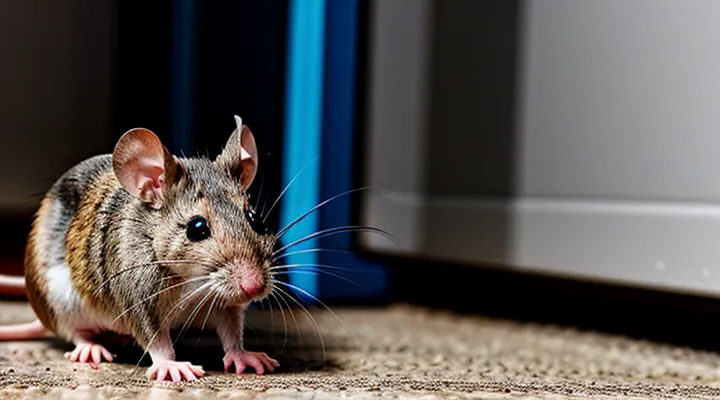
Introduction to Rodent Identification
Why Distinguishing Matters
Distinguishing mice from rats is essential for effective pest management. Species-specific behavior dictates the choice of control measures; traps, baits, and exclusion techniques that work on one rodent often fail on the other. Misidentification can lead to wasted resources and prolonged infestations.
Accurate identification influences health risk assessments. Rats commonly carry pathogens such as Leptospira, hantavirus, and Salmonella, while mice are more frequently linked to allergen production and grain contamination. Tailoring sanitation protocols to the appropriate carrier reduces disease transmission and improves public safety.
Regulatory compliance depends on correct species classification. Certain jurisdictions impose stricter reporting and mitigation requirements for rat infestations due to their higher public‑health impact. Failure to differentiate can result in legal penalties and increased liability for property owners.
Key reasons to differentiate:
- Targeted control reduces chemical usage and non‑target harm.
- Cost efficiency improves when interventions match the rodent’s biology.
- Environmental monitoring benefits from accurate population data.
- Risk communication to occupants becomes clearer and more actionable.
Common Misconceptions
Misconceptions about identifying mice and rats often lead to ineffective pest control and unnecessary alarm.
- Size alone is unreliable; some mouse species reach lengths comparable to small rats, while juvenile rats are smaller than adult mice. Body proportion, especially tail length relative to head‑body length, provides a clearer distinction.
- Color does not differentiate the species; both rodents exhibit a range of fur shades from light gray to brown, and albino individuals exist in each group.
- The belief that rats always have larger ears is false; many mouse strains possess proportionally large ears, whereas some rat breeds have relatively small ears.
- Assuming that all rodents leave identical droppings overlooks key differences: mouse feces are about 3‑5 mm long, pointed, and lack a pronounced ridge, while rat droppings measure 12‑20 mm, are more cylindrical, and show a distinct taper.
- The notion that rats are exclusively outdoor pests ignores the prevalence of indoor infestations, especially in basements and crawl spaces, where they can coexist with house mice.
- Thinking that a single sighting confirms the species disregards the possibility of mixed infestations; traps and visual evidence should be evaluated for both rodent types.
Accurate identification relies on a combination of measurements, anatomical features, and droppings characteristics rather than the oversimplified cues commonly cited.
Key Physical Characteristics
Size and Body Shape
Head and Snout Proportions
Mice possess a head that appears proportionally larger than their body, with a short, triangular snout that tapers sharply toward the tip. In contrast, rats display a more elongated head and a noticeably longer, blunt snout that extends farther beyond the eyes.
- Head‑to‑body ratio: mouse ≈ 1:3, rat ≈ 1:4 or greater.
- Snout length relative to head width: mouse snout ≤ 0.5 × head width, rat snout ≥ 0.7 × head width.
- Nasal bridge angle: mouse exhibits a steep, upward‑facing bridge; rat’s bridge is flatter and more horizontal.
- Whisker placement: mouse whiskers arise close to the tip of the snout, rat whiskers originate farther back, near the middle of the snout.
These measurements provide reliable criteria for separating the two species when visual inspection alone is insufficient.
Ear Size and Hairiness
Ear size provides a reliable visual cue. Mice possess proportionally larger ears relative to head length, often extending beyond the outer edge of the skull when viewed from above. Rat ears are smaller, tucked close to the head, and rarely exceed the skull’s width. The difference remains consistent across adult specimens and is evident even in low‑light conditions when the animal is active.
Hairiness also distinguishes the two rodents. Mouse fur is fine, uniformly dense, and covers the entire body, including the tail, which appears smooth and hair‑covered. Rat fur is coarser, with noticeable gaps on the dorsal surface and a relatively hair‑sparse tail that feels almost naked. Specific observations include:
- Mouse tail: fully furred, slender, with a uniform texture.
- Rat tail: sparsely haired, thicker, with a slightly scaly feel.
- Body coat: mouse – smooth, continuous; rat – patchy, coarser.
Tail Length and Texture
Mice possess tails that are proportionally long relative to body size, typically measuring 70–100 % of the head‑body length. The surface is smooth, hairless, and covered with a thin, translucent membrane that reveals underlying blood vessels. Rats, by contrast, have tails ranging from 80 to 120 % of their body length, often exceeding the length of a mouse’s tail when measured on a comparable scale. Their tails are coarser, frequently displaying sparse hair, thicker skin, and a more pronounced scale‑like texture.
Key distinctions in tail characteristics:
- Length ratio: mouse tail ≈ 0.8–1.0 × body length; rat tail ≈ 1.0–1.2 × body length.
- Surface: mouse tail smooth, hairless, translucent; rat tail rougher, with occasional hair and visible scales.
- Flexibility: mouse tail highly flexible, capable of tight curls; rat tail stiffer, maintains a straighter posture.
These measurable traits enable reliable identification without reliance on behavioral cues. Accurate measurement and tactile assessment of tail length and texture provide a definitive method for separating the two species.
Fur Color and Texture
Variations within Species
Rodent identification must account for intraspecific variation; individual mice and rats differ in size, coloration, and morphology, which can overlap between the two groups. Recognizing the range of these traits prevents misclassification when specimens fall near the extremes of their species’ typical dimensions.
- Adult house mice (Mus musculus) weigh 15–30 g and measure 6–10 cm in body length; laboratory strains may reach 35 g, while wild individuals can be as small as 10 g.
- Adult Norway rats (Rattus norvegicus) weigh 250–500 g and measure 20–25 cm in body length; dwarf strains may be as light as 150 g, and exceptionally large individuals exceed 600 g.
Tail length provides another variable metric. Mice possess tails roughly equal to or slightly longer than their body, often hairless and tapered. Rat tails are typically longer than the body, thicker, and covered with sparse fur. However, juvenile rats may exhibit proportionally shorter tails, and some mouse strains develop unusually long tails, narrowing the distinction.
Ear size and shape also vary. Mice generally have large, rounded ears relative to head width, while rats display smaller, more triangular ears. Subspecies such as the Asian house mouse can present reduced ear dimensions, approaching rat proportions, whereas certain rat breeds (e.g., the fancy rat) may have enlarged ears that mimic mouse morphology.
Fur coloration is not uniform across species. House mice display a spectrum from light gray to brown, with patches of white on the belly and sometimes a dorsal stripe. Norway rats commonly exhibit brown, black, or reddish fur, but albino and hooded variants exist, creating overlap with darker mouse coats. Seasonal molting can alter hue and density, further complicating visual assessment.
Behavioral tendencies and habitat preferences differ but are not absolute. Mice favor concealed, high‑traffic indoor spaces and display rapid, erratic movement; rats prefer burrows, sewers, and open ground, moving with a steadier gait. Nevertheless, urban environments force both species into overlapping niches, where behavioral cues alone cannot guarantee accurate separation.
Understanding the full spectrum of morphological and behavioral variation within each rodent species enables reliable differentiation, even when individual specimens exhibit atypical characteristics.
Regional Differences
Regional variation strongly influences the appearance of rodents commonly confused as mice or rats. In North America, the most frequent house mouse (Mus musculus) measures 2–4 inches in body length, while the prevalent Norway rat (Rattus norvegicus) exceeds 7 inches. European urban environments host the black rat (Rattus rattus), which is slimmer and has a longer tail than the house mouse, yet its overall size overlaps with larger mouse subspecies. Asian settings often feature the Asian house rat (Rattus tanezumi), whose dorsal fur ranges from gray‑brown to reddish, contrasting with the uniformly gray coat of the common house mouse found throughout the continent.
- Size range: Smallest rodents (2–3 inches) dominate in temperate zones; larger specimens (6–9 inches) appear in tropical and subtropical regions.
- Tail proportion: In temperate Europe, rat tails equal or exceed body length; in South America, certain mouse species possess tails longer than their bodies, reducing this distinction.
- Coloration: Desert regions yield lighter, sand‑colored fur in both mice and rats, while forested areas produce darker pelage, complicating visual separation.
- Habitat preference: Rural Asian locales report higher rat densities in grain storage, whereas North American suburbs show mice thriving in indoor wall voids.
Accurate identification requires comparing measured body length, tail‑to‑body ratio, and fur coloration against regional species norms. Field surveys that record these metrics reduce misclassification, supporting pest management and ecological research.
Droppings: A Crucial Clue
Size and Shape Analysis
Mice generally weigh between 15 and 30 g and measure 6–10 cm from nose to the base of the tail; rats weigh 150–300 g and reach 20–30 cm in body length. The disparity in mass and length provides the most immediate visual cue.
Key shape differences include:
- Tail: mice possess a tail roughly equal to body length, slender, and often hairless; rats have a thicker, shorter tail, typically 60–80 % of body length, with a coarser surface.
- Ears: mouse ears are proportionally large, covering about 30 % of head width; rat ears are smaller relative to the head, usually less than 20 %.
- Snout: mice exhibit a pointed, narrow snout; rats display a broader, blunter muzzle.
- Body profile: mice have a streamlined, slender torso; rats present a bulkier, more robust form with a noticeable curvature near the hips.
These dimensions and proportions enable reliable identification without reliance on behavioral cues.
Quantity and Distribution
Mice and rats differ markedly in population density and habitat range, providing reliable clues for identification. In residential settings, mouse numbers often exceed a few dozen per room, while rats usually appear in smaller groups, typically two to five individuals per burrow or sewer segment. Rural fields support high mouse densities—hundreds per hectare—whereas rat colonies remain limited to tens per hectare due to territorial behavior.
Breeding cycles influence distribution patterns. Mice reproduce every three weeks, generating rapid population spikes that spread across interior spaces, including cabinets and wall voids. Rats breed every four weeks, with offspring establishing discrete colonies near water sources, garbage piles, or underground tunnels. Consequently, mouse activity is widespread throughout a structure, whereas rat presence concentrates around specific resource points.
Key quantitative and distribution indicators:
- Group size: dozens (mouse) vs. few (rat) per location.
- Territorial range: extensive interior spread (mouse) vs. localized external focus (rat).
- Population growth rate: faster turnover in mice, leading to sudden increases in sightings.
- Preferred sites: high‑level interior cavities for mice; ground‑level sewers, basements, and outdoor refuse zones for rats.
Monitoring these metrics enables precise differentiation between the two rodents.
Behavioral Patterns
Nesting Habits
Location Preferences
Mice and rats occupy distinct environments, and recognizing these patterns aids accurate identification.
Mice typically select:
- Small openings such as cracks in walls, baseboards, or floorboards.
- Elevated or concealed areas, including attics, ceiling voids, and stored boxes.
- Areas with abundant fine grain food sources, like pantry shelves and cereal containers.
- Moisture‑rich spots near sinks, dishwashers, or leaky pipes, but only in limited quantities.
Rats favor:
- Larger entry points, including gaps around utility lines, vent stacks, and foundation cracks.
- Ground‑level or subterranean zones such as crawl spaces, basements, and sewer systems.
- Open waste areas, dumpsters, and outdoor trash piles providing substantial food waste.
- Water sources like drains, gutters, and open containers, often in proximity to food supplies.
The contrast in preferred locations reflects size, foraging behavior, and social structure. Observing where signs appear—droppings, gnaw marks, or nesting material—allows reliable differentiation between the two rodents.
Material Choices
When selecting materials to differentiate between a mouse and a rat, prioritize characteristics that accentuate size, behavior, and durability of the detection or control device.
- Metal components: Steel or aluminum frames resist gnawing and provide precise measurements for size assessment. Thin gauge steel traps reveal bite marks that distinguish the smaller incisors of mice from the larger ones of rats.
- Rigid plastics: High‑density polyethylene offers lightweight construction and clear visibility of captured specimens. Transparent sections allow quick visual comparison without handling.
- Wooden substrates: Cedar or pine panels absorb odor and deter rodents from immediate reentry, useful in live‑catch cages where material texture influences species preference.
- Silicone seals: Flexible, non‑porous seals prevent escape and maintain a controlled environment for observation, ensuring accurate identification of tail length and ear size.
Material selection directly impacts the reliability of species identification by reducing damage to specimens and enhancing observational clarity. Choose the combination that matches the intended monitoring or control method while maintaining structural integrity against persistent rodent activity.
Feeding Habits
Food Preferences
Mice and rats exhibit distinct dietary habits that aid in their identification. Mice prefer small, high‑carbohydrate items, while rats favor larger, protein‑rich foods.
Typical mouse choices:
- Seeds and grains
- Fruit crumbs
- Soft cheese
- Commercial rodent pellets formulated for small rodents
Typical rat choices:
- Meat scraps and fish
- Nuts and hard‑shell seeds
- Starchy vegetables (potatoes, corn)
- Larger pellets designed for medium‑sized rodents
These preferences reflect differences in mouth size, digestive capacity, and foraging behavior. Observing the type of food remnants or the species’ attraction to specific bait can reliably indicate whether the presence is due to a mouse or a rat.
Damage Patterns
Damage patterns left by small rodents provide reliable clues for separating mice from rats. Both species gnaw, nest, and contaminate, but the size, shape, and location of their traces differ consistently.
- Chew marks on wires, plastic, or wood: mice produce narrow, shallow grooves roughly 2–4 mm wide; rats create broader, deeper incisions 6–12 mm wide, often with ragged edges.
- Grain and seed spillage: mouse droppings cluster in small, irregular piles near food sources; rat droppings appear in larger, more uniform heaps, often accompanied by urine stains that spread farther from the source.
- Nesting material: mice use shredded paper, fabric, or insulation to build compact, spherical nests; rats construct larger, messier structures incorporating bedding, cardboard, and debris, usually found in concealed corners or burrows.
- Entry holes: mouse openings measure ¼‑½ inch in diameter, positioned low to the ground; rat holes exceed ¾ inch, frequently located along walls, foundations, or utility conduits.
Assessing these indicators together improves identification accuracy. Examine multiple sites, compare dimensions, and consider the context of damage to avoid misclassification. Accurate distinction informs targeted control measures and prevents unnecessary interventions.
Sounds and Vocalizations
Types of Noises
Mice and rats produce distinct vocalizations that aid identification when visual confirmation is difficult. Understanding these acoustic signatures reduces reliance on sight and improves pest management decisions.
- High‑frequency squeaks: Mice emit short, sharp squeaks ranging from 10 to 20 kHz. The sounds are rapid, often heard in quick succession during agitation or social interaction.
- Low‑frequency squeals: Rats generate deeper squeals between 4 and 8 kHz. The tones are longer, resonant, and commonly associated with distress or territorial displays.
- Ultrasonic chirps: Both species use ultrasonic communication, but mice produce chirps above 30 kHz during mating, whereas rats emit ultrasonic calls below 25 kHz for similar purposes. Specialized equipment is required to detect these frequencies.
- Footstep thuds: Rat movement creates audible thuds on hard surfaces due to greater body mass. Mouse footsteps are faint, often inaudible without amplification.
Listening for these patterns, especially the frequency range and duration of squeaks, provides reliable differentiation between the two rodents. Accurate interpretation of noise types supports targeted control measures and minimizes unnecessary interventions.
Frequency and Context
Mice appear more frequently in residential interiors, kitchen cabinets, and small entry points, while rats dominate outdoor perimeters, basements, and larger openings such as sewer lines. Survey data from urban pest reports show mouse sightings averaging 3–5 incidents per household annually, compared with 1–2 rat incidents per property but higher damage costs per incident.
Activity patterns differ markedly. Mice exhibit rapid, intermittent foraging, often visible during daylight inspections. Rats maintain longer foraging bouts, frequently detected at night when they travel along established runways. Monitoring frequency of droppings, gnaw marks, and tracks reveals that mouse signs accumulate in clusters near food storage, whereas rat signs spread along linear paths connecting water sources and shelter.
Typical contexts for identification:
- Small, concealed nesting sites (e.g., behind appliances) → mouse likelihood.
- Large, damp burrows near drainage systems → rat likelihood.
- Presence of fine, powder‑like droppings (1–2 mm) → mouse.
- Presence of larger, cylindrical droppings (18–20 mm) → rat.
- Frequent gnawing on thin wires and packaging → mouse.
- Frequent gnawing on thick cables and structural beams → rat.
Habitat and Environment
Indoor vs. Outdoor Presence
Mice and rats occupy different niches within human environments, and their preferred locations provide reliable clues for identification.
-
Mice are most commonly found inside homes, particularly in walls, attics, and cabinets where food residues are accessible. Their presence is indicated by small droppings (approximately 1‑3 mm long), gnaw marks on wiring or furniture, and fine, irregular tracks along baseboards.
-
Rats prefer outdoor settings such as gardens, sewers, and compost piles, but they also infiltrate basements and crawl spaces when food is abundant. Evidence of rats includes larger droppings (5‑7 mm long), extensive burrow entrances, and deep, parallel runways near ground level.
Indoor sightings of mice often involve nocturnal activity near stored grains, while outdoor rat activity is associated with open water sources and dense vegetation. Recognizing these habitat patterns enables accurate differentiation between the two rodent species.
Preferred Living Spaces
Mice and rats occupy distinct environments, and those differences provide reliable clues for accurate identification. Understanding preferred living spaces reduces misidentification in pest assessments and control measures.
-
Mice favor concealed, small‑scale locations:
- Wall voids and ceiling cavities
- Beneath floorboards and within insulation
- Compact piles of stored grain, seed, or paper
- Burrows in garden beds or dense vegetation
- Interior corners of cabinets and drawers
-
Rats select larger, more open habitats:
The contrast in space preference reflects body size, social behavior, and foraging strategies. Mice exploit tight, hidden niches, while rats require spacious routes and access to abundant food waste. Observing these habitat patterns enables professionals to differentiate the two rodents without reliance on morphological traits alone.
Signs of Infestation
Signs of infestation provide the most reliable clues when trying to separate mouse activity from rat activity.
Droppings differ in size and shape. Mouse feces are about 3‑5 mm long, smooth, and rod‑shaped. Rat feces range from 12‑20 mm, often with a pointed tip and a slightly rough surface.
Gnaw marks reveal species size. Mice create shallow, narrow chew holes about ¼ inch wide, typically in soft materials such as cardboard or plastic. Rats produce larger, deeper bites up to ½ inch, often in wood, wiring, or structural beams.
Tracks left in dust or soft ground show distinct footprints. Mouse tracks display four toe pads on the front feet and five on the hind feet, with a narrow stride. Rat tracks show a broader footprint and a longer stride, reflecting a larger body.
Nesting material varies. Mice collect shredded paper, cotton, and fabric, building compact nests in hidden corners. Rats use coarser materials like insulation, shredded cardboard, and dried vegetation, forming larger, messier nests near food sources.
Noise patterns aid identification. Mice emit high‑pitched squeaks and rapid scurrying sounds, especially at night. Rats produce low, guttural squeals and louder, heavier footfalls.
Damage patterns reflect feeding habits. Mice tend to nibble on stored grains, cereal boxes, and small food packages. Rats target bulk food items, pet food, and can damage plumbing by chewing through pipes.
Observing these indicators in combination allows accurate assessment of which rodent is present, facilitating targeted control measures.
Expert Tips for Identification
Trapping and Observation
Effective trapping relies on understanding species‑specific habits. Mice prefer lightweight snap traps placed along walls, near concealed entry points, and often within 12 inches of the floor. Rats respond better to larger, sturdier devices such as multi‑catch live traps or heavy‑duty snap traps positioned along established runways, typically 2–3 ft off the ground and near food sources. Selecting bait that matches dietary preferences—grain or peanut butter for mice, protein‑rich foods for rats—enhances capture rates and provides immediate material for identification.
Observation of captured specimens yields decisive morphological clues. Key differences include:
- Body length: mice average 2–4 inches (excluding tail); rats range 7–10 inches.
- Tail proportion: mouse tail roughly equal to body length; rat tail noticeably shorter relative to body.
- Ear size: mice possess large ears relative to head; rat ears are smaller and more rounded.
- Fur texture: mouse fur is fine and soft; rat fur is coarser and denser.
- Footprints: mouse tracks show four toes on front feet and five on hind; rat tracks display five toes on both sets.
When live traps are used, release the animal onto a clean surface and examine these features before returning it to a humane location. Snap‑trap victims can be identified by carefully handling the carcass with gloves, noting the same characteristics. Consistent documentation—photographs, measurements, and trap placement records—creates a reliable dataset for ongoing differentiation efforts.
Consulting Pest Control Professionals
Professional pest‑control consultants provide reliable species identification, which is essential when trying to separate mouse activity from rat activity. Their training includes visual recognition of size, tail length, ear shape, and droppings, allowing accurate distinction without guesswork.
During an on‑site inspection, experts:
- Measure captured specimens or evidence to confirm whether the animal is a mouse or a rat.
- Compare tail-to-body ratios and ear dimensions against established criteria.
- Document signs such as gnaw marks, nesting material, and fecal size for later reference.
Accurate identification influences treatment selection. Professionals recommend bait types, trap designs, and placement strategies that target the correct species while minimizing non‑target exposure. They also ensure compliance with local regulations governing rodent control chemicals and devices.
Consultants assess environmental factors that attract specific rodents, such as food storage practices, structural gaps, and moisture sources. Their recommendations address these underlying conditions, reducing the likelihood of future infestations.
Engaging a qualified pest‑control service eliminates uncertainty, speeds resolution, and prevents misdirected eradication efforts that could waste resources or exacerbate the problem.
Utilizing Identification Guides
Identification guides provide systematic criteria for separating mice from rats. They compile morphological markers, habitat preferences, and behavioral traits into a portable reference that can be consulted in the field or laboratory.
Key elements typically included in these guides:
- Body length: Mice average 2–4 inches (5–10 cm) without the tail; rats range from 6 inches (15 cm) to over 12 inches (30 cm).
- Tail proportion: Mouse tails are roughly equal to body length and often hairless; rat tails are shorter relative to body size and may display slight hair coverage.
- Ear size: Mice possess large, round ears that approach the length of the skull; rat ears are smaller and more triangular.
- Snout shape: Mice exhibit a pointed, narrow snout; rats have a broader, blunter profile.
- Foot structure: Mice feature a distinct hind foot with a pronounced arch; rats display a flatter foot with a more robust sole.
- Coloration patterns: Guides note common coat colors—mice frequently appear gray or brown with subtle dorsal stripes, while rats often show darker, uniform fur with occasional mottling.
- Habitat indicators: Entries describe typical environments; mice favor indoor clutter, seed stores, and low‑lying vegetation, whereas rats are associated with sewers, basements, and outdoor burrows.
- Behavioral cues: Guides list activity periods—mice are primarily nocturnal and agile, rats display stronger territorial behavior and larger foraging ranges.
Practical use of an identification guide involves:
- Observing the specimen or evidence.
- Matching observed traits against the guide’s checklist.
- Recording the matched criteria to confirm species identification.
- Consulting supplemental photographs or diagrams for visual confirmation.
By adhering to the structured comparison outlined in identification guides, users achieve reliable differentiation between mouse and rat specimens, reducing misidentification risk in pest control, research, and wildlife management contexts.