
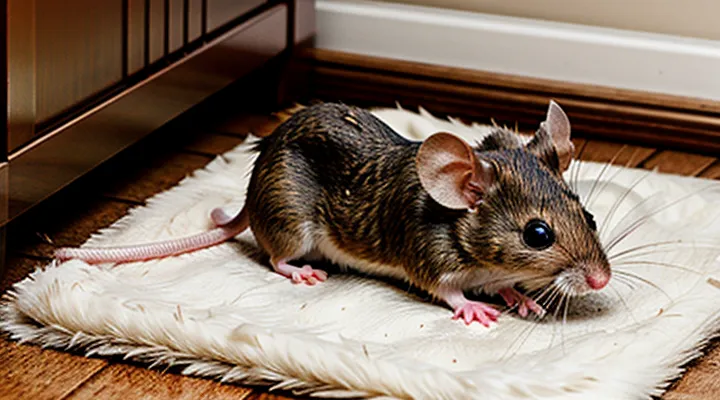
Understanding the Need for Humane Mouse Disposal
Why Proper Disposal Matters
Ethical Considerations
Ethical handling of live rodents destined for removal requires adherence to humane standards, legal obligations, and professional responsibility.
- Employ methods that cause immediate loss of consciousness or death, avoiding prolonged distress.
- Follow institutional animal care protocols and national legislation governing the euthanasia of laboratory animals.
- Ensure personnel receive training in approved techniques and understand the physiological impact of each method.
- Document the procedure, including species, number of individuals, method used, and personnel involved, to maintain transparency and accountability.
- Provide appropriate personal protective equipment to prevent injury and reduce stress for both animals and staff.
Responsibility extends beyond compliance; it reflects a commitment to respect for living subjects and the integrity of scientific practice.
Preventing Infestations and Health Risks
Proper handling of live rodents eliminates the threat of colony expansion and disease transmission. Secure containment prevents escape, which otherwise leads to new entry points and breeding sites. Immediate steps include:
- Transfer each mouse into a sealed, ventilated container no larger than necessary.
- Label the container with “Live animal – hazardous” and store it in a locked refrigerator or freezer.
- Transport the sealed container to an approved euthanasia or wildlife control facility within 24 hours.
Sanitation after removal is critical. Disinfect all surfaces that contacted the animals with an EPA‑registered sanitizer, focusing on floors, walls, and feeding equipment. Replace bedding, and inspect for hidden nests or droppings, disposing of waste in a biohazard bag sealed and marked for incineration.
Personal protection reduces health risks. Wear disposable gloves, a face mask, and eye protection while handling mice. Wash hands thoroughly with soap and water after glove removal. If bites or scratches occur, clean the wound immediately and seek medical evaluation for potential zoonotic infections such as hantavirus, leptospirosis, or salmonellosis.
Monitoring prevents re‑infestation. Install snap‑tight door sweeps, seal cracks, and maintain food storage in airtight containers. Conduct monthly inspections for signs of activity and record findings to track trends. Promptly address any new evidence with the same containment and disposal protocol to break the cycle of infestation and protect health.
Methods for Safe and Humane Live Mouse Disposal
Trapping and Releasing: Best Practices
Choosing the Right Live Trap
Selecting an appropriate live trap is a prerequisite for humane rodent removal and ensures that captured mice can be handled without injury. The trap must match the size of the target animal, allow adequate airflow, and provide a secure closure that prevents escape.
- Size: interior dimensions at least 4 × 4 × 6 inches for adult mice.
- Material: stainless steel or heavy‑gauge wire mesh resists gnawing; plastic cages are lighter but may crack under stress.
- Trigger mechanism: spring‑loaded doors, pressure plates, or tube‑entry triggers must activate with minimal force to avoid harming the mouse.
- Ventilation: multiple openings or mesh panels maintain oxygen flow and reduce stress.
Common trap designs include:
- Cage trap – rectangular enclosure with a hinged door; easy to inspect, suitable for single captures.
- Tube trap – narrow passage leading to a holding chamber; effective for narrow corridors, but limited interior space.
- Multi‑catch trap – series of compartments that fill sequentially; increases capture capacity but requires regular emptying to prevent overcrowding.
Placement influences success rates. Position traps along walls, near known activity routes, and away from direct sunlight. Check traps every 30 minutes to prevent prolonged confinement, which can cause dehydration or overheating.
When a mouse is secured, wear disposable gloves, transfer the animal to a secondary container, and release it at least 200 feet from the building, preferably in a wooded area with natural cover. If local regulations mandate professional disposal, hand the trap to an authorized wildlife control service promptly.
Safe Handling Techniques
Effective management of live rodents requires precise control of both the animals and the environment. Personnel must wear appropriate protective equipment, maintain secure containment, and follow established procedures to prevent injury and contamination.
- Wear disposable nitrile gloves, a lab coat, and eye protection before any contact.
- Use a calibrated restraining device, such as a plexiglass tube or a dedicated rodent holder, to limit movement.
- Conduct all handling within a biosafety cabinet or a well‑ventilated area to contain aerosols.
- Secure the cage or transport container with a latch that prevents accidental opening.
- Apply gentle pressure with fingertips or a soft brush to guide the mouse toward the intended destination, avoiding sudden squeezes.
- Keep the animal’s head elevated to reduce stress and facilitate smooth transfer.
- Disinfect all surfaces and equipment with an approved virucidal solution after each use.
Document each step, verify that equipment functions correctly, and dispose of waste according to institutional protocols. Consistent adherence to these practices ensures safe handling and minimizes risk to staff and the surrounding environment.
Ideal Release Locations
When releasing a live mouse, select an environment that maximizes its chance of survival and minimizes ecological disruption. The site must meet specific criteria:
- Habitat matches the mouse’s natural preferences (grassland, scrub, or lightly forested area).
- Absence of predators that could immediately capture the animal, such as hawks, snakes, or domestic cats.
- Sufficient cover and food sources, including seeds, insects, and vegetation.
- Distance of at least 200 meters from residential properties, farms, or structures where the mouse could become a nuisance.
Ideal locations include:
- Undisturbed field edges – provide shelter, diverse plant life, and low predator density.
- Managed wildlife preserves – regulated ecosystems that support small mammals without human interference.
- Riparian buffers – offer water, vegetation, and natural hiding spots, provided the area is not heavily trafficked.
Avoid release in:
- Urban parks with heavy foot traffic, where exposure to humans and pets is high.
- Agricultural fields treated with pesticides or recent tillage, which reduce food availability and increase toxicity risk.
- Areas near water bodies with strong currents, which can drown the mouse.
Before release, verify local regulations to ensure the chosen site complies with wildlife laws. Ensure the mouse is healthy, free of disease, and acclimatized to outdoor conditions by allowing a brief period of shelter in a secure container at the release point. This approach reduces stress and improves the animal’s adaptation to its new environment.
Distance from Your Home
When handling live rodents, the distance between your residence and the disposal site directly influences safety, legal compliance, and animal welfare. Excessive travel time raises stress for the animal and increases the risk of escape; insufficient distance may expose neighbors to health hazards or violate local regulations.
Recommended distances vary by disposal method:
- Professional pest‑control service: Choose a provider located at least 5 kilometers away. This buffer limits accidental release and ensures the service operates under licensed conditions.
- Humane euthanasia clinic: Select a facility no closer than 3 kilometers. Shorter trips reduce animal distress while maintaining a safe separation from residential areas.
- Authorized wildlife rehabilitation center: Aim for a distance of 10 kilometers or more. Longer transport reduces the likelihood of the animal being re‑released into the original environment.
- Municipal animal control drop‑off point: Minimum distance should be 2 kilometers, provided the site is clearly marked and equipped for live‑animal handling.
Legal frameworks often define minimum separation distances. Many jurisdictions prohibit the release of captured rodents within a 1‑kilometer radius of the capture location to prevent re‑infestation. Compliance with these statutes avoids fines and protects community health.
Before transport, secure the mouse in a ventilated container, label it with the intended destination, and record the departure time. Plan the route to avoid traffic congestion and minimize travel duration. Upon arrival, hand the animal to trained personnel and obtain a receipt confirming proper disposal. Following these steps ensures that the distance from your home contributes to a responsible and effective resolution.
Suitable Natural Habitats
When releasing a captured mouse, select an environment that meets the animal’s ecological needs and minimizes human‑wildlife conflict. Ideal locations provide shelter, food sources, and protection from predators.
- Dense ground cover such as tall grasses, leaf litter, or low shrubs
- Proximity to natural water sources (streams, ponds, or moist soil)
- Areas with abundant seed‑bearing plants, insects, and fallen fruit
- Sites distant from residential structures, farms, or food storage facilities
- Regions where native rodent populations already exist, indicating suitable climate and predator balance
Avoid open fields, heavily trafficked trails, and areas treated with pesticides or rodenticides. Ensure the release point lies at least several hundred meters from human dwellings to reduce the likelihood of re‑capture. Verify local regulations to confirm that releasing wild rodents is permissible in the chosen habitat.
Alternative Humane Options
Deterrents and Prevention Strategies
Effective deterrence reduces the likelihood of encountering live rodents and minimizes the need for humane removal. Identify entry points, eliminate attractants, and use physical or chemical barriers to prevent infestation.
- Seal gaps larger than ¼ inch with steel wool, caulk, or expanding foam.
- Install door sweeps and weather stripping to block ingress.
- Store food in airtight containers; clean spills immediately.
- Remove clutter that provides shelter, such as piles of cardboard or debris.
- Place metal mesh or hardware cloth around vents, utility openings, and crawl spaces.
- Use ultrasonic emitters or motion-activated repellents in areas where rodents are active.
- Apply natural deterrents, such as peppermint oil-soaked cotton balls, at known pathways.
- Deploy snap traps or live-catch devices only after exclusion measures have failed, ensuring quick, humane dispatch.
Regular inspection reinforces prevention. Conduct monthly checks of seals, monitor for gnaw marks, and adjust deterrent placement as needed. Document findings to track trends and refine the control program. Consistent application of these strategies maintains a rodent-free environment and eliminates reliance on emergency disposal.
Sealing Entry Points
Sealing entry points prevents re‑infestation after live mice have been removed. Identify all possible access routes by inspecting walls, floors, ceilings, and utility openings. Look for gaps larger than ¼ inch, damaged weatherstripping, and openings around pipes, vents, and cables.
- Use steel wool or copper mesh to fill small cracks; these materials cannot be chewed through.
- Apply high‑quality caulk or expanding foam to close gaps around fixtures, doors, and windows.
- Install door sweeps and weatherstripping on exterior doors to eliminate gaps at the threshold.
- Replace damaged screens with metal or reinforced mesh.
- Cover utility penetrations with metal flashing secured with screws or heavy‑duty sealant.
After sealing, conduct a visual inspection to verify that no openings remain. Re‑evaluate the building’s exterior quarterly, especially after seasonal weather changes, to maintain a barrier against future intrusions.
Natural Repellents
Natural repellents provide an effective, non‑toxic means of encouraging rodents to vacate an area, reducing the need for direct handling. By creating an environment that mice find inhospitable, these agents support humane removal strategies while minimizing risk to humans and pets.
Common botanical deterrents include:
- Peppermint oil: Apply a few drops to cotton balls and place them near entry points; the strong menthol scent overwhelms the rodent’s olfactory system.
- Clove oil: Dilute with water (1 % solution) and spray along baseboards and cracks; the pungent aroma disrupts scent trails.
- Eucalyptus oil: Disperse in a spray bottle and mist corners, cupboards, and storage spaces; the volatile compounds act as a repellent.
- Citronella: Use liquid or granulated forms around perimeters; the citrus scent deters foraging activity.
Mineral‑based options also prove reliable:
- Diatomaceous earth: Spread a thin layer in concealed pathways; the abrasive particles damage the exoskeleton of insects and irritate rodents, prompting retreat.
- Cedar shavings: Lay in bedding areas or storage containers; the natural oils emitted by cedar repel mice without chemical additives.
Implementing these measures follows a systematic approach:
- Identify all potential ingress points (gaps, vents, door sweeps).
- Seal structural openings with steel wool, caulk, or hardware cloth.
- Deploy chosen repellents at each sealed location, refreshing applications every two weeks or after cleaning.
- Monitor activity with motion‑activated cameras or trap checks; adjust placement if mice persist.
When repellents reduce activity effectively, the final step—humane capture and release—requires minimal handling. Traps should be checked frequently, and captured animals released at least 200 meters from the residence to prevent re‑entry. This protocol integrates natural deterrence with safe, ethical removal, ensuring compliance with health and safety standards.
Aftercare and Prevention of Future Infestations
Cleaning and Sanitization Protocols
Disinfecting Contaminated Areas
After live rodents are removed, all surfaces that may have contacted the animals must be decontaminated to prevent disease transmission. Begin by removing visible debris with disposable gloves and a sealed bag. Dispose of waste according to local biohazard regulations.
Select an EPA‑registered disinfectant effective against hantavirus, salmonella, and common bacterial pathogens. Preferred agents include:
- 10% bleach solution (1 part household bleach to 9 parts water) with a contact time of at least 10 minutes.
- Quaternary ammonium compounds labeled for rodent‑borne pathogens, applied according to manufacturer instructions.
- Hydrogen peroxide (3%) with a minimum 5‑minute dwell time.
Apply the disinfectant uniformly using a spray bottle or fogger, ensuring complete coverage of floors, countertops, equipment, and any crevices. After the required contact period, wipe surfaces with clean disposable cloths and allow them to air‑dry. For porous materials that cannot be thoroughly sanitized, discard them in sealed containers.
Ventilate the area during and after treatment. Open windows and run exhaust fans to reduce inhalation risk from aerosolized chemicals. Maintain protective equipment—gloves, goggles, and N‑95 respirators—until the space is confirmed clean.
Document the disinfection process, recording the disinfectant used, concentration, application method, and exposure time. Retain records for at least 30 days to verify compliance with health‑safety standards.
Odor Removal Techniques
Effective odor control is crucial when handling the humane termination of live rodents. Residual smells can attract pests, cause discomfort for personnel, and signal inadequate sanitation.
- Seal the carcass in a double‑layered, leak‑proof bag before transport. The inner layer should be a high‑density polyethylene bag; the outer layer a heavy‑duty, odor‑resistant bag with a zip closure.
- Apply an approved odor‑neutralizing agent, such as a solution containing activated carbon or enzymatic deodorizer, directly to the exterior of the sealed package. Follow manufacturer concentration guidelines to avoid residue buildup.
- Store the packaged material in a refrigerated environment (4 °C or lower) until disposal. Low temperatures slow bacterial decomposition, reducing volatile organic compound emission.
- Use a dedicated, vented waste container equipped with a charcoal filter. Replace the filter according to the supplier’s schedule to maintain absorption efficiency.
- After disposal, clean the work area with a disinfectant that includes a neutralizing compound (e.g., quaternary ammonium with a scent‑masking additive). Rinse surfaces with water and allow complete drying before reuse.
Implementing these steps eliminates detectable odors, ensures compliance with health‑safety regulations, and prevents secondary contamination during the safe removal of live mice.
Long-Term Prevention Measures
Food Storage Best Practices
Proper food storage directly reduces the risk of attracting live rodents and simplifies their removal. Secure containers, controlled temperatures, and regular cleaning create an environment where mice are unlikely to locate sustenance, limiting the need for emergency disposal procedures.
- Keep all edible items in airtight, rodent‑proof containers made of metal or heavy‑wall plastic.
- Store dry goods on elevated shelves away from walls and floor level.
- Maintain consistent refrigeration at or below 4 °C for perishable items; monitor for temperature fluctuations that could cause spoilage.
- Implement a first‑in, first‑out (FIFO) system to prevent prolonged storage and reduce odor development.
- Clean storage areas weekly, removing crumbs and spills that serve as attractants.
- Seal gaps, cracks, and ventilation openings with steel wool or caulking to block entry points.
- Use separate waste containers with tightly fitting lids; empty them regularly and store away from food zones.
When live mice are encountered, sealed storage eliminates direct contact with contaminated food. Transfer the animal to a pre‑prepared, escape‑proof container, then follow local regulations for humane euthanasia or release. After removal, inspect the storage area for breaches, replace any compromised containers, and conduct a deep sanitization with an EPA‑approved disinfectant. Consistent adherence to these storage protocols ensures that food remains safe and that any necessary rodent handling occurs with minimal health risk.
Regular Home Maintenance
Regular home upkeep includes measures that prevent rodent intrusion and ensure humane handling of any live mice encountered. Seal gaps around foundations, doors, and windows with steel wool, caulk, or weather‑stripping. Inspect utility penetrations, vents, and pipe sleeves quarterly; close any openings larger than a quarter inch.
Maintain a clean interior environment to reduce attractants. Store food in airtight containers, promptly clean spills, and dispose of garbage in sealed bins. Remove clutter from basements, attics, and storage areas, as debris provides shelter for rodents.
When live mice are found, follow a controlled removal process:
- Choose a certified humane trap; position it along walls where activity is observed.
- Bait the trap with peanut butter, oats, or dried fruit; avoid toxic substances.
- Check traps at least twice daily to minimize stress on captured animals.
- Transport captured mice in a ventilated container to a licensed wildlife rehabilitator or an approved release site, adhering to local regulations.
- Disinfect the trap and surrounding area with a diluted bleach solution (1 part bleach to 9 parts water) after each use.
Schedule seasonal inspections of exterior drainage, roof eaves, and crawl spaces. Replace damaged screens, repair cracked siding, and trim vegetation that contacts the building. Document findings in a maintenance log to track recurring issues and verify corrective actions.
By integrating these routine tasks into the home maintenance schedule, homeowners create an environment that deters mouse entry and provides a clear protocol for safe, humane disposal when live rodents appear.
Professional Pest Control Consultation
Professional pest‑control consultation provides expert guidance for humane and compliant removal of live rodents. Specialists assess infestation severity, identify entry points, and recommend containment methods that comply with local wildlife regulations. Their evaluation includes species identification, population density, and health risk analysis, ensuring that disposal actions protect both occupants and the environment.
During a consultation, technicians typically:
- Conduct a thorough inspection of interior and exterior premises to locate nests and travel routes.
- Advise on trap selection, such as live‑catch cages that meet animal‑welfare standards.
- Outline proper handling procedures, including protective equipment, sanitation, and immediate release or transfer to licensed facilities.
- Develop a schedule for monitoring, maintenance, and preventive measures to deter future incursions.
The consultant also prepares documentation required for regulatory compliance, such as disposal receipts and pest‑management records. This paperwork supports liability protection and demonstrates adherence to health‑code obligations.
Implementing the consultant’s recommendations reduces the risk of disease transmission, minimizes property damage, and ensures that the removal of live mice is performed safely, ethically, and legally.