
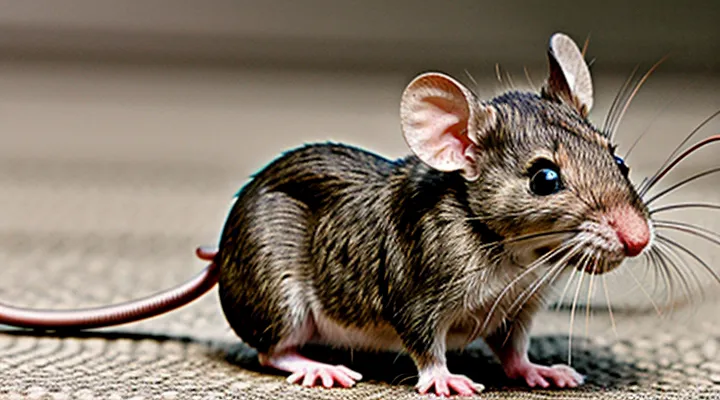
Understanding the Need for Differentiation
Why Proper Identification Matters
Health Concerns and Disease Transmission
Small rodents present distinct health risks that depend on accurate identification. Correctly distinguishing a mouse from a diminutive rat informs appropriate disease‑prevention measures and limits unnecessary exposure.
Key pathogens associated with each species differ in prevalence and severity:
- Hantavirus: primarily linked to mouse populations; transmission occurs through inhalation of aerosolized droppings.
- Leptospira spp.: more common in rat carriers; infection spreads via contact with contaminated urine.
- Salmonella enterica: found in both, with higher isolation rates in rats; ingestion of contaminated food or water leads to gastrointestinal illness.
- Lymphocytic choriomeningitis virus (LCMV): mouse‑specific; exposure through handling of infected rodents or their excreta.
- Rat‑bite fever (Streptobacillus moniliformis): exclusive to rat bites; results in fever, rash, and joint pain.
Health‑risk assessment must consider these pathogen profiles. Control strategies targeting mice focus on sealing entry points and reducing indoor nesting sites, while rat‑oriented measures emphasize outdoor sanitation, bait placement, and exclusion of burrowing habitats. Misidentification can lead to ineffective interventions, prolonging disease transmission cycles.
Monitoring programs should incorporate species‑specific trapping data, laboratory testing of captured specimens, and regular sanitation audits. Integrating these practices reduces the likelihood of zoonotic outbreaks and protects public health.
Property Damage and Contamination Risks
Correct identification of a mouse versus a small rat directly influences the assessment of property damage and contamination hazards. Misidentification can lead to inappropriate control measures, allowing damage to persist and health risks to increase.
Typical damage patterns differ between the two rodents:
- «Mouse» gnawing concentrates on soft materials such as insulation, wiring insulation, and stored paper, often creating small, irregular holes.
- «Rat» gnawing produces larger, more uniform openings in structural timber, plastic piping, and concrete, reflecting stronger jaw force.
- Both species contaminate food stores, but a mouse’s rapid breeding cycle results in higher population density in confined spaces, accelerating spoilage.
Contamination risks extend beyond visible damage. Mice and small rats carry pathogens that can infiltrate food preparation areas, contaminate surfaces, and contaminate water supplies. Their urine and droppings introduce bacterial agents, while their fur and saliva spread parasites. The smaller size of a mouse enables entry through minute gaps, increasing the likelihood of hidden contamination zones.
Effective mitigation depends on accurate species recognition. Control strategies should target the specific gnawing behavior and entry points associated with each rodent. Sealing openings sized to exclude the larger «rat» while still addressing the smaller «mouse» ensures comprehensive protection. Regular inspections focused on the described damage signatures facilitate early detection, reducing both structural deterioration and health threats.
Key Physical Characteristics
Size and Body Proportions
Head Shape and Size
Head morphology provides reliable criteria for separating a mouse from a small rat. The mouse exhibits a compact, triangular skull with a sharply pointed snout; overall head length rarely exceeds 15 mm. In contrast, a small rat possesses a broader, more rectangular skull, a blunter muzzle, and head length typically ranges from 20 mm to 25 mm.
Key distinctions include:
- Snout shape – mouse: acute, rat: obtuse.
- Skull width – mouse: narrow, rat: noticeably wider.
- Proportional ratios – mouse: head length to body length ≈ 1:4, rat: head length to body length ≈ 1:3.5.
These morphological markers enable accurate identification without reliance on behavioral observation.
Body Length and Weight
Body length and weight present the most objective criteria for separating a mouse from a small rat. Measurements taken from the tip of the nose to the base of the tail, together with the animal’s mass, create a clear distinction that does not rely on coloration or behavior.
-
Length (nose‑to‑base of tail)
• «Mouse»: 6 – 10 cm
• Small «rat»: 12 – 20 cm -
Weight (average adult)
• «Mouse»: 15 – 30 g
• Small «rat»: 150 – 300 g
These ranges overlap only at extreme ends; a specimen measuring less than 11 cm and weighing under 50 g can be confidently identified as a mouse, whereas any individual exceeding 12 cm in length or 100 g in mass aligns with the rat category. Applying the numeric thresholds above eliminates ambiguity in field observations and laboratory assessments.
Tail Length and Thickness
Tail length provides a reliable metric for separation. A typical house mouse exhibits a tail that measures approximately 80–100 % of its body length, often appearing proportionally long and slender. In contrast, a small rat presents a tail ranging from 60 to 80 % of its body length, generally shorter relative to overall size.
Thickness further refines identification. Mouse tails are notably thin, with a diameter close to 2–3 mm, and display a smooth, hairless surface. Rat tails are comparatively robust, reaching diameters of 4–6 mm, and frequently bear sparse fur or a slightly rough texture.
Key comparative points:
- Length ratio: mouse ≈ 0.9 × body, rat ≈ 0.7 × body
- Diameter: mouse ≈ 2–3 mm, rat ≈ 4–6 mm
- Surface: mouse smooth, rat may have minimal hair
These quantitative distinctions enable precise classification without reliance on additional characteristics.
Fur and Coat
Color Variations
Color differences provide a reliable criterion for separating a mouse from a small rat. Mice typically display lighter fur, ranging from pale gray to soft brown, often with a uniform hue across the body. Small rats usually possess darker coats, such as deep brown, black, or reddish‑brown, and may show a distinct dorsal‑ventral contrast.
-
Mouse coloration:
• Light gray, beige, or sandy tones
• Minimal variation between back and belly
• Occasionally a faint stripe along the spine, but not pronounced -
Small rat coloration:
• Dark brown, black, or reddish‑brown shades
• Noticeable darker dorsal surface with a lighter ventral side
• Possible mottling or speckling on the back
Regional populations can introduce additional shades. Northern mouse strains often appear paler due to colder climates, while tropical rat populations may exhibit richer reddish tones. Laboratory breeds may show standardized colors, whereas wild specimens retain the full spectrum described above. Recognizing these patterns enhances accurate identification without reliance on size or behavior alone.
Texture and Sheen
The surface of a mouse’s fur typically feels soft and fine, while a small rat’s coat presents a coarser, sturdier texture. When pressed gently, mouse hair yields easily, producing a slight give, whereas rat hair resists compression and retains a firmer structure.
Sheen distinguishes the two species as well. Mouse fur often displays a subtle, matte finish that diffuses light, creating a muted appearance. In contrast, a small rat’s coat exhibits a faintly glossy sheen, reflecting light more readily and giving the animal a slightly polished look.
Key observations:
- Fur softness: mouse – delicate, rat – robust.
- Compression response: mouse – yields, rat – holds shape.
- Light reflection: mouse – matte, rat – mildly glossy.
These tactile and visual cues provide reliable criteria for separating a mouse from a small rat without reliance on size alone.
Ears and Eyes
Relative Size to Head
When separating a mouse from a small rat, the proportion between head size and overall body length provides a reliable indicator. In a mouse, the head constitutes a larger percentage of total length than in a rat, resulting in a comparatively broader appearance of the cranial region relative to the torso. A rat’s head is proportionally smaller, giving the animal a more elongated silhouette.
Key measurements for practical assessment:
- Total length: mouse ≈ 8–10 cm; rat ≈ 18–25 cm.
- Head length: mouse ≈ 1.5–2 cm; rat ≈ 2.5–3 cm.
- Ratio of head length to total length: mouse ≈ 20–25 %; rat ≈ 12–15 %.
Observing the «head‑to‑body ratio» allows quick visual discrimination: a noticeably larger head relative to the body suggests a mouse, whereas a longer body with a comparatively smaller head indicates a small rat.
Ear Hair and Prominence
Ear hair density provides a reliable indicator when distinguishing a mouse from a small rat. Mice typically exhibit fine, sparsely distributed hair along the outer rim of the ear, often limited to the distal edge. In contrast, small rats possess a denser, coarser covering that extends across the entire pinna, including the central region.
Ear prominence further clarifies identification. The mouse ear appears relatively small, with a low vertical profile that rests close to the head surface. The small rat ear is noticeably larger, projecting outward and upward, creating a more pronounced silhouette.
Key comparative points:
- Hair texture: fine and limited (mouse) vs. coarse and extensive (small rat).
- Coverage area: distal edge only (mouse) vs. full pinna (small rat).
- Ear size: low-profile, tucked (mouse) vs. high-profile, protruding (small rat).
Observing these characteristics in live specimens or high‑resolution photographs enables accurate differentiation without reliance on body length or weight measurements.
Eye Prominence
Eye prominence provides a reliable visual cue when distinguishing a mouse from a small rat. Mice possess relatively large, bulging eyes that dominate the facial profile, creating a pronounced, round appearance. In contrast, small rats exhibit smaller, recessed eyes that sit lower in the skull, resulting in a flatter, less conspicuous ocular region.
Key observations regarding ocular characteristics:
- Eye size relative to head: mouse eyes occupy a greater proportion of the skull’s width; rat eyes cover a smaller fraction.
- Positioning: mouse eyes are situated near the front of the face, often appearing forward‑facing; rat eyes are positioned more laterally and set deeper.
- Visibility of sclera: mice display a clear, visible white sclera around the iris, while rats typically show a reduced scleral ring, making the iris blend with surrounding fur.
These distinctions aid rapid identification in field assessments, laboratory settings, and pest control inspections. Accurate recognition based on eye prominence reduces misclassification and supports appropriate management decisions.
Feet and Paws
Forefoot Structure
The forefoot provides reliable morphological cues for separating a mouse from a small rat. Both species possess five digits, but the relative proportions of toes, pads, and claws differ markedly.
- Digit length: mouse toes are proportionally shorter, with the third digit rarely exceeding 2 mm; rat toes frequently reach 3–4 mm.
- Claw curvature: mouse claws display a gentle, almost straight curvature, whereas rat claws are markedly hooked.
- Pad size: the plantar pads of a mouse occupy a larger fraction of the foot surface, creating a broader, flatter contact area; rat pads are narrower and more elongated.
- Metatarsal spacing: mouse metatarsals are closely spaced, producing a compact foot profile; rat metatarsals are spaced wider, resulting in a more splayed appearance.
Skeletal examination reinforces these external observations. In mice, the distal phalanges are slender and lack pronounced dorsal ridges; rats exhibit robust distal phalanges with distinct dorsal crests. The calcaneus in rats is longer, contributing to increased leverage for digging and climbing, while the mouse calcaneus remains short and compact.
These anatomical distinctions remain consistent across adult specimens and persist despite variations in body size. Accurate identification relies on careful measurement of toe length, assessment of claw shape, and comparison of pad dimensions.
Hindfoot Size and Shape
The hindfoot provides a reliable metric for distinguishing a mouse from a small rat. A mouse’s hindfoot is markedly shorter, usually measuring between 7 and 10 mm in total length, whereas a small rat’s hindfoot typically exceeds 12 mm. The proportional relationship between hindfoot length and overall body size further clarifies identification: in mice, the hindfoot constitutes roughly 10 % of body length, while in rats it represents 12–15 %.
Shape differences reinforce size distinctions. Mouse hindfeet display a narrow, elongated metatarsal region with a relatively low arch, facilitating agile movement through narrow passages. Rat hindfeet exhibit a broader metatarsal area, a more pronounced arch, and a sturdier calcaneus, reflecting a stronger grip on varied substrates.
Key diagnostic points:
- Length: mouse ≈ 7–10 mm; rat ≈ 12 mm +
- Proportion to body: mouse ≈ 10 % of total length; rat ≈ 12–15 %
- Metatarsal width: mouse narrow; rat broader
- Arch development: mouse low; rat pronounced
When assessing a captured specimen, measuring the hindfoot and observing its contour yields a quick, objective determination of species. Accurate measurement tools and reference charts should be employed to avoid misidentification.
Behavioral and Environmental Clues
Droppings and Urine
Shape and Size of Feces
Fecal morphology provides a practical criterion for distinguishing a mouse from a small rat. Rodent droppings differ markedly in dimensions and form, allowing rapid visual assessment without capture.
- Shape: Mouse pellets are cylindrical, tapering at both ends, often described as “spoon‑shaped.” Rat pellets maintain a uniform cylindrical profile with blunt ends.
- Length: Mouse droppings typically measure 3–6 mm; rat droppings range from 9–12 mm.
- Width: Mouse feces are 1–2 mm wide, whereas rat feces are 2–3 mm wide.
- Surface texture: Mouse pellets appear smooth and glossy; rat pellets exhibit a matte finish with occasional ridges.
Consistent observation of these parameters supports accurate identification when visual cues such as ear size or tail length are ambiguous.
Urine Trails and Stains
Urine deposits provide reliable evidence when separating a mouse from a diminutive rat. Mice excrete small, concentrated droplets that dry to a faint, almost invisible streak. The droplets typically measure 1–2 mm in diameter and lack a noticeable odor. In contrast, a small rat leaves larger, more dispersed droplets, often 3–5 mm across, which retain a faint ammonia scent and may form a visible wet line on porous surfaces.
Key visual and olfactory cues include:
- Droplet size: mouse ≈ 1–2 mm; small rat ≈ 3–5 mm.
- Distribution pattern: mouse creates tight, linear trails; rat produces broader, irregular tracks.
- Odor intensity: mouse urine is barely perceptible; rat urine emits a detectable ammonia note.
- Stain coloration: mouse urine dries to a translucent, almost colorless film; rat urine may yellow slightly as it ages.
When inspecting potential infestation sites, focus on areas where food or water sources exist, as both species concentrate urine there. Collect samples with a sterile swab, label accurately, and compare against reference data. Consistent identification of the described characteristics enables decisive action tailored to the specific rodent.
Nesting Habits
Material Preferences
When distinguishing a mouse from a small rat, material characteristics provide reliable indicators. Fur texture differs markedly: mice possess soft, fine hair that lies flat against the body, while small rats exhibit coarser, bristly fur with a denser undercoat. Tail composition also varies; a mouse tail is slender, covered with a thin layer of hair, and flexible, whereas a rat tail is thicker, largely hairless, and displays a more robust, scaly surface.
Feet and paw pads reveal further contrasts. Mouse paws feature delicate, hair‑covered pads and longer, more pronounced toe claws, facilitating agile climbing. Rat paws present thicker, hairless pads with sturdier claws suited for burrowing and heavier locomotion. Skeletal density offers an additional metric: mouse bones are lighter and more fragile, reflecting a lower body mass, whereas rat bones demonstrate greater thickness and strength.
Key material cues for accurate identification:
- Fur: soft and fine (mouse) vs. coarse and bristly (rat)
- Tail: thin, hairy, flexible (mouse) vs. thick, mostly hairless, scaly (rat)
- Paw pads: hair‑covered, delicate (mouse) vs. hairless, robust (rat)
- Bone structure: lightweight, fragile (mouse) vs. thicker, sturdy (rat)
Observing these material attributes enables precise separation of the two species without reliance on size alone.
Location Selection
When identifying a rodent, the environment where the animal is observed provides essential clues. Mice typically occupy interior spaces such as closets, cabinets, and low‑lying wall cavities. Their presence is often indicated by small, fine droppings measuring 3‑5 mm, and by nests constructed from shredded paper or fabric. In contrast, small rats favor outdoor or semi‑outdoor locations, including garden beds, compost piles, and low‑lying structures like sheds. Their droppings are larger, 6‑10 mm, and nests consist of coarser materials such as twigs, leaves, and insulation.
Key factors for location selection include:
- Proximity to food sources: Mice exploit pantry items and stored grains; small rats target exposed waste, fruit trees, and animal feed.
- Access points: Mice enter through ¼‑inch openings in walls or floors; small rats require larger gaps, often around ½‑inch, found in foundation cracks or utility openings.
- Nesting height: Mice build nests close to the floor, usually within 12 inches; small rats construct nests higher, often 12‑24 inches above ground level.
Observing these habitat preferences enables reliable distinction between the two species without reliance on physical measurements alone. Accurate location assessment reduces misidentification and informs appropriate control measures.
Gnaw Marks
Size and Depth of Damage
Mice generally weigh 15–30 g and measure 6–10 cm from nose to base of tail. Small rats typically exceed 150 g and reach 15–20 cm in body length. Tail proportion differs: a mouse tail equals roughly the body length, while a rat tail is longer, often surpassing the body. Ear size provides another metric; mouse ears are proportionally larger relative to head width than rat ears. These dimensions enable reliable visual separation when individuals are examined side by side.
Damage depth reflects species‑specific feeding and nesting behavior. Mice produce shallow gnaw marks, usually 1–2 mm deep, confined to surface materials such as soft wood, cardboard, or plastic. Their burrows remain near the substrate surface, rarely penetrating more than 5 cm into soil or insulation. Small rats generate deeper incisions, frequently 3–5 mm, and can breach harder materials including drywall and thin metal sheeting. Their burrows extend 10–30 cm below ground or within structural cavities, creating more extensive disruption to building integrity.
Key comparative points:
- Body mass: mouse ≈ 15–30 g; rat ≈ 150–300 g.
- Length (body): mouse ≈ 6–10 cm; rat ≈ 15–20 cm.
- Tail proportion: mouse tail ≈ body length; rat tail > body length.
- Ear‑to‑head ratio: mouse larger.
- Gnaw depth: mouse 1–2 mm; rat 3–5 mm.
- Burrow depth: mouse ≤ 5 cm; rat 10–30 cm.
Understanding these quantitative differences clarifies identification and anticipates the extent of material damage each rodent may cause.
Preferred Materials for Gnawing
Mice and small rats exhibit distinct preferences for gnawing substrates, a reliable criterion for species identification.
· Mice favor soft, fibrous materials such as cotton, paper, and untreated wood shavings. Their incisors efficiently shape these substrates into nests and feeding tunnels.
· Small rats prefer harder, abrasive substances including plastic casings, metal wires, and dense cardboard. Their stronger jaw muscles allow prolonged chewing of tougher objects, often resulting in visible bite marks on enclosure components.
Observation of gnawing damage aligns with these material choices. Presence of extensive wear on plastic fixtures or metal bars suggests the animal is a small rat, whereas predominance of shredded soft fibers indicates a mouse. Monitoring substrate condition thus supports accurate differentiation between the two rodent types.
Sounds and Vocalizations
Types of Squeaks and Chirps
Mice and small rats emit vocalizations that differ in frequency, duration, and pattern, providing reliable cues for species identification. Recognizing these acoustic signatures reduces misclassification when visual cues are ambiguous.
- «high‑pitched, rapid squeak»: dominant in house mice, frequency typically 10–20 kHz, lasting 0.05–0.1 s, repeated in quick succession.
- «low‑pitched, drawn‑out chirp»: common in young rats, frequency 5–8 kHz, duration 0.2–0.4 s, often accompanied by a slight pause before the next call.
- «intermittent trill»: produced by both species under stress, but mice display a faster modulation rate (≈150 Hz) than rats (≈80 Hz).
- «soft ultrasonic click»: emitted by mice during grooming, frequency above 30 kHz, inaudible to human ears; rats rarely produce this sound.
Each vocal type aligns with specific behavioral contexts, enabling field observers to infer the animal’s identity without direct contact. Accurate acoustic assessment complements morphological analysis, ensuring precise differentiation between a mouse and a small rat.
Activity Patterns and Noises
Mice exhibit a predominantly nocturnal schedule, emerging shortly after dark and remaining active throughout the night. Their peak foraging occurs in the early and late phases of darkness, with brief periods of activity during daylight only when food sources are abundant. Small rats, by contrast, display a crepuscular pattern, concentrating movement at dawn and dusk while maintaining a lower level of activity during the deepest night hours. This shift results in a more evenly distributed presence across the twilight periods.
Auditory cues provide additional discrimination. Mice generate high‑frequency squeaks that often exceed 10 kHz, producing a rapid, chirping quality audible only with sensitive equipment. Their vocalizations are brief, lasting less than a second, and are typically associated with social interaction or alarm. Small rats emit lower‑frequency squeals and chattering sounds, ranging between 4 kHz and 8 kHz, with a longer, raspier timbre. These noises accompany exploratory behavior and territorial disputes.
Key observable differences include:
- Activity peak: night‑centered for mice, dawn/dusk‑centered for small rats.
- Noise frequency: ultrasonic for mice, audible mid‑range for small rats.
- Duration of vocalizations: brief for mice, prolonged for small rats.
Habitat and Environment
Indoor vs. Outdoor Presence
Identifying a rodent by its preferred environment provides reliable clues when separating a common house mouse from a diminutive rat.
Indoor habitats favor the mouse. Small size, ability to exploit narrow cracks, and preference for human food stores lead to frequent sightings inside walls, cabinets, and pantry shelves. Mice leave fine, thread‑like droppings near food sources and create shallow burrows in insulation or cardboard.
Outdoor habitats favor the rat. Larger body, stronger jaws, and tolerance for open terrain result in activity around garden beds, compost piles, and building foundations. Rats produce coarser droppings, construct deeper burrows in soil, and often travel along utility lines or sewer systems.
Key observations for differentiation:
- Location of droppings: indoor ⇒ mouse; outdoor near ground level ⇒ rat.
- Burrow depth: shallow, concealed in structures ⇒ mouse; deep, soil‑based ⇒ rat.
- Food source proximity: stored human food ⇒ mouse; natural debris or waste piles ⇒ rat.
Recognizing these environmental patterns enables accurate distinction without reliance on visual size comparison alone.
Preferred Food Sources
Mice favor food that is small, lightweight, and easily stored. Typical selections include:
- Seeds such as millet, sunflower, and wheat.
- Whole grains, especially oats and rice.
- Nuts that can be cracked with minimal effort, like peanuts.
- Insects and larvae when available.
- Small quantities of dried fruit.
Small rats exhibit broader dietary habits and can process larger, more diverse items. Common preferences are:
- Fresh fruits and berries, often larger than those targeted by mice.
- Whole nuts, including shells that require stronger jaws.
- Larger grains and cereals, such as corn kernels and barley.
- Human food waste, including processed snacks and meat scraps.
- Protein‑rich sources like pet food and discarded fish.
The contrast in preferred food sources assists in field identification. Mice are observed gathering minute seeds and storing them in concealed caches, whereas small rats are seen foraging for bulkier items and exploiting human‑generated refuse. Recognizing these feeding patterns provides a practical criterion for distinguishing the two rodent species.
Social Structures
Social organization offers concrete criteria for distinguishing a mouse from a small rat. Both species form groups, yet the composition, hierarchy, and territorial patterns differ markedly.
Mice typically assemble in modest assemblies of a few individuals. Dominance rests primarily with a breeding female that maintains a nest site. Males exhibit limited aggression and often disperse shortly after reaching sexual maturity. Nesting chambers are shallow, constructed in concealed spaces such as wall voids or under stored material. Interaction frequency is low, and grooming occurs mainly between the dominant female and her immediate offspring.
Rats develop larger colonies that can encompass dozens of members. Hierarchical structures are intricate, featuring an alpha male and an alpha female who jointly control access to food caches and nesting burrows. Subordinate individuals recognize rank through scent marking and vocalizations. Colonies occupy extensive tunnel networks, occasionally spanning multiple rooms. Grooming and cooperative foraging are routine, reinforcing social bonds across the group.
Key comparative points:
- Group size: mice ≈ 2‑5 individuals; rats ≈ 10‑30 individuals.
- Dominance: mouse hierarchy centers on a single female; rat hierarchy includes both dominant male and female.
- Territory: mouse nests are shallow and isolated; rat burrows form interconnected systems.
- Social behavior: mice display minimal cooperative activity; rats engage in regular collective grooming and coordinated foraging.
Recognizing these social structure patterns simplifies the identification process, enabling reliable separation of the two rodent types without reliance on morphological measurements alone.
Advanced Identification Techniques
Trap Selection and Placement
Efficacy of Different Trap Types
When evaluating capture devices for distinguishing a mouse from a small rat, effectiveness hinges on species‑specific behavior and physical dimensions.
Snap mechanisms engage quickly on contact; a standard mouse typically triggers the spring with a lighter pressure than a small rat, resulting in a higher capture rate for the former. Conversely, larger rats often bypass low‑sensitivity snap traps, reducing overall efficacy.
Glue surfaces adhere to both species, yet mice escape more readily due to lower body mass, leading to a lower retention percentage compared with small rats.
Live‑catch cages equipped with size‑adjustable entry slots allow selective trapping: setting the opening to 2–2.5 cm admits mice while excluding most small rats, thereby increasing specificity.
Electronic devices deliver a high‑voltage shock that immobilizes both animals, but the detection circuit registers lighter touches more reliably on mice, producing a slight bias toward mouse captures.
Bait preferences further influence outcomes. Mice respond strongly to grain‑based attractants, whereas small rats show greater interest in protein‑rich or oily baits. Aligning bait type with the target species enhances trap performance.
In practice, combining a low‑sensitivity snap trap with a protein bait maximizes small‑rat capture while minimizing mouse interference. Pairing a size‑restricted live‑catch cage with a grain bait produces the opposite effect, favoring mouse retrieval.
Selection of trap type should therefore reflect the desired identification goal, balancing trigger sensitivity, entry dimensions, and bait appeal to achieve optimal species discrimination.
Strategic Placement for Identification
Strategic placement of detection tools maximizes the reliability of species identification. Position devices where rodents naturally travel, focusing on zones that reveal size‑related characteristics.
- Near food dispensers: tracks and droppings accumulate, allowing measurement of tail length and footpad dimensions.
- Along baseboards and wall junctions: rodents use these pathways; motion‑activated cameras capture profile silhouettes.
- Adjacent to entry points: baited stations with openings calibrated for head width separate mouse‑sized individuals from larger rats.
- In nesting areas: collected bedding fragments retain fur patterns and ear size clues.
- Above ground level: elevated platforms discourage larger rats, increasing mouse capture probability.
Observation criteria extracted from strategically placed devices include tail‑to‑body ratio, ear‑to‑head proportion, and whisker length. Consistent data from multiple locations confirms identification without reliance on ambiguous visual cues.
Professional Pest Control Consultation
When to Seek Expert Advice
Distinguishing a mouse from a small rat can be straightforward for experienced professionals, but certain situations demand specialist input. Incorrect identification may lead to inappropriate pest‑control measures, health‑risk misassessment, or regulatory non‑compliance. Recognizing the limits of personal expertise prevents costly errors.
Typical scenarios that warrant consultation with a qualified entomologist, rodent‑control specialist, or veterinary professional include:
- Unusual physical characteristics: specimens exhibit atypical size, coloration, or fur texture that does not match standard mouse or rat profiles.
- Mixed‑species infestations: presence of both rodents in the same area creates identification ambiguity, especially when juveniles resemble adult mice.
- Legal or health‑risk considerations: environments subject to strict bio‑security standards (laboratories, food‑processing plants, hospitals) require precise species verification.
- Persistent control failures: multiple treatment cycles produce no reduction in activity, suggesting misidentification of the target species.
- Regulatory reporting: authorities request documented evidence of species for quarantine, import‑export, or wildlife‑conservation records.
When any of these conditions arise, immediate engagement with an expert ensures accurate species determination, appropriate management strategy, and compliance with relevant statutes. Failure to seek professional advice in such contexts increases the likelihood of ineffective intervention and potential legal repercussions.
Benefits of Professional Assessment
Professional assessment provides objective data that distinguishes a mouse from a small rat with scientific precision. Trained specialists apply morphological criteria, such as tail length, ear size, and fur texture, reducing misidentification that can compromise control strategies.
Benefits include:
- Accurate species identification, enabling selection of appropriate bait and trap types.
- Evaluation of health risks, as rodents differ in pathogen carriers; precise diagnosis informs public‑health interventions.
- Development of targeted management plans, minimizing non‑target impacts and environmental disturbance.
- Compliance with regulatory standards that often require documented verification of pest species.
- Optimization of resource allocation, preventing unnecessary expenditures on ineffective treatments.
By relying on expert analysis, pest‑control programs achieve measurable improvements in efficacy and safety, supporting long‑term population management objectives.