
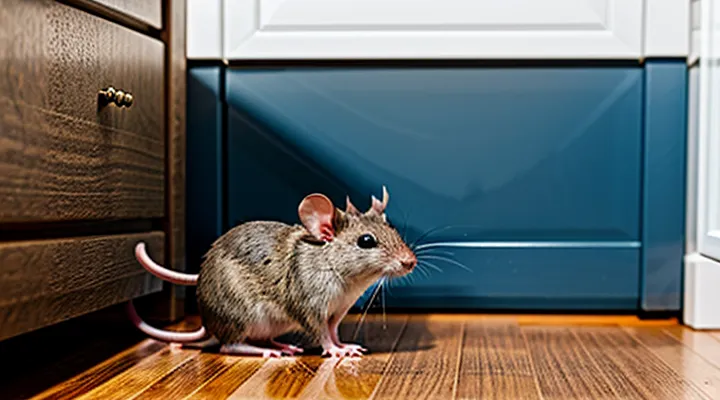
Recognizing the Initial Signs
Unexplained Noises
Sounds in Walls and Ceilings
Rodent activity often announces itself through distinct noises that travel through a home’s structural cavities. Recognizing these sounds helps differentiate a mouse from a rat and confirms the presence of an intruder.
Mice produce high‑pitched, rapid scratching or scurrying sounds, especially near ceiling joists or wall insulation. The noise is usually brief, occurring in short bursts as the animal darts between concealed pathways. When a mouse runs on a vertical surface, the audible pattern resembles a light, repetitive tap.
Rats generate lower‑frequency, heavier thumping or gnawing noises. The sound persists longer, reflecting the animal’s larger mass and slower movement. In walls, rats create a muffled, irregular pounding that can be heard as a steady rumble, particularly during nocturnal foraging.
Key acoustic indicators:
- Pitch: high (mouse) vs. low (rat)
- Duration: short bursts (mouse) vs. sustained rumble (rat)
- Rhythm: rapid, irregular taps (mouse) vs. steady, heavier thuds (rat)
- Location: higher on ceilings (mouse) versus lower on baseboard walls (rat)
Listening at different times of night enhances detection. Mice are most active just after sunset, while rats increase activity around midnight and before dawn. Recording ambient sounds with a smartphone or digital recorder provides a reference for later analysis and aids in confirming the type of rodent present.
Scuttling and Scratching Sounds at Night
Scuttling noises heard after dark often indicate a small rodent moving through walls, insulation, or attic spaces. The rapid, high‑pitched patter typical of a mouse consists of quick, light footfalls that repeat in bursts of 4‑6 seconds. Rats generate deeper, heavier scratching that lasts longer, often accompanied by a thudding sound as they shift larger bodies.
Key auditory distinctions:
- Pitch: mouse sounds are sharp and tinny; rat sounds are dull and low‑frequency.
- Rhythm: mouse activity appears in short, intermittent bursts; rat activity is more continuous, with longer intervals between pauses.
- Volume: mouse noises are faint, usually below 30 dB; rat noises can exceed 45 dB, audible through closed doors.
- Location clues: mice favor upper levels and tight cavities; rats prefer crawl spaces, basements, and larger voids where their size allows movement.
Combining these sound characteristics with additional evidence—droppings size, gnaw marks, and nesting material—provides a reliable method for confirming which species is present in the residence.
Visible Evidence
Droppings and Urine Stains
Droppings provide the quickest visual confirmation of a rodent presence. Mouse feces are typically 1‑3 mm long, pointed at both ends, and dark brown to black. Rat feces measure 6‑18 mm, have a blunt tail, and appear lighter in color, often grayish‑brown. Fresh droppings retain a glossy surface; older samples become dry and crumbly. Locate deposits along walls, behind appliances, and in concealed corners, as both species favor these pathways for foraging and travel.
Urine stains reveal activity that may not be visible to the naked eye. Mouse urine is pale yellow, evaporates rapidly, and leaves faint discoloration on porous surfaces such as wood or fabric. Rat urine is darker, amber‑colored, and stains non‑porous materials like tile or metal more conspicuously. Detect urine by inspecting for damp patches, discoloration, or a greasy sheen. Use a blacklight; both mouse and rat urine fluoresce, with rat urine producing a stronger, longer‑lasting glow.
Key distinctions:
- Size: mouse droppings ≤ 3 mm; rat droppings ≥ 6 mm.
- Shape: mouse pellets tapered; rat pellets blunt.
- Color: mouse feces darker; rat feces lighter.
- Urine: mouse urine evaporates quickly, faint stain; rat urine persists, darker stain, stronger fluorescence.
By comparing these characteristics, one can reliably determine whether a mouse or a rat has entered the dwelling.
Gnaw Marks on Surfaces and Food Packaging
Gnaw marks on surfaces and food packaging provide reliable evidence of rodent intrusion. The characteristics of the marks differ enough to distinguish between a mouse and a rat.
Mice produce shallow, parallel bite lines about 2–4 mm wide. The teeth leave a clean, uniform edge, and the spacing between parallel marks is typically 2–3 mm. These signs appear on thin materials such as cardboard, plastic wrappers, and wooden trim.
Rats generate deeper, wider gouges ranging from 5 to 12 mm. The incisor marks are rougher, often irregular, and may show chipping of the material. The spacing between parallel scratches is greater, usually 4–6 mm. Rat gnawing is common on thicker substrates like metal sheeting, cement blocks, and dense plastic containers.
Key diagnostic points:
- Width of bite: mouse ≈ 2–4 mm; rat ≈ 5–12 mm.
- Depth and edge quality: mouse – shallow, clean; rat – deep, ragged.
- Spacing between parallel lines: mouse – 2–3 mm; rat – 4–6 mm.
- Preferred materials: mouse – thin, flexible; rat – sturdy, thick.
When gnaw marks are found, compare them against these parameters. Consistent alignment with mouse dimensions indicates a mouse presence; marks matching rat specifications confirm rat activity. This approach enables precise identification of the offending rodent species without reliance on indirect signs.
Nests and Nesting Materials
Nesting behavior provides reliable clues when assessing whether a rodent has entered a home. Mice and rats construct nests from readily available soft materials, but the composition, size, and placement of these structures differ enough to aid identification.
Mice typically use shredded paper, cotton fibers, dried plant matter, or small pieces of fabric. Their nests are compact, often no larger than a few centimeters in diameter, and are found in concealed spots such as behind appliances, within wall cavities, or inside stored boxes. The presence of fine, fluffy debris and tightly packed layers indicates mouse activity.
Rats prefer coarser, sturdier substances. Common materials include shredded cardboard, insulation fragments, dried leaves, and larger fabric pieces. Rat nests are more expansive, sometimes reaching up to 30 cm across, and are situated in areas with easy access to food and water—under sinks, in attics, or within crawl spaces. The nests often contain mixed debris, including gnawed plastic or wood shavings.
Key distinguishing features:
- Material texture: fine, soft fibers (mouse) vs. coarse, bulky fragments (rat).
- Nest size: small, tightly packed (mouse) vs. larger, loosely arranged (rat).
- Location: hidden, low‑traffic zones (mouse) vs. structural voids near utilities (rat).
- Associated signs: droppings near nests are typically 3–5 mm long for mice and 12–20 mm for rats; urine stains may accompany larger rat nests.
Inspecting these characteristics during a systematic survey helps confirm rodent presence and guides targeted control measures.
Rub Marks Along Walls and Baseboards
Rub marks appearing on walls and baseboards are a direct indication of rodent activity inside a residence. These streaks result from the animal’s fur and skin shedding as it brushes against rough surfaces while moving through tight passages. The texture and placement of the marks provide clues about the species involved.
Mice typically leave fine, light‑colored smears that follow a narrow, linear path close to the floor. The marks are often confined to the lower third of a wall or baseboard, reflecting the mouse’s small stature and preference for tight, low‑level routes. Rats produce broader, darker smears due to their larger body size and coarser fur. Their rub marks frequently extend higher up the wall, sometimes reaching the mid‑section, and may appear in more than one direction, indicating a broader range of movement.
To assess the significance of rub marks:
- Observe the width and color of the streaks; narrow, pale lines suggest mice, while wider, darker lines suggest rats.
- Note the height on the wall; marks below 12 inches are more characteristic of mice, whereas marks reaching 18–24 inches often point to rats.
- Examine the pattern; a single, consistent line indicates a solitary traveler, whereas multiple intersecting lines may signal several individuals or a larger infestation.
Identifying these characteristics helps determine whether a mouse or rat has entered the home, allowing targeted control measures to be implemented promptly.
Investigating Potential Entry Points
Exterior Inspection
Gaps and Cracks in Foundations
Gaps and cracks in a building’s foundation create direct pathways for small mammals. Even openings as narrow as a quarter inch permit mice, while rats can exploit gaps up to half an inch. Inspecting the perimeter of the slab, crawl space, and basement walls reveals these entry points. Look for:
- Visible fissures in concrete or masonry.
- Areas where mortar has deteriorated.
- Spaces around utility penetrations, such as pipes and cables.
- Gaps beneath door thresholds and window sills that connect to the foundation.
Seal identified openings with appropriate materials: hydraulic cement for active water leaks, expanding foam for irregular voids, and steel wool or copper mesh behind sealants to prevent gnawing. After repairs, monitor for fresh droppings, gnaw marks, or scent trails near repaired sections to confirm that rodents are no longer using the foundation as an access route. Regular maintenance of the foundation’s integrity reduces the likelihood of future infestations.
Unsealed Pipe and Wire Openings
Unsealed pipe and wire openings provide direct routes for rodents to infiltrate residential structures. Small mammals can compress their bodies to pass through gaps as narrow as ¼ inch, making even minor breaches viable entry points.
Inspection should focus on visible and concealed junctions where utilities intersect walls, floors, or ceilings. Look for:
- Gaps around conduit penetrations larger than ½ inch.
- Loose or missing pipe sleeves.
- Openings around electrical boxes, especially where cables enter from exterior walls.
- Cracks or voids surrounding vent stacks and drainage pipes.
Sealing methods must create a durable barrier that resists gnawing. Effective materials include:
- Steel wool packed tightly into gaps, covered with expanding foam for added rigidity.
- Copper mesh or hardware cloth (¼‑inch mesh) secured with stainless‑steel screws.
- Silicone or polyurethane sealants applied over the mesh to prevent moisture intrusion.
Maintenance involves periodic re‑inspection after seasonal changes or construction activity. Document each sealed location, noting the material used and the date of completion. Replace any compromised barrier promptly to maintain a continuous defense against rodent access.
Damaged Vents and Screens
Damaged vents and screens often provide the easiest access points for rodents. Cracks, torn mesh, or missing sections create openings large enough for mice and rats to squeeze through. Inspect each vent for ragged edges, rusted frames, or displaced hardware; these defects not only compromise ventilation but also signal potential entry routes.
Key inspection points:
- Visible gaps larger than ¼ inch in vent openings
- Chewed or frayed screen material
- Rusted or bent metal that no longer seals tightly
- Accumulated droppings or gnaw marks near the vent frame
Repair measures should eliminate all gaps. Replace torn screens with metal or reinforced mesh, seal cracks with stainless‑steel mesh and silicone caulk, and reinforce frames with screws or brackets. After fixing, monitor the area for fresh gnaw marks or droppings to confirm that the intrusion pathway has been closed.
Openings Around Doors and Windows
Openings surrounding entryways constitute the primary pathways for rodents to infiltrate a dwelling. Small gaps behind doors, misaligned thresholds, and unsealed window frames permit mice and rats to slip inside without detection. Regular visual inspection reveals these vulnerabilities: cracks wider than ¼ inch, deteriorated weatherstripping, and gaps around hinges or locks. Measuring each opening with a ruler or caliper confirms whether it exceeds the size commonly exploited by rodents—approximately ½ inch for mice and 1 inch for rats.
Common entry points include:
- Space between door slab and floor jamb, especially when the floor is uneven.
- Void behind door sweeps or missing sweeps entirely.
- Gap around window sash where the frame contacts the wall.
- Unfilled gaps around window casings, particularly in older homes.
- Openings around vent covers, utility penetrations, and cable sleeves near doors or windows.
Effective mitigation requires sealing each identified breach. Recommended actions:
- Install door sweeps that extend to the floor, using flexible rubber or silicone to maintain contact on uneven surfaces.
- Apply high‑quality silicone or acrylic caulk to seal cracks around door frames and window casings.
- Fit metal or copper mesh (¼‑inch or smaller) over larger gaps that cannot be closed permanently, such as service openings.
- Replace worn weatherstripping with compression or tubular varieties that compress fully when the door or window closes.
- Use expanding foam insulation sparingly around irregular gaps, ensuring the foam does not create new openings.
After sealing, monitor for fresh signs of activity—droppings, gnaw marks, or fresh tracks—near the treated areas. Absence of these indicators over several weeks confirms that the primary access routes have been effectively eliminated. Continuous upkeep of door and window seals maintains a barrier against future rodent intrusion.
Interior Inspection
Holes in Walls or Floors
Inspecting structural openings is the first step in confirming rodent presence. Mice can squeeze through gaps as small as ¼ inch (6 mm), while rats require openings of ½ inch (13 mm) or larger. Any aperture within these dimensions should be considered a potential entry point.
Examine walls, baseboards, and flooring for signs of damage. Use a bright flashlight to highlight cracks, gaps around pipes, and spaces behind appliances. A thin wire or flexible probe can verify whether an opening is large enough for a rodent to pass. Look for gnaw marks, droppings, or shredded material near suspected holes, as these indicate active use.
Seal identified gaps promptly to prevent further intrusion. Recommended actions include:
- Clean the area to remove debris and dust.
- Apply steel wool or copper mesh to fill small gaps; these materials resist chewing.
- Cover the filler with expanding polyurethane foam or cement-based sealant for durability.
- Install metal flashing or hardware cloth over larger openings, securing it with screws or nails.
- Inspect the repaired site after 48 hours for any signs of re‑entry.
Regular monitoring of wall and floor seams, especially after seasonal changes, maintains a barrier against both mice and rats.
Gaps Around Utility Lines
Gaps around utility lines are frequent access routes for mice and rats seeking shelter inside a residence. Small openings that appear where electrical, plumbing, or gas conduits penetrate exterior walls allow rodents to squeeze through even when other entry points are sealed.
These gaps typically develop at the base of service entrances, around recessed outlets, and where cables enter attic or crawl‑space vents. Weathering, foundation movement, and improper installation enlarge the voids over time, creating a continuous passage from the yard to interior spaces.
To locate gaps, follow a systematic visual inspection:
- Turn off interior lighting; use a portable lamp to illuminate exterior wall junctions.
- Examine the perimeter at waist height and near the floor for exposed conduit sleeves.
- Insert a thin, flexible probe (e.g., a bent coat hanger) into each opening; note resistance that indicates a sealed passage versus free movement.
- Record the size of each opening with a ruler or caliper; openings larger than ¼ inch permit mouse entry, while ½ inch accommodates rats.
After identification, seal gaps using appropriate materials:
- Expandable spray foam for irregular cavities.
- Steel‑wool backed caulk for openings around metal conduits.
- Rigid metal plates or conduit sleeves secured with stainless‑steel screws for larger voids.
Sealing utility line gaps reduces the likelihood of unnoticed rodent activity, thereby improving the reliability of any subsequent monitoring methods such as droppings, gnaw marks, or motion sensors. A well‑sealed perimeter forces rodents to use alternative routes that are easier to detect, facilitating accurate determination of whether a mouse or rat has entered the house.
Attic and Basement Access Points
Rodents commonly exploit openings in the attic and basement to gain indoor access. Identifying these pathways is essential for confirming an infestation and preventing further intrusion.
In the attic, inspect the following locations:
- Eaves, soffits, and fascia boards for gaps larger than ¼ inch.
- Roof vent covers, especially those with removable screens.
- Chimney flues and crown flashing for cracks or missing mortar.
- Gable ends where siding meets the roofline.
- Attic hatch or pull‑down ladder seals that are worn or improperly fitted.
Examine each area for signs of activity: gnaw marks on wood or insulation, droppings, shredded nesting material, and fresh tracks in dust or insulation fibers. Use a flashlight and a mirror to view concealed corners.
In the basement, focus on these potential entry points:
- Foundation cracks, particularly near utility penetrations.
- Floor drains and sump pump openings lacking covers or with damaged grates.
- Pipe sleeves and vent stacks where the seal is deteriorated.
- Crawl‑space vents and foundation wall vents with loose screens.
- Garage doors and exterior wall gaps where the foundation meets the slab.
Look for evidence such as burrowed soil, urine stains, gnawed concrete or brick, and small piles of shredded paper or fabric. A moisture‑resistant flashlight and a flexible inspection camera aid in detecting hidden breaches.
After locating each opening, seal it with materials appropriate to the surface: steel wool combined with expanding foam for small cracks, metal flashing or hardware cloth for larger gaps, and weather‑resistant caulk for joints around vents and pipes. Replace damaged vent covers with rat‑proof models that feature fine mesh and secure fasteners.
Systematic inspection of attic and basement access points, followed by prompt remediation, provides reliable confirmation of rodent presence and establishes a barrier against future entry.
Under Sinks and Behind Appliances
Rodents frequently use the space beneath kitchen and bathroom sinks and the gaps behind refrigerators, dishwashers, and ovens as pathways and nesting sites. These areas provide shelter, access to water, and proximity to food sources, making them prime targets for both mice and rats.
Typical indicators of rodent activity in these locations include:
- Fresh droppings, usually dark and pellet‑shaped for mice, larger and more curved for rats
- Gnaw marks on plastic, wood, or metal surfaces
- Grease or urine stains on cabinet interiors or appliance walls
- Scratching sounds heard when the building is quiet
- Small piles of shredded insulation or shredded paper debris
Effective inspection follows a systematic approach:
- Turn off and unplug appliances to prevent injury.
- Remove sink cabinets or access panels to expose hidden corners.
- Use a flashlight to examine all seams, joints, and pipe penetrations.
- Collect any droppings with disposable gloves for laboratory identification, if needed.
- Seal discovered entry points with steel wool, caulk, or hardware cloth.
- Install snap traps or bait stations near confirmed activity, positioning them against walls to align with rodent travel routes.
Regular monitoring of under‑sink spaces and behind appliances reduces the likelihood of an established infestation and enables early detection of new intrusions.
Differentiating Between Mice and Rats
Size of Droppings and Gnaw Marks
Mouse Droppings vs. Rat Droppings
Mouse and rat droppings differ in size, shape, and composition, providing reliable clues for identifying the species that has entered a home. Mouse feces are typically 1–3 mm long, slender, and pointed at both ends, resembling tiny rice grains. They are usually dark brown to black, may appear slightly glossy, and often contain visible undigested seed fragments. Rat feces are larger, measuring 12–20 mm in length, with a blunt, cylindrical form and rounded ends. Their color ranges from dark brown to black, and they tend to be firmer, sometimes showing a white tip where the tail ends.
Key distinguishing characteristics:
- Length: mouse ≈ 1–3 mm; rat ≈ 12–20 mm
- Shape: mouse – tapered, rat – blunt, cylindrical
- Surface: mouse – smooth, often glossy; rat – coarser, may have a dry tip
- Contents: mouse – visible seed or grain particles; rat – may contain small insect exoskeletons or fibrous material
Location of deposits also aids identification. Mice travel along walls and leave droppings in concealed, high‑traffic areas such as behind appliances, in cabinets, or near entry points. Rats prefer lower, more open pathways, depositing feces along runways near basements, crawl spaces, and along the perimeter of rooms. Consistent patterns of size and placement enable accurate determination of which rodent is present, guiding appropriate control measures.
Smaller Gnawing Patterns vs. Larger, Deeper Gnawing Patterns
When assessing signs of rodent activity inside a home, the size and depth of gnawed openings provide reliable clues. Mice typically produce narrow, shallow bite marks, often no wider than ¼‑inch (6 mm). The teeth of a mouse create a clean, precise edge, and the damage usually appears on thin materials such as plastic, cardboard, or soft wood. These marks are shallow enough that the underlying surface remains largely intact, allowing the opening to be easily covered by surrounding material.
Rats, by contrast, generate broader, deeper incisions. Their larger incisors cut through up to ½‑inch (12 mm) or more, leaving jagged edges and noticeable removal of material. The gnawing often penetrates hard substrates like dense wood, metal sheeting, or concrete, producing a visible trough that may expose underlying layers. The depth of these cuts frequently reveals a tunnel or passageway, indicating a more established presence.
Key distinctions can be summarized:
- Width: mouse marks ≤ ¼‑inch; rat marks ≥ ½‑inch.
- Depth: mouse marks shallow, surface‑level; rat marks deep, often exposing inner layers.
- Edge quality: mouse cuts clean and precise; rat cuts irregular and rough.
- Material affected: mouse prefers soft, thin materials; rat can breach hard, thick surfaces.
By comparing observed gnawing patterns to these criteria, homeowners can quickly infer whether the intruder is a mouse or a rat, enabling targeted control measures and preventing further structural damage.
Behavior and Activity Patterns
Mouse Activity Areas
Mouse activity concentrates in locations that provide easy access to food, shelter, and travel routes. Identifying these zones enables a clear distinction between mouse and rat presence, because each species prefers different environmental conditions.
Typical mouse activity areas include:
- Interior walls and baseboards where small gaps exist.
- Kitchen cabinets and pantry shelves near stored grains or crumbs.
- Behind appliances such as refrigerators, stoves, and dishwashers.
- Insulation within walls, attics, and crawl spaces.
- Under floorboards and in low‑lying closets.
- Near entry points: cracks around doors, windows, and utility penetrations.
Evidence of mouse use appears as fine droppings (1‑3 mm), shredded soft materials, gnaw marks on wiring or wood, and urine stains along walls. Tracks are usually narrow, less than ¼ inch wide, and confined to tight pathways.
In contrast, rats favor larger openings, open floor areas, and exterior burrows. Their droppings measure 6‑12 mm, and gnaw damage is more substantial. When activity is limited to the narrow zones listed above, the likelihood of mouse intrusion rises sharply, guiding appropriate control measures.
Rat Activity Areas
Rats concentrate their activity in locations that provide shelter, food, and easy travel routes. Recognizing these zones helps distinguish rat intrusion from mouse presence, because rats require larger pathways and prefer sturdier hideaways.
Typical rat activity areas include:
- Basements and crawl spaces – low humidity, concealed openings, and proximity to utility lines create ideal nesting sites.
- Attics and roof voids – insulation, exposed wiring, and access points from eaves or vent stacks attract rats seeking warmth and protection.
- Kitchen cabinets and pantry shelves – stored grain, pet food, or uncovered waste serve as reliable food sources.
- Garages and sheds – cluttered storage, garden debris, and animal feed provide both shelter and nourishment.
- Wall cavities and floor joists – drilled holes, gaps around plumbing, and damaged drywall allow rats to travel unseen between rooms.
- Sewer and drainage systems – connections to exterior pipes offer continuous water and a direct route into the building.
Evidence of rat activity differs from mouse signs. Look for droppings up to ½ inch long, dark and rod-shaped; gnaw marks on wood or plastic that are ¼ inch wide; greasy smudge trails along walls; and deep burrow entrances about 2–4 inches in diameter. Tracking powder or infrared cameras placed in the listed zones confirm presence with minimal disturbance.
Preventive measures focus on sealing entry points larger than ¼ inch, removing food sources, and eliminating clutter in the identified zones. Regular inspections of the areas above reduce the likelihood of established rat populations and simplify detection of new incursions.
Confirming the Presence
Utilizing Traps and Baits
Placement of Traps
Effective trap placement provides the most reliable evidence of rodent activity inside a residence. By positioning devices where animals travel, one can confirm whether a mouse or a rat has entered the building.
Select locations that offer shelter, food access, and travel routes. Place traps along walls, behind appliances, and in dark corners, because both species prefer to move close to vertical surfaces. Ensure the bait is fresh and appropriate for the target species; peanut butter works well for mice, while larger blocks of cheese or meat attract rats.
-
Mouse‑focused spots
• Near small openings (e.g., gaps around pipes, vents)
• Inside cabinets, especially where grains or cereals are stored
• Under furniture legs, where tiny pathways exist -
Rat‑focused spots
• Along baseboards in crawl spaces or basements
• Adjacent to garbage cans, compost bins, or pet food containers
• In utility rooms, near water heaters, and behind large appliances
After setting traps, check them daily. A single capture confirms entry; multiple captures indicate an established infestation. Record the species, capture time, and trap location to refine future placement and to differentiate between mouse and rat activity patterns.
Types of Bait to Use
Effective bait selection is critical when confirming whether a house is occupied by mice, rats, or both. The choice of bait influences capture rates, species identification, and subsequent control measures.
- Peanut butter – strong odor, high fat content; attracts both mice and rats, but mice show quicker response. Ideal for snap traps placed in concealed areas.
- Dry cat food – granular protein source; preferred by rats, especially in basements and utility rooms. Works well with live‑catch traps.
- Seeds and grains – wheat, corn, sunflower; primary attractant for mice. Use in small bait stations near walls and cabinets.
- Fruit pieces – apple or banana slices; appeal to rats during warmer months when sweet scents are more pronounced. Suitable for glue boards placed along runways.
- Commercial rodent attractants – synthetic pheromone blends; formulated to target specific species. Apply according to manufacturer instructions for maximum efficacy.
When deploying bait, match the type to the suspected rodent’s feeding habits and the location of activity. Place a minimal amount—approximately the size of a pea—for snap traps and a slightly larger dab for live‑catch devices. Rotate baits every 3–4 days to prevent habituation and to gather comparative data on species preference. Consistent monitoring of baited stations provides reliable evidence of mouse or rat presence, enabling precise identification and informed pest‑management decisions.
Monitoring for Activity
Flour or Powder Dusting
Flour or fine powder placed in suspected entry points creates visible tracks that reveal rodent activity. When a small mammal walks across the dust, it leaves a distinct imprint that can be examined without relying on traps or visual sightings.
- Choose a low‑traffic area near walls, cabinets, or openings.
- Apply a thin, even layer of flour, talc, or cornstarch; thickness should not exceed a few millimeters.
- Inspect the surface after 12–24 hours for continuous trails, pause marks, or clusters of footprints.
- Measure the width of the prints: mouse tracks typically range from 4–6 mm, while rat tracks exceed 8 mm.
Interpretation follows directly from the pattern. Continuous lines indicate regular movement; isolated clusters suggest occasional foraging. Larger prints combined with deeper impressions often point to a rat, whereas finer, lighter marks suggest a mouse. Multiple parallel tracks may reveal the number of individuals using the same route.
After assessment, clean the dust to prevent food source contamination. Use a vacuum or damp cloth, then seal identified gaps with steel wool, caulk, or mesh to block further ingress. Regular re‑application of powder in high‑risk zones maintains ongoing surveillance.
Remote Camera Surveillance
Remote camera surveillance provides direct visual evidence of rodent activity inside a residence. High‑resolution infrared or low‑light sensors capture movement on walls, ceilings, and concealed spaces where mice and rats travel. Video recordings allow homeowners to distinguish species by size, tail length, and behavior, eliminating uncertainty inherent in indirect signs such as droppings or gnaw marks.
Effective deployment requires attention to three factors: placement, equipment specifications, and data review.
- Placement: Install cameras near suspected entry points—foundations, pipe penetrations, and utility openings—and along established travel routes such as wall voids, attic beams, and under‑floor spaces. Angle lenses to cover the full width of the passage while avoiding direct light sources that could cause glare.
- Equipment specifications: Choose models with at least 1080p resolution, night‑vision capability, and motion‑activated recording to conserve storage. Wireless units simplify installation in hard‑to‑reach areas; ensure they support secure encryption to prevent unauthorized access.
- Data review: Set recording intervals to capture brief bursts when motion is detected. Review footage regularly, noting time stamps, frequency of appearances, and any breeding activity. Correlate visual findings with physical evidence to confirm infestation severity.
Integrating remote cameras with other monitoring methods—such as bait stations equipped with sensors—creates a layered detection system. Real‑time alerts sent to a smartphone enable prompt response, reducing the window for damage and disease transmission. Properly configured surveillance thus transforms ambiguous signs into actionable information, allowing precise identification of whether a mouse or a rat has entered the home.