
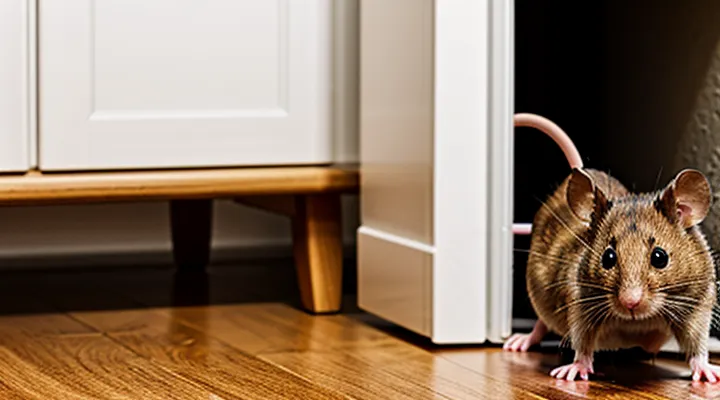
Visual Clues: What to Look For
Droppings: Location and Characteristics
Droppings provide reliable evidence of rodent activity. Fresh deposits appear dark, moist, and have a pointed tip; older samples become dry, lighter, and crumble easily. Size ranges from 1‑3 mm for mice, distinguishing them from larger rat feces.
Typical placement includes:
- Along walls, especially where baseboards meet the floor.
- Inside cabinets, pantry shelves, and behind appliances.
- Near entry points such as gaps under doors, utility openings, and vents.
- In concealed areas like attic insulation, crawl‑space joists, and behind stored items.
- On or beneath food packages, pet food containers, and garbage bins.
Clusters of droppings suggest frequent traffic, while isolated pellets indicate occasional movement. The presence of urine stains, a faint ammonia odor, or gnaw marks near droppings reinforces the indication of an infestation. Accurate identification of droppings’ location and condition enables targeted inspection and effective control measures.
Gnaw Marks: On Food and Structures
Gnaw marks provide reliable evidence of rodent activity. Mice leave characteristic bite patterns on both consumables and building components, allowing homeowners to confirm infestation without visual sightings.
When food is affected, the damage exhibits several distinctive features. The edges are cleanly cut, forming a V‑shaped notch that widens toward the interior of the item. Soft foods such as cheese, bread, or fruit show shallow, parallel grooves, while harder items like nuts or seeds display deeper, jagged incisions. The presence of residual saliva or droppings near the chewed area further confirms mouse involvement.
Structural damage follows predictable patterns. Wood surfaces, baseboards, and insulation reveal bite marks with a consistent spacing of 1–2 mm between individual teeth impressions. The resulting holes are typically round to oval, with smooth margins that contrast with the rough edges produced by larger pests. Electrical wiring insulation may show clean, circular cuts, often accompanied by frayed strands. In drywall, gnawing appears as small, crescent‑shaped hollows, frequently located near concealed spaces such as behind cabinets or under flooring.
Key indicators to document include:
- V‑shaped notches on packaged or loose food items
- Parallel or jagged grooves in soft and hard foods, respectively
- Uniformly spaced teeth impressions on wood, plastic, or insulation
- Circular cuts in wiring insulation, sometimes with exposed conductors
- Crescent‑shaped hollows in drywall adjacent to concealed voids
Recording the location, size, and type of each gnaw mark enables precise assessment of the infestation’s scope and guides targeted remediation efforts.
Nests: Materials and Hiding Spots
Mice construct nests to protect themselves from predators, temperature extremes, and disturbances. Recognizing the composition and location of these nests is essential for confirming rodent activity.
Typical nest materials include:
- Shredded paper, cardboard, or tissue.
- Fabric scraps, cotton, or wool fibers.
- Insulation fibers, especially fiberglass or cellulose.
- Dried food particles, grain husks, or pet food remnants.
- Natural debris such as dried leaves, twigs, or grass.
Common hiding spots where nests are built:
- Wall cavities and voids behind drywall or plaster.
- Attic joists, insulation piles, and roof rafters.
- Underneath appliances (refrigerator, stove, dishwasher) where heat and shelter converge.
- Inside cupboards, pantry shelves, or behind stored boxes.
- Beneath sinks, especially in kitchen and bathroom cabinets.
- Crawl spaces, basements, and foundation cracks.
- Closet corners, especially near stored clothing or linens.
Evidence of these materials in the listed locations—dense piles of shredded fibers, droppings, or gnaw marks—strongly indicates an active mouse presence. Prompt removal of nesting material and sealing of entry points disrupts the habitat and aids in eradication efforts.
Live or Dead Mice: Unexpected Sightings
Unexpected sightings of mice, whether alive or deceased, provide direct evidence of a rodent problem. A live mouse moving through walls, ceilings, or visible on surfaces confirms active infestation, while a dead mouse indicates recent activity that may have been suppressed or that the animal succumbed to environmental conditions. Both scenarios require immediate assessment to prevent further damage and health risks.
Key observations and actions:
- Identify the location of the sighting; note proximity to food storage, water sources, and entry points.
- Examine surrounding areas for droppings, gnaw marks, or urine stains, which corroborate the presence of active rodents.
- For a dead mouse, wear gloves and a mask, place the carcass in a sealed bag, and dispose of it according to local regulations to avoid disease transmission.
- Seal identified entry routes using steel wool, caulk, or metal flashing to block future access.
- Install traps or bait stations near the sighting site, following manufacturer instructions and safety guidelines.
- Conduct a follow‑up inspection within 48–72 hours to verify that activity has ceased and no additional specimens appear.
Documenting each sighting, including date, exact spot, and condition of the mouse, creates a record that assists in evaluating the effectiveness of control measures and informs any necessary escalation to professional pest management.
Auditory Evidence: Sounds of Unwanted Guests
Scratching and Scurrying: Nighttime Noises
Mice generate distinctive sounds after dark, most often a rapid series of scratches against walls, ceilings, or stored items, followed by quick, high‑pitched scurrying. These noises typically occur between 9 p.m. and 3 a.m., when the rodents are most active and human activity is minimal.
Listen for the following characteristics:
- Repetitive, light scratching that sounds like fingernails on wood or plastic.
- Sudden, short bursts of rapid movement, resembling tiny feet running across a surface.
- A pattern of intermittent pauses, indicating the animal is navigating tunnels or returning to a nest.
The location of the sounds helps pinpoint infestation zones. Scratching near baseboards, behind appliances, or within wall cavities suggests entry points or hidden pathways. Scurrying in attic spaces, ceiling voids, or under floorboards indicates that the infestation has spread vertically.
Distinguish mouse noises from other pests by frequency and rhythm. Rats produce deeper, louder sounds with longer intervals, while insects generate continuous, high‑frequency chirps. A combination of light scratching and quick, erratic scurrying is most consistent with mice.
To verify auditory evidence, employ one or more of the following methods:
- Place a motion‑activated infrared camera at suspected activity sites.
- Use a handheld ultrasonic detector to amplify low‑volume squeaks and footfalls.
- Install snap‑type or live‑catch traps near the noise source; capture confirms presence.
Document the time, duration, and exact location of each observed sound. Correlating this data with visual or trap evidence provides a reliable assessment of mouse activity within the residence.
Squeaking and Chirping: Communication Signs
Squeaking and chirping are primary acoustic cues indicating rodent activity within a residence. Mice emit high‑frequency vocalizations when handling food, navigating tight spaces, or communicating distress. These sounds often occur at night, when ambient noise levels drop, making them more noticeable from adjoining rooms or through walls.
Typical characteristics of mouse vocalizations include:
- Pitch ranging from 5 kHz to 15 kHz, beyond the hearing range of many adults.
- Short bursts lasting 0.1–0.5 seconds, repeated in rapid succession.
- Frequency modulation that intensifies during territorial disputes or mating rituals.
Detecting these signals requires either direct auditory monitoring in quiet conditions or the use of ultrasonic detectors that convert the frequencies to audible tones. Consistent detection of squeaks or chirps, especially near suspected entry points, confirms the presence of mice and guides targeted control measures.
Olfactory Indicators: The Smell Test
Ammonia-like Odor: Distinctive Mouse Scent
Mice emit a sharp, ammonia‑like odor that differs from typical household smells. The scent originates from their urine and glandular secretions, which contain volatile nitrogen compounds. When a colony establishes itself, the concentration of these compounds can become detectable by human noses, especially in confined spaces.
Typical locations where the odor appears include:
- Areas behind appliances, where mice hide and excrete.
- Insulation or wall cavities that lack ventilation.
- Storage boxes and pantry shelves that have been accessed.
The odor’s intensity often correlates with population size; a faint whiff suggests a few individuals, while a strong, pervasive smell indicates a larger infestation. The smell may be more pronounced after cleaning activities that disturb contaminated materials, releasing trapped volatiles into the air.
To verify the source, follow these steps:
- Conduct a systematic sniff test, moving slowly from room to room and noting any ammonia‑like presence.
- Focus on suspected hiding spots and use a flashlight to inspect for droppings, gnaw marks, or nesting material.
- If the odor persists after initial inspection, place a clean disposable cloth near the suspected area for several hours; a later odor on the cloth confirms ongoing emission.
Recognizing this distinctive scent provides a reliable indicator of mouse activity, enabling timely intervention before damage escalates.
Indirect Indicators: Other Telling Signs
Pet Behavior: Unusual Reactions
Pets often reveal hidden rodent activity through behaviors that deviate from their normal routine. Recognizing these signs can supplement conventional inspection methods and provide early warning of a mouse problem.
Unusual vocalizations, such as high‑pitched chirps or frantic yowls, may indicate a cat or dog is tracking a moving target unseen by humans. Similarly, sudden bursts of intense focus on a single spot—staring at walls, ceilings, or floorboards for extended periods—suggest the animal has detected subtle movements or sounds produced by rodents.
Changes in hunting patterns also serve as clues. A cat that normally ignores small insects may begin to stalk and pounce repeatedly, even without capturing prey. Dogs may exhibit heightened sniffing behavior, repeatedly circling the same area, or may dig at baseboards and corners in an attempt to locate a source of scent.
Physical evidence of the pet’s response can appear as:
- Scratched or shredded fabric near suspected entry points.
- Small, fresh paw prints on dusty surfaces where rodents travel.
- Excessive grooming or licking of paws, potentially caused by contact with mouse droppings or urine.
When these reactions occur in conjunction with typical indicators—such as droppings, gnaw marks, or faint rustling noises—the likelihood of an active mouse presence increases substantially. Monitoring pet behavior therefore adds a valuable, low‑cost layer to any comprehensive rodent detection strategy.
Tracks and Runways: Dust and Dirt Evidence
Dust and dirt trails are among the most reliable indicators of rodent activity. Mice prefer concealed pathways, and their frequent movement leaves a fine line of disturbed particles that differs from surrounding surfaces. The trail’s width typically matches the animal’s body size, about one inch, and may show a darker, moist core where saliva or urine has settled.
Key locations for finding such evidence include:
- Behind appliances, especially refrigerators and stoves, where heat and shelter attract nesting.
- Along baseboards and wall junctions, where rodents travel between rooms.
- Under furniture, in closets, and inside cabinets, where food sources are present.
- Near entry points such as cracks, gaps around pipes, and utility openings, where runways often start.
When inspecting, use a flashlight at a low angle to reveal subtle depressions in dust. A thin piece of clear tape pressed lightly on the suspected line can capture trace particles for later examination. Persistent trails that intersect or form a network suggest an established route system rather than occasional foraging.
Cleaning the identified pathway with a disinfectant not only removes the visual cue but also eliminates scent markers that encourage further use. After removal, seal any openings that may have facilitated the route’s creation, and monitor the area for new dust disturbances to confirm that the infestation has been interrupted.