
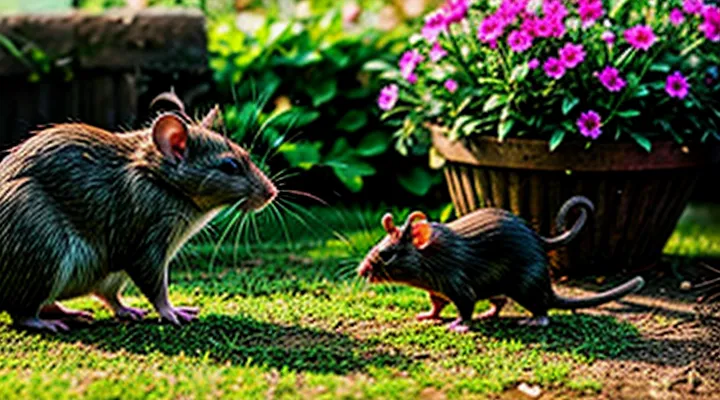
Understanding the Rat Problem
Identifying Rat Infestation Signs
Droppings and Urine Trails
Droppings and urine trails provide the most reliable indicators of rat activity in a yard. Their presence confirms infestation, guides targeted control measures, and signals potential health hazards.
Rat droppings are small, dark, and cylindrical, measuring approximately ¼ inch in length. They accumulate in concealed areas such as under deck boards, inside garden sheds, and along the edges of compost piles. Fresh droppings retain a slightly moist sheen; older specimens become brittle and may crumble when disturbed.
Urine trails appear as faint, wet streaks on surfaces where rats travel. The liquid dries quickly, leaving a yellowish residue that may be invisible to the naked eye. Detection often requires a blacklight, which causes urine stains to fluoresce, revealing hidden pathways and nesting sites.
Both droppings and urine harbor pathogens, including bacteria, viruses, and parasites capable of transmitting diseases to humans and pets. Direct contact or inhalation of aerosolized particles during cleaning can lead to respiratory infections, gastrointestinal illness, and allergic reactions.
Cleaning and disposal protocol
- Wear disposable gloves and a N‑95 respirator before handling any material.
- Moisten droppings with a disinfectant solution (e.g., 10 % bleach) to prevent aerosolization.
- Collect contaminated debris using a sealable plastic bag; avoid sweeping dry droppings.
- Apply the same disinfectant to urine‑stained surfaces, allowing a five‑minute dwell time.
- Dispose of all waste in a tightly sealed container and remove it from the premises promptly.
Preventive actions reduce the formation of droppings and urine trails. Eliminate food sources, store garbage in sealed containers, and maintain vegetation at a low height to deny rats shelter. Regular inspection of potential harborages, combined with immediate removal of any evidence of activity, interrupts the cycle of contamination and limits the spread of disease.
Gnaw Marks and Damage
Rats leave unmistakable gnaw marks on a wide range of outdoor materials. Wood, plastic, rubber and wire are frequently chewed, creating holes that compromise structural integrity and allow entry into storage areas. The damage often appears as clean, crescent‑shaped bites with fresh edges that differ from weathering.
Typical manifestations include:
- Shallow, evenly spaced grooves on wooden fences or decking.
- Severed electrical cables exposing conductive cores.
- Punctured irrigation hoses leaking water.
- Chewed plant pots and garden tools reducing usability.
These injuries create pathways for additional pests, accelerate decay, and increase the risk of short‑circuit fires. In addition, gnawed food containers expose waste, attracting disease‑carrying organisms.
Inspection should focus on high‑traffic zones: along fence lines, near compost piles, beneath sheds and around garden beds. Look for fresh bite marks, fresh saliva residue and displaced material. Document locations, assess severity, and prioritize repairs that restore barriers and eliminate access points.
Repair measures involve:
- Replacing compromised sections of wood or plastic with rodent‑resistant materials such as metal or hardened polymer.
- Installing steel mesh or hardware cloth over openings larger than ¼ inch.
- Securing electrical wiring with conduit or armored cable.
- Using sealants that cure to a hard, chew‑proof finish on minor cracks.
Preventive actions include eliminating food sources, maintaining clean landscaping, and applying rodent‑deterrent treatments to vulnerable surfaces. Prompt identification and remediation of gnaw marks reduce long‑term property loss and health hazards.
Nests and Burrows
Rats construct nests from shredded vegetation, insulation, and debris, typically located under decks, in garden sheds, or within dense shrubbery. Burrows are tunnel systems extending several feet underground, often ending in a nesting chamber where food is stored. Identifying these structures requires close inspection of soil mounds, gnawed roots, and accumulated droppings.
Effective control begins with habitat modification. Actions include:
- Removing organic litter, compost piles, and stacked firewood within a two‑meter radius of the yard.
- Trimming low‑lying vegetation and sealing gaps in foundations, fences, and shed walls.
- Elevating storage containers and using metal or concrete barriers to block burrow entry points.
- Applying rodent‑resistant mulch, such as crushed stone, to discourage digging.
After habitat reduction, targeted removal of nests and burrows involves:
- Locating active tunnels by probing soil with a sturdy rod; fresh soil displacement indicates recent use.
- Introducing snap traps or electronic devices directly into the nesting chamber, ensuring placement along established runways.
- Sealing entry holes with steel wool and caulking after capture, preventing re‑occupation.
Continuous monitoring of the yard for new mounds and regular maintenance of vegetation height sustain long‑term suppression of rat populations.
Sightings and Sounds
Rats reveal their presence through distinct visual cues and characteristic noises, providing the earliest opportunity for effective yard management.
-
Fresh droppings, typically ¼‑inch long, dark, and conical, found along baseboards, garden edges, or beneath debris.
-
Gnawed vegetation, seed heads, or garden tools, showing irregular bite marks and shredded material.
-
Burrows with smooth, rounded entrances, often in soft soil, mulch, or under shrubs, accompanied by loose soil piles.
-
Grease trails—dark, oily streaks along walls, fences, or irrigation pipes—indicating frequent travel routes.
-
Scratching sounds, sharp and repetitive, heard at night when rodents move through foliage or chew on wood.
-
Squeaking, high‑pitched and intermittent, often originating from concealed nests beneath piles of leaves or compost.
-
Scurrying noises, rapid footfalls on dry leaves or gravel, signaling active foraging or escape behavior.
-
Gnawing noises, dull thuds produced when teeth break through hard surfaces such as plastic bins or wooden boards.
Observation of these indicators allows precise assessment of infestation severity. Frequent droppings and multiple burrow entrances suggest a growing population, while persistent nocturnal noises confirm active nesting. Immediate steps include sealing entry points, removing food sources, and deploying traps or bait stations near identified activity zones. Regular monitoring of sightings and sounds ensures timely intervention and prevents escalation.
Prevention Strategies
Eliminating Food Sources
Securing Trash Bins
Securing trash containers is a critical element of rodent management in outdoor spaces. Properly sealed bins eliminate easy food sources, reducing the likelihood of rat activity around the property.
Effective measures include:
- Choose bins with tight‑fitting lids that lock or latch securely.
- Inspect lids regularly for cracks or warping; replace damaged components promptly.
- Position containers on a solid, elevated platform to prevent rats from climbing directly from the ground.
- Keep the area surrounding bins clear of vegetation, debris, and other shelter that could attract rodents.
- Use heavy‑duty straps or metal bands to reinforce lids, especially in high‑traffic locations.
- Store bins away from walls or fences that rats could use as a bridge to reach the containers.
Additional recommendations:
- Empty bins frequently, preferably before dusk, when rats become most active.
- Rinse containers after each use to remove residual food particles.
- Consider installing motion‑activated lights or ultrasonic deterrents near the storage area to discourage nocturnal foraging.
By implementing these practices, the availability of food in trash containers is minimized, contributing significantly to the overall reduction of rat presence in the yard.
Proper Pet Food Storage
Proper storage of pet food is a critical factor in preventing rodent activity in outdoor areas. Food left uncovered or stored in permeable containers provides an attractive food source, encouraging rats to explore and establish nests near the yard.
Key practices for secure pet food storage include:
- Use airtight, heavy‑duty containers made of metal or thick plastic. Containers should seal completely to block scent and access.
- Keep containers elevated off the ground, preferably on a sturdy platform or shelf, to reduce moisture accumulation and discourage burrowing.
- Store food in a shaded, cool location away from direct sunlight, which can soften packaging and increase odor emission.
- Limit the amount of food kept on site to the quantity required for a short period. Rotate stock regularly and discard expired portions promptly.
- Clean the storage area routinely, removing spilled crumbs and residues that could attract rodents.
Implementing these measures minimizes the availability of food resources that draw rats into the yard, supporting broader efforts to control rodent populations. «Proper storage prevents pest infestations», reinforcing the link between diligent food management and a rat‑free outdoor environment.
Harvesting Fruits and Vegetables Promptly
Harvesting ripe fruits and vegetables without delay removes a primary food source that attracts rodents to the yard. Prompt collection reduces the incentive for rats to forage among garden produce, limiting population growth and damage.
Effective practices include:
- Inspect crops daily; identify mature items early.
- Use clean containers for harvested produce; avoid leaving scraps on the ground.
- Store harvested goods in sealed containers or refrigeration immediately.
- Remove fallen fruit and vegetable debris during each cleanup cycle.
- Rotate planting schedules to stagger ripening periods, preventing large simultaneous harvests.
Timely removal of edible material also simplifies other control measures, such as habitat modification and bait placement, by decreasing competition for food. Consistent implementation of these steps creates an environment where rodents find limited resources, encouraging relocation away from the yard.
Cleaning Up Spills and Crumbs
Spills and crumbs create a direct food source that draws rodents into outdoor spaces. Prompt elimination of these residues removes the primary incentive for rats to explore the yard, reducing the likelihood of nesting and foraging activity.
- Sweep surfaces after each outdoor meal or gathering; collect all visible particles.
- Rinse down tables, benches, and patio furniture with a hose or bucket of water; ensure no sticky residues remain.
- Dispose of waste in sealed containers; avoid open trash cans that allow easy access.
- Apply a non‑toxic deterrent spray to areas prone to spills; reapply after heavy rain or cleaning.
- Inspect gutters and drainage channels for accumulated debris; clear blockages that could trap food particles.
Regular maintenance reinforces the deterrent effect. Schedule a comprehensive sweep of the entire yard at least twice weekly, with additional checks after events that involve food. Store pet food in airtight bins and keep compost piles covered. Consistent attention to cleanliness deprives rats of easy nourishment, supporting long‑term control of rodent presence.
Removing Water Sources
Fixing Leaky Faucets and Pipes
Leaking water sources create moist environments that attract rodents, increasing the risk of infestation in outdoor spaces. Eliminating leaks removes a primary incentive for rats to establish pathways and nests near the yard.
Identify the source of the leak:
- Inspect all visible faucets, hoses, and outdoor spigots for drips.
- Examine underground pipe sections for damp soil or pooling water.
- Use a pressure gauge on water lines to detect abnormal pressure drops.
Repair procedures:
- Tighten fittings that show signs of looseness; apply plumber’s tape to threaded connections.
- Replace worn washers or O‑rings in faucet cartridges.
- For cracked pipe sections, cut out the damaged segment and join a new pipe using appropriate couplings and solvent cement.
- Test each repaired point by running water at normal pressure and confirming the absence of moisture.
Prevent future leaks:
- Schedule regular inspections of irrigation systems and outdoor plumbing.
- Install shut‑off valves on each faucet to allow isolated maintenance.
- Apply corrosion‑resistant fittings in areas exposed to soil and weather.
«A leak invites pests», therefore maintaining a sealed water system directly supports effective rodent management in the yard.
Draining Standing Water
Draining standing water removes a primary source of moisture that attracts rodents to outdoor spaces. Water that collects in low spots, pet bowls, or clogged gutters creates an environment where rats can find food, shelter, and a place to breed.
Identify all locations where water accumulates after rain or irrigation. Common sites include:
- Depressed areas of the lawn
- Flowerpot saucers
- Birdbath basins without circulation
- Leaking irrigation lines
- Accumulations under decks or sheds
Eliminate each source promptly. Recommended actions:
- Regrade soil to prevent pooling; slope should direct runoff away from structures.
- Install drainage channels or French drains in persistent low spots.
- Replace solid saucers with perforated trays or elevate pots on stands.
- Add aeration devices or pumps to birdbaths and ponds to maintain movement.
- Repair leaks in irrigation systems; use shut‑off valves to control flow.
- Clear debris from gutters and downspouts; ensure they discharge water at a distance from foundations.
Maintain dry conditions through regular inspection. Remove leftover mulch or organic debris that can hold moisture. Use sand or gravel in areas prone to saturation to enhance drainage. Periodic verification of drainage effectiveness reduces the likelihood of rodent habitation and supports a healthier yard environment.
Sealing Entry Points
Inspecting Foundation and Walls
Inspecting the foundation and exterior walls is a critical step in preventing rodent intrusion in outdoor spaces. Structural gaps provide direct pathways for rats, allowing access to burrows, storage areas, and shelter.
Key inspection points:
- Visible cracks in concrete footings, slab edges, and wall joints.
- Gaps around utility penetrations, such as water, gas, and electrical lines.
- Openings at the base of exterior doors, windows, and garage doors.
- Unsealed vent openings, including soffit, crawl‑space vents, and dryer exhausts.
- Deteriorated sealants, mortar, or siding that no longer form a continuous barrier.
Remediation actions:
- Fill all cracks with appropriate concrete repair mortar or epoxy filler, ensuring depth exceeds the visible breach by at least 2 cm.
- Install metal flashing or hardware cloth (minimum ¼‑inch mesh) around utility entries, securing edges with stainless‑steel screws.
- Apply durable, weather‑resistant caulk to seal gaps around doors, windows, and garage door thresholds.
- Fit vent covers made of rigid metal or heavy‑gauge mesh, securing them to prevent displacement.
- Replace damaged siding or brickwork, maintaining a smooth, uninterrupted exterior surface.
After repairs, conduct a follow‑up inspection to verify seal integrity. Monitor for fresh gnaw marks or droppings near repaired areas, and repeat the assessment seasonally, especially after heavy rain or freeze‑thaw cycles. Continuous vigilance preserves the barrier against rat entry and supports long‑term pest management.
Repairing Gaps in Doors and Windows
Rats exploit openings in doors and windows to enter yards, making sealing gaps a critical preventive measure. Identify all potential entry points by inspecting frames, hinges, and weatherstripping. Use a flashlight to reveal cracks wider than a quarter‑inch.
Replace deteriorated weatherstripping with silicone‑based seals that compress firmly against the frame. Install metal or brass door sweeps that extend to the floor, preventing rodents from slipping beneath. Apply expanding polyurethane foam to fill larger gaps around window casings, allowing the material to harden before trimming excess.
Consider additional barriers:
- Install fine‑mesh hardware cloth (¼‑inch) over ventilation openings.
- Fit self‑closing hinges that pull doors shut automatically.
- Use latch bolts with a minimum throw of one inch on all exterior doors.
Regularly test the integrity of seals by sliding a thin piece of cardboard along the perimeter; any resistance indicates a remaining opening. Reapply sealant after seasonal temperature shifts, as expansion and contraction can create new gaps. Maintaining a tight envelope around the home reduces the likelihood of rodent intrusion and supports broader yard‑level control efforts.
Covering Vents and Drains
Rats use open vents and uncovered drains as unobstructed pathways into yards, providing shelter and access to food sources. Sealing these entry points eliminates a primary route for infestation and reduces the likelihood of rodent activity near structures.
Effective sealing requires durable materials and proper installation techniques. The following measures ensure long‑lasting protection:
- Install stainless‑steel mesh with openings no larger than ¼ inch over vent openings; secure with rust‑resistant screws and sealant.
- Fit removable drain covers made of heavy‑gauge metal or reinforced polymer; verify that the fit prevents gaps while allowing maintenance access.
- Apply expandable foam sealant around the perimeter of each cover to block small cracks and prevent water infiltration.
- Inspect all sealed points quarterly; replace damaged components promptly to maintain integrity.
Regular maintenance of covered vents and drains, combined with proper waste management, sustains a rodent‑free environment in outdoor spaces.
Effective Rat Control Methods
Trapping Solutions
Snap Traps
Snap traps provide rapid, humane termination of rats that forage in residential outdoor spaces. The mechanism relies on a spring‑loaded jaw that snaps shut when the animal triggers a pressure plate, delivering an instantaneous kill.
Construction varies from wooden boards with metal jaws to plastic frames equipped with replaceable snap plates. Metal‑toothed jaws ensure a clean break at the cervical vertebrae, reducing suffering and preventing escape.
Effective placement follows several principles:
- Position traps along established runways, near walls, under decks, and beside compost piles.
- Set traps low to the ground, with the trigger plate flush against the soil to accommodate the animal’s low profile.
- Space traps 10–15 feet apart in high‑traffic zones to maximize coverage.
Bait selection influences capture rates. Peanut butter, dried fruit, or small pieces of meat attract rats reliably. Apply a pea‑sized amount directly to the trigger plate to prevent spillage and maintain trap sensitivity.
Safety considerations include wearing thick gloves when handling traps, securing them away from children and pets, and disposing of deceased rodents in sealed bags placed in outdoor waste containers. Local regulations may require reporting or specific disposal methods; consult municipal guidelines.
Regular inspection is essential. Check traps daily, reset triggered devices, and replace worn jaws every few weeks. Monitoring captures informs adjustments in placement density and bait type, sustaining effective yard‑wide rat management.
Live Traps
Live traps provide a humane method for removing rats from garden spaces. The device consists of a cage with a trigger mechanism that closes once an animal enters. This approach eliminates the need for lethal measures while allowing relocation of captured rodents.
Key considerations when selecting a live trap:
- Size appropriate for adult rats (minimum interior dimensions 12 × 8 × 6 inches).
- Sturdy construction to prevent escape.
- Simple trigger system that activates with minimal force.
- Easy-to-clean interior surfaces.
Effective deployment involves several steps:
- Identify active pathways by observing droppings, gnaw marks, and runways.
- Place traps perpendicular to these routes, with the entrance facing the direction of travel.
- Bait traps with high‑protein items such as peanut butter, dried fruit, or cooked meat.
- Check traps at least twice daily to reduce stress on captured animals.
- Release rodents at least one mile from the property, preferably in a wooded area with adequate shelter.
Maintenance recommendations include regular inspection for damage, replacement of worn bait, and thorough sanitation after each capture to prevent disease transmission. Proper use of live traps reduces rat populations while adhering to humane pest‑control standards.
Electronic Traps
Electronic traps provide a rapid, non‑chemical method for reducing rodent activity in outdoor areas. The devices emit a high‑frequency shock when a rat contacts a conductive plate, causing immediate incapacitation. Power sources include rechargeable batteries and solar panels, allowing placement away from mains electricity.
Effective deployment requires strategic positioning. Place traps along established runways, near food sources, and at entry points to structures. Ensure a clear line of sight to the trigger plate and avoid obstacles that could short‑circuit the system. Secure traps to the ground or a stable platform to prevent displacement by wind or other animals.
Maintenance procedures are straightforward. After each activation, remove the deceased animal, clean the contact surface with a mild detergent, and inspect the power source. Recharge or replace batteries according to the manufacturer’s schedule; solar‑powered units typically require periodic panel cleaning to maintain efficiency.
Advantages of electronic traps include:
- Immediate results without poison residue
- Reusability reduces long‑term cost
- Minimal risk to non‑target wildlife when correctly placed
- Compatibility with integrated pest‑management plans
Limitations to consider:
- Initial purchase price higher than snap traps
- Requirement for regular power checks
- Potential public concern over humane aspects, mitigated by rapid action
Combining electronic traps with habitat modification—such as removing debris, sealing entry gaps, and managing waste—enhances overall effectiveness. Regular monitoring of trap performance informs adjustments in density and location, ensuring sustained control of rat populations in the yard.
Baiting Techniques for Traps
Effective bait selection determines trap success. Choose attractants that match local rat diet and seasonal availability.
- Grain‑based mixtures such as wheat, cornmeal, or rolled oats.
- Protein sources including dried fish, peanut butter, or canned meat.
- Sweet items like fruit puree, honey, or molasses.
- Aromatic additives such as cinnamon, clove oil, or peppermint oil to enhance scent.
Prepare bait by mixing dry ingredients with a small amount of moisture to form a pliable paste. Apply a thin layer to the trap trigger, avoiding excess that could allow rats to consume without activating the mechanism. Position traps along established runways, near burrow entrances, or adjacent to food storage areas. Maintain a spacing of 3–5 feet to cover a broader territory while preventing trap interference.
Replace bait daily to preserve freshness and scent potency. Inspect traps each evening; remove dead rodents, clean debris, and refresh bait before re‑setting.
Safety measures include wearing disposable gloves when handling bait, especially when using toxic compounds such as anticoagulant rodenticides. Store hazardous baits in sealed containers away from children and non‑target wildlife. Use tamper‑resistant trap designs in areas accessible to pets.
Consistent application of these baiting practices enhances capture rates while minimizing non‑target impacts.
Baits and Rodenticides (with Caution)
Types of Rodenticides
Rodenticides fall into three principal categories, each with distinct mechanisms and regulatory considerations.
• Anticoagulant rodenticides interfere with vitamin K recycling, causing fatal hemorrhage. First‑generation compounds (warfarin, chlorophacinone) require multiple feedings; second‑generation agents (bromadiolone, difethialone) act after a single dose and remain effective at lower concentrations.
• Non‑anticoagulant rodenticides employ alternative toxic pathways. Bromethalin disrupts mitochondrial function, leading to cerebral edema. Zinc phosphide releases phosphine gas when ingested, producing rapid respiratory failure. Cholecalciferol (vitamin D₃) induces hypercalcemia, resulting in cardiac arrest.
• Biological and reduced‑risk products rely on natural toxins or attractants. Sodium fluoroacetate (1080) and plant‑derived compounds such as ricin exhibit high potency but are subject to strict licensing.
Effective selection depends on target species, bait placement, and non‑target wildlife protection. Second‑generation anticoagulants provide prolonged control in dense infestations, while single‑dose non‑anticoagulants reduce bait exposure time. Regulatory agencies require labeling that specifies maximum application rates, pre‑harvest intervals, and mandatory signage. Proper storage, disposal of unused product, and adherence to label instructions mitigate environmental risks.
«Use of rodenticides must align with integrated pest‑management principles to minimize resistance development and collateral damage.»
Safe Placement of Baits
When using rodent baits outdoors, position them where target animals can access the product while minimizing exposure to humans, pets, and non‑target wildlife. Place stations along walls, behind vegetation, or in low‑lying debris piles that rats frequent, ensuring the bait is sheltered from rain and direct sunlight to preserve efficacy.
Key considerations for placement:
- Install bait stations at least 1 meter from playground equipment, pet feeding areas, and vegetable beds.
- Mount stations on sturdy supports or embed them in the ground to prevent displacement by wind or other animals.
- Locate stations near known burrow entrances, runways, or gnawed pathways identified during inspection.
- Avoid placement on elevated surfaces where children might reach them inadvertently.
Safety measures include sealing each bait within a tamper‑resistant container, labeling containers with «Rodent control – keep out of reach of children and pets», and regularly inspecting stations for damage. If a container shows signs of compromise, replace it immediately to prevent accidental ingestion.
Routine maintenance requires checking bait potency weekly, replenishing depleted stations, and rotating placement sites every 2–3 months to prevent bait shyness. Documenting station locations and inspection dates supports consistent monitoring and effective control.
Risks to Pets and Wildlife
Rats in residential yards create direct health hazards for domestic animals and local wildlife. Predatory attacks, disease transmission, and competition for food are the primary concerns.
- Leptospirosis, salmonellosis, and hantavirus can spread from rodent urine, feces, or saliva to dogs, cats, and small mammals.
- Parasites such as fleas, ticks, and mites use rats as hosts, increasing infestation levels on pets.
- Juvenile wildlife may ingest contaminated water or feed, leading to illness or death.
- Aggressive encounters between rats and ground‑dwelling species, including hedgehogs and ground squirrels, can result in injury or mortality.
Control measures that reduce rodent numbers also mitigate these risks. Traps and bait stations placed out of reach of non‑target animals, regular sanitation to eliminate food sources, and habitat modification—such as removing debris and sealing entry points—lower exposure. Monitoring pet health for signs of rodent‑borne disease and reporting unusual wildlife mortality to local authorities support early intervention.
Effective management of yard rodents therefore protects both companion animals and the surrounding ecosystem. «Rats can transmit leptospirosis, a disease that may cause severe kidney damage in dogs». Prompt veterinary assessment and preventive vaccination, where available, further reduce the threat.
Natural Deterrents
Peppermint Oil
Peppermint oil is a natural repellent that interferes with the olfactory receptors of rodents, discouraging them from entering treated zones. The strong menthol scent is unpleasant to rats, prompting avoidance of areas where the oil is applied.
Application methods:
- Dilute 10 ml of pure peppermint oil in one litre of water; add a small amount of mild detergent to improve adhesion. Spray the mixture onto garden borders, compost piles, and entry points around the yard.
- Soak cotton balls in undiluted peppermint oil and place them in concealed locations such as under decking, inside drainage covers, and near vegetable patches. Replace every five days to maintain potency.
- Incorporate a few drops of peppermint oil into a biodegradable granule carrier and scatter the granules along pathways and perimeters where rodent activity is observed.
Effectiveness considerations:
- Oil evaporates quickly in direct sunlight; reapplication after heavy rain or intense heat is necessary.
- Combining peppermint oil with physical barriers—metal mesh, sealed trash containers, and trimmed vegetation—enhances overall deterrence.
- Monitoring rodent signs (droppings, gnaw marks) for two weeks after treatment provides feedback on efficacy and informs adjustment of concentration or placement.
Safety notes:
- Pure peppermint oil may irritate skin; wear gloves during handling.
- Avoid direct contact with pets; keep treated cotton balls out of reach of animals that might ingest them.
Ammonia
Ammonia («ammonia») releases a strong, irritating odor that deters rats from entering treated areas. The volatile compound interferes with the animals’ olfactory receptors, causing avoidance behavior without direct toxicity.
To employ ammonia in an outdoor setting, follow these steps:
- Dilute household‑grade ammonia with water at a ratio of 1 part ammonia to 4 parts water.
- Soak absorbent cloths or cotton pads in the solution.
- Place the saturated materials near burrow entrances, along fence lines, and under garden structures.
- Reapply every 48 hours, especially after rain, to maintain odor intensity.
Safety considerations:
- Wear gloves and eye protection to prevent skin and eye irritation.
- Avoid direct contact with plants; locate treated items away from edible crops.
- Store the concentrated chemical in a sealed container, out of reach of children and pets.
- Do not combine ammonia with bleach or other cleaning agents, as hazardous gases may form.
Ammonia provides a cost‑effective, non‑lethal method for reducing rat activity in yards, but effectiveness diminishes in windy conditions and when rats become habituated to the scent. Complementary measures, such as habitat modification and proper waste management, enhance overall control.
Predator Urine
Predator urine is a natural repellent that exploits the innate fear response of rodents. When a rat detects the scent of a carnivore, it interprets the area as a high‑risk zone and reduces activity or avoids it altogether. Products on the market typically contain urine from foxes, coyotes, wolves or ferrets, diluted in water for safe outdoor use.
Effective application follows a simple protocol:
- Dilute the concentrate according to the manufacturer’s instructions, usually 1 part urine to 4 parts water.
- Distribute the solution around the perimeter of the yard, focusing on entry points, burrow entrances and food storage zones.
- Reapply after heavy rain or every 7–10 days to maintain potency.
Safety considerations include wearing gloves during handling and storing the concentrate in a cool, dark place to preserve active compounds. The odor dissipates over time; excessive concentration may cause irritation to humans and pets, so adherence to recommended ratios is essential.
Field studies indicate that predator urine reduces rat foraging activity by up to 60 % in treated areas, yet it does not eradicate established colonies. Combining urine treatment with proper sanitation, exclusion of shelter and trapping yields the most reliable control of rodent populations in outdoor spaces. «Effective rodent management requires integrated strategies, not reliance on a single method.»
Professional Pest Control
When to Call an Exterminator
Rats in a residential yard often require professional intervention when self‑managed measures fail to reduce activity. Determining the appropriate moment to engage an exterminator relies on observable indicators rather than speculation.
- Persistent droppings, gnaw marks, or burrows covering more than a few square meters.
- Evidence of nesting material such as shredded insulation, leaves, or fabric.
- Damage to garden infrastructure, irrigation systems, or stored feed.
- Presence of live or dead rodents during daylight hours.
- Reports of bites, scratches, or allergic reactions among occupants.
When any of these signs appear repeatedly over a short period, the infestation has likely surpassed the capacity of DIY traps and repellents. Health regulations classify such conditions as a public‑health hazard, prompting mandatory professional control. Property owners face increased risk of structural degradation and contamination of food sources if the problem persists.
Immediate contact with a licensed pest‑control service is advisable once the infestation meets the criteria above. Professionals provide certified baiting, trapping, and exclusion techniques that comply with local health codes, ensuring rapid reduction of the rodent population and prevention of future incursions.
What to Expect from a Professional Service
When a professional rodent‑control firm is engaged for yard infestations, the service begins with a thorough site inspection. Inspectors identify entry points, assess population density, and document environmental conditions that influence rodent activity.
The subsequent treatment plan outlines specific actions, such as placement of bait stations, trapping devices, or exclusion measures. All materials used comply with local regulations and are selected for safety around children, pets, and non‑target wildlife.
Key elements to anticipate from a reputable provider include:
- Written quotation that details labor, products, and any follow‑up visits;
- Certification or licensing that confirms expertise in pest management;
- Guarantee of results, often expressed as a defined period during which re‑infestation will be addressed at no additional charge;
- Detailed report after each visit, noting actions taken, locations treated, and recommendations for habitat modification;
- Transparent billing, with itemized costs and no hidden fees.
Professional services also schedule post‑treatment monitoring to verify efficacy and adjust tactics if needed. Documentation provided enables property owners to track progress and maintain compliance with insurance or municipal requirements.
Maintaining a Rat-Free Yard
Regular Yard Maintenance
Trimming Shrubs and Hedges
Trimming shrubs and hedges creates a physical barrier that limits rat movement and nesting opportunities. Dense foliage provides shelter and concealment; regular pruning reduces this cover, making the environment less attractive to rodents.
Key actions for effective shrub management:
- Cut back branches to a minimum height of 12 inches from the ground, exposing the soil surface.
- Remove dead or overgrown growth that can conceal burrows.
- Thin interior foliage to improve air flow and sunlight penetration, discouraging moisture accumulation.
- Dispose of clippings promptly in sealed containers or compost bins that are rat‑proof.
Maintaining clear ground space around the perimeter of the yard further deters rats. Mulch should be applied sparingly, avoiding deep piles that could serve as nesting material. When hedges border structures, keep a gap of at least 6 inches between the plant base and the building foundation to prevent rodents from using the vegetation as a bridge.
Integrating these pruning practices with regular inspection of the yard’s perimeter enhances overall rodent control. By systematically reducing vegetative shelter, the likelihood of rat infestation declines, supporting a healthier outdoor environment.
Removing Debris and Clutter
Removing debris and clutter eliminates shelter, nesting sites, and food sources that attract rats to residential yards. Clear spaces reduce the likelihood that rodents will establish permanent colonies.
Effective clearance follows a systematic approach:
- Collect fallen leaves, branches, and garden waste; store them in sealed containers or dispose of them promptly.
- Eliminate piles of wood, compost, or mulch that are deeper than four inches; spread remaining material thinly to expose the ground.
- Discard broken equipment, unused furniture, and any objects that create hidden cavities.
- Trim overgrown vegetation along fence lines and around structures to maintain a visible perimeter.
Regular maintenance reinforces these measures. Schedule bi‑weekly inspections to identify new accumulations. Keep trash bins covered with tight‑fitting lids, and position them away from building foundations. Repair cracks in foundations, walls, and walkways to prevent rats from exploiting gaps. By sustaining a tidy environment, the yard becomes inhospitable to rodent activity.
Storing Firewood Properly
Proper firewood storage reduces the likelihood of rodent activity in outdoor spaces. Wood piled directly on the soil provides shelter and a food source for rats, encouraging nesting near the yard. Elevating the stack and maintaining dry conditions create an environment that is unattractive to these pests.
- Place the stack on a raised platform of metal or concrete, at least 12 inches above ground level.
- Keep the pile away from building foundations, fences, and garden beds by a minimum distance of 6 feet.
- Arrange wood in a single layer when possible; avoid deep, compacted stacks that trap moisture.
- Cover the top with a waterproof tarp, securing edges to prevent water infiltration while leaving the sides open for air circulation.
- Rotate older timber to the bottom of the pile, ensuring newer pieces remain exposed and dry.
Regular inspection of the storage area helps identify signs of infestation early. Remove any debris, such as leaves or broken branches, that could serve as nesting material. Clean the platform annually to eliminate residual food particles. Implementing these practices supports effective rodent management while preserving firewood quality.
Monitoring for Re-infestation
Routine Inspections
Routine inspections form a cornerstone of effective yard rodent management. Regularly scheduled surveys reveal early signs of activity, allowing swift intervention before populations expand.
A typical inspection cycle includes:
- Weekly visual checks of potential entry points, such as gaps beneath foundations, utility penetrations and damaged siding.
- Bi‑monthly placement of motion‑activated cameras or tracking plates to confirm presence and identify movement patterns.
- Quarterly evaluation of sanitation practices, focusing on food residue, compost piles and standing water that attract rodents.
- Annual review of structural repairs, ensuring that repaired openings remain sealed and that vegetation does not provide cover near foundations.
Inspection teams should document findings with concise notes, photographs and timestamps. Recorded data support trend analysis, informing adjustments to bait placement, trapping density and habitat modification. Integration of inspection results with broader control strategies ensures that measures remain targeted and cost‑effective.
Addressing New Signs Promptly
Prompt detection of rodent activity prevents population growth and property damage. New evidence – fresh droppings, gnaw marks, or shallow burrows – requires immediate response. Delayed action allows rats to establish permanent routes and increase food sources.
Key actions when a sign emerges:
- Secure all potential food supplies; store waste in sealed containers and remove pet food after each feeding.
- Eliminate shelter by clearing debris, trimming vegetation, and sealing gaps larger than a quarter‑inch.
- Deploy appropriate control measures, such as snap traps or electronic devices, positioned near the fresh evidence.
- Record the location, type of sign, and date of intervention to track effectiveness and adjust tactics.
Follow‑up inspection within 24‑48 hours confirms whether activity has ceased. If further signs appear, repeat the cycle without hesitation. Continuous monitoring, combined with swift remediation, maintains a rat‑free yard and reduces the likelihood of infestation. «Act swiftly when signs appear» reinforces the principle that early intervention is the most effective deterrent.