
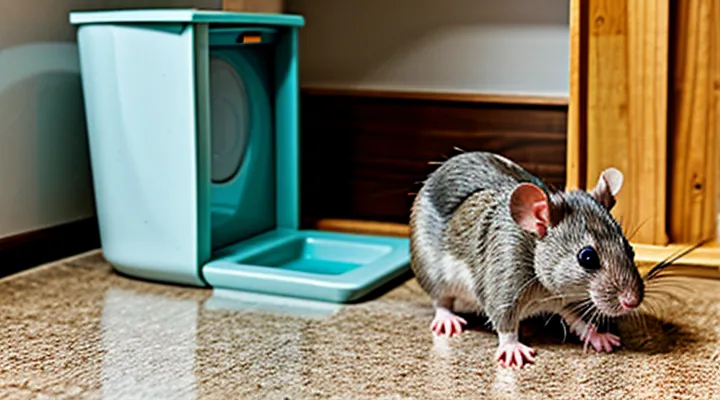
Understanding Rat Litter Training
Why Toilet Train Your Rat?
Benefits for Rat and Owner
Installing a dedicated latrine within a rodent enclosure produces measurable improvements in both animal welfare and caretaker efficiency.
Rats benefit from a defined elimination area through several mechanisms. The confined space encourages consistent use, which minimizes accidental soiling of bedding and reduces exposure to pathogens. A predictable toileting spot lowers anxiety by providing a stable environmental cue, promoting smoother digestion and healthier urinary output. Regular access to a clean surface facilitates grooming, preventing skin irritation and fur damage. Additionally, the ability to train a rat to use a specific location simplifies behavioral conditioning, reinforcing positive habits.
Owners gain practical advantages that streamline daily maintenance. A fixed toilet zone concentrates waste, allowing targeted cleaning and reducing the frequency of full‑cage changes. Contained droppings limit odor development, improving the overall air quality of the living area. Time spent on sanitation decreases, freeing resources for enrichment activities and health monitoring. The visible accumulation of waste provides a reliable indicator of the animal’s health status, enabling early detection of urinary or gastrointestinal issues.
Key benefits summarized:
- Enhanced hygiene for the rat, lowering infection risk
- Decreased stress through environmental consistency
- Simplified training and behavior management
- Reduced cleaning workload and material consumption for the caretaker
- Improved odor control and indoor air quality
- Immediate health insights from waste patterns
These outcomes demonstrate that a well‑designed cage toilet contributes directly to the well‑being of the pet and the effectiveness of its care.
Natural Rat Behavior and Instincts
Rats instinctively select a specific corner of their enclosure for elimination, a behavior known as “latrine preference.” This tendency emerges early in development and persists regardless of cage size or substrate. The chosen spot is typically away from food, water, and nesting materials, reflecting an innate drive to keep living areas clean.
- Preference for a secluded, low‑traffic area.
- Aversion to moist or heavily soiled substrate.
- Tendency to dig shallow depressions before urinating or defecating.
- Reuse of the same spot for successive eliminations.
These instincts dictate the placement of a toilet module. Position the device in the corner most frequently used for latrine activity, ensuring it is distant from feeding stations and nesting zones. Provide a dry, absorbent substrate such as paper bedding or aspen shavings; rats will readily adapt to the material when it mimics natural ground cover.
The design should incorporate a shallow depression or recessed tray that allows the rat to dig slightly, satisfying the instinct to create a modest burrow before elimination. Guard rails or a low lip prevent spillage while preserving easy access. Regular cleaning of the tray reinforces the rat’s perception of a hygienic environment, encouraging consistent use of the designated toilet.
Understanding these natural behaviors eliminates trial‑and‑error adjustments, resulting in a functional, low‑maintenance elimination area within the cage.
Essential Supplies for a Rat Toilet
Choosing the Right Litter Box
Size and Shape Considerations
When designing a lavatory for a rat inside its enclosure, the dimensions must accommodate the animal’s body length and typical posture while allowing unobstructed movement. An adult Norway rat averages 20 cm from nose to tail base; the toilet platform should be at least 12 cm wide and 10 cm deep, providing a stable surface without crowding the cage floor. Height is less critical, but the entry opening should be no higher than 5 cm to prevent the rat from climbing over the barrier and soiling other areas.
Shape influences both usability and cleanliness. A rectangular or shallow trapezoidal platform aligns with most cage layouts and simplifies placement against a wall or corner. Incorporating a slight incline (2–3 cm) toward a collection chamber encourages waste to slide away from the rat’s paws, reducing tracking. Rounded edges prevent injury and discourage the animal from gnawing on sharp corners.
Key geometric guidelines:
- Width: 12–15 cm, matching the rat’s shoulder span.
- Depth: 10–12 cm, sufficient for the hindquarters to rest.
- Entry opening: ≤5 cm high, ≤6 cm wide, allowing easy access.
- Incline: 2–3 cm slope toward waste container.
- Edge treatment: smooth, rounded, chew‑resistant material.
Placement should consider the cage’s existing structures. Locating the toilet near a corner maximizes floor space, while keeping it away from food and water stations prevents contamination. Ensure the platform sits on a stable base; a non‑slipping silicone pad or a fitted metal grate provides durability and easy cleaning. By adhering to these size and shape parameters, the rat’s bathroom area remains functional, hygienic, and integrated seamlessly into the enclosure.
Material Durability and Ease of Cleaning
Choosing a material that withstands constant moisture, urine, and droppings is essential for a rat cage toilet. Durable options include high‑density polyethylene (HDPE) sheets, glazed ceramic tiles, and stainless‑steel trays. HDPE resists cracking and does not absorb odors; it can be cut to size with a utility knife. Glazed ceramic provides a hard, non‑porous surface that endures repeated scrubbing. Stainless steel offers superior resistance to corrosion and can be sterilized in boiling water.
Ease of cleaning depends on surface smoothness and shape. Flat, edge‑free designs prevent debris from accumulating in corners. Materials with a glossy finish allow soap and water to glide off without residue. For rapid turnover, select items that fit in a dishwasher or can be immersed in a diluted bleach solution for a few minutes.
Practical considerations:
- Weight: Light plastics simplify removal; heavy ceramics require sturdy cage support.
- Cost: HDPE is inexpensive; ceramic and stainless steel involve higher upfront expense but last longer.
- Compatibility: Ensure the material does not react with cleaning agents; avoid porous woods or untreated composites.
Replace the toilet component when visible wear, cracks, or persistent staining appear. Regular maintenance—removing solid waste daily and rinsing the surface weekly—preserves durability and hygiene.
Selecting Appropriate Litter Material
Absorbency and Odor Control
Absorbent media must retain liquid waste while preventing the substrate from becoming compacted. Paper‑based products (e.g., recycled paper towels) absorb quickly, disperse moisture evenly, and can be torn into small pieces to fit any cage geometry. Wood shavings from aspen or hemp provide moderate absorbency; they also allow rats to dig, which encourages natural behavior. Layer the chosen material at a depth of 2–3 cm, then add a secondary layer of coarse cellulose to trap larger droplets. Replace the top layer daily; the underlying layer can be refreshed every 3–4 days to maintain dryness.
Odor mitigation relies on chemical adsorption and microbial breakdown. Activated charcoal sheets placed beneath the absorbent layer capture volatile compounds before they escape the enclosure. A thin film of baking soda, evenly distributed on the surface, neutralizes acidic odors without harming the animal. Enzyme‑based cleaners, applied weekly to the substrate, accelerate decomposition of uric acid, reducing lingering scent. Ensure the cage remains well‑ventilated; a minimum of six air exchanges per hour prevents buildup of ammonia.
Practical checklist:
- Choose absorbent material: paper towels, aspen shavings, hemp fiber.
- Install a 2–3 cm base layer, topped with a 0.5 cm cellulose sheet.
- Position activated charcoal sheet directly under the base.
- Sprinkle a light layer of baking soda on the surface.
- Apply enzyme cleaner once per week, following manufacturer dosage.
- Perform daily top‑layer removal, full substrate change every 3–4 days.
- Verify airflow meets six exchanges per hour.
Consistent management of moisture and odor preserves cage hygiene, protects respiratory health, and eliminates the need for external cleaning stations.
Safety for Rats: Avoiding Harmful Substances
When installing a bathroom area inside a rodent enclosure, the first priority is preventing exposure to toxic chemicals. Choose construction and cleaning supplies that are proven safe for small mammals.
Materials to avoid:
- Untreated pine, cedar, or other aromatic woods; natural oils can irritate respiratory passages.
- Pressure‑treated lumber containing arsenic or copper compounds.
- Polyvinyl chloride (PVC) pipe with plasticizers that may leach into urine or feces.
- Epoxy or polyurethane sealants that emit volatile organic compounds (VOCs) during curing.
- Paints, stains, or varnishes lacking a “non‑toxic” label; many contain heavy metals or solvents.
Cleaning agents that should not be used:
- Ammonia‑based cleaners; rats are highly sensitive to ammonia fumes.
- Bleach solutions exceeding 1 % concentration; excessive chlorine can damage mucous membranes.
- Citrus or essential‑oil sprays; essential oils are often lethal to rodents when inhaled or ingested.
- Household disinfectants with phenols, quaternary ammonium compounds, or formaldehyde.
Safer alternatives:
- Untreated solid hardwood blocks (e.g., maple or beech) for the toilet platform.
- Stainless‑steel or food‑grade acrylic trays that resist corrosion and do not release chemicals.
- Unscented, pet‑safe enzymatic cleaners; they break down waste without harsh residues.
- Diluted white vinegar (1 % solution) for occasional deodorizing; rinse thoroughly before the rat returns.
Installation tips:
- Secure all components with stainless‑steel screws or non‑reactive bolts to prevent rust.
- Ensure no gaps where bedding or waste can contact toxic surfaces.
- Rinse the toilet area with warm water after each cleaning cycle; allow complete drying before the animal re‑enters.
By selecting inert construction materials and using only rat‑compatible cleaning products, the toilet remains functional while eliminating sources of chemical harm.
Types of Safe Litters: Paper-Based, Aspen, etc.
Choosing the right substrate for a rat’s bathroom is essential for hygiene, odor control, and the animal’s comfort. Safe litters share three core characteristics: low dust generation, non‑toxic composition, and absorbency sufficient to trap urine and droppings.
Paper‑based litters provide the cleanest environment. They are made from recycled cellulose, break down quickly, and produce negligible dust. The texture is soft enough not to irritate delicate footpads, and the material can be composted after use.
Aspen shavings offer a natural alternative to pine or cedar, which contain aromatic oils harmful to rodents. Aspen fibers are coarse enough to absorb moisture while remaining lightweight. The low lignin content reduces the risk of respiratory irritation, and the wood’s neutral scent helps keep the cage smelling fresh.
Hemp pellets combine high absorbency with minimal dust. Their fibrous structure locks in liquid and can be flushed after drying, simplifying waste disposal. Hemp’s natural antimicrobial properties contribute to a healthier enclosure.
Corn cob granules present an economical option. They are biodegradable, absorb urine effectively, and produce a mild, non‑offensive odor. Their coarse surface discourages rats from nesting directly in the litter, preserving the designated toilet area.
Wood shavings from untreated hardwoods (e.g., maple) are acceptable when sourced without chemical treatments. They provide good absorption and a familiar texture for rats accustomed to natural bedding.
When installing the toilet, place a shallow dish or tray at one corner of the cage and fill it with a single type of litter. Avoid mixing materials, as differing particle sizes can create uneven absorption and increase cleaning effort. Replace the litter entirely every two weeks, or sooner if it becomes saturated, to maintain optimal sanitation.
Step-by-Step Guide to Setting Up the Toilet
Placement within the Cage
Strategic Location for Best Results
Place the toilet module in a corner opposite the feeding station. Rats prefer to keep waste away from food, so positioning the toilet on the far side reduces the risk of contamination. Ensure the chosen corner is easily reachable from all parts of the cage; a central location forces the animal to travel across the enclosure, discouraging consistent use.
Locate the toilet above the cage’s lowest point but below any climbing structures. Elevating the platform by a few centimeters prevents bedding from soaking the waste and simplifies cleaning. Attach the unit to the cage wall rather than a free‑standing stand; a wall‑mounted design saves floor space and provides a stable anchor.
Maintain a clear line of sight between the toilet and the water bottle. Rats are more likely to use a facility they can see without obstruction. Avoid placing opaque objects or dense décor directly in front of the toilet opening.
Recommended arrangement:
- Corner opposite food bowl
- Wall‑mounted platform 2–3 cm above cage floor
- Unobstructed view from water source
- Minimal bedding accumulation around the opening
Regularly inspect the area for soiled bedding and adjust placement if waste accumulates in unintended zones. Proper positioning maximizes usage frequency and simplifies maintenance.
Avoiding Food and Water Areas
Position the rat’s toilet at the opposite end of the cage from the feeding and watering stations. This separation prevents accidental contamination of food and water with urine and feces, reducing the risk of disease and preserving the cleanliness of the habitat.
Select a corner that is easily accessible for the animal but out of the direct line of sight from the food bowl and water bottle. Use a solid, non‑absorbent surface such as a piece of ceramic tile or a sealed plastic tray to contain waste. Secure the toilet with a low‑profile barrier or a small piece of mesh to keep bedding from spilling onto the feeding area.
Maintain the division with regular cleaning:
- Remove waste from the toilet daily; replace the liner or disinfect the surface weekly.
- Inspect the food and water containers for any signs of spillage; relocate them if they approach the toilet zone.
- Adjust the placement of bedding or enrichment items to reinforce the physical barrier between the toilet and feeding zones.
By consistently isolating the waste area from the rat’s nutrition stations, you ensure a hygienic environment that supports the animal’s health and promotes natural toileting behavior.
Introducing the Litter Box to Your Rat
Scent Association Techniques
Effective toilet training for a cage‑bound rat relies on scent cues that direct the animal to a designated elimination zone. Rats possess a highly developed olfactory system; by linking a specific, pleasant odor to the intended spot, they learn to associate that scent with the act of relieving themselves.
The association process works through repeated exposure. When a rat encounters a consistent smell in a particular area, the brain registers that environment as appropriate for waste deposition. Over time, the animal’s natural instinct to keep its living space clean reinforces the behavior, reducing accidents elsewhere in the cage.
Implementation steps
- Choose a scent that the rat finds neutral or mildly attractive, such as diluted chamomile or a faint vanilla extract. Avoid strong, aversive aromas that could cause stress.
- Apply the chosen scent to the surface of the chosen toilet area—typically a shallow dish filled with a layer of absorbent bedding.
- Place a small amount of the rat’s own waste in the scented zone during the first few sessions. The combination of familiar waste odor and the added scent creates a strong associative signal.
- Allow the rat to explore the area freely, observing for immediate use. Reinforce successful attempts by gently guiding the rat back to the scented spot if it attempts to eliminate elsewhere.
- Refresh the scent every 2–3 days to maintain its potency, ensuring the association remains vivid.
Maintenance involves regular cleaning of the toilet area while preserving the scent cue. Replace the scented bedding with fresh, similarly scented material after each cleaning cycle. Monitor the rat’s behavior; a decline in use may indicate scent degradation or the need for a different aroma.
By systematically applying these scent association techniques, the rat learns to recognize and repeatedly use the designated toilet, resulting in a cleaner enclosure and reduced maintenance effort.
Initial Supervision and Guidance
When a rat’s habitat is being modified to include a dedicated bathroom area, the first phase of oversight demands precise observation of cage layout, material suitability, and the animal’s behavior. The supervisor must verify that the chosen substrate absorbs waste without contaminating the rest of the enclosure, that the toilet unit is securely anchored, and that access does not interfere with feeding or nesting zones.
The caretaker’s duties during this stage include:
- Positioning the toilet in the corner most frequented by the rat, based on initial activity mapping.
- Securing the unit with non‑toxic fasteners to prevent displacement.
- Selecting a bedding material that balances absorbency and ease of cleaning, such as paper‑based pellets or specialized rodent litter.
- Monitoring the rat for avoidance or stress signals for at least 24 hours, adjusting placement if necessary.
- Recording waste volume daily to assess the toilet’s capacity and to schedule cleaning intervals.
Continuous feedback loops between observation and adjustment ensure that the bathroom installation supports hygiene, reduces odor, and integrates seamlessly with the cage’s overall environment.
Training Your Rat to Use the Toilet
Positive Reinforcement Methods
Rewards for Successful Use
Providing appropriate rewards after a rat consistently uses a cage‑mounted latrine reinforces the behavior and improves hygiene. Rewards should be immediate, clearly linked to the act, and varied enough to sustain interest.
- Food treats: Small pieces of favorite foods (e.g., dried fruit, seed mix) delivered within a few seconds of successful elimination. Limit portions to 1–2% of daily caloric intake to prevent weight gain.
- Social interaction: Brief, gentle handling or a short play session immediately after the event. Rats respond positively to tactile contact, which also strengthens the bond with the caretaker.
- Environmental enrichment: A brief access period to a favored toy or a temporary expansion of the cage area for a few minutes. The novelty of the enrichment serves as a non‑food incentive.
- Verbal cue: A consistent, calm tone (“good job”) paired with a soft click or gentle tap. Over time the cue becomes a secondary reinforcer, allowing the caretaker to reward without food.
Timing is critical. Deliver the reward within 1–2 seconds of the rat’s exit from the latrine to create a clear association. Gradually increase the interval between the act and the reward as the behavior becomes stable, shifting from continuous reinforcement to a variable‑ratio schedule to maintain performance without over‑feeding.
Monitoring progress involves recording each successful use and the corresponding reward. A simple log—date, time, reward type—highlights patterns and identifies when adjustments are needed, such as rotating treat flavors or modifying enrichment duration.
Consistent, appropriately timed reinforcement transforms the latrine into a reliable aspect of cage management, reducing accidents and supporting the rat’s natural inclination to keep its environment clean.
Consistency in Training
Consistency is the cornerstone of successful litter training for a cage‑bound rat. The animal learns to associate a designated area with elimination only when the signal, timing, and reward remain unchanged.
Begin by selecting a small, low‑profile tray that fits within the cage’s corner. Place a thin layer of absorbent bedding in the tray and line the surrounding floor with a contrasting substrate. This visual distinction helps the rat recognize the intended spot.
Implement a fixed schedule for feeding and cleaning. Offer food at the same times each day; rats typically eliminate shortly after eating. Observe the rat’s behavior and move it to the tray the moment it shows signs of urination or defecation. Immediately reward the action with a brief treat or gentle verbal praise. Repeating this sequence at identical intervals reinforces the habit.
Maintain the tray’s condition without deviation. Empty waste and replace bedding after each use, then restore the tray to its original state before the rat returns. Any variation—such as delayed cleaning or altered bedding depth—introduces uncertainty and disrupts the learned pattern.
Key practices for maintaining consistency:
- Feed at identical hours daily.
- Relocate the rat to the tray at the first sign of elimination.
- Deliver the same type of reward each time.
- Clean the tray immediately after use and restore the original setup.
By adhering to these unvarying steps, the rat internalizes the toilet location, reducing accidents elsewhere in the cage and supporting a hygienic environment.
Addressing Common Training Challenges
Accidents Outside the Box
Creating a dedicated waste station inside a rodent enclosure eliminates the risk of urine and feces spreading beyond the intended area. When the station is absent or poorly designed, rodents will eliminate on bedding, chew cage walls, and contaminate food zones, leading to health hazards and increased cleaning workload.
Typical external accidents include:
- Wet spots on cage exterior caused by overflow or splashing.
- Fecal deposits on the cage frame, which attract pests.
- Damage to cage bars from persistent gnawing in search of a suitable spot.
Preventive measures:
- Position a shallow, absorbent tray at one corner, away from food and water dishes.
- Line the tray with a replaceable, waterproof mat that can be removed without dismantling the cage.
- Secure the tray with a low‑profile guard to restrict the rat’s access to the surrounding area while allowing easy entry.
- Use a scent‑free, non‑toxic cleaning agent to maintain hygiene without deterring the animal.
- Inspect the enclosure daily for signs of spillage; address breaches immediately to avoid escalation.
Consistent application of these practices confines elimination to the designated zone, eliminates external contamination, and preserves the structural integrity of the habitat.
Persistence and Patience
Training a rat to use a dedicated bathroom within its enclosure demands continuous effort and measured restraint. The animal’s natural inclination to eliminate in corners can be redirected only when the caretaker applies a steady routine and tolerates the slow pace of behavioral change.
- Select a corner that remains unobstructed and easy to clean.
- Place a shallow tray filled with absorbent bedding or sand.
- Introduce the tray after each feeding session, positioning the rat nearby.
- Reward any contact with the tray using a small treat delivered immediately.
- Record each successful use, noting time of day and circumstances.
Persistence manifests in the repetition of these actions. The caretaker must repeat the placement and reward cycle every day, regardless of occasional setbacks. Adjustments—such as altering tray size or bedding type—should be implemented only after consistent observation confirms a pattern of failure.
Patience appears in the acceptance that the rat will not master the new habit within a single week. Progress may be incremental; occasional accidents are expected and should not prompt abrupt changes to the protocol. Maintaining a calm environment and avoiding punitive measures preserve the rat’s willingness to explore the tray.
Consistent application of the outlined steps, coupled with a willingness to wait for gradual improvement, ultimately produces a functional bathroom area that reduces cage contamination and supports the rat’s well‑being.
Maintaining the Rat Toilet
Daily Cleaning Routine
A rat’s bathroom area requires daily attention to prevent odor, bacterial growth, and substrate contamination. Remove all waste, replace used bedding, and inspect the toilet structure for damage before each refill.
- Sweep or shake out the litter material, discarding any clumped or soiled portions.
- Rinse the toilet bowl with warm water; avoid harsh chemicals that could harm the animal.
- Apply a thin layer of fresh, absorbent bedding (paper‑based or aspen shavings) to maintain dry conditions.
- Re‑position the toilet securely within the cage, ensuring the rat can access it without obstruction.
- Check water bottles and food dishes for spillage that could affect the toilet zone.
Consistent execution of these steps preserves a hygienic environment, supports the rat’s health, and sustains the functionality of the custom-built bathroom system.
Full Litter Changes and Disinfection
Maintaining a clean, disease‑free latrine inside a rodent’s enclosure requires regular complete litter replacement and thorough disinfection.
- Remove the rat from the cage and place it in a secure temporary container.
- Empty all existing bedding and waste material from the toilet area.
- Rinse the tray or box with warm water to eliminate loose debris.
- Scrub the surface using a brush and a mild, non‑toxic detergent.
- Rinse thoroughly to remove any soap residue.
- Allow the tray to air‑dry completely before adding fresh litter.
Disinfection follows the litter change:
- Apply a veterinary‑approved disinfectant (e.g., a 0.5 % hydrogen peroxide solution or a chlorine‑based sanitizer) to the dry surface.
- Ensure the disinfectant contacts all corners for the manufacturer‑specified dwell time, typically 5–10 minutes.
- Rinse with clean water to eliminate chemical traces.
- Dry the area with a clean cloth or let it air‑dry fully.
- Refill with a low‑dust, absorbent substrate such as paper‑based pellets or untreated wood shavings.
Perform a full litter turnover and disinfection every two weeks, or sooner if visible contamination appears. Use only products labeled safe for small mammals to prevent toxic exposure. Consistent application of this routine preserves a hygienic environment, reduces odor, and supports the rat’s health while using an indoor toilet system.