
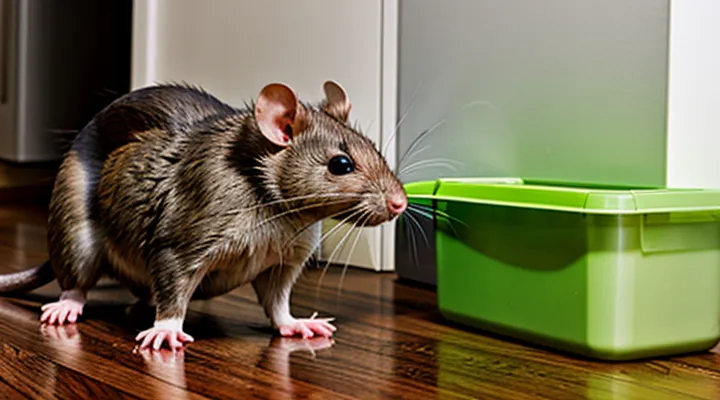
Understanding the Rat Problem in Apartments
Signs of a Rat Infestation
Droppings and Urine Trails
Rat droppings and urine trails provide the most reliable evidence of an infestation and dictate the most effective response. Fresh droppings appear as dark, rice‑shaped pellets, typically 0.5–1 cm long, clustered near food sources, nesting sites, and along walls. Older droppings darken, become crumbly, and may be found in hidden corners. Urine stains manifest as wet, glossy markings that may discolor surfaces; they often accompany droppings and trace the rodents’ travel routes.
Health risks stem from pathogens carried in feces and urine. Key concerns include:
- Hantavirus: transmitted through inhalation of aerosolized dried droppings.
- Leptospirosis: spread by contact with urine-contaminated surfaces.
- Salmonella and E. coli: introduced to food when droppings fall onto preparation areas.
Immediate containment requires thorough decontamination. Follow these steps:
- Ventilate the affected area for at least 30 minutes; open windows and use fans to disperse airborne particles.
- Wear protective gear – N‑95 respirator, disposable gloves, and goggles – to prevent direct exposure.
- Moisten droppings and urine with a solution of 1 part bleach to 10 parts water; this prevents aerosolization during removal.
- Collect the wet material with disposable paper towels or a scoop, place it in a sealed plastic bag, and discard according to local hazardous‑waste guidelines.
- Disinfect surfaces with the same bleach solution, allowing a contact time of 10 minutes before rinsing with clean water.
- Dry the area completely; moisture encourages further rodent activity.
After cleaning, inspect for additional trails to locate entry points. Continuous monitoring of droppings density and urine markings helps assess the success of control measures and indicates when further intervention is required.
Gnaw Marks and Damage
Rats leave characteristic gnaw marks that signal structural compromise and health risks. The damage appears as clean, crescent‑shaped bites on wood, plastic, wires, and insulation. Chewed edges are smooth and may reveal fresh pulp underneath, indicating recent activity. Persistent gnawing on electrical cords creates fire hazards, while damaged insulation reduces energy efficiency and facilitates further rodent entry.
Identify gnaw damage by inspecting:
- Baseboards, door frames, and cabinet edges for neat, shallow cuts.
- Plastic containers, piping, and appliance housings for jagged bite marks.
- Wiring insulation for exposed copper or stripped sheathing.
- Furniture legs and wooden floorboards for irregular notches.
Assess severity:
- Document each affected area with photographs and measurements.
- Determine whether the bite depth compromises structural integrity (e.g., >¼ inch into load‑bearing wood).
- Evaluate proximity to food sources and water lines to prioritize mitigation.
Mitigate and repair:
- Seal entry points with steel wool, copper mesh, or cement‑based caulk; rodents cannot gnaw through metal.
- Replace or reinforce compromised wiring using conduit or rodent‑resistant cable.
- Repair or replace damaged wood components; use hard‑board or metal brackets for added resistance.
- Install chew‑proof covers on exposed pipes and vents.
Prevent recurrence by maintaining a clean environment, eliminating food residues, and employing traps or bait stations strategically near identified gnaw sites. Regular inspections every month help detect new marks before they expand into major damage.
Strange Noises
Strange noises in a rental unit often signal the presence of rodents, especially when the sounds appear at night or within concealed spaces. Recognizing these auditory clues allows swift intervention before damage escalates.
Common rat-generated sounds include:
- Scratching on walls, pipes, or insulation, typically heard as intermittent, high‑pitched rasping.
- Gnawing on wood or plastic, producing a steady, dull grinding noise.
- Squeaking or chattering, most audible in ceiling voids or behind cabinets.
- Footsteps on hollow surfaces, resembling light tapping or scurrying.
Distinguishing rat activity from building settling, plumbing, or appliance operation requires attention to pattern and location. Rat noises are irregular, confined to hidden cavities, and often intensify after dark. Mechanical or HVAC sounds maintain a consistent rhythm and originate from visible equipment.
When suspicious sounds are detected, follow a systematic approach:
- Isolate the area by turning off lights and listening for movement.
- Inspect adjacent walls, floors, and ceilings for droppings, gnaw marks, or shredded material.
- Seal obvious entry points using steel wool, mesh, or expanding foam.
- Deploy bait stations or traps positioned near the noise source, ensuring compliance with local regulations.
- Contact a professional pest‑control service for verification and comprehensive eradication if evidence persists.
Prompt identification and targeted action based on auditory evidence reduce the likelihood of structural damage, health hazards, and prolonged infestations.
Sightings
Rats reveal their presence through distinct visual cues that indicate an infestation and guide immediate response. Recognizing these cues prevents escalation and informs targeted control measures.
Common visual indicators include:
- Small droppings, dark and rod‑shaped, found near food sources, corners, and along walls.
- Gnaw marks on wood, plastic, or wiring, often with clean, straight edges.
- Scratches or pathways traced along baseboards, vents, and behind appliances.
- Grease or oily smears where rats rub their bodies against surfaces.
- Live or dead rats observed in concealed areas such as crawl spaces, closets, or behind furniture.
When a rat is sighted, follow these steps:
- Document the exact location, time, and activity observed.
- Isolate the area by sealing food, removing clutter, and limiting access points.
- Deploy traps or bait stations directly where activity was noted, adhering to manufacturer safety guidelines.
- Inspect adjacent rooms and structural gaps, expanding coverage to prevent movement.
- Report findings to building management or a licensed pest‑control professional for comprehensive evaluation and remediation.
Prompt identification of sightings reduces population growth, minimizes health risks, and supports effective eradication.
Why Rats are Attracted to Apartments
Food Sources
Rats are attracted to readily available nourishment; unsecured food creates a reliable supply that encourages infestation and sustains population growth. In an apartment setting, crumbs, open containers, and improperly stored pantry items provide the energy rats need to thrive, making food management the most effective preventive measure.
- Store dry goods in airtight, rodent‑proof containers made of metal or heavy‑wall plastic.
- Keep countertops, tables, and floors clean; wipe away spills immediately and sweep crumbs after each meal.
- Dispose of garbage daily in sealed bags; use trash cans with tight‑fitting lids and place them away from food preparation areas.
- Refrigerate or freeze leftovers promptly; avoid leaving pet food out overnight.
- Inspect pantry shelves for damaged packaging; discard any product with torn wrappers or signs of contamination.
By eliminating accessible nutrition, the apartment becomes an inhospitable environment, reducing the likelihood of rat entry and limiting the ability of any occupants to survive.
Water Sources
Rats survive by locating reliable water, making any accessible moisture a primary factor in an infestation. Eliminating or controlling water sources deprives rodents of a critical requirement and reduces the likelihood of their presence in an apartment.
Typical water sources include:
- Leaking faucets, pipes, or showerheads.
- Condensation on windows, walls, or air‑conditioning units.
- Dripping appliances such as dishwashers, refrigerators, or washing machines.
- Open pet water bowls left unattended.
- Stagnant water in plant saucers, buckets, or floor drains.
To remove these sources, follow a systematic approach:
- Inspect all fixtures weekly; tighten connections and replace worn washers.
- Repair pipe cracks and seal joints with appropriate tape or sealant.
- Wipe condensation daily; install vent fans to improve air circulation.
- Empty and clean pet water containers at least twice daily; store them in sealed containers when not in use.
- Elevate plant saucers or use absorbent mats; discard excess water promptly.
- Ensure floor drains have tight‑fitting covers; clear blockages that cause backup.
Maintain a dry environment by scheduling regular checks, using moisture‑detecting strips in hidden areas, and keeping the apartment tidy. Promptly addressing leaks and excess moisture creates conditions unfavorable for rats, supporting long‑term control.
Shelter and Entry Points
Rats seek shelter in places that offer darkness, warmth, and easy access to food. In an apartment, common hiding spots include wall voids, behind appliances, inside cabinets, and within insulation. Removing these refuges reduces the incentive for infestation.
Identify and seal all potential entry routes. Typical openings are:
- Gaps around pipes and cables larger than ¼ inch
- Cracks in foundation or exterior walls
- Unfinished spaces under doors and windows
- Openings around vent fans, dryer exhausts, and utility penetrations
- Holes in plaster, drywall, or flooring
Use steel wool, copper mesh, or concrete to fill gaps, then apply a durable sealant. Replace damaged weatherstripping on doors and windows. Install door sweeps to block gaps at the threshold. Ensure that vent covers are fitted tightly and that screens are intact.
Eliminate clutter that creates additional shelter. Store items in sealed containers and keep storage areas organized. Regularly inspect hidden areas for signs of nesting, such as shredded material or droppings, and address any new openings immediately.
Immediate Actions to Take
Sealing Entry Points
Inspecting Walls and Floors
Inspecting walls and floors is a critical early step in eliminating rodent infestations in a rental unit. Begin by turning off all lights and using a bright flashlight to reveal droppings, gnaw marks, and oily streaks along baseboards, wall corners, and floor seams. Look for small holes no larger than a quarter‑inch; rats create entry points by chewing through drywall, plaster, or wood. Pay special attention to areas near plumbing stacks, electrical conduits, and vent openings, as these provide direct routes from the exterior to interior spaces.
When a potential entry is identified, measure the opening with a ruler or tape measure. Seal gaps larger than a half‑inch using steel wool, copper mesh, or a combination of both, then cover with expanding foam or cement for durability. For cracks smaller than a quarter‑inch, apply caulk or a sealant designed for pest control. Replace damaged sections of drywall or flooring promptly; untreated damage can conceal nests and increase the risk of re‑infestation.
Maintain a record of inspection findings. Use a simple table or notebook entry that includes:
- Location (room, wall, floor section)
- Type of evidence (droppings, gnaw marks, holes)
- Size of opening
- Action taken (sealed, repaired, monitored)
Regularly repeat the inspection process every two weeks during the initial treatment phase and monthly thereafter. Continuous monitoring ensures that newly created entry points are detected early, preventing rats from establishing a permanent presence in the apartment.
Sealing Cracks and Holes
Sealing cracks and holes eliminates the primary routes rats use to enter an apartment. By removing these access points, the likelihood of infestation drops dramatically.
Typical entry locations include gaps around plumbing pipes, vent covers, window frames, baseboards, and utility openings. Small openings, even those barely visible, can accommodate a rat’s body.
Effective sealing procedure:
- Inspect all interior and exterior walls, floors, and ceilings for openings larger than a quarter‑inch.
- Clean each opening to remove dust, debris, and any gnawed material.
- Apply a high‑quality, rodent‑resistant sealant such as silicone‑based caulk or expanding polyurethane foam; for larger gaps, use steel wool or copper mesh as a backing before sealing.
- Allow the sealant to cure fully according to the manufacturer’s instructions.
- Re‑check sealed areas after a week to confirm integrity and reseal any cracks that have reopened.
Regular maintenance, including periodic visual inspections and prompt repair of new damage, sustains the barrier and supports long‑term rat control in the living space.
Addressing Gaps Around Pipes and Vents
Rats enter apartments through openings surrounding plumbing, ventilation, and utility lines. Even small cracks allow entry, provide shelter, and enable movement between rooms. Sealing these gaps removes a primary pathway and reduces the likelihood of infestation.
Identify all pipe and vent penetrations. Inspect walls, floors, and ceilings for visible gaps, and use a flashlight to detect hidden spaces behind cabinets and under sinks. Pay particular attention to:
- Gaps around water supply and drain pipes
- Openings around gas lines and electrical conduits
- Spaces surrounding dryer vents and exhaust fans
- Gaps at the base of wall‑mounted air conditioners
Choose appropriate sealants. For flexible joints, apply silicone caulk or expanding polyurethane foam. For larger openings, insert steel wool or copper mesh before applying sealant to prevent rats from gnawing through. Use metal flashing or metal plates to cover gaps larger than one inch.
Apply sealant in a continuous bead, pressing it firmly into the gap. Smooth the surface to ensure complete coverage. Allow the material to cure according to manufacturer instructions before exposing the area to moisture or heat.
Perform regular inspections. After sealing, revisit the same locations monthly for at least six months. Look for new cracks, displaced sealant, or signs of chewing. Promptly repair any deterioration to maintain a barrier.
Integrating gap closure with other control measures—such as sanitation, traps, and exclusion of food sources—creates a comprehensive strategy that limits rat access and encourages population decline.
Eliminating Food and Water Sources
Proper Food Storage
Proper food storage is a critical element in preventing rodent activity within a residential unit. Food that is left exposed or stored in inadequate containers provides an attractive and reliable food source, encouraging rats to explore and establish nests.
Secure containers made of metal or heavy‑wall plastic should be used for all dry goods, including cereals, grains, nuts, and pet food. Lids must seal tightly; any gaps allow odor to escape and invite pests. Refrigerated items should remain in the fridge or freezer, and the appliance doors must close firmly.
Waste management reduces the likelihood of infestation. Garbage should be placed in bins with fitted lids, emptied regularly, and stored outside the living space when possible. Compostable food scraps must be sealed in disposable bags before disposal.
Cleaning practices eliminate residual food particles that attract rats. Spills should be wiped immediately with a damp cloth, and countertops, floors, and cabinets should be swept or vacuumed daily. Dishwasher‑safe dishes and utensils must be washed promptly after use.
A concise checklist for effective food storage:
- Use airtight, rodent‑proof containers for all pantry items.
- Keep perishable foods refrigerated or frozen; verify door seals.
- Store pet food in sealed containers and limit outdoor exposure.
- Dispose of trash in sealed bins; remove waste from the apartment at least once daily.
- Clean spills and crumbs immediately; maintain a clean countertop and floor surface.
Implementing these practices removes the primary food incentive for rats, directly supporting a comprehensive strategy to keep the apartment free of rodent problems.
Regular Cleaning and Waste Management
Regular cleaning eliminates the food sources that sustain rodent populations. Crumbs, spilled liquids, and pet feed left on countertops or floors provide easy nourishment; removing them reduces the likelihood of rat activity.
A disciplined cleaning schedule includes:
- Sweeping and vacuuming daily to capture debris.
- Mopping surfaces with a disinfectant solution at least twice weekly.
- Wiping kitchen appliances, cabinets, and dining tables after each use.
- Storing dry goods in sealed containers made of glass, metal, or heavy‑duty plastic.
- Washing dishes immediately rather than allowing them to accumulate.
Effective waste management prevents rats from accessing refuse. Key practices are:
- Using trash cans equipped with tight‑fitting lids.
- Emptying bins daily, especially in kitchens and bathrooms.
- Keeping the exterior garbage area clean and free of standing water.
- Selecting rat‑proof bags or liners that cannot be torn easily.
- Positioning compost bins away from the building’s entrance and sealing them securely.
Consistent application of these measures creates an environment where rats find no sustenance, making infestation unlikely.
Fixing Leaks and Standing Water
Rats are attracted to moisture; eliminating leaks and standing water removes a primary food and nesting source. Inspect all plumbing fixtures, pipes, and appliances for drips, condensation, or hidden seepage. Repair any identified faults with appropriate sealants, pipe clamps, or replacement parts to stop water from accumulating.
Remove water from areas where it can pool. Wipe countertops, sinks, and bathroom surfaces dry after use. Use a dehumidifier in damp rooms such as basements or laundry spaces. Empty pet water dishes nightly and store them in sealed containers when not in use.
Steps to eliminate moisture:
- Conduct a visual sweep of kitchens, bathrooms, and utility rooms for wet spots.
- Tighten connections on faucets, showerheads, and hose bibs; replace worn washers.
- Apply waterproof tape or silicone sealant around sink edges, bathtub joints, and tile grout.
- Install drip‑catch trays beneath refrigerator water dispensers and ice makers.
- Set up routine checks, documenting any recurring leaks and addressing them promptly.
Effective Rat Control Methods
Trapping Strategies
Types of Traps
Effective rat control in an apartment relies on selecting the appropriate trap for the infestation level and living‑space constraints.
Snap traps deliver rapid mortality. They consist of a spring‑loaded bar that snaps shut when the rat triggers a trigger plate. Steel construction ensures durability; bait placement on the trigger maximizes capture rates. Proper positioning—along walls, behind appliances, and in concealed corners—reduces escape chances.
Live‑catch traps allow humane removal. These cage‑style devices feature a door that closes when the rat enters to reach bait. They are reusable and eliminate the need for poisons. After capture, release the animal at least one mile from the residence to prevent re‑infestation.
Electronic traps employ a high‑voltage shock to kill instantly. A sensor detects the rat’s presence, then delivers a lethal pulse. These units are insulated, reducing risk to children and pets. Battery or mains power options provide flexibility for different apartment layouts.
Glue boards constitute a passive method. Adhesive surfaces immobilize rodents that walk across them. Placement in low‑traffic areas captures stray individuals but may cause prolonged suffering; therefore, they are best reserved for secondary monitoring rather than primary control.
Bait stations combine poison with a secure enclosure. While not a trap in the mechanical sense, they function as controlled delivery systems for anticoagulant or non‑anticoagulant rodenticides. Tamper‑resistant designs protect non‑target occupants. Use only where local regulations permit and follow label instructions precisely.
Choosing the right device involves evaluating factors such as:
- Desired outcome (kill vs. relocate)
- Safety considerations for occupants and pets
- Ease of disposal or release
- Maintenance requirements
Combining multiple trap types—e.g., snap traps for immediate reduction and live‑catch traps for monitoring—optimizes results and accelerates the elimination of rat activity within an apartment setting.
Snap Traps
Snap traps provide immediate, humane killing of rats without chemicals. The mechanism consists of a spring‑loaded bar that snaps shut when the rodent triggers a pressure plate, delivering a lethal blow to the neck or spine.
Choose traps made of sturdy wood or heavy‑duty plastic, equipped with a solid steel spring. Replace the bait regularly; preferred options include peanut butter, dried fruit, or small pieces of meat. Position traps where rats travel: behind appliances, along walls, near garbage containers, and within concealed voids.
- Place traps perpendicular to the wall, with the trigger side facing the baseboard.
- Align the trap so the trigger is 1–2 cm from the wall to match the rat’s natural path.
- Use multiple traps in high‑activity zones, spacing them 1–2 m apart.
- Keep traps out of reach of children and pets, securing them with a protective cover if necessary.
Inspect traps daily. Remove and dispose of dead rats in sealed bags, then clean the trap with hot, soapy water before resetting. Rotate bait and location if catches decrease, ensuring continuous pressure on the rat population.
Consistent deployment of snap traps, combined with sanitation and exclusion measures, reduces rodent numbers quickly and prevents re‑infestation in apartment settings.
Live Traps
Live traps provide a humane method for removing rats from a residential unit. The device consists of a cage with a trigger mechanism that closes the door when the rodent enters to reach bait. This approach eliminates the need for poisons and reduces the risk of secondary poisoning to pets or children.
When selecting a trap, consider the following criteria:
- Size: the interior must accommodate an adult Norway rat (approximately 9–11 inches long).
- Trigger sensitivity: a spring‑loaded or pressure‑activated latch that reacts to a weight of 30–50 g ensures reliable closure.
- Construction material: stainless steel or heavy‑gauge wire resists chewing and prolongs durability.
- Ease of cleaning: smooth surfaces and removable doors simplify sanitation after each capture.
Effective placement maximizes capture rates. Position traps along established runways, near walls, behind appliances, or close to food sources. Align the trigger side perpendicular to the wall, as rats prefer to travel with their bodies against surfaces. Secure the trap to prevent displacement by curious occupants.
Check traps at least twice daily. A captured rat should be removed promptly to avoid stress and potential disease transmission. Wear disposable gloves, place the cage in a sturdy container, and transport it to a suitable release site—ideally a wooded area at least 1 mile from the apartment complex. Open the door gently, allow the animal to exit, and close the cage immediately afterward.
After each use, disinfect the trap with a solution of 1 part bleach to 9 parts water, rinse thoroughly, and dry before redeployment. Regular maintenance prevents odor buildup and deters other pests.
Incorporating live traps into a broader rodent‑control program—such as sealing entry points, managing waste, and maintaining cleanliness—enhances overall effectiveness and sustains a rat‑free living environment.
Electronic Traps
Electronic traps provide a rapid, humane solution for controlling rodent populations in residential units. The devices emit a high‑voltage shock when a rat completes an electrical circuit, delivering immediate lethal force without the mess associated with traditional snap or poison methods. Sensors detect the presence of a rodent through infrared or pressure‑sensitive plates, ensuring activation only when an animal is present.
Key characteristics of effective electronic traps include:
- Voltage range: 5,000–10,000 V, sufficient to guarantee instant kill.
- Power source: Battery‑operated models offer portability; mains‑connected units provide continuous operation.
- Safety features: Insulated chambers and automatic shut‑off prevent accidental contact with humans or pets.
- Capacity: Multi‑catch designs hold several rodents, reducing the need for frequent emptying.
For optimal deployment, follow these steps:
- Position traps along walls, near known runways, and close to food sources.
- Ensure the device rests on a stable, non‑conductive surface.
- Test the power indicator before placement to confirm functionality.
- Clean the interior chamber after each capture to maintain sensor accuracy.
- Replace batteries or inspect wiring monthly to prevent power loss.
Electronic traps eliminate the odor and health risks linked to dead rodents, simplify disposal, and integrate seamlessly into apartment environments where space and cleanliness are priorities. Proper placement and regular maintenance maximize effectiveness while minimizing disruption to occupants.
Baiting Techniques
Effective baiting requires precise selection, strategic placement, and diligent monitoring. Choose baits that attract urban rats: high‑protein foods such as peanut butter, dried fruit, or canned fish, combined with a regulated anticoagulant or non‑anticoagulant rodenticide. Avoid strong scents that may repel rodents, and ensure the formulation complies with local residential regulations.
Placement must target known activity zones. Identify runways along walls, behind appliances, and near waste containers. Position bait stations 1–2 feet from these pathways, securing them to prevent accidental contact by children or pets. Use tamper‑resistant stations that lock the bait inside while allowing rats to enter through narrow openings.
Pre‑baiting enhances acceptance. Introduce a small amount of non‑lethal food for several days to condition the population, then replace it with the toxic bait. This reduces bait shyness and increases uptake.
Maintain a strict rotation schedule. Replace bait every 3–5 days, or sooner if consumption is observed. Record the date, location, and amount used for each station to track effectiveness and adjust density as needed.
Safety protocols are mandatory. Wear disposable gloves when handling bait, store unused portions in sealed containers, and dispose of dead rodents according to municipal guidelines. Keep a detailed log of any non‑target captures and report them to pest‑control professionals.
By adhering to these practices, baiting becomes a controlled, measurable component of a comprehensive rodent‑management plan for an apartment setting.
Trap Placement
Effective rat control in an apartment relies on precise trap placement. Position traps where rodents travel most frequently to increase capture rates and reduce the need for excessive bait.
- Place traps along walls, because rats avoid open spaces and follow edges.
- Target known entry points such as gaps around pipes, vent covers, and door frames.
- Locate traps near food sources, including kitchen countertops, pantry shelves, and garbage bins.
- Set traps at a height of 2–4 inches off the floor; this aligns with the typical running path of rats.
- Use multiple traps in a linear arrangement when a single location shows heavy activity.
Snap traps and live‑catch traps work best when their trigger mechanisms face the anticipated direction of rodent movement. Glue boards should be positioned on flat surfaces directly beneath walls to catch climbing rats. Ensure traps are secured to prevent displacement by pets or children.
After placement, inspect traps daily. Remove captured rats promptly, reset or relocate traps based on observed activity, and maintain a clean environment to discourage further infestations. Continuous monitoring and adjustment of trap locations sustain long‑term rat management in the living space.
Baits and Repellents
Commercial Baits
Commercial baits provide a rapid, measurable response when dealing with rat infestations in an apartment. They contain a toxicant that rodents ingest and subsequently die, reducing the population without extensive cleanup.
Key characteristics of effective commercial bait products:
- Active ingredient – common toxins include bromadiolone, difenacoum, and zinc phosphide; each offers a distinct mode of action and lethal dose.
- Formulation – block, pellet, or soft gel formats accommodate different placement strategies and rodent preferences.
- Palatability – attractants such as grain, peanut butter, or soy protein increase uptake, especially in food‑averse rats.
- Weather resistance – sealed or wax‑coated baits maintain potency in humid environments typical of apartment kitchens and bathrooms.
Placement guidelines:
- Identify high‑traffic zones: behind appliances, along walls, near garbage containers, and in concealed cracks.
- Position baits 1–2 feet above the floor to match rat foraging height; avoid direct contact with food preparation surfaces.
- Use tamper‑resistant stations in units with children or pets, ensuring only target rodents can access the bait.
- Rotate locations every 3–5 days to prevent bait shyness and to cover new activity areas.
Safety considerations:
- Store unopened bait in a locked cabinet away from food supplies.
- Follow label instructions for dosage; excessive quantities do not accelerate results and increase risk to non‑target species.
- Document bait placement dates and locations for future reference and for compliance with local pest‑control regulations.
Regulatory compliance:
- Verify that the selected product is registered with the appropriate environmental authority (e.g., EPA in the United States) and approved for residential use.
- Maintain records of the product’s batch number and expiration date; replace any bait past its effective shelf life.
Effectiveness monitoring:
- Inspect stations daily for signs of consumption; replace depleted baits promptly.
- Record rodent activity (droppings, gnaw marks) before and after bait deployment to assess reduction rates.
- If activity persists after two weeks, consider integrating additional control measures such as trapping or structural sealing.
Commercial baits, when selected for their active ingredient, placed strategically, and managed according to safety and regulatory standards, constitute a core component of a systematic approach to eliminating rats from an apartment environment.
Natural Repellents
Rats avoid environments scented with strong, natural odors. Deploying plant‑based repellents creates an unfriendly habitat without chemicals that could harm occupants.
- Peppermint oil: dilute 10 ml in 1 L water, spray along baseboards, behind appliances, and near entry points. Reapply every 48 hours.
- Citronella oil: mix 15 ml with carrier oil, apply to cotton balls, place in corners and shelving. Replace weekly.
- Clove or eucalyptus oil: combine 5 ml each with 500 ml water, mist floor edges and pipe openings. Refresh after heavy cleaning.
- Dry herbs (lavender, rosemary, bay leaves): scatter in pantry shelves, cupboards, and storage boxes. Replace when scent fades.
- Garlic powder: sprinkle thinly around garbage disposals and sink drains. Clean residues weekly to prevent buildup.
Apply repellents before infestations become visible; early deterrence reduces the need for traps. Ensure ventilation to prevent lingering aromas that may affect sensitive individuals. Use food‑grade oils and herbs to avoid contaminating surfaces where food is prepared. Rotate two or more repellents weekly to prevent habituation. Monitor activity with visual checks; a decline in droppings or gnaw marks confirms effectiveness.
Professional Pest Control
When to Call an Exterminator
Rats in a residence can overwhelm DIY measures; professional intervention becomes necessary under specific conditions.
- Visible droppings in kitchens, bathrooms, or storage areas.
- Gnaw marks on wiring, pipes, or structural components.
- Persistent odor of urine or nesting material.
- Multiple sightings despite traps and bait.
- Damage to food packaging or pantry items.
- Evidence of disease vectors, such as fleas or mites.
If any of these indicators appear, contact a licensed pest‑control provider immediately. Delaying treatment allows populations to multiply, increasing health risks and repair costs. An exterminator can perform a thorough inspection, identify entry points, and apply targeted control methods that are safe for occupants and pets.
When selecting a service, verify certification, request a written treatment plan, and confirm warranty coverage for future infestations. Prompt professional action protects the integrity of the apartment and the well‑being of its residents.
What to Expect from a Professional Service
Professional rat‑control services begin with a thorough inspection of the living space. Technicians identify entry points, locate activity zones, and assess the severity of the infestation. The findings determine the treatment plan and any necessary structural repairs.
Typical components of the service include:
- Sealing cracks, gaps, and utility openings that allow rodents access.
- Deploying bait stations or traps positioned according to the inspection report.
- Applying rodent‑specific rodenticides in a manner compliant with health‑safety regulations.
- Conducting a follow‑up visit within 7–14 days to evaluate effectiveness and replace or remove devices as needed.
- Providing a written summary of actions taken, chemicals used, and recommendations for long‑term prevention.
Clients can expect clear communication of the schedule, costs, and any preparation required before the technician arrives. Service contracts often guarantee a reduction in rodent activity and may include a warranty period during which additional visits are provided at no extra charge if the problem persists. All procedures adhere to local pest‑management regulations, ensuring safety for occupants and pets.
Preventing Future Infestations
Ongoing Maintenance and Cleaning
Regular Inspections
Regular inspections detect early signs of rodent activity and stop an infestation from expanding. Detecting droppings, gnaw marks, or nests before populations grow reduces the need for costly extermination measures.
- Inspect common entry points weekly: gaps around pipes, vents, and doors.
- Conduct a thorough review of kitchen surfaces and pantry storage monthly.
- Perform a post‑maintenance sweep after any repair work that involves wall or floor openings.
Inspection focus should include:
- structural cracks and holes in walls, floors, and ceilings;
- utility penetrations such as cable conduits and plumbing stacks;
- food storage areas, including cabinets, pantry shelves, and countertops;
- waste collection zones, especially under sinks and behind appliances;
- visible evidence of rodents—droppings, urine stains, gnaw marks, and nesting material.
Effective inspections rely on a minimal set of tools:
- High‑intensity flashlight to reveal hidden droppings.
- Small mirror for viewing behind appliances and under cabinets.
- Disposable gloves to protect against disease.
- Printable checklist to ensure consistent coverage of all inspection points.
Each visit must be recorded: date, inspected locations, observed signs, and corrective actions taken. Maintaining this log creates a reference for trend analysis and informs the timing of future inspections, guaranteeing a proactive approach to rodent management in the apartment environment.
Maintaining Apartment Cleanliness
Maintaining a clean living environment reduces the availability of food, shelter, and nesting material that attract rodents. Eliminate sources that support rat activity by following systematic cleaning procedures.
- Store all food in sealed containers; discard leftovers immediately.
- Dispose of garbage in tightly closed bins and remove it from the apartment at least daily.
- Sweep, vacuum, and mop floors regularly to remove crumbs and spilled liquids.
- Wipe countertops, tables, and appliance surfaces after each use to prevent residue buildup.
- Keep pantry shelves organized; rotate stock and discard expired items.
Implement a routine inspection schedule. Examine kitchen cabinets, under appliances, and behind furniture for signs of droppings or gnaw marks. Clean any identified spots with a disinfectant solution, then repair or replace damaged shelving that could harbor pests. By adhering to these practices, the apartment remains inhospitable to rats, supporting long‑term rodent control.
Securing Trash
Secure trash containers to eliminate food sources that attract rodents. Use bins with tight‑fitting lids; metal or heavy‑duty plastic models prevent rats from prying them open. Position containers away from walls and appliances, leaving a clear gap of at least six inches for easy inspection and cleaning.
- Choose lids with a locking mechanism or snap‑fit closure.
- Place bins on a stable surface; avoid stacking on unstable furniture.
- Clean spills immediately; wipe down the interior after each use.
- Empty waste daily; do not allow food residue to accumulate.
- Store outdoor trash cans in a locked shed or behind a solid fence, and keep the area around them free of debris.
Maintain a routine inspection schedule. Check for signs of gnaw marks, droppings, or odors around the containers. Replace damaged lids or compromised bins promptly. By enforcing these practices, the likelihood of rat activity in the living space declines significantly.
Collaboration with Neighbors and Landlords
Reporting Issues
When rats appear in a dwelling, promptly notifying the appropriate parties prevents escalation. A clear report creates a documented record, guides timely intervention, and establishes accountability for repairs or pest‑control services.
Begin the report with factual details: date and time of sightings, exact locations (kitchen, hallway, basement), and observable signs such as droppings, gnaw marks, or noises. Include photographs or video clips to support the description. If multiple residents have observed activity, gather their statements and attach them to the report.
Identify the responsible recipient. For privately rented units, contact the landlord or property manager. In multifamily buildings, address the management office or the designated maintenance department. For public housing, follow the agency’s official complaint procedure, often available on the resident portal or through a dedicated hotline.
Submit the report using the method prescribed by the recipient—email, online portal, or written letter. Retain a copy of the submission and any acknowledgment received. If no response occurs within a reasonable timeframe (typically 48‑72 hours), send a follow‑up message referencing the original communication and requesting an update.
Steps for effective reporting
- Record observations with date, time, and location.
- Capture visual evidence (photos, video).
- Compile statements from other occupants, if applicable.
- Determine the correct contact (landlord, management, housing agency).
- Deliver the report through the specified channel.
- Archive the sent report and any replies.
- Follow up if no action is taken within the expected period.
Maintaining thorough documentation and adhering to the established communication protocol ensures that rat infestations are addressed quickly and responsibly.
Community-Wide Prevention Efforts
Effective rat control in apartment buildings requires coordinated action beyond individual units. Residents, property managers, and local authorities must share responsibility for identifying risks, implementing barriers, and maintaining a hostile environment for rodents.
Cooperation begins with clear communication channels. Tenants should report sightings promptly through a designated system, such as a maintenance request portal or a building‑wide messaging group. Property managers must document each report, schedule inspections, and track remediation progress. Local health departments can provide guidance on inspection frequency and acceptable remediation methods.
Key preventive measures that benefit the entire community include:
- Securing all waste containers with tight‑fitting lids and ensuring regular collection to eliminate food sources.
- Conducting quarterly inspections of common areas, utility rooms, and building exteriors for entry points, then sealing gaps with steel wool, caulk, or metal flashing.
- Installing rodent‑proof screens on ventilation openings, utility penetrations, and basement windows.
- Maintaining landscaping at least six inches from building walls and trimming vegetation that could serve as a bridge for rodents.
- Providing residents with educational materials on proper food storage, waste disposal, and the importance of reporting.
When a infestation is confirmed, the response must be swift and uniform. Professional pest‑control services should be engaged to apply bait stations or traps according to regulatory standards. All affected units receive treatment simultaneously to prevent re‑infestation from untreated apartments. Follow‑up inspections verify efficacy before the program concludes.
Sustaining a rat‑free environment depends on ongoing vigilance. Building policies that mandate regular waste‑management audits, enforce maintenance of sealed entry points, and require annual pest‑control reviews create a framework that deters rodent activity. By aligning the efforts of tenants, managers, and public health officials, the entire residential complex maintains conditions unfavorable to rats, reducing the likelihood of future outbreaks.