
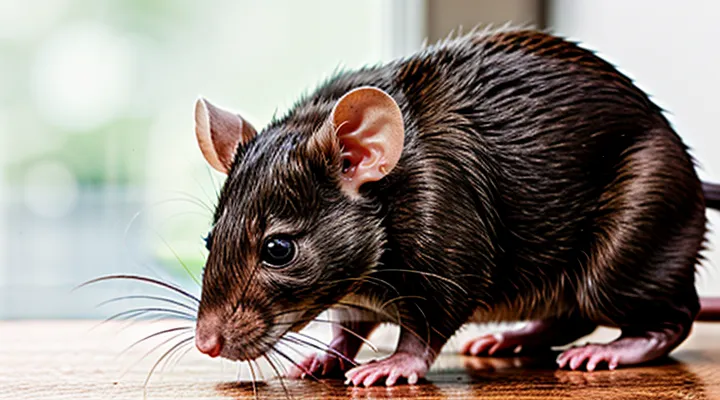
Understanding Rat Tail Hygiene
Why Tail Cleaning is Important
Cleaning a rat’s tail is essential for maintaining overall health. The tail’s skin is thin and prone to injury; accumulated debris creates an environment where bacteria and fungi thrive, leading to infections that can spread systemically. Regular cleaning removes contaminants, reduces the risk of ulceration, and supports proper circulation by preventing constrictive buildup.
Key reasons for routine tail hygiene include:
« Prevention of bacterial and fungal infections »
« Reduction of odor caused by waste and secretions »
« Early detection of injuries or lesions »
« Preservation of skin integrity and elasticity »
Neglecting tail care can result in chronic wounds, painful inflammation, and compromised mobility. By incorporating consistent cleaning into a rat’s care regimen, owners safeguard the animal’s well‑being and minimize veterinary interventions.
Common Tail Issues in Rats
«Ringtail»
The term «ringtail» describes a constriction or band formed around a rat’s tail, often caused by tight bedding, adhesive tape, or improper handling. This condition impedes blood flow, creates swelling, and increases the likelihood of infection if the tail is cleaned without addressing the restriction.
When a tail exhibits a ring, cleaning procedures must include release of the constriction before any antiseptic application. Failure to remove the band can trap contaminants, prolong tissue damage, and compromise the animal’s recovery.
Steps for safe treatment of a rat’s tail with a ring:
- Inspect the tail thoroughly to locate the exact position and severity of the ring.
- Gently loosen the constriction using a blunt instrument (e.g., a plastic spatula) or by cutting any external material with sterilized scissors.
- Rinse the tail with lukewarm saline solution to remove debris; avoid harsh soaps that may irritate the skin.
- Pat the area dry with a sterile gauze pad, ensuring no residual moisture remains.
- Apply a thin layer of veterinary‑approved antiseptic ointment; cover with a breathable, non‑adhesive dressing if needed.
- Monitor the tail daily for signs of swelling, discoloration, or discharge; repeat cleaning if contamination reappears.
Prompt removal of the ring and careful cleansing minimize tissue loss and support rapid healing.
«Dry Skin and Flaking»
Dry skin and flaking on a rat’s tail often signal dehydration, nutritional deficiency, or excessive grooming. Recognizing these signs early prevents infection and promotes overall health.
Key indicators include:
- Visible scales or patches that detach easily
- Loss of the tail’s natural glossy appearance
- Increased scratching or licking behavior
Underlying causes:
- Inadequate humidity levels in the enclosure, leading to moisture loss
- Low-fat or unbalanced diet lacking essential fatty acids
- Presence of parasites or fungal growth that irritate the skin
Preventive measures:
- Maintain ambient humidity between 50 % and 60 % to sustain skin elasticity
- Provide a diet enriched with omega‑3 fatty acids, such as small amounts of fish oil or fortified rodent feed
- Conduct weekly inspections of the tail, removing debris with a soft, damp cloth
Cleaning protocol for affected tails:
- Prepare a shallow container with warm (not hot) distilled water; add a few drops of a mild, veterinary‑approved antiseptic solution.
- Submerge the tail gently for 1–2 minutes to soften flaked skin.
- Using a soft brush or cotton swab, lightly rub the surface to dislodge loose scales, avoiding aggressive pressure that could damage delicate tissue.
- Rinse the tail with clean, lukewarm water to remove residual antiseptic.
- Pat dry with a lint‑free cloth; apply a thin layer of a veterinarian‑recommended moisturizer to restore barrier function.
If flaking persists despite these steps, consult a veterinarian to rule out chronic dermatitis or systemic illness. Prompt intervention reduces the risk of secondary infections and supports the rat’s comfort and wellbeing.
«Dirt and Debris Buildup»
Dirt and debris accumulate on a rat’s tail primarily from nesting material, food particles, and moisture‑induced grime. The keratinized skin of the tail lacks natural oil glands, so external substances remain on the surface until manually removed. Persistent buildup can obstruct blood flow, cause skin irritation, and increase the risk of infection.
Effective removal requires a method that eliminates contaminants without damaging delicate tissue. The following protocol provides a safe, step‑by‑step approach:
- Prepare a shallow container with warm (not hot) water and a few drops of mild, unscented soap.
- Submerge the tail for no longer than 30 seconds to loosen adherent material.
- Gently massage the tail with a soft, lint‑free cloth, moving from the base toward the tip.
- Rinse the tail in clean, lukewarm water to wash away soap residues.
- Pat dry with a disposable paper towel, ensuring no moisture remains in the fur.
- Inspect the tail for signs of redness, swelling, or lingering debris; repeat the process if necessary.
Regular inspection and cleaning, performed at least once weekly, prevent excessive accumulation and maintain optimal tail health.
Preparing for the Cleaning Process
Gathering Your Supplies
«Soft Cloths or Cotton Swabs»
Soft, lint‑free cloths and sterile cotton swabs provide the necessary gentleness for rat tail hygiene. Their absorbency removes debris without irritating the delicate skin, and their flexibility prevents pressure on the tail vertebrae.
- Dampen a piece of «Soft Cloths or Cotton Swabs» with warm, sterile saline solution; avoid soaps that may disrupt the tail’s natural oils.
- Gently press the moistened material against the tail, allowing fluid to loosen dirt and excess wax.
- Move the cloth or swab in a slow, linear motion from the base toward the tip, maintaining light contact.
- If residue persists, replace the swab with a fresh, clean one to prevent cross‑contamination.
- Pat the tail dry with a separate, dry lint‑free cloth; do not rub, as friction can cause micro‑abrasions.
Regular application of these steps maintains tail health, reduces risk of infection, and supports overall rodent wellbeing.
«Mild Pet Shampoo or Baby Shampoo»
«Mild Pet Shampoo or Baby Shampoo» provides a low‑pH formula that cleans without stripping the natural oils of a rat’s tail. The absence of harsh detergents reduces the risk of skin irritation and prevents damage to the delicate fur and underlying skin.
Before use, dilute the shampoo with lukewarm water to a concentration of approximately 1 % (one part shampoo to ninety‑nine parts water). Verify temperature by touching the water; it should feel comfortably warm, not hot.
Application steps:
- Place the rat on a non‑slippery surface; gently restrain the tail with a soft cloth.
- Wet the tail with the diluted solution, ensuring full coverage of the fur and skin.
- Massage the solution lightly for 10–15 seconds; avoid vigorous rubbing that could pull hair.
- Rinse thoroughly with clean lukewarm water until no suds remain.
- Pat the tail dry with a soft towel; allow complete air‑drying before handling the animal again.
Using a shampoo formulated for pets or infants eliminates the need for specialized rodent products while maintaining safety and effectiveness.
«Warm Water»
Warm water, maintained at 37 °C to 40 °C, mimics the animal’s body temperature, preventing vasoconstriction and reducing stress during cleaning. Temperatures below this range cause the blood vessels in the tail to narrow, limiting circulation and increasing the risk of tissue damage. Temperatures above 42 °C may burn delicate skin and exacerbate inflammation.
Preparation of the solution requires a clean container, a calibrated thermometer, and distilled or filtered water to avoid mineral deposits. Fill the container with the appropriate volume, measure the temperature, and adjust by adding cool or heated water until the target range is reached. Adding a mild, veterinary‑approved antiseptic at the manufacturer’s recommended concentration enhances hygiene without irritating the skin.
Application steps:
- Submerge the rat’s tail in the warm water for 30 seconds to 1 minute, ensuring full coverage but avoiding immersion of the entire body.
- Gently massage the tail with a soft, lint‑free cloth to loosen debris; avoid vigorous rubbing that could tear the fragile skin.
- Rinse the tail with fresh warm water to remove residual antiseptic, then pat dry with a clean towel.
- Inspect the tail for signs of injury or infection; seek veterinary advice if redness, swelling, or discharge persists.
Consistent use of properly heated water maintains optimal blood flow, supports tissue repair, and minimizes the likelihood of infection during routine tail maintenance.
«Small Bowl or Basin»
A small bowl or basin provides a controlled environment for washing a rat’s tail without exposing the animal to unnecessary stress. The container isolates the cleaning area, prevents water from spreading, and allows precise temperature regulation.
The vessel should measure approximately 4–6 inches in diameter and hold enough liquid to submerge the tail without covering the whole body. Stainless steel or tempered glass are preferred for their durability, resistance to corrosion, and ease of sterilization. A shallow depth reduces the risk of the rat slipping beneath the surface.
Preparation involves filling the bowl with warm water, ideally 37 °C, and adding a mild, fragrance‑free soap or isotonic saline solution. Harsh detergents, disinfectants, or alcohol‑based cleaners are unsuitable because they can irritate the delicate skin and fur.
Steps for using the bowl:
- Place the bowl on a stable, non‑slipping surface.
- Gently lower the rat’s tail into the warm solution, keeping the rest of the body dry.
- Use a soft, damp cotton swab or a tiny brush to remove debris, moving in the direction of hair growth.
- Limit immersion to 30–60 seconds to avoid prolonged exposure to moisture.
- Lift the tail, pat dry with a clean paper towel, and examine for signs of injury.
After each session, discard the used water, scrub the bowl with hot, soapy water, rinse thoroughly, and sterilize by immersing in a dilute bleach solution (1 % concentration) for a few minutes, followed by a final rinse. Store the container in a dry, dust‑free area to maintain hygiene for future use.
«Towel»
A soft, absorbent «towel» is essential for safely cleaning a «rat tail». The material should be lint‑free, preferably cotton or microfiber, to prevent fibers from entering the wound or fur.
Select a towel that is pre‑washed in hot water and detergent, then rinsed thoroughly. Avoid fabric softeners, as residues can irritate sensitive skin. A single‑use disposable paper towel may be used for the final drying step to eliminate cross‑contamination.
Before beginning, lay the clean «towel» on a flat surface. Moisten it with warm, sterile saline or a veterinarian‑approved antiseptic solution. Wring out excess liquid so the cloth is damp, not dripping.
Cleaning procedure:
- Gently hold the rat’s tail with a second clean hand, ensuring minimal pressure on the delicate vertebrae.
- Lightly press the damp «towel» against the tail, allowing the solution to soak any debris.
- Move the cloth in short, controlled strokes from the base toward the tip, avoiding vigorous rubbing that could damage the skin.
- Inspect the tail after each pass; repeat with a fresh portion of the «towel» if necessary until the area appears clear of grime.
After cleaning, pat the tail dry with a fresh, dry «towel». Do not rub; a gentle blotting motion removes moisture while preserving the integrity of the fur and skin. Dispose of any used sections of the cloth according to hygiene protocols, then launder reusable towels at a minimum of 60 °C before the next use.
«Treats for Positive Reinforcement»
Treating a rat with appropriate rewards during tail cleaning reinforces calm behavior and reduces stress. Positive reinforcement creates an association between the cleaning routine and a pleasant outcome, encouraging the animal to remain still while the tail is examined and washed.
Selecting suitable rewards requires consideration of safety, palatability, and ease of delivery. Small, low‑fat items that do not leave residue on the tail are ideal, as they prevent contamination of the cleaning solution and maintain hygiene standards.
Recommended options for «Treats for Positive Reinforcement»:
- Tiny pieces of unsalted, roasted pumpkin seed
- Minuscule bits of dried banana, softened with a drop of water
- Small fragments of high‑quality rat chow, broken into bite‑size portions
- Commercially available rat lickable gel treats formulated without added sugars
Each treat should be offered immediately after a successful cleaning interval, reinforcing the desired calm posture and facilitating future grooming sessions.
Creating a Calm Environment
A tranquil setting reduces stress for the animal and improves handling precision. Begin by selecting a quiet room, closing windows, and turning off loud appliances. Dim lighting minimizes glare, while a soft, steady background noise such as a low‑frequency hum can mask sudden sounds.
Prepare the work surface with a non‑slippery mat to prevent the rat from slipping. Place a small, warm towel nearby for quick drying after cleaning. Keep all tools—gentle soap, lukewarm water, soft cloth, and a disposable towel—within arm’s reach to avoid unnecessary movements.
Maintain a steady, gentle grip. Hold the rat’s body with a thumb and forefinger, supporting the torso while allowing the tail to rest on the mat. Speak in a low, calm voice; the sound of reassurance can further soothe the animal.
Key steps for establishing calmness:
- Eliminate visual distractions (remove toys, clutter).
- Use a temperature‑controlled environment (18‑22 °C).
- Offer a familiar scent (a drop of the rat’s bedding) on the towel.
- Limit handling time to the minimum required for cleaning.
After the tail is cleaned, reward the rat with a small treat and return it promptly to its cage to reinforce a positive association with the procedure. This approach creates a predictable, low‑stress routine that supports safe tail hygiene.
Handling Your Rat Safely
When cleaning a rat’s tail, secure the animal before beginning any procedure. Use a well‑ventilated workspace, a soft towel, and a gentle restraint method such as a breathable cloth wrap that allows the rat to remain calm while limiting sudden movements.
Key steps for safe handling include:
- Place the rat on a stable surface, covering the area with a non‑slip mat.
- Gently grasp the body behind the forelimbs, supporting the spine without applying pressure to the tail.
- Hold the tail close to the base, using the thumb and forefinger to steady it; avoid pulling or twisting.
- Keep the head elevated slightly to prevent the rat from turning its body toward the tail.
- Observe the animal’s breathing and behavior; discontinue if signs of stress appear.
After restraint, apply lukewarm water and a mild, veterinary‑approved cleanser to the tail. Rinse thoroughly, then dry with a soft, lint‑free cloth. Return the rat to its enclosure promptly, providing a calm environment and fresh water.
Regular handling practice enhances cooperation, reduces stress, and ensures that tail‑cleaning sessions remain quick and safe.
Step-by-Step Tail Cleaning Guide
Initial Assessment of the Tail
The tail must be examined before any cleaning attempt. Visual inspection reveals external damage, discoloration, swelling, or abnormal texture. Palpation determines tenderness, firmness, or hidden lesions. Presence of blood, pus, or foul odor indicates infection and necessitates veterinary intervention.
- Look for cuts, abrasions, or burns; note size and depth.
- Observe skin color; red or black areas suggest inflammation or necrosis.
- Feel for lumps or hardness; irregularities may hide abscesses.
- Check for discharge; fluid consistency and odor provide clues to infection type.
- Assess mobility; restricted movement can signal nerve or muscle injury.
If any abnormality is detected, postpone cleaning and seek professional care. Only a healthy, intact tail proceeds to the next stage of the cleaning protocol.
Gentle Washing Technique
«Wetting the Tail»
The process of «Wetting the Tail» prepares the fur and skin for safe removal of dirt and debris. Warm, not hot, liquid softens hardened material and reduces friction during subsequent cleaning.
Materials required:
- Warm water (approximately 37 °C)
- Diluted mild antiseptic solution (e.g., chlorhexidine 0.05 %)
- Soft, lint‑free cloth or gauze
- Disposable gloves
Procedure:
- Fill a shallow container with warm water, add the antiseptic solution at the recommended dilution.
- Submerge the rat’s tail for 5–10 seconds, ensuring complete coverage without immersing the body.
- Gently press the cloth against the tail, allowing moisture to penetrate the fur.
- Lift the tail and lightly squeeze to remove excess liquid, avoiding excessive force.
- Proceed with the cleaning steps, using the now‑moistened tail as a flexible surface for debris removal.
Safety considerations:
- Temperature must remain below the rat’s comfort threshold; excessive heat can cause burns.
- Exposure time should not exceed 10 seconds to prevent skin maceration.
- Monitor the animal for signs of stress; pause the process if agitation occurs.
- Dispose of used cloths and gloves according to bio‑hazard protocols.
«Applying Shampoo»
When cleaning a rat’s tail, the first step after rinsing is «Applying Shampoo». Choose a mild, pet‑safe cleanser free of fragrances and harsh chemicals. Wet the tail with lukewarm water, then dispense a few drops of shampoo onto the fur. Gently massage the lather from the base toward the tip, taking care not to pull the delicate skin.
- Rinse thoroughly with warm water to remove all suds.
- Pat the tail dry with a soft, lint‑free cloth.
- Inspect for signs of irritation before allowing the animal to move freely.
Proper «Applying Shampoo» ensures that debris and oils are broken down without damaging the tail’s sensitive tissue, supporting the animal’s overall health.
«Gently Scrubbing»
«Gently Scrubbing» provides an effective means of removing debris and mild infection from a rodent’s tail without causing tissue damage. The technique relies on low‑abrasion tools, lukewarm water, and a brief, controlled motion.
Preparation requires a soft, non‑abrasive brush (such as a baby‑hair brush), a shallow container of water at approximately 37 °C, and a mild, veterinary‑approved antiseptic solution. Ensure the rat is restrained gently but securely to prevent sudden movements.
- Immerse the tail tip in the lukewarm water for 10–15 seconds to soften crusts.
- Apply a few drops of antiseptic to the brush.
- Using light pressure, move the brush in short, forward strokes along the length of the tail.
- Rinse the tail with clean water to remove residual solution.
- Pat dry with a sterile gauze pad; avoid rubbing.
After the procedure, observe the tail for signs of swelling or discoloration. If any abnormality appears, consult a veterinarian promptly. Regular application of the described method maintains tail health and reduces the risk of severe irritation.
Rinsing Thoroughly
Rinsing the tail must remove debris and disinfectant residue without causing tissue damage. Use lukewarm water (approximately 37 °C) to maintain vascular integrity while facilitating particle suspension. Direct a gentle stream from a syringe or a low‑pressure faucet, keeping the nozzle at least 5 cm from the skin to avoid mechanical stress.
Key points for effective rinsing:
- Apply water in a continuous, low‑velocity flow for 30–45 seconds per side of the tail.
- Tilt the tail slightly downward to allow gravity‑assisted drainage, preventing fluid accumulation.
- Incorporate a mild saline solution (0.9 % NaCl) if the cleaning agent was oil‑based; this promotes osmotic balance and reduces irritation.
- Observe the tail during the process; stop immediately if bleeding or swelling appears.
After the rinse, pat the area gently with a sterile, lint‑free cloth. Ensure the tail is dry before proceeding to any further treatment or observation. This method minimizes infection risk and preserves the animal’s comfort.
Drying the Tail Properly
Dry the tail promptly after cleaning to prevent moisture‑related irritation. Use a clean, lint‑free cloth or paper towel to absorb excess liquid. Apply gentle pressure; avoid rubbing, which can damage delicate skin.
Recommended drying methods:
- Air exposure: Hold the tail in a well‑ventilated area for 2–3 minutes. Position the animal so the tail hangs freely, allowing natural airflow.
- Low‑heat blower: Set a hair dryer to the cool or lowest warm setting. Keep the nozzle at least 15 cm from the tail and move it continuously to avoid localized heating.
- Absorbent pad: Place the tail on a sterile, dry gauze pad for several minutes. Replace the pad if it becomes damp.
After drying, inspect the tail for residual wetness. If any moisture remains, repeat the chosen method until the surface feels dry to the touch. Ensure the environment remains free of drafts that could cause sudden temperature changes, which may stress the animal.
Post-Cleaning Care and Maintenance
Inspecting for Irritation
Before any cleaning attempt, examine the tail for signs of irritation. Visual assessment prevents unnecessary trauma and guides appropriate treatment.
Typical indicators include:
- Redness or discoloration of the skin
- Swelling or lump formation
- Crusting, scab, or discharge
- Excessive scratching or grooming behavior
If any of these symptoms are present, pause the cleaning process. Consult a veterinarian or apply a mild antiseptic solution before proceeding.
When the tail appears normal, follow these steps:
- Gently part the fur using a soft brush or fingertip.
- Inspect the skin surface for micro‑abrasions or hidden debris.
- Use a damp, lint‑free cloth moistened with warm water to wipe the tail, avoiding vigorous rubbing.
- Pat the area dry with a clean towel; do not let moisture linger.
Regular inspection, performed daily or before each cleaning session, ensures the tail remains healthy and reduces the risk of infection.
Moisturizing the Tail (if necessary)
Moisturizing the tail becomes relevant when the skin appears dry, flaking, or shows signs of cracking after cleaning. Excessive dryness can lead to irritation and impede healing, so applying a suitable emollient helps maintain flexibility and protect the delicate epidermis.
Select a product specifically formulated for small mammals or laboratory rodents. Preferred characteristics include: non‑toxic ingredients, absence of strong fragrances or essential oils, and a water‑based or silicone‑based composition that does not leave a greasy residue. Veterinary‑approved ointments such as lanolin‑free petroleum jelly or a hyaluronic acid gel are appropriate choices.
Application procedure:
- Ensure the tail is completely dry following the cleaning process; gently pat with a clean, lint‑free cloth.
- Dispense a thin layer of the chosen moisturizer onto a sterile cotton swab or fingertip.
- Spread the emollient evenly along the entire length of the tail, focusing on areas where the skin looks compromised.
- Allow the product to absorb for a few minutes before the rat resumes normal activity; avoid excessive rubbing that could cause mechanical damage.
- Reassess the tail condition daily; repeat moisturizing only when dryness reappears or as advised by a veterinarian.
Frequency of Cleaning
Regular cleaning of a rat’s tail prevents bacterial growth and skin irritation. The tail’s thin epidermis requires gentle handling; harsh detergents or excessive moisture can damage tissue.
Recommended cleaning intervals:
- Visual inspection each morning.
- Clean only when visible debris, urine, or feces is present.
- Apply a light, damp cloth to remove residue; avoid soaking.
- Perform a thorough wipe after any exposure to unsanitary environments, such as bedding changes or cage cleaning.
- Conduct a brief, gentle rinse once per week if the tail remains clean, to maintain hygiene without over‑wetting.
Signs that demand increased frequency include redness, swelling, or a foul odor. Immediate cleaning and veterinary consultation are advised when these symptoms appear.
Consistent, moderate cleaning supports healthy tail skin while minimizing stress on the animal.
When to Consult a Veterinarian
When a rat’s tail shows signs of injury or infection, professional veterinary assessment is essential. Persistent redness, swelling, or discharge indicates that home cleaning may be insufficient and could exacerbate underlying problems. If the tail appears bruised, ulcerated, or exhibits abnormal coloration, immediate consultation prevents complications such as tissue necrosis.
Typical indicators for seeking veterinary care include:
- Continuous bleeding that does not stop after gentle pressure
- Severe pain response when the tail is touched
- Presence of foul odor or pus
- Loss of tail flexibility or sudden detachment
- Fever, lethargy, or loss of appetite accompanying tail abnormalities
Prompt veterinary intervention ensures appropriate treatment, reduces the risk of systemic infection, and supports the rat’s overall health.