
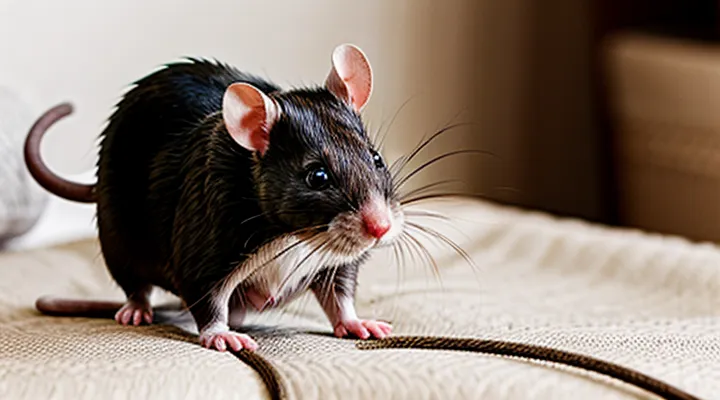
Understanding Rat Sex Differences
Physical Characteristics
«Male Rat Anatomy»
Male rats possess distinct anatomical features that allow reliable identification of sex before acquisition. The most evident external characteristic is the presence of a scrotum, a sacular structure located posterior to the ventral abdomen. The scrotum contains two testicles, typically visible as small, rounded masses beneath the skin. In mature males, the testicles may be firm and darkened, while in juveniles they appear lighter and softer.
A second reliable marker is the anogenital distance—the space between the anus and the genital opening. Males exhibit a longer gap than females, often measurable with a ruler or by visual comparison. The genital papilla, a small protrusion surrounding the urethral opening, is also more pronounced in males.
Internal reproductive anatomy includes paired testes, epididymides, vas deferens, seminal vesicles, and a prostate gland. These organs are not observable without dissection, but their presence correlates with the external markers described above. The penile structure, concealed within the prepuce, becomes evident only during sexual maturity or when the animal is handled vigorously.
Key points for sex determination:
- Visible scrotal sac with two testicles.
- Extended anogenital distance relative to body size.
- Prominent genital papilla around the urethral opening.
- Absence of a visible mammary chain, which is typical in females.
Accurate assessment of these traits before purchase ensures the desired gender of the future pet rat.
«Female Rat Anatomy»
Understanding the anatomy of a female rat provides essential data for anyone planning to acquire a pet rat of a specific sex. Recognizing definitive physical and physiological traits eliminates uncertainty during selection and supports responsible breeding practices.
External markers distinguish females from males. Adult females possess a pair of prominent nipples along the ventral line, typically visible from the lower abdomen to the thorax. The anogenital opening is situated closer to the tail base, and the distance between the anus and genital papilla (anogenital distance) is shorter than in males. Mammary glands are more developed, and the genital papilla presents a rounded shape without the pronounced scrotal bulge seen in males.
Internal reproductive structures consist of bilateral ovaries attached to the dorsal abdominal wall, a bicornuate uterus extending caudally, and paired oviducts (fallopian tubes) connecting the ovaries to the uterine horns. The cervix leads to a short vaginal canal terminating at the external genital opening. These organs are encapsulated by peritoneal folds that facilitate rapid expansion during gestation.
The estrous cycle spans approximately four days, divided into proestrus, estrus, metestrus, and diestrus. During estrus, females exhibit swelling of the vulvar region and may display increased vocalization. Hormonal fluctuations cause transient changes in body temperature and appetite, offering observable cues for potential mating readiness.
Health considerations linked to female anatomy include a heightened incidence of uterine neoplasms in older rats and the risk of dystocia during late gestation. Regular palpation of the abdomen, monitoring of nipple development, and timely veterinary examinations mitigate these concerns.
Key anatomical identifiers for rapid assessment:
- Visible nipples along the ventral surface
- Short anogenital distance
- Rounded genital papilla without scrotal tissue
- Absence of testes or scrotal sac
Accurate interpretation of these characteristics enables precise sex determination, ensuring that future rat owners can align their choice with personal preferences or breeding objectives.
Behavioral Differences
«Social Dynamics in Males»
When selecting a pet rat’s gender, understanding male social behavior is essential for preventing aggression and ensuring a harmonious enclosure. Male rats establish hierarchies through scent marking, vocalizations, and brief physical contests. Dominance is typically asserted by the most assertive individual, who gains priority access to food and preferred nesting spots.
Key characteristics of male interactions:
- Territorial marking: Urine and glandular secretions define personal space; frequent cleaning reduces scent accumulation that can trigger disputes.
- Play fighting: Short, non‑lethal bouts serve to negotiate rank; prolonged or intense aggression indicates incompatible personalities.
- Group size: Cohorts of two to three males usually maintain stability; larger groups increase the likelihood of chronic fighting.
If a single male is intended, provide ample enrichment—tunnels, chew toys, and climbing structures—to channel natural exploratory behavior and reduce stress. For multiple males, introduce them gradually in a neutral environment, monitor for escalated aggression, and be prepared to separate individuals that consistently dominate or display persistent hostility.
Choosing a male rat therefore requires attention to hierarchy formation, environmental management, and the capacity to intervene should social tension arise. These considerations directly impact the health and well‑being of the pet.
«Social Dynamics in Females»
Female rats establish a clear dominance hierarchy that influences access to resources, grooming opportunities, and mating prospects. The alpha female typically controls food distribution and selects preferred nesting sites, while subordinate individuals adjust their activity patterns to avoid confrontation. This structure stabilizes group cohesion but can generate acute aggression during hierarchy re‑formation, especially after the introduction of new females or the removal of the dominant individual.
Social bonding among female rats relies on reciprocal allogrooming and shared nest construction. Consistent grooming exchanges reinforce trust and reduce stress hormones, leading to higher offspring survival rates. When selecting a pet rat, consider a female that demonstrates frequent grooming of cage mates, as this behavior predicts a cooperative temperament and willingness to engage with human handlers.
Key behavioral indicators for evaluating prospective female rats:
- Regular participation in communal nesting activities.
- Prompt initiation of allogrooming with both conspecifics and humans.
- Low incidence of escalated fighting during cage rearrangements.
- Stable position within the hierarchy without frequent challenges.
Choosing a female rat that exhibits these traits increases the likelihood of a calm, sociable companion. The presence of a well‑integrated female can also simplify the management of mixed‑sex groups, as established hierarchies reduce the risk of unwanted breeding and territorial disputes.
«Play Behavior and Activity Levels»
When evaluating a prospective rat’s sex, observe its play style and activity profile. Males typically display more vigorous, competitive play, including frequent chasing, mock wrestling, and higher-speed darting across the cage. Females often engage in quieter, exploratory play, focusing on object manipulation and sustained interaction with toys.
Key behavioral indicators include:
- Frequency of aggressive mock fights – higher in males.
- Duration of solitary exploration – longer in females.
- Preference for climbing structures versus ground-level tunnels – males favor vertical challenges; females favor enclosed pathways.
- Responsiveness to novel objects – both sexes show curiosity, but males react with rapid bursts of movement, while females exhibit methodical investigation.
These patterns help predict compatibility with household dynamics. A household seeking high-energy interaction may favor a male, whereas a setting that values steady, less disruptive activity may benefit from a female. Incorporating these observations into the selection process ensures alignment between the rat’s innate behavior and the owner’s expectations.
Factors Influencing Pet Rat Sex Choice
Lifestyle Considerations
«Space Requirements»
When planning a rat companion, the amount of space allocated to the animal directly influences health, behavior, and breeding outcomes. A single adult rat requires a minimum of 2 square feet of floor area, but providing 4 square feet per individual reduces stress and encourages natural activity. Larger enclosures facilitate separate zones for feeding, nesting, and exploration, which become especially critical when housing opposite‑sex pairs.
Males typically exhibit higher levels of activity and territorial marking; therefore, a cage with vertical climbing structures and multiple levels prevents dominance disputes. Females benefit from nesting material and secluded corners to support reproductive cycles. Allocating distinct sections for each sex within a shared environment minimizes unwanted breeding while allowing visual contact.
If the goal includes future breeding, maintain at least 6 square feet per breeding pair. This space accommodates the increased demand for nesting material, additional litter, and the need for both rats to move freely during gestation and after birth. Overcrowding elevates aggression and can compromise litter survival.
Key spatial guidelines:
- Minimum floor space: 2 sq ft per rat; 4 sq ft per rat for optimal welfare.
- Height: 12–18 inches to support climbing platforms.
- Separate zones: feeding, nesting, enrichment, and waste.
- For breeding pairs: at least 6 sq ft total, with extra nesting area.
Adhering to these dimensions ensures that the chosen gender of the future rat pet thrives in a safe, comfortable environment.
«Time Commitment»
Choosing the sex of a future rat pet directly affects the daily and weekly time you must allocate to its care. Male and female rats display distinct grooming habits, health concerns, and social behaviors that translate into measurable differences in routine maintenance.
Male rats typically require:
- Daily handling sessions of 5–10 minutes to prevent territorial aggression.
- Weekly health checks focused on urinary tract inspection, as males are prone to blockages.
- Additional time for scent‑marking management, including cleaning of marked surfaces.
Female rats generally need:
- Daily interaction of 5–8 minutes to encourage nesting behavior.
- Bi‑weekly reproductive health assessments, especially if estrous cycles are observed.
- Slightly longer cleaning intervals for nesting material, which females tend to rearrange frequently.
Overall time commitment estimates:
- Feeding and water replenishment: 2–3 minutes per day for either sex.
- Cage cleaning: 15 minutes weekly for males; 20 minutes weekly for females due to denser bedding usage.
- Social enrichment (toys, tunnels, rotation of objects): 10 minutes weekly for both, with occasional extra sessions for females during estrus to reduce stress.
Long‑term considerations include the lifespan of 2–3 years, during which health monitoring intensifies. Males may need more frequent veterinary visits for urinary issues, while females may require additional observation during breeding periods. Allocating the outlined time blocks ensures consistent welfare regardless of the chosen sex.
«Other Pets in the Household»
When a household already contains other animals, the gender of a prospective rat companion must be evaluated against the existing pet dynamic. Compatibility between species, as well as intra‑species interactions, determines the suitability of a male or female rat.
-
Mixed‑species environments:
• Cats and dogs that chase small rodents can stress a new rat regardless of its sex; securing a secure cage mitigates risk.
• Birds that share the same space may become territorial; a female rat typically exhibits less aggressive territorial marking than a male, reducing potential conflicts. -
Existing rodent residents:
• Co‑housing a lone male rat with a new male often results in fighting; introducing a female reduces aggression and promotes stable hierarchy.
• Pairing a single female with another female can lead to social bonding, but competition for resources may increase; providing multiple feeding stations prevents scarcity‑driven tension. -
Hormonal influences on behavior:
• Male rats release stronger scent markers, which can provoke heightened alertness in predatory pets such as cats.
• Female rats emit milder odors, diminishing the likelihood of triggering predatory responses. -
Breeding considerations:
• If other rats are present and breeding is undesirable, selecting a neutered male or a spayed female eliminates accidental litters.
• When breeding is intended, a single intact male with multiple receptive females maximizes reproductive efficiency without overcrowding the enclosure. -
Health monitoring:
• Different sexes may display distinct disease susceptibility; male rats are more prone to respiratory issues linked to aggressive grooming, whereas females show higher incidence of urinary tract infections. Aligning the new rat’s sex with the health profile of existing pets simplifies veterinary oversight.
In summary, the decision on rat gender must reflect species‑specific predator‑prey dynamics, the sex composition of current rodent inhabitants, hormonal impact on inter‑species interactions, breeding goals, and health management requirements.
Personality Preferences
«Desired Temperament»
When deciding the gender of a prospective rat companion, temperament should guide the choice. Male rats (bucks) often display higher confidence, increased willingness to explore unfamiliar environments, and a tendency toward assertive interaction with humans. Female rats (does) typically exhibit calmer behavior, a stronger affinity for routine, and a more nurturing response to handling.
Key temperament considerations include:
- Activity level – Males usually maintain higher energy, suitable for owners seeking dynamic play; females generally prefer steadier pacing.
- Social tolerance – Both sexes can be sociable, yet females may demonstrate greater patience with multiple companions, reducing aggression in group settings.
- Handling response – Males often accept frequent, vigorous handling without stress; females may require gentler, consistent contact to build trust.
- Problem‑solving drive – Males tend to engage more readily with puzzles and enrichment devices; females may approach challenges methodically, favoring deliberate investigation.
Assessing temperament before acquisition involves observing the rat’s behavior in a neutral cage, noting reactions to gentle touch, and measuring willingness to explore new objects. Preference for a particular temperament should align with the owner’s lifestyle, interaction style, and expectations for the pet’s daily activity. Selecting the appropriate gender based on these traits enhances compatibility and promotes a harmonious pet‑owner relationship.
«Bite Tendencies»
When evaluating potential rat companions, bite tendencies provide a reliable indicator of temperament and suitability for a household. Male rats often display more pronounced territorial aggression, especially during adolescence, which may manifest as brief nips when their space is encroached upon. Female rats typically exhibit lower levels of defensive biting, focusing aggression on unfamiliar males rather than humans. Understanding these patterns helps prospective owners align pet selection with their tolerance for occasional nipping.
Key observations for assessing bite behavior:
- Age factor – Juvenile rats rarely bite; aggression increases at puberty, with males peaking earlier.
- Social environment – Rats raised in groups develop reduced bite reflexes; isolated individuals, regardless of sex, may bite more frequently.
- Handling frequency – Regular gentle handling diminishes defensive bites in both sexes, though males often require longer habituation periods.
- Health status – Pain or illness can trigger sudden biting; routine veterinary checks are essential to prevent misattributing health‑related aggression to gender.
If a household prefers minimal defensive biting, females generally present a lower risk profile. Conversely, owners willing to invest time in extensive socialization may accept the higher bite propensity of males in exchange for their typically larger size and robust scent marking, which can aid in territorial clarity. Selecting the appropriate sex therefore hinges on the owner’s capacity to manage expected bite tendencies through environment, handling, and health monitoring.
«Training Potential»
When selecting the sex of a prospective rat companion, consider how gender influences the animal’s capacity for training. Male rats often display higher levels of curiosity and willingness to explore novel tasks, which can accelerate the acquisition of new behaviors. Female rats may exhibit more consistent focus during repetitive exercises, leading to reliable performance in routine commands.
Key factors affecting training potential include:
- Motivation drivers: Food rewards tend to be equally effective for both sexes, but social reinforcement (e.g., interaction with the owner) may vary; males usually respond more to play, while females may prefer calm, consistent attention.
- Stress tolerance: Females generally show lower cortisol spikes during unfamiliar training environments, reducing the likelihood of regression under pressure.
- Learning speed: Studies indicate males complete initial obstacle‑negotiation tasks 10‑15 % faster, whereas females maintain higher accuracy over extended sessions.
Practical guidance:
- Assess the intended training goals (tricks, agility, obedience). Choose males for rapid skill acquisition, females for sustained precision.
- Implement a balanced reward system that aligns with the chosen sex’s motivational profile.
- Monitor stress indicators (e.g., grooming, vocalizations) and adjust session length accordingly.
By aligning the rat’s sex with these training characteristics, owners can optimize learning outcomes and foster a well‑behaved pet.
Health and Longevity
«Common Male Rat Health Issues»
Male rats present several health conditions that influence the decision to acquire a male pet. Understanding these problems helps prospective owners evaluate whether a male fits their care capacity.
- Respiratory infections such as Mycoplasma pulmonis and Sendai virus; symptoms include sneezing, nasal discharge, and labored breathing.
- Testicular tumors, particularly Leydig cell adenomas; palpable masses may develop in the scrotum, potentially leading to reduced fertility.
- Urinary tract blockages caused by prostate enlargement or urethral debris; signs include frequent attempts to urinate and blood in the urine.
- Aggressive behavior linked to hormonal fluctuations; biting, mounting, and territorial marking may increase stress for both animal and caretaker.
- Dental overgrowth, especially on the incisor roots; excessive wear can result in malocclusion, weight loss, and facial deformities.
Regular veterinary examinations, prompt isolation of symptomatic individuals, and a diet rich in fiber reduce the incidence of respiratory and dental disorders. Monitoring scrotal health through weekly palpation enables early detection of tumors. Maintaining a clean, low‑stress environment mitigates aggression and urinary complications. These preventive measures are essential for responsible ownership of a male rat.
«Common Female Rat Health Issues»
Female rats face several health conditions that influence the decision to acquire a female specimen. Uterine neoplasms are prevalent in middle‑aged and older individuals; symptoms include abdominal distension, weight loss, and occasional bleeding. Early detection requires palpation and imaging, while treatment options range from surgical removal to palliative care.
Mammary gland tumors rank among the most common neoplastic disorders. They appear as palpable masses, often unilateral, and may metastasize to lungs and lymph nodes. Regular examination of the thoracic area and prompt veterinary consultation improve outcomes.
Reproductive tract infections, such as metritis and pyometra, develop during estrus cycles. Clinical signs comprise lethargy, reduced appetite, and purulent vaginal discharge. Antibiotic therapy combined with supportive care resolves uncomplicated cases; severe infections may necessitate ovariohysterectomy.
Pregnancy complications include dystocia, fetal resorption, and maternal hemorrhage. Monitoring gestation length, nesting behavior, and weight gain helps identify problems early. Veterinary intervention during labor reduces mortality for both dam and offspring.
Dental malocclusion, though not sex‑specific, often presents more frequently in females due to hormonal influences on growth. Overgrown incisors cause difficulty eating, drooling, and facial deformities. Regular trimming prevents progressive damage.
Vaccination‑preventable diseases, such as Mycoplasma pulmonis infection, affect respiratory health. Persistent sneezing, nasal discharge, and labored breathing indicate infection; antibiotic regimens and environmental sanitation mitigate spread.
By recognizing these conditions, prospective owners can assess the long‑term care requirements associated with female rats and make informed choices regarding pet selection.
«Lifespan Expectations»
When deciding on the gender of a prospective pet rat, lifespan projections should inform the choice. Male rats typically live 2–3 years, while females often reach 3–4 years under optimal conditions. The difference stems from hormonal influences, reproductive stress, and susceptibility to certain diseases.
Key factors that modify these averages:
- Genetics: Inbred lines may exhibit shorter lifespans regardless of sex. Outbred stock tends to be more robust.
- Nutrition: Balanced diets rich in protein, fiber, and essential vitamins extend longevity for both sexes.
- Environment: Clean cages, stable temperature (20‑24 °C), and low stress levels reduce mortality risk.
- Health care: Regular veterinary checks, prompt treatment of respiratory infections, and parasite control improve survival odds.
Selecting a female may offer a modest lifespan advantage, but the gap narrows when owners provide optimal husbandry. Conversely, males can be viable long‑term companions if health monitoring is rigorous. Ultimately, lifespan expectations should be weighed alongside temperament, breeding plans, and personal preferences.
Ethical Considerations and Adoption
«Ethical Breeding Practices»
Ethical breeding practices for selecting the sex of a future rat companion require adherence to standards that protect animal welfare, maintain genetic health, and provide transparent information to prospective owners.
- Choose reputable breeders who demonstrate a documented commitment to humane handling, proper housing, and regular veterinary oversight.
- Require evidence of genetic screening to avoid propagating hereditary disorders that could be amplified by sex‑biased selection.
- Insist on breeding pairs that have undergone health assessments, with records of vaccinations, parasite control, and temperament evaluations.
- Verify that breeding strategies, such as timed mating or hormonal monitoring, are performed without invasive procedures or excessive stress to the animals.
Health outcomes depend on balanced sex ratios within breeding colonies; extreme skewing can increase aggression, reduce social stability, and impair reproductive success. Maintaining a natural distribution mitigates these risks while still allowing owners to obtain a rat of the desired gender.
Transparent record‑keeping supports ethical decision‑making. Breeders should supply litter reports that include dates of birth, sex, health status, and lineage. Prospective owners benefit from clear documentation, enabling informed choices and fostering responsible pet ownership.
«Adopting from a Shelter or Rescue»
Adopting a rat from a shelter or rescue provides direct access to the animal’s sex, allowing you to match your preference without speculation. Shelters typically record each rat’s gender on intake forms, and staff can confirm the information during the inquiry process.
Male and female rats are usually available in comparable numbers, but supply fluctuates with intake cycles. When contacting a facility, request a list of currently housed rats that includes sex, age, and health status. Verify that the listed gender aligns with the animal’s physical characteristics, as shelters often perform a visual check before finalizing records.
Adoption from a reputable rescue offers additional advantages: health screenings, vaccinations, and behavioral assessments are commonly documented. These records help you evaluate whether the rat’s temperament suits your living situation and reduce the risk of unforeseen medical expenses.
Practical steps for securing a rat of the desired sex:
- Identify local shelters, rescues, or rat‑specific adoption groups.
- Inquire about available rats, specifying gender as a priority.
- Request health and behavior documentation for each candidate.
- Arrange a brief meeting to observe the rat and confirm its sex.
- Complete the adoption paperwork, paying any required fees and acknowledging the shelter’s care guidelines.
By following this procedure, you obtain a rat whose gender matches your plan while benefiting from the shelter’s pre‑adoption safeguards.
«Responsible Pet Ownership»
Choosing the gender of an upcoming rat companion influences housing, social dynamics, and health monitoring. Responsible ownership begins with understanding how sex affects these factors and planning accordingly.
Key responsibilities include:
- Providing a habitat sized for the chosen sex’s typical activity level and social needs.
- Monitoring health indicators specific to males or females, such as urinary tract issues in females or scent-marking behavior in males.
- Ensuring diet meets the metabolic requirements of the selected gender, adjusting portions if hormonal differences affect weight.
- Maintaining a schedule for veterinary care that addresses sex‑related conditions, including reproductive health checks when breeding is not intended.
- Implementing enrichment that accommodates behavioral tendencies; for instance, offering additional climbing structures for males prone to territorial displays.
Adhering to these practices guarantees the rat’s welfare, minimizes stress, and supports a stable, humane relationship between owner and pet.