
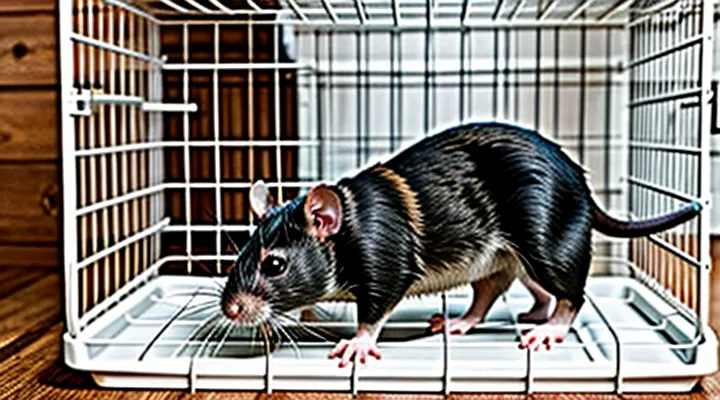
Why Cage Size Matters
Space for Exercise and Enrichment
Adequate space directly influences a rat’s physical health and mental stimulation. A cage that provides sufficient floor area allows natural foraging, climbing, and running behaviors, reducing the risk of obesity, musculoskeletal problems, and stress‑induced aggression.
- Minimum floor space: at least 2 sq ft (0.19 m²) per adult rat; larger for groups.
- Height: 12–18 in (30–45 cm) to accommodate multi‑level platforms and tubes.
- Horizontal layout: open floor plan without excessive barriers; permits unobstructed movement.
- Enrichment zones: separate areas for nesting material, chew toys, and climbing structures.
- Modular accessories: removable ramps, ladders, and hammocks that can be reconfigured as the colony grows.
When evaluating a cage, measure the interior dimensions and compare them to the guidelines above. Verify that the design allows the installation of at least two vertical levels without compromising floor space. Ensure that the material is sturdy, easy to clean, and compatible with a variety of enrichment items.
Regularly assess the arrangement: observe whether rats use all available zones, whether climbing structures remain stable, and whether the environment encourages exploration. Adjust platform placement or add new toys if certain areas are underutilized. This ongoing refinement maintains optimal exercise opportunities and sustained enrichment throughout the rats’ lifespan.
Preventing Stress and Boredom
Choosing a cage that minimizes stress and prevents boredom is essential for healthy rats. The enclosure must provide sufficient room for movement, exploration, and social interaction; cramped spaces increase cortisol levels and trigger repetitive behaviors.
Adequate dimensions are a baseline requirement. A minimum floor area of 2 sq ft per adult rat, with at least 12 inches of vertical clearance, allows climbing and nesting. Multi‑level designs expand usable space without enlarging the footprint, but each level must include secure ramps and solid flooring to avoid falls.
Enrichment items sustain mental stimulation and reduce stereotypies. Effective options include:
- Solid‑core chew blocks for dental health and tactile engagement.
- PVC or acrylic tunnels that mimic burrows and encourage exploration.
- Hanging hammocks or platforms that create varied perch heights.
- Foraging puzzles that hide treats, prompting natural food‑search behavior.
The cage should support a stable social environment. Rats are highly gregarious; housing compatible individuals together reduces isolation stress. Provide multiple nesting zones and separate feeding stations to prevent competition.
Environmental consistency further curtails anxiety. Maintain a temperature range of 68–74 °F, a 12‑hour light/dark cycle, and low ambient noise. Schedule cleaning at regular intervals, removing waste without disrupting the rats’ established scent marks, which serve as social cues.
By integrating generous space, diverse enrichment, appropriate companionship, and stable conditions, the enclosure becomes a catalyst for well‑being rather than a source of chronic stress.
Key Considerations When Selecting a Rat Cage
Selecting an appropriate cage for rats requires attention to several practical factors.
- Minimum floor area: at least 2 sq ft per pair of adult rats; larger space supports natural behaviors and reduces stress.
- Height: sufficient clearance for climbing; a minimum of 12 inches encourages vertical activity.
- Material durability: stainless steel or heavy‑gauge wire prevents gnawing damage and resists corrosion; avoid thin plastic that can be chewed through.
- Bar spacing: no more than ½ inch to prevent escape and limit injury.
- Ventilation: ample airflow through open sides or mesh panels maintains air quality; sealed enclosures increase humidity and odor.
- Secure locking mechanisms: latch designs must withstand persistent chewing and tampering.
- Accessibility for cleaning: removable trays, hinged doors, or modular panels simplify waste removal and disinfectant application.
- Enrichment compatibility: cage dimensions should accommodate wheels, tunnels, hammocks, and hideouts without overcrowding.
- Placement considerations: locate away from direct sunlight, drafts, and loud appliances; stable surfaces prevent tipping.
- Cost versus longevity: evaluate initial expense against expected lifespan and maintenance requirements; higher‑quality cages often reduce long‑term replacement costs.
Addressing each element ensures a safe, hygienic, and stimulating environment that supports rat health and wellbeing.
Cage Dimensions and Bar Spacing
Minimum Size Requirements
Rats need ample floor space to move, explore, and exhibit natural behaviors. A cage that fails to meet minimum dimensions restricts activity, increases stress, and can lead to health problems.
- Minimum floor area: 2 sq ft (≈0.19 m²) per pair of adult rats.
- Minimum height: 12 in (30 cm) to allow vertical climbing and nesting.
- Minimum length for a single rat: 18 in (45 cm); for a pair, 24 in (60 cm) or more.
- Minimum width: 12 in (30 cm) for a pair; larger dimensions improve comfort.
- Bar spacing: no more than ½ in (12 mm) to prevent escape and injury.
Cages that exceed these thresholds provide additional benefits, such as space for enrichment items, multiple levels, and separate zones for feeding and sleeping. Selecting a cage that meets or surpasses the listed requirements ensures a healthy, active environment for pet rats.
Safe Bar Spacing for Adults and Pups
Safe cage design begins with appropriate bar spacing, because rats can squeeze through gaps that are too wide. Adult rats typically require a maximum opening of ¼ inch (approximately 6 mm). Anything larger allows an adult to slip its head and body through, leading to escape or injury. For young pups, the limit is lower; a spacing of ⅛ inch (about 3 mm) prevents them from becoming trapped between bars while still permitting adequate ventilation.
When evaluating a cage, follow these steps:
- Measure the distance between adjacent bars with a ruler or caliper.
- Verify that the measurement does not exceed ¼ inch for adults.
- Confirm that the same spacing is no more than ⅛ inch if the cage will house neonates or weaning pups.
- Check that the manufacturer’s specifications list the exact bar spacing; if not, contact the supplier for clarification.
- Inspect the cage periodically for wear, deformation, or loose bars that could increase the gap over time.
Choosing a cage with the correct bar spacing eliminates two common hazards: accidental entrapment of pups and unintended escape of mature rats. Selecting a model that meets the 6 mm (adult) and 3 mm (pup) criteria ensures a secure environment without compromising airflow or enrichment opportunities.
Cage Materials
Wire Cages: Pros and Cons
Wire cages are a common option for housing rats because they provide clear visibility, structural durability, and easy cleaning. The mesh design allows ventilation that helps maintain a dry environment, reducing the risk of respiratory problems. The open construction also enables quick inspection of the animals and their bedding, facilitating health monitoring without disturbing the occupants.
Advantages
- Strong metal framework resists chewing and deformation.
- Mesh panels prevent waste buildup on the surface, simplifying spot cleaning.
- Transparent view supports behavioral observation and enrichment placement.
- Modular components allow reconfiguration to match changing space constraints.
Disadvantages
- Small mesh openings can trap loose bedding, requiring regular removal.
- Metal bars may become hot or cold, influencing cage temperature in extreme climates.
- Limited privacy; rats may feel exposed, potentially increasing stress.
- Some designs lack sufficient floor space, which can impede natural movement and exercise.
Plastic Cages: Considerations
Plastic cages present a practical option for housing rats, provided several key factors are evaluated before purchase.
-
Material safety: Choose cages made from food‑grade, BPA‑free plastic to prevent toxic leaching. Verify that the polymer does not emit strong odors or release chemicals when heated.
-
Ventilation: Ensure the cage includes a sufficient number of perforated panels or mesh windows. Adequate airflow reduces humidity, limits ammonia buildup, and supports respiratory health.
-
Dimensions: Minimum floor space should exceed 2 sq ft per rat, with a height of at least 12 in. Larger enclosures allow climbing structures and nesting material without overcrowding.
-
Ease of cleaning: Look for smooth interior surfaces, removable trays, and snap‑fit doors. These features shorten cleaning cycles and prevent debris accumulation.
-
Durability: Assess wall thickness and joint reinforcement. Robust construction resists chewing and prevents cracks that could become escape routes.
-
Cost versus lifespan: Compare upfront price with expected durability. Higher‑quality plastics often justify a higher initial expense by lasting several years under regular use.
-
Compatibility with accessories: Verify that water bottles, feeding stations, and enrichment items can be securely attached without drilling or permanent modifications.
-
UV resistance: If the cage will be placed near windows or under artificial lighting, select UV‑stabilized plastic to avoid brittleness over time.
-
Escape prevention: Inspect seams, latches, and hinges for tight closure. Any gaps larger than 1 mm may allow a determined rat to slip through.
By systematically reviewing these considerations, owners can select a plastic cage that balances safety, functionality, and longevity for their rodents.
Avoiding Galvanized Wire
When selecting a suitable rat enclosure, the material of the bars demands careful scrutiny. Galvanized wire, despite its popularity, introduces several hazards that compromise animal welfare and owner safety.
- Zinc coating can corrode over time, releasing particles that rats may ingest or inhale, leading to gastrointestinal irritation and respiratory distress.
- The coating may flake, creating sharp edges that increase the risk of skin injuries.
- Galvanized surfaces are prone to rust in humid environments, accelerating degradation and creating unsanitary conditions.
- Cleaning agents used on zinc‑coated wire can react chemically, producing toxic residues that linger in the cage.
Alternative materials provide more reliable performance. Stainless steel offers corrosion resistance, structural strength, and ease of sterilization. Powder‑coated or anodized aluminum presents a smooth, non‑reactive surface while maintaining durability. Untreated hardwood or acrylic panels can replace metal bars in sections where ventilation is not critical, reducing exposure to metal contaminants.
To verify the suitability of a cage, examine product specifications for the following criteria:
- Material composition: explicitly state stainless steel or another non‑galvanized alloy.
- Coating durability: indicate resistance to rust and wear under typical cleaning cycles.
- Manufacturer testing: provide evidence of safety assessments for rodent exposure.
- Maintenance guidelines: outline cleaning procedures that do not compromise material integrity.
By eliminating galvanized wire from the enclosure design, owners protect rats from toxic exposure, ensure a cleaner habitat, and extend the lifespan of the cage. Selecting cages built from corrosion‑free metals or safe alternative materials aligns with best practices for rodent husbandry.
Cage Features and Accessories
Multiple Levels and Ramps
Multiple-level cages expand usable space without increasing floor footprint, allowing rats to explore vertical territory. Ramps connect tiers, providing safe routes for climbing and descending. This arrangement supports natural behaviors such as nesting, foraging, and territorial marking.
When evaluating multi-tier designs, consider the following factors:
- Ramp angle: Keep the slope gentle (no steeper than 30 degrees) to prevent slipping and reduce strain on small paws.
- Surface material: Use textured, non‑slip surfaces such as coated wood or reinforced plastic; avoid smooth metal that can become hazardous when wet.
- Weight capacity: Verify that each level and its supporting frame can bear the combined weight of several active rats and accessories.
- Cleaning access: Ensure removable trays or hinged panels on each tier to facilitate regular sanitation without dismantling the entire structure.
- Stability: Look for cages with a broad base and reinforced joints; wobbling structures may cause injuries.
- Enrichment integration: Choose designs that accommodate tunnels, ladders, and hideouts on multiple levels, maximizing environmental complexity.
Properly chosen levels and ramps create a dynamic environment that encourages exercise, reduces stress, and promotes overall health in pet rats.
Solid Flooring vs. Wire Grates
When evaluating floor types for a rat enclosure, focus on hygiene, safety, temperature regulation, and ease of maintenance.
Solid flooring provides a continuous surface that prevents foot injuries and limits exposure to sharp edges. It retains heat, helping small rodents maintain body temperature in cooler environments. Cleaning involves removing the entire floor panel or using a removable tray, which reduces the time spent scrubbing corners. However, solid surfaces can retain waste moisture, creating a breeding ground for bacteria if not dried promptly. Materials such as sealed wood or plastic must be non‑toxic and free of cracks that could trap debris.
Wire grates offer superior ventilation, allowing airflow that reduces humidity and odor buildup. The open design simplifies spot cleaning; droppings fall through the gaps, keeping the living area clearer. The spacing of the wires must be narrow enough to prevent foot or paw entrapment—ideally less than 0.5 cm. The primary drawbacks include increased risk of foot injuries, especially on thin or sharp wire, and reduced warmth, which may require supplemental heating in colder rooms. Additionally, wire can become noisy when rats move, potentially causing stress.
Key comparison points
- Injury risk: solid floor – low; wire grate – moderate, dependent on wire gauge.
- Temperature control: solid floor – retains heat; wire grate – promotes cooling.
- Cleaning efficiency: solid floor – removable tray simplifies whole‑area cleaning; wire grate – waste drops through, but surface must be wiped regularly.
- Ventilation: solid floor – limited; wire grate – high airflow.
- Cost and durability: solid floor – higher initial cost, longer lifespan; wire grate – lower cost, may need replacement of bent wires.
Choose the floor type that aligns with the specific environment, the health needs of the rats, and the caretaker’s routine. A hybrid approach—solid platform combined with a wire section for enrichment—can mitigate the disadvantages of each material while preserving the benefits.
Door Accessibility and Security
When evaluating a rat enclosure, the door must allow effortless entry and exit while preventing escape. A secure latch system eliminates gaps that rodents can squeeze through. Choose a door with a smooth‑operating hinge to reduce stress during handling; jerky mechanisms can injure delicate paws. Ensure the opening is large enough for a hand to reach the interior without forcing the door, yet small enough to keep the cage’s structural integrity.
Key features to verify:
- Double‑locking latch or clip that engages automatically when the door closes.
- Reinforced hinges made from stainless steel or durable polymer to resist chewing.
- Flush alignment of the door frame with the cage walls, eliminating crevices.
- Transparent panel or observation window adjacent to the door, allowing visual checks without opening the cage.
- Easy‑to‑clean seal that resists buildup of waste, which can compromise the latch.
Testing procedure: close the door, apply gentle pressure to the latch, and attempt to pull the door open with a force equivalent to a rat’s bite. The door should remain sealed. Periodically inspect for wear, rust, or chew marks; replace components before failure occurs.
Appropriate Bedding Options
When evaluating bedding for a rat enclosure, prioritize absorbency, dust level, and ease of cleaning. High‑quality bedding supports health, reduces odor, and minimizes respiratory irritation.
- Paper‑based bedding (e.g., shredded paper, cellulose pads) – excellent absorbency, low dust, biodegradable; requires frequent replacement to prevent mold.
- Aspen shavings – moderate absorbency, minimal aromatic oils, low dust; offers natural chewing material but may compact over time.
- Coconut husk (coir) – good moisture retention, low dust, provides enrichment texture; can develop mold if not changed regularly.
- Corncob bedding – high absorbency, low cost, moderate dust; can splinter and cause dental wear if rats chew excessively.
- Hemp fiber – superior absorbency, low dust, antimicrobial properties; pricier and may require sourcing from specialty suppliers.
Select bedding that matches the cage’s ventilation capacity and the keeper’s maintenance schedule. Avoid materials that generate excessive airborne particles, as they increase the risk of respiratory disease. Regularly monitor bedding condition and replace it before saturation to maintain a hygienic environment.
Cage Placement
Environmental Factors
When evaluating a rat enclosure, the surrounding environment determines health, behavior, and longevity. Choose a cage that integrates seamlessly with the room’s conditions to prevent stress and disease.
- Minimum floor area: 0.5 sq ft per adult rat; larger groups require proportional expansion.
- Height: at least 12 inches to allow vertical climbing and nesting.
- Material: non‑porous, easy‑to‑clean surfaces such as stainless steel or high‑grade plastic; avoid untreated wood that absorbs moisture.
- Ventilation: multiple openings or mesh panels providing constant airflow without drafts; secure mesh to prevent escape.
- Lighting: consistent, low‑intensity illumination; avoid direct sunlight that creates temperature spikes.
- Temperature: maintain ambient range of 65–75 °F; use thermostatically controlled heaters or coolers if the room fluctuates.
- Noise: locate the cage away from loud appliances, speakers, or traffic to reduce auditory stress.
- Location: place on a stable, chew‑resistant surface; avoid areas with high foot traffic or direct exposure to cleaning chemicals.
Proper placement on a level surface prevents tilting, which can hinder movement and cause injuries. Ensure the cage is positioned where humidity stays below 60 % to inhibit mold growth and respiratory problems.
Regularly monitor environmental metrics—temperature, humidity, and air quality—to confirm the enclosure remains within optimal parameters. Adjust ventilation panels, add a humidifier, or relocate the cage as needed to sustain a stable, health‑promoting habitat.
Avoiding Drafts and Direct Sunlight
Rats thrive in environments where temperature remains steady and lighting is gentle. Fluctuating air currents lower body heat, forcing the animals to expend energy on thermoregulation. Direct sunlight raises cage temperature rapidly, creating hot spots that can lead to dehydration and stress.
Cold drafts can originate from windows, vents, or poorly insulated walls. Sunlight that strikes the cage through glass or open spaces creates uneven heat distribution. Both conditions compromise respiratory health, reduce activity levels, and increase susceptibility to illness.
- Position the cage away from exterior windows, doors, and HVAC vents.
- Use a solid, non‑transparent barrier (e.g., a cabinet or room divider) to shield the enclosure from breezes.
- Choose a location that receives indirect, filtered light rather than direct rays.
- If natural light is unavoidable, cover the cage with a light‑permeable fabric that diffuses sunlight.
- Monitor ambient temperature with a reliable thermometer; maintain a range of 18‑24 °C (64‑75 °F).
Implementing these measures ensures a stable microclimate, supporting the rats’ physiological needs and promoting long‑term well‑being.
Noise Levels and Social Interaction
When evaluating a cage, consider the sound produced by its construction. Plastic and metal frames can amplify movement, while solid wood or thick composite panels dampen vibrations. Choose a model with sealed joints and minimal mesh openings to reduce rattling caused by chewing or climbing. Ensure that any accessories—wheels, tunnels, or feeders—are securely attached, as loose components generate additional noise that can stress the animals.
Social dynamics require sufficient space for interaction without crowding. A minimum floor area of 2 sq ft per rat supports natural grooming and play behaviors. Provide multiple levels and interconnected tunnels to allow hierarchy establishment while preventing constant confrontation. Include at least three enrichment items, such as chew sticks, climbing ladders, and hideouts, to distribute activity and reduce aggressive encounters.
Key factors to assess:
- Material density and acoustic insulation
- Secure attachment of all moving parts
- Floor space per individual (≥ 2 sq ft)
- Vertical complexity (multiple levels)
- Quantity and variety of enrichment objects
Balancing quiet operation with ample social opportunities results in a healthier, calmer colony and simplifies long‑term maintenance.
Cleaning and Maintenance
Ease of Cleaning
When evaluating a rat enclosure, the cleaning process determines long‑term hygiene and owner workload. Select cages constructed from non‑porous materials such as powder‑coated metal, high‑density polyethylene, or tempered glass; these surfaces resist bacterial growth and tolerate frequent washing without degradation.
Design features that simplify maintenance include:
- Removable floor panels or trays that slide out for quick debris removal.
- Wide openings large enough to insert a hand‑held vacuum or a small brush without disassembly.
- Integrated drainage holes or sloped bottoms that direct waste toward a collection area.
- Hinged doors or latch‑free fronts that eliminate the need to unbolt panels for each cleaning cycle.
Consider the cleaning routine required by the cage’s dimensions. Larger habitats may demand more time, but modular components can be detached and cleaned in batches, reducing overall effort. Verify that all accessories—feeding bowls, water bottles, and enrichment toys—are either dishwasher‑safe or designed for easy hand washing.
Finally, assess the availability of replacement parts. Cages that offer interchangeable floors, mesh panels, or seals allow owners to replace worn sections rather than discarding the entire unit, preserving cleaning efficiency over the product’s lifespan.
Regular Disinfection Protocols
Regular disinfection ensures a healthy environment for laboratory or pet rats and directly influences the suitability of any enclosure. A cage that resists microbial buildup, allows thorough cleaning, and supports a schedule of routine sanitation reduces disease risk and maintains animal welfare.
When assessing cages, verify that the construction material tolerates disinfectants without degradation, that all surfaces are smooth and non‑porous, and that removable components can be disassembled quickly. The design should permit complete drainage and prevent water accumulation, which can foster bacterial growth.
A standard disinfection protocol includes:
- Remove all bedding, food, and accessories.
- Disassemble removable parts (doors, ramps, feeders).
- Rinse with warm water to eliminate debris.
- Apply an approved disinfectant (e.g., 10 % bleach solution) for the manufacturer‑specified contact time.
- Scrub interior surfaces and components with a non‑abrasive brush.
- Rinse thoroughly with clean water to remove chemical residues.
- Air‑dry or use a low‑heat dryer until completely dry.
- Reassemble and replace bedding, food, and accessories.
Implement the protocol at least once weekly, with additional cycles after any illness outbreak or visible contamination. Consistent adherence to these steps confirms that the chosen enclosure remains hygienic and suitable for long‑term rat housing.
Common Mistakes to Avoid
Overcrowding
Overcrowding compromises health, behavior, and lifespan of pet rats. Excessive density increases stress hormones, accelerates the spread of respiratory infections, and encourages aggressive interactions that can result in injuries. When a cage lacks sufficient floor area, rats are forced to compete for nesting material and food stations, which reduces natural foraging and social bonding activities.
To avoid these problems, allocate at least 2 sq ft (0.19 m²) of uninterrupted floor space per adult rat. Provide an additional 0.5 sq ft (0.05 m²) for each juvenile or additional companion. Ensure vertical space does not substitute for floor area; climbing structures supplement enrichment but cannot replace adequate ground space. Maintain a maximum of four rats per 8 sq ft (0.74 m²) of floor surface to preserve a comfortable environment.
Regularly assess cage occupancy by counting individuals and measuring usable floor area. Adjust the number of inhabitants or upgrade to a larger enclosure when the ratio exceeds the guidelines above. This practice sustains optimal health, reduces disease incidence, and promotes natural social dynamics.
Using Unsafe Materials
When evaluating cages for pet rats, the composition of the enclosure is a critical safety factor. Materials that release toxins, degrade under humidity, or contain sharp edges create immediate health risks and can lead to long‑term physiological damage.
- Untreated pine or cedar wood – natural oils cause respiratory irritation.
- Pressed cardboard with adhesive residues – chemicals leach when moist.
- Thin or cracked plastic – fragments become ingestion hazards.
- Metal cages coated with lead‑based paint – heavy‑metal poisoning potential.
- Wire mesh with galvanized coating – zinc exposure when rats chew.
Exposure to these substances may result in nasal discharge, respiratory distress, gastrointestinal obstruction, or organ toxicity. Even brief contact can trigger allergic reactions, while chronic exposure accelerates disease development.
To eliminate unsafe components, verify that the cage is constructed from powder‑coated or stainless steel, solid hardwoods free of aromatic oils, or high‑density polyethylene certified food‑grade. Inspect joints for smooth finishes, ensure no exposed fasteners, and confirm that any decorative elements are removable and made from non‑toxic polymers. Selecting only proven, non‑reactive materials safeguards rat welfare and reduces veterinary costs.
Neglecting Enrichment
When assessing cage options, many owners focus solely on size, material, and price, often overlooking the need for environmental enrichment. This omission can compromise the physical and mental health of rats, regardless of how well the cage meets basic specifications.
Lack of enrichment leads to specific problems:
- Reduced foraging behavior, resulting in weight gain and obesity.
- Increased stereotypic actions such as bar‑biting and excessive grooming.
- Impaired social interaction, causing aggression or withdrawal.
- Diminished cognitive stimulation, which lowers overall lifespan.
To avoid these outcomes, incorporate the following elements into any cage selection:
- Multiple levels or platforms for climbing.
- Tubes, tunnels, and hideouts that mimic burrowing.
- chew‑safe objects (e.g., untreated wood blocks, cardboard) for dental wear.
- Puzzle feeders or treat‑dispensing toys that encourage problem‑solving.
- Regular rotation of accessories to maintain novelty.
Neglecting enrichment transforms a technically adequate enclosure into a source of chronic stress. The resulting behavioral and physiological deficits reduce the quality of life for the animals and increase the likelihood of veterinary intervention. Selecting a cage without considering enrichment therefore undermines the primary goal of providing a healthy, stimulating habitat for rats.