
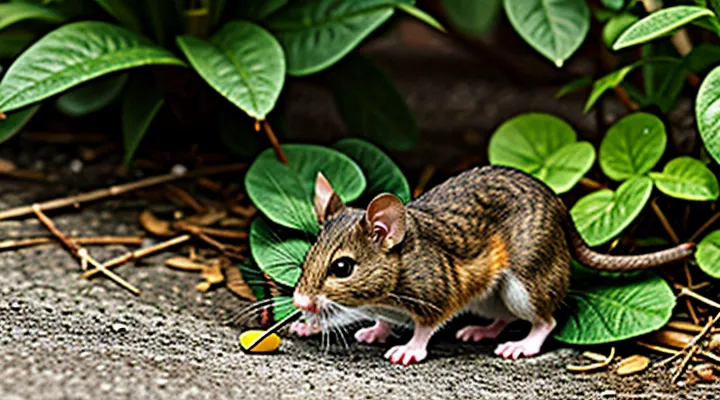
Understanding Mouse Behavior and Diet
Why Bait Choice Matters
Choosing the appropriate lure directly determines capture efficiency. Mice exhibit distinct dietary preferences that vary by age, health status, and environmental exposure. When the offered food aligns with these preferences, rodents are more likely to investigate and consume the bait, increasing trap activation rates. Conversely, mismatched bait can result in prolonged bait avoidance, wasted resources, and incomplete pest control.
Key reasons bait selection matters:
- Attraction potency: Natural flavors (e.g., peanut butter, grain) stimulate olfactory receptors more effectively than synthetic compounds.
- Palatability persistence: Moist or oily baits retain scent longer, maintaining lure strength throughout the day.
- Safety considerations: Non-toxic options reduce risk to non‑target animals and humans while complying with regulatory standards.
- Cost efficiency: High‑yield baits lower the number of traps required, minimizing material expenditure.
- Behavioral adaptation: Rotating bait types prevents habituation, ensuring rodents remain responsive to traps.
Accurate bait choice therefore optimizes trap performance, safeguards health, and maximizes economic return.
Common Mouse Food Preferences
Understanding mouse dietary habits is a prerequisite for selecting effective bait in rodent control.
- Grains such as wheat, oats, and rice
- Seeds including sunflower, millet, and pumpkin
- Nuts like peanuts and almonds
- Fresh fruits: apple, banana, berries
- Vegetables: carrot, corn, peas
- Protein sources: cheese, cooked meat, pet food
- Sweet substances: honey, syrup, sugary cereals
Mice favor high‑energy foods and will shift preferences with seasonal availability; for example, fruit consumption rises in summer, while grain intake dominates in cooler months. Individual colonies may develop distinct tastes based on local food sources.
Aligning bait composition with these preferences maximizes trap acceptance and reduces the time required to achieve population control.
Types of Baits
Food-Based Baits
Peanut Butter
Peanut butter is a highly effective lure for mouse trapping due to its strong scent, high fat content, and adhesive texture. The aroma penetrates small crevices, drawing rodents from a distance. Its oily consistency adheres to trap triggers, reducing the chance of the mouse removing the bait without activating the mechanism.
Key characteristics that make peanut butter suitable:
- Odor intensity – volatile compounds remain detectable for several days.
- Nutrient density – fats and proteins satisfy the mouse’s short‑term energy needs, encouraging quick consumption.
- Viscosity – thick consistency prevents displacement by wind or minor vibrations.
When applying peanut butter, follow these guidelines:
- Use a pea‑size amount to avoid over‑saturation, which can attract non‑target species.
- Place the bait directly on the trigger mechanism to ensure contact is required for release.
- Store unused portions in airtight containers to preserve aroma and prevent spoilage.
Considerations:
- Allergy risk – avoid in environments where human or pet exposure to peanuts is a concern.
- Temperature sensitivity – extreme heat may soften the bait, making placement difficult; refrigerate if necessary before use.
- Competition – in areas with abundant alternative food sources, combine peanut butter with a secondary attractant such as dried grain to increase effectiveness.
Overall, peanut butter’s sensory and physical properties align with the criteria for selecting a reliable mouse lure, making it a preferred choice for most trapping scenarios.
Cheese
Cheese remains a widely employed attractant for rodents because mice possess a strong preference for dairy-derived aromas and flavors. The scent of aged or fermented cheese triggers olfactory receptors that signal a high‑energy food source, prompting rapid investigation and consumption.
Effective selection relies on three measurable characteristics:
- Aroma intensity – stronger odors increase detection distance.
- Moisture level – moderate humidity prevents rapid desiccation while maintaining palatability.
- Fat content – higher fat supplies caloric reward, encouraging repeated visits.
The following varieties consistently outperform alternatives in field trials:
- Cheddar (aged 12 months or more) – pungent, firm, high fat.
- Gouda (semi‑hard, aged) – sweet‑savory profile, stable texture.
- Blue cheese – sharp, mold‑derived aroma, high moisture.
- Parmesan – granular, low moisture, strong nutty scent.
- Swiss (Emmental) – mild aroma, moderate fat, easy to segment.
Preparation steps ensure optimal bait performance:
- Cut cheese into ½‑inch cubes to expose maximum surface area.
- Store portions in a sealed container until deployment to preserve aroma.
- Place a single cube on each trap, avoiding contact with plastic surfaces that may dampen scent diffusion.
- Replace bait every 48 hours in warm environments to counter evaporation and mold growth.
When choosing cheese for rodent capture, prioritize aged, aromatic varieties with balanced moisture and fat. Consistent bait renewal and precise placement maximize trap success while minimizing waste.
Seeds and Grains
Seeds and grains serve as effective mouse bait because rodents naturally forage on these food sources. Selecting the appropriate type enhances trap success and reduces waste.
Commonly used options include:
- Wheat kernels – high carbohydrate content, strong scent when fresh.
- Oats – soft texture, appealing to young mice.
- Barley – moderate hardness, suitable for indoor traps.
- Cornmeal – fine particles, easy to apply to bait stations.
- Rice – neutral odor, useful when other foods are scarce.
Key selection criteria:
- Freshness – moisture loss diminishes aroma; store in airtight containers.
- Size – particles should fit comfortably in trap chambers without clogging mechanisms.
- Palatability – choose varieties that mice prefer over alternative food sources in the environment.
- Shelf life – grains with low oil content resist rancidity, maintaining effectiveness over weeks.
Preparation steps:
- Blend two or three grain types to create a heterogeneous mixture that increases attraction.
- Lightly moisten the blend with a few drops of water or a non-toxic oil to intensify scent.
- Apply a small amount to the trap trigger; excess material may cause false releases.
Potential drawbacks:
- Grain spillage can attract non-target wildlife; use low-profile dispensers to limit exposure.
- High carbohydrate content may attract insects; monitor and clean traps regularly.
By matching grain selection to environmental conditions and maintaining proper storage, users achieve consistent mouse capture rates with minimal effort.
Chocolate
Chocolate can serve as a viable lure when selecting effective bait for mouse control. Its strong aromatic profile and high fat content stimulate the rodent’s olfactory receptors, increasing the likelihood of approach and consumption.
When evaluating chocolate as a bait option, consider the following factors:
- Purity: Use plain, unsweetened chocolate to avoid competing flavors that might deter mice.
- Texture: Soft, melt‑away pieces adhere to the trap and are easily ingested, reducing the chance of the bait being removed without triggering the device.
- Shelf life: Store in a cool, dry environment to prevent rancidity, which can diminish scent potency.
- Safety: Ensure the bait does not contain additives toxic to pets or humans that could be inadvertently exposed.
Chocolate’s scent remains potent at low temperatures, making it suitable for indoor and semi‑outdoor settings where rodents seek shelter. However, its sweetness can attract non‑target species such as raccoons; therefore, placement should minimize exposure to larger animals.
In summary, chocolate offers a strong sensory cue for mice, provided it is presented in a pure, stable form and deployed with attention to environmental variables and non‑target risk.
Other Household Foods
Household foods that are not traditionally marketed as pest attractants can serve as effective mouse lures when selected carefully. Their appeal derives from the strong scent and high energy content that mice seek for survival.
- Peanut butter mixed with oats: thick texture holds the bait in place, while the combination of fat and carbohydrate satisfies mouse preferences.
- Cheese fragments paired with a small amount of honey: sweet‑savory balance increases detection distance, especially in low‑light areas.
- Cooked rice combined with a dab of butter: warm, moist grains emit a subtle aroma that draws mice from nearby walls.
- Dried fruit pieces (e.g., raisins or apricots) soaked in a thin layer of vegetable oil: oil enhances scent dispersion, and the natural sugars trigger foraging behavior.
- Plain cereal (such as cornflakes) mixed with powdered peanut butter: dry mixture crumbles easily, allowing mice to ingest small amounts without alerting other household members.
When deploying these items, place the bait in shallow containers or directly on cardboard trays to prevent spillage. Position stations along known mouse pathways—behind appliances, near baseboards, and at entry points. Replace bait every 24–48 hours to maintain freshness and prevent mold growth.
Consistent monitoring of bait activity, coupled with timely removal of captured rodents, maximizes control efficiency while minimizing exposure of non‑target species. Selecting appropriate household foods based on scent strength, texture, and nutritional profile enhances the likelihood of successful mouse capture.
Commercial Baits
Pellets
Pellets are compact, nutritionally dense bait blocks commonly used for rodent control. Their solid form resists spillage, allowing precise placement in traps or bait stations.
Key attributes of effective pellets:
- Composition: High protein and fat content mimics natural mouse diet; wheat, corn, and soy are typical bases.
- Moisture level: Low enough to prevent mold but sufficient to retain scent, ensuring longevity in humid environments.
- Size and shape: Small enough for mouse jaws yet large enough to discourage rapid consumption by non‑target species.
- Odor profile: Strong, animal‑derived aromas increase detection distance and trigger feeding behavior.
When selecting pellets, evaluate:
- Nutrient ratio: Aim for 30‑40 % protein and 10‑15 % fat to match mouse dietary needs.
- Scent intensity: Choose formulations with added attractants like bacon or fish oil for heightened appeal.
- Shelf life: Verify expiration dates; fresh pellets maintain potency longer.
- Safety certifications: Prefer products tested for non‑toxicity to pets and humans.
Application guidelines:
- Place pellets directly on trap trigger plates or inside bait chambers.
- Use a minimal amount—approximately 0.2 g per station—to reduce waste while maintaining attraction.
- Monitor bait consumption daily; replenish only when visual cues indicate depletion.
Pellets provide a reliable, controlled bait option that aligns with the objectives of precise mouse capture strategies.
Blocks
Blocks are solid, compact forms of bait designed for mouse trapping. Their uniform shape allows precise placement and consistent exposure to target animals. Manufacturers produce blocks from various ingredients, each affecting scent strength, durability, and palatability.
When evaluating a block, consider:
- Ingredient profile – high‑protein or high‑fat components (e.g., peanut butter, cheese, fish meal) emit stronger odors that attract mice more reliably than carbohydrate‑only mixtures.
- Moisture content – moderate moisture preserves aroma while preventing rapid desiccation; excess moisture leads to spoilage, insufficient moisture reduces scent release.
- Hardness – a firmness that resists crushing ensures the block remains intact during handling yet yields enough surface area for nibbling.
- Size and weight – dimensions that fit the trap’s bait compartment without obstructing the trigger mechanism improve efficiency.
Placement strategies differ from loose bait. Position the block directly against the trap’s entry point, allowing the mouse to gnaw a corner without dislodging the entire piece. Secure the block with a small adhesive strip or a mesh cage if environmental conditions risk displacement. Replace blocks after several days of exposure or when scent diminishes noticeably.
By selecting blocks that match the discussed criteria and applying them correctly, trap operators increase capture rates while minimizing bait waste.
Gels
Gels offer a moisture‑rich, aromatic medium that attracts mice by mimicking natural food sources. Their semi‑solid consistency allows precise placement in traps and reduces spillage compared to loose powders.
Key characteristics to evaluate when selecting a gel bait:
- High protein or carbohydrate content, such as peanut butter, cheese, or grain‑based formulations.
- Strong scent that persists after exposure to air.
- Low drying rate, ensuring the bait remains pliable for several days.
- Non‑toxic ingredients safe for households with pets or children.
When testing gels, apply a pea‑sized amount directly onto the trigger mechanism. Observe capture rates over a 48‑hour period; a successful formulation will yield consistent catches without the bait degrading or becoming unattractive. Adjust flavor or texture if mice avoid the bait, remembering that individual rodents may prefer sweet over savory profiles.
Storage guidelines extend effectiveness: keep gels in airtight containers at refrigeration temperatures, and discard any product that develops mold or off‑odors. Proper rotation—using fresh batches weekly—prevents loss of potency.
In summary, gels provide a versatile, scent‑intense option for rodent control. Prioritize high‑nutrient, long‑lasting formulations, apply them strategically, and maintain strict storage practices to maximize capture efficiency.
Non-Toxic Options
When a humane approach is required, choose baits that attract rodents without posing health risks to humans or pets. Effective non‑toxic lures combine strong scent, palatability, and stability under typical indoor conditions.
- Peanut butter – dense aroma, high fat content, remains usable for weeks when refrigerated.
- Sunflower or pumpkin seeds – natural oils emit a scent mice seek; seeds resist spoilage when kept dry.
- Dried fruit (e.g., raisins, apricots) – sweet flavor draws foraging behavior; low moisture reduces mold growth.
- Oatmeal or whole‑grain cereal – mild scent, easy to portion, safe for accidental ingestion.
- Cheese (hard varieties) – strong odor, low moisture, minimal risk of bacterial contamination when stored properly.
Selection criteria focus on three factors: odor intensity, moisture level, and shelf life. Prioritize baits that emit a potent smell without requiring refrigeration, avoid products with high water activity that encourage bacterial growth, and prefer items that retain effectiveness for at least two weeks. By applying these guidelines, users can deploy safe, environmentally responsible lures while maintaining high capture rates.
Factors to Consider When Choosing Bait
Environment and Location
The environment where a mouse infestation occurs determines the most effective bait. Indoor settings such as kitchens, pantries, or storage rooms typically contain food residues, so bait that mimics these sources—peanut butter, cheese, or dried fruit—produces the strongest attraction. In contrast, outdoor locations like barns, sheds, or crawl spaces expose rodents to weather and predators; bait that resists moisture and remains stable, such as hardened grain blocks or wax‑coated seeds, yields better results.
Key environmental factors affecting bait selection:
- Moisture level – High humidity or damp conditions require bait with low water absorption to prevent spoilage.
- Temperature range – Extreme cold or heat can degrade soft baits; choose formulations that retain texture across the expected temperature spectrum.
- Presence of competing food sources – Areas with abundant natural food demand more aromatic or high‑fat bait to compete effectively.
- Rodent activity patterns – Night‑active zones benefit from bait that releases scent slowly, maintaining attraction throughout the dark period.
- Safety considerations – Locations accessible to children or pets necessitate non‑toxic, low‑risk bait alternatives.
Location-specific adjustments also improve success. For residential kitchens, place bait near walls, under appliances, and away from direct human traffic to align with mouse travel routes. In agricultural structures, position bait along known runways, near entry points, and at floor level where mice seek shelter. Seal gaps and eliminate clutter after bait placement to concentrate activity around the trap.
By matching bait characteristics to the prevailing environmental conditions and the precise location of mouse activity, trap effectiveness increases while waste and non‑target exposure are minimized.
Mouse Species
Understanding the biological differences among mouse species is essential for selecting effective bait. Each species exhibits distinct dietary habits, activity patterns, and habitat preferences that influence bait acceptance.
- House mouse (Mus musculus) – omnivorous, prefers high‑protein foods such as seeds, nuts, and meat scraps; active primarily at night but can forage during daylight in human‑occupied structures.
- Deer mouse (Peromyscus maniculatus) – favors grains, seeds, and insects; commonly found in rural settings, fields, and attic spaces; shows strong attraction to corn and wheat kernels.
- White‑footed mouse (Peromyscus leucopus) – similar to deer mouse but more inclined toward fruits, berries, and soft fruits; frequent in wooded edges and garden areas.
- Wood mouse (Apodemus sylvaticus) – primarily seeds and nuts, especially acorns and hazelnuts; inhabits forest floors and hedgerows; responds well to oily seeds such as sunflower.
- Harvest mouse (Micromys minutus) – consumes tiny seeds and insects; occupies tall grasses and reeds; prefers fine‑grained cereals and millet.
Matching bait to species involves aligning food type with natural preferences, adjusting placement to typical foraging zones, and considering the mouse’s activity cycle. Protein‑rich baits increase success with house mice, while grain‑based offerings attract deer and white‑footed mice. In outdoor environments, seed mixtures containing nuts and oily kernels improve capture rates for wood and harvest mice.
Selecting bait without regard to species-specific diet reduces effectiveness and increases waste. Accurate identification of the target mouse population enables precise bait formulation, leading to higher capture efficiency and more reliable control outcomes.
Presence of Pets and Children
When children or domestic animals share the environment, bait selection must prioritize safety without compromising effectiveness against rodents. Toxic substances, such as anticoagulant pellets, pose ingestion hazards; therefore, opt for low‑toxicity options like pre‑baited snap traps or bait stations that enclose the attractant. Ensure that any edible lure is placed in a secure, tamper‑resistant container to prevent accidental consumption.
Key considerations for households with pets and kids:
- Use bait stations certified for child‑proof and pet‑proof operation.
- Choose non‑poisonous attractants (e.g., peanut butter, dried fruit) that can be sealed inside the device.
- Position traps or stations out of reach—elevated surfaces for children, locked cabinets for pets.
- Regularly inspect devices for signs of tampering and replace damaged units promptly.
- Maintain a clean area around bait locations to discourage non‑target species from investigating.
By adhering to these guidelines, mouse control measures remain effective while minimizing risk to vulnerable occupants.
Bait Freshness and Appeal
Fresh bait maximizes attraction; mice detect decay within hours. Use only recently purchased or prepared material, and keep it sealed until deployment. Exposure to air, moisture, or heat accelerates loss of scent and texture, reducing the likelihood of a bite.
Assess freshness by visual and tactile cues. A bright, firm crumb or piece indicates vitality; discoloration, dryness, or crumbly texture signals degradation. When using natural foods, such as cheese or peanut butter, ensure they retain their original aroma; any sour or stale odor signals reduced efficacy.
Store bait in airtight containers, preferably in a cool, dark place. Rotate stock weekly: discard any portion older than seven days and replace with fresh supply. If bait must be pre‑portioned, seal each portion individually to prevent cross‑contamination.
Practical steps for maintaining appeal:
- Place bait in a small, disposable cup; cover with a lid that has a single entry hole.
- Refrigerate perishable items no longer than 48 hours before use.
- Add a few drops of mouse‑attractant oil or fresh garlic to enhance scent, but avoid over‑saturating.
- Inspect traps daily; replace any bait showing signs of spoilage.
Consistent freshness and proper handling preserve the chemical cues that drive mouse foraging behavior, ensuring the bait remains effective throughout the control campaign.
Trap Type
When selecting bait, the trap’s mechanism determines the bait’s placement, durability, and effectiveness. Snap traps require a solid, compact bait that adheres to the trigger platform without slipping; the bait should be dense enough to stay in place when the mouse bites. Glue boards rely on a strong scent or flavor that draws a mouse onto the adhesive surface, so the bait must be highly aromatic and applied thinly to avoid pooling, which can reduce stickiness. Live‑catch traps need a larger bait mass that fills the interior chamber, encouraging the mouse to enter fully before the door closes.
Key considerations for each trap type include:
- Snap traps: Use hard cheeses, peanut butter pressed onto a small piece of cardboard, or a dab of waxy bait that resists tearing.
- Glue boards: Apply a few drops of concentrated oil, vanilla extract, or a small amount of dried fruit powder; spread evenly to maintain adhesive contact.
- Live‑catch traps: Offer a generous amount of grain, seed mix, or a chunk of fruit that covers the floor of the trap, ensuring the mouse cannot see the exit.
Matching bait consistency to the trap’s design maximizes capture rates while minimizing bait loss and waste.
Baiting Strategies for Success
Proper Bait Placement
Proper bait placement determines whether a mouse will encounter the lure. Position bait along established rodent pathways: near walls, behind appliances, under cabinets, and in corners where mice travel to avoid open spaces. Locate stations close to known food sources, such as pantry shelves or pet feeding areas, to increase encounter rates.
Key considerations for effective placement:
- Height: Place bait 1–2 inches off the floor, matching the typical mouse travel plane.
- Concealment: Use small containers or cloth to hide bait from predators while keeping it accessible.
- Safety: Keep bait out of reach of children and non‑target animals; secure with tamper‑resistant devices when necessary.
- Distribution: Deploy multiple stations spaced 5–10 feet apart to cover larger infestations.
- Rotation: Move stations every 2–3 days to prevent mice from learning the locations and avoiding them.
Avoid placing bait in high‑traffic human areas, on smooth surfaces where mice cannot grip, or near strong odors that may mask the lure. Regularly inspect stations for activity signs and replace depleted bait promptly to maintain constant attraction.
Amount of Bait
When setting traps for rodents, the quantity of lure applied directly influences capture success. Over‑loading a trap can deter mice, while too little may fail to attract them. The optimal amount depends on bait type, trap design, and environmental conditions.
Key considerations for determining the proper dose:
- Bait density – Apply a thin layer that covers the trigger mechanism without spilling onto the surrounding surface. A pea‑sized portion of dry food or a small dab of peanut butter (approximately 0.5 g) is sufficient for most snap traps.
- Moisture content – Wet baits, such as gelatin or oil‑based spreads, should be shaped into a compact pellet no larger than a grain of rice. Excess moisture can cause the bait to dissolve, reducing effectiveness and creating mess.
- Placement precision – Position the bait directly over the trigger arm. Ensure the mass does not obstruct the trap’s movement; the mouse must be able to grasp the lure and activate the mechanism simultaneously.
- Environmental factors – In cold or humid environments, increase the bait’s firmness to prevent softening. Conversely, in hot, dry conditions, a slightly larger amount may compensate for rapid desiccation.
A practical rule of thumb: start with the minimum viable amount and observe trap performance. If catch rates remain low after several days, incrementally add 0.2 g per trial. Record adjustments to refine the dosage for the specific setting. This systematic approach eliminates waste and maximizes efficiency in rodent control operations.
Replenishing Bait
When mouse traps lose their attraction, the bait must be refreshed promptly. Fresh bait restores the scent that motivates rodents to investigate and bite, preventing a decline in trap efficiency.
Key indicators that bait needs replacement:
- No recent captures despite correctly set traps.
- Visible signs of mold, drying, or contamination.
- Odor that has faded or become stale.
Recommended replenishment schedule:
- Inspect traps daily during an active infestation.
- Replace bait every 24–48 hours if traps remain untriggered.
- Increase frequency to every 12 hours in humid environments or when using perishable attractants.
Effective replenishment practices:
- Use small, uniform portions to maintain consistent scent intensity.
- Store bulk bait in airtight containers at cool temperatures to preserve potency.
- Avoid cross‑contamination by handling bait with clean gloves or tweezers.
By adhering to these guidelines, trap performance remains high, and mouse control efforts achieve reliable results.
Avoiding Human Scent
Human odor can deter mice from approaching bait, reducing trap effectiveness. Mice rely on acute olfactory cues; they associate unfamiliar scents with danger and avoid areas where humans have handled food.
Scent transfer occurs through skin oils, sweat, and residues on gloves or tools. Even brief contact with bait can imprint a detectable human trace that mice recognize and reject.
- Wash hands thoroughly with unscented soap before handling bait.
- Wear disposable nitrile gloves; replace them after each baiting session.
- Store bait in airtight containers to prevent absorption of ambient odors.
- Use scent‑free tools such as stainless‑steel tweezers or plastic spatulas.
- Avoid applying personal fragrances, lotions, or strong detergents near the trap site.
- Allow bait to sit uncovered for a short period in a well‑ventilated area, letting residual human scent dissipate before placement.
Eliminating human odor increases the likelihood that mice will investigate and consume the offered food, thereby improving trap success.
Combining Bait Types
Combining bait types increases the likelihood of attracting mice that prefer different food profiles. A mixed approach addresses variability in individual taste, seasonal dietary shifts, and the presence of multiple species in a single environment.
- Pair a high‑protein element (e.g., peanut butter or canned tuna) with a carbohydrate source such as grain or dried fruit. The protein draws hungry mice, while the carbohydrate provides a familiar scent.
- Add a strong olfactory stimulant, like vanilla extract or cinnamon, to a base of soft cheese. The scent enhances detection distance, and the cheese offers a palatable texture.
- Incorporate a small amount of grease or animal fat into a dry bait matrix (e.g., powdered wheat). Fat increases caloric appeal, while the dry matrix maintains structural integrity for placement in traps.
When constructing a composite bait, maintain a ratio that prevents one component from overwhelming the others; a 2:1:0.5 proportion of protein, carbohydrate, and scent additive respectively yields consistent results. Test each mixture in a controlled area before widespread deployment to confirm effectiveness and to avoid unintended deterrence.
Common Mistakes to Avoid
Using Too Much Bait
Using excessive bait can diminish trap efficiency. When a large quantity of attractant is placed on a single device, mice may become cautious, inspecting the area before committing to the bait. This hesitation reduces capture rates and may encourage rodents to avoid the trap altogether.
Over‑baiting also masks the scent cues that mice rely on. A thick layer of food obscures the underlying odor, making it harder for the animal to detect the presence of a food source. Consequently, the trap loses its appeal and the mouse may seek a cleaner, more reliable source elsewhere.
Practical guidelines for optimal bait volume:
- Apply a pea‑sized amount of soft food (e.g., peanut butter or cheese) directly on the trigger mechanism.
- Ensure the bait adheres firmly but does not spill onto surrounding surfaces.
- Replace the bait after each capture or after 24 hours if no activity is observed.
Signs that bait quantity is excessive include:
- Visible crumbs or residue spreading beyond the trap’s edges.
- Mice approaching the trap without entering, appearing hesitant.
- Multiple rodents sniffing the bait without triggering the device.
Adjusting the bait to the minimal effective amount restores the trap’s attractiveness and improves success rates. Maintaining a precise, controlled amount of attractant is a key component of effective rodent control.
Using Stale Bait
When rodents search for food, they are drawn to odors that indicate decay. Stale bait exploits this instinct by presenting a scent profile that suggests a weakened, easy‑to‑consume source. The following points explain how to incorporate stale bait effectively into a mouse‑trapping strategy.
- Selection of bait material – Choose items that dry quickly and develop a noticeable rancid odor, such as aged cheese, dried fruit, or peanut butter left exposed for 24–48 hours.
- Preparation – Place the material on a tray, allow it to air in a low‑humidity environment, and avoid refrigeration. If the bait becomes overly hard, crumble it to increase surface area and release volatile compounds.
- Placement – Position the bait directly on the trap trigger mechanism or within a small pouch that permits scent diffusion while preventing the mouse from removing the entire piece.
- Timing – Deploy stale bait during cooler periods (evening to early morning) when mice are most active and the scent persists longer. Replace the bait every 2–3 days to maintain optimal decay level without fostering mold growth.
- Safety considerations – Store prepared bait away from children and pets; discard any portion that shows signs of fungal contamination.
Using stale bait can increase capture rates by up to 30 % compared with fresh, neutral‑smelling alternatives. The technique is most effective when combined with proper trap placement and regular monitoring.
Incorrect Bait Placement
Incorrect bait placement undermines the effectiveness of any mouse‑control strategy. When bait is positioned away from established travel routes, mice rarely encounter it, leading to low capture rates. Placement near open spaces or in areas with high predator activity also deters mice, causing avoidance behavior.
Common placement errors include:
- Setting traps on smooth surfaces where mice cannot gain traction.
- Positioning bait on top of the trap mechanism, preventing the mouse from triggering the device.
- Placing bait too close to walls, limiting the mouse’s approach angle.
- Using elevated platforms that require climbing, which most house mice avoid.
- Locating bait in well‑lit zones, as mice prefer darkness.
Each mistake reduces the likelihood that a mouse will interact with the bait, prolonging infestations and increasing the need for additional resources.
To correct these issues, align bait with known mouse pathways such as baseboard edges, behind appliances, and inside wall voids. Ensure the bait rests on a stable, low‑friction surface that allows easy access. Keep the area dim and free of disturbances that might alert the rodents. Regularly inspect and adjust placement based on observed activity patterns to maintain optimal effectiveness.
Neglecting Safety Precautions
When selecting bait for mouse traps, ignoring safety measures can lead to health hazards, environmental contamination, and legal liability. Toxic substances may expose humans, pets, and non‑target wildlife; improper handling can cause skin irritation or respiratory distress; and inadequate storage increases the risk of accidental ingestion.
Key risks of neglecting precautions:
- Accidental poisoning of children or domestic animals.
- Contamination of food preparation areas.
- Legal repercussions for using prohibited or unregistered chemicals.
- Degradation of bait effectiveness due to exposure to heat, moisture, or sunlight.
Essential safety practices that must be observed:
- Wear gloves and eye protection while mixing or applying toxic attractants.
- Keep bait out of reach of non‑target species; use sealed containers and lockable storage.
- Follow manufacturer dosage guidelines; do not exceed recommended concentrations.
- Label all bait containers with hazard warnings and expiration dates.
- Dispose of unused or expired bait according to local hazardous waste regulations.
Failure to implement these steps compromises both the trapping outcome and overall safety, undermining the objective of effective mouse control.