
Understanding Rodent Infestations
Identifying the Type of Rodent
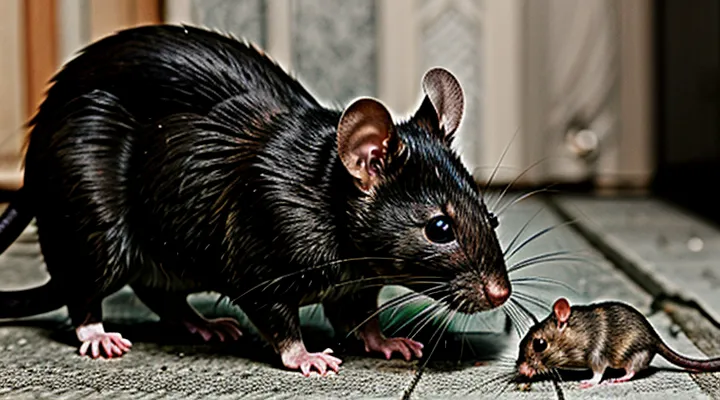
Rats vs. Mice
Rats and mice differ in size, metabolic rate, and feeding habits, factors that directly affect the choice of rodenticides.
- « Rats » typically weigh 200‑500 g, exhibit slower metabolism, and can consume larger bait pieces.
- « Mice » usually weigh 15‑30 g, have faster metabolism, and prefer small, finely milled bait.
These biological distinctions determine the required concentration of active ingredient. Higher dosage per unit of bait is necessary for rats to achieve lethal effect, while mice require lower concentrations to avoid sub‑lethal exposure that can lead to bait aversion.
Poison formulation must match species‑specific behavior. Anticoagulant baits with delayed action are effective for both, but secondary poisoning risk is greater with rats due to their larger carcasses, making non‑anticoagulant options preferable in environments with predators. Bait stations designed for larger rodents reduce accidental access by non‑target animals when targeting rats; smaller stations are more suitable for mice.
Practical selection guidelines:
- Identify target species through signs such as droppings size and gnaw marks.
- Choose a bait size that matches the animal’s mouth capacity.
- Apply the appropriate concentration of active ingredient based on the species’ weight range.
- Position bait stations where each species is most active, considering rats’ tendency to travel along walls and mice’s preference for concealed corners.
- Monitor bait consumption regularly and adjust dosage if mortality rates are below expected thresholds.
Accurate differentiation between the two rodents ensures optimal efficacy of rodenticides and minimizes unintended ecological impact.
Signs of Infestation
Identifying rodent activity is a prerequisite for selecting an appropriate rodenticide. Accurate detection prevents misplaced bait, reduces waste, and limits exposure to non‑target species.
Key indicators of a rat or mouse problem include:
- Fresh droppings, typically ½‑inch long, dark, and found near food sources or along walls.
- Gnaw marks on wood, plastic, or wiring, often at a 45‑degree angle.
- Visible burrows or tunnels in insulation, soil, or stored materials.
- Footprints or tail‑drag marks in dusty areas, revealed by a flashlight.
- Scratching or scurrying sounds within walls, ceilings, or attic spaces, especially at night.
- Chewed packaging, food containers, or stored grain, indicating foraging behavior.
- Strong, musky odor emanating from nesting sites.
- Direct sightings of live or dead rodents during routine inspections.
Each sign guides bait selection and placement. Droppings and gnaw marks suggest active foraging zones; bait should be positioned within 10‑12 inches of these points to maximize uptake. Burrows indicate concealed nesting areas; dense, slow‑acting anticoagulants are preferable for delivery through chewable blocks placed near entry holes. Audible activity in concealed spaces warrants use of tamper‑resistant bait stations to limit accidental contact. Evidence of food theft calls for bait formulations with strong attractants and minimal odor to compete with accessible food sources.
Systematic observation of these symptoms enables precise deployment of effective poison, optimizing control outcomes while minimizing collateral risks.
Assessing the Severity of the Problem
Size of Population
When assessing a rodent infestation, the number of individuals directly influences poison selection. A limited group of rats or mice requires a low‑dose formulation that can be delivered in discreet bait stations, minimizing exposure to non‑target species. Conversely, a large population demands a high‑potency product with sufficient quantity to sustain continuous baiting until the colony collapses.
Key considerations linked to population size include:
- Dosage per individual – calculate the total amount of active ingredient needed by multiplying the average lethal dose by the estimated count of rodents.
- Bait density – increase station placement proportionally to the infestation area; higher densities prevent competition and ensure each animal encounters a lethal dose.
- Persistence of toxin – for extensive colonies, choose compounds with prolonged residual activity to maintain effectiveness as new individuals join the group.
- Regulatory limits – large‑scale applications may trigger stricter reporting requirements; verify local guidelines before deployment.
Accurate estimation of the rodent count enables precise dosing, reduces waste of toxic material, and limits unintended harm. Monitoring bait consumption throughout the eradication process provides feedback on population reduction, allowing adjustments to concentration or placement as the infestation shrinks.
Location of Activity
When selecting a rodent toxicant, the site of deployment determines the formulation, concentration, and delivery mechanism required for optimal efficacy and minimal risk.
Indoor environments demand placement in concealed, high‑traffic zones where rodents are most active while preventing accidental exposure to humans and pets. Typical positions include:
- Under kitchen appliances and behind pantry shelving
- Within wall voids and ceiling joists near food storage areas
- Inside baseboard cavities and utility closets
- Near entry points such as door thresholds and vent openings
Outdoor settings expose baits to weather and non‑target wildlife, necessitating weather‑resistant products and secured stations. Common locations comprise:
- Perimeter fences and burrow entrances around buildings
- Near compost piles, feed troughs, and animal shelters
- Along drainage ditches and irrigation lines where moisture attracts rodents
- In garden beds and greenhouse structures, using bait stations that shield from rain
Placement strategy must account for rodent movement patterns, seasonal activity peaks, and regulatory restrictions on toxicant use. Bait stations should be tamper‑proof, positioned at ground level or slightly above, and inspected regularly to replenish depleted product and remove dead rodents. Selecting sites that combine high rodent activity with controlled access maximizes poison effectiveness while safeguarding non‑target species and human occupants.
Types of Rodenticides
Anticoagulants
First-Generation Anticoagulants
First‑generation anticoagulants constitute a class of rodent‑control compounds that disrupt blood coagulation by inhibiting vitamin K epoxide reductase. The interruption prevents regeneration of active vitamin K, resulting in deficient clotting factors and fatal internal bleeding.
Typical active ingredients include:
- «warfarin»
- «chlorophacinone»
- «diphenacoum» (note: sometimes classified as second‑generation, but low‑dose formulations belong to the first generation)
- «diphacinone»
- «coumatetralyl»
These substances produce rapid anticoagulation in susceptible rats and mice, often within 24–48 hours after ingestion. Lower cost and established efficacy make them common choices for initial pest‑management efforts.
Resistance to first‑generation agents has emerged in many urban and agricultural settings. Repeated exposure selects for metabolic pathways that accelerate detoxification, reducing mortality rates. Consequently, reliance on a single anticoagulant can lead to control failure and necessitates rotation with alternative chemistries.
Effective deployment requires precise bait formulation and placement. Recommended practices include:
- Incorporating active ingredient at concentrations that achieve lethal dose without excessive waste.
- Positioning bait stations along established rodent pathways, away from food preparation areas.
- Monitoring consumption rates and adjusting placement frequency to maintain pressure on the target population.
Safety considerations demand protection of non‑target wildlife and domestic animals. Use tamper‑resistant stations, label bait clearly, and follow regulatory disposal instructions for unused product. Personal protective equipment should be worn during handling to prevent accidental exposure.
Second-Generation Anticoagulants
Second‑generation anticoagulants represent a class of rodent control agents that inhibit vitamin K recycling, leading to fatal hemorrhage after repeated ingestion. Their chemical structures allow accumulation in the liver, extending the lethal dose window compared with first‑generation compounds.
Common active ingredients include:
- brodifacoum
- difenacoum
- bromadiolone
- difethialone
These substances bind to the enzyme vitamin K epoxide reductase with higher affinity, producing a prolonged anticoagulant effect. The accumulated toxin persists in the organism for several days, ensuring mortality even when bait consumption is sporadic.
Resistance management relies on rotating products with differing mechanisms, avoiding exclusive reliance on second‑generation agents. Monitoring field efficacy and conducting susceptibility testing help detect emerging tolerance early.
Safety considerations demand strict adherence to label rates, placement of bait stations inaccessible to non‑target species, and proper disposal of uneaten bait. Regulatory frameworks often classify these compounds as restricted-use pesticides, requiring certified applicators for deployment.
Effective selection of rodent pois therefore involves evaluating active ingredient potency, resistance patterns, and compliance with safety regulations to achieve reliable control while minimizing environmental risk.
Non-Anticoagulants
Cholecalciferol
Cholecalciferol, a synthetic form of vitamin D₃, functions as a rodent toxicant by inducing lethal hypercalcemia. After ingestion, the compound raises serum calcium levels, causing cardiac arrhythmia, renal failure, and eventual death. The delayed onset of symptoms, typically 24–72 hours, minimizes bait avoidance and reduces the risk of immediate secondary exposure.
Effective concentrations for bait formulations range from 0.025 % to 0.05 % (250–500 ppm). At these levels, a single 5‑gram dose provides a lethal dose for adult rats and mice, while sub‑lethal exposure does not produce immediate toxicity. Precise dosing is critical; excessive concentrations increase the likelihood of non‑target poisoning.
Advantages
- Low acute toxicity to predators and scavengers because lethal effects develop after a delay.
- Minimal risk of bait shyness; rodents cannot associate the delayed symptoms with the bait.
- Compliance with many regulatory frameworks that favor reduced secondary poisoning potential.
Limitations
- Requirement for a relatively high intake to achieve a lethal dose; small or sick individuals may survive.
- Slower mortality compared with anticoagulant rodenticides, which may be undesirable in urgent control situations.
- Sensitivity to environmental degradation; prolonged exposure to sunlight can reduce potency.
Safety measures include wearing gloves, eye protection, and respirators when handling bulk formulations. Bait should be stored in sealed containers away from foodstuffs and disposed of according to local hazardous‑waste regulations. Label instructions often mandate a maximum of 0.05 % concentration in residential settings to protect pets and wildlife.
Application guidelines recommend placing bait stations along walls, near gnaw marks, and in concealed locations inaccessible to children and non‑target species. Monitoring bait consumption and replenishing as needed ensures sustained pressure on the rodent population. Seasonal adjustments may be required, as colder temperatures slow metabolic rates and can affect the speed of toxic action.
«Cholecalciferol provides a targeted, low‑risk option for rodent management when used in accordance with dosage specifications and safety protocols».
Bromethalin
Bromethalin is a second‑generation anticoagulant‑free rodenticide widely employed for controlling rat and mouse populations. The compound interferes with neuronal energy metabolism, causing cerebral edema and ultimately fatal paralysis.
Efficacy derives from a single‑dose exposure; lethal doses range from 0.025 mg kg⁻¹ for mice to 0.05 mg kg⁻¹ for rats. Rapid onset of symptoms appears within 24 hours, while death may extend to several days, reducing the likelihood of bait avoidance.
Safety considerations emphasize placement in tamper‑resistant stations to protect wildlife, pets, and children. Bromethalin exhibits low secondary toxicity because it does not accumulate in the tissues of predatory species. Nevertheless, accidental ingestion requires immediate medical evaluation.
Resistance monitoring indicates limited cross‑resistance with anticoagulant‑based products, making Bromethalin a valuable alternative in areas with documented anticoagulant resistance.
Key attributes of Bromethalin:
- Mode of action: disruption of mitochondrial oxidative phosphorylation
- Target specificity: high potency against Rattus spp. and Mus spp.
- Application format: solid bait blocks, granules, and liquid emulsions
- Regulatory status: approved for residential and commercial use in most jurisdictions, subject to label‑specified restrictions
Proper selection of bait concentration, strategic station placement, and adherence to label instructions maximize control efficiency while minimizing non‑target exposure.
Zinc Phosphide
Zinc phosphide (Zn₃P₂) functions as a highly effective rodenticide due to its rapid conversion to phosphine gas when exposed to the acidic gastric environment of rats and mice. The gas interferes with cellular respiration, causing swift mortality.
Key characteristics of zinc phosphide include:
- Low palatability for non‑target species; rodents are attracted to bait formulations that mask the metallic taste.
- Rapid onset of action; death typically occurs within 24–48 hours after ingestion.
- Stability in dry conditions; the compound remains potent for extended storage periods when kept in sealed containers.
Formulations commonly consist of compressed pellets or bait blocks containing 2–5 % zinc phosphide by weight. Placement guidelines recommend positioning baits along established rodent pathways, near burrow entrances, and within concealed locations to reduce exposure to pets and wildlife. Application density should not exceed 0.5 kg of active ingredient per 100 m² in residential settings; higher densities may be justified in severe infestations under professional supervision.
Safety protocols demand the use of gloves, protective eyewear, and disposable clothing during handling. Accidental ingestion or inhalation can result in severe toxicity for humans and domestic animals. Immediate medical attention is required if exposure is suspected. Waste material must be disposed of according to local hazardous waste regulations to prevent environmental contamination.
Regulatory frameworks often classify zinc phosphide as a restricted-use pesticide. Licensing is required for purchase and application, and labeling mandates explicit warnings about risks to non‑target organisms. Compliance with these requirements ensures effective rodent control while minimizing unintended harm.
Factors to Consider When Choosing a Rodenticide
Safety Concerns
Pets and Children
When rodents threaten a home, selecting a rodenticide must account for the presence of pets and children. Toxic compounds designed for rats and mice can cause accidental poisoning if accessible to non‑target species.
Safety begins with product classification. Choose agents labeled “low secondary toxicity” or “reduced risk” that affect only rodents and pose minimal danger to mammals. Products containing anticoagulants with delayed action are especially hazardous; prefer baits formulated with immediate‑acting, species‑specific toxins when feasible.
Storage requirements are non‑negotiable. Keep all poison in locked containers, placed out of reach of children and animals. Label each container with clear warnings, using French quotation marks for emphasis, for example «Keep out of reach of children and pets».
Application practices reduce risk further:
- Place bait stations in concealed locations inaccessible to pets and children, such as behind appliances or within wall voids.
- Use tamper‑proof stations that close automatically after a rodent removes the bait.
- Limit the amount of bait per station to the minimum effective dose.
- Inspect stations daily; remove any uneaten bait promptly.
- Maintain a record of bait locations to avoid accidental exposure during routine cleaning.
If a household includes vulnerable members, consider non‑chemical alternatives. Mechanical traps, ultrasonic devices, and exclusion methods (sealing entry points) eliminate rodents without introducing toxic substances. When chemical control remains necessary, integrate it with the measures above to protect pets and children while achieving effective rodent management.
Non-Target Wildlife
When selecting rodent control agents, the potential impact on non‑target wildlife demands precise assessment. Toxicity that extends beyond rodents endangers birds, small mammals, reptiles, and scavengers, especially when baits are accessible or when poisoned rodents are consumed by predators.
Key considerations include:
- Toxicant class and LD₅₀ values for species other than rodents.
- Bait size and formulation that limit ingestion by non‑rodent animals.
- Placement of bait stations away from water sources, feeding grounds, and nesting sites.
- Use of tamper‑proof containers to restrict access.
- Monitoring of secondary poisoning through carcass removal and safe disposal.
Regulatory frameworks, such as «EPA 2023 Guidance», require labeling that identifies risks to wildlife and mandates mitigation steps. Compliance with these standards reduces liability and supports ecosystem health.
Integrated pest management offers alternatives that lower wildlife exposure. Mechanical traps, habitat modification, and biological control agents provide effective rodent reduction while minimizing chemical hazards. Selecting a strategy that balances efficacy with ecological safety protects non‑target species and sustains biodiversity.
Environmental Impact
Secondary Poisoning Risks
Secondary poisoning poses a serious threat to non‑target wildlife, domestic animals, and humans when rodent control agents are deployed. Once a poisoned rodent is consumed by a predator or scavenger, the toxicant can transfer through the food chain, potentially causing lethal or sub‑lethal effects. Anticoagulant rodenticides, especially second‑generation compounds, exhibit high persistence in liver tissue, increasing the likelihood of accumulation in birds of prey, foxes, and feral cats. Acute exposure may result in internal hemorrhage, while chronic exposure can impair reproduction and immune function.
Mitigation of secondary risk requires careful selection and application of rodenticides:
- Prefer baits formulated with low secondary toxicity, such as zinc phosphide or bromethalin, when non‑target exposure is probable.
- Deploy tamper‑resistant bait stations to restrict access to target rodents and prevent accidental ingestion by pets or children.
- Position baits in concealed, interior locations away from food preparation areas, nesting sites, and wildlife corridors.
- Conduct regular monitoring of bait consumption and remove uneaten bait promptly to reduce environmental residues.
- Implement integrated pest management practices, including sanitation, exclusion, and trapping, to minimize reliance on chemical controls.
Understanding the toxicokinetics of each product informs risk assessment. Compounds that are rapidly metabolized and excreted lower the chance of bioaccumulation, whereas those with prolonged half‑lives demand stricter containment measures. Selecting a rodenticide with an appropriate safety profile, combined with disciplined deployment, significantly reduces the probability of secondary poisoning incidents.
Biodegradability
Biodegradability refers to the capacity of a rodent toxicant to decompose through natural biological processes, reducing persistence in soil and water. Rapid breakdown limits long‑term exposure for wildlife and minimizes contamination of food chains.
Assessment of biodegradability relies on measurable criteria. Typical indicators include:
- Half‑life in standardized compost or aquatic tests;
- Identification of degradation metabolites and their toxicity;
- Compliance with recognized standards such as OECD 301 or EPA’s Ready‑Biodegradable Test.
Products classified as « biodegradable » often incorporate matrices that dissolve or fragment after ingestion, allowing the active ingredient to degrade within days. Examples include anticoagulant baits formulated with plant‑based polymers, and bait stations manufactured from compostable cellulose. Natural toxins such as bromadiolone‑derived compounds may also exhibit accelerated degradation when combined with enzymatically active carriers.
Regulatory frameworks frequently require evidence of rapid degradation before approval. Agencies mandate labeling that confirms compliance with biodegradability thresholds, ensuring that products meet environmental safety obligations.
When selecting a rodent control agent, consider the following practical factors:
- Documented degradation rate under field conditions;
- Absence of persistent or bioaccumulative by‑products;
- Compatibility with local waste‑management practices;
- Proven efficacy against target species without excessive rebound risk.
Proper storage and disposal further reduce environmental impact. Unused bait should be placed in sealed, biodegradable containers and disposed of according to local hazardous‑waste guidelines, preventing accidental release into ecosystems.
Bait Formulation
Pellets
Pellets represent a compact delivery form for rodent anticoagulants, offering several practical advantages. Their dense composition ensures stability in diverse environments, reducing the risk of moisture degradation. The size and shape of pellets discourage accidental consumption by non‑target species, as they are less attractive to birds and pets compared to soft baits.
Key considerations when selecting pellet‑based rodenticides include:
- Active ingredient concentration: choose formulations with a proven efficacy range of 0.025 %–0.05 % for anticoagulants, matching the severity of infestation.
- Palatability enhancers: opt for products incorporating grain or cheese flavors, which increase acceptance by both rats and mice.
- Placement strategy: position pellets along established runways, near nesting sites, and in concealed corners to maximize contact while limiting exposure to humans.
- Regulatory compliance: verify that the product complies with local pest‑control regulations and carries appropriate labeling for safe handling.
Proper storage preserves potency; keep pellets in airtight containers, away from direct sunlight and extreme temperatures. Regular inspection of bait stations allows timely replacement, maintaining an effective concentration of toxin in the target population.
Blocks
Blocks represent a concentrated form of rodent toxicant, typically molded into rectangular or cylindrical shapes for ease of handling and placement. Their dense composition allows a precise amount of active ingredient to be delivered with each bite, reducing the risk of partial consumption that could diminish efficacy.
The primary advantages of using blocks include:
- Consistent dosage per unit, ensuring each rodent receives a lethal amount.
- Minimal spillage, which limits exposure to non‑target species.
- Compatibility with secure bait stations, enhancing safety in residential or commercial settings.
Selection criteria for an effective block involve evaluating the active ingredient, concentration, and palatability. Common active ingredients such as anticoagulants, bromethalin, or zinc phosphide each possess distinct modes of action; the choice depends on the target species’ resistance profile and the environment in which the block will be deployed. Concentrations typically range from 0.005 % to 0.025 % for anticoagulants, while bromethalin formulations may reach up to 0.025 %. Palatability enhancers, including grain or peanut butter, increase acceptance rates among wary rodents.
Placement strategy dictates success. Blocks should be positioned within 1–2 m of known activity zones, concealed in tamper‑resistant stations to prevent accidental contact by children or pets. Stations must be anchored to prevent displacement by weather or other animals. Regular inspection, at intervals of 7–10 days, confirms consumption and identifies any need for replenishment.
Safety considerations demand strict adherence to label instructions and local regulations. Protective gloves are required during handling; hands must be washed immediately after contact. Disposal of unused blocks follows hazardous waste protocols, preventing environmental contamination.
In summary, blocks provide a reliable delivery system for rodent toxicants when selected for appropriate active ingredients, formulated at correct concentrations, and deployed in secure, strategically placed stations. Their design minimizes waste and non‑target exposure, supporting effective pest management outcomes.
Grains
Grains serve as the primary attractant in rodent toxic baits because they satisfy the natural dietary preferences of rats and mice. Selecting the appropriate grain influences bait acceptance, placement efficiency, and overall control success.
Common grain options include:
- Wheat: high palatability, suitable for both species; blends well with powdered poisons.
- Barley: moderate acceptance, resistant to moisture damage; useful in damp environments.
- Oats: preferred by mice, less attractive to rats; ideal for targeted mouse control.
- Cornmeal: coarse texture encourages chewing, enhances poison ingestion; effective in outdoor settings.
- Rye: strong aroma, promotes rapid uptake; suitable for indoor infestations.
Key selection criteria:
- Palatability – the grain must be readily consumed by the target species without hesitation.
- Moisture tolerance – grains that retain integrity under humid conditions prevent bait degradation.
- Compatibility – the grain should mix uniformly with the chosen toxic agent to ensure consistent dosage.
- Availability – readily sourced grains reduce preparation time and cost.
- Species specificity – matching grain type to the dominant pest improves bait efficiency.
When formulating a bait, blend the chosen grain with the toxic compound at the manufacturer‑recommended concentration. Ensure thorough mixing to avoid clumping, which can cause uneven poison distribution. Place the bait in tamper‑resistant stations near known activity zones, monitoring consumption rates to adjust placement or grain type as needed.
Liquid Baits
Liquid baits represent a highly efficient delivery system for rodent toxicants, combining attractant appeal with precise dosage control. The formulation typically consists of a palatable matrix—often based on grain, fruit, or dairy extracts—into which a measured amount of anticoagulant or neurotoxic active ingredient is dissolved. This ensures rapid ingestion by rats and mice while minimizing waste and environmental exposure.
Key factors influencing the effectiveness of liquid baits include:
- Active ingredient selection: Anticoagulants such as bromadiolone or difenacoum provide delayed mortality, allowing rodents to return to nesting sites and spread the toxin. Neurotoxins like bromethalin act faster, suitable for infestations requiring immediate reduction.
- Concentration accuracy: Maintaining a consistent concentration, usually expressed in milligrams of active ingredient per gram of bait, guarantees each consumed dose meets the lethal threshold for target species.
- Attractant composition: Incorporating species‑specific flavor profiles—corn for mice, wheat or soy for rats—enhances bait acceptance and reduces non‑target avoidance.
- Placement strategy: Positioning baits along established runways, near food sources, and within sheltered cavities maximizes contact probability. Secure stations prevent accidental access by pets or children.
- Stability and shelf life: Formulations with protective emulsifiers resist degradation from humidity and temperature fluctuations, preserving potency over extended storage periods.
Safety considerations demand strict adherence to label instructions, use of tamper‑resistant bait stations, and regular monitoring of consumption rates. Proper disposal of unused bait follows local regulatory guidelines to prevent secondary poisoning. By evaluating these parameters, practitioners can select liquid baits that deliver reliable control of rat and mouse populations while mitigating risks to non‑target organisms.
Resistance Issues
Identifying Resistant Populations
Identifying populations of rats and mice that exhibit reduced susceptibility to rodenticides is a prerequisite for selecting an appropriate toxicant. Resistance manifests through bait avoidance, rapid recovery after sub‑lethal exposure, and genetic markers such as mutations in the VKORC1 gene. Early detection relies on systematic observation of capture rates, analysis of carcass tissue, and laboratory bioassays that compare mortality curves with baseline data.
Key actions for confirming resistance include:
- Conducting field trials with a standardized bait concentration and recording consumption patterns over a defined period.
- Collecting live specimens for genotypic testing of known resistance alleles.
- Comparing mortality outcomes against a control group of known‑susceptible rodents.
When resistance is confirmed, management protocols require rotating active ingredients with differing modes of action, incorporating non‑chemical control measures, and adjusting bait placement to reduce exposure to tolerant individuals. Continuous monitoring of efficacy metrics ensures that subsequent toxicant selections address the evolving resistance profile.
Rotating Rodenticide Types
Rotating rodenticide types refer to a systematic change of active ingredients to prevent bait shyness and resistance development among rat and mouse populations. The approach maintains high mortality rates while reducing the risk of cross‑resistance.
- Anticoagulants (first‑generation): warfarin, chlorophacinone; effective at low concentrations, suitable for short‑term control.
- Anticoagulants (second‑generation): brodifacoum, difethialone; prolonged action, appropriate for established infestations.
- Metal phosphides: zinc phosphide, aluminum phosphide; rapid toxic effect, useful where anticoagulant resistance is documented.
- Neurotoxins: bromethalin, diphacinone; alternative mode of action, valuable in rotation schemes to diversify mechanisms.
Selection criteria include documented susceptibility of the target species, environmental constraints, and regulatory status. Rotate between at least two distinct classes every 4–6 weeks, monitor mortality trends, and adjust dosage according to bait consumption patterns. Consistent rotation mitigates resistance, sustains efficacy, and supports long‑term pest management objectives.
Safe and Effective Baiting Strategies
Placement of Baits
Secure Bait Stations
Secure bait stations provide a controlled environment for delivering rodent toxicants while minimizing risks to non‑target species and humans. The enclosure isolates the poison, preventing accidental ingestion and reducing contamination of surrounding surfaces. Construction typically involves durable, weather‑resistant materials and a lockable access panel that allows only trained personnel to service the device.
Proper placement enhances effectiveness. Install stations along established travel routes, near walls, and close to potential food sources. Position devices at ground level or slightly elevated, ensuring rodents can enter but larger animals cannot. Avoid locations exposed to direct sunlight or heavy precipitation, as these conditions degrade active ingredients.
Maintenance procedures include regular inspection, replenishment of bait, and verification of lock integrity. Follow a schedule that matches the potency and degradation rate of the chosen toxicant. Record each service event, noting bait type, quantity, and any signs of tampering.
Key features of an effective secure bait station:
- Robust lock mechanism resistant to tampering.
- Internal compartments sized to accommodate standard bait blocks.
- Sealed entry points that allow rodent access while excluding pets and children.
- Clear labeling indicating active ingredient, concentration, and hazard warnings.
When selecting bait, match the toxicant’s mode of action to the target species and local resistance patterns. Combine secure stations with integrated monitoring, such as trap‑check cards, to assess consumption rates and adjust deployment density accordingly. This systematic approach maximizes control efficacy while upholding safety standards.
Strategic Locations
Strategic placement of rodent bait maximizes exposure while reducing non‑target risks. Effective positioning relies on understanding typical rodent movement patterns and habitat preferences.
- Identify high‑traffic corridors such as wall voids, baseboard gaps, and pipe runs where rodents routinely travel.
- Position bait near known food sources, including pantry shelves, garbage receptacles, and pet feeding stations, to attract foraging individuals.
- Place stations close to nesting sites, often found in concealed areas like attic insulation, crawl spaces, or behind appliances.
- Install bait stations in proximity to water sources, such as leaky pipes or condensation points, because rodents require regular hydration.
- Deploy in outdoor perimeters adjacent to building foundations, especially where vegetation or debris provides cover and entry points.
Each location should be monitored regularly for bait consumption and signs of activity. Adjust placement based on observed movement to maintain consistent pressure on the rodent population. Use tamper‑resistant containers to protect bait integrity and prevent accidental exposure to humans or pets.
Bait Maintenance
Regular Monitoring
Regular monitoring provides the feedback loop required to confirm that the chosen rodent control agent remains effective throughout the infestation cycle.
Consistent observation intervals—daily during the initial deployment, then every 2–3 days once activity stabilizes—prevent delayed detection of bait avoidance or resistance development.
Data collection focuses on three measurable indicators: bait consumption rates, presence of live or dead rodents, and signs of continued activity such as droppings, gnaw marks, or tracks.
Key actions for each monitoring cycle:
- Record the weight of bait containers before and after placement to quantify uptake.
- Inspect stations for dead rodents; remove carcasses promptly to avoid secondary poisoning.
- Document any evidence of ongoing activity; increase bait density or rotate active ingredients when indicators persist.
- Update a central log with date, location, and observations to track trends over time.
Adjustments based on recorded trends ensure that the selected poison continues to meet efficacy benchmarks, reduces unnecessary exposure, and aligns with integrated pest‑management principles.
Replenishment
Effective rodent control requires a reliable supply of bait. Once an initial formulation has been applied, regular replenishment maintains lethal exposure and prevents population rebound.
Replenishment schedules depend on bait consumption rate, environmental conditions, and target species activity. Monitoring stations weekly provides data to adjust refill intervals.
Key practices for maintaining bait availability:
- Record the amount of bait removed from each station during each inspection.
- Calculate average daily consumption; multiply by the desired control period to determine refill quantity.
- Replace depleted bait promptly, ensuring the same potency and formulation as the original application.
- Store reserve bait in airtight containers, protected from moisture and temperature extremes, to preserve effectiveness.
Environmental factors influencing depletion include temperature fluctuations, humidity, and competing food sources. Higher temperatures accelerate degradation, while abundant alternative food can reduce bait uptake, necessitating more frequent refills.
Documentation of replenishment actions supports compliance with regulatory requirements and facilitates evaluation of control program efficacy. Detailed logs should include date, location, quantity added, and observations of rodent activity.
Consistent replenishment, combined with proper bait placement and selection, sustains lethal pressure on rat and mouse populations, ultimately achieving long‑term suppression.
Disposal of Carcasses
Preventing Secondary Poisoning
Effective rodent control demands careful attention to secondary poisoning, the inadvertent exposure of non‑target animals to toxic bait. Selecting poisons with low secondary toxicity reduces risk to predators, scavengers, and domestic pets that may consume poisoned rodents.
Key measures to prevent secondary poisoning include:
- Choosing baits formulated with reduced toxicity after ingestion, such as non‑anticoagulant products that cause rapid death without lingering residues.
- Employing bait stations that restrict access to rodents, limiting accidental contact by children, pets, and wildlife.
- Placing bait away from feeding areas of non‑target species, preferably along walls and concealed routes used by rats and mice.
- Removing dead rodents promptly, preventing scavengers from feeding on contaminated carcasses.
- Disposing of unused bait and carcasses according to local hazardous‑waste regulations, eliminating environmental contamination.
Monitoring the effectiveness of control actions aids in early detection of secondary exposure. Regular inspection of bait stations, observation of predator health, and documentation of rodent mortality provide data for adjusting bait type and placement. When secondary poisoning incidents occur, substitute the current poison with a product specifically labeled as low‑risk for secondary consumers.
Integrating these practices into a comprehensive rodent‑management program achieves lethal results while safeguarding surrounding fauna and domestic animals.
Hygiene Practices
Implement thorough sanitation before deploying any rodent toxicant. Eliminate food residues, spills, and clutter that attract rats and mice. Clean surfaces with appropriate detergents, then rinse and dry to prevent bait contamination.
Maintain a pest‑free environment through the following practices:
- Store bait in sealed, tamper‑resistant containers away from human food supplies.
- Dispose of dead rodents promptly using disposable gloves and sealed bags; disinfect the area afterward.
- Seal cracks, gaps, and openings in walls, floors, and foundations to restrict access.
- Keep garbage receptacles covered and emptied regularly to remove attractants.
- Remove pet food, birdseed, and outdoor compost piles that provide supplemental nourishment.
Regular monitoring reinforces hygiene measures. Inspect bait stations for signs of spoilage, moisture, or non‑target interference. Replace compromised bait immediately to preserve efficacy.
Document cleaning schedules, bait placement, and disposal procedures. Consistent record‑keeping facilitates compliance with safety regulations and supports effective rodent management.
Integrated Pest Management (IPM) for Rodents
Sanitation and Exclusion
Removing Food Sources
Eliminating accessible nourishment forces rodents to search for alternative supplies, increasing contact with bait stations and enhancing toxin uptake.
Key actions for depriving rats and mice of food:
- Secure all pantry items in sealed containers made of metal or thick plastic; avoid cardboard boxes that can be chewed.
- Remove spilled grain, pet food, and compost from indoor floors and countertops; clean surfaces promptly after meals.
- Install tight‑fitting lids on trash cans and empty them daily to prevent scavenging.
- Store outdoor feed for birds and pets in weather‑proof containers; place feeders away from building foundations.
- Seal cracks, gaps, and openings in walls, floors, and foundations that could serve as entry points for foraging rodents.
Consistent denial of edible resources reduces population density, limits reproductive success, and drives individuals toward strategically placed poison baits, thereby improving overall control efficacy.
Sealing Entry Points
Sealing entry points eliminates access routes, reducing reliance on toxic baits and increasing overall control efficiency. Identify gaps around foundations, utility penetrations, and ventilation openings; then apply durable materials such as steel wool, copper mesh, or silicone sealant to create a permanent barrier.
Key actions:
- Inspect exterior walls and crawl spaces for cracks wider than ¼ inch.
- Install weather‑stripping on doors and windows to prevent small rodents from slipping through.
- Cover vent openings with fine mesh that resists gnawing.
- Repair damaged siding and replace missing flashing.
A sealed environment forces rodents to remain within confined areas, allowing targeted bait placement to work with minimal waste. Continuous monitoring of sealed zones ensures that new openings are addressed promptly, maintaining the integrity of the control strategy.
Trapping as an Alternative
Snap Traps
Snap traps provide immediate mechanical termination of rodents, eliminating reliance on chemical agents. Their design incorporates a spring‑loaded bar that releases with minimal force, delivering a lethal strike to the animal’s neck or skull. The rapid action reduces the risk of prolonged suffering and prevents secondary poisoning of non‑target species.
Effective deployment requires attention to several factors:
- Size and gauge of the bar – larger, heavier bars increase bite force, suitable for rats; lighter bars suffice for mice.
- Trigger sensitivity – adjustable triggers allow calibration for the target’s weight, ensuring activation without false releases.
- Bait selection – high‑protein or oily foods attract rodents; positioning the bait at the rear of the trap aligns the animal’s head with the strike zone.
- Placement – locate traps along walls, behind obstructions, and near known activity trails; ensure a clear escape route is blocked to guide the rodent into the device.
- Safety mechanisms – use traps with shielded triggers to protect handlers during setting and disposal.
Regular inspection of set traps is essential. Remove deceased rodents promptly to avoid attracting additional pests and to maintain trap effectiveness. Dispose of carcasses according to local regulations, preferably by sealing in a rigid container before discarding. When integrated with a strategic rodent‑control program, snap traps offer a reliable, non‑chemical solution that complements the selection of appropriate toxic agents.
Live Traps
Live traps provide a non‑chemical option for managing rat and mouse infestations. The devices capture rodents alive, allowing for relocation or humane euthanasia without exposing non‑target species to toxic substances.
Key characteristics to evaluate when selecting a live trap include:
- Construction material: stainless steel or heavy‑gauge wire ensures durability and prevents escape.
- Size: interior dimensions must accommodate the target species; typical mouse traps measure 4 × 2 × 2 inches, while rat traps range from 12 × 8 × 8 inches.
- Trigger mechanism: spring‑loaded or pressure‑sensitive triggers respond to minimal weight, reducing false activations.
- Door design: smooth, hinged doors close securely once the animal enters, minimizing stress and injury.
Effective placement follows a pattern of rodent activity. Install traps along walls, behind appliances, and near known entry points. Position devices perpendicular to the wall, with the entry facing the baseboard, because rodents habitually travel close to surfaces.
Monitoring frequency influences success rates. Check traps at least twice daily to prevent prolonged confinement, which can lead to dehydration or overheating. Prompt removal of captured rodents limits scent buildup that may deter further captures.
Legal and ethical considerations vary by jurisdiction. Some regions prohibit relocation of certain species; verify local regulations before releasing captured animals. When euthanasia is required, follow accepted humane methods, such as carbon dioxide exposure, to ensure rapid loss of consciousness.
Maintenance extends trap lifespan. Clean interiors with mild detergent after each use, and inspect hinges and triggers for wear. Replace damaged components promptly to maintain reliability.
In summary, live traps constitute an effective rodent control tool when chosen for appropriate size, robust construction, and reliable triggering, positioned strategically, monitored regularly, and managed in compliance with legal and humane standards.
Glue Traps
Glue traps provide a non‑chemical option for rodent control, useful when selecting an appropriate agent for rats and mice. The traps consist of a sticky surface that immobilizes captured animals, allowing for later disposal.
Key factors for effective use:
- Adhesive strength – choose traps rated for the target species’ size; stronger adhesive prevents escape of larger rats.
- Trap dimensions – larger surface area increases capture probability for active rodents.
- Placement – position along established travel routes, near walls, and in concealed locations to maximize encounter rates.
- Safety measures – use protective gloves when handling traps; store away from children and pets to avoid accidental contact.
- Environmental considerations – select traps with minimal toxic residue to reduce impact on non‑target wildlife.
Advantages include immediate visual confirmation of capture, absence of poison residues, and suitability for indoor environments where chemical use is restricted. Limitations involve the need for frequent monitoring, potential distress to captured rodents, and reduced effectiveness in heavily infested areas where baited poisons may achieve faster population reduction.
When integrating glue traps into a broader rodent management strategy, combine them with sanitation improvements and exclusion techniques. This multi‑modal approach enhances overall efficacy while limiting reliance on chemical agents.
Professional Pest Control
When to Call an Expert
Professional assessment becomes essential under specific conditions. Persistent activity despite multiple bait placements indicates that standard measures are insufficient. Presence of disease‑carrying rodents in food‑handling areas creates immediate health risks that exceed typical DIY capabilities. Legal regulations often restrict the use of certain toxic agents; compliance requires verification by a licensed specialist. Situations involving children, pets, or vulnerable occupants demand expertise to select and apply formulations safely. Structural damage, such as gnawed wiring or compromised insulation, signals a level of infestation that benefits from professional intervention.
Key indicators for contacting a qualified pest‑control provider:
- Continuous rodent sightings after at least three independent baiting attempts.
- Detection of rodent droppings, urine stains, or gnaw marks in kitchens, pantries, or food‑storage facilities.
- Requirement to use restricted or highly toxic substances that mandate certification.
- Presence of infants, elderly residents, or animals that increase the stakes of accidental exposure.
- Evidence of damage to building infrastructure, electrical systems, or ventilation ducts.
Engaging an expert ensures accurate identification of species, selection of the most effective and legally permissible poison, and implementation of integrated management practices that reduce recurrence.
Benefits of Professional Services
Professional pest‑control firms bring specialized expertise to the selection of rodent‑targeted toxicants. Technicians assess species behavior, habitat conditions, and resistance patterns, ensuring that the chosen formulation matches the specific infestation. This precision reduces the amount of poison required, limits collateral exposure, and accelerates eradication.
Regulatory compliance is another advantage. Certified operators are familiar with local statutes governing hazardous substances, maintain accurate records, and provide legally valid documentation of application. Their training includes safe handling, proper storage, and emergency procedures, which protects both occupants and non‑target wildlife.
Key benefits of engaging professional services:
- Accurate dosage calculation based on infestation severity
- Selection of formulations with optimal bait attractiveness and rapid action
- Implementation of integrated pest‑management strategies that combine toxicants with preventive measures
- Ongoing monitoring and adjustment to prevent resistance development
- Assurance of compliance with health‑safety regulations and liability coverage
These factors collectively enhance effectiveness, safety, and accountability in rodent‑control operations.