
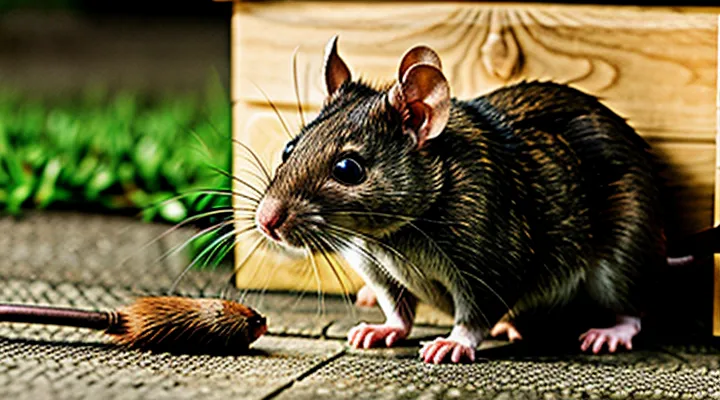
Understanding Your Rodent Problem
Identifying the Invaders
«Rat vs. Mouse: Key Differences»
Distinguishing rats from mice determines the choice of capture devices, bait, and placement strategy.
- Size: rats typically exceed 9 inches in body length, mice remain under 4 inches.
- Tail: rat tails are thick, scaly, and proportionally shorter; mouse tails are slender, hair‑covered, and roughly equal to body length.
- Head shape: rats have blunt, heavy skulls with a broader muzzle; mice possess delicate skulls and a pointed snout.
Behavioral patterns also diverge.
- Activity cycle: both are nocturnal, but rats often display crepuscular peaks, while mice maintain consistent night activity.
- Social structure: rats form larger colonies with defined hierarchies; mice operate in smaller, loosely organized groups.
- Foraging: rats prefer larger food items and can chew through thicker materials; mice target fine grains and can infiltrate narrow gaps.
Habitat preferences influence trap placement.
- Rats favor sewer systems, basements, and outdoor burrows near water sources.
- Mice occupy interior walls, attic spaces, and cluttered interiors.
These distinctions affect trap selection. Snap traps sized for a 9‑inch rodent suit rats; miniature snap or glue traps suit mice. Bait choice should match dietary habits: protein‑rich offerings attract rats, while high‑carbohydrate foods draw mice. Position devices along established runways—large pathways for rats, narrow conduits for mice—to maximize capture rates.
«Signs of Infestation»
Recognizing an active rodent problem is the first step toward effective trap deployment. Visible evidence confirms that baited devices will be necessary and guides the choice of trap type and placement.
- Fresh droppings, dark and pellet‑shaped, near food sources, walls, or hidden corners.
- Gnaw marks on wood, plastic, wiring, or insulation, especially around entry points.
- Grease trails left by rodent bodies along walls, baseboards, or cabinets.
- Scratched or chewed surfaces on stored food containers, packaging, or pantry shelves.
- Unusual odors of urine or ammonia, often strongest in confined spaces.
- Nesting material such as shredded paper, fabric, or insulation found in concealed areas.
- Hearing faint scurrying sounds, especially at night, within wall cavities or attic spaces.
Each indicator points to specific activity zones. Droppings and gnaw marks suggest foraging routes; grease trails reveal travel corridors; nests indicate long‑term habitation. Align trap selection with these patterns: snap traps for high‑traffic paths, glue boards for concealed routes, and multi‑catch traps for dense infestation zones. Position devices directly in the identified pathways, ensuring bait placement near the observed evidence to maximize capture rates.
Assessing the Severity
«Number of Rodents»
Understanding the size of an infestation is the first step in selecting effective rat and mouse control devices. Accurate estimates prevent under‑treatment, reduce waste, and increase the likelihood of eradication.
Typical methods for quantifying rodent presence include:
- Visual inspection of droppings, gnaw marks, and nesting material; count items per square foot to gauge activity.
- Tracking stations with powdered flour or charcoal; record footprints over 24 hours.
- Motion‑activated cameras; tally distinct individuals captured in footage.
- Live‑trap catch rates; calculate the proportion of traps triggered per night.
Interpretation of data follows a simple scale:
- Low – fewer than 5 signs per 100 sq ft; a single trap per 50 sq ft usually suffices.
- Moderate – 5–15 signs per 100 sq ft; deploy 1–2 traps per 30 sq ft, consider a mix of snap and glue devices.
- High – more than 15 signs per 100 sq ft; use multiple traps per 20 sq ft, prioritize multi‑catch stations and baited snap traps.
Adjust placement based on rodent pathways identified during inspection. Concentrate devices near walls, behind appliances, and in dark corners where activity clusters. Reassess the count weekly; a decline in signs confirms trap efficacy, while stable or rising numbers indicate the need for additional units or alternative strategies.
«Location of Activity»
Effective rodent control depends on placing traps where the pests are most active. Identify pathways, nesting sites, and feeding zones by observing droppings, gnaw marks, and fresh chew damage. Focus on areas with high traffic and concealment opportunities.
Common locations include:
- Along walls and baseboards, especially near entry points such as gaps around pipes or vents.
- Behind appliances, under refrigerators, and in pantry corners where food residues accumulate.
- Inside cabinets, cupboards, and storage boxes that lack regular cleaning.
- Near garbage containers, compost bins, and pet feeding stations.
- In crawl spaces, attics, and basement corners where moisture levels are elevated.
When positioning traps, follow these principles:
- Place devices perpendicular to the wall, with the trigger side facing the expected travel direction.
- Set traps a few inches away from surfaces to allow rodents to approach without obstruction.
- Deploy multiple traps at each identified hotspot, spacing them 1–2 feet apart to increase capture probability.
- Use bait that matches the species’ preferences—peanut butter or dried fruit for mice, meat or grain for rats.
- Rotate trap locations every few days to prevent trap avoidance and to cover new activity zones.
Regular inspection of the identified areas confirms whether the chosen spots remain effective. Adjust placement promptly if signs of activity shift, ensuring continuous pressure on the rodent population.
Choosing the Right Trap
Types of Traps
«Snap Traps»
Snap traps provide a rapid, humane solution for rodent control. They consist of a spring‑loaded bar that snaps shut when the animal triggers a trigger mechanism, delivering an immediate kill. Selecting the right snap trap depends on several factors:
- Target species – Larger rats require traps with a longer jaw span (up to 2 inches) and stronger spring tension; mice are adequately managed with standard 1‑inch models.
- Placement location – Areas with high traffic, such as along walls, behind appliances, or within concealed pathways, maximize encounter rates.
- Bait choice – Peanut butter, dried fruit, or small meat pieces attract both rats and mice; bait should be applied sparingly to avoid contaminating the trigger.
- Safety features – Models with insulated handles and enclosed spring chambers reduce accidental injury during set‑up and disposal.
Proper deployment follows a consistent routine. Begin by cleaning the target area to remove competing food sources. Position the trap perpendicular to the wall, with the trigger facing the expected travel direction of the rodent. Secure the bait on the trigger plate, ensuring it does not obstruct the spring’s motion. Set the spring tension according to the manufacturer’s instructions, then press the trigger plate until it locks in place. Check traps daily; replace any captured rodents promptly, wearing gloves and disposing of carcasses in sealed bags to prevent disease transmission.
Maintenance extends trap effectiveness. After each capture, clean the jaw surfaces with alcohol to remove residue that could diminish spring performance. Inspect the spring for fatigue; replace the mechanism when the snap action weakens. Store unused traps in a dry environment to prevent rust and corrosion.
By adhering to these guidelines, snap traps become a reliable component of an integrated rodent management strategy, delivering swift results while minimizing risk to non‑target animals and humans.
«Live Traps»
Live traps capture rodents without killing them, allowing humane removal. They consist of a cage or box with a trigger mechanism that closes a door when the animal enters.
When selecting a live trap, consider size, construction material, and trigger sensitivity. A typical checklist includes:
- Interior dimensions large enough for the target species (e.g., 10 × 5 × 5 inches for common house mice, 12 × 7 × 7 inches for Norway rats).
- Heavy‑duty wire mesh or plastic that resists chewing.
- Spring‑loaded or drop‑door trigger calibrated to activate with minimal pressure.
- Secure latch that prevents escape once closed.
Placement determines effectiveness. Position traps along walls, behind appliances, or near known gnawing sites, because rodents travel close to surfaces. Align the entrance with the animal’s natural path and keep the trap on a stable surface to avoid false triggers.
Bait selection influences capture rates. Use high‑protein foods such as peanut butter, dried fruit, or small pieces of cooked meat. Apply a small amount to the far side of the trigger plate to encourage full entry before activation.
Check traps at least twice daily. Prolonged confinement causes stress, dehydration, and potential injury. When a rodent is captured, transport the trap to a release location at least two miles from the infested property, preferably in a wooded area with adequate shelter and food sources. Release the animal by opening the latch away from the handler and retreating promptly.
Advantages of live traps include compliance with animal‑welfare regulations, avoidance of poison hazards, and the ability to monitor infestation levels through captured specimens. Limitations involve higher initial cost, the need for frequent monitoring, and the risk of releasing disease‑carrying rodents back into the environment if release guidelines are ignored.
Safety precautions: wear gloves when handling traps, disinfect surfaces after each capture, and ensure children and pets cannot access the devices. Some jurisdictions require permits for the capture and relocation of certain rodent species; verify local regulations before deployment.
«Glue Traps»
Glue traps consist of a flat board coated with a strong, non‑drying adhesive. The board captures rodents when they walk across it, immobilizing them without the need for a mechanical trigger. Designed for both rats and mice, these devices provide a silent, low‑visibility method of control.
Key factors when selecting a glue trap:
- Board dimensions that match the target species; larger surfaces for rats, smaller for mice.
- Adhesive quality that remains effective in humid or dusty environments.
- Protective covering that prevents accidental contact by pets or children.
- Manufacturer’s guarantee of humane capture and compliance with local regulations.
Effective placement follows a simple protocol:
- Identify high‑traffic routes: along walls, near food sources, and behind appliances.
- Clean the area to remove debris that could reduce adhesive contact.
- Position the trap with the sticky side up, flat against the wall or floor.
- Secure the trap using tape or a non‑slip base to prevent displacement.
After capture, wear disposable gloves, place the entire trap in a sealed plastic bag, and dispose of it according to local waste guidelines. Avoid reusing traps; adhesive loses potency after one use. Recognize limitations: glue traps do not provide immediate kill, may cause prolonged suffering, and are unsuitable where non‑target species are present. Proper selection and deployment mitigate these concerns while delivering reliable rodent control.
«Electronic Traps»
Electronic traps deliver a rapid, humane kill by delivering a high‑voltage shock that stops the rodent instantly. The device contains a sensor that detects movement or weight, activates the circuit, and releases the charge within milliseconds. No bait is required, eliminating the risk of non‑target species consumption.
When selecting an electronic trap, evaluate the following factors:
- Power source: rechargeable battery versus mains electricity; battery models offer portability, while corded units provide continuous operation.
- Voltage rating: ensure the shock exceeds 2,000 V for rats and 1,500 V for mice to guarantee immediate incapacitation.
- Capacity: single‑catch models suit low‑infestation areas; multi‑catch designs reduce servicing frequency in heavy infestations.
- Safety features: built‑in lockout switches, insulated housing, and indicator lights prevent accidental discharge.
- Warranty and durability: metal construction and sealed electronics extend lifespan in dusty or humid environments.
Proper placement maximizes capture rates. Position traps along established rodent pathways—near walls, behind appliances, and in dark corners. Align the sensor face perpendicular to the expected travel direction. Maintain a clear line of sight; clutter can block detection and reduce effectiveness.
Operation steps:
- Insert or connect the power source according to the manufacturer’s instructions.
- Activate the trap using the on/off switch; verify indicator lights confirm readiness.
- Place the device in the chosen location; avoid direct contact with conductive surfaces that could trigger false alarms.
- Monitor the indicator for a capture signal; most units emit a sound or flash when a rodent is killed.
- After a capture, deactivate the trap, open the disposal compartment, and remove the carcass. Clean the interior with a mild disinfectant to prevent odor buildup.
Safety considerations include keeping the unit out of reach of children and pets, using insulated gloves when handling captured rodents, and following local regulations for disposal of dead vermin. Regular battery checks or power‑line inspections prevent unexpected shutdowns.
Maintenance involves wiping the sensor surface with a dry cloth, inspecting the housing for cracks, and replacing batteries or fuses according to the service schedule. A well‑maintained electronic trap retains its efficiency and reduces the need for chemical alternatives.
Factors to Consider
«Safety for Pets and Children»
When rodent control devices are placed in homes where pets or children are present, safety must drive every decision. Choose traps that incorporate protective barriers, such as enclosed snap traps or sealed live‑catch cages, which prevent accidental contact with the killing mechanism. Avoid open‑spring models that lack a containment chamber; they pose a direct risk of injury.
Select bait locations out of reach. Mount traps on elevated surfaces, behind furniture, or inside wall voids using mounting brackets that keep the device at least 3 feet above floor level. Secure bait with a tamper‑resistant cover to discourage curious hands or paws from removing it.
Implement a monitoring routine. Inspect each trap daily, remove captured rodents promptly, and reset the device. Regular checks reduce the chance that a trap remains active unnoticed in an area where a child might play.
Consider alternative solutions when the risk of direct contact is unacceptable. Electronic devices that deliver a quick, sealed shock, or glue boards placed in sealed containers, limit exposure. If live‑catch traps are used, ensure they are equipped with a lockable lid and positioned in a location inaccessible to non‑target occupants.
Maintain a clear separation between rodent control zones and living spaces. Use physical barriers such as pet gates or child safety locks on doors leading to trap‑rich areas. Store all trapping supplies, including extra bait and replacement traps, in locked cabinets out of reach.
By adhering to these practices—selecting enclosed devices, elevating and securing bait, conducting daily inspections, opting for sealed alternatives when needed, and enforcing physical separation—rodent management can proceed without compromising the welfare of pets or children.
«Humaneness»
When selecting devices for rodent control, prioritize methods that minimize suffering. Evaluate traps based on the following criteria:
- Rapid incapacitation without prolonged distress.
- Ability to release captured animals unharmed when removal is preferred.
- Simple operation that reduces the chance of accidental injury to non‑target species.
Live‑capture traps, such as multi‑compartment cages, meet these standards when fitted with appropriate bait and checked at least twice daily. Their design confines the rodent quickly, allowing humane relocation or euthanasia according to local regulations.
Snap traps equipped with calibrated spring tension deliver an instantaneous kill, provided the mechanism aligns correctly with the animal’s neck. Models featuring insulated jaws and a concealed strike area reduce the risk of crushing non‑target limbs.
Glue boards are generally excluded from humane practices because they cause prolonged immobilization and stress.
To implement humane control effectively:
- Place traps along established runways, near walls, and close to food sources.
- Use bait that attracts the target species without appealing to pets or wildlife.
- Inspect traps frequently; remove captured rodents promptly.
- Follow disposal guidelines that respect health and environmental standards.
By adhering to these principles, pest management remains efficient while upholding ethical treatment of rodents.
«Effectiveness for Target Rodent»
When assessing a trap, the primary measure is its ability to eliminate the intended species. Effectiveness varies with rodent size, behavior, and habitat, so a trap that performs well against rats may be less reliable for mice.
Key performance indicators include:
- Capture success rate: proportion of placed traps that secure a rodent.
- Mortality speed: time from contact to death, reducing suffering and preventing escape.
- Bait acceptance: frequency with which the target rodent interacts with the lure.
- Non‑target avoidance: likelihood that insects, birds, or pets are unaffected.
- Reusability: number of successful cycles before the trap requires replacement.
Snap traps deliver rapid mortality for both rats and mice when positioned along active runways. Their steel jaws provide a lethal force that exceeds the bite strength of adult rats, resulting in a high kill rate. For mice, smaller jaw models improve sensitivity, increasing capture success. However, snap traps demand precise placement; misalignment reduces effectiveness.
Live‑catch traps retain rodents for relocation. They achieve high capture rates for mice when baited with high‑protein foods, but rats often avoid confinement due to size and strength, leading to lower overall success. Release protocols and sanitation are additional considerations that affect long‑term efficacy.
Glue boards produce immediate immobilization, useful for secondary infestations. They capture mice efficiently but often fail with rats because the larger body weight can break the adhesive surface. Moreover, glue boards raise humane concerns and may attract non‑target species.
Electronic traps emit a high‑voltage pulse that kills rodents instantly. They are effective for both rats and mice, delivering consistent mortality regardless of bait preference. The main limitation is power dependency and higher upfront cost, which can affect deployment density.
Choosing the appropriate trap hinges on matching these performance metrics to the specific rodent problem. For a rat‑dominant infestation, snap or electronic devices provide the highest mortality speed and capture success. For mouse‑focused issues, small‑jaw snap traps, live‑catch units, or glue boards may be preferable, depending on ethical constraints and the need for non‑lethal control.
«Ease of Use and Disposal»
Ease of use determines whether a trap can be deployed quickly and effectively. Snap traps require a single hand to set the spring mechanism, a small amount of bait, and a firm press to lock the trigger. Glue boards involve placing a pre‑treated surface in a concealed area; no assembly is needed, but positioning must avoid accidental contact with pets. Live‑capture cages open with a simple latch and close automatically when a rodent enters, allowing immediate release. Electronic devices activate with a brief press of a button, delivering an instant kill and resetting for the next capture.
Disposal considerations differ by trap type. Snap traps contain the carcass within a rigid frame; removal consists of lifting the trap, placing it in a sealed bag, and discarding according to local regulations. Glue boards hold rodents on a sticky surface; disposal requires sealing the board in a plastic bag to prevent leakage of fluids. Live‑capture cages release captured animals; if release is not an option, the cage can be emptied into a sealed container before cleaning. Electronic units often feature a removable cartridge that captures and contains the body; the cartridge is sealed and disposed of like a snap trap.
Key factors for selecting a user‑friendly solution:
- Setup time: less than one minute for most snap and electronic models.
- Safety features: built‑in guards prevent accidental triggering during placement.
- Cleaning requirements: smooth surfaces on snap and electronic traps allow quick wiping; glue boards demand full replacement rather than cleaning.
- Regulatory compliance: sealed disposal methods meet health‑code standards in most jurisdictions.
Prioritizing traps that combine straightforward activation with secure, hygienic disposal reduces labor, minimizes exposure to pathogens, and maintains a sanitary environment.
Preparing for Trapping
Bait Selection
«Effective Baits for Rats»
Effective rat control begins with bait that attracts quickly, sustains interest, and delivers a lethal dose. Selecting the appropriate bait reduces the time required for a trap to capture a rat and improves overall success rates.
Choose bait based on three criteria: species preference, palatability under local conditions, and compatibility with the trap type. Preference varies by region; urban rats favor grain‑based foods, while rural populations may seek protein sources. Palatability declines when bait dries or becomes contaminated; moisture‑rich formulations maintain appeal. Compatibility ensures that the bait does not interfere with the trap mechanism or cause premature release.
- Peanut butter mixed with cornmeal – high fat content, strong odor, adheres well to snap traps.
- Fresh fruit pieces (apple, banana) – natural sugars attract exploratory rats, suitable for live‑catch cages.
- Commercial rodent blocks containing anticoagulant or neurotoxic compounds – standardized dosage, minimal handling.
- Dry cat food or fishmeal pellets – strong protein scent, effective for nocturnal activity.
- Soy‑based paste combined with wheat germ – inexpensive, versatile for both indoor and outdoor setups.
Apply bait directly to the trigger mechanism, ensuring a small, consistent amount that coats the trigger surface without excess. Replace bait every 24–48 hours to prevent desiccation. Position traps along walls, near burrow entrances, and in areas showing gnaw marks. Use multiple traps spaced 2–3 feet apart to increase capture probability.
Wear gloves when handling toxic baits, store them in sealed containers away from children and pets, and dispose of captured rodents according to local regulations. Monitor trap activity daily; remove dead rats promptly to prevent secondary attraction. Adjust bait type or placement if capture rates decline, indicating bait aversion or bait shyness.
«Effective Baits for Mice»
Effective mouse baits combine strong odor, high palatability, and low resistance to gnawing. Peanut butter remains the top choice because its oily texture adheres to trap surfaces and its scent persists in dry and humid conditions. Grain mixtures such as rolled oats or wheat germ attract foraging mice, especially when mixed with a small amount of honey to enhance stickiness. Commercial rodent bait blocks formulated with soy protein and added attractants provide consistent performance and reduce the need for frequent re‑baiting. Pheromone‑based lures, derived from mouse urine or gland secretions, trigger innate searching behavior and improve trap capture rates when paired with a food attractant.
When selecting bait, consider the following criteria:
- Odor intensity: strong, natural scents outperform synthetic fragrances.
- Moisture tolerance: baits that remain attractive after exposure to damp environments maintain efficacy in basements and crawl spaces.
- Adhesion: substances that cling to trap surfaces prevent mice from removing the bait before triggering the mechanism.
- Safety: non‑toxic, low‑risk formulations protect pets and children while allowing indoor use.
- Shelf life: products that resist spoilage ensure long‑term readiness.
Placement influences bait success. Position traps along walls, behind appliances, and near known entry points, aligning the bait with the mouse’s natural travel routes. Secure the bait to the trigger mechanism to avoid accidental dislodgement. Replace bait daily in high‑traffic areas; in low‑traffic zones, a weekly inspection suffices.
Combining the optimal bait with an appropriately sized snap or live‑capture trap maximizes removal efficiency while minimizing waste and non‑target exposure.
«Baiting Strategies»
Effective baiting begins with matching the lure to the target species’ dietary preferences. Rats favor high‑calorie, protein‑rich foods such as peanut butter, dried fruit, and meat scraps, while mice are attracted to grains, seeds, and sweet substances like chocolate or honey. Selecting a bait that appeals to both rodents increases the likelihood of capture when traps are placed in mixed infestations.
Placement of bait follows a predictable pattern: position the lure near the trap’s trigger mechanism, ensuring the rodent must contact the trigger to reach the food. Secure the bait with a small amount of adhesive or a piece of thread to prevent removal without activating the trap. In high‑traffic zones—along walls, behind appliances, and near entry points—use a single pea‑sized amount to avoid bait spillage, which can cause non‑target exposure.
Timing influences bait effectiveness. Deploy fresh bait daily; stale odors lose potency and may deter rodents. During colder months, increase the caloric content of the lure, as rodents seek more energy to maintain body temperature. Conversely, in warm weather, opt for moisture‑rich baits that counteract dehydration.
Safety considerations require separating bait from children and pets. Choose tamper‑resistant traps with enclosed chambers, and store unused bait in sealed containers. When using toxic baits, label them clearly and follow manufacturer guidelines to minimize accidental ingestion.
Common bait options
- Peanut butter (high protein, strong scent)
- Sunflower seeds (preferred by mice, easy to attach)
- Dried fruit pieces (attractive to rats, low mess)
- Chocolate chips (sweet, potent for mice)
- Meat scraps (strong odor, effective for hungry rats)
By aligning bait type, placement, freshness, and safety protocols, practitioners maximize trap performance and achieve rapid reduction of rodent activity.
Placement Strategies
«Identifying Rodent Runways»
Rodents travel along established pathways that connect food, water, shelter, and nesting sites. Recognizing these routes enables precise trap placement, increasing capture rates while minimizing waste.
Typical indicators of a runway include:
- Fresh droppings aligned in a straight line, usually dark and pellet‑shaped.
- Gnaw marks on walls, baseboards, or furniture where the animals chew to maintain clearance.
- Grease or oily smears left by the rodents’ fur, often visible on low surfaces.
- Scratched or worn flooring, particularly near corners or along walls.
- Accumulated debris such as shredded paper, fabric, or insulation fibers.
To confirm a runway, follow a systematic inspection:
- Start at the suspected food source and trace any droppings or gnaw marks back toward potential nesting areas.
- Observe the direction of debris accumulation; rodents tend to move outward from nests.
- Test the path by placing a small amount of non‑toxic tracking powder; fresh footprints will appear within minutes.
Once a runway is mapped, position traps perpendicular to the flow of traffic, with the trigger end facing the direction of travel. Place bait at the far end of the trap to draw the rodent fully onto the device. Ensure the trap is level and unobstructed, allowing the animal to move naturally along the identified route.
By systematically detecting and exploiting rodent runways, pest managers can deploy traps more efficiently, reduce the number of devices required, and achieve faster, more reliable results.
«Optimal Trap Locations»
Place traps where rodents travel most frequently. Typical pathways include walls, baseboards, and the edges of cabinets. Target areas that show signs of activity, such as gnaw marks, droppings, or grease stains.
- Behind appliances that generate heat or noise, because rats and mice seek shelter near reliable energy sources.
- In corners where two surfaces meet, creating a natural funnel for movement.
- Near entry points such as cracks, gaps under doors, or vent openings, to intercept newcomers before they spread.
- Along utility lines (water, electricity) and plumbing stacks, which provide easy access to moisture and shelter.
- Inside storage boxes or bins that contain food, where the scent draws the pests.
Select locations that remain undisturbed by human traffic. Avoid placing traps on high‑traffic floors or in areas where pets might interfere. Ensure the bait is fresh and positioned to force the rodent to trigger the device while moving toward its nest. Regularly check and rotate traps to maintain effectiveness and prevent bait degradation.
«Number of Traps Needed»
When a rodent infestation is confirmed, the first practical step is to estimate the trap count required to achieve rapid reduction. The calculation rests on three measurable factors: the size of the affected area, the observed activity level, and the type of trap being deployed.
- Measure the perimeter of the infested zone; allocate one trap for every 10‑15 sq ft of floor space. In larger rooms, position traps along walls at 3‑ft intervals.
- Assess activity signs (droppings, gnaw marks, tracks). For high activity, increase the density to one trap per 5‑7 sq ft. For low activity, the standard 10‑15 sq ft spacing suffices.
- Consider trap design. Snap traps cover a smaller radius (≈6 in.) than multi‑catch or electronic models (≈12 in.). Adjust spacing accordingly: double the number of snap traps or halve the number of larger‑coverage devices.
A practical formula combining these elements is:
Number of traps = (Area ÷ Base spacing) × Activity factor × Trap‑type multiplier
Where:
- Base spacing = 12 sq ft (average for moderate activity).
- Activity factor = 1.0 for low, 1.5 for moderate, 2.0 for high.
- Trap‑type multiplier = 1.0 for snap traps, 0.5 for multi‑catch/electronic units.
Example: A 300‑sq‑ft kitchen with high activity using snap traps yields
300 ÷ 12 = 25; 25 × 2.0 × 1.0 = 50 traps. Switching to electronic traps reduces the requirement to 25 traps.
Deploy the calculated number of traps before the first dusk, check them twice daily, and replace any that have been triggered. Maintaining the prescribed density until sightings cease ensures a thorough eradication.
Setting and Monitoring Traps
Safe Trap Setting Techniques
«Handling Snap Traps»
Snap traps provide immediate, lethal control of rats and mice when handled correctly. Their design relies on a spring‑loaded bar that closes rapidly around the animal’s neck, delivering a fatal injury. Proper handling minimizes risk to humans and pets while maximizing trap efficiency.
Safety precedes all actions. Wear thick gloves to protect hands from the spring mechanism. Keep the trap’s jaws open only while setting the bait and positioning the device; never leave the trap unattended with the spring tensioned. Store unloaded traps in a secure container away from children.
Effective placement follows these principles:
- Position traps along walls, behind appliances, or near known runways; rodents travel close to surfaces.
- Set traps perpendicular to the wall, with the trigger end facing the anticipated travel direction.
- Avoid high‑traffic human areas to reduce accidental activation.
Bait selection influences capture rates. Use fresh, high‑protein foods such as peanut butter, dried fruit, or small pieces of meat. Apply a pea‑sized amount to the trigger plate, ensuring the rodent must touch the plate to obtain the bait.
After deployment, inspect traps at least once daily. Remove captured rodents promptly, using gloves and a sealed disposable bag. Disinfect the trap surface with a bleach solution before resetting. Replace the spring if it shows signs of fatigue or corrosion.
Maintenance extends trap life. Clean debris from the trigger mechanism after each use. Lubricate the spring with a light oil annually to preserve tension. Replace worn jaws or broken components immediately to avoid malfunction.
Legal and ethical considerations require compliance with local wildlife regulations. Some jurisdictions restrict snap‑trap use in residential buildings or mandate humane disposal methods. Verify applicable rules before implementation.
«Setting Live Traps»
Live traps provide a humane method for removing rats and mice while allowing reuse of the device. Effective deployment begins with selecting a trap size appropriate for the target species; rats require larger cages with a minimum interior dimension of 12 × 10 × 6 cm, whereas mice are captured in traps measuring roughly 8 × 6 × 6 cm. Choose models featuring a spring‑loaded door, a sturdy latch, and ventilation holes to prevent overheating.
Placement determines capture success. Position traps along established runways, near walls, behind appliances, or adjacent to food sources. Align the entry hole perpendicular to the wall, ensuring rodents must enter head‑first. Avoid locations exposed to direct sunlight, heavy foot traffic, or strong drafts, which can deter activity.
Bait selection influences attraction. Use high‑fat, protein‑rich foods such as peanut butter, bacon bits, or dried fruit. Apply a pea‑sized amount to the trigger platform, spreading it thinly to encourage the animal to step fully onto the plate. Rotate bait types if initial attempts yield no captures.
Regular monitoring prevents stress and injury. Check traps at least twice daily; once a rodent is secured, transport the cage to a release site at least 2 km from the original infestation. Release the animal facing a natural shelter, then reset the trap with fresh bait.
Step‑by‑step procedure
- Verify trap dimensions match target species.
- Clean the interior with mild detergent; rinse and dry.
- Attach bait to the trigger plate, avoiding excess.
- Position trap along a wall, entry hole facing the rodent pathway.
- Secure the trap to prevent displacement by other animals.
- Inspect traps twice daily; relocate captured rodents promptly.
- Clean and re‑bait after each capture.
Adhering to these practices maximizes capture rates, minimizes harm, and supports ongoing pest‑management strategies.
Regular Monitoring
«Frequency of Checks»
Regular monitoring of rodent traps determines their effectiveness and prevents secondary problems.
Inspect traps at least once daily when an active infestation is confirmed. Early morning checks capture nocturnal activity, while evening inspections address daytime foraging. If only occasional sightings occur, a bi‑daily schedule suffices; reduce to every 48 hours after captures cease for two consecutive days.
When using snap or electronic devices, examine each unit after every capture. Remove dead rodents promptly, clean the mechanism, and reset bait. For glue boards, replace the adhesive surface after each inspection, as partial captures can cause prolonged suffering and attract other pests.
A systematic approach improves consistency:
- Morning review – Verify trap placement, confirm bait integrity, and record any catches.
- Mid‑day visual scan – Ensure traps remain undisturbed; adjust positions if signs of avoidance appear.
- Evening verification – Final check before night, especially for species active after dark.
Maintain a log documenting date, time, location, trap type, and number of rodents captured. The record reveals trends, informs adjustments in placement density, and guides decisions on when to discontinue trapping in a cleared area.
If traps are unattended for more than 24 hours, replace bait to maintain attractant potency. In high‑traffic zones such as kitchens or garages, increase inspection frequency to every 12 hours during peak activity periods.
Consistent, timely checks safeguard health, preserve trap performance, and accelerate eradication of rat and mouse populations.
«Dealing with Captured Rodents»
When a trap secures a rat or mouse, immediate and safe handling is essential to prevent injury, disease transmission, and secondary infestations. Begin by wearing disposable gloves and, if available, a face mask. This barrier protects against saliva, urine, and potential pathogens carried by the rodent.
Place the captured animal into a sealable plastic bag while still wearing gloves. Expel excess air, close the bag tightly, and then insert the bag into a second, larger bag for double containment. Label the package with the date and location of capture before disposing of it in an outdoor trash container that is emptied regularly.
If live‑capture devices are used, release the rodent far from residential areas—preferably at least 100 meters from the property and in a suitable habitat. Transport the animal in a ventilated container, and open the release point only after confirming the surrounding area is free of pets and children.
Sanitation follows capture. Remove the trap from the area, soak it in a solution of one part bleach to nine parts water for at least ten minutes, then rinse thoroughly with clean water. Disinfect surrounding surfaces with the same bleach solution or an EPA‑approved disinfectant. Allow all treated areas to air dry before re‑deploying traps.
Key safety and hygiene practices:
- Wear disposable gloves and eye protection during every handling step.
- Use sealed bags for disposal; double‑bagging reduces accidental leaks.
- Clean and disinfect traps after each use to eliminate scent trails that may deter future captures.
- Wash hands with soap and water for at least 20 seconds after removing gloves.
- Store unused traps in a sealed container away from children and pets.
Adhering to these procedures ensures that captured rodents are dealt with responsibly, minimizing health risks and maintaining the effectiveness of a rodent‑control program.
Trap Maintenance
«Cleaning and Reusing Traps»
Effective rodent control depends on maintaining trap performance. Proper cleaning and reuse prevent loss of bait potency, limit odor buildup, and reduce overall expense.
Before handling any device, wear disposable gloves and ensure the area is well‑ventilated. Place captured rodents in a sealed bag and follow local waste‑disposal regulations. Avoid direct skin contact to reduce risk of disease transmission.
Cleaning procedure:
- Detach the trap from its mounting point.
- Empty the catch compartment into a disposable container.
- Rinse the entire apparatus with hot water to remove debris.
- Scrub surfaces with a mild detergent using a brush or sponge.
- Apply an EPA‑approved disinfectant; let it sit for the recommended contact time.
- Rinse again to eliminate chemical residues.
- Dry the trap completely with a clean cloth or air‑dry for at least 30 minutes.
- Inspect hinges, springs, and trigger mechanisms for wear; replace damaged parts before reuse.
Material considerations vary. Snap traps tolerate vigorous scrubbing, while live‑catch cages require gentle cleaning to avoid harming the release mechanism. Glue boards should be discarded after a single use because adhesive residue cannot be fully removed.
Reusing traps is advisable when cleaning is performed after each capture. Store cleaned devices in a sealed container to protect against dust and humidity. Periodic inspection—at least once a month—identifies fatigue in springs or corrosion in metal components.
Consistent maintenance preserves trap efficiency, eliminates secondary infestations caused by lingering scent, and extends the service life of each unit.
«When to Replace Traps»
Rats and mice quickly render a trap ineffective once it shows physical wear or loss of performance. Replace a device as soon as any of the following conditions appear:
- Spring, snap, or trigger mechanism rusts, bends, or fails to activate reliably.
- Bait compartment cracks or becomes contaminated beyond cleaning.
- Plastic housing warps, cracks, or develops holes that allow escape.
- Capture rate drops markedly despite proper placement and fresh bait.
- Manufacturer’s recommended service interval expires (typically 3–6 months for snap traps, 6–12 months for electronic units).
The durability of each trap type varies. Snap traps constructed of steel maintain tension for several months but lose strength after repeated cycles. Glue boards lose adhesive effectiveness after a single full‑capacity use. Electronic traps retain voltage output for up to a year, after which capacitor performance degrades.
Routine inspection before each deployment identifies early signs of failure. Clean surfaces with mild detergent, dry thoroughly, and test trigger response. If the test fails or any damage is evident, discard the unit and install a new one to preserve control efficacy.
Post-Trapping Measures
Preventing Future Infestations
«Sealing Entry Points»
Sealing entry points eliminates the primary route rodents use to access a structure, making traps more effective and reducing the likelihood of reinfestation. Begin with a thorough inspection of the building envelope: examine the foundation, walls, roof eaves, vents, utility penetrations, and gaps around doors and windows. Look for openings larger than ¼ inch, as rats and mice can squeeze through very small spaces.
- Apply steel wool or copper mesh to narrow cracks, then cover with caulk or expanding foam for a durable seal.
- Use cement mortar or concrete patch for larger gaps in foundations and exterior walls.
- Install weather‑stripping on doors and windows, ensuring a tight fit when closed.
- Fit metal flashing over vent openings, then secure with screws and sealant.
- Seal gaps around plumbing, electrical conduits, and HVAC ducts with metal sleeves or rigid pipe collars, followed by appropriate sealant.
After sealing, verify that all potential entry routes are blocked before deploying traps. Regularly inspect seals for wear or damage, especially after seasonal temperature shifts, and repair any breaches promptly to maintain a rodent‑proof environment.
«Food Storage Practices»
Effective rodent control begins with proper food storage. Secure containers prevent rats and mice from locating a food source, reducing the likelihood that traps will be triggered by non‑target items. Use airtight, metal or heavy‑wall plastic bins with sealed lids; avoid cardboard boxes, open jars, or bags that can be chewed through.
Key practices for maintaining a rodent‑free pantry include:
- Store all dry goods in containers that lock tightly and are labeled with purchase dates.
- Keep the storage area clean; sweep crumbs and wipe surfaces after each use.
- Position containers away from walls and corners, creating a clear zone that discourages nesting.
- Rotate stock regularly; discard expired items that may attract pests.
- Install a shelf or tray beneath containers to catch any spills, allowing easy inspection.
When selecting traps, prioritize models that can be placed directly in the storage zone without contaminating food. Snap traps or electronic devices with bait compartments allow the use of non‑food attractants, such as pheromone lures, minimizing the risk of contaminating stored provisions. Place traps along the perimeter of the storage area, near known rodent pathways, but maintain a distance of at least several inches from food containers to avoid accidental contact.
After deployment, monitor traps daily. Remove captured rodents promptly, disinfect the trap, and reset it with fresh bait. Reinforce storage hygiene after each removal to prevent re‑infestation. Consistent adherence to these food storage protocols, combined with strategic trap placement, creates a hostile environment for rats and mice while protecting the integrity of stored provisions.
«Sanitation and Clutter Reduction»
Effective rodent control starts with a clean, uncluttered environment. Eliminating food residues, water sources, and shelter deprives rats and mice of the conditions needed to thrive, thereby increasing the likelihood that traps will capture the remaining individuals.
Sanitation removes attractants and reduces the need for excessive bait. When food scraps, pet feed, and spilled grain are promptly cleaned, rodents lose the incentive to explore traps, which improves trap placement accuracy.
- Store dry goods in sealed containers.
- Clean countertops, floors, and under appliances daily.
- Dispose of garbage in tightly fitted lids and remove it regularly.
- Repair leaks; eliminate standing water in kitchens, basements, and bathrooms.
- Maintain pet feeding stations away from walls and clean up leftovers after each meal.
Clutter provides hiding spots and alternative pathways that allow rodents to avoid traps. Removing unnecessary items from storage areas, attics, and crawl spaces creates open sight lines, making traps more visible and accessible.
- Keep boxes, papers, and debris off the floor; use shelving with solid backs.
- Trim vegetation and prune shrubs near building foundations.
- Seal gaps around pipes, vents, and utility openings.
- Organize garage and storage closets to eliminate piles of material.
- Ensure clear pathways to trap locations, avoiding obstacles that rodents could bypass.
A sanitary, organized setting enhances trap performance. With fewer distractions, bait remains effective longer, and the reduced complexity of the environment allows traps to be positioned strategically where rodent activity is most likely. This approach maximizes capture rates while minimizing the number of traps required.
Disposing of Rodents
«Sanitary Disposal Methods»
After a rodent capture, immediate sanitary disposal prevents disease transmission and secondary infestations. Handle each dead animal with disposable gloves, avoiding direct contact with skin or clothing.
Secure the carcass in a leak‑proof container. Recommended practices include:
- Place the rodent in a heavy‑duty plastic bag, seal, then place the sealed bag in a second bag before disposal.
- Freeze the sealed bag for at least 24 hours to neutralize pathogens, then discard according to local waste regulations.
- If permitted, incinerate the sealed bag in a high‑temperature furnace or outdoor fire pit, ensuring complete combustion.
- Contract a licensed pest‑control service for bulk disposal or when local ordinances require professional handling.
Follow municipal guidelines for biomedical waste or household trash. Label the disposal container if required, and record the date of removal for audit purposes. Regularly clean and disinfect the trap‑handling area with an EPA‑approved disinfectant after each disposal cycle.
«Safety Precautions»
When handling rodent traps, prioritize personal and household safety. Follow these measures to prevent injury, contamination, and accidental exposure.
- Wear disposable gloves before touching any trap or bait.
- Keep traps away from food preparation areas and surfaces that contact food.
- Store traps in a locked cabinet, out of reach of children and pets.
- Use traps that are labeled “snap” or “electronic” only when placed in secure locations where accidental contact is unlikely.
- If using glue boards, place them on flat, non‑traffic surfaces and handle them with tweezers to avoid skin adhesion.
- Never place live‑catch traps near water sources; ensure drainage is adequate to prevent drowning.
After setting traps, inspect them regularly. Remove captured rodents promptly, using sealed bags or containers. Disinfect the area with an EPA‑approved sanitizer before resetting traps. Dispose of dead rodents according to local regulations; do not place them in regular trash without proper containment.
When cleaning reusable traps, detach moving parts, rinse with hot water, and dry thoroughly before reassembly. Avoid using abrasive chemicals that could degrade trap mechanisms. Replace worn or damaged components immediately to maintain effectiveness and reduce the risk of malfunction.
Maintain a record of trap locations, dates of deployment, and disposal actions. This log aids in monitoring rodent activity and ensures compliance with safety protocols.