
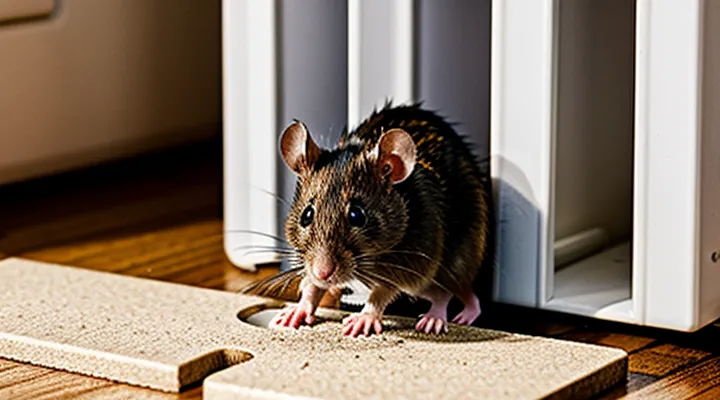
What are Glue Traps?
How They Work
Glue traps consist of a rigid board coated with a strong, non‑drying adhesive. When a rodent steps onto the surface, its paws become stuck, preventing further movement. The adhesive remains tacky for several days, ensuring that the animal cannot free itself even after initial contact.
The adhesive layer is typically a polymer‑based resin formulated to resist temperature fluctuations and humidity. The resin’s viscoelastic properties allow it to conform to the contours of a rodent’s feet, spreading the load across a large area and reducing the likelihood of escape. Once the animal is immobilized, the trap can be removed for disposal or monitoring.
Key variables that influence trap performance include:
- Placement at established travel routes such as walls, corners, and near food sources.
- Use of a small amount of attractive bait (e.g., grain, peanut butter) to encourage contact.
- Maintenance of a clean, dust‑free surface to preserve adhesive strength.
- Regular inspection to replace traps that have lost tackiness or have captured non‑target species.
Understanding these mechanisms enables effective deployment of glue traps for controlling mouse and rat populations while minimizing unintended consequences.
Pros and Cons of Usage
Glue traps provide a rapid, non‑toxic means of eliminating rodents. Their design captures animals on a sticky surface, preventing escape and allowing immediate removal.
Advantages
- Immediate immobilization reduces the chance of secondary infestation.
- No chemical residues remain in the environment after disposal.
- Low initial cost makes them accessible for residential and commercial use.
- Compact size permits placement in concealed locations, limiting visual impact.
Disadvantages
- Captured rodents may suffer prolonged distress before death.
- Traps do not discriminate between target species and non‑target wildlife, including beneficial insects.
- Sticky surfaces lose effectiveness when exposed to dust, moisture, or debris, requiring frequent replacement.
- Disposal must follow local regulations to avoid health hazards and environmental contamination.
When selecting glue traps, evaluate the balance between rapid control and humane considerations, and ensure compliance with relevant pest‑management guidelines.
Choosing the Right Glue Trap
Types of Glue Traps
Glue traps for rodents come in several configurations, each suited to particular environments and target sizes.
Flat adhesive boards present a thin, rectangular surface coated with a strong, non‑drying polymer. They are placed along walls, behind appliances, or in crawl spaces where mice travel. Their low profile allows discreet installation and easy replacement.
Baited glue traps combine the adhesive surface with an attractant, typically a grain‑based or protein scent. The lure draws rodents onto the sticky area, increasing capture probability in locations where passive placement yields low activity.
Heavy‑duty traps feature a thicker, reinforced base and larger adhesive surface. Designed for rats, they withstand greater weight and prevent escape attempts. Their dimensions often exceed 12 inches, providing sufficient contact area for larger rodents.
Disposable traps consist of a single‑use adhesive sheet backed by a cardboard or plastic frame. After capture, the entire unit is removed and discarded, minimizing handling risk. Reusable models incorporate a detachable adhesive strip that can be replaced, reducing long‑term cost for extensive infestations.
Size variations address species differences: mouse‑specific traps range from 4 × 6 inches to 6 × 8 inches, while rat‑oriented designs extend to 12 × 18 inches or larger. Selecting an appropriate size ensures the animal’s full weight engages the adhesive, preventing partial contact and possible escape.
When choosing a type, consider placement accessibility, target species, and the need for bait. Flat boards suit low‑traffic zones, baited versions excel in high‑activity areas, and heavy‑duty traps are essential for larger rodents. Proper selection enhances effectiveness and reduces the number of traps required.
Factors to Consider Before Purchase
When evaluating adhesive rodent traps for purchase, focus on the following criteria.
- Target species size: Choose a trap rated for the typical body length and weight of mice or rats; mismatched dimensions reduce capture efficiency.
- Adhesive strength: Verify that the glue maintains tackiness under the expected temperature range and humidity levels of the environment.
- Safety features: Prefer products with sealed edges or protective covers to prevent accidental contact by children, pets, or non‑target wildlife.
- Placement options: Select traps that include flexible backing or multiple attachment methods (e.g., adhesive strips, clips) to accommodate various surfaces such as walls, floors, and ceilings.
- Disposal design: Opt for models offering a simple release mechanism or a sealed container that facilitates hygienic removal and minimizes exposure to the trapped animal.
- Regulatory compliance: Ensure the trap complies with local pest‑control regulations and carries any required certifications or safety labels.
- Shelf life: Check the expiration date of the adhesive coating; older stock may lose effectiveness, leading to failed captures.
Consider the cost per unit relative to the anticipated infestation level; bulk pricing may be advantageous for extensive treatment areas, while a smaller quantity suffices for isolated incidents. Evaluate manufacturer reputation and availability of customer support for guidance on proper placement and disposal procedures.
Size and Strength
Choosing a glue trap that matches the target rodent requires attention to two physical parameters: «size» and «strength».
The «size» of a trap determines the likelihood that a mouse or rat will make sufficient contact with the adhesive surface. Typical dimensions are:
- Small: 4 × 5 cm – effective for mice, fits into narrow openings.
- Medium: 8 × 10 cm – suitable for larger mice and small rats, provides a broader landing zone.
- Large: 12 × 15 cm – designed for rats, accommodates heavier weight and larger stride length.
Selecting a size that exceeds the animal’s body length by at least 20 % increases capture probability while preventing escape.
The «strength» of the adhesive influences both capture reliability and trap longevity. Key aspects include:
- Adhesive rating: measured in grams of pull‑off force; values of 300 g, 600 g, and 1000 g correspond to small, medium, and large traps respectively.
- Temperature tolerance: adhesives formulated to remain tacky from –5 °C to 35 °C maintain performance in most indoor and sheltered outdoor environments.
- Moisture resistance: traps with silicone‑based glue resist degradation in humid areas such as basements or kitchens.
Evaluating these characteristics involves checking manufacturer specifications for pull‑off force and environmental limits.
Effective deployment combines a trap size that accommodates the rodent’s dimensions with an adhesive strength that exceeds the animal’s escape force. Matching these parameters minimizes bait waste and reduces the need for frequent trap replacement.
Bait Options
Bait selection directly influences the effectiveness of adhesive capture devices for rodents. Choose attractants that match the target species’ feeding preferences, ensure durability on the trap surface, and avoid substances that degrade the adhesive.
- Peanut butter – strong odor, adheres well, suitable for both mice and rats.
- Sunflower seed kernels – natural scent, resistant to drying, attractive to larger rodents.
- Chocolate chips – high‑calorie, appealing to mice, may melt on hot surfaces.
- Cheese cubes – classic lure, works best in cooler environments, limited shelf life.
- Commercial rodent attractant gels – formulated for prolonged potency, compatible with glue surfaces.
Apply a thin, even layer of the chosen bait to the trap’s central area. Allow excess moisture to evaporate before placement to maintain adhesive strength. Rotate bait types periodically to prevent habituation and improve capture rates.
Strategic Placement of Glue Traps
Identifying Infestation Areas
Identifying infestation zones is the first step before deploying adhesive traps for rodents. Accurate detection prevents waste of resources and enhances control efficacy.
Typical indicators include droppings, gnaw marks, urine stains, and nesting material. Observe these signs along walls, ceilings, and beneath appliances.
Common locations where mice and rats travel or hide are:
- Wall voids and gaps near foundations
- Behind kitchen cabinets and pantry shelves
- Under sinks, refrigerators, and dishwashers
- Inside storage closets and attics
- Near utility lines, pipe runs, and vent ducts
A systematic survey improves placement precision. Begin by inspecting each room, noting all evidence on a floor plan. Prioritize areas with the highest concentration of signs. Place «glue traps» perpendicular to travel routes, ensuring contact with the edge of the path. Regularly check traps and adjust positions based on new activity patterns.
Optimal Placement Techniques
Effective glue‑trap deployment begins with understanding rodent movement patterns. Mice and rats travel close to surfaces, favoring walls, baseboards, and concealed pathways. Position traps where these routes intersect to maximize contact.
Key placement zones:
- Adjacent to known entry points such as cracks, gaps, and vents.
- Along established runways identified by droppings, gnaw marks, or grease trails.
- In corners where walls meet floors, especially near concealed food or water sources.
- Behind appliances, within cabinets, and under shelving where foraging activity concentrates.
- At the base of furniture legs and shelving supports that provide shelter.
Height considerations influence capture rates. For mice, set traps 2–4 cm above the floor; for rats, raise to 10–15 cm to align with larger body size. Ensure a flat, dry surface; avoid placement on uneven or damp substrates that diminish adhesive effectiveness.
Environmental factors affect trap longevity. In high‑traffic areas, replace traps promptly after capture to prevent escape and maintain hygiene. In low‑traffic zones, inspect weekly to assess effectiveness and reposition as needed.
By aligning trap locations with rodent pathways, surface conditions, and activity hotspots, the likelihood of successful capture increases while minimizing non‑target exposure.
Safety Considerations for Placement
When positioning adhesive traps for rodents, prevent accidental contact with non‑target species. Place devices out of reach of children and pets, preferably on elevated surfaces or within concealed gaps that rodents can access but larger animals cannot.
Select locations that limit exposure to food preparation areas. Install traps near walls, behind appliances, or inside cabinets where evidence of activity exists. Avoid placement on countertops, dining tables, or any surface that will be routinely cleaned with liquids, as moisture reduces adhesive effectiveness.
Maintain clear signage indicating the presence of lethal devices. Use durable labels such as «Trap Area – No Contact» to alert household members and maintenance personnel. Ensure that signs remain legible after cleaning cycles.
Key safety steps:
- Verify that the trap is securely affixed to a stable substrate; loose placement can cause the device to fall and become a hazard.
- Inspect surrounding area for potential secondary risks, such as exposed wires or sharp edges, that could cause injury if the trap is disturbed.
- Replace traps promptly after capture to avoid accumulation of dead rodents, which can attract predators or cause unpleasant odors.
- Store unused traps in a sealed container, away from heat sources, to preserve adhesive strength and prevent accidental activation.
Regularly review placement strategy after any structural changes in the building. Adjust locations to maintain effectiveness while preserving safety for all occupants.
Effective Usage and Monitoring
Setting Up the Trap
When preparing an adhesive rodent catcher, begin by selecting a stable, flat surface where the device can remain undisturbed. Ensure the area is free from heavy foot traffic, food debris, and moisture, as these factors reduce effectiveness and increase the risk of accidental contact.
Installation steps
- Clean the target zone with a mild detergent, rinse, and dry thoroughly.
- Position the trap at a right angle to the wall, aligning the sticky surface toward the anticipated travel path of the pest.
- Secure the base using the supplied screws or adhesive pads, confirming that the device does not wobble.
- If the model includes a protective cover, remove it only after placement to expose the glue surface.
- Activate any built‑in indicator, such as a colored flag, to signal that the trap is live.
Safety measures require wearing disposable gloves during handling, avoiding direct skin contact with the adhesive. Store unused traps in a sealed container away from children and pets. In case of accidental adhesion, apply a vegetable oil solution to the affected area and gently peel the residue.
Regular inspection, performed at intervals of 12‑24 hours, allows prompt removal of captured rodents and replacement of the trap if the glue surface shows diminished tack. Dispose of trapped specimens in a sealed bag, following local regulations for pest waste. After each cycle, clean the surrounding area to prevent secondary infestations.
Checking and Maintaining Traps
When adhesive rodent traps are deployed, systematic inspection prevents loss of efficacy and minimizes hazards.
Inspect each device at least once daily. Look for the following conditions:
- Surface discoloration indicating moisture or contamination.
- Presence of debris that could reduce adhesive strength.
- Captured rodents that have died or escaped, requiring removal.
If any of these signs appear, remove the trap, discard the used adhesive surface, and replace it with a fresh unit. Clean the surrounding area with a mild detergent before installing the new trap to eliminate residual scents that might deter future captures.
Maintain a log of inspection dates, trap locations, and actions taken. This record supports timely replacement cycles and provides data for evaluating trap placement effectiveness.
When storing spare traps, keep them in a sealed container away from heat and direct sunlight. Proper storage preserves adhesive integrity, ensuring that each trap remains ready for immediate use.
Dealing with Trapped Pests
When a glue trap captures a mouse or rat, immediate action prevents secondary damage and limits health risks. First, wear disposable gloves to avoid direct skin contact with adhesive and potential pathogens. Carefully lift the trap, keeping it level to prevent the animal from falling and breaking free. Place the trap in a sealed, puncture‑resistant container; a heavy‑walled plastic bag works well. Dispose of the container in accordance with local hazardous‑waste regulations, never in regular trash.
After removal, clean the surrounding area to eliminate residual scent that may attract other rodents. Use a solution of warm water and mild detergent, followed by thorough drying. If the trap is reusable, wipe the adhesive surface with a solvent recommended by the manufacturer; otherwise, discard the trap entirely.
To reduce future incidents, inspect potential entry points such as gaps around doors, windows, and utility lines. Seal openings with steel wool, caulk, or metal mesh. Maintain a tidy environment: store food in airtight containers, keep waste bins sealed, and eliminate clutter that offers shelter.
Steps for handling trapped rodents
- Don disposable gloves.
- Lift trap without shaking.
- Enclose in sealed, puncture‑resistant bag.
- Dispose according to local hazardous‑waste guidelines.
- Clean surrounding surfaces with detergent solution.
- Repair entry points and remove attractants.
Following these procedures ensures safe disposal, minimizes health hazards, and supports long‑term pest‑management effectiveness. «Never reuse a contaminated trap».
Post-Capture Procedures
Humane Disposal Methods
Glue traps capture rodents without immediate killing, creating a responsibility to handle captured animals ethically. Humane disposal requires minimizing suffering after capture and preventing secondary injuries.
- Transfer live rodents from the adhesive surface onto a sturdy container using a thin, flexible sheet (plastic or cardboard) to reduce stress.
- Place the container in a well‑ventilated area, provide a small amount of water, and release the animal at least 100 meters from the property, preferably toward natural cover.
- If release is impractical, euthanize quickly with a licensed method (e.g., CO₂ chamber) before disposal, then seal the carcass in a biodegradable bag for trash collection.
- Clean adhesive surfaces with a solvent safe for the trap material (e.g., isopropyl alcohol) to restore functionality and avoid accidental capture of non‑target species.
Documentation of each disposal action—date, location, and method—supports compliance with local wildlife regulations. Regular inspection of traps prevents prolonged confinement, ensuring that any captured rodent receives prompt, compassionate handling.
Cleaning and Sanitation
Effective sanitation after deploying adhesive rodent traps prevents secondary contamination and protects household members.
Before placement, clean the target area thoroughly. Remove food residues, dust, and debris that could attract pests or interfere with trap adhesion. Use a mild detergent solution, rinse with clean water, and allow the surface to dry completely.
When handling used traps, wear disposable gloves. Place each captured device into a sealable, puncture‑resistant container. Seal the container and label it with the date of capture. Dispose of the sealed package according to local hazardous‑waste regulations; do not discard in regular trash bins.
Maintain a routine cleaning schedule to minimize re‑infestation:
- Sweep and vacuum floors daily, focusing on corners and behind appliances.
- Wipe countertops, shelves, and pipe runs with a disinfectant after each trap inspection.
- Store food in airtight containers; clean spills immediately.
- Inspect and replace sanitation supplies (gloves, bags, disinfectant wipes) regularly.
After trap removal, sanitize the surrounding area with an EPA‑approved rodent‑control disinfectant. Follow the product’s contact time to ensure microbial reduction.
Document each cleaning action in a logbook, noting dates, materials used, and disposal methods. This record supports compliance with health‑safety standards and facilitates future pest‑management decisions.
Preventing Future Infestations
Effective control of rodent populations requires more than a single intervention. After deploying adhesive devices, implement measures that reduce the likelihood of recurrence.
- Seal entry points: Inspect walls, foundations, and utility penetrations; install steel wool, metal flashing, or concrete patches to block gaps larger than a quarter‑inch.
- Manage food sources: Store grains, pet food, and waste in sealed containers; clean floors and countertops to eliminate crumbs; use trash cans with tight‑fitting lids.
- Control moisture: Repair leaky pipes, dripping faucets, and condensation on ducts; eliminate standing water that attracts rodents.
- Reduce clutter: Remove piles of cardboard, paper, and debris that provide shelter; keep storage areas organized and off the floor.
- Maintain landscaping: Trim vegetation away from building exteriors; keep grass short and remove dense ground cover near foundations.
- Schedule regular inspections: Conduct quarterly walkthroughs to identify new ingress points, signs of activity, or compromised traps; replace damaged adhesive devices promptly.
By integrating these practices, the environment becomes inhospitable to mice and rats, extending the efficacy of adhesive control methods and minimizing the risk of future infestations.
Alternatives to Glue Traps
Other Pest Control Methods
Rodent management benefits from multiple complementary techniques that reduce reliance on adhesive devices.
Mechanical traps provide immediate capture. Snap traps deliver rapid, lethal force; proper placement near runways maximizes effectiveness. Electronic traps emit a high‑voltage shock, ensuring humane mortality and allowing easy disposal of carcasses.
Chemical baits concentrate on ingestion. Anticoagulant formulations interfere with blood clotting, requiring secure bait stations to prevent non‑target exposure. Placement in concealed locations limits access by pets and children while maintaining rodent contact.
Physical exclusion prevents entry. Inspect building envelopes for gaps larger than ¼ inch; employ steel wool, caulk, or copper mesh to seal openings around pipes, vents, and foundation cracks. Door sweeps and weather stripping block interior pathways.
Environmental management diminishes attractants. Remove food residues, store grains in airtight containers, and maintain regular waste collection. Trim vegetation within two meters of structures to eliminate cover and foraging routes.
Biological control introduces natural predators. Encourage barn owls with nesting boxes, and consider controlled use of feral cats in outdoor settings where legal and humane.
Emerging technologies offer non‑lethal monitoring. Ultrasonic emitters generate frequencies uncomfortable to rodents, though efficacy varies with habitat complexity. Electromagnetic field devices claim to disrupt nervous systems; field data remain limited. Integrated sensor networks detect activity levels, guiding targeted interventions.
Combining these methods with adhesive traps creates a robust, multi‑layered strategy that addresses infestation at source, reduces population pressure, and limits secondary risks.
Integrated Pest Management (IPM)
Integrated Pest Management (IPM) provides a systematic framework for controlling rodent populations while minimizing environmental impact. The approach combines preventive measures, monitoring, and targeted interventions, ensuring that any control tool, including adhesive traps, contributes to a balanced management plan.
Key considerations when selecting adhesive rodent traps within an IPM program:
- Efficacy against target species (mouse or rat) based on trap size and adhesive strength.
- Placement strategy that aligns with identified activity pathways and nesting sites.
- Non‑target safety, including shielding or placement out of reach of pets and wildlife.
- Compatibility with monitoring protocols, allowing easy inspection and data collection.
Guidelines for proper deployment of glue traps in an IPM context:
- Conduct a preliminary inspection to map infestation hotspots.
- Position traps perpendicular to walls, behind objects, or along established runways, securing them to stable surfaces.
- Check traps at regular intervals (e.g., every 12–24 hours) to assess capture rates and replace as needed.
- Dispose of captured rodents following local health regulations, wearing protective gloves and sealing traps in disposable bags.
- Integrate trap use with complementary IPM tactics such as sealing entry points, improving sanitation, and employing habitat modification to reduce food and shelter availability.
By adhering to these principles, adhesive traps become an effective component of a comprehensive rodent management strategy that aligns with the overarching goals of Integrated Pest Management.